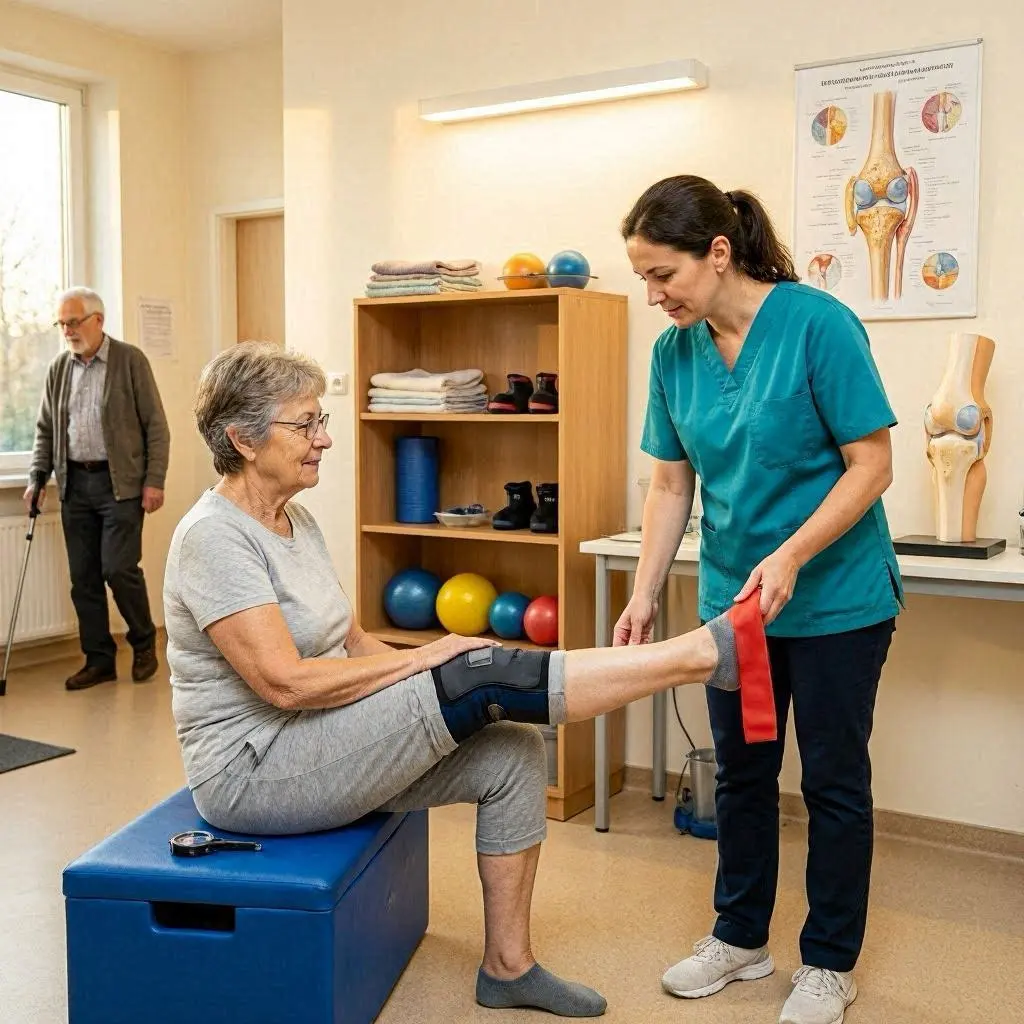
Physiotherapy for Osteoarthritis: Managing Pain and Improving Quality of Life
Osteoarthritis is one of the most common joint conditions, affecting millions of people worldwide. It occurs when the protective cartilage within joints gradually wears down, leading to pain, stiffness, swelling, and reduced mobility. While osteoarthritis cannot be completely reversed, physiotherapy for osteoarthritis offers an effective way to manage symptoms, improve movement, and maintain an active lifestyle.Moreover, physiotherapy focuses on strengthening the muscles that support affected joints, improving flexibility, and reducing physical limitations. As a result, many individuals experience better mobility, less discomfort, and improved overall well-being.
What Is Physiotherapy for Osteoarthritis?
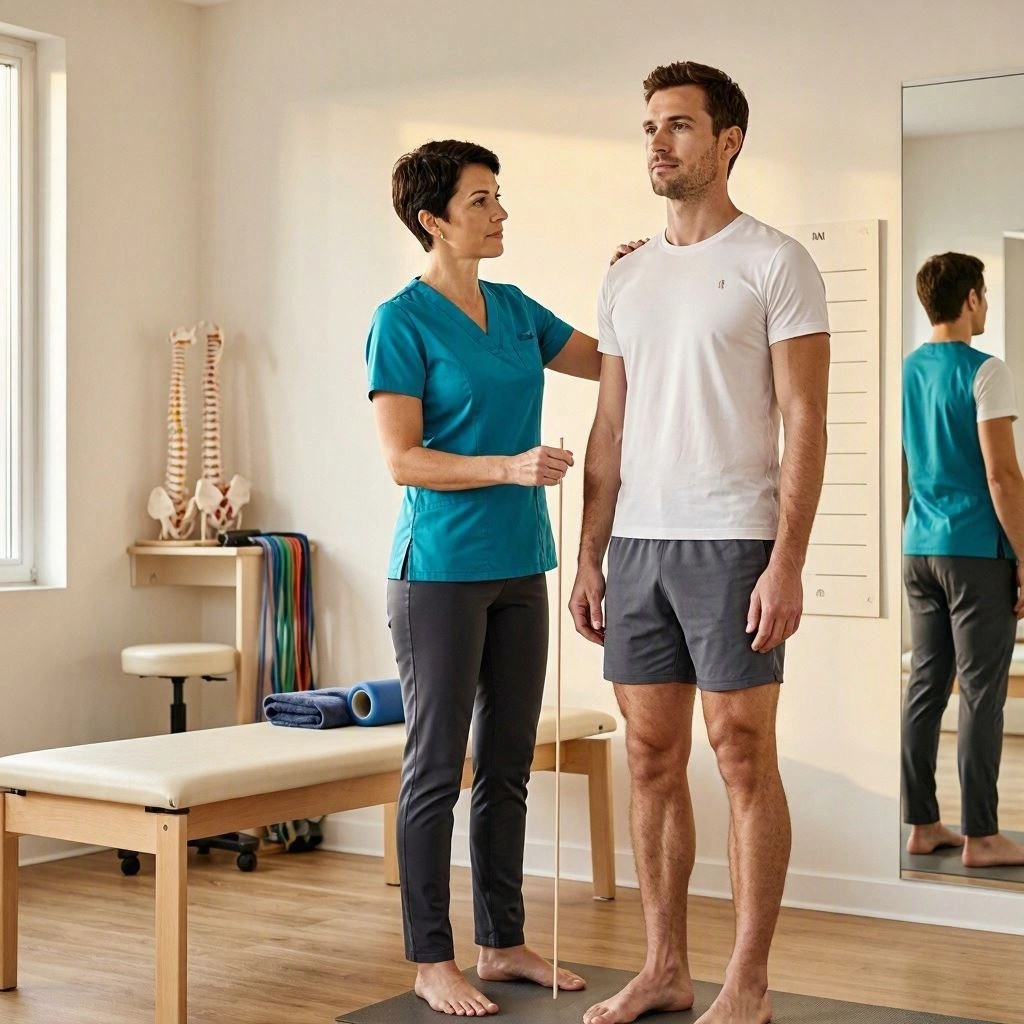
It is a personalized rehabilitation approach designed to reduce joint pain, improve function, and support long-term joint health. First, a physiotherapist conducts a detailed assessment of joint mobility, muscle strength, posture, and movement patterns. Then, an individualized treatment plan is developed based on the patient’s symptoms and goals.
Treatment options may include:
-
Therapeutic exercises
-
Joint mobility training
-
Strengthening programs
-
Stretching exercises
-
Manual therapy
-
Balance and coordination activities
-
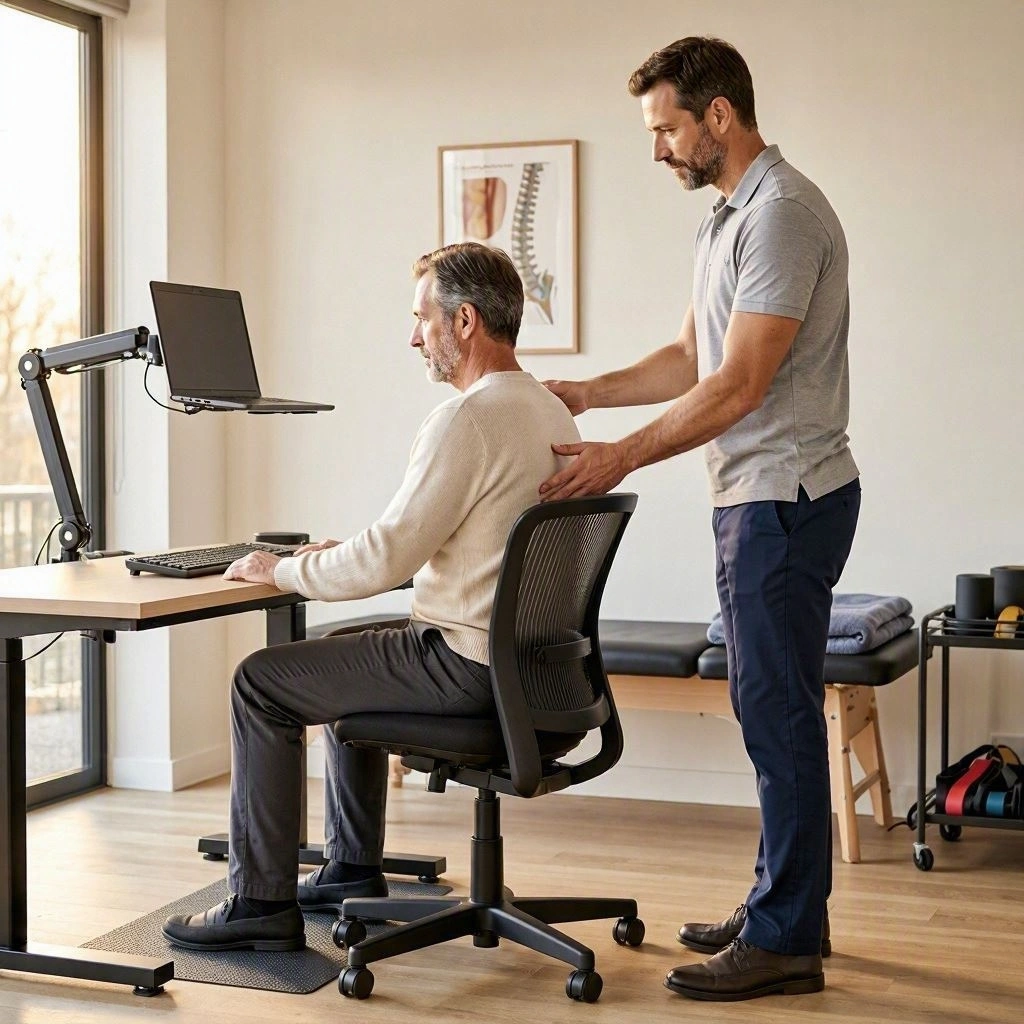
Posture correction
-
Pain management techniques
Ultimately, the goal is to help individuals maintain mobility and independence while managing osteoarthritis symptoms effectively.
Benefits of Physiotherapy for Osteoarthritis
Physiotherapy for Osteoarthritis and Pain Reduction
Targeted exercises and therapeutic techniques help reduce joint discomfort and improve daily function. Consequently, patients can perform routine activities with greater ease.
Improved Joint Mobility and Flexibility
Regular movement and stretching programs help maintain range of motion and reduce stiffness.
Stronger Muscles for Better Joint Support
Strengthening exercises improve stability and reduce stress on affected joints. Furthermore, stronger muscles help improve movement efficiency.
Long-Term Arthritis Management
Physiotherapy supports ongoing joint health and helps slow the progression of mobility limitations associated with osteoarthritis.
Common Areas Affected by Osteoarthritis
Knee Osteoarthritis Rehabilitation
The knees are among the most commonly affected joints. Therefore, physiotherapy often focuses on strengthening the muscles surrounding the knee.
Hip Osteoarthritis Treatment
Hip rehabilitation programs help improve movement, balance, and walking ability.
Hand and Finger Joint Mobility
Targeted exercises can help maintain flexibility and function in smaller joints.
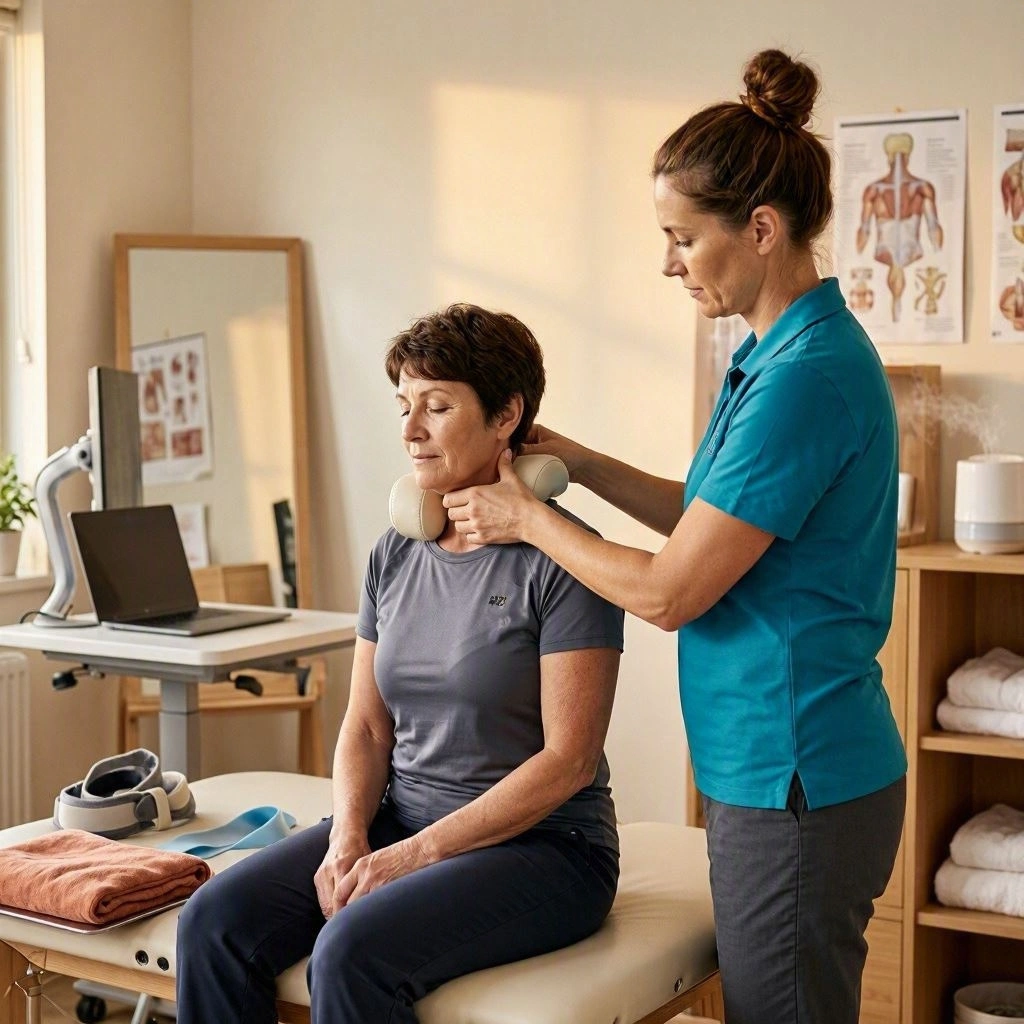
Spine and Neck Osteoarthritis Care
Physiotherapy helps reduce stiffness and improve posture in individuals with spinal osteoarthritis.
Physiotherapy Techniques for Osteoarthritis Management
Exercise Therapy for Joint Function
Customized exercise programs improve flexibility, strength, endurance, and mobility.
Manual Therapy for Joint Mobility
Hands-on treatment techniques help improve movement and reduce joint restrictions.
Balance and Functional Training
Balance exercises support stability and reduce the risk of falls. In addition, functional training improves confidence during daily activities.
Movement Education and Lifestyle Guidance
Patients learn safe movement strategies that help protect joints and reduce physical strain.
Why Choose Physiotherapy for Osteoarthritis?
Personalized Treatment Plans (Physiotherapy for Osteoarthritis)
Every rehabilitation program is tailored to the individual’s condition, lifestyle, and goals.
Evidence-Based Osteoarthritis Treatment
Modern physiotherapy uses proven methods supported by clinical research and best practices.
Improved Independence and Mobility
Better movement and reduced pain help individuals remain active and self-sufficient.
Long-Term Joint Health Support
Ongoing physiotherapy can help maintain physical function and support healthy aging.
Tips for Managing Osteoarthritis
To support joint health and mobility:
-
Stay physically active
-
Follow prescribed exercise programs
-
Maintain a healthy body weight
-
Practice proper posture
-
Avoid prolonged inactivity
-
Attend physiotherapy sessions consistently
Most importantly, regular movement and professional guidance can make a significant difference in symptom management.
Conclusion (Physiotherapy for Osteoarthritis)
It is a safe and effective approach to managing joint pain, improving mobility, and enhancing quality of life. Through personalized rehabilitation programs, strengthening exercises, mobility training, and manual therapy, physiotherapy helps individuals maintain independence and stay active.Ultimately, whether osteoarthritis affects the knees, hips, hands, or spine, It provides valuable tools and strategies for reducing discomfort, improving function, and supporting long-term joint health.