Chiropractic Rehabilitation: A Complete Guide to Recovery, Pain Relief, and Improved Mobility
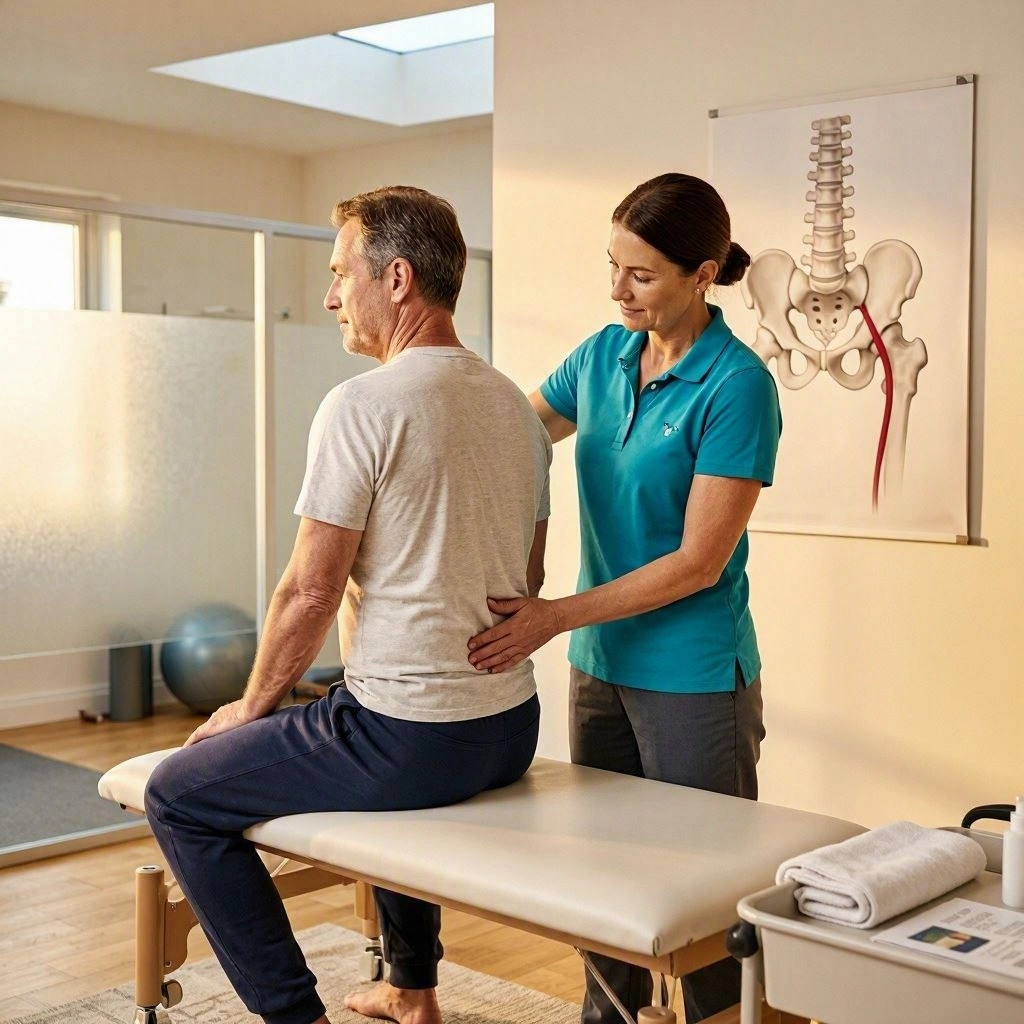
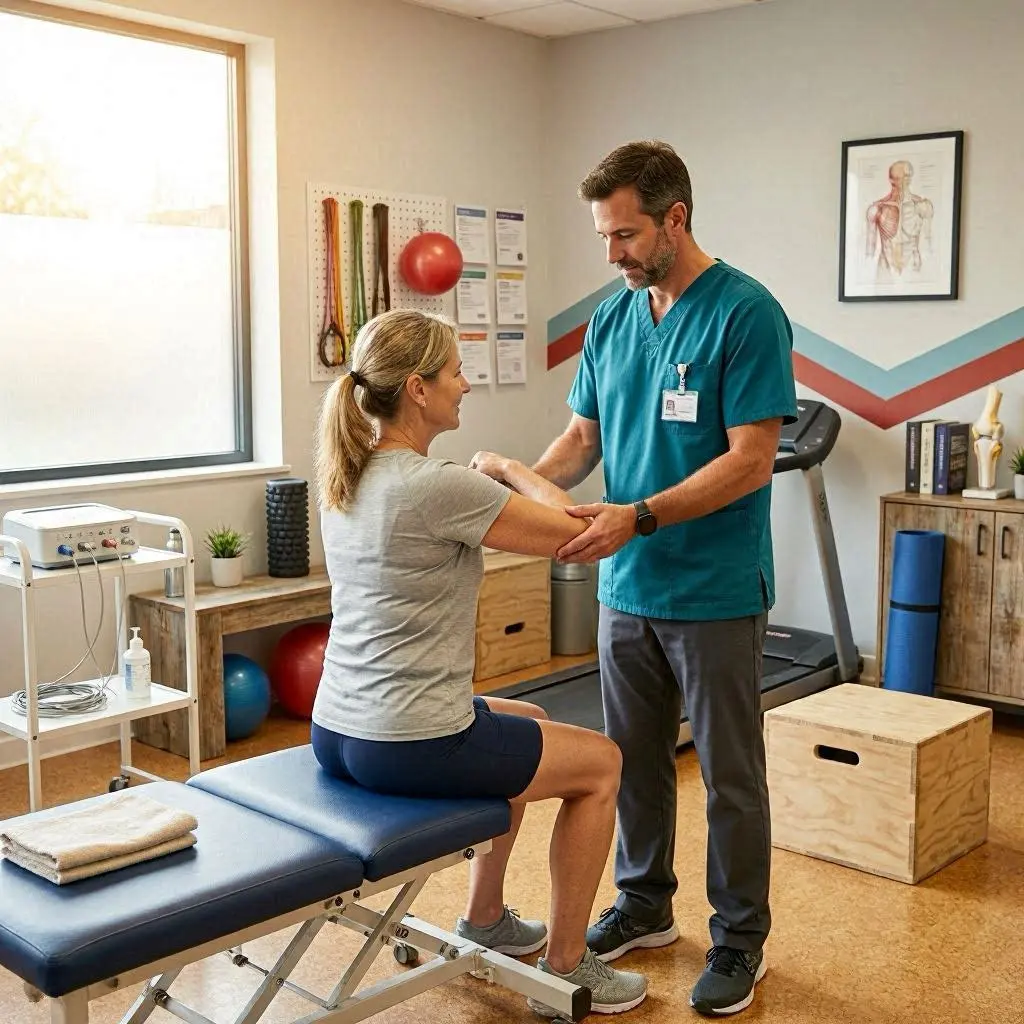
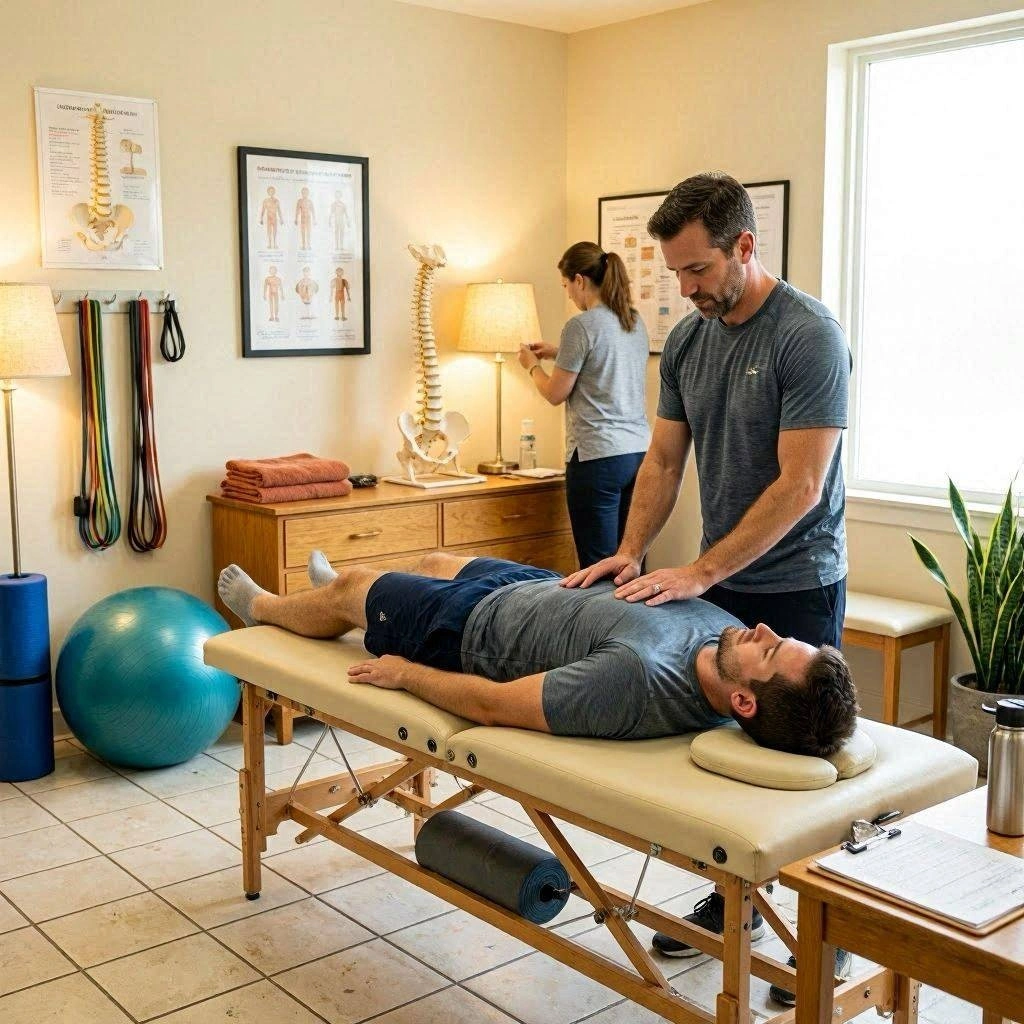
Chiropractic rehabilitation is a comprehensive approach to recovery that combines chiropractic care, therapeutic exercises, mobility training, and lifestyle guidance to help individuals regain function and improve overall well-being. Whether recovering from an injury, managing chronic pain, or seeking better mobility, this personalized approach supports long-term health and physical performance.
Moreover, rehabilitation focuses on addressing the underlying causes of pain and movement limitations instead of simply relieving symptoms. As a result, many patients experience improved mobility, reduced discomfort, and better quality of life. In addition, every treatment plan is tailored to the individual’s condition, recovery goals, and daily activities.
What Is Chiropractic Rehabilitation?
Chiropractic rehabilitation is a specialized recovery program designed to restore movement, improve strength, reduce pain, and support healing after injury or physical dysfunction. First, a chiropractor evaluates posture, spinal alignment, joint mobility, muscle strength, flexibility, and movement patterns. Then, a personalized rehabilitation plan is created based on the patient’s needs.
Treatment may include:
-
Chiropractic adjustments
-
Joint mobilization
-
Therapeutic exercises
-
Stretching programs
-
Strength training
-
Balance and coordination exercises
-
Postural correction
-
Functional movement training
-
Lifestyle and ergonomic education
Ultimately, the goal is to restore normal movement, improve physical function, and help patients safely return to work, sports, and everyday activities.
Benefits of Rehabilitation Care
Faster Pain Relief Through Chiropractic Care
One of the greatest benefits of chiropractic rehabilitation is reducing pain. Chiropractic adjustments and rehabilitation exercises improve joint function while reducing stress on muscles and surrounding tissues. Consequently, many patients experience relief from back pain, neck pain, muscle tension, and joint discomfort.
Improved Mobility and Flexibility
Restricted movement can interfere with daily life and physical performance. Therefore, rehabilitation therapy includes stretching, mobility exercises, and manual techniques that restore flexibility and healthy movement patterns.
Enhanced Strength and Stability
Weak muscles can contribute to poor posture and recurring injuries. For this reason, strengthening exercises improve stability, support the spine, and enhance overall body mechanics.
Better Posture and Functional Movement
Poor posture places unnecessary strain on the spine and surrounding muscles. Therefore, patients learn healthier movement patterns that support long-term spinal health and daily comfort.
Long-Term Recovery and Injury Prevention (Chiropractic Rehabilitation)
Instead of focusing only on temporary symptom relief, rehabilitation programs also help reduce the risk of future injuries. As a result, patients enjoy more sustainable recovery and improved physical function.
Conditions That Respond Well to Chiropractic Rehabilitation
Back Pain and Spinal Problems
Recovery programs are commonly used for lower back pain, upper back pain, spinal stiffness, and posture-related discomfort. Furthermore, strengthening exercises improve spinal support and stability.
Neck Pain and Muscle Tension
Individuals with neck pain often benefit from spinal adjustments, stretching routines, and strengthening exercises. Consequently, mobility improves while stiffness gradually decreases.
Sports Injury Recovery
Athletes frequently use chiropractic rehabilitation to recover after sports injuries. Additionally, movement training helps improve performance and reduce future injury risk.
Joint Injuries and Movement Limitations
Shoulder, hip, knee, and other joint conditions often improve through personalized rehabilitation exercises and manual treatment techniques.
Workplace and Repetitive Strain Injuries
Many people develop pain because of prolonged sitting or repetitive tasks. Therefore, recovery plans often include ergonomic education and corrective exercises to improve workplace comfort.
Rehabilitation Techniques That Support Recovery
Chiropractic Adjustments
Gentle spinal adjustments improve joint mobility, restore alignment, and encourage healthier movement patterns.
Therapeutic Exercise Programs
Customized exercises strengthen muscles, improve endurance, increase flexibility, and restore normal function.
Soft Tissue Therapy (Chiropractic Rehabilitation)
Hands-on techniques reduce muscle tightness, improve circulation, and promote faster healing. Furthermore, they help improve comfort during movement.
Postural Correction
Correcting posture reduces stress on the spine while improving body mechanics during daily activities.
Balance and Coordination Training
Balance exercises improve stability, coordination, and confidence during movement. Consequently, patients often experience better overall physical function.
Functional Movement Training (Chiropractic Rehabilitation)
Functional exercises prepare patients to safely perform everyday activities such as lifting, bending, walking, and reaching.
Why Choose Chiropractic Rehabilitation?
Personalized Recovery Plans
Every patient receives a customized treatment program based on their symptoms, lifestyle, and recovery goals.
Comprehensive Rehabilitation Approach
Recovery combines chiropractic care, exercise therapy, mobility training, and patient education to achieve better long-term outcomes.
Conservative and Non-Surgical Care
Many people choose this approach because it supports recovery without surgery or long-term medication.
Long-Term Wellness Support (Chiropractic Rehabilitation)
In addition to reducing pain, rehabilitation teaches healthy habits that help maintain mobility and prevent recurring problems.
Tips for Maximizing Recovery
To achieve the best results:
-
Attend appointments consistently.
-
Complete prescribed home exercises.
-
Maintain good posture throughout the day.
-
Stay physically active within recommended limits.
-
Follow ergonomic recommendations.
-
Communicate regularly with your chiropractor.
-
Remain patient and committed to your recovery.
Most importantly, consistency plays a major role in achieving lasting improvements.
Healthy Lifestyle Habits for Better Recovery (Chiropractic Rehabilitation)
Lifestyle choices greatly influence rehabilitation outcomes. For example, regular exercise supports muscle strength and joint mobility, while quality sleep promotes healing. Likewise, balanced nutrition provides the body with the resources needed for tissue repair.
Furthermore, managing stress can reduce muscle tension and improve overall well-being. Therefore, combining professional care with healthy daily habits often leads to better long-term results.
Conclusion (Chiropractic Rehabilitation)
Chiropractic rehabilitation provides a comprehensive approach to restoring movement, reducing pain, and improving physical function. Through chiropractic adjustments, therapeutic exercises, mobility training, postural correction, and lifestyle education, patients can achieve meaningful improvements in health and daily performance.
Ultimately, whether recovering from an injury, managing chronic pain, or working toward better mobility, chiropractic rehabilitation offers personalized treatment that supports long-term recovery, greater independence, and a healthier, more active lifestyle.