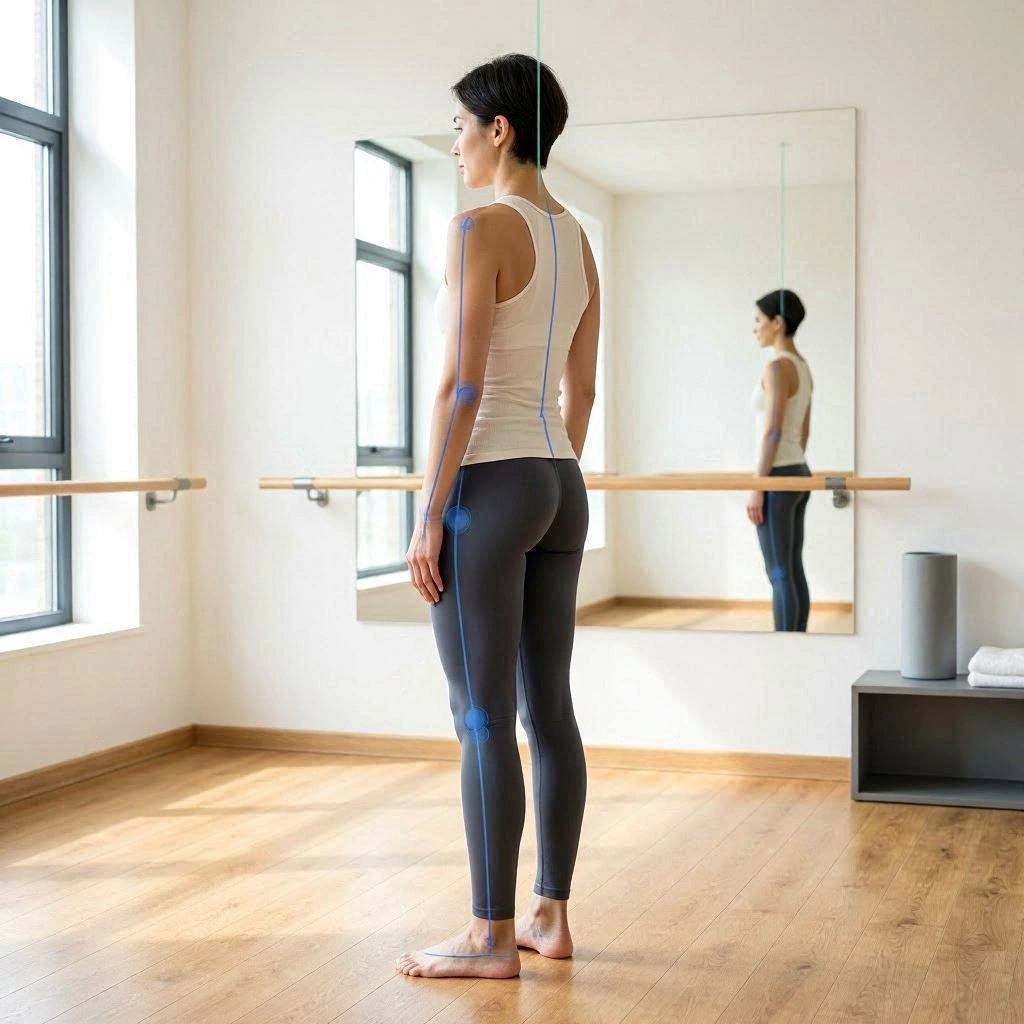
Body Alignment: The Key to Better Posture, Pain Relief, and Long-Term Physical Health
Your body is designed to move efficiently, but proper movement depends on good alignment. When the spine, joints, and muscles are correctly aligned, the body functions more smoothly, allowing you to walk, sit, stand, and exercise with less effort. However, poor posture, repetitive movements, injuries, and prolonged sitting can gradually disrupt alignment, leading to pain, stiffness, reduced mobility, and unnecessary stress on the musculoskeletal system.
Fortunately, improving body alignment can restore balance, reduce discomfort, and support long-term physical health. Rather than focusing only on relieving symptoms, body alignment addresses the underlying mechanical factors that contribute to poor posture and movement dysfunction. As a result, many people experience improved flexibility, better posture, increased energy, and a lower risk of future injuries.
What Is Body Alignment?
Body alignment refers to the proper positioning of the bones, joints, muscles, and spine during both movement and rest. When the body is aligned correctly, weight is distributed evenly across the joints, allowing muscles to work efficiently without unnecessary strain.
Healthy alignment involves more than simply standing up straight. It includes balanced movement throughout the entire body, from the head and shoulders to the hips, knees, and feet.
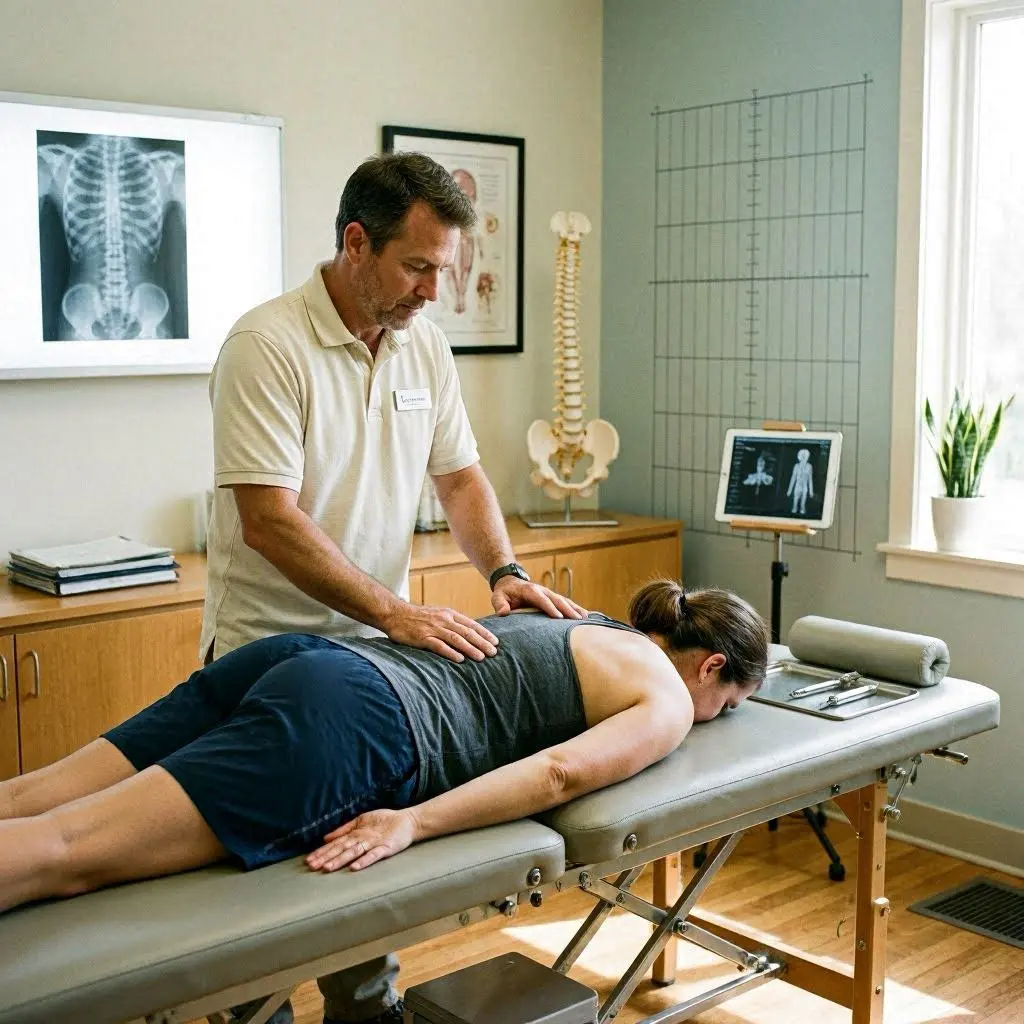
A professional body alignment assessment may evaluate:
-
Spinal posture
-
Shoulder position
-
Hip alignment
-
Joint mobility
-
Muscle balance
-
Walking pattern
-
Flexibility
-
Core strength
-
Balance and coordination
-
Functional movement
Based on these findings, healthcare professionals may recommend specific treatments and exercises to improve alignment safely.
Why Is Body Alignment Important?
Even small alignment problems can affect the way your body moves. Over time, these changes may place excessive stress on muscles, joints, ligaments, and tendons. Consequently, discomfort often develops gradually rather than suddenly.
Maintaining proper alignment helps the body move naturally while minimizing unnecessary wear on the musculoskeletal system. Furthermore, healthy alignment supports better posture, improved balance, and greater movement efficiency throughout daily life.
Common Causes of Poor Body Alignment
Many everyday habits can contribute to alignment problems.
Poor Posture
Slouching while sitting, standing unevenly, or looking down at electronic devices for long periods can gradually change body mechanics.
Sedentary Lifestyle
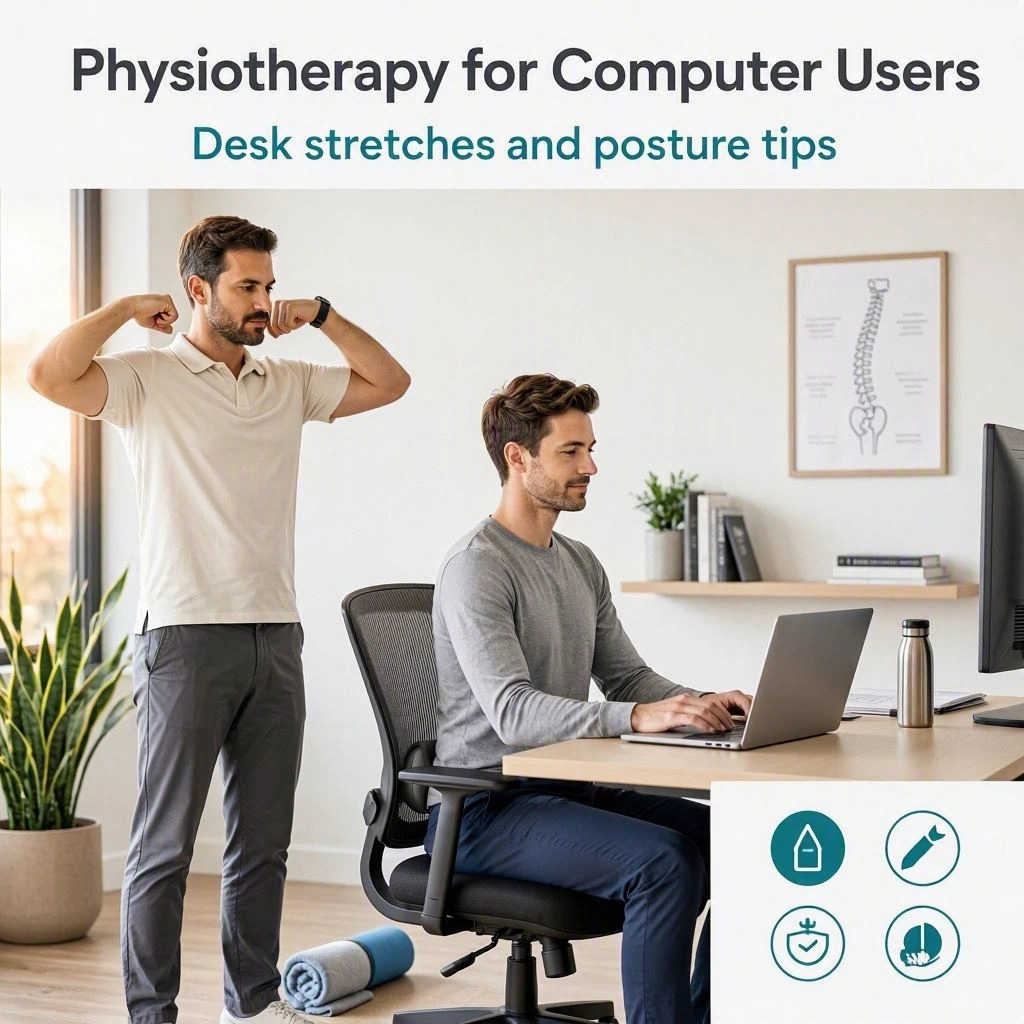
Long hours of sitting reduce muscle activity and contribute to stiffness, weakness, and postural imbalances.
Muscle Imbalances
Weak muscles combined with tight muscles can pull joints out of their optimal position. Therefore, balanced strength and flexibility are essential.
Injuries
Previous sports injuries, workplace accidents, or falls may alter movement patterns long after the initial injury has healed.
Repetitive Movements
Performing the same tasks repeatedly may create uneven stress on certain muscles and joints.
Aging
Natural age-related changes in muscles, joints, and connective tissues can gradually influence posture and alignment.
Benefits of Improving Body Alignment
Better Posture
One of the most noticeable benefits of proper body alignment is improved posture. Good posture reduces stress on the spine while helping muscles function more efficiently.
Reduced Pain
Poor alignment often contributes to back pain, neck pain, shoulder discomfort, hip pain, and knee problems. By correcting movement patterns, many individuals experience meaningful pain relief.
Improved Mobility
Healthy joint alignment allows smoother movement. Consequently, walking, bending, lifting, and exercising become easier.
Increased Strength and Stability
When joints are properly aligned, muscles can generate force more effectively. As a result, strength and balance often improve.
Lower Risk of Injury
Balanced movement reduces unnecessary stress on joints and soft tissues. Therefore, maintaining good alignment helps decrease the likelihood of strains, sprains, and overuse injuries.
Enhanced Physical Performance
Athletes and active individuals often perform better when their bodies move efficiently. Proper alignment supports better coordination, endurance, and overall movement quality.
How Healthcare Professionals Improve Body Alignment
Chiropractic Care
Chiropractors use spinal adjustments and joint mobilization techniques to improve movement and restore normal joint function.
Therapeutic Exercise
Personalized exercise programs strengthen weak muscles while improving flexibility and coordination.
Stretching Programs (Body Alignment)
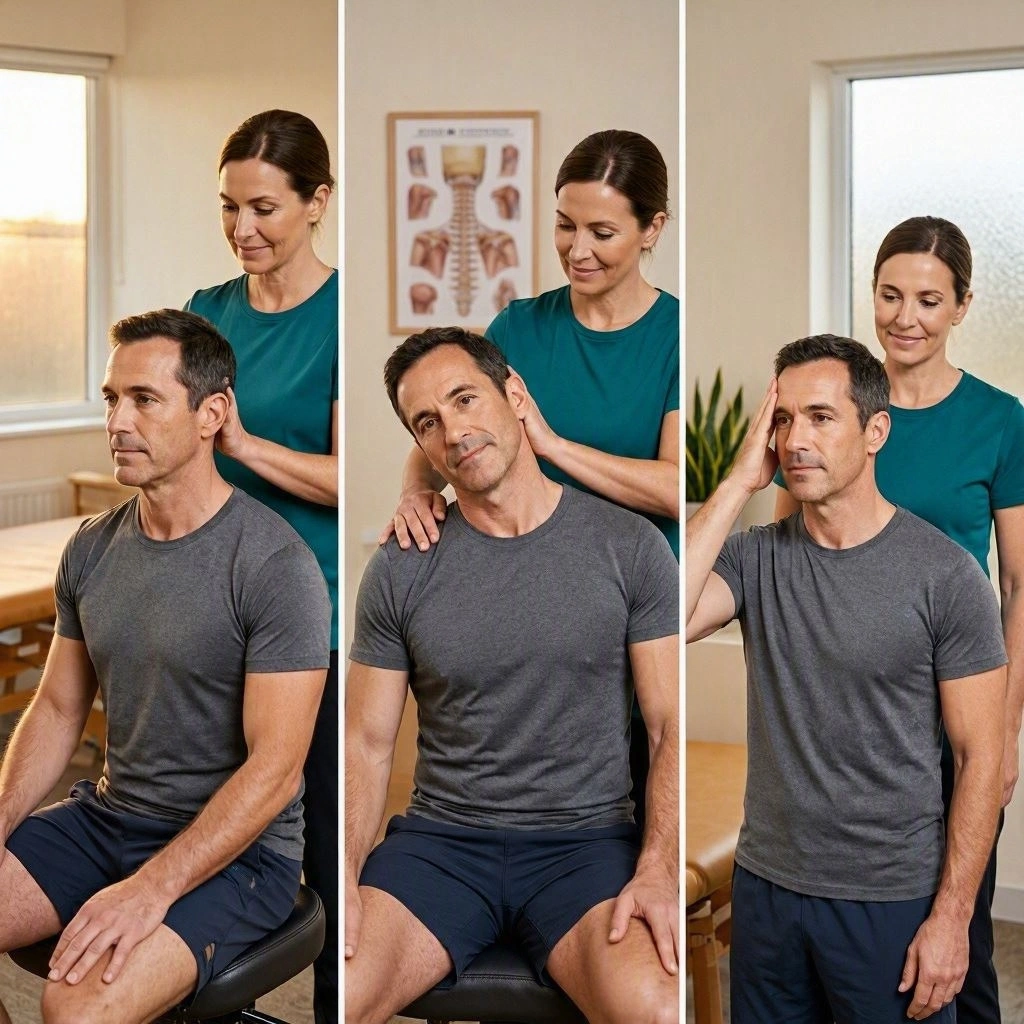
Stretching helps reduce muscle tightness that contributes to poor posture and restricted movement.
Manual Therapy
Hands-on treatment techniques improve joint mobility, reduce muscle tension, and encourage healthy movement patterns.
Postural Education
Learning proper sitting, standing, lifting, and sleeping positions helps maintain healthy alignment throughout daily life.
Everyday Habits That Support Body Alignment
Professional treatment is most effective when combined with healthy lifestyle habits.
To maintain better alignment:
-
Sit with proper back support.
-
Stand evenly on both feet.
-
Stretch regularly.
-
Exercise consistently.
-
Strengthen your core muscles.
-
Avoid prolonged sitting.
-
Lift objects using proper technique.
-
Wear supportive footwear.
-
Sleep on a supportive mattress.
-
Stay physically active throughout the day.
Most importantly, small daily improvements often produce lasting results over time.
Exercises That Improve Body Alignment
Several types of exercises help restore healthy movement.
Core Strengthening
Strong abdominal and back muscles stabilize the spine and improve posture.
Flexibility Training
Stretching tight muscles allows joints to move more naturally while reducing stiffness.
Balance Exercises (Body Alignment)
Improving balance enhances coordination and reduces the risk of falls.
Functional Movement Training
Functional exercises teach the body to move correctly during everyday activities such as bending, lifting, reaching, and walking.
Mobility Drills
Joint mobility exercises improve flexibility while encouraging smoother movement patterns.
Who Can Benefit from Body Alignment Programs?
Body alignment programs are suitable for people of all ages.
They are especially helpful for:
-
Office workers
-
Athletes
-
Older adults
-
Individuals recovering from injuries
-
People with chronic back or neck pain
-
Those with poor posture
-
Individuals experiencing joint stiffness
-
Workers performing repetitive tasks
-
People seeking injury prevention
Because every individual has different needs, personalized assessment is always recommended.
When Should You Seek Professional Care?
Professional evaluation may be beneficial if you experience:
-
Persistent back pain
-
Neck stiffness
-
Frequent headaches
-
Poor posture
-
Limited flexibility
-
Muscle tightness
-
Uneven walking patterns
-
Balance problems
-
Joint discomfort affecting daily activities
Early intervention often prevents minor alignment issues from becoming chronic conditions.
Long-Term Strategies for Maintaining Good Alignment
Healthy alignment requires ongoing attention rather than occasional treatment alone.
Helpful long-term strategies include:
-
Staying physically active.
-
Maintaining a healthy body weight.
-
Practicing proper posture.
-
Stretching daily.
-
Strengthening your core.
-
Taking movement breaks during work.
-
Managing stress.
-
Scheduling routine musculoskeletal assessments when appropriate.
-
Following professional recommendations.
-
Listening to your body’s warning signs.
These healthy habits support better movement and lifelong spinal health.
Conclusion (Body Alignment)
Body alignment plays a fundamental role in maintaining healthy posture, efficient movement, and overall physical well-being. By improving spinal position, joint function, muscle balance, and movement patterns, proper alignment helps reduce pain, increase mobility, and lower the risk of future injuries.
Whether you are recovering from an injury, experiencing chronic discomfort, or simply looking to improve your posture and physical performance, focusing on body alignment can provide lasting benefits. Combined with professional care, therapeutic exercise, stretching, and healthy lifestyle habits, maintaining proper alignment allows you to move more comfortably, stay active, and enjoy a healthier quality of life for years to come.