
Spinal Care: A Complete Guide to Maintaining a Healthy Spine and Improving Quality of Life
The spine is one of the most important structures in the human body. It provides support, protects the spinal cord, allows movement, and helps maintain proper posture. Every activity you perform—walking, lifting, sitting, exercising, or even sleeping—depends on a healthy spine. However, modern lifestyles that involve prolonged sitting, poor posture, repetitive movements, and limited physical activity can place significant stress on the spine and surrounding muscles. (spinal care)
Proper spinal care is essential for maintaining mobility, preventing pain, and supporting overall health. By combining healthy habits, regular exercise, good posture, and professional care when needed, individuals can improve spinal function and reduce the risk of future problems. Whether you are dealing with occasional discomfort or seeking long-term wellness, understanding spinal care can help you protect one of your body’s most valuable systems.
What Is Spinal Care?
Spinal care refers to the habits, treatments, and preventive measures used to maintain the health and function of the spine. It includes activities and strategies that support proper alignment, flexibility, strength, and movement.
Spinal care involves several important components, including:
-
Proper posture
-
Regular exercise
-
Flexibility training
-
Strengthening exercises
-
Healthy body mechanics
-
Ergonomic work environments
-
Weight management
-
Chiropractic care
-
Rehabilitation when necessary
-
Preventive healthcare
A comprehensive approach helps reduce stress on the spine while supporting long-term physical function.
Understanding the Structure of the Spine
The spine consists of 33 vertebrae that are connected by joints, discs, ligaments, and muscles. These structures work together to provide support and movement while protecting the spinal cord.
The spine is divided into several regions:
Cervical Spine
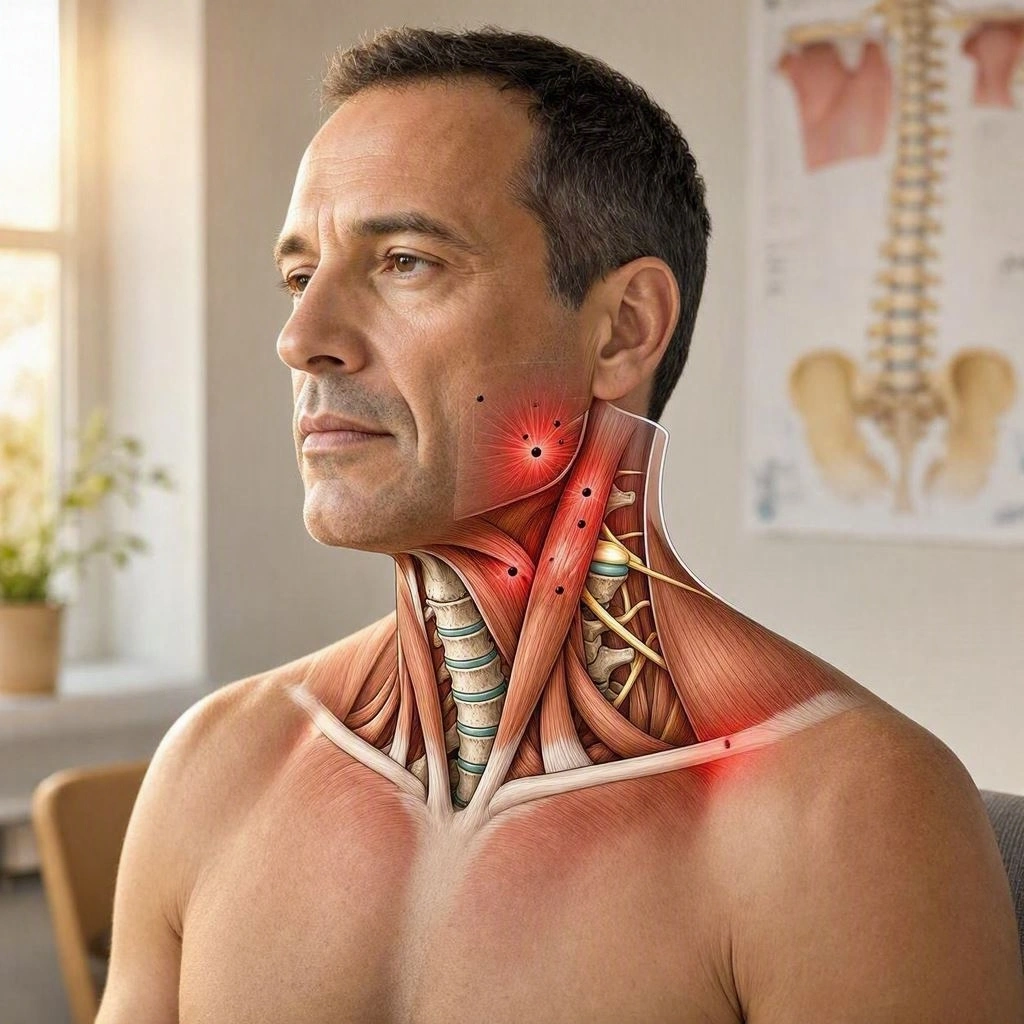
The neck contains seven vertebrae and supports the head while allowing movement.
Thoracic Spine (Spinal Care)
The upper and middle back contain twelve vertebrae that connect to the ribs and provide stability.
Lumbar Spine
The lower back contains five vertebrae that support much of the body’s weight.
Sacrum and Coccyx
These structures form the base of the spine and contribute to pelvic stability.
Maintaining healthy movement in all regions is essential for overall spinal health.
Why Spinal Care Is Important
Poor spinal health can affect many areas of life. Pain, stiffness, and reduced mobility may interfere with work, exercise, sleep, and everyday activities.
Good spinal care can help:
-
Reduce back pain
-
Improve posture
-
Increase flexibility
-
Enhance mobility
-
Improve balance
-
Support healthy movement
-
Reduce injury risk
-
Improve physical performance
-
Increase comfort during daily activities
-
Support overall well-being
Preventive care often reduces the likelihood of chronic musculoskeletal problems.
Common Causes of Spinal Problems
Several factors may contribute to spinal discomfort or reduced mobility.
Poor Posture
Slouching, forward head posture, and improper sitting positions place additional stress on the spine.
Prolonged Sitting
Many people spend long hours sitting at desks, driving, or using electronic devices, which may contribute to muscle tightness and joint stiffness.
Lack of Exercise
Weak muscles provide less support for the spine, increasing the risk of pain and injury.
Repetitive Movements (Spinal Care)
Repeated bending, twisting, or lifting may strain spinal structures over time.
Injuries
Sports injuries, falls, and car accidents can affect spinal alignment and movement.
Aging
Natural changes in discs, joints, and connective tissues may influence spinal function as people age.
The Importance of Good Posture
Posture plays a major role in spinal health.
Healthy posture helps distribute forces evenly throughout the body while reducing unnecessary strain.
Tips for maintaining good posture include:
-
Keep your head aligned over your shoulders.
-
Relax your shoulders.
-
Support your lower back while sitting.
-
Keep both feet flat on the floor.
-
Position computer screens at eye level.
-
Take regular movement breaks.
Small improvements in posture can lead to significant long-term benefits.
Exercise and Spinal Health
Regular physical activity is one of the most effective ways to support spinal care.
Strength Training
Strong muscles provide better support for the spine and improve stability.
Core Exercises
Abdominal and back muscles play an important role in spinal support.
Stretching (Spinal Care)
Stretching improves flexibility and reduces muscle tension.
Walking
Walking encourages healthy movement while improving circulation.
Swimming
Water-based exercise provides low-impact activity that is gentle on the spine.
A balanced exercise routine supports both spinal strength and mobility.
Chiropractic Care and Spinal Wellness
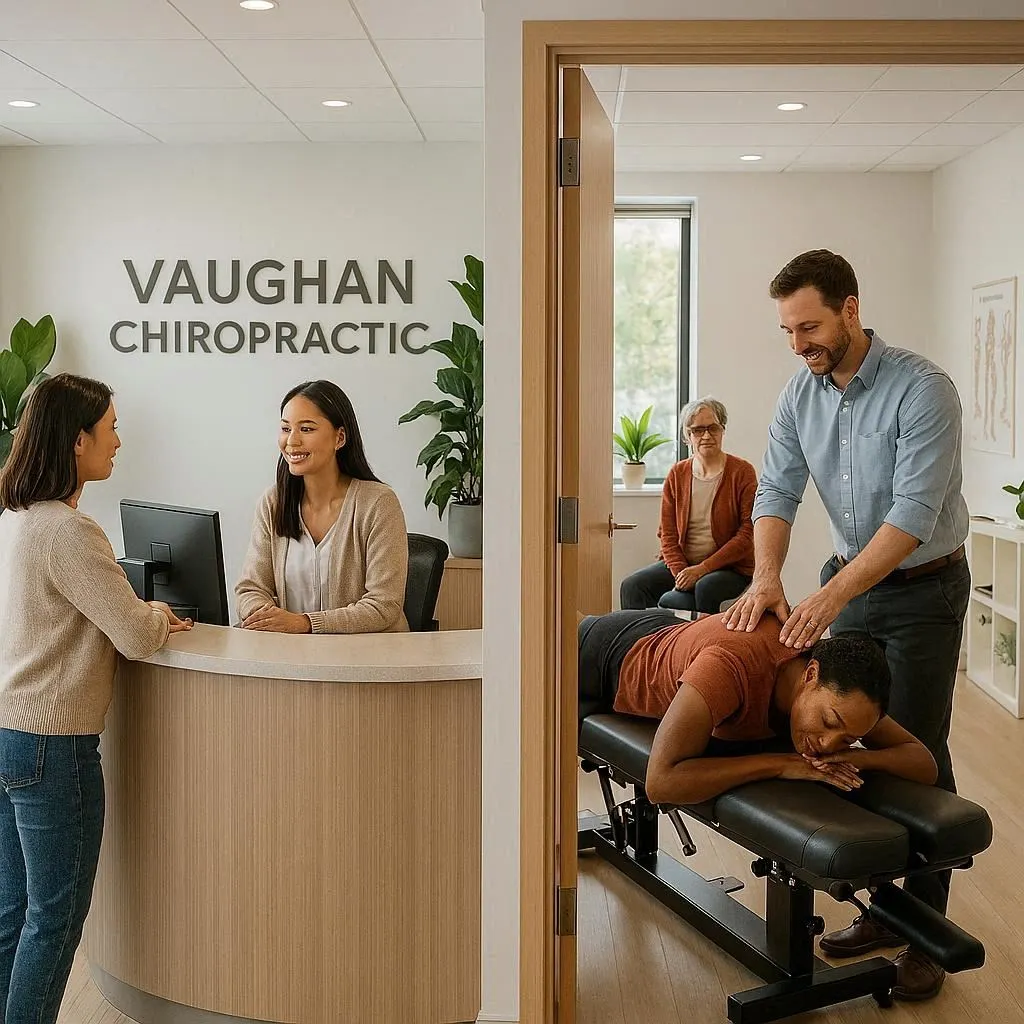
Chiropractic care is commonly used as part of a comprehensive spinal care plan.
Chiropractors evaluate:
-
Posture
-
Joint mobility
-
Muscle balance
-
Movement patterns
-
Functional limitations
Treatment may include:
Chiropractic Adjustments
Adjustments improve joint movement and reduce stiffness.
Soft Tissue Therapy (Spinal Care)
Manual therapy relaxes muscles while improving circulation.
Therapeutic Exercise
Exercises strengthen supporting muscles and improve movement.
Posture Education
Patients learn habits that reduce spinal stress.
Chiropractic care often works best when combined with healthy daily habits.
Workplace Ergonomics (Spinal Care)
Many spinal problems are related to poor work environments.
Helpful ergonomic recommendations include:
-
Use a supportive chair.
-
Keep monitors at eye level.
-
Position keyboards comfortably.
-
Stand up regularly.
-
Stretch throughout the day.
-
Avoid sitting for prolonged periods.
These adjustments help reduce strain on the neck, shoulders, and lower back.
Healthy Lifestyle Habits for Better Spinal Care
Several habits support spinal health.
These include:
-
Stay physically active.
-
Maintain a healthy body weight.
-
Stretch daily.
-
Drink enough water.
-
Sleep on a supportive mattress.
-
Wear supportive footwear.
-
Use proper lifting techniques.
-
Manage stress.
-
Avoid smoking.
-
Prioritize quality sleep.
Healthy habits contribute to stronger muscles and healthier joints.
Sleep and Spinal Health (Spinal Care)
Sleep allows the body to repair tissues and recover from daily stress.
To support spinal health during sleep:
-
Choose a supportive mattress.
-
Use an appropriate pillow.
-
Maintain comfortable sleeping positions.
-
Sleep seven to nine hours per night.
Good sleep supports both physical recovery and overall wellness.
Stress and Muscle Tension
Stress often causes tension in the neck, shoulders, and back.
Helpful stress-management strategies include:
-
Deep breathing
-
Meditation
-
Walking
-
Gentle stretching
-
Yoga
-
Relaxation techniques
Reducing stress can improve both emotional and physical health.
When Should You Seek Professional Care?
Professional evaluation may be helpful if you experience:
-
Persistent back pain
-
Neck pain
-
Reduced flexibility
-
Frequent headaches
-
Muscle tightness
-
Joint stiffness
-
Pain affecting daily activities
-
Numbness or tingling
Early assessment often improves recovery outcomes.
Warning Signs That Require Immediate Medical Attention
Seek emergency medical care if you experience:
-
Loss of bowel or bladder control
-
Sudden weakness in the arms or legs
-
Numbness around the groin area
-
Severe pain after major trauma
-
High fever with spinal pain
-
Difficulty breathing
-
Chest pain
-
Loss of consciousness
These symptoms require urgent medical evaluation.
Building a Long-Term Spinal Care Plan (Spinal Care)
Long-term spinal health depends on consistent habits.
An effective plan may include:
-
Regular exercise
-
Strength training
-
Daily stretching
-
Good posture
-
Healthy nutrition
-
Stress management
-
Ergonomic improvements
-
Preventive healthcare
-
Chiropractic care when appropriate
Consistency is the key to maintaining a healthy spine.
Conclusion (Spinal Care)
Spinal care is essential for maintaining mobility, reducing pain, and supporting long-term health. Through proper posture, regular exercise, healthy lifestyle habits, and professional care when needed, individuals can protect their spine and enjoy better physical function.
Whether your goal is to prevent problems, recover from discomfort, or maintain an active lifestyle, prioritizing spinal care can improve your quality of life and help you move with greater comfort and confidence for years to come.