Disc Injury Rehabilitation: A Comprehensive Guide to Recovery, Pain Relief, and Spinal Health
A spinal disc injury can significantly affect your daily life, making simple activities such as walking, sitting, bending, or lifting uncomfortable. Whether caused by a herniated disc, bulging disc, degenerative disc disease, or a traumatic injury, spinal disc problems often lead to pain, stiffness, reduced mobility, and, in some cases, numbness or weakness in the arms or legs. Fortunately, disc injury rehabilitation provides a structured and personalized approach to reducing pain, restoring function, and supporting long-term spinal health.
Rather than focusing solely on symptom relief, rehabilitation addresses the underlying causes of movement dysfunction. As a result, patients often regain strength, improve flexibility, and reduce the likelihood of future injuries. Furthermore, a carefully designed rehabilitation program encourages safe healing while helping individuals return to work, sports, and everyday activities with confidence.
What Is Disc Injury Rehabilitation?
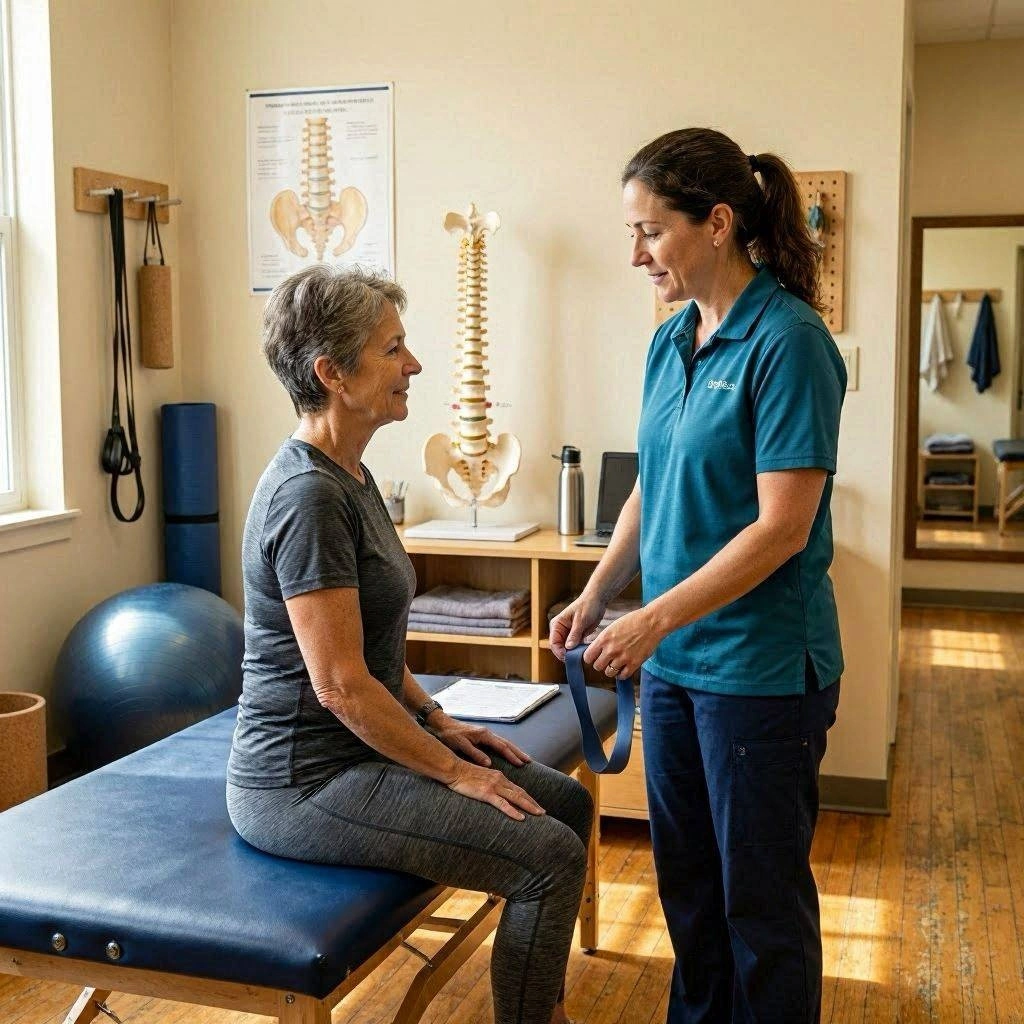
Disc injury rehabilitation is a personalized treatment program designed to help individuals recover from spinal disc conditions. It combines evidence-based therapies, targeted exercises, education, and lifestyle modifications to reduce pain, improve movement, and strengthen the muscles that support the spine.
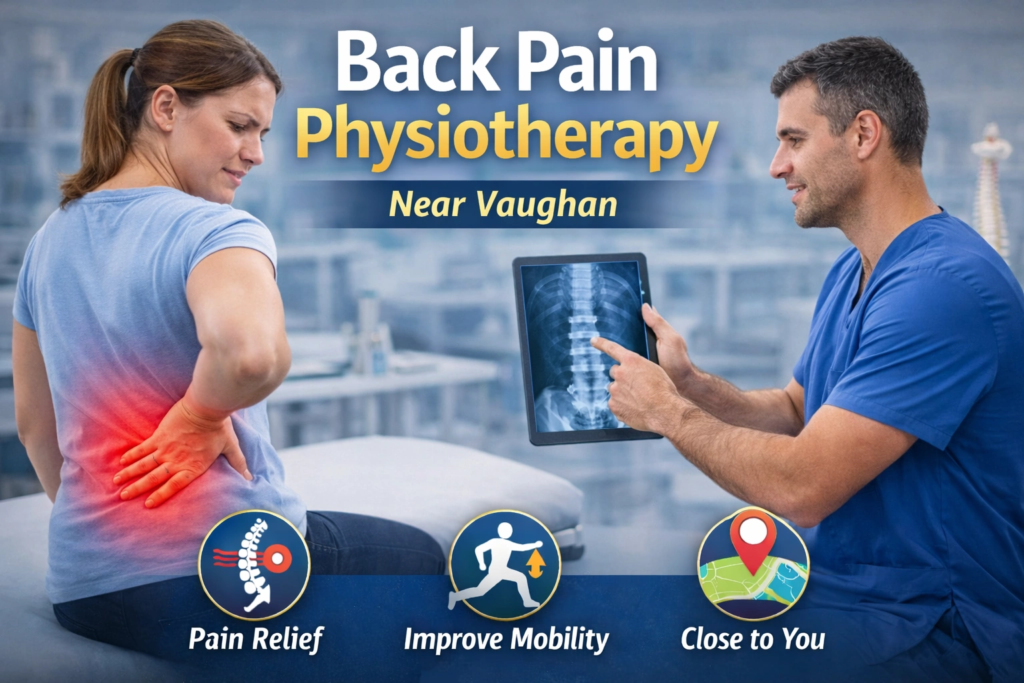
Treatment begins with a comprehensive assessment. During the initial consultation, a healthcare professional reviews your medical history, discusses your symptoms, and evaluates posture, spinal mobility, muscle strength, flexibility, balance, and neurological function. When appropriate, imaging studies such as MRI or CT scans may be reviewed to confirm the diagnosis and guide treatment planning.
Based on the assessment findings, an individualized rehabilitation program is created to match your condition, activity level, and recovery goals.
Understanding Spinal Disc Injuries
The spine contains soft discs that sit between each vertebra. These discs act as shock absorbers, allowing the spine to move while protecting the bones from excessive pressure. Each disc has a tough outer layer and a soft inner center.
When a disc becomes damaged, it may bulge, herniate, or degenerate. Consequently, nearby nerves can become irritated or compressed, causing pain and other symptoms.
Common causes of disc injuries include:
-
Heavy lifting with poor technique
-
Repetitive bending or twisting
-
Sports injuries
-
Falls or motor vehicle accidents
-
Age-related disc degeneration
-
Poor posture
-
Obesity
-
Sedentary lifestyles
Although disc injuries are common, many patients recover successfully with conservative rehabilitation.
Symptoms of a Disc Injury
Symptoms vary depending on the location and severity of the injury. However, common signs include:
Back or Neck Pain
Pain often develops in the area surrounding the injured disc and may worsen with movement or prolonged sitting.
Radiating Pain
If a nerve becomes compressed, pain may travel into the arm or leg. For example, a lumbar disc injury may cause sciatica, while a cervical disc injury may cause pain extending into the shoulder or arm.
Numbness and Tingling
Compressed nerves may produce tingling or numbness in the hands, feet, arms, or legs.
Muscle Weakness
Some patients experience weakness in affected limbs, making walking, lifting, or gripping objects more difficult.
Reduced Mobility
Disc injuries frequently limit flexibility and make bending, twisting, or standing for extended periods uncomfortable.
Benefits of Disc Injury Rehabilitation
Pain Reduction
One of the primary goals of rehabilitation is to decrease pain while allowing damaged tissues to heal naturally. Through a combination of manual therapy, therapeutic exercises, and movement education, patients often experience gradual and lasting relief.
Improved Spinal Mobility
Rehabilitation restores healthy movement by improving joint flexibility and reducing stiffness. Consequently, everyday tasks become easier and more comfortable.
Stronger Supporting Muscles
Weak core muscles often contribute to spinal instability. Therefore, rehabilitation emphasizes strengthening the abdominal, back, and pelvic muscles to provide better spinal support.
Faster Recovery
Structured rehabilitation promotes safe healing while reducing unnecessary strain on injured tissues. As recovery progresses, activities are gradually increased to rebuild strength and endurance.
Reduced Risk of Future Injuries
Patients learn proper posture, lifting techniques, and body mechanics that protect the spine and reduce the likelihood of recurring disc problems.
Treatment Methods Used in Disc Injury Rehabilitation
Manual Therapy
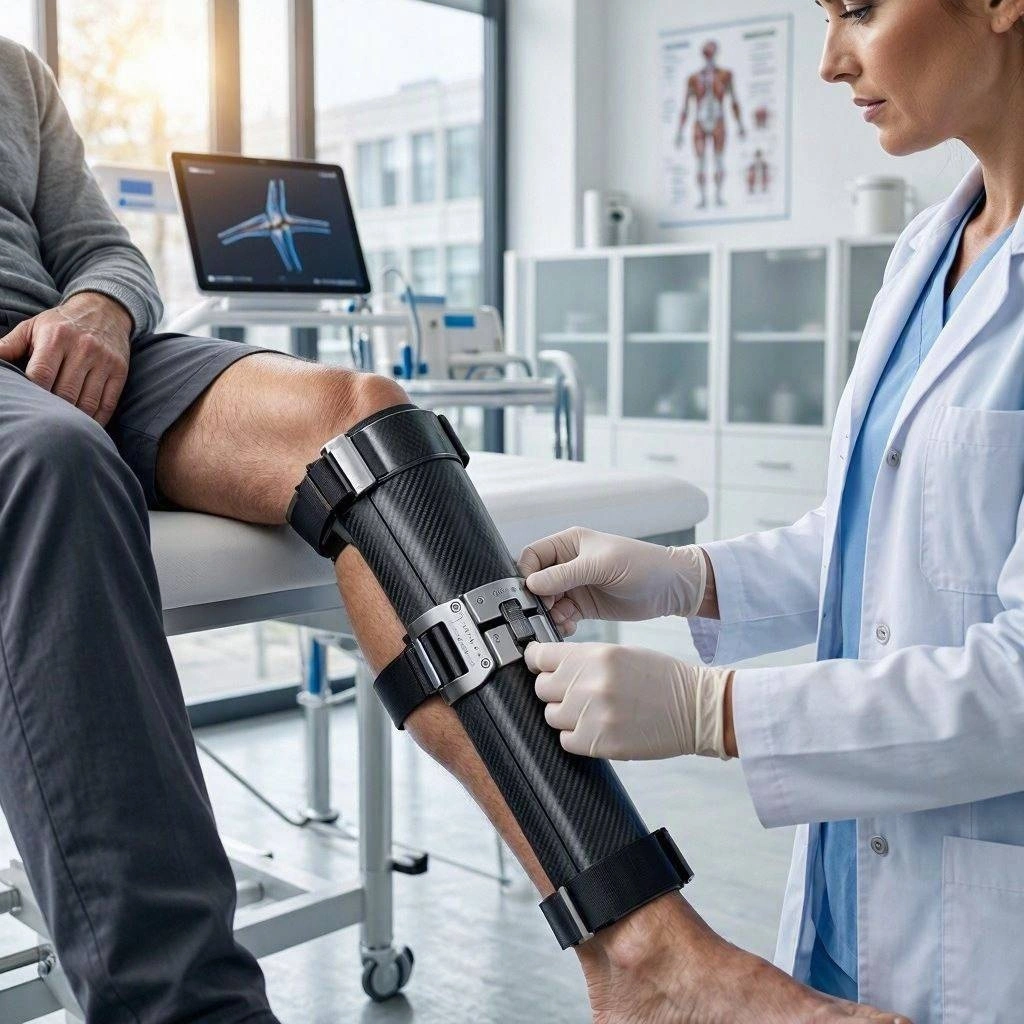
Hands-on techniques improve joint mobility, reduce muscle tightness, and encourage healthy movement around the injured area.
Therapeutic Exercise
Customized exercise programs strengthen supporting muscles, improve flexibility, and restore functional movement patterns.
Core Stability Training
Strong core muscles reduce pressure on the spine and improve overall stability. Consequently, core exercises are a key part of most rehabilitation plans.
Stretching Programs (Disc Injury Rehabilitation)
Gentle stretching helps reduce muscle tension while improving flexibility in the hips, hamstrings, shoulders, and spine.
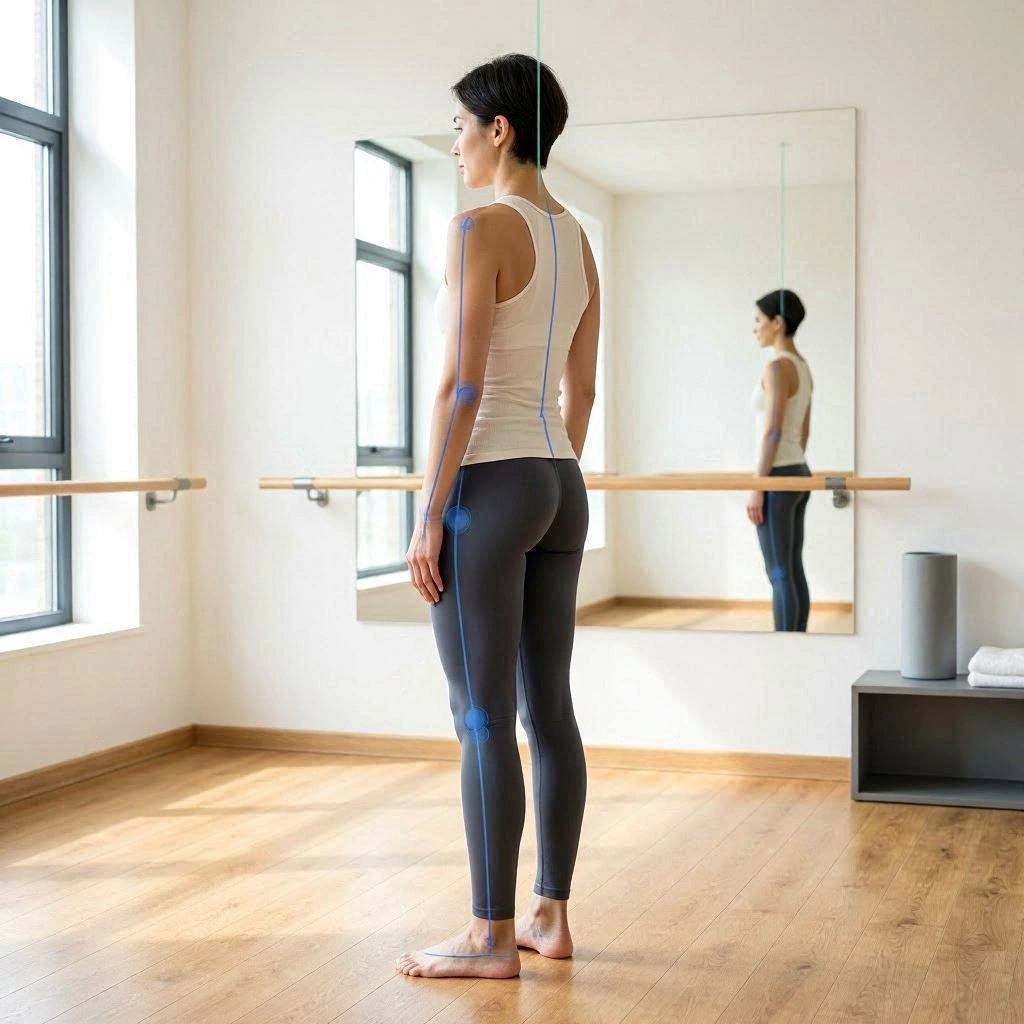
Postural Education
Patients receive practical guidance on sitting, standing, lifting, sleeping, and workstation ergonomics to reduce spinal stress.
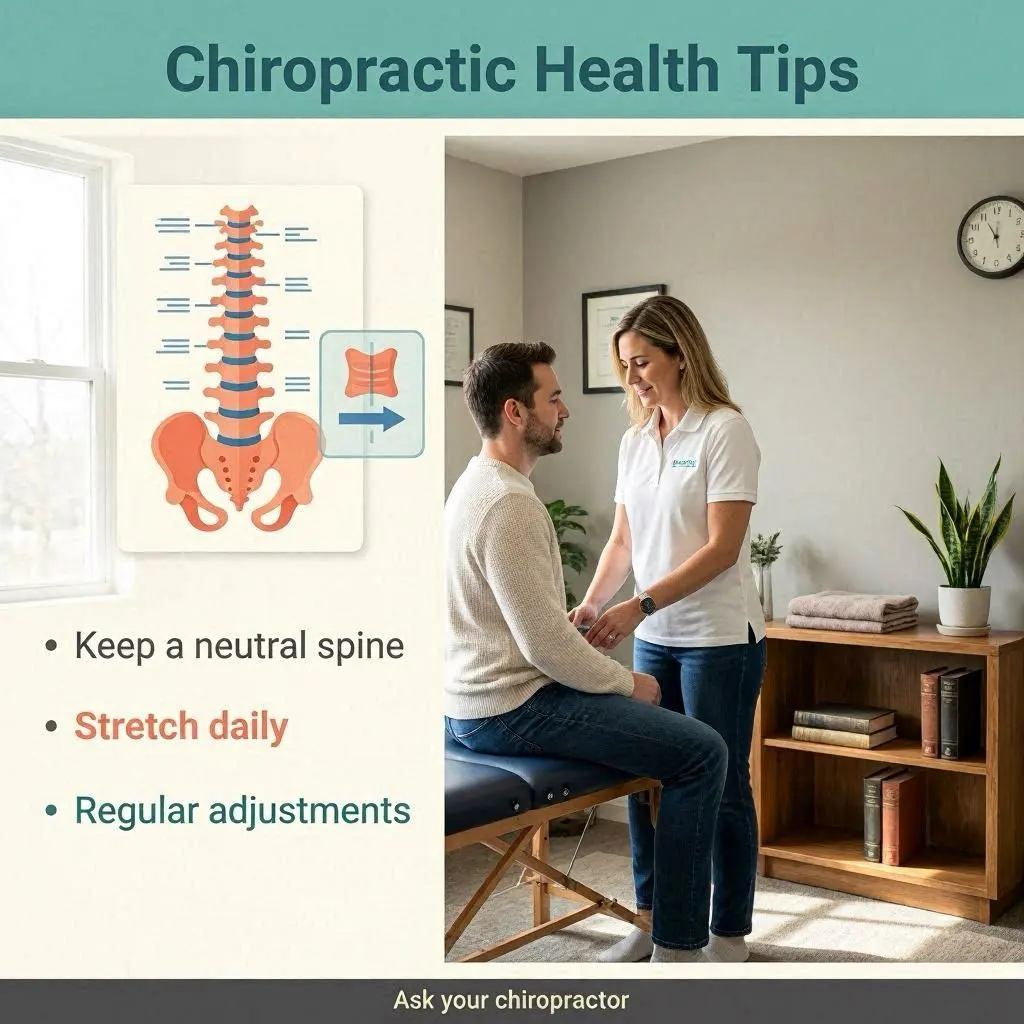
Chiropractic Care
For appropriate patients, chiropractic treatment may improve joint mobility and complement rehabilitation exercises as part of a comprehensive care plan.
Supporting Recovery at Home (Disc Injury Rehabilitation)
Professional treatment is only one part of successful rehabilitation. Healthy daily habits also contribute to recovery.
Patients are encouraged to:
-
Complete prescribed home exercises.
-
Walk regularly.
-
Maintain proper posture.
-
Avoid prolonged sitting.
-
Lift objects safely.
-
Sleep on a supportive mattress.
-
Stay physically active within recommended limits.
-
Maintain a healthy weight.
-
Drink enough water.
-
Follow professional advice consistently.
Most importantly, patience and consistency are essential because spinal healing takes time.
When Should You Seek Rehabilitation?
Professional evaluation is recommended if you experience:
-
Persistent back or neck pain
-
Pain radiating into the arms or legs
-
Numbness or tingling
-
Muscle weakness
-
Difficulty walking comfortably
-
Limited spinal mobility
-
Pain affecting work or daily activities
-
Symptoms that do not improve after several days of self-care
Early intervention often improves recovery outcomes and helps prevent chronic problems.
When Is Emergency Medical Care Necessary?
Although many disc injuries respond well to conservative treatment, some symptoms require immediate medical attention.
Seek emergency care if you experience:
-
Loss of bowel or bladder control
-
Numbness around the groin or saddle area
-
Severe weakness in one or both legs
-
Difficulty walking that rapidly worsens
-
Severe pain following major trauma
-
High fever with severe spinal pain
-
Loss of coordination or balance
These symptoms may indicate a serious spinal condition requiring urgent medical evaluation.
Why Choose Professional Disc Injury Rehabilitation?
Professional rehabilitation provides a structured, evidence-based approach to recovery. First, healthcare providers identify the specific cause of your symptoms through a comprehensive assessment. Next, they design an individualized treatment program that focuses on healing, strengthening, and restoring movement. Furthermore, regular progress evaluations allow the rehabilitation plan to be adjusted as recovery continues.
Because every disc injury is unique, personalized care often produces better long-term results than generalized treatment alone.
Preventing Future Disc Injuries (Disc Injury Rehabilitation)
Although not every injury can be prevented, healthy habits significantly reduce the risk of future spinal problems.
Helpful prevention strategies include:
-
Exercise regularly.
-
Strengthen your core muscles.
-
Stretch daily.
-
Practice proper lifting techniques.
-
Maintain a healthy weight.
-
Avoid prolonged sitting.
-
Use ergonomic workstations.
-
Stay physically active.
-
Wear supportive footwear.
-
Schedule regular health assessments when appropriate.
By maintaining these habits, you can better protect your spine and support lifelong mobility.
Conclusion (Disc Injury Rehabilitation)
Disc injury rehabilitation provides a comprehensive and personalized approach to recovering from herniated discs, bulging discs, and other spinal disc conditions. Through therapeutic exercises, manual therapy, core strengthening, posture correction, and healthy lifestyle modifications, rehabilitation helps reduce pain, restore movement, and improve overall spinal function.
Whether your injury resulted from lifting, sports, aging, or an accident, early rehabilitation can make a meaningful difference in your recovery. By combining professional care with consistent home exercises and healthy daily habits, you can strengthen your spine, reduce the risk of future injuries, and return to an active, confident, and healthier lifestyle.