
Pain-Free Living: A Complete Guide to Better Health, Improved Mobility, and Long-Term Wellness
Living without constant pain is something everyone hopes to achieve. Whether discomfort comes from poor posture, repetitive movements, aging, sports injuries, or chronic musculoskeletal conditions, pain can affect nearly every part of daily life. It may limit your ability to work, exercise, sleep, or spend quality time with family and friends. Fortunately, pain-free living is an achievable goal for many people through proper healthcare, healthy habits, regular movement, and preventive care.
Pain-free living is not simply the absence of discomfort. It is a lifestyle that promotes healthy muscles, flexible joints, a strong spine, and efficient body movement. By addressing the root causes of pain rather than only treating symptoms, individuals can improve mobility, increase energy levels, and enjoy a higher quality of life.
What Does Pain-Free Living Mean?
Pain-free living refers to maintaining physical health in a way that minimizes chronic discomfort while supporting normal movement and daily activities. Although occasional aches and minor injuries are part of life, ongoing pain should not be considered normal.
Achieving long-term comfort often requires a combination of professional healthcare, regular exercise, proper nutrition, stress management, and healthy posture. Instead of waiting until pain becomes severe, many people benefit from preventive care that helps maintain musculoskeletal health before problems develop.
Common Causes of Everyday Pain
Pain may develop gradually or appear suddenly after an injury. Understanding common causes helps reduce future risk.
Some of the most common contributors include:
-
Poor posture
-
Prolonged sitting
-
Repetitive movements
-
Muscle strain
-
Joint dysfunction
-
Sports injuries
-
Arthritis
-
Herniated discs
-
Stress-related muscle tension
-
Physical inactivity
Fortunately, many of these factors can be improved through lifestyle changes and conservative treatment.
Why Movement Is Essential (Pain-Free Living)
The human body is designed to move. Regular movement keeps muscles strong, joints flexible, and circulation healthy.
Benefits of staying active include:
-
Improved joint mobility
-
Better muscle strength
-
Enhanced flexibility
-
Improved balance
-
Better posture
-
Reduced stiffness
-
Increased energy
-
Improved cardiovascular health
-
Better mental well-being
-
Lower injury risk
Even simple activities such as walking every day can make a significant difference.
Chiropractic Care and Pain-Free Living
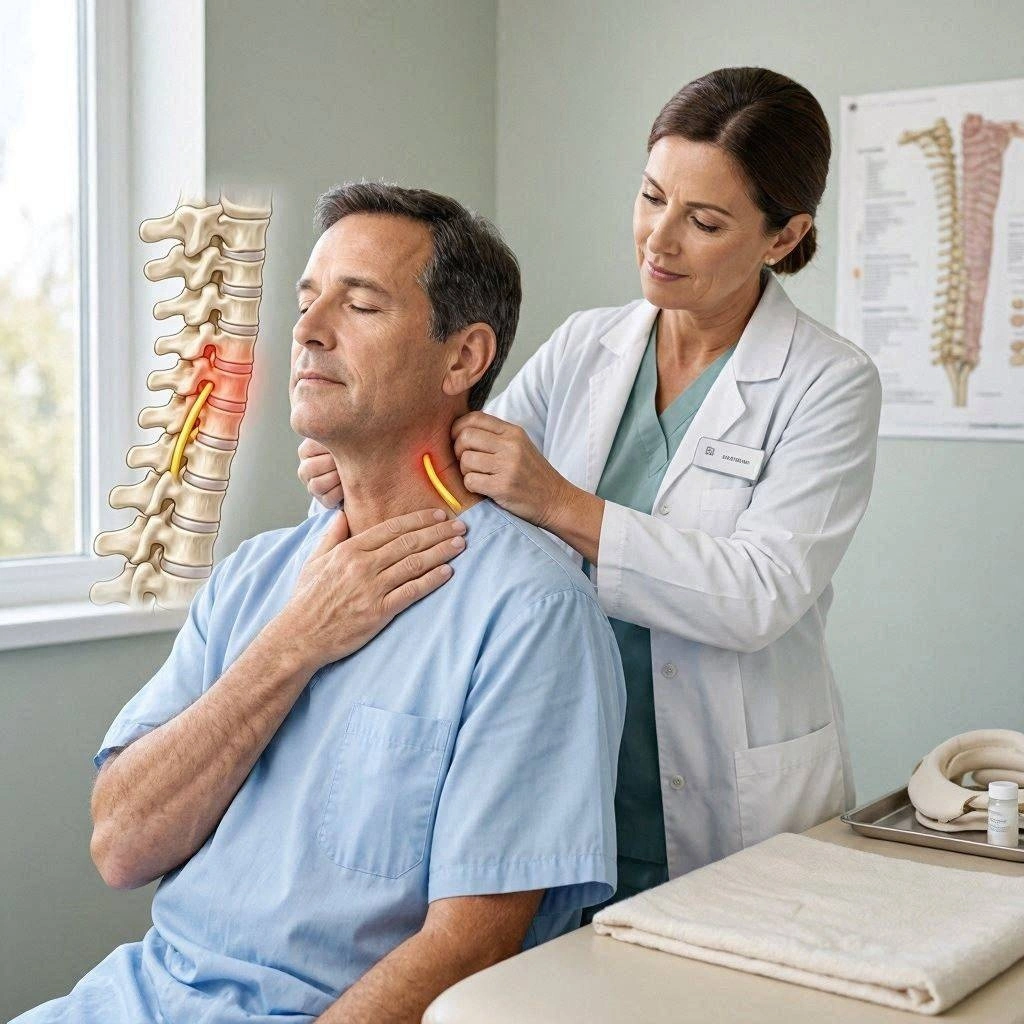
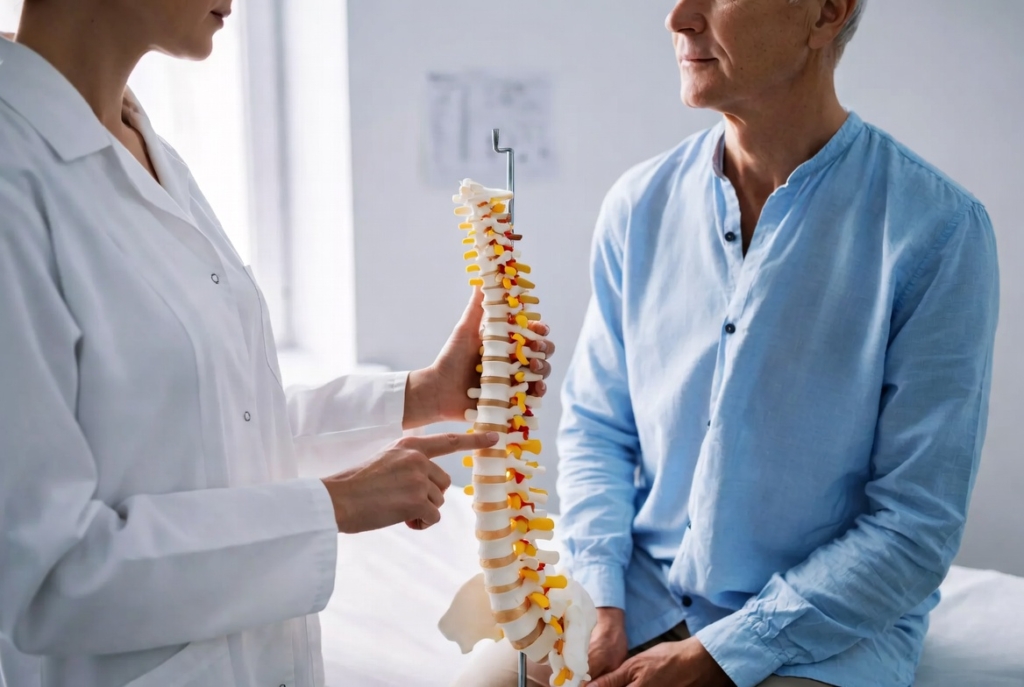
Chiropractic care plays an important role in helping many individuals manage musculoskeletal pain and maintain healthy movement.
A chiropractor performs a comprehensive assessment before recommending treatment. This may include:
-
Medical history review
-
Posture assessment
-
Joint mobility testing
-
Muscle strength evaluation
-
Neurological examination
-
Functional movement analysis
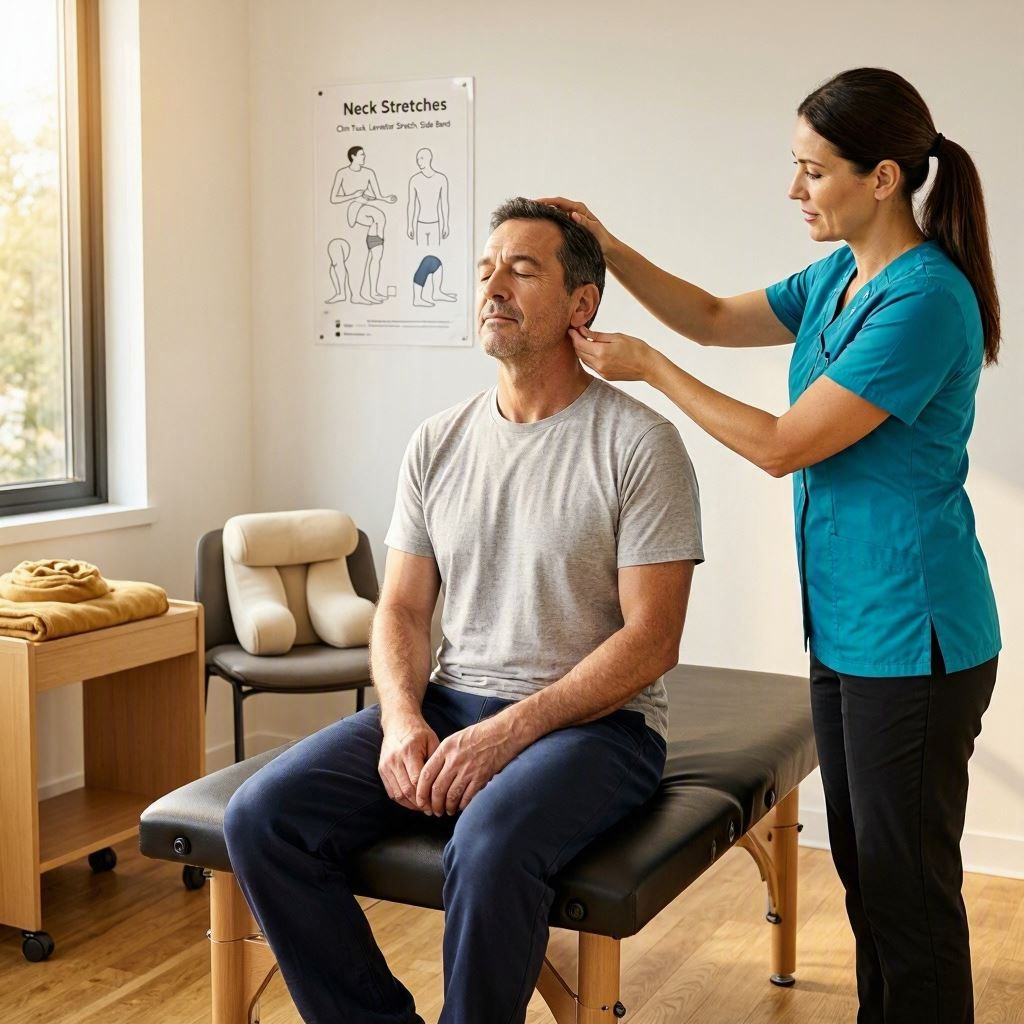
Treatment may involve chiropractic adjustments, joint mobilization, soft tissue therapy, therapeutic exercises, and posture education.
Rather than masking symptoms, chiropractic care focuses on improving movement and restoring normal joint function.
The Importance of Good Posture
Poor posture places unnecessary stress on the muscles, ligaments, and joints that support the spine. Over time, this extra strain may contribute to back pain, neck pain, headaches, and muscle fatigue.
To improve posture:
-
Keep your head aligned over your shoulders.
-
Sit with both feet flat on the floor.
-
Relax your shoulders.
-
Support your lower back.
-
Position your computer monitor at eye level.
-
Take movement breaks every 30 to 60 minutes.
Small posture improvements practiced consistently often produce noticeable long-term benefits.
Exercise for Long-Term Pain Prevention
Exercise is one of the most effective ways to maintain a healthy musculoskeletal system.
Strength Training
Building muscle strength improves joint stability and protects the spine.
Flexibility Exercises (Pain-Free Living)
Stretching helps reduce muscle tightness while improving range of motion.
Walking
Walking supports cardiovascular health while encouraging healthy joint movement.
Swimming
Water-based exercise provides low-impact activity that is gentle on painful joints.
Core Strengthening
Strong abdominal and back muscles help stabilize the spine during everyday activities.
Every exercise program should match your current health status and physical abilities.
Healthy Lifestyle Habits That Support Pain-Free Living
Daily habits have a major influence on physical comfort.
Helpful recommendations include:
-
Stay physically active.
-
Stretch every day.
-
Drink enough water.
-
Eat nutritious meals.
-
Sleep seven to nine hours each night.
-
Maintain a healthy body weight.
-
Wear supportive footwear.
-
Lift objects properly.
-
Avoid prolonged sitting.
-
Follow professional healthcare advice.
These simple habits help reduce physical stress while supporting long-term wellness.
Stress and Physical Pain (Pain-Free Living)
Emotional stress often causes muscles to tighten, particularly in the neck, shoulders, and upper back. Over time, this tension may contribute to headaches and musculoskeletal discomfort.
Helpful stress management strategies include:
-
Deep breathing exercises
-
Meditation
-
Mindfulness practice
-
Gentle yoga
-
Walking outdoors
-
Listening to relaxing music
-
Maintaining healthy social connections
Managing stress supports both mental and physical health.
Sleep and Recovery
Quality sleep is essential for tissue repair and overall wellness.
To improve sleep:
-
Maintain a consistent bedtime.
-
Sleep on a supportive mattress.
-
Choose a comfortable pillow that keeps your neck aligned.
-
Reduce screen time before bed.
-
Create a calm sleeping environment.
Better sleep often leads to better pain management and improved daily energy.
Preventing Workplace Pain (Pain-Free Living)
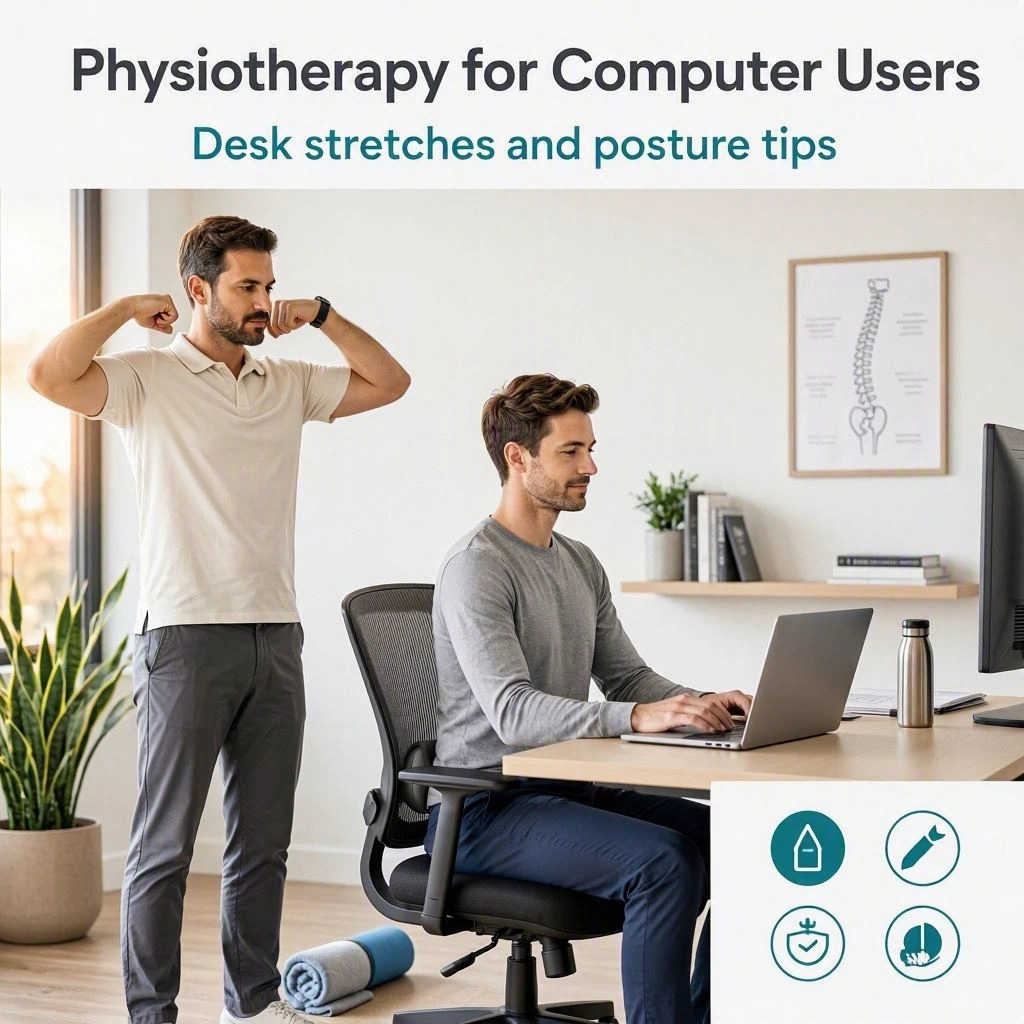
Many adults spend hours sitting at a desk, which can contribute to muscle tension and joint stiffness.
Helpful workplace habits include:
-
Adjust your chair to support your lower back.
-
Keep your monitor at eye level.
-
Position your keyboard comfortably.
-
Stand up regularly.
-
Stretch your neck and shoulders.
-
Walk briefly every hour.
These ergonomic changes reduce repetitive strain and encourage healthier movement.
When Should You Seek Professional Care?
Professional evaluation is recommended if you experience:
-
Persistent back pain
-
Neck pain lasting several days
-
Joint stiffness affecting movement
-
Frequent headaches
-
Muscle pain that limits activity
-
Numbness or tingling
-
Pain interfering with sleep
-
Difficulty performing daily tasks
Early assessment often allows conservative treatment before symptoms worsen.
Warning Signs That Require Emergency Medical Care
Although most musculoskeletal pain is not life-threatening, certain symptoms require immediate medical attention.
Seek emergency care if you experience:
-
Loss of bowel or bladder control
-
Sudden weakness in the arms or legs
-
Chest pain
-
Difficulty breathing
-
Loss of consciousness
-
Severe pain after major trauma
-
High fever with severe spinal pain
-
Sudden numbness around the groin or saddle area
Prompt medical evaluation is essential in these situations.
Building a Long-Term Wellness Plan (Pain-Free Living)
Pain-free living is achieved through consistent healthy choices rather than quick fixes.
An effective wellness plan includes:
-
Regular physical activity
-
Chiropractic or rehabilitation care when needed
-
Healthy nutrition
-
Proper posture
-
Stress management
-
Quality sleep
-
Preventive healthcare
-
Strength training
-
Daily stretching
-
Ongoing education about healthy movement
Making these habits part of your routine helps protect your muscles, joints, and spine for years to come.
Why Prevention Is Better Than Treatment
Many musculoskeletal problems develop gradually. Preventive care identifies movement limitations, muscle imbalances, and posture issues before they become chronic conditions.
Routine assessments, exercise programs, and healthy lifestyle habits help reduce injury risk while supporting lifelong mobility.
Conclusion
Pain-free living is more than simply eliminating discomfort—it is about creating a healthier, more active lifestyle that supports long-term mobility and overall well-being. Through chiropractic care, regular exercise, proper posture, balanced nutrition, quality sleep, and consistent self-care, many people can reduce pain, improve physical function, and enjoy a higher quality of life.
Whether your goal is to recover from an injury, prevent future problems, or maintain an active lifestyle, adopting healthy daily habits and seeking professional guidance when needed can help you move with greater confidence, comfort, and freedom for years to come.