
Pinched Nerve Treatment: A Complete Guide to Pain Relief, Recovery, and Restoring Healthy Movement
A pinched nerve can cause much more than simple discomfort. Depending on the affected nerve, it may lead to sharp pain, tingling, numbness, burning sensations, muscle weakness, or reduced mobility. These symptoms can interfere with work, exercise, sleep, and everyday activities. Fortunately, early pinched nerve treatment often helps reduce pressure on the affected nerve, relieve symptoms, and restore normal function before permanent damage occurs.
Pinched nerves may develop in the neck, upper back, lower back, shoulders, elbows, wrists, hips, or other parts of the body. Successful treatment focuses on identifying the underlying cause rather than simply masking the symptoms. Conservative approaches such as chiropractic care, rehabilitation exercises, posture correction, ergonomic improvements, and healthy lifestyle habits often provide significant relief for many patients.
What Is a Pinched Nerve?
A pinched nerve occurs when surrounding tissues place excessive pressure on a nerve. The pressure may come from muscles, tendons, ligaments, bones, joints, spinal discs, or inflamed soft tissues. As the pressure increases, the nerve may become irritated, leading to pain and changes in sensation or muscle function.
Although the term “pinched nerve” is commonly used, the condition may involve compression, inflammation, or irritation rather than an actual pinching of the nerve.
Common Causes of a Pinched Nerve
Many different conditions may contribute to nerve compression.
Herniated Disc
A bulging or herniated spinal disc can press against nearby nerves, particularly in the neck or lower back.
Bone Spurs
Age-related changes may produce small bony growths that reduce the available space for nerves.
Poor Posture
Forward head posture, rounded shoulders, and prolonged sitting increase stress on the spine and surrounding tissues.
Repetitive Movements
Repeated activities performed at work or during sports can irritate nerves over time.
Arthritis
Joint degeneration may narrow the spaces where nerves travel.
Sports Injuries
Sudden trauma or repetitive athletic movements may compress nerves.
Obesity
Excess body weight increases mechanical stress on joints and spinal structures.
Symptoms of a Pinched Nerve
Symptoms depend on which nerve is affected.
Common signs include:
-
Sharp pain
-
Burning sensations
-
Tingling
-
Numbness
-
Muscle weakness
-
Electric shock-like pain
-
Pain radiating into the arms or legs
-
Reduced grip strength
-
Difficulty walking
-
Increased sensitivity to touch
Symptoms may become worse during certain movements or after prolonged sitting or standing.
Common Locations for Pinched Nerves
Pinched nerves may occur throughout the body.
Neck
Compression in the cervical spine may cause pain that radiates into the shoulders, arms, or hands.
Lower Back (Pinched Nerve Treatment)
Lumbar nerve compression may produce lower back pain, sciatica, numbness, or weakness in the legs.
Wrist
Compression of the median nerve contributes to carpal tunnel syndrome.
Elbow
The ulnar nerve may become compressed around the elbow, producing tingling in the ring and little fingers.
Shoulder
Muscle tightness and joint dysfunction may irritate nerves surrounding the shoulder.
How Pinched Nerves Are Diagnosed
A proper diagnosis helps determine the most effective treatment.
A healthcare provider may perform:
-
Medical history review
-
Physical examination
-
Neurological assessment
-
Muscle strength testing
-
Reflex evaluation
-
Sensation testing
-
Posture assessment
-
Functional movement analysis
-
X-rays when appropriate
-
MRI or CT imaging if necessary
Accurate diagnosis identifies the source of nerve irritation and guides individualized care.
Chiropractic Care for Pinched Nerve Treatment
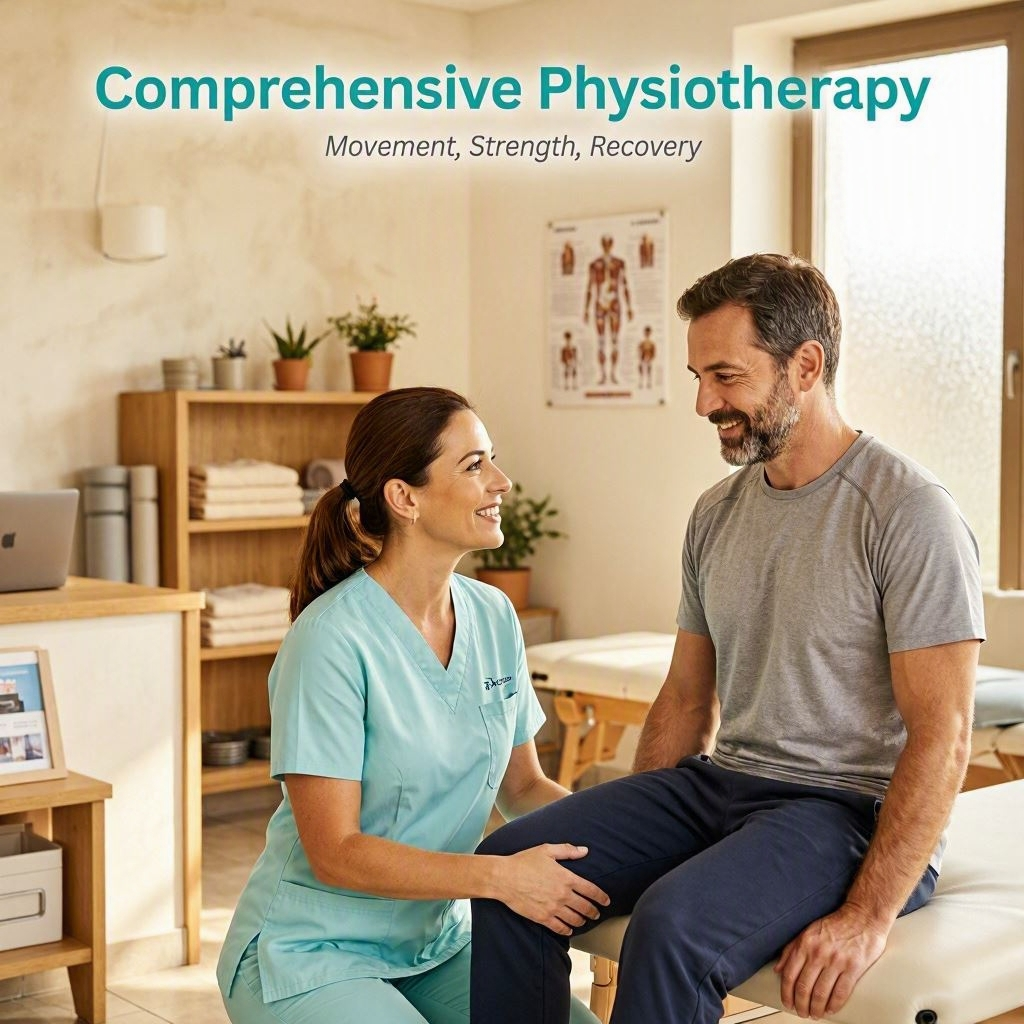
Many patients include chiropractic care as part of a conservative treatment plan.
After a thorough evaluation, treatment may include:
Chiropractic Adjustments
Gentle spinal adjustments may improve joint mobility and reduce mechanical stress on compressed nerves when clinically appropriate.
Joint Mobilization (Pinched Nerve Treatment)
Controlled movements restore flexibility while improving spinal mechanics.
Soft Tissue Therapy
Manual therapy helps relax tight muscles that may contribute to nerve compression.
Posture Education
Improving posture reduces unnecessary pressure on the spine and surrounding tissues.
Treatment recommendations are always based on the individual’s diagnosis and overall health.
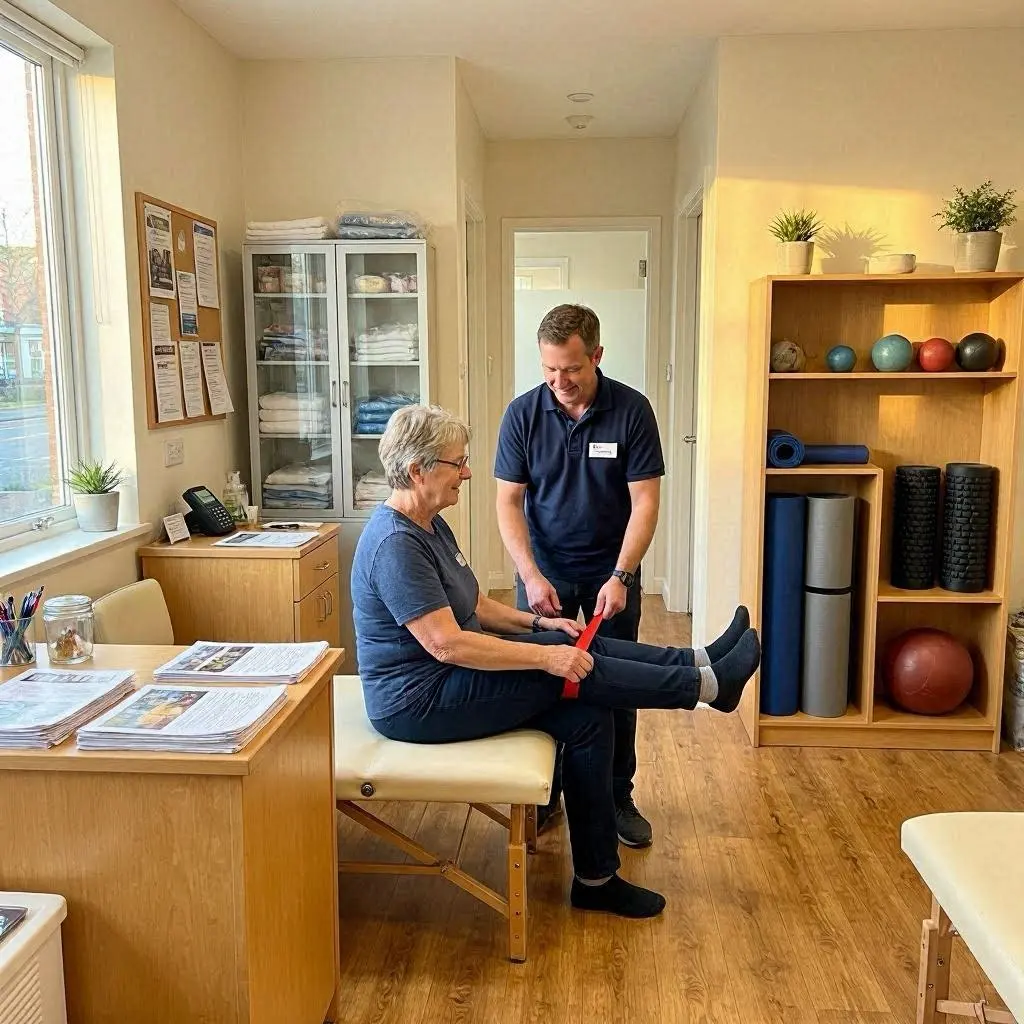
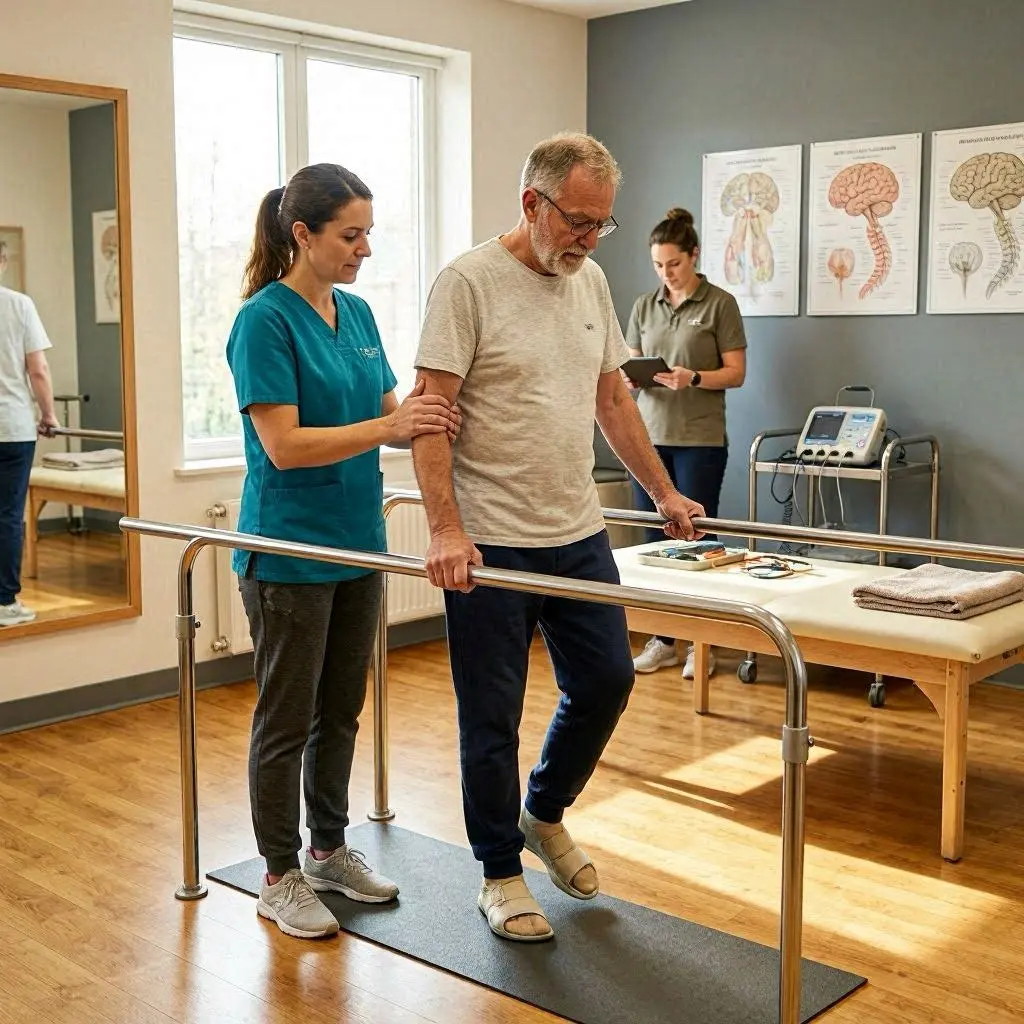
Rehabilitation Exercises
Exercise is an important part of recovery.
A rehabilitation program may include:
Stretching
Stretching reduces muscle tightness while improving flexibility.
Core Strengthening
Strong abdominal and back muscles support healthy spinal alignment.
Mobility Exercises (Pinched Nerve Treatment)
Controlled movement improves joint function while reducing stiffness.
Balance Training
Balance exercises improve coordination and reduce injury risk.
Functional Movement
Exercises that mimic daily activities help patients return safely to work and recreation.
Programs should always be individualized according to symptoms and physical ability.
Lifestyle Changes That Support Recovery (Pinched Nerve Treatment)
Healthy habits play an important role in relieving nerve pressure.
Helpful recommendations include:
-
Maintain proper posture.
-
Avoid prolonged sitting.
-
Take regular movement breaks.
-
Stretch throughout the day.
-
Stay physically active.
-
Lift heavy objects correctly.
-
Sleep on a supportive mattress.
-
Maintain a healthy body weight.
-
Drink adequate water.
-
Complete prescribed home exercises.
Consistency often leads to better long-term outcomes.
Preventing Future Pinched Nerves (Pinched Nerve Treatment)
Although not every case can be prevented, healthy habits reduce the likelihood of recurrence.
Helpful prevention strategies include:
-
Exercise regularly.
-
Strengthen your core muscles.
-
Improve workplace ergonomics.
-
Warm up before sports.
-
Stretch after exercise.
-
Maintain good posture.
-
Avoid repetitive strain when possible.
-
Manage body weight.
-
Stay flexible.
-
Address minor symptoms early.
Preventive care often reduces chronic nerve irritation.
When Should You Seek Professional Care?
Schedule an evaluation if you experience:
-
Persistent numbness
-
Tingling lasting several days
-
Muscle weakness
-
Pain radiating into the arms or legs
-
Neck or back pain with nerve symptoms
-
Difficulty gripping objects
-
Difficulty walking
-
Symptoms interfering with daily activities
Early treatment often prevents symptoms from becoming more severe.
Warning Signs That Require Emergency Medical Attention (Pinched Nerve Treatment)
Certain symptoms may indicate a serious neurological condition.
Seek immediate medical care if you experience:
-
Loss of bowel or bladder control
-
Progressive weakness in the arms or legs
-
Numbness around the groin or saddle area
-
Severe pain after major trauma
-
Difficulty walking that rapidly worsens
-
High fever with severe spinal pain
-
Loss of consciousness
-
Chest pain or difficulty breathing
These symptoms require urgent evaluation by emergency medical professionals.
Long-Term Recovery and Wellness
Successful recovery depends on more than temporary pain relief. Long-term spinal health requires consistent healthy habits and ongoing attention to movement quality.
A long-term wellness plan may include:
-
Regular exercise
-
Chiropractic care when appropriate
-
Stretching routines
-
Strength training
-
Healthy posture
-
Ergonomic improvements
-
Quality sleep
-
Healthy nutrition
-
Stress management
-
Routine physical activity
These habits help reduce future nerve irritation while supporting overall musculoskeletal health.
Conclusion (Pinched Nerve Treatment)
A pinched nerve can significantly affect comfort, mobility, and quality of life, but effective conservative treatment is available. Through chiropractic care, rehabilitation exercises, posture correction, ergonomic improvements, and healthy lifestyle habits, many people experience meaningful symptom relief and return to normal activities.
Whether your symptoms are caused by a herniated disc, poor posture, repetitive strain, or another musculoskeletal condition, seeking professional evaluation early can improve recovery and help prevent long-term complications. With a personalized treatment plan and consistent self-care, you can reduce pain, restore healthy movement, and support long-term nerve and spinal health.