
Movement Restoration: A Complete Guide to Restoring Mobility, Reducing Pain, and Improving Everyday Function
Healthy movement is essential for maintaining independence, preventing injuries, and enjoying an active lifestyle. Whether you are walking, climbing stairs, lifting groceries, exercising, or playing sports, every activity depends on the body’s ability to move efficiently. However, injuries, poor posture, repetitive movements, prolonged sitting, aging, and certain musculoskeletal conditions can gradually limit mobility and alter normal movement patterns. When these limitations develop, everyday tasks may become uncomfortable, difficult, or even painful. Fortunately, movement restoration provides a comprehensive approach to improving mobility, reducing pain, and helping people return to normal activities.
Movement restoration focuses on identifying and correcting the underlying causes of movement dysfunction rather than simply treating symptoms. Through chiropractic care, rehabilitation exercises, mobility training, posture correction, strength development, and lifestyle modifications, patients can improve joint function, enhance flexibility, and restore efficient movement patterns that support long-term health.
What Is Movement Restoration?
Movement restoration is a rehabilitation approach designed to improve the body’s natural ability to move safely and efficiently. Instead of concentrating on a single painful area, healthcare professionals evaluate how the entire musculoskeletal system functions during everyday activities.
This comprehensive approach considers the relationship between the spine, joints, muscles, connective tissues, balance, posture, and coordination. The goal is to restore proper movement while reducing unnecessary stress on the body.
Treatment plans are individualized because every person’s movement limitations and recovery goals are different.
Why Healthy Movement Is Important
Efficient movement supports both physical performance and overall health.
Benefits of movement restoration include:
Improved mobility
Reduced pain
Better posture
Increased flexibility
Enhanced balance
Improved coordination
Greater joint stability
Reduced injury risk
Better athletic performance
Improved quality of life
Healthy movement also makes everyday activities less physically demanding.
Common Causes of Movement Dysfunction
Movement limitations often develop gradually.
Several factors contribute to restricted mobility.
Previous Injuries
Sprains, strains, fractures, and surgeries may alter normal movement patterns.
Poor Posture
Improper posture places additional stress on muscles and joints.
Muscle Weakness
Weak supporting muscles reduce stability during movement.
Joint Stiffness
Restricted joint mobility limits range of motion.
Sedentary Lifestyle
Long periods of inactivity reduce flexibility and muscular endurance.
Repetitive Movements
Repeated activities may create muscle imbalances and overuse injuries.
Aging (Movement Restoration)
Natural age-related changes may affect strength, flexibility, and balance.
Signs That Movement Restoration May Be Needed
Movement dysfunction often develops slowly.
Common signs include:
Joint stiffness
Limited flexibility
Neck pain
Back pain
Muscle tightness
Poor posture
Difficulty bending
Reduced balance
Frequent injuries
Pain during daily activities
Early treatment often prevents these problems from becoming chronic.
Comprehensive Movement Assessment
Before beginning treatment, a chiropractor or rehabilitation professional performs a detailed evaluation.
The assessment may include:
Medical history review
Posture analysis
Functional movement screening
Walking assessment
Joint mobility testing
Muscle strength evaluation
Balance testing
Flexibility assessment
Neurological examination when appropriate
This information guides the development of a personalized treatment plan.
Chiropractic Care and Movement Restoration
Chiropractic care plays an important role in restoring normal movement.
Treatment may include:
Chiropractic Adjustments
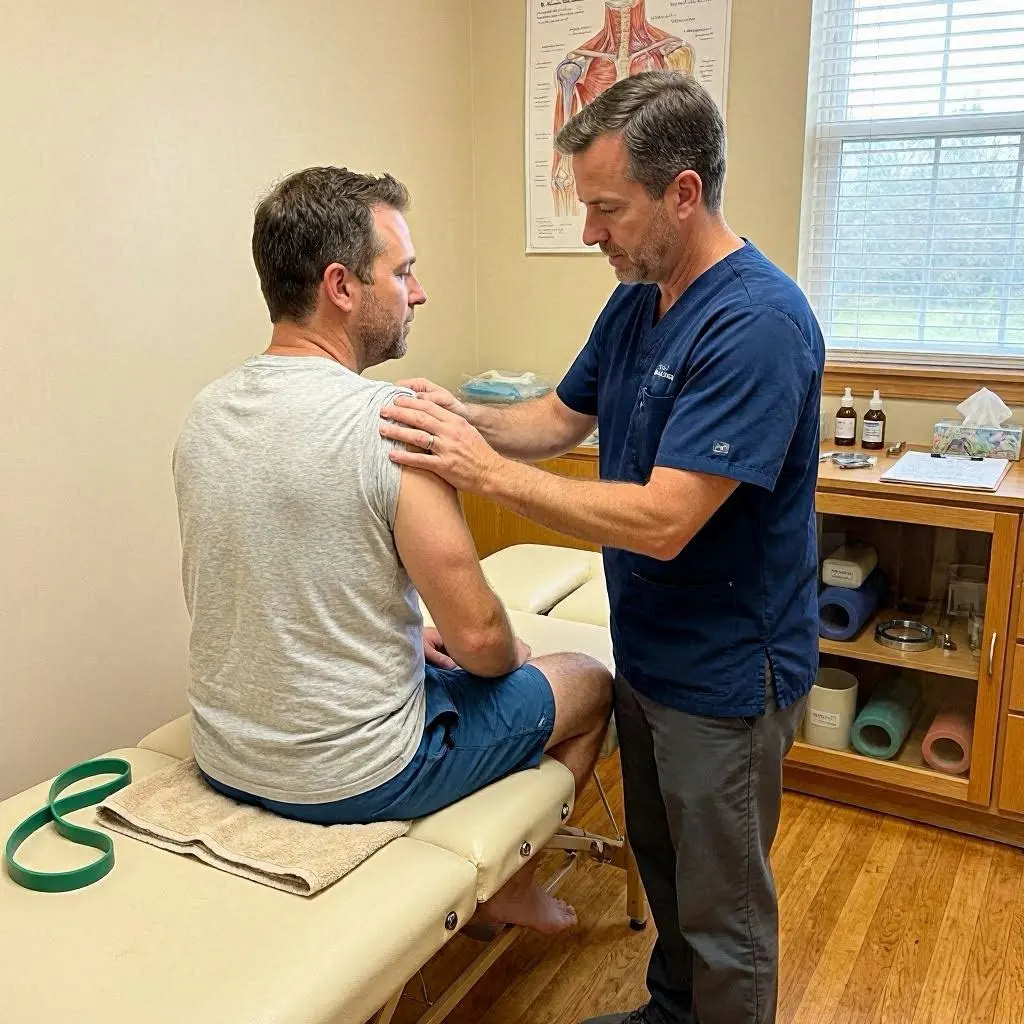
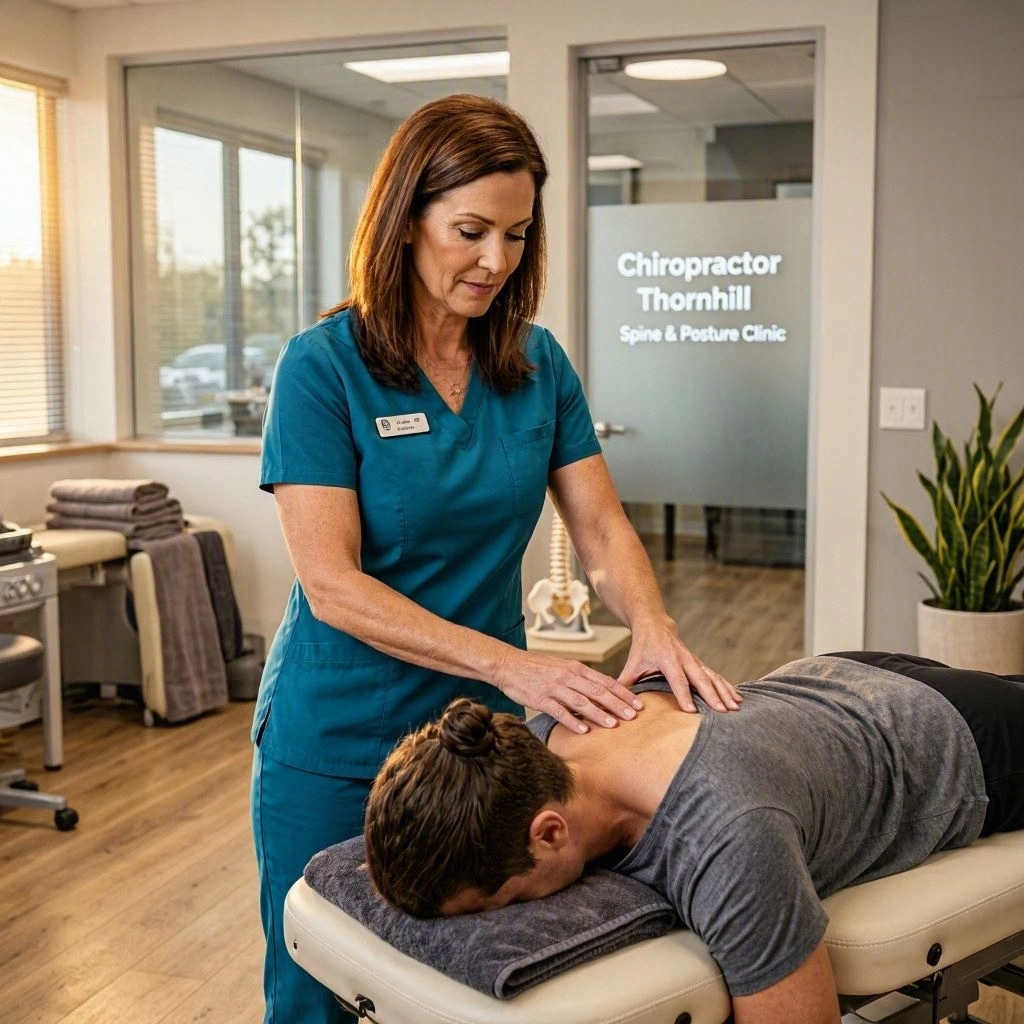
Gentle spinal and extremity adjustments improve joint mobility while supporting efficient movement.
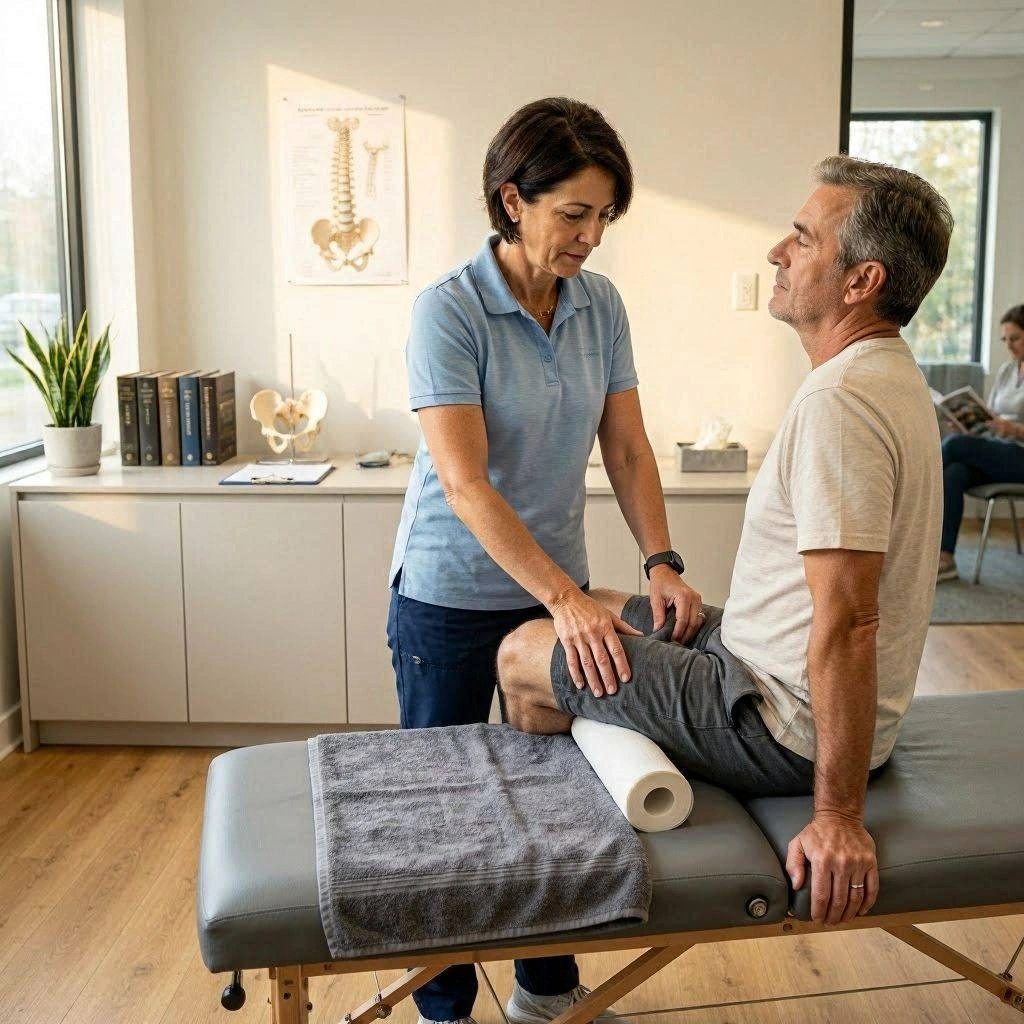
Joint Mobilization
Controlled mobilization techniques restore flexibility in restricted joints.
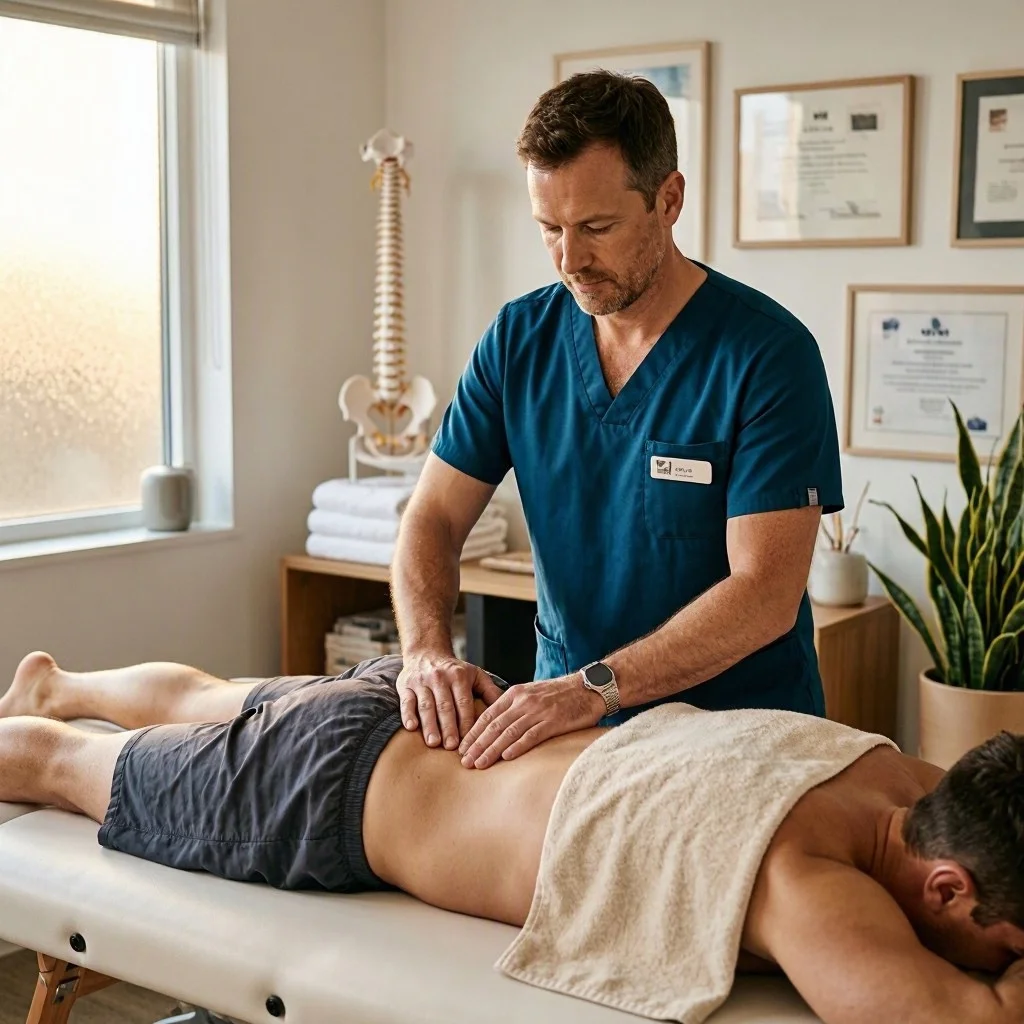
Soft Tissue Therapy
Manual therapy reduces muscle tension while improving tissue mobility.
Movement Education (Movement Restoration)
Patients learn proper body mechanics during daily activities.
These therapies are combined according to each patient’s condition and recovery goals.
Rehabilitation Exercises
Exercise is essential for restoring long-term function.
Mobility Exercises
Controlled movements improve joint flexibility and reduce stiffness.
Strength Training
Strengthening key muscle groups improves stability during movement.
Core Stability
A stronger core provides better spinal support and movement control.
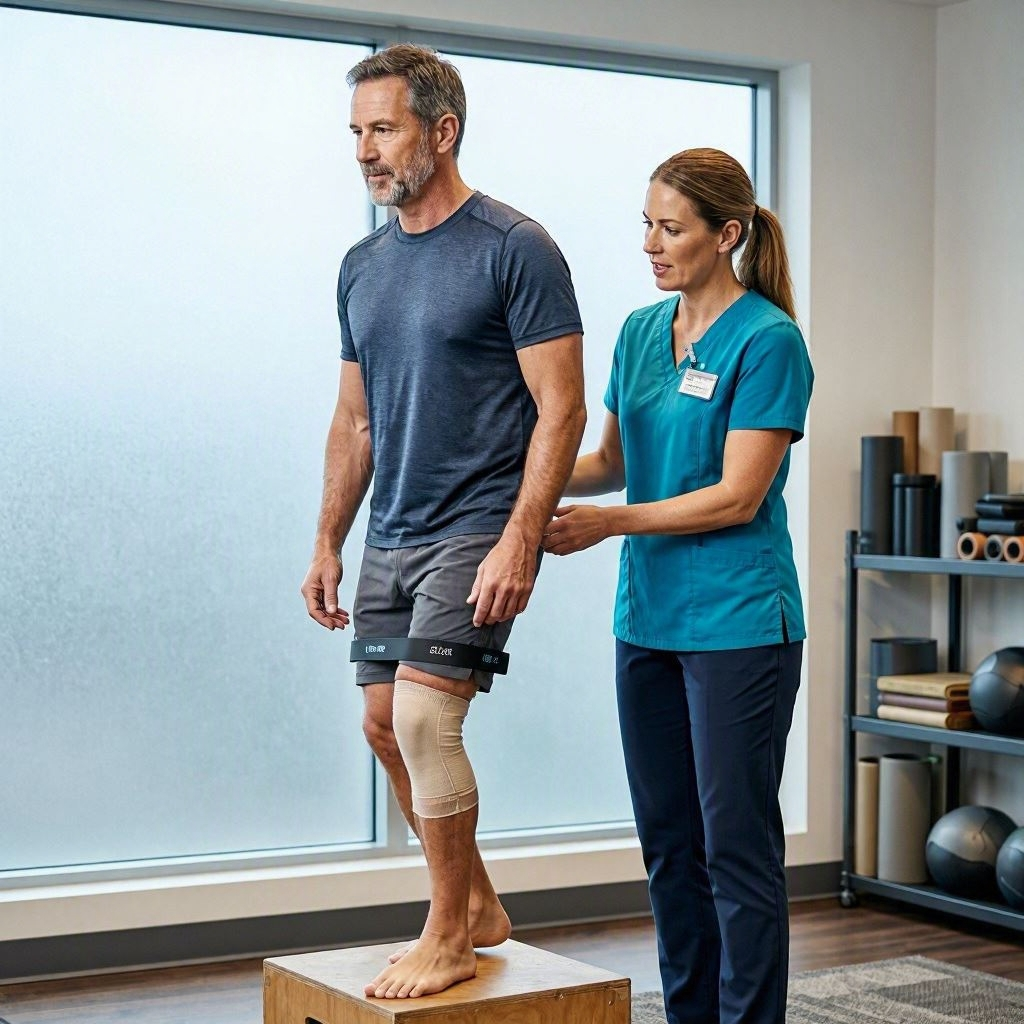
Balance Training
Balance exercises improve coordination while reducing fall risk.
Functional Training (Movement Restoration)
Exercises that mimic everyday activities prepare patients for real-world movement.
Programs are progressed gradually as recovery improves.
Posture and Body Mechanics
Poor posture frequently contributes to movement limitations.
Patients often receive education regarding:
Sitting posture
Standing posture
Walking mechanics
Lifting techniques
Computer ergonomics
Sleeping positions
Improving body mechanics reduces unnecessary stress on muscles and joints.
Lifestyle Habits That Support Recovery (Movement Restoration)
Professional treatment is most effective when combined with healthy daily habits.
Helpful recommendations include:
Exercise consistently.
Stretch every day.
Stay physically active.
Drink adequate water.
Sleep seven to nine hours each night.
Maintain a healthy body weight.
Eat a balanced diet.
Manage stress effectively.
Avoid prolonged sitting.
Perform prescribed home exercises.
Consistency supports lasting improvement.
Injury Prevention Through Better Movement
Restoring efficient movement reduces injury risk.
Helpful prevention strategies include:
Warm up before exercise.
Cool down afterward.
Increase activity gradually.
Maintain flexibility.
Strengthen supporting muscles.
Practice proper lifting mechanics.
Wear appropriate footwear.
Listen to early warning signs of pain.
These habits support long-term musculoskeletal health.
Movement Restoration for Athletes (Movement Restoration)
Athletes place significant demands on their bodies.
Movement restoration may help:
Improve running mechanics
Enhance lifting technique
Increase flexibility
Improve balance
Reduce repetitive stress
Support faster recovery
Improve overall performance
Sport-specific exercises are often incorporated into rehabilitation programs.
When Should You Seek Professional Care?
Professional evaluation is recommended if you experience:
Persistent joint stiffness
Chronic neck or back pain
Difficulty performing daily activities
Reduced flexibility
Frequent injuries
Poor balance
Pain during exercise
Limited mobility lasting several weeks
Early intervention often improves recovery and prevents further dysfunction.
Warning Signs That Require Immediate Medical Attention
Some symptoms require urgent medical evaluation.
Seek emergency medical care if you experience:
Loss of bowel or bladder control
Progressive weakness in the arms or legs
Numbness around the groin or saddle area
Severe pain after major trauma
High fever with severe spinal pain
Chest pain
Difficulty breathing
Loss of consciousness
These symptoms may indicate a serious medical condition requiring immediate treatment.
Building a Long-Term Movement Restoration Plan
Restoring movement is an ongoing process.
A long-term wellness plan may include:
Regular strengthening exercises
Daily stretching
Chiropractic care when appropriate
Functional movement training
Aerobic exercise
Ergonomic improvements
Healthy nutrition
Quality sleep
Stress management
Periodic movement assessments
These habits help maintain mobility while supporting lifelong physical health.
Conclusion (Movement Restoration)
Movement restoration is a comprehensive approach to improving mobility, reducing pain, and restoring efficient movement patterns. Through chiropractic care, rehabilitation exercises, posture correction, strength development, balance training, and healthy lifestyle habits, individuals can regain confidence in their movement while reducing the risk of future injuries.
Whether you are recovering from an injury, managing chronic pain, or simply hoping to move more comfortably, investing in movement restoration can improve both your physical function and overall quality of life. With consistent effort and professional guidance, you can restore healthy movement, enhance performance, and enjoy a more active and independent lifestyle.