Biomechanical Correction: A Complete Guide to Better Movement and Physical Function
What Is Biomechanical Correction?
Biomechanical Correction focuses on improving the way the body moves by identifying movement patterns, mobility limitations, muscle imbalances, and alignment issues. The human body works as a connected system, so changes in one area can influence movement in another.
For example, limited ankle mobility can affect the knees and hips during walking or squatting. Similarly, restricted hip movement can change the way the lower back moves. Biomechanical Correction looks at these relationships and aims to improve movement efficiency through personalized strategies.
The approach can benefit athletes, active adults, office workers, and anyone who wants to improve movement quality and physical performance.
Why Biomechanics Matter
Biomechanics examines how the body moves and responds to physical forces. Every activity, from walking to running and lifting, requires coordinated movement between joints, muscles, tendons, and the nervous system.
When the body moves efficiently, different structures can share physical demands. When movement becomes restricted or unbalanced, other areas may compensate.
Understanding these patterns can help professionals create targeted programs that address specific movement limitations instead of relying on a general exercise routine.
What Is a Biomechanical Assessment?
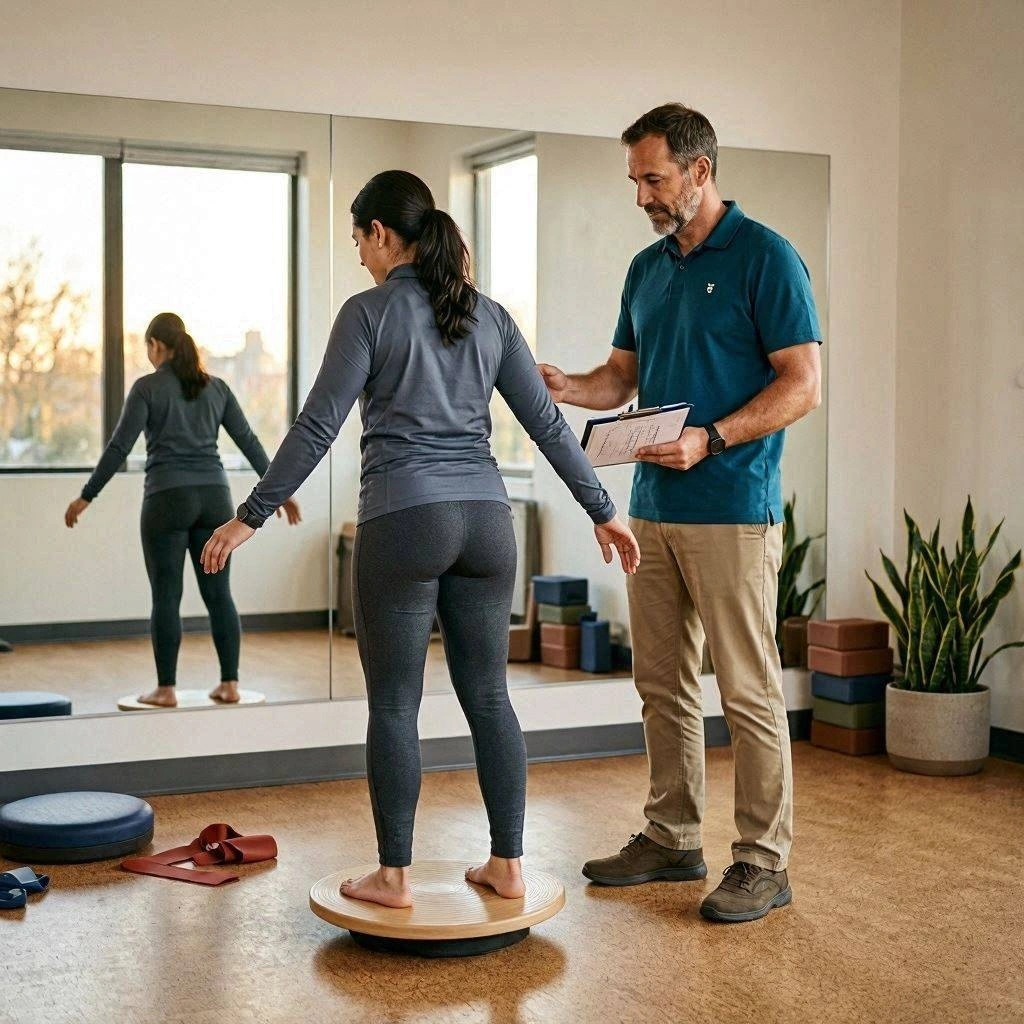
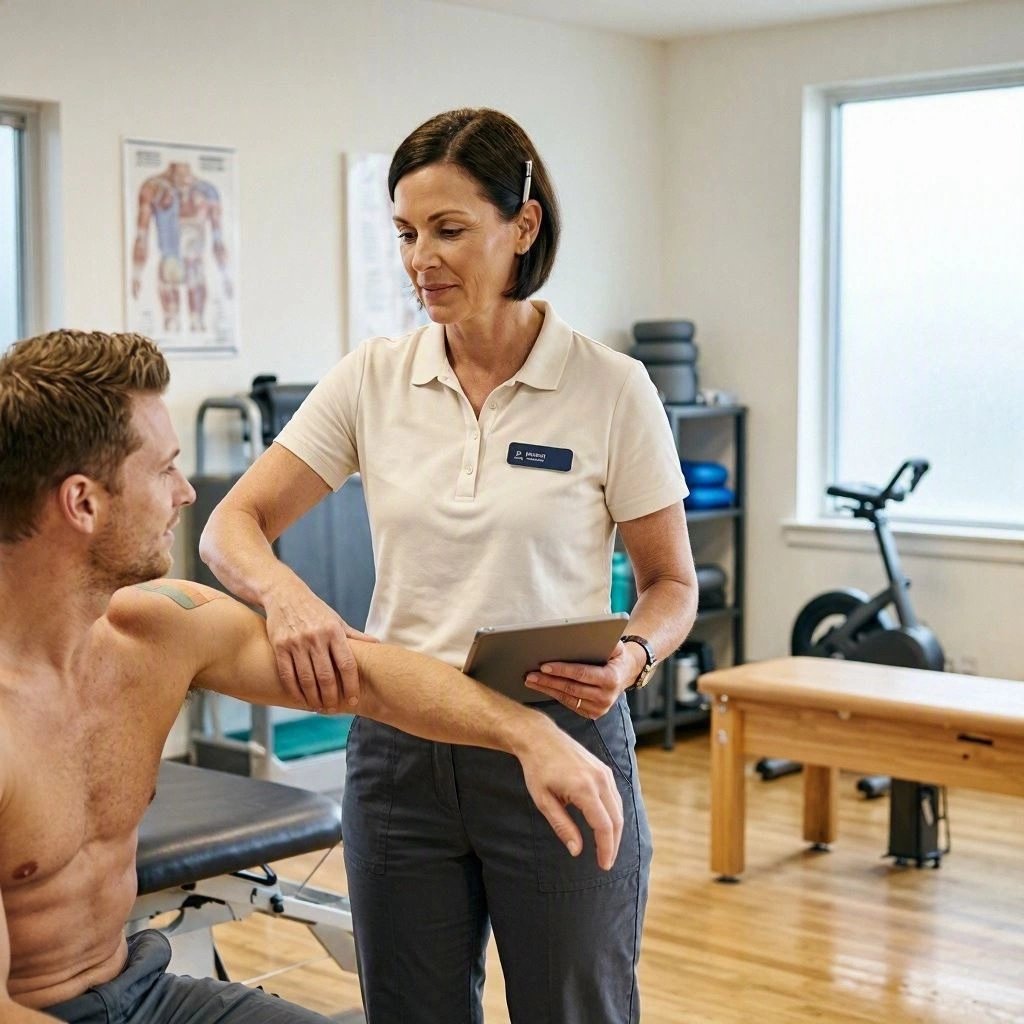
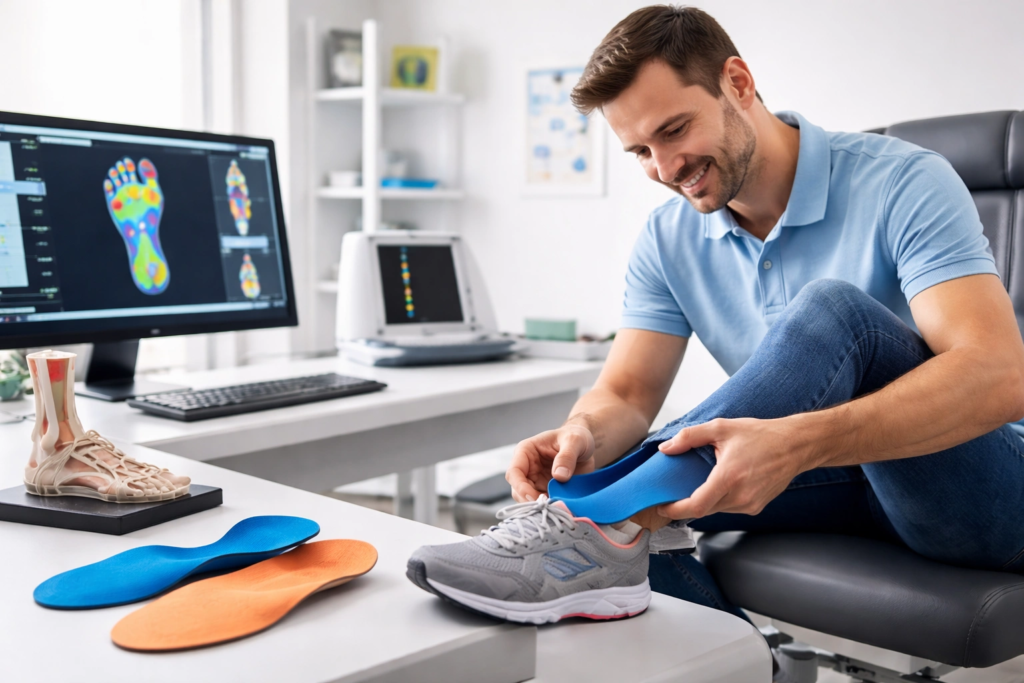
A biomechanical assessment evaluates how a person moves during static positions and functional activities. A professional may observe posture, walking patterns, balance, joint mobility, strength, flexibility, and coordination.
Depending on the individual’s goals, the assessment may include movements such as:
Squatting
Walking
Lunging
Reaching
Rotating
Balancing
Running
Jumping
The results can help identify areas that require additional mobility, stability, strength, or movement training.
Common Causes of Biomechanical Imbalances
Several factors can influence movement patterns.
Poor Posture
Long periods of sitting or standing can influence posture and movement habits. Regularly maintaining the same position may also reduce mobility in certain areas.
Muscle Imbalances
Different muscle groups work together to stabilize and move the body. Weakness or excessive tightness in one area can influence movement elsewhere.
Limited Joint Mobility
Restricted movement in the hips, ankles, shoulders, or spine can change normal movement patterns.
Previous Injuries
After an injury, people sometimes change the way they move to avoid discomfort. These changes can continue even after the original problem improves.
Repetitive Activities
Sports, work tasks, and repetitive movements can place repeated demands on specific muscles and joints.
Biomechanical Correction and Posture
Posture provides an important foundation for efficient movement. Poor posture does not automatically indicate a medical problem, but certain postural habits can affect movement quality and comfort.
Biomechanical Correction may include exercises that improve strength, mobility, and body awareness. Rather than forcing the body into a specific position, the goal involves developing better control during everyday and athletic movements.
Core strengthening, upper-back exercises, hip mobility, and balance training can all contribute to improved movement control.
Biomechanical Correction for Athletes
Athletes place significant demands on their bodies. Running, jumping, lifting, throwing, and changing direction all require precise coordination.
Small movement limitations can affect technique and performance. A biomechanical assessment can help athletes understand how they move and identify areas that may need additional attention.
A personalized program may include mobility exercises, strength training, stability drills, movement retraining, and sport-specific exercises.
Benefits for Runners
Running requires repeated coordination between the feet, ankles, knees, hips, pelvis, and upper body. A limitation in one area can influence the overall running pattern.
Biomechanical Correction can help runners evaluate factors such as stride mechanics, hip stability, ankle mobility, and lower-body control.
Training should always progress gradually. Runners can combine movement-focused exercises with appropriate strength training and recovery strategies.
Benefits for Office Workers
Office workers often spend several hours sitting at a desk. This routine can contribute to reduced movement throughout the day.
Regular movement breaks, ergonomic adjustments, mobility exercises, and strengthening activities can support better physical function.
A biomechanical approach can help identify movement restrictions that develop from prolonged sitting and provide practical strategies for improving daily movement.
Techniques Used in Biomechanical Correction
Professionals may use different techniques depending on the individual’s needs.
Mobility Exercises
Mobility exercises encourage controlled movement through available joint ranges.
Strength Training (Biomechanical Correction)
Strength exercises help improve stability and control around important joints.
Movement Retraining
Movement retraining teaches individuals how to perform specific activities with better coordination and control.
Balance Training
Balance exercises challenge stability and body awareness.
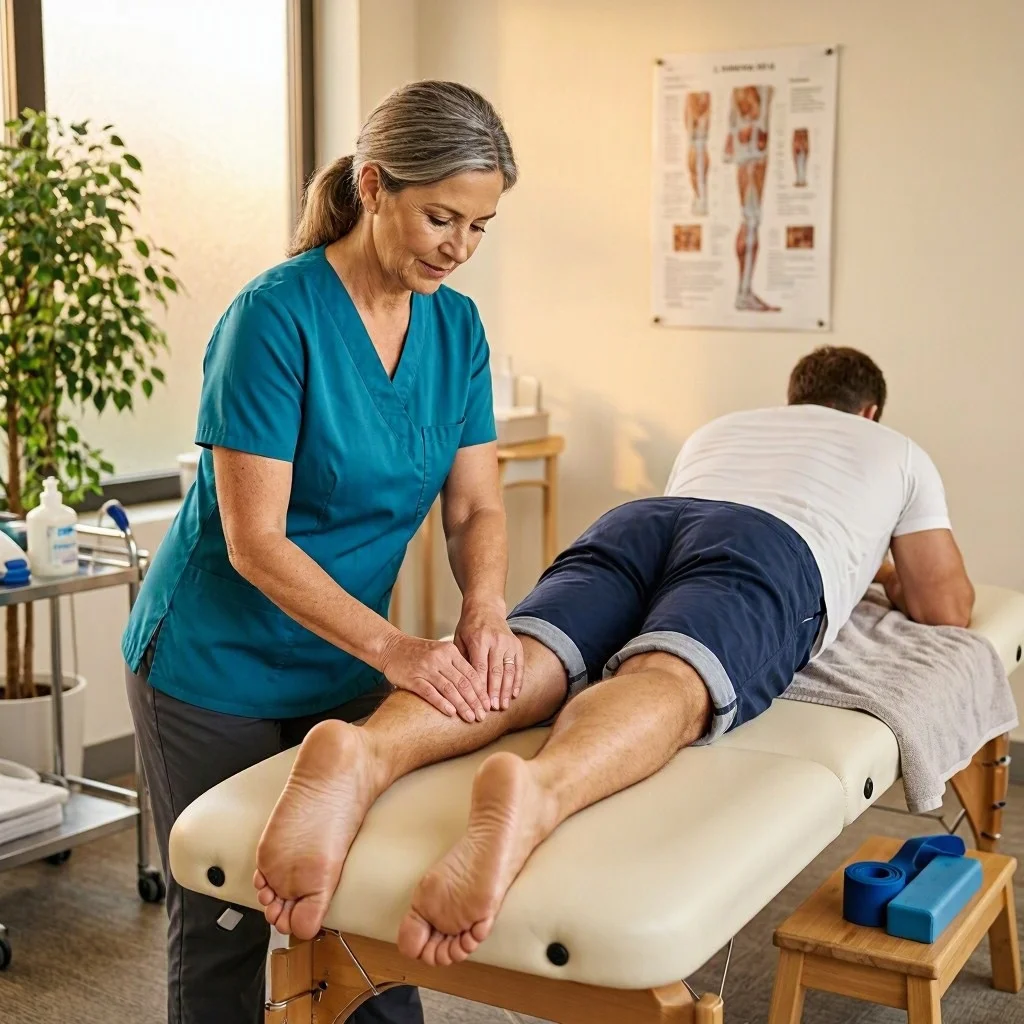
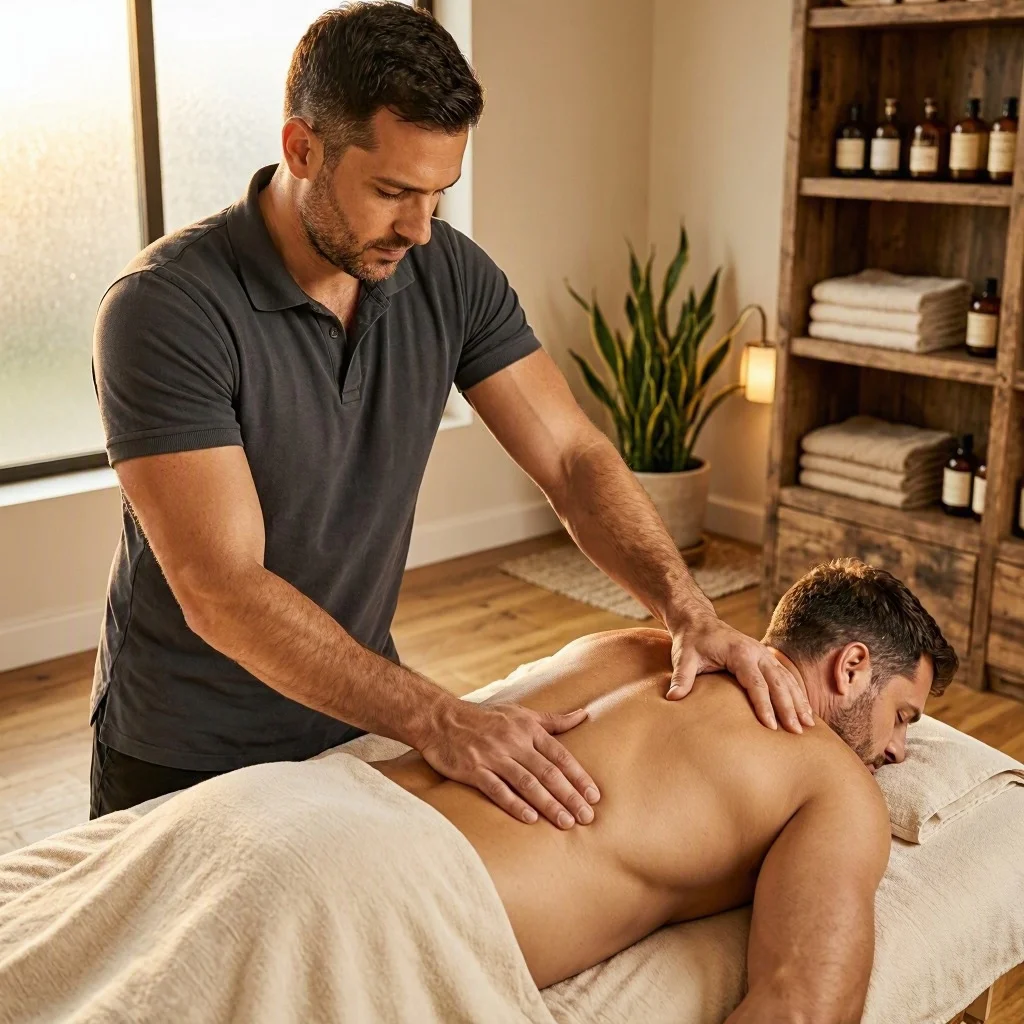
Soft-Tissue Techniques
Some professionals use soft-tissue techniques to address muscle tension and improve movement comfort.
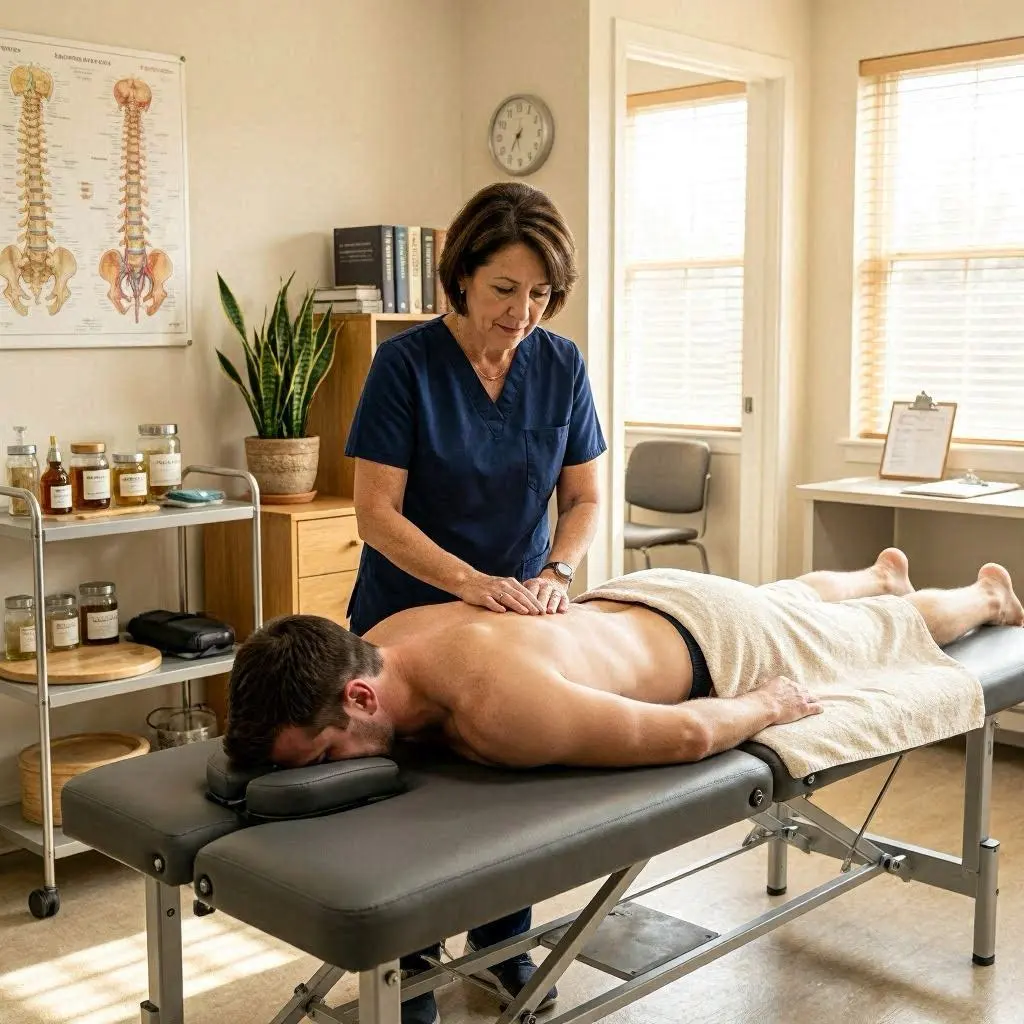
Manual Therapy
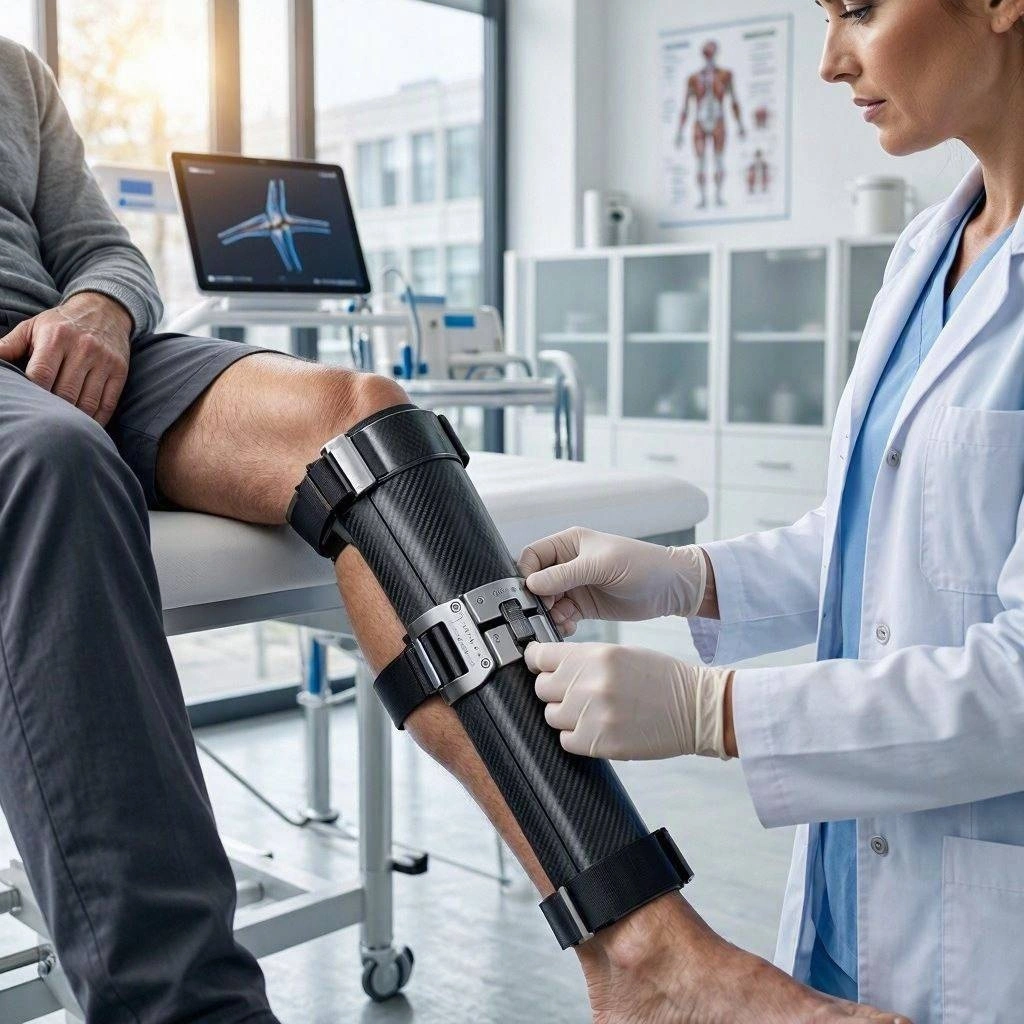
Qualified healthcare professionals may use appropriate manual techniques to support joint and soft-tissue mobility.
Biomechanical Correction and Injury Prevention (Biomechanical Correction)
Good movement quality can play a role in an overall injury-prevention strategy. Improving strength, mobility, balance, and coordination may help people manage physical demands more effectively.
However, no approach can guarantee injury prevention. Training volume, recovery, technique, equipment, nutrition, sleep, and individual health also influence injury risk.
A balanced program should gradually increase physical demands while allowing adequate recovery.
How Biomechanical Correction Can Improve Mobility
Mobility involves more than flexibility. A person needs enough movement and the ability to control that movement.
A biomechanical program can combine stretching, active mobility exercises, strengthening, and coordination drills. This combination helps individuals develop both movement range and control.
For example, a person with limited hip mobility may benefit from hip mobility exercises combined with glute strengthening and functional movement practice.
Biomechanical Correction for Everyday Movement
Biomechanics affects everyday activities such as walking, climbing stairs, lifting objects, getting out of a chair, and reaching overhead.
Improving movement control can make these activities more efficient. Functional exercises can replicate everyday movements and help people develop strength and stability that transfer into daily life.
Choosing a Biomechanical Correction Program
Every person has different movement patterns and physical goals. For this reason, a personalized program often provides more useful guidance than a generic routine.
When choosing a professional, consider their qualifications, experience, assessment process, and approach to individualized care.
A good program should explain the purpose of each exercise and gradually progress as movement quality improves.
Simple Habits That Support Better Biomechanics
You can support healthy movement with simple daily habits:
Take regular movement breaks.
Include strength training in your routine.
Practice mobility exercises consistently.
Warm up before demanding physical activity.
Increase training intensity gradually.
Maintain proper exercise technique.
Give your body enough recovery time.
Pay attention to changes in movement or discomfort.
Consistency plays an important role in maintaining physical function.
When to Seek Professional Guidance (Biomechanical Correction)
Consider professional evaluation if you experience persistent pain, repeated injuries, significant movement restrictions, or difficulty performing normal activities.
A qualified physiotherapist, chiropractor, sports therapist, or other healthcare professional can assess your movement and recommend an appropriate plan.
Professional guidance can also help athletes optimize training while reducing unnecessary physical stress.
Conclusion
Biomechanical Correction provides a comprehensive approach to improving movement, posture, mobility, balance, strength, and coordination. By examining how different parts of the body work together, professionals can identify movement limitations and develop personalized strategies.
Whether you are an athlete, an office worker, a recreational exerciser, or someone who simply wants to move more comfortably, improving movement quality can support better physical function.
A combination of mobility exercises, strength training, movement education, balance work, and appropriate professional care can create a strong foundation for efficient movement and long-term physical wellness.