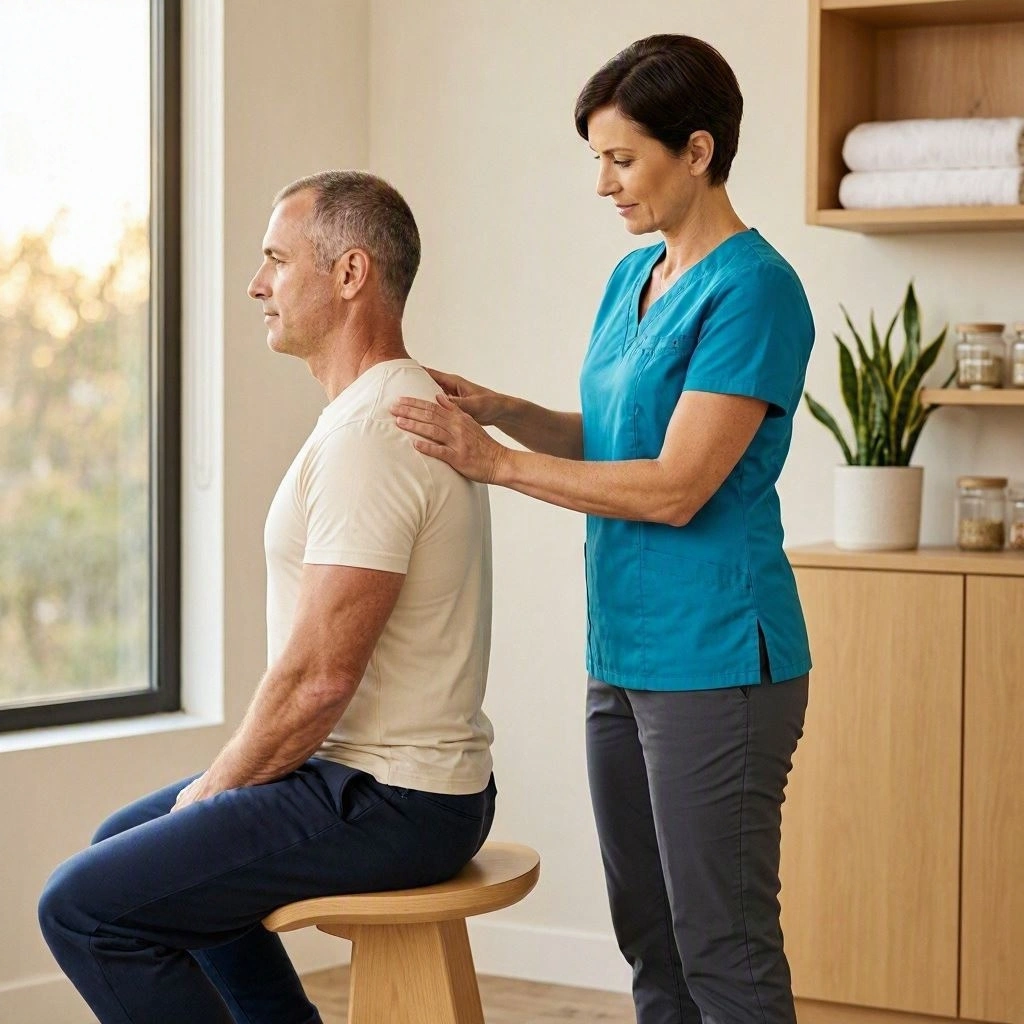
Massage Therapy for Posture: How Massage Can Support Better Alignment and Movement
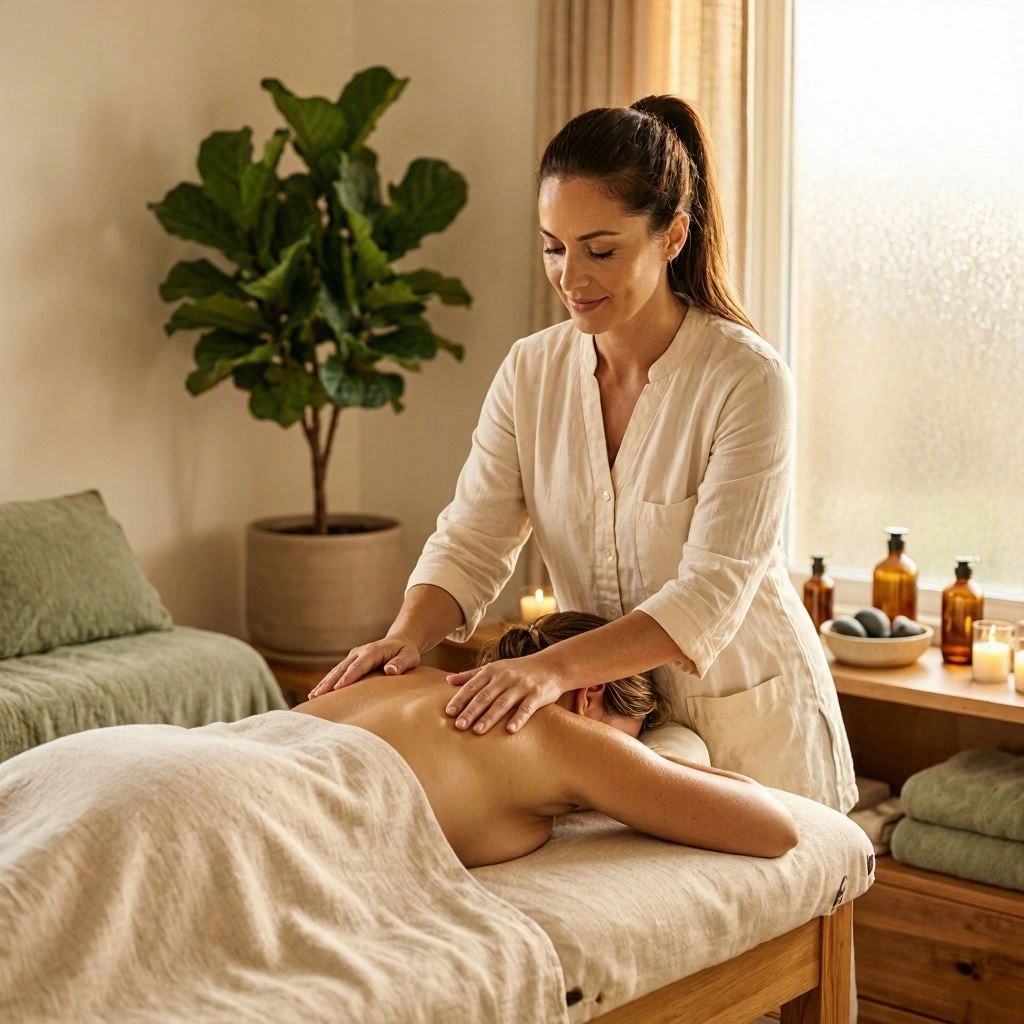
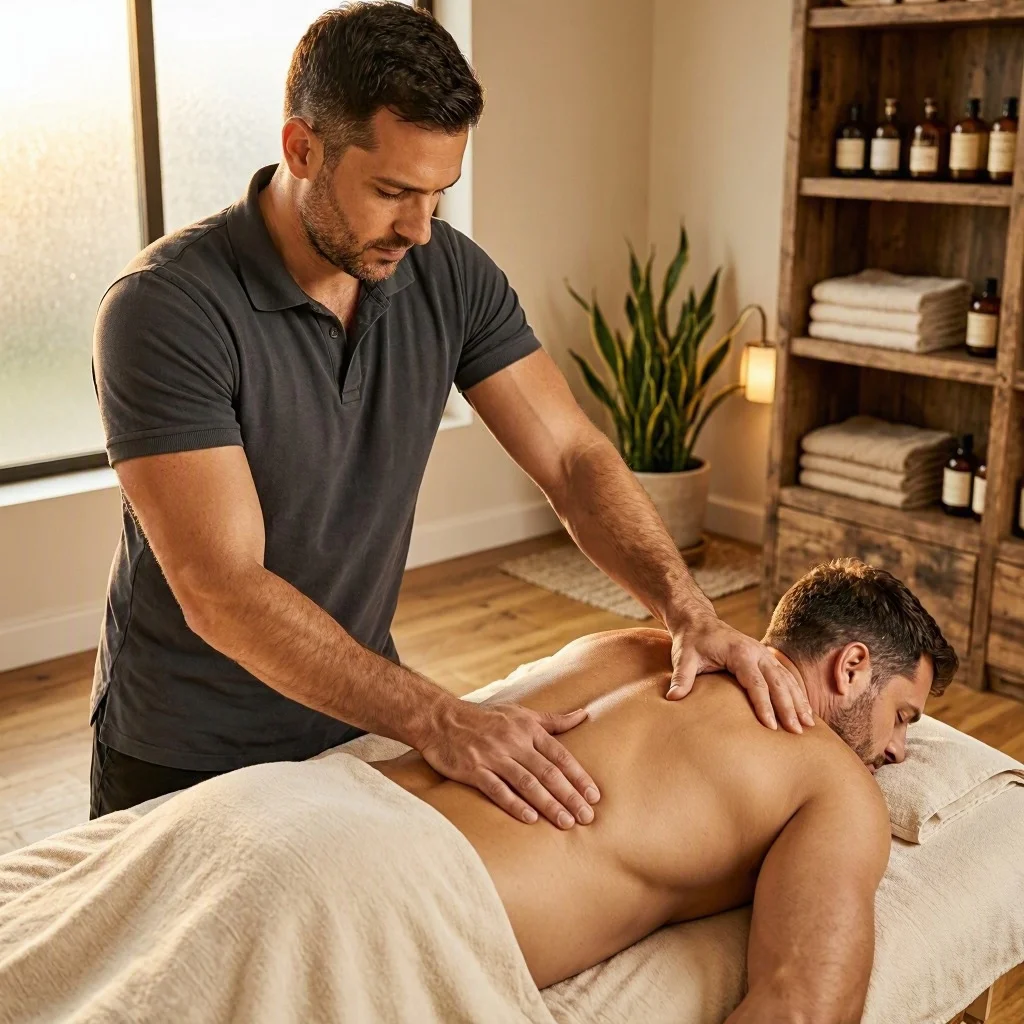
Good posture is an important part of comfortable movement and everyday physical function. Whether you are sitting at a desk, standing at work, walking, exercising, or relaxing, the way your body is positioned can influence how muscles and joints work together. Poor posture does not always cause pain, but prolonged or inefficient positions can contribute to muscular tension, fatigue, and discomfort in some people.Massage Therapy for Posture can be used as a complementary approach for people who experience muscular tension associated with prolonged postural habits. Massage may help relax tight muscles and make movement feel more comfortable, but it should not be considered a standalone method for permanently correcting posture.
Posture is influenced by many factors, including muscle strength, mobility, physical activity, workstation setup, movement habits, previous injuries, and individual anatomy. Because of this, effective posture improvement usually requires more than passive treatment.
A comprehensive approach may combine massage therapy with strengthening exercises, mobility work, ergonomic adjustments, movement breaks, and physiotherapy when appropriate.
Massage can be particularly useful when certain muscles feel tight after long periods of sitting or repetitive activity. Common areas include the neck, shoulders, chest, upper back, lower back, and hips.
The goal of posture-focused massage is not to force the body into a particular position. Instead, it can help address muscular tension and support comfortable movement while the individual works on active strategies for improving posture and physical function.
What Is Good Posture?
Posture refers to the way the body is positioned while sitting, standing, lying, and moving.
There is not one perfect posture that everyone should maintain throughout the day.
A healthy approach to posture generally involves being able to:
Move comfortably
Change positions regularly
Maintain adequate muscle strength
Control body movements
Perform daily activities without excessive strain
Static posture is only one part of the picture.
Dynamic posture, which refers to how the body is positioned during movement, is equally important.
Rather than trying to maintain one rigid position all day, it is usually more useful to develop movement variety and physical capacity.
What Causes Poor Posture?
Postural habits can develop for many reasons.
Common contributing factors include:
Prolonged sitting
Computer work
Mobile device use
Weakness
Muscle tightness
Repetitive movements
Limited physical activity
Poor workstation setup
Fatigue
Previous injuries
Lifestyle can have a significant influence.
Someone who spends eight hours at a computer may naturally adopt different postural habits from someone who performs physical work throughout the day.
How Massage Therapy May Support Posture (Massage Therapy for Posture)
Massage does not directly “fix” the skeleton or permanently change posture.
However, it may help address muscular tension that can influence how comfortable certain positions feel.
For example, prolonged sitting may contribute to tension around the:
Neck
Shoulders
Chest
Upper back
Lower back
Hips
Massage may help some individuals feel less muscular tension in these areas.
This can potentially make movement and posture exercises more comfortable.
Massage should therefore be viewed as a complementary treatment rather than a complete posture correction program.
Massage Therapy for Neck Posture
Neck posture is a common concern among computer users and people who frequently use smartphones.
Keeping the head forward for extended periods can increase the sensation of tension around the neck and upper shoulders.
A massage therapist may focus on appropriate soft tissues around:
Neck
Upper trapezius
Shoulders
Upper back
The goal is to promote muscular relaxation and comfort.
However, massage alone does not address all factors associated with forward head posture.
Exercises that strengthen the neck and upper back can be useful components of a broader strategy.
Massage Therapy for Forward Head Posture
Forward head posture occurs when the head is positioned farther forward relative to the trunk.
It is often associated with prolonged activities such as:
Computer work
Phone use
Reading
Desk work
People may experience:
Neck tension
Shoulder tightness
Upper-back discomfort
Muscle fatigue
Massage may help reduce the sensation of muscular tension.
However, improving movement habits and developing strength are also important.
A posture program may include:
Neck strengthening
Upper-back exercises
Chest mobility
Thoracic mobility
Ergonomic improvements
Massage Therapy for Rounded Shoulders
Rounded shoulders may be influenced by posture, muscle strength, movement habits, and individual anatomy.
People who spend long periods sitting may experience tension around the chest and upper back.
Massage may target muscles around:
Chest
Shoulders
Upper back
Neck
This can potentially make movement more comfortable.
However, massage cannot permanently reposition the shoulders.
Strengthening the muscles responsible for controlling the shoulder blades and upper back may be more important for long-term improvement.
Massage Therapy for Upper Back Posture
The upper back plays an important role in posture and shoulder movement.
Limited thoracic mobility and muscular tension can influence how comfortably someone sits or stands.
Massage may focus on the muscles surrounding the upper back.
It can be combined with mobility exercises such as controlled thoracic rotations and extension movements.
Regular movement throughout the day can also reduce the effects of prolonged static positions.
Massage Therapy for Lower Back Posture
Lower-back posture varies naturally between individuals.
There is no single ideal spinal position that everyone should maintain.
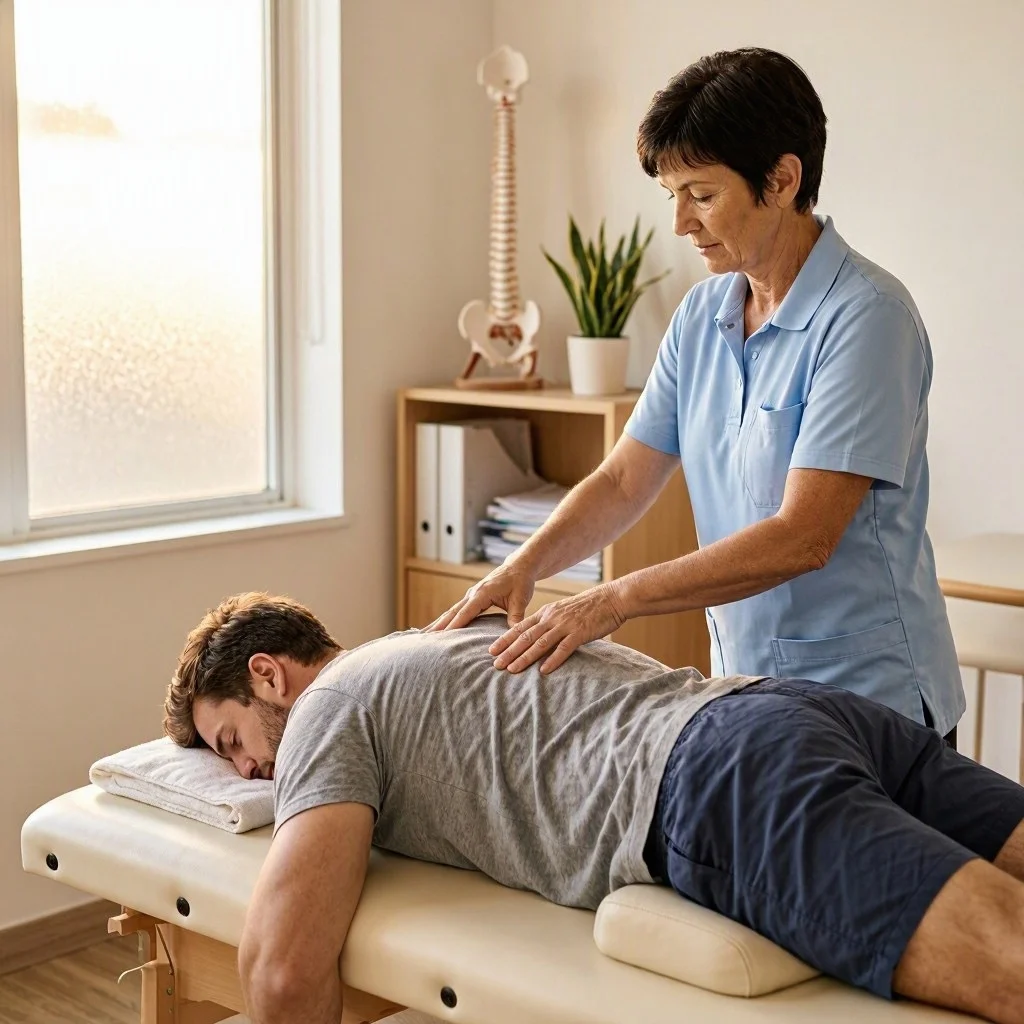
However, prolonged sitting, physical work, and repetitive movements can contribute to lower-back muscular tension.
Massage may provide temporary comfort for some people.
A long-term approach may also include:
Core strengthening
Hip mobility
General physical activity
Strength training
Movement variety
Persistent or severe back pain should be evaluated appropriately.
Massage Therapy for Hip Posture
The hips are central to movement and body positioning.
Limited hip mobility or muscular tension can affect how people sit, stand, squat, and walk.
Massage may target:
Hip flexors
Glutes
Quadriceps
Hamstrings
However, hip posture is influenced by many factors.
Strength and mobility exercises are important for developing functional movement.
Massage Therapy for Office Workers (Massage Therapy for Posture)
Office workers frequently spend long periods sitting.
This can contribute to muscular fatigue around the:
Neck
Shoulders
Upper back
Lower back
Hips
Massage may help relieve the sensation of muscular tension.
However, improving the workstation and changing positions regularly are equally important.
Useful strategies include:
Adjusting monitor height
Supporting the lower back
Keeping frequently used items nearby
Standing regularly
Walking during breaks
Performing simple mobility exercises
Massage Therapy for Computer Users
Computer use can create repetitive postural demands.
Many people unconsciously move their head forward or elevate their shoulders while concentrating.
Massage may provide temporary relief from muscular tension.
However, posture habits during computer use should also be addressed.
Try to:
Position the monitor comfortably
Keep the keyboard and mouse accessible
Relax the shoulders
Avoid staying in one position for excessive periods
Take frequent movement breaks
Massage Therapy for Smartphone Users
Smartphone use often involves looking downward.
Extended periods in this position may contribute to neck and shoulder tension.
Massage may help some people feel more relaxed.
However, changing phone-use habits is also important.
Consider:
Raising the phone closer to eye level
Taking regular breaks
Alternating positions
Performing gentle neck movements
Limiting unnecessary screen time
Massage Therapy and Posture Exercises (Massage Therapy for Posture)
Massage and exercise can complement each other.
It provides a passive intervention, while exercises require active participation.
A posture-focused exercise program may include:
Upper-Back Strengthening
Strengthening the upper back can support shoulder control.
Neck Exercises
Appropriate neck exercises can help develop strength and control.
Core Exercises
Core training can improve trunk strength and control.
Hip Exercises
Hip strength can support movement and lower-body function.
Mobility Exercises
Mobility work can help maintain comfortable movement.
Massage Therapy and Physiotherapy
Physiotherapy may be particularly useful when posture problems are associated with:
Pain
Weakness
Limited mobility
Previous injury
Movement difficulties
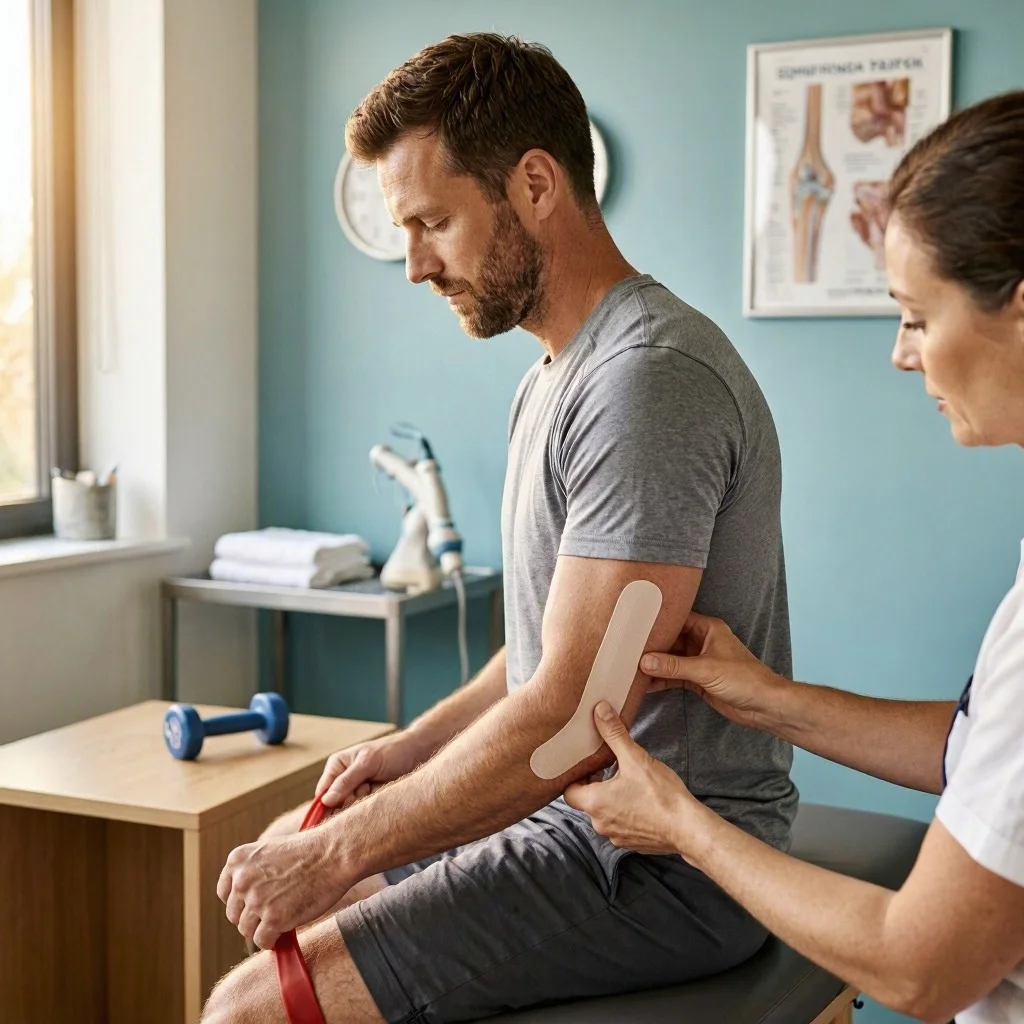
A physiotherapist can assess movement and develop an individualized exercise program.
Massage may then complement physiotherapy by addressing muscular tension when appropriate.
The two approaches can work together rather than being viewed as competing treatments.
Massage Therapy for Posture and Muscle Tension
Muscle tension is one of the main reasons people seek massage for posture.
Common areas include:
Upper trapezius
Neck muscles
Chest
Upper back
Lower back
Hip muscles
When these muscles feel tense, certain positions may become uncomfortable.
Massage may temporarily reduce this sensation.
However, recurring tension may indicate that the person needs to address their daily movement habits.
Can Massage Correct Poor Posture?
Massage alone cannot guarantee permanent posture correction.
It may help with muscular tension and physical comfort, but posture is influenced by many factors.
Long-term improvement may require:
Strength training
Mobility exercises
Ergonomic changes
Regular movement
Better movement habits
Physiotherapy
Massage can support these strategies.
Massage Therapy for Postural Awareness
Postural awareness means recognizing how your body is positioned and how different positions feel.
Massage may help some people become more aware of areas that feel tense or restricted.
However, awareness should not become excessive monitoring.
The goal is not to maintain a perfectly rigid posture.
Instead, people should learn to move comfortably between different positions.
Why Movement Variety Matters (Massage Therapy for Posture)
One of the most important concepts in posture is movement variety.
Even a good position can become uncomfortable if maintained for several hours without movement.
Instead of trying to maintain one perfect posture, consider changing positions regularly.
For example:
Sit → Stand → Walk → Stretch → Sit
This allows different tissues to move and reduces prolonged static loading.
Massage Therapy for Active People
Athletes and active individuals may also experience postural muscle tension.
Training can place repeated demands on specific muscles.
Massage may be used as part of recovery.
However, active people should also focus on:
Strength
Mobility
Technique
Recovery
Training progression
Massage should complement these strategies.
Massage Therapy for Seniors and Posture
Posture and movement can change with age.
Older adults may experience changes in:
Strength
Balance
Mobility
Flexibility
Massage may support relaxation and muscular comfort.
However, maintaining strength and balance is particularly important.
A comprehensive program may include:
Strength exercises
Balance training
Walking
Mobility exercises
Appropriate massage
Massage Therapy for Children and Teenagers
Postural habits can develop during childhood and adolescence.
Long periods of:
Smartphone use
Gaming
Studying
Computer use
may influence how young people position themselves.
Massage is not generally the first-line solution for posture concerns in children.
If there is significant pain, asymmetry, weakness, or movement difficulty, appropriate professional assessment should be considered.
Best Massage Techniques for Posture
There is no single massage technique that is best for everyone.
Depending on the person’s needs, a therapist may use:
Swedish massage
Therapeutic massage
Deep tissue techniques
Sports massage
Soft-tissue techniques
The appropriate technique depends on the person’s comfort and treatment goals.
More pressure does not automatically produce better results.
Deep Tissue Massage for Posture (Massage Therapy for Posture)
Deep tissue massage may be used when someone experiences significant muscular tension.
It can target deeper layers of soft tissue.
However, treatment should not be excessively painful.
The therapist should adjust pressure according to the individual’s tolerance.
Deep tissue massage is not a replacement for posture exercises.
Swedish Massage for Posture
Swedish massage generally uses flowing techniques and moderate pressure.
It may be appropriate for people who primarily want relaxation and reduction of general muscular tension.
For office workers experiencing mild tension, it may provide a comfortable treatment option.
How Often Should You Get Massage for Posture?
There is no universal schedule.
Frequency may depend on:
Your lifestyle
Work demands
Exercise routine
Muscle tension
Treatment response
Personal goals
Some people may benefit from occasional sessions.
Others may schedule regular treatments.
However, massage should not become the only strategy for improving posture.
How Long Should a Posture Massage Session Last?
Massage sessions may last approximately 30 to 90 minutes.
A focused session may target the neck, shoulders, and upper back.
A longer session may address several areas.
The appropriate duration depends on your treatment goals.
Longer sessions are not automatically more effective.
What Happens During a Posture-Focused Massage?
A professional session may include several stages.
Consultation
The therapist discusses your concerns and goals.
Assessment
The therapist considers areas of tension and movement.
Treatment
Appropriate massage techniques are applied.
Feedback
You can communicate about pressure and comfort.
Recommendations
The therapist may suggest appropriate movement or stretching strategies.
Does Posture Massage Hurt?
Massage should not need to be extremely painful.
Some pressure may feel intense, especially when working on tense muscles, but excessive pain is unnecessary.
If the pressure is uncomfortable, tell your therapist.
Communication helps ensure that treatment remains appropriate.
Massage Therapy Before Exercise (Massage Therapy for Posture)
A gentle massage may be incorporated into preparation for physical activity.
However, massage should not replace a warm-up.
A proper warm-up generally includes:
Light activity
Dynamic movement
Sport-specific preparation
Gradual increases in intensity
Very aggressive massage immediately before demanding activity may not be appropriate for everyone.
Massage Therapy After Exercise
Massage can be included in a post-exercise recovery routine.
It may help some people feel less muscular tension.
Recovery should also include:
Sleep
Hydration
Nutrition
Appropriate rest
Gradual training progression
Massage Therapy and Workplace Ergonomics
Ergonomics can have a major impact on daily posture.
Important considerations include:
Monitor
Position the monitor at a comfortable height.
Chair
Use a chair that provides appropriate support.
Keyboard
Keep the keyboard positioned comfortably.
Mouse
Avoid reaching excessively for the mouse.
Movement
Take regular breaks to stand and move.
Massage can complement these changes but cannot compensate for an unsuitable workstation indefinitely.
Common Posture Massage Mistakes
Expecting Massage to Permanently Fix Posture
Massage primarily addresses soft-tissue tension and relaxation.
Using Excessive Pressure
More pressure is not automatically more effective.
Ignoring Strength
Posture requires muscular control.
Staying in One Position
Movement variety is essential.
Ignoring Ergonomics
Daily habits influence posture more than occasional treatments.
Treating Persistent Pain Without Assessment
Recurring symptoms may require professional evaluation.
Safety Considerations
Massage is not appropriate for every person or every situation.
Treatment may need to be modified or avoided in cases involving:
Certain acute injuries
Significant swelling
Fever
Some skin infections
Recent surgery
Unexplained severe pain
Certain medical conditions
A qualified therapist should obtain relevant information before treatment.
If you have concerns about whether massage is appropriate, consult an appropriate healthcare professional.
When Should You See a Physiotherapist?
Massage may not be enough if you experience:
Persistent pain
Significant weakness
Limited movement
Recurrent symptoms
Difficulty performing daily activities
Symptoms following an injury
A physiotherapist can assess movement and determine whether strength, mobility, coordination, or other factors are contributing to the problem.
How to Improve Posture Between Massage Sessions
The best way to support long-term posture is to develop healthy movement habits.
Consider:
Take Movement Breaks
Avoid remaining seated for excessively long periods.
Strengthen Your Upper Back
Perform appropriate rowing and shoulder-control exercises.
Train Your Core
Develop trunk strength and control.
Improve Mobility
Work on areas that feel restricted.
Adjust Your Workspace
Make your workstation comfortable and practical.
Change Positions
Do not try to maintain one rigid posture all day.
Frequently Asked Questions
Can massage therapy improve posture?
Massage may help reduce muscular tension and improve comfort, but it cannot guarantee permanent posture correction. Active exercises and movement habits are important for long-term improvement.
What is the best massage for posture?
There is no single best technique. Swedish, therapeutic, sports, and deeper massage techniques may all be appropriate depending on the person’s needs.
Can massage fix forward head posture?
Massage may help reduce neck and shoulder muscle tension, but exercises, movement habits, and ergonomic changes are generally important for addressing forward head posture.
Can massage help rounded shoulders?
Massage may help relieve muscular tension around the chest, shoulders, and upper back. Strengthening and mobility exercises are also important.
How often should I get a posture massage?
There is no universal frequency. It depends on your goals, lifestyle, muscle tension, and response to treatment.
Can massage replace physiotherapy?
No. Physiotherapy can assess movement, strength, mobility, and functional limitations. Massage may complement physiotherapy when appropriate.
Should posture massage hurt?
No. Massage does not need to be painful to be useful. Excessive pressure should be communicated to the therapist.
Can massage help office posture?
Massage may help reduce muscular tension associated with prolonged sitting, but workstation ergonomics and regular movement are essential for long-term improvement.
Can massage improve flexibility?
Massage may temporarily affect how flexible or relaxed an area feels, but consistent stretching, mobility work, and exercise are important for lasting flexibility improvements.
Is poor posture always a problem?
No. There is no single perfect posture, and posture naturally changes throughout the day. The ability to move comfortably and change positions is often more important than maintaining one fixed position.
Final Thoughts (Massage Therapy for Posture)
Massage Therapy for Posture can be a valuable complementary approach for people who experience muscular tension associated with prolonged sitting, computer work, repetitive activities, or other postural habits. By focusing on areas such as the neck, shoulders, upper back, chest, lower back, and hips, massage may help some individuals feel more relaxed and comfortable.
However, massage should not be considered a standalone posture correction treatment. Posture is influenced by strength, mobility, coordination, movement habits, ergonomics, physical activity, previous injuries, and individual anatomy.
Workstation ergonomics are also important. Someone who spends several hours each day at a computer may benefit more from combining massage with monitor adjustments, regular movement breaks, improved seating, and better work habits than from relying on massage alone.
It is also important to understand that there is no single perfect posture. People naturally move between different positions throughout the day. Trying to maintain one rigid posture continuously can itself create fatigue and discomfort. Healthy posture is better understood as the ability to move, adapt, and control the body comfortably.
Massage can provide temporary relief from muscular tension and may make movement or exercise more comfortable. When combined with physiotherapy, strengthening, mobility training, ergonomic improvements, and regular movement, it can become part of a comprehensive approach to postural health.
If posture concerns are associated with persistent pain, significant weakness, limited movement, neurological symptoms, or a previous injury, professional assessment is appropriate.
Ultimately, the goal of Massage Therapy for Posture should not be to force the body into a perfect position. Instead, it should support muscular comfort and movement while helping individuals develop the strength, mobility, awareness, and daily habits necessary for healthy physical function.