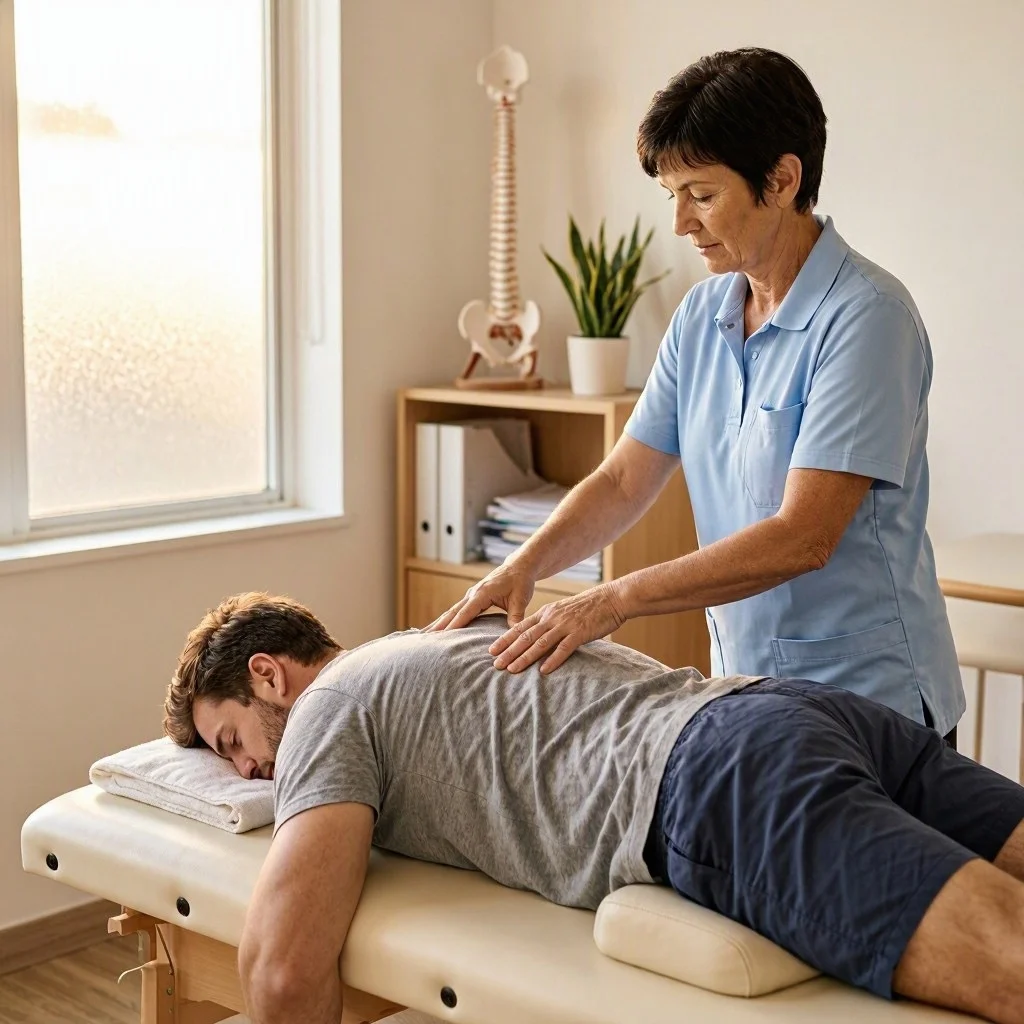
Osteopathic Treatment: Complete Guide to Pain Relief, Mobility, and Recovery
Osteopathic Treatment is a hands-on approach to managing many musculoskeletal problems that can affect movement, comfort, and everyday function. People may consider osteopathic care when they experience back pain, neck pain, joint stiffness, muscle tension, sports-related discomfort, or difficulty moving comfortably.
Rather than focusing only on the exact location where pain is felt, osteopathic care may consider how different parts of the body work together. An assessment can look at movement patterns, joint mobility, muscle function, physical activity, previous injuries, and functional limitations before a treatment plan is developed.
At Ritz Clinics Osteopathy, treatment is personalized according to the patient’s symptoms, physical condition, lifestyle, and individual goals. Depending on the assessment, care may include hands-on techniques, soft-tissue treatment, joint mobilization, stretching, mobility exercises, movement education, and exercise recommendations.
It is important to understand that osteopathy is not a universal treatment for every medical condition. Its main role is within musculoskeletal care, and the appropriate approach depends on the individual’s symptoms and clinical assessment. Evidence for manual therapy also varies according to the condition being treated.
This guide explains what Osteopathic Treatment involves, which problems it may help manage, what happens during an appointment, common techniques, potential benefits, safety considerations, and how osteopathy can fit into a broader rehabilitation plan.
What Is Osteopathic Treatment?
Osteopathic Treatment is a form of hands-on healthcare that primarily focuses on the musculoskeletal system. This includes the muscles, joints, bones, ligaments, tendons, connective tissues, and movement patterns that contribute to physical function.
An osteopath may assess how different parts of the body move individually and together. For example, a person with lower back discomfort may also have limited hip mobility, muscle tension, reduced strength, or changes in their usual activity level.
Consequently, the treatment plan does not necessarily focus only on the painful area.
Instead, an osteopath may consider:
- Joint mobility
- Muscle tension
- Range of motion
- Movement patterns
- Physical activity
- Previous injuries
- Posture and functional movement
- Work requirements
- Exercise habits
- Daily activities
- Individual treatment goals
The exact treatment varies from person to person.
Some patients may benefit from gentle manual techniques, while others may need a combination of hands-on treatment and active rehabilitation.
The goal is generally to help improve physical function, manage symptoms, and support more comfortable movement.
How Does Osteopathic Treatment Work?
The effects of manual therapy are more complex than simply moving a joint or relaxing a muscle.
Pain is influenced by multiple factors, including tissue sensitivity, nervous-system responses, previous injuries, physical activity, sleep, stress, and overall health. Therefore, hands-on treatment may influence symptoms through several different mechanisms.
For example, manual techniques may temporarily make a stiff movement feel easier. Soft-tissue techniques may reduce the perception of muscular tension. In addition, a comfortable treatment experience may help someone become more confident about moving an area that they have been protecting because of pain.
However, Osteopathic Treatment should not be viewed as simply “putting bones back into place.”
Pain does not automatically mean that a bone or joint is out of alignment.
Instead, a good treatment plan considers the person’s symptoms, physical findings, functional limitations, and goals.
For this reason, osteopathic care can work particularly well when hands-on treatment is combined with appropriate movement, exercise, and self-management.
What Conditions Can Osteopathic Treatment Help Manage?
Osteopathy is primarily used for musculoskeletal problems.
People may seek osteopathic care for:
- Lower back pain
- Neck pain
- Shoulder discomfort
- Joint stiffness
- Muscle tension
- Sports-related injuries
- Movement limitations
- Recurrent musculoskeletal discomfort
- Certain work-related physical problems
- Some forms of mechanical pain
However, the suitability of treatment depends on the individual.
For example, someone with mild muscular tension may require a different approach from someone recovering from a sports injury. Similarly, persistent pain accompanied by neurological symptoms may require additional medical assessment.
Therefore, an osteopathic practitioner should assess the person’s symptoms before deciding whether treatment is appropriate.
Osteopathic Treatment for Back Pain
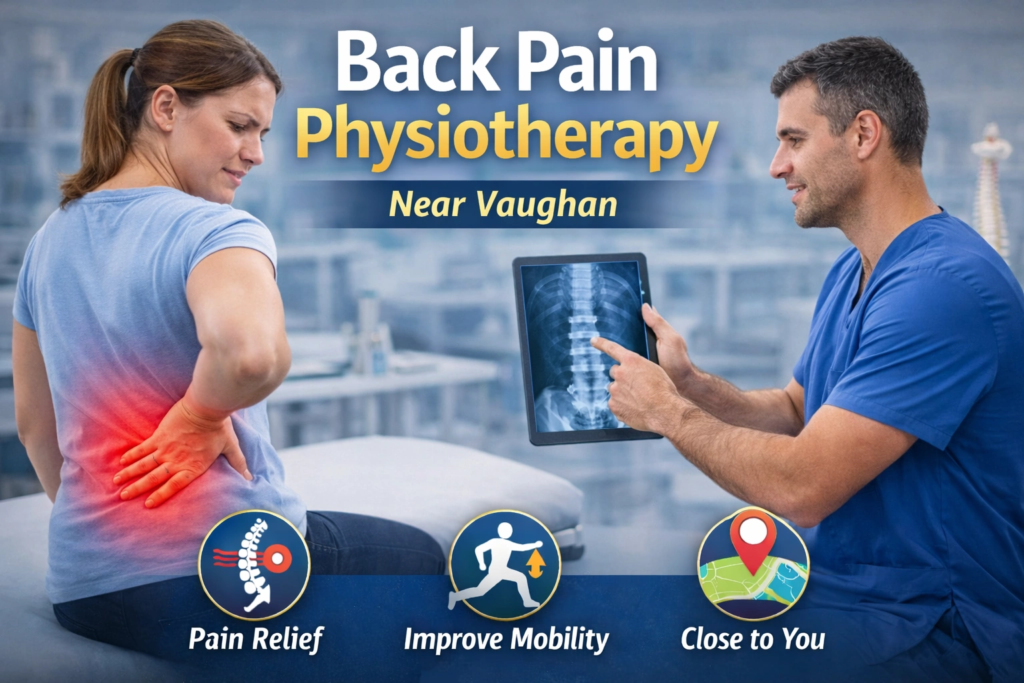
Back pain is one of the most common reasons people seek hands-on musculoskeletal care.
It can affect:
- Sitting
- Standing
- Walking
- Bending
- Lifting
- Sleeping
- Working
- Exercise
- Household activities
Back pain can have many different causes. As a result, there is no single treatment that works for everyone.
An osteopathic assessment may consider the movement of the spine, hips, pelvis, surrounding muscles, and other relevant structures.
Depending on the assessment, treatment may include:
- Soft-tissue techniques
- Joint mobilization
- Stretching
- Mobility exercises
- Movement education
- Exercise recommendations
- Activity modification
For a more focused discussion, you can also read our guide to Osteopathy for Back Pain.
Importantly, osteopathic care should not be presented as a guaranteed cure for back pain. Instead, treatment should have realistic goals such as improving movement, reducing symptoms, increasing activity tolerance, and supporting daily function.
Osteopathic Treatment for Neck Pain
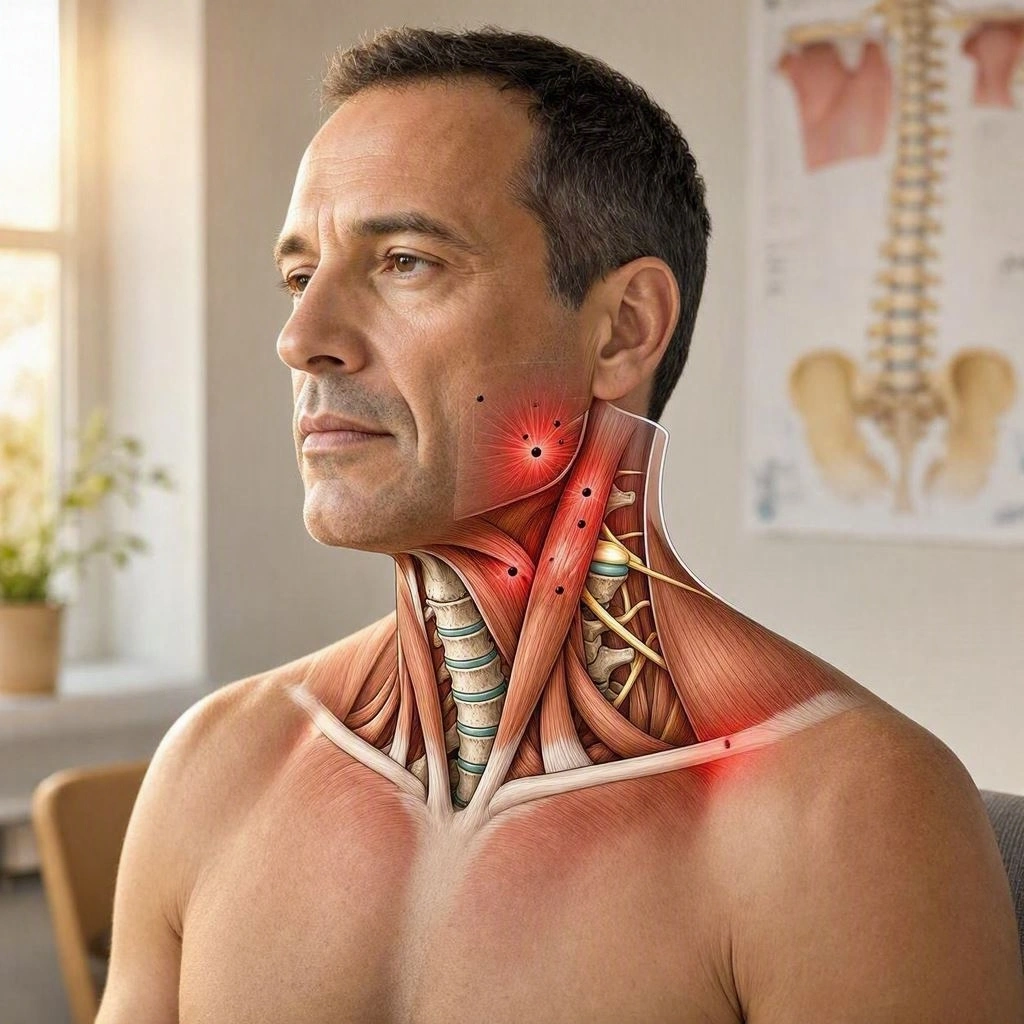
Neck discomfort can develop for many reasons.
For example, symptoms may be associated with:
- Muscle tension
- Previous injury
- Repetitive work
- Prolonged sitting
- Reduced movement
- Physical activity
- Work-related demands
An osteopath may assess neck movement as well as the surrounding shoulder and upper-back region.
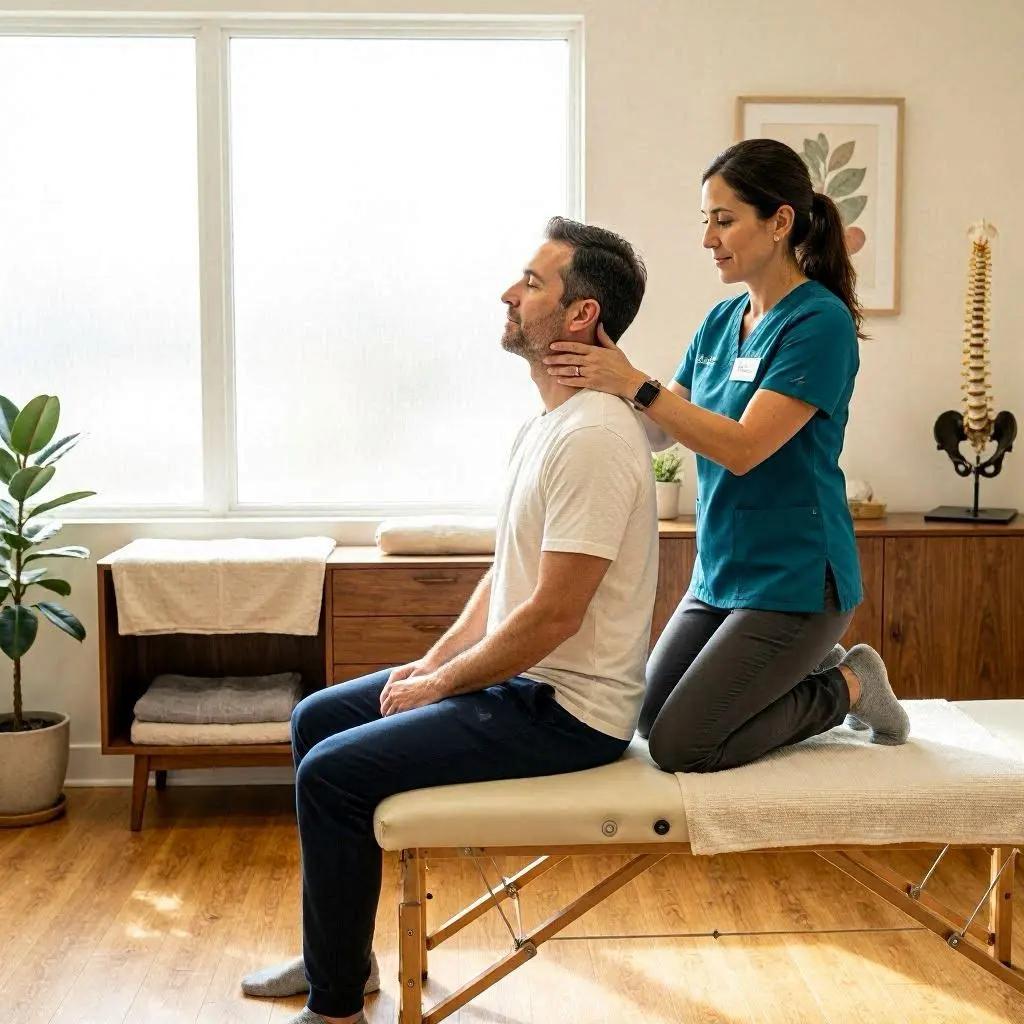
Treatment can include gentle manual techniques, mobility work, soft-tissue treatment, stretching, and movement advice when appropriate.
The purpose is not necessarily to force the neck into a particular position. Instead, treatment should aim to improve comfortable movement and help the patient return to appropriate activities.
If neck symptoms are severe, rapidly worsening, associated with significant weakness or numbness, or follow major trauma, appropriate medical assessment should be considered.
Osteopathic Treatment for Shoulder Problems
Shoulder pain can affect reaching, dressing, lifting, exercising, sleeping, and working.
Because the shoulder works together with the upper back, shoulder blade, neck, and arm, an assessment may consider more than the painful joint itself.
An osteopath may examine:
- Shoulder range of motion
- Upper-back mobility
- Muscle function
- Movement patterns
- Activity limitations
- Previous injuries
Treatment may include manual techniques, soft-tissue work, stretching, mobility exercises, and strengthening recommendations.
The rehabilitation plan should reflect the patient’s goals.
For example, an office worker may want to type and work comfortably, while an athlete may want to return to overhead training.
Therefore, functional goals can help determine how treatment progresses.
Osteopathic Treatment for Joint Stiffness
Joint stiffness can make everyday movement difficult.
People may notice stiffness when:
- Getting out of bed
- Standing after sitting
- Walking
- Climbing stairs
- Reaching overhead
- Exercising
- Performing household activities
Osteopathic assessment can help determine whether restricted movement, muscular tension, activity patterns, or other factors may contribute to the problem.
Manual techniques may be used when appropriate to support mobility.
However, maintaining movement between appointments is also important.
For that reason, an osteopath may recommend:
- Mobility exercises
- Stretching
- Strengthening
- Walking
- Functional movement
- Regular physical activity
This active component can help patients maintain improvements and become less dependent on passive treatment.
Osteopathic Treatment for Muscle Tension
Muscle tension is another common reason people seek hands-on treatment.
Tension may occur after:
- Repetitive activities
- Exercise
- Prolonged sitting
- Stress
- Previous injury
- Changes in physical activity
- Poor recovery
Soft-tissue techniques and massage may be used to improve comfort and reduce the sensation of muscular tightness.
However, treatment does not have to be painful to be effective.
Very aggressive pressure is not automatically better. The intensity of treatment should match the person’s condition and tolerance.
Patients should tell the practitioner if they experience sharp pain, excessive discomfort, unusual sensitivity, or a significant increase in symptoms.
Common Osteopathic Treatment Techniques
Different practitioners use different techniques depending on their training and the patient’s condition.
Soft-Tissue Techniques
Soft-tissue treatment focuses on muscles and surrounding tissues.
Techniques may involve pressure, massage, stretching, or controlled movement.
The goal may be to improve comfort, reduce perceived tension, and support movement.
Joint Mobilization
Joint mobilization involves controlled movement of a joint.
The practitioner may use different directions, speeds, and levels of pressure depending on the joint and the patient’s symptoms.
The technique should always be selected after considering the person’s health history and physical findings.
Stretching
Stretching may be included when reduced flexibility contributes to movement limitations.
However, stretching is not appropriate for every condition, and excessive stretching may aggravate certain problems.
Therefore, the technique should be individualized.
Massage
Massage can form part of osteopathic care when muscular tension or soft-tissue discomfort is relevant.
It may provide short-term comfort, but it should not necessarily be the only component of long-term rehabilitation.
Movement Exercises
Movement exercises can help patients maintain improvements between appointments.
These may include mobility exercises, controlled movements, strengthening exercises, and functional activities.
Exercise Guidance
can help improve:
- Strength
- Mobility
- Balance
- Endurance
- Coordination
- Physical confidence
Exercise recommendations should match the person’s current physical capacity and goals.
Benefits of Osteopathic Treatment
Potential benefits vary between individuals and depend on the condition being treated.
Osteopathic care may help some patients with:
Improved Mobility
Hands-on techniques and mobility exercises may help some people move more comfortably.
Reduced Stiffness
Treatment may help reduce the sensation of stiffness in certain musculoskeletal conditions.
Better Physical Function
Improved movement can make daily activities easier.
Symptom Management
Some patients may experience a reduction in pain or discomfort following treatment.
Increased Movement Confidence
A comfortable treatment experience combined with gradual exercise can help patients become more confident in movement.
Support During Rehabilitation
Osteopathy can sometimes form part of a broader rehabilitation plan involving exercise and activity modification.
Research on manual therapy supports a cautious interpretation of these benefits. Evidence for spinal manipulation and mobilization suggests that some people with low back pain may experience modest improvements in pain and function, although results vary.
Therefore, Osteopathic Treatment should be presented as one possible component of musculoskeletal care rather than a guaranteed solution.
Is Osteopathic Treatment Evidence-Based?
Evidence for osteopathic and manual therapy approaches varies considerably depending on the condition, technique, and patient population.
Some manual therapy research shows potential benefits for certain musculoskeletal problems, particularly back pain. However, evidence from one manual technique cannot automatically be applied to every osteopathic treatment or every health condition.
Several factors influence treatment outcomes:
- The underlying condition
- The treatment technique
- The duration of symptoms
- The patient’s physical activity
- Other health conditions
- The quality of the rehabilitation program
- Treatment adherence
This is why a realistic approach is important.
Rather than promising a cure, a practitioner should explain what the treatment is intended to accomplish and how progress will be evaluated.
Osteopathic Treatment and Exercise
Hands-on treatment may help some people feel more comfortable moving, but exercise is often important for maintaining physical capacity.
Exercise can address:
- Weakness
- Reduced endurance
- Poor balance
- Limited mobility
- Reduced confidence
- Functional limitations
For example, someone with recurrent back pain may receive manual treatment during an appointment. However, strengthening the trunk and lower body, maintaining physical activity, and learning how to manage daily activities may be equally important for long-term function.
Similarly, someone with shoulder discomfort may need strengthening and controlled movement to return to exercise.
Therefore, active rehabilitation can complement hands-on treatment.
Osteopathic Treatment and Functional Rehabilitation
A useful treatment plan should connect rehabilitation with real-life activities.
For one person, the main goal may be returning to work.
For another, it may be:
- Walking without significant discomfort
- Returning to the gym
- Playing sports
- Lifting children
- Gardening
- Driving
- Climbing stairs
- Sleeping comfortably
- Performing household activities
Functional rehabilitation focuses on these meaningful goals.
Instead of measuring success only by pain levels, progress can also be measured by what the person can do.
For example, being able to walk farther, lift more comfortably, exercise again, or complete a full workday can represent important improvements.
What Happens During an Osteopathic Treatment Appointment?
An appointment commonly begins with an assessment.
The practitioner may ask about:
- Current symptoms
- When the symptoms started
- Previous injuries
- Medical history
- Medications
- Physical activity
- Work requirements
- Exercise
- Daily limitations
- Previous treatment
- Personal goals
The practitioner may then assess relevant areas of physical function.
This can include:
- Movement
- Joint mobility
- Muscle function
- Flexibility
- Balance
- Functional activities
The assessment helps determine whether osteopathic care is appropriate.
If treatment is suitable, the practitioner can explain the proposed approach.
You should also have an opportunity to ask questions and discuss your treatment preferences.
Creating a Personalized Osteopathic Treatment Plan
There is no single osteopathic treatment plan that works for everyone.
A personalized plan may consider:
- Age
- Physical condition
- Medical history
- Symptom duration
- Pain severity
- Mobility
- Strength
- Work requirements
- Exercise goals
- Previous injuries
- Lifestyle
- Treatment preferences
For example, an active athlete may need a different rehabilitation strategy from an office worker with persistent neck tension.
Similarly, someone recovering from an injury may need gradual progression rather than aggressive manual treatment.
At Ritz Clinics, the Osteopathy service emphasizes individualized care based on symptoms, physical condition, lifestyle, movement, and personal goals.
How Many Osteopathic Treatment Sessions Will You Need?
There is no universal number of sessions.
Some people may notice meaningful changes after a small number of appointments, while others with persistent or recurrent problems may need a longer rehabilitation program.
The appropriate treatment duration can depend on:
- The underlying problem
- How long symptoms have been present
- Severity
- Previous injuries
- General health
- Physical activity
- Response to treatment
- Home exercise participation
- Treatment goals
Progress should be reassessed regularly.
If symptoms are not improving, the treatment strategy should be reconsidered.
Repeated sessions without measurable progress are not necessarily useful.
In some situations, another form of care may be more appropriate, such as physiotherapy, medical assessment, diagnostic investigation, or another healthcare service.
How Can You Get Better Results From Osteopathic Treatment?
Your participation between appointments can make an important difference.
Follow Your Exercise Recommendations
If your practitioner provides mobility or strengthening exercises, completing them consistently can help maintain progress.
Stay Physically Active
Appropriate physical activity can support strength, mobility, and overall function.
Communicate During Treatment
Tell your practitioner if a technique is uncomfortable or if symptoms change significantly.
Follow a Gradual Progression
Avoid trying to return immediately to demanding activities after a period of inactivity.
Gradual progression allows your body to adapt.
Focus on Your Functional Goals
Think about what you actually want to achieve.
For example:
- Return to the gym
- Walk longer
- Work comfortably
- Lift safely
- Play sports
- Sleep better
- Move more freely
These goals can make treatment more meaningful and measurable.
Osteopathic Treatment vs Physiotherapy
Osteopathy and physiotherapy are different professions, although there can be some overlap.
Both may involve:
- Movement assessment
- Exercise
- Manual therapy
- Mobility work
- Education
- Rehabilitation
The exact scope, training, regulation, and treatment approach can vary by country and practitioner.
Physiotherapy often places strong emphasis on rehabilitation, exercise prescription, functional recovery, and physical activity.
Osteopathy often incorporates hands-on assessment and treatment alongside movement and exercise strategies.
The best choice depends on the person’s symptoms, goals, practitioner qualifications, and treatment plan.
In some situations, different healthcare professionals may work together.
Osteopathic Treatment vs Massage Therapy
Massage therapy primarily focuses on soft tissues.
Osteopathic care can include massage and soft-tissue techniques, but it may also involve:
- Joint assessment
- Movement assessment
- Mobility testing
- Functional assessment
- Exercise recommendations
- Rehabilitation planning
Therefore, someone seeking general relaxation may have different needs from someone experiencing persistent musculoskeletal symptoms.
If pain is persistent or interfering with daily activities, a clinical assessment may be more appropriate than relying solely on massage.
Is Osteopathic Treatment Safe?
Osteopathic care can be appropriate for many people, but it is not suitable for every condition.
Before treatment, tell your practitioner about:
- Medical conditions
- Previous surgeries
- Recent injuries
- Medications
- Osteoporosis
- Neurological symptoms
- Blood-clotting problems
- Pregnancy
- Significant unexplained symptoms
Certain techniques may need to be modified or avoided depending on the person’s health.
Treatment should also be adapted according to tolerance.
If you experience severe or unusual symptoms during or after treatment, contact an appropriate healthcare professional.
When Should You Seek Medical Assessment Instead?
Not every type of pain should be treated through osteopathy.
Seek medical evaluation when symptoms are:
- Severe or rapidly worsening
- Associated with major trauma
- Accompanied by unexplained fever
- Associated with unexplained weight loss
- Associated with significant weakness
- Accompanied by progressive numbness
- Associated with loss of bladder or bowel control
- Associated with chest pain
- Associated with loss of consciousness
- Accompanied by other concerning or unexplained symptoms
For example, new neurological symptoms after significant trauma should not simply be treated as muscle tension.
Similarly, severe unexplained pain may require medical investigation before manual treatment is considered.
A responsible osteopathic practitioner should recognize when symptoms require referral.
Osteopathic Treatment for Long-Term Musculoskeletal Health
Osteopathy can be useful as part of a broader approach to physical health.
However, long-term musculoskeletal health generally involves more than occasional hands-on treatment.
Important factors may include:
- Regular physical activity
- Strength training
- Mobility
- Sleep
- Recovery
- Healthy movement habits
- Ergonomic strategies
- Appropriate nutrition
- Stress management
- Managing workload
For someone with recurring symptoms, identifying lifestyle or activity factors can be particularly useful.
For example, an individual who experiences neck tension every week may benefit not only from manual treatment but also from regular movement breaks, strengthening exercises, workstation adjustments, and improved activity habits.
This broader approach can help reduce reliance on passive treatment.
Osteopathic Treatment at Ritz Clinics
Ritz Clinics provides personalized osteopathy services focused on movement, musculoskeletal function, and physical comfort.
The clinic’s osteopathy approach considers how different parts of the body work together. Assessment may consider posture, movement patterns, joint mobility, muscle tension, physical condition, and areas of discomfort.
Depending on the individual’s needs, treatment may include hands-on manual techniques, joint mobilization, soft-tissue treatment, movement assessment, and exercise or activity recommendations.
You can also explore related Ritz Clinics resources, including Osteopathy Therapy and Osteopathy Services, to learn more about the different aspects of osteopathic care.
The purpose of treatment should always be connected to the patient’s goals.
For example, someone may want to return to exercise, while another person may simply want to move more comfortably during daily activities.
Frequently Asked Questions About Osteopathic Treatment
What is Osteopathic Treatment?
Osteopathic Treatment is a hands-on approach primarily used to assess and manage musculoskeletal problems. Treatment may include soft-tissue techniques, massage, joint mobilization, stretching, movement advice, and exercise recommendations.
What does an osteopath treat?
Osteopaths commonly work with musculoskeletal problems such as back pain, neck discomfort, joint stiffness, muscle tension, and some sports-related problems. The suitability of treatment depends on the individual’s symptoms and assessment.
Can Osteopathic Treatment help back pain?
It may help some people with back pain, particularly when manual treatment is combined with movement and exercise. However, back pain has many possible causes, so treatment should be individualized.
Is Osteopathic Treatment the same as massage?
No. Massage primarily focuses on soft tissues, while osteopathic care can include assessment of joints, movement, muscles, and physical function in addition to hands-on techniques.
Is osteopathy the same as physiotherapy?
No. They are different healthcare professions, although there can be overlap in exercise, manual therapy, movement assessment, and rehabilitation.
How long does an Osteopathic Treatment session take?
Appointment length varies according to the practitioner, clinic, assessment requirements, and treatment plan. An initial appointment may involve more assessment than a follow-up visit.
How many Osteopathic Treatment sessions will I need?
There is no standard number. Treatment duration depends on your symptoms, physical condition, goals, response to treatment, and participation in rehabilitation.
Does Osteopathic Treatment hurt?
Treatment does not need to be painful to be effective. Techniques should be selected and adjusted according to your condition and tolerance. Tell your practitioner if you experience sharp or excessive pain.
Can osteopathy help chronic pain?
Osteopathy may form part of a broader approach to managing some chronic musculoskeletal pain. However, persistent pain often benefits from a combination of education, physical activity, exercise, rehabilitation, and appropriate medical care.
Can osteopathy improve mobility?
Osteopathic treatment may help some people with restricted movement. Mobility exercises and regular physical activity can also help maintain and develop physical capacity.
Should I exercise after Osteopathic Treatment?
It depends on your condition and treatment plan. In many cases, appropriate movement and exercise form an important part of recovery. Your practitioner can advise you about suitable activity.
Is Osteopathic Treatment safe for everyone?
No. Certain medical conditions may require treatment modification or medical assessment first. Always provide your complete medical history and discuss medications, surgeries, injuries, pregnancy, and other relevant health factors.
When should I see an osteopath?
You may consider an osteopathic assessment when musculoskeletal pain, stiffness, muscle tension, or movement limitations are interfering with everyday activities. If symptoms are severe, rapidly worsening, or associated with warning signs, seek appropriate medical assessment.
Conclusion
Osteopathic Treatment can be a useful option for people experiencing certain musculoskeletal problems, including back pain, neck discomfort, joint stiffness, muscle tension, and some activity-related injuries.
Treatment may include soft-tissue techniques, massage, stretching, joint mobilization, mobility work, movement education, and exercise recommendations. However, the most appropriate approach depends on the individual.
Importantly, osteopathy should not be viewed as a universal cure. Evidence for manual therapy varies according to the condition and treatment technique, while long-term physical function often benefits from active rehabilitation, exercise, and healthy movement habits.
A good Osteopathic Treatment plan therefore starts with assessment and clear goals. Instead of focusing only on where pain is felt, the practitioner can consider movement, physical function, previous injuries, activity levels, lifestyle, and the activities the patient wants to return to.
Whether your goal is to move more comfortably, return to exercise, manage recurring stiffness, or improve everyday function, individualized osteopathic care may be one part of a broader musculoskeletal management plan.
If you are experiencing persistent or unexplained symptoms, especially symptoms that are severe, worsening, or associated with neurological or other warning signs, seek appropriate medical evaluation.
For people in Thornhill looking for individualized musculoskeletal care, you can learn more about Osteopathy at Ritz Clinics and explore whether an assessment is appropriate for your needs.