Physical Injury Rehabilitation: Complete Guide to Recovery, Treatment, and Prevention
Physical injury rehabilitation is an important part of recovering from injuries that affect muscles, joints, bones, ligaments, tendons, and other parts of the body. Whether an injury occurs during sports, exercise, work, everyday activities, or an unexpected accident, appropriate rehabilitation can help restore movement, strength, flexibility, balance, and confidence.
Recovering from an injury is not always as simple as waiting for pain to disappear. Many injuries can affect the way a person moves, performs daily activities, exercises, or uses a particular part of the body. Without appropriate rehabilitation, a person may develop weakness, stiffness, movement limitations, or compensatory movement patterns.
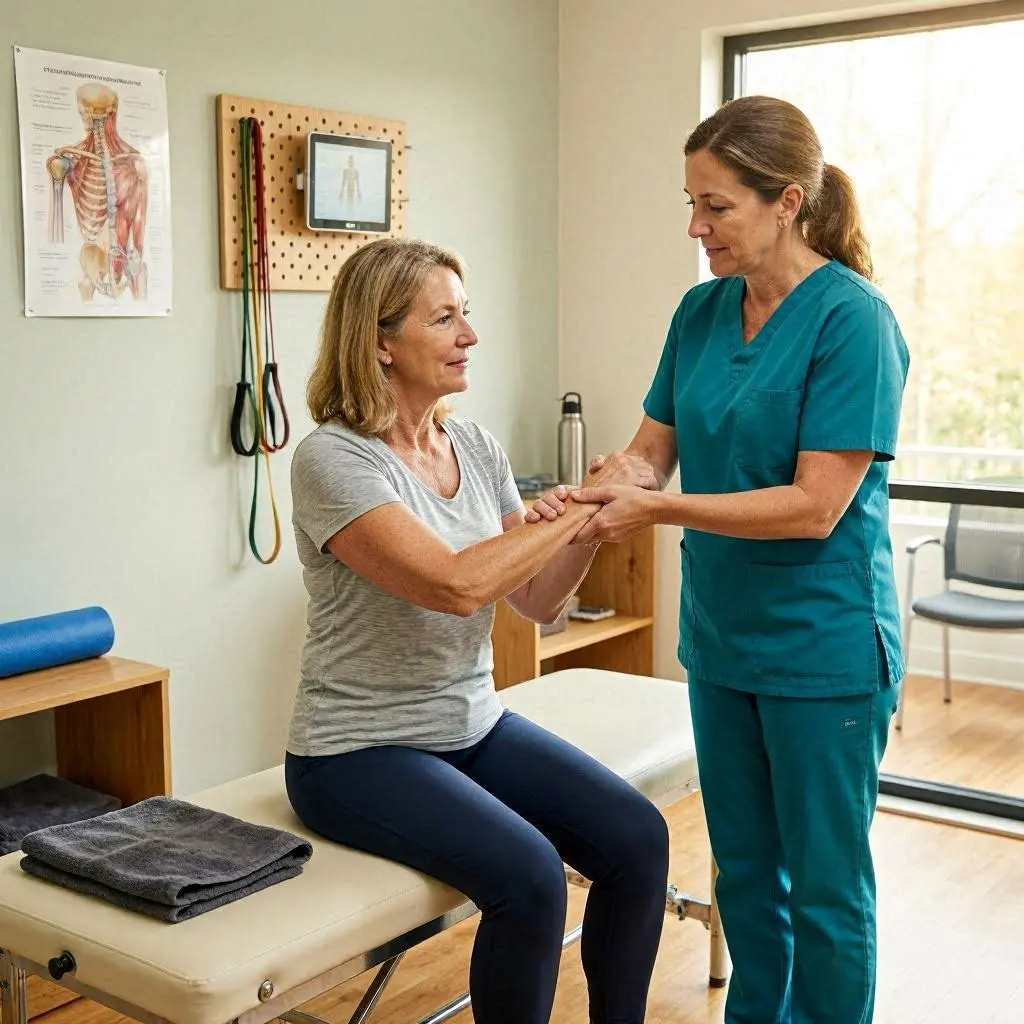
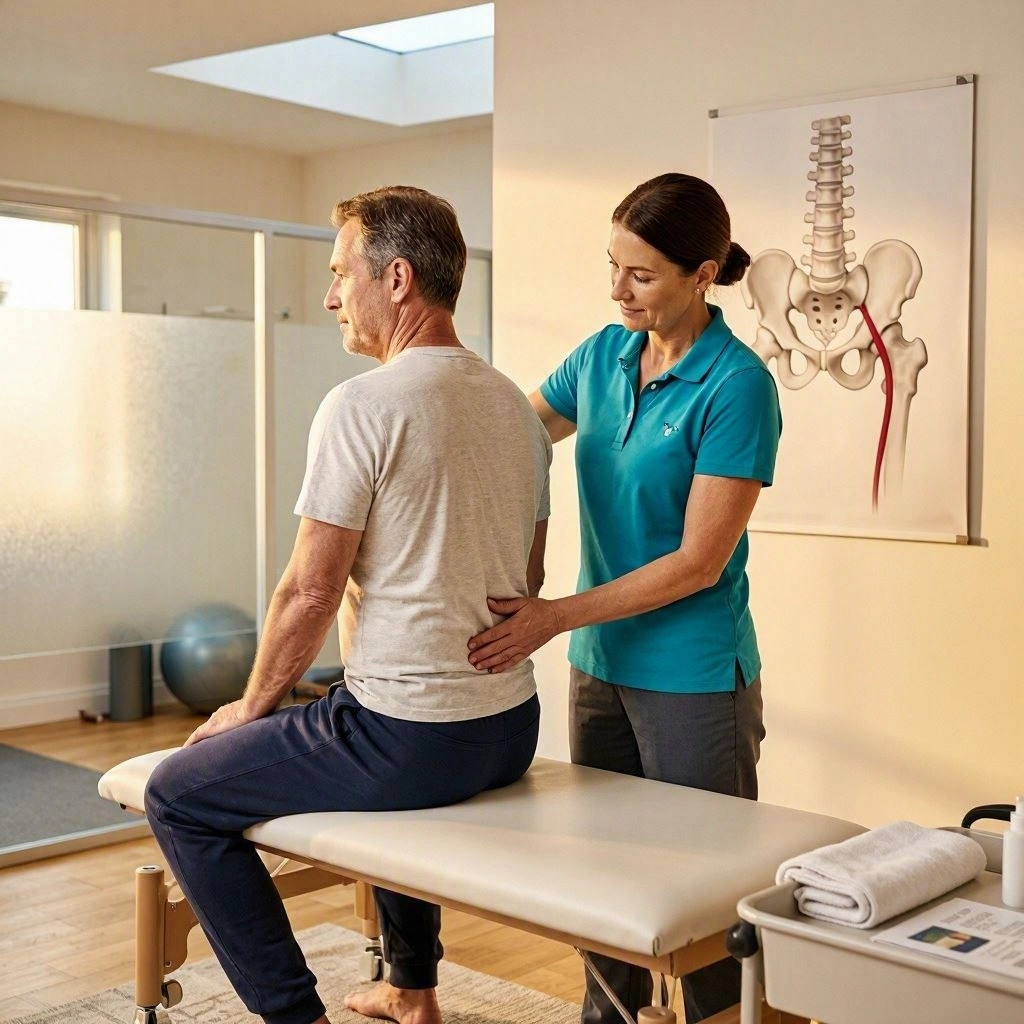
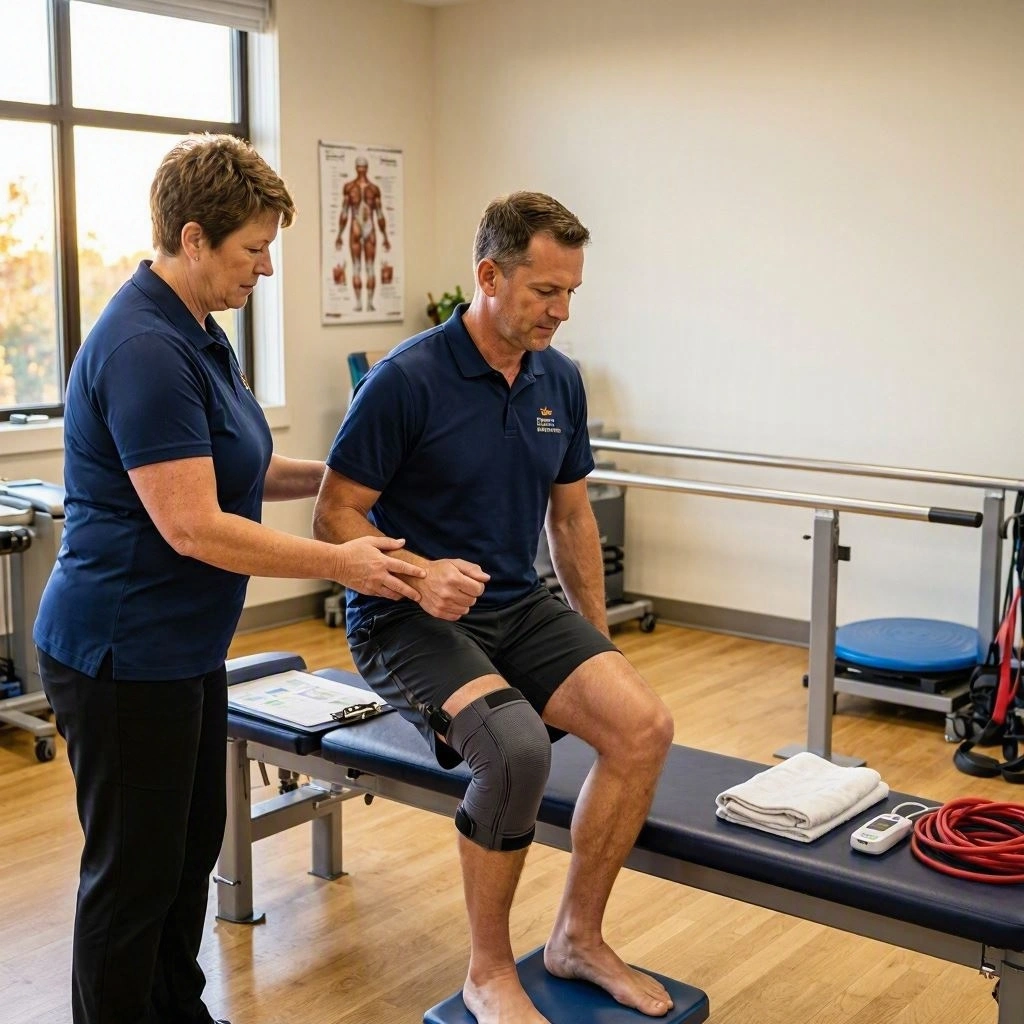
Physical injury rehabilitation provides a structured approach to recovery. Depending on the injury, rehabilitation may include therapeutic exercises, mobility training, manual therapy, balance exercises, strengthening, flexibility work, functional training, education, and gradual return-to-activity programs.
The rehabilitation process should always be individualized. A professional rehabilitation program considers the type and severity of the injury, the person’s current abilities, lifestyle, goals, and stage of recovery.
What Is Physical Injury Rehabilitation?
Physical injury rehabilitation is a structured process designed to help a person recover physical function after an injury.
The primary goals can include restoring mobility, rebuilding strength, improving coordination, reducing functional limitations, and helping the individual return safely to normal activities.
Rehabilitation may be appropriate after many different types of injuries, including sports injuries, workplace injuries, muscle strains, ligament injuries, tendon problems, fractures, joint injuries, and injuries caused by falls or accidents.
The exact treatment depends on the injury.
For example, someone recovering from an ankle sprain may need exercises for mobility, balance, and lower-leg strength. A person recovering from a shoulder injury may require a different combination of range-of-motion exercises, strengthening, and functional movement training.
Physical injury rehabilitation is therefore not a single treatment. It is a process that changes as the individual improves.
Why Is Physical Injury Rehabilitation Important?
An injury can affect much more than the area that initially hurts.
When movement becomes painful or difficult, people often change how they perform everyday activities. They may avoid using the injured body part, shift weight to another side, or reduce physical activity.
These changes can contribute to weakness and stiffness.
Rehabilitation helps address these physical changes through progressive and controlled activity.
A structured program can help a person gradually rebuild their capacity instead of returning to demanding activities too quickly.
Rehabilitation may also improve confidence. After an injury, people sometimes become afraid of moving in certain ways or returning to a sport.
Gradual exposure to appropriate movements can help rebuild trust in the injured area.
Common Types of Physical Injuries
Physical injury rehabilitation can address many different injuries.
Muscle Strains
A muscle strain occurs when a muscle or tendon is overstretched or overloaded.
Strains commonly affect areas such as the hamstrings, calves, lower back, shoulders, and thighs.
Rehabilitation may focus on restoring comfortable movement and gradually rebuilding strength.
Ligament Sprains
Ligaments connect bones and help stabilize joints.
A sprain can occur when a ligament is stretched or injured.
Ankle sprains are particularly common, but sprains can affect other joints as well.
Rehabilitation may include mobility, strengthening, balance training, and progressive functional exercises.
Tendon Injuries
Tendons connect muscles to bones.
They can become irritated or injured because of repetitive loading, sudden increases in activity, or trauma.
Rehabilitation often involves carefully managed loading and progressive strengthening.
Fractures
A fracture requires appropriate medical management.
After the bone has been medically treated and the person is cleared for rehabilitation, physical therapy may help restore mobility, strength, coordination, and function.
The rehabilitation timeline depends on the type and location of the fracture.
Joint Injuries
Joint injuries can affect the shoulder, knee, hip, ankle, wrist, elbow, or other joints.
Rehabilitation may focus on restoring movement, strength, stability, and functional capacity.
The Main Goals of Physical Injury Rehabilitation
Although every program is different, rehabilitation commonly focuses on several key goals.
Reducing Functional Limitations
An injury can make everyday tasks difficult.
A person may have trouble walking, climbing stairs, lifting objects, reaching overhead, or participating in sports.
Rehabilitation aims to improve these abilities progressively.
Restoring Range of Motion
Stiffness is common after injury, particularly when movement has been restricted.
Appropriate mobility exercises can help restore comfortable movement.
Rebuilding Strength
Muscles can lose strength when they are not used normally.
Progressive strengthening helps rebuild physical capacity.
Improving Balance and Coordination
Some injuries affect balance or proprioception.
Balance exercises can help the body respond more effectively to changes in position and movement.
Returning to Normal Activities
Ultimately, rehabilitation should help the person return to meaningful activities.
These activities may include work, household tasks, exercise, recreational activities, or competitive sports.
The Stages of Physical Injury Rehabilitation
Recovery does not always follow a perfectly linear path, but rehabilitation often progresses through several general stages.
Early Stage
The early stage focuses on protecting the injured area and managing symptoms while maintaining safe movement where appropriate.
The specific recommendations depend on the injury.
A healthcare professional may advise temporary activity modification.
The goal is not necessarily complete inactivity. In many situations, appropriate movement can be introduced as soon as it is safe.
Middle Stage
As symptoms improve, rehabilitation can become more active.
The person may begin performing mobility exercises, strengthening exercises, balance activities, and controlled functional movements.
The intensity should gradually increase according to the individual’s response.
Advanced Stage
During the advanced stage, the focus shifts toward restoring higher levels of physical capacity.
Exercises may become more challenging and specific to the person’s goals.
An athlete may perform sport-specific drills, while someone recovering from a workplace injury may practice movements required for their job.
Return-to-Activity Stage
The final stage focuses on returning to normal activities safely.
The person should be able to perform relevant movements with appropriate strength, control, and confidence.
A gradual return is usually preferable to immediately returning to the same workload as before the injury.
Physical Therapy in Injury Rehabilitation
Physical therapy is an important component of rehabilitation for many injuries.
A physical therapist can assess movement, strength, flexibility, balance, and functional limitations.
Based on this assessment, they can develop an individualized treatment program.
Physical therapy may include:
-
Therapeutic exercise
-
Strength training
-
Mobility exercises
-
Balance training
-
Functional training
-
Manual therapy
-
Movement education
-
Activity modification
-
Return-to-sport training
The specific combination depends on the person’s condition.
Therapeutic Exercises for Injury Recovery
Exercise is often central to physical injury rehabilitation.
The right exercises depend on the injury and recovery stage.
Range-of-Motion Exercises
Range-of-motion exercises are designed to maintain or restore joint movement.
They may be particularly useful when stiffness develops after injury or immobilization.
Strengthening Exercises
Strengthening exercises help rebuild muscle capacity.
Early exercises may involve gentle contractions or low resistance.
As strength improves, resistance can gradually increase.
Balance Exercises
Balance exercises are especially important after certain lower-limb injuries.
They can help improve coordination and awareness of body position.
Functional Exercises
Functional exercises replicate movements that a person needs in daily life, work, or sport.
For example, rehabilitation may include squatting, stepping, lifting, reaching, or controlled jumping depending on the person’s goals.
The Importance of Progressive Loading
Progressive loading is an important principle in many rehabilitation programs.
The body adapts to physical demands when those demands are introduced appropriately.
If an injured tissue is exposed to too much stress too quickly, symptoms may increase or recovery may be delayed.
On the other hand, avoiding physical activity for too long can contribute to weakness and reduced capacity.
A rehabilitation professional can help determine how to increase activity gradually.
Progression may involve increasing repetitions, resistance, movement complexity, speed, duration, or functional demands.
Manual Therapy and Physical Injury Rehabilitation
Manual therapy may be included in some rehabilitation programs.
Techniques can include soft-tissue work, joint mobilization, or other hands-on approaches.
Manual therapy may help improve comfort or movement in certain situations.
However, hands-on treatment is usually most useful when combined with active rehabilitation.
Exercise helps the person develop the strength, control, and capacity needed for long-term function.
Physical Injury Rehabilitation for Sports Injuries
Sports injuries can occur during training, competition, or recreational exercise.
Common examples include muscle strains, ankle sprains, knee injuries, shoulder problems, and overuse injuries.
Sports rehabilitation often has additional goals beyond returning to everyday activities.
An athlete may need to regain:
-
Strength
-
Speed
-
Agility
-
Balance
-
Coordination
-
Power
-
Endurance
-
Sport-specific skills
A gradual return-to-sport program can reduce the risk of returning before the body is ready.
Physical Injury Rehabilitation for Athletes
Athletes often want to return to training as quickly as possible.
However, returning too early can increase the risk of reinjury.
A rehabilitation program should consider the demands of the specific sport.
For example, a basketball player may need to tolerate jumping, landing, rapid changes of direction, and repeated acceleration.
A swimmer may require different movement and strength requirements.
The final stages of rehabilitation should therefore become increasingly specific to the athlete’s activity.
Physical Injury Rehabilitation for Workplace Injuries
Work-related injuries can affect a person’s ability to perform their job.
A rehabilitation program may focus on restoring the movements and physical capacity required for work.
For example, someone with a lifting-related injury may need progressive strengthening and education on safe movement strategies.
Work rehabilitation may also include gradual increases in workload.
The goal is to help the person return to work safely while considering the demands of their specific occupation.
Physical Injury Rehabilitation After Surgery
Some injuries require surgery.
Rehabilitation may begin before surgery in certain circumstances and continue after the procedure.
Postoperative rehabilitation must follow the medical guidelines associated with the specific operation.
Early rehabilitation may focus on protecting the surgical area and maintaining safe movement.
Later stages may involve strengthening, mobility work, functional training, and gradual return to activity.
The timeline varies significantly depending on the surgery and individual recovery.
Managing Pain During Rehabilitation
Pain can be part of the injury experience, but pain does not always provide a simple measurement of tissue damage.
Some movements may feel uncomfortable during rehabilitation without necessarily indicating that additional damage is occurring.
At the same time, significant or rapidly worsening pain should not be ignored.
A rehabilitation professional can help determine how exercises should be modified.
The goal is generally to find an appropriate level of activity that challenges the body without creating an unreasonable increase in symptoms.
Importance of Rest and Recovery
Exercise is important, but recovery is equally important.
The body needs time to adapt to rehabilitation exercises.
Sleep, nutrition, hydration, and appropriate rest can support the overall recovery process.
Trying to accelerate rehabilitation by performing excessive exercise may not produce faster results.
A balanced program alternates physical challenges with sufficient recovery.
Mobility and Flexibility After an Injury
Injury and reduced activity can cause stiffness.
Mobility exercises can help restore comfortable movement.
Flexibility training may also be included when appropriate.
However, aggressive stretching is not always suitable immediately after an injury.
The type and timing of stretching should be based on the injury and stage of recovery.
Controlled mobility is generally more useful than forcing a joint or muscle beyond a comfortable range.
Balance and Proprioception Training
Some injuries can affect proprioception, which refers to the body’s awareness of position and movement.
This is particularly relevant after certain ankle, knee, or other joint injuries.
Balance exercises can help challenge the body’s ability to maintain stability.
Exercises may progress from stable surfaces to more challenging positions or from simple movements to more complex functional tasks.
The level of difficulty should be appropriate for the individual’s recovery stage.
Preventing Reinjury
Preventing reinjury is an important part of physical injury rehabilitation.
Returning to activity should not be based only on whether pain has disappeared.
The person should also regain appropriate strength, mobility, control, and functional capacity.
Preventive strategies may include:
-
Progressive strengthening
-
Mobility training
-
Proper warm-ups
-
Gradual increases in training volume
-
Appropriate technique
-
Adequate recovery
-
Sport-specific conditioning
-
Ergonomic improvements
-
Education about load management
A rehabilitation professional can help identify factors that may have contributed to the original injury.
The Role of Warm-Up and Cool-Down
Warm-ups prepare the body for physical activity.
A suitable warm-up may include light cardiovascular activity, dynamic movement, and activity-specific preparation.
Cool-downs can provide a gradual transition from intense activity to lower-intensity movement.
Neither warm-up nor cool-down can guarantee injury prevention, but they can be useful components of a broader exercise routine.
Nutrition During Physical Injury Rehabilitation
Nutrition plays an important role in general health and recovery.
The body requires adequate energy and nutrients to support normal physiological processes.
Protein, carbohydrates, fats, vitamins, minerals, and fluids all contribute to overall health.
People recovering from significant injuries may benefit from discussing their nutritional needs with a qualified healthcare or nutrition professional.
Restrictive dieting during recovery may not be appropriate for everyone.
Sleep and Injury Recovery
Sleep is an important part of physical recovery.
During sleep, the body performs many processes involved in restoration and adaptation.
Poor sleep can also affect energy, concentration, mood, and exercise performance.
Maintaining a consistent sleep routine can therefore support a rehabilitation program.
If pain or discomfort consistently interferes with sleep, discussing the issue with a healthcare professional may be appropriate.
Mental Health During Injury Rehabilitation
Physical injuries can affect emotional well-being.
Athletes may become frustrated when they cannot participate in their sport.
Workers may worry about returning to their jobs.
Others may become concerned about losing independence or falling behind in everyday responsibilities.
These feelings are understandable.
Setting realistic short-term goals can make the rehabilitation process feel more manageable.
Professional psychological support may also be helpful when an injury causes significant emotional distress.
How Long Does Physical Injury Rehabilitation Take?
Recovery time varies considerably.
Some minor injuries may improve within a relatively short period, while more serious injuries can require months of rehabilitation.
Factors that can influence recovery include:
-
Injury severity
-
Type of tissue affected
-
Age
-
General health
-
Previous injuries
-
Physical activity level
-
Treatment adherence
-
Sleep and nutrition
-
Work and sport demands
There is no single recovery timeline that applies to every person.
How to Know If Rehabilitation Is Working
Progress is not always measured only by pain reduction.
Other signs of improvement may include:
-
Greater range of motion
-
Increased strength
-
Better balance
-
Improved coordination
-
Increased exercise tolerance
-
Easier daily activities
-
Greater confidence
-
Ability to perform functional tasks
Tracking these changes can help both the patient and rehabilitation professional understand whether the program is progressing appropriately.
Common Mistakes During Injury Rehabilitation
Several mistakes can interfere with recovery.
Returning to Activity Too Quickly
Feeling better does not always mean that full physical capacity has returned.
Gradual progression is usually safer.
Avoiding Movement Completely
Prolonged inactivity can contribute to weakness and stiffness.
When medically appropriate, controlled movement can be an important part of recovery.
Doing Too Much Too Soon
Increasing exercise intensity rapidly can overload tissues.
Progression should be gradual.
Ignoring Persistent Symptoms
Ongoing or worsening symptoms should be discussed with an appropriate healthcare professional.
Focusing Only on Pain
Pain is only one part of recovery.
Strength, mobility, coordination, and functional capacity also matter.
How to Support Your Rehabilitation at Home
A rehabilitation program often continues outside the clinic.
Following prescribed exercises consistently can help maintain progress.
Other helpful habits may include:
-
Taking appropriate movement breaks.
-
Following activity recommendations.
-
Maintaining adequate sleep.
-
Eating a balanced diet.
-
Staying appropriately hydrated.
-
Avoiding sudden increases in physical workload.
-
Monitoring symptoms.
-
Communicating changes to your healthcare team.
Consistency is often more valuable than occasional intense effort.
When Should You See a Rehabilitation Professional?
Professional evaluation may be appropriate when an injury significantly affects movement or daily activities.
You may benefit from assessment if you have:
-
Persistent pain
-
Limited range of motion
-
Ongoing weakness
-
Repeated injuries
-
Difficulty walking
-
Difficulty returning to exercise
-
Reduced balance
-
Loss of normal function
A professional can determine whether rehabilitation is appropriate and develop a plan based on the individual’s needs.
When Should You Seek Urgent Medical Attention?
Some injuries require immediate medical evaluation.
Seek urgent care for symptoms such as severe trauma, obvious deformity, inability to use a limb normally after significant injury, severe swelling, uncontrolled bleeding, loss of consciousness, or new neurological symptoms.
Sudden severe pain or rapidly worsening symptoms should also receive appropriate medical attention.
Rehabilitation should begin at the appropriate time and should not delay necessary emergency care.
Choosing a Physical Injury Rehabilitation Program
A quality rehabilitation program should be individualized.
The therapist should assess the person’s current abilities rather than simply prescribing the same exercises for every client.
A good rehabilitation program should:
-
Identify functional limitations.
-
Establish realistic goals.
-
Progress exercises gradually.
-
Monitor symptoms.
-
Adapt to the person’s lifestyle.
-
Address strength and mobility.
-
Include functional training.
-
Consider the demands of work or sport.
Communication between the patient and therapist is essential.
The Importance of Patient Education
Education is an important part of rehabilitation.
Understanding the injury and recovery process can help people make better decisions about activity.
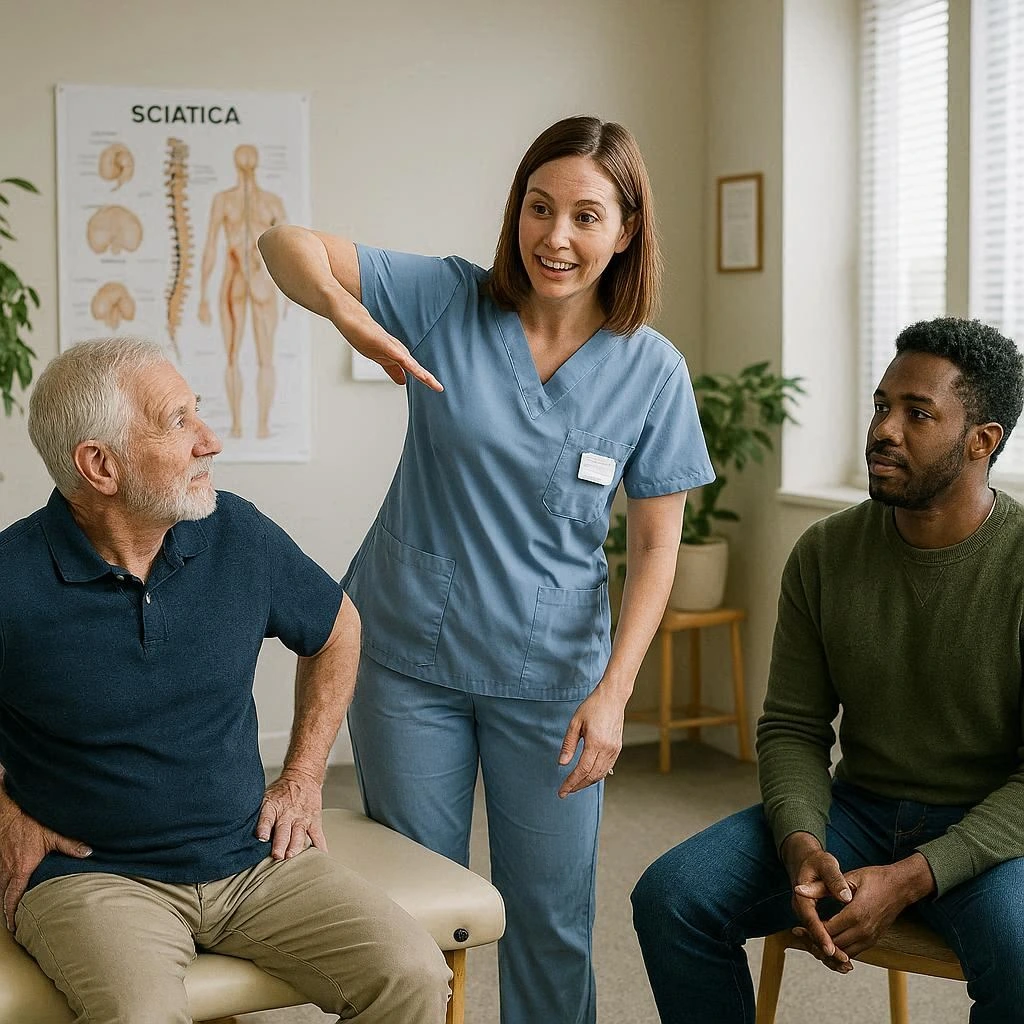
A therapist may explain why certain exercises are necessary, how to modify activities, and how to recognize signs that require further evaluation.
Education also helps individuals become more independent.
The ultimate goal is not simply to complete a series of clinic exercises but to help the person manage their physical health and return to meaningful activities.
Returning to Exercise After an Injury
Returning to exercise should be gradual.
Instead of immediately returning to the same intensity used before an injury, start with an appropriate level and increase demands progressively.
The exact progression depends on the injury.
For some people, walking may be the first step.
For others, rehabilitation may begin with controlled resistance exercises.
Athletes may eventually progress to running, jumping, agility drills, or sport-specific practice.
A professional can help determine when each stage is appropriate.
Long-Term Benefits of Physical Injury Rehabilitation
Effective rehabilitation can provide benefits that extend beyond the initial recovery period.
Improved strength, mobility, balance, and movement control may help a person perform daily activities more confidently.
Rehabilitation can also teach people how to manage training loads, recognize physical limitations, and respond appropriately to future symptoms.
For athletes, rehabilitation may provide an opportunity to address weaknesses that existed before the injury.
For workers, it may help improve physical capacity and movement strategies required for work.
Frequently Asked Questions
What is physical injury rehabilitation?
Physical injury rehabilitation is a structured process that helps people restore movement, strength, mobility, balance, and functional abilities after an injury.
How long does physical injury rehabilitation take?
Recovery time varies according to the injury, severity, affected tissue, general health, and treatment plan. Minor injuries may recover relatively quickly, while significant injuries can require several months.
Can physical therapy help with injury recovery?
Yes. Physical therapy is commonly used as part of rehabilitation and may include therapeutic exercise, strengthening, mobility training, balance work, functional training, and other appropriate techniques.
Should I exercise while recovering from an injury?
Exercise may be an important part of rehabilitation, but the type and intensity should match the injury and stage of recovery. Follow professional guidance when necessary.
Can rehabilitation prevent reinjury?
A well-designed rehabilitation program may help address strength, mobility, balance, movement control, and other factors that can contribute to reinjury risk.
Is pain normal during rehabilitation?
Some discomfort can occur during recovery, but severe or worsening pain should not be ignored. Discuss concerning symptoms with an appropriate healthcare professional.
Can athletes return to sports after an injury?
Many athletes can return to sport after appropriate rehabilitation. The return should be gradual and should consider strength, mobility, control, fitness, and sport-specific demands.
Can rehabilitation be done at home?
Some rehabilitation exercises can be performed at home, particularly when they have been prescribed by a qualified professional. More complex injuries may require supervised treatment.
What is the most important part of injury rehabilitation?
There is no single most important treatment for every injury. Successful rehabilitation often combines appropriate exercise, progressive loading, mobility, education, recovery, and gradual return to activity.
When should I see a physical therapist after an injury?
Consider professional assessment when an injury causes persistent pain, weakness, restricted movement, balance problems, difficulty with daily activities, or difficulty returning to exercise.
Final Thoughts
Physical injury rehabilitation is a structured process that helps people move from injury toward restored function. Rather than focusing only on pain, effective rehabilitation considers strength, mobility, balance, coordination, confidence, and the physical demands of everyday life.
A rehabilitation program can include therapeutic exercise, progressive strengthening, mobility training, balance exercises, functional activities, manual therapy, education, and gradual return-to-activity strategies.
The right approach depends on the individual. A person recovering from an ankle sprain will have different needs from someone recovering from a shoulder injury, fracture, surgery, or sports-related muscle strain.
Progress should be gradual and appropriate to the person’s recovery stage. Trying to return to demanding activities too quickly can create unnecessary setbacks, while avoiding movement for too long can contribute to weakness and stiffness.
Long-term recovery also depends on factors outside the treatment room. Adequate sleep, balanced nutrition, appropriate activity, stress management, and consistent adherence to a rehabilitation plan can all support the recovery process.
Most importantly, rehabilitation should be guided by the nature and severity of the injury. Persistent, severe, worsening, or unexplained symptoms should receive appropriate medical evaluation.
With an individualized plan and a gradual progression toward normal activity, physical injury rehabilitation can help individuals rebuild physical capacity, regain confidence, and return to the activities that matter most to them.