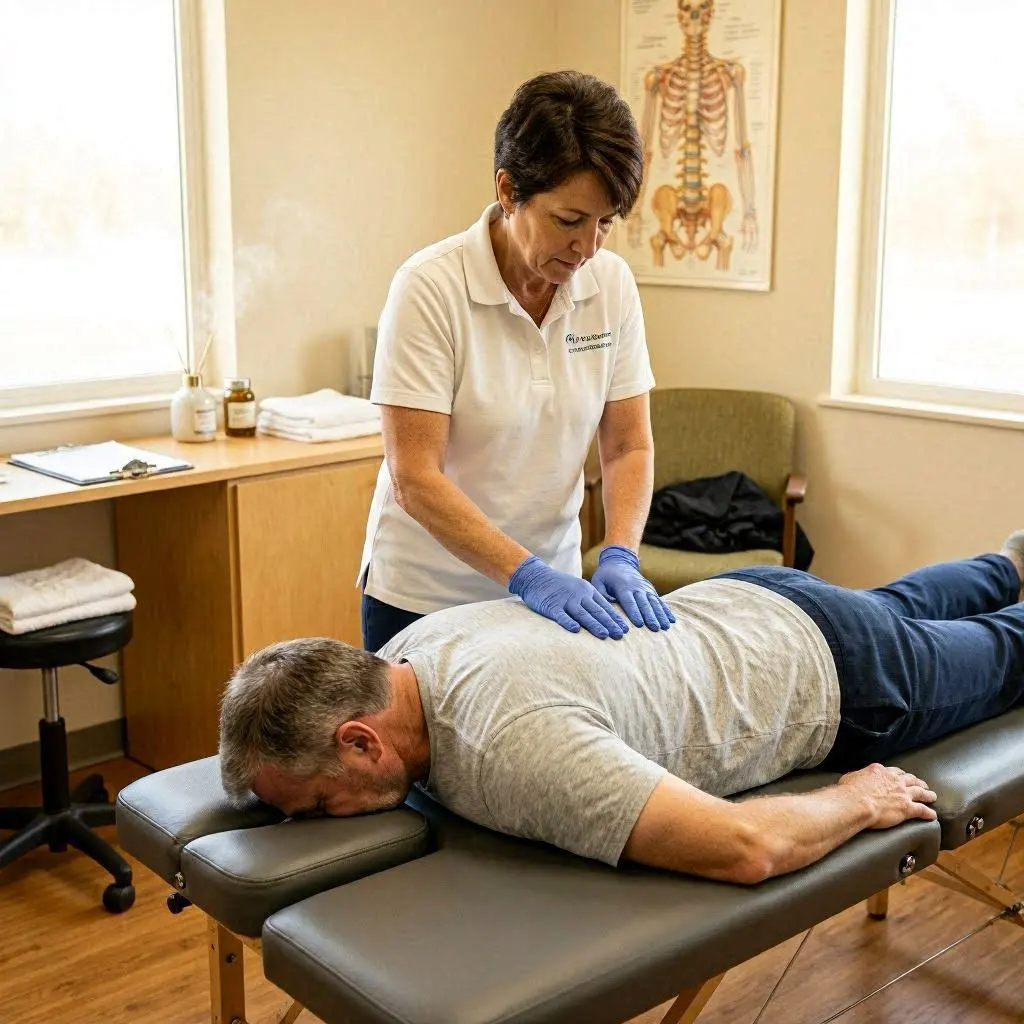

Osteopathy for Repetitive Strain Injuries: A Complete Guide
Introduction
Osteopathy for repetitive strain injuries is an approach that may help people manage musculoskeletal pain, improve movement, and understand the factors contributing to their symptoms. Osteopathic care typically involves a detailed assessment, appropriate hands-on techniques, movement advice, and recommendations for changing activities that may be aggravating the affected area.
Repetitive strain injuries (RSIs) are common musculoskeletal problems that can affect people from many walks of life. Office workers, manual workers, musicians, athletes, and individuals who spend long hours using computers or mobile devices may develop pain and discomfort associated with repeated movements. These symptoms can interfere with everyday activities, reduce productivity, and make even simple tasks difficult.
However, successful management of repetitive strain injuries requires more than treating painful muscles or joints. Work habits, posture, physical workload, recovery time, general health, and the underlying diagnosis can all influence the outcome. No single treatment is suitable for every person, and the evidence supporting manual therapy varies according to the condition being treated.
This guide explains what repetitive strain injuries are, how osteopathy may contribute to their management, which techniques practitioners may use, and what patients should consider before beginning treatment. It also explores prevention strategies, workplace ergonomics, and situations in which medical assessment is important.
Osteopathy for repetitive strain injuries may form part of a personalised approach to managing discomfort, improving mobility, and maintaining everyday function.
What Are Repetitive Strain Injuries?
Repetitive strain injury is a general term used to describe pain and other symptoms associated with repeated movements, sustained positions, excessive physical demands, or prolonged activities. The term is often shortened to RSI.
These injuries commonly affect the upper body, particularly the hands, wrists, forearms, elbows, shoulders, and neck. Nevertheless, repetitive loading can also contribute to problems in other parts of the body.
RSI is not a single medical diagnosis. Instead, it describes a group of symptoms and conditions that can arise from different causes. Some people experience temporary muscle discomfort, while others have a specific condition involving tendons, nerves, joints, or surrounding tissues.
Examples of conditions that may be associated with repetitive activities include tendinopathy, carpal tunnel syndrome, and certain forms of forearm or shoulder pain. These conditions are different from one another and may require different treatment approaches.
Understanding the underlying cause is important because similar symptoms can have different explanations. Wrist pain, for example, may result from tendon irritation, nerve compression, joint problems, or another medical condition. An appropriate assessment helps determine which management strategies are most suitable.
Common Causes of Repetitive Strain Injuries
Repetitive strain injuries can develop when physical demands exceed the body’s ability to tolerate and recover from repeated loading. This does not necessarily mean that a person has performed an activity incorrectly. Several factors may contribute to symptoms.
Repeated Movements
Typing, using a computer mouse, assembling products, handling tools, and performing repeated manual tasks can place recurring demands on muscles and tendons.
Repetition alone does not automatically cause injury. The level of force, duration of activity, frequency of breaks, individual capacity, and opportunities for recovery all influence the risk of developing symptoms.
Prolonged or Awkward Positions
Holding the neck forward, reaching repeatedly, working with elevated shoulders, or maintaining a bent wrist for extended periods may increase physical discomfort.
A workstation that does not suit the user’s body or working tasks may make these positions more difficult to avoid. However, posture should not be considered the sole cause of pain. Workload, stress, sleep, previous injuries, and other factors can also influence symptoms.
Excessive Force and Physical Workload
Tasks involving heavy gripping, lifting, pushing, pulling, or forceful hand movements can place substantial demands on the musculoskeletal system.
Problems may become more likely when workload increases suddenly or when the body has insufficient time to adapt. Gradually adjusting activity levels and allowing appropriate recovery can help people manage physical demands.
Insufficient Recovery
Muscles and other tissues need time to adapt to physical activity. Long periods without breaks, repeated demanding shifts, or sudden increases in exercise can make symptoms harder to manage.
Recovery needs differ between individuals and depend on the type and intensity of activity. A balanced approach to workload is therefore important when preventing and managing repetitive strain injuries.
Individual and Environmental Factors
Previous injuries, certain health conditions, sleep difficulties, and psychosocial stressors may influence pain and recovery. Workplace organisation, task design, equipment, and opportunities to change positions may also affect how much physical strain a person experiences.
A comprehensive approach considers these interacting factors rather than attributing symptoms to a single movement or posture.
Common Symptoms of Repetitive Strain Injuries
Symptoms vary depending on the affected structures and the underlying condition. They may begin gradually and become more noticeable during or after particular activities.
Common symptoms include:
- Pain or aching in the wrists, hands, forearms, elbows, shoulders, or neck.
- Tenderness around muscles, tendons, or joints.
- Stiffness or discomfort when moving an affected area.
- Reduced tolerance for repeated tasks.
- Tingling or numbness when nerves are involved.
- Weakness or difficulty gripping objects in some conditions.
- Symptoms that become more noticeable after prolonged activity.
Some people experience symptoms only during specific tasks, while others notice discomfort during everyday activities or at rest.
The pattern of symptoms can provide useful information, but it cannot establish a diagnosis on its own. Persistent tingling, progressive weakness, significant swelling, or worsening pain deserves appropriate medical assessment.
According to the NHS guidance on repetitive strain injury, symptoms that do not improve or that become worse should be assessed by a healthcare professional. Early assessment can help identify the problem and guide appropriate treatment.
What Is Osteopathy?

Osteopathy is a form of healthcare that focuses on the assessment and management of musculoskeletal problems. Osteopaths consider how muscles, joints, movement, physical activity, and everyday demands may relate to a person’s symptoms.
Depending on the practitioner’s training, local regulations, and the patient’s needs, osteopathic care may include hands-on techniques, movement assessment, exercise advice, and recommendations for modifying daily activities.
Osteopathy does not mean that every painful area must be manipulated. Treatment should be selected according to the person’s symptoms, clinical findings, medical history, preferences, and the available evidence.
For repetitive strain injuries, the aim is generally to help patients manage pain, maintain or improve function, and return gradually to meaningful activities. Osteopathic care may form one part of a broader management plan that includes exercise, ergonomic changes, and advice from other healthcare professionals.
The role of an osteopath also varies by country. Patients should check that their practitioner is appropriately qualified and registered where registration is required.
How Osteopathy for Repetitive Strain Injuries May Help
Osteopathy for repetitive strain injuries may help some patients through a combination of symptom management, movement assessment, practical advice, and individually selected treatment techniques.
The expected benefits depend on the underlying condition. Evidence concerning osteopathic treatment for musculoskeletal pain cannot automatically be applied to every type of RSI.
1. Managing Pain and Discomfort
Pain can make routine activities difficult and may lead people to avoid movements that they previously performed comfortably.
Some manual therapy techniques may provide short-term relief for certain musculoskeletal conditions. Gentle soft-tissue techniques or appropriate joint mobilisation may help some patients feel more comfortable moving the affected area.
The response varies between individuals, and temporary pain relief does not necessarily mean that the underlying problem has completely resolved.
A practitioner should explain the purpose of treatment, discuss realistic expectations, and adjust techniques if they cause significant discomfort or worsen symptoms.
2. Improving Movement
Pain and stiffness can make it harder to move the wrist, elbow, shoulder, or neck comfortably.
An osteopathic assessment may identify movement limitations, activity patterns, or areas of sensitivity that are relevant to the patient’s difficulties. Treatment may then combine suitable hands-on approaches with active movement and exercises.
For example, a person experiencing forearm discomfort during computer work may benefit from a plan that addresses symptom tolerance, movement breaks, and gradual exposure to relevant tasks.
The objective is not simply to increase flexibility. It is to improve the person’s ability to perform useful activities safely and comfortably.
3. Supporting Muscle Function
Muscle weakness, reduced endurance, and difficulty tolerating repeated activity may contribute to functional limitations.
Where appropriate, an osteopath may recommend exercises that progressively develop strength, coordination, and endurance. Exercise selection should reflect the diagnosis, current symptoms, physical capacity, and the demands of the patient’s daily activities.
For some tendon-related problems, appropriately prescribed progressive loading is an important component of rehabilitation. Other conditions may require a different approach, particularly when nerve involvement or significant weakness is present.
Hands-on treatment alone should not be assumed to restore strength or prevent recurrence. Active rehabilitation and suitable changes to physical demands may be necessary.
4. Identifying Aggravating Activities
A treatment session can provide an opportunity to discuss the tasks that trigger or worsen symptoms.
These may include prolonged mouse use, forceful gripping, repeated lifting, sustained shoulder positions, or long periods without breaks.
An osteopath may help the patient identify patterns between activities and symptoms. The resulting advice may involve adjusting task duration, changing equipment, varying movements, or temporarily modifying demanding activities.
The aim is to reduce unnecessary aggravation while preserving as much normal activity as reasonably possible.
5. Encouraging a Gradual Return to Activity
Avoiding all movement for an extended period is not usually the best approach to uncomplicated musculoskeletal pain. Excessive rest can reduce strength and confidence in movement.
However, continuing every activity at the same intensity despite worsening symptoms may also be unhelpful.
A gradual return to activity allows the person to find a manageable level of physical demand and increase it according to symptoms, function, and professional advice.
An osteopath may contribute to this process by helping the patient understand activity modification and coordinate their recovery plan with other healthcare professionals when necessary.
Osteopathic Techniques Used for RSI
Treatment should be individualised rather than based on a fixed routine. The techniques below may be considered when clinically appropriate.
Soft-Tissue Techniques
Soft-tissue techniques involve applying controlled pressure or movement to muscles and surrounding tissues.
A practitioner may use these approaches to address local discomfort or help a patient tolerate movement more comfortably.
Some people report temporary symptom relief following soft-tissue treatment. However, the evidence does not support assuming that massage or manual pressure will permanently correct the cause of every repetitive strain injury.
Techniques should be adapted to the patient’s sensitivity and medical history. Excessive pressure over an acutely painful area or an irritated nerve may worsen symptoms.
Joint Mobilisation
Joint mobilisation involves controlled, usually passive movements applied to a joint.
An osteopath may consider mobilisation when joint stiffness or restricted movement is relevant to the patient’s presentation. The choice of technique depends on the affected area, the diagnosis, and the person’s tolerance.
Joint mobilisation is not required for every RSI, and it should not be presented as a universal solution for tendon or nerve disorders.
Movement and Exercise Advice
Movement advice helps patients understand how to maintain useful activity while managing symptoms.
Depending on the condition, a programme may include comfortable range-of-motion exercises, progressive strengthening, coordination work, or gradual increases in activity duration.
Exercises should be selected according to the patient’s needs. There is no single exercise routine that is appropriate for all repetitive strain injuries.
If an exercise produces substantial or persistent worsening, the programme may need to be modified and the diagnosis reconsidered.
Postural and Ergonomic Guidance
An osteopath may discuss how workstation layout, equipment position, task design, and movement habits affect comfort.
Advice may include bringing frequently used objects within easy reach, adjusting the chair and desk, changing the position of the keyboard or mouse, or alternating between different tasks.
Ergonomic recommendations should be practical and tailored to the individual. There is no universally perfect posture, and changing position regularly may be more useful than trying to maintain one rigid position throughout the day.
Education and Self-Management
Understanding an injury can help people make informed decisions about activity and recovery.
An osteopath may explain the importance of appropriate loading, recovery, symptom monitoring, and gradual progression. Patients can also learn how to recognise activities that repeatedly aggravate their symptoms.
Education should complement, rather than replace, appropriate assessment and treatment.
What Does the Evidence Say About Osteopathy for Repetitive Strain Injuries?
Evidence-based treatment is essential when considering osteopathy for repetitive strain injuries.
Research into osteopathic manipulative treatment has examined several musculoskeletal conditions, including some forms of neck pain and lower back pain. Systematic reviews have reported potential benefits for certain outcomes, but the quality of the evidence and the size of the effects vary.
For example, a systematic overview published in BMJ Open examined research on osteopathic manipulative treatment across different conditions. It reported promising findings for some musculoskeletal disorders while highlighting limitations in the quality and consistency of the underlying reviews.
These findings are relevant to understanding osteopathic care in general, but they do not establish that osteopathy is effective for every RSI diagnosis.
Repetitive strain injury is a broad term that includes different disorders. Evidence concerning non-specific neck pain cannot automatically demonstrate effectiveness for carpal tunnel syndrome, tendon injuries, or nerve compression.
Treatment decisions should therefore consider the specific diagnosis, the available research, patient preferences, and the potential benefits and risks of each intervention.
For many repetitive strain injuries, a combination of appropriate activity modification, exercise or rehabilitation, and changes to aggravating tasks may be more useful than relying on passive treatment alone.
Patients should be cautious of claims that osteopathy can permanently cure every RSI, correct all postural problems, or eliminate the need for medical assessment.
The most responsible approach is to use osteopathy, where appropriate, as one component of a personalised care plan with clear goals and regular review.
Osteopathy for Different Types of Repetitive Strain Injuries
Wrist and Hand Pain
Wrist and hand pain can develop in people who type frequently, use tools, perform manual work, or repeat fine motor tasks.
Possible causes include tendon-related problems, joint disorders, and nerve compression. These conditions can produce similar symptoms but may require different management strategies.
Osteopathic care may help some people manage associated musculoskeletal discomfort and review the activities that aggravate symptoms. Advice may also include modifying task duration, improving equipment positioning, and following an appropriate rehabilitation programme.
Persistent numbness, tingling, loss of grip strength, or symptoms that interfere with sleep should not automatically be attributed to RSI. These features may indicate nerve involvement and warrant medical assessment.
Tennis Elbow and Forearm Pain
Lateral elbow tendinopathy, commonly called tennis elbow, can cause pain around the outside of the elbow and difficulty with gripping or lifting.
Despite its name, the condition can affect people who do not play tennis. Repeated gripping and loading may contribute to symptoms.
Management often includes education, activity modification, and progressive rehabilitation tailored to the individual’s needs. Manual therapy may be considered as an adjunct in selected cases, but it should not replace a suitable loading programme when rehabilitation is indicated.
An osteopath can help assess movement and discuss practical changes to activities. Persistent symptoms or substantial functional limitations may require further assessment.
Neck and Shoulder Discomfort
People who work at computers or perform repetitive tasks may experience neck and shoulder discomfort.
Contributing factors can include prolonged positions, workload, limited movement variation, stress, and insufficient recovery. The presence of neck pain does not necessarily mean that posture is the only cause.
Depending on the diagnosis, osteopathic treatment may include appropriate manual techniques, movement advice, and exercises. Regular position changes and adjustments to workstation demands may also help.
Neck symptoms accompanied by significant weakness, progressive neurological changes, or other concerning features require prompt medical assessment rather than routine manual treatment alone.
Repetitive Strain Injuries in Manual Workers
Construction workers, warehouse staff, production workers, cleaners, and other manual workers may experience symptoms associated with repeated lifting, forceful gripping, tool use, or sustained physical effort.
For these individuals, treatment must consider actual working conditions. Advice that ignores job demands may be difficult to follow and unlikely to address the main aggravating factors.
A useful plan may involve temporary workload adjustments, task rotation where feasible, appropriate equipment, progressive rehabilitation, and coordination with occupational health services.
Preventing recurrence often requires changes to the work environment as well as individual treatment.
What Happens During an Osteopathic Appointment?

An initial appointment usually begins with a discussion of the patient’s symptoms, medical history, work activities, daily routines, and treatment goals.
The practitioner may ask when symptoms began, which movements worsen them, whether they occur at rest, and whether you experience associated symptoms such as tingling or weakness.
The physical assessment may include observing movement, assessing relevant joints and muscles, and performing appropriate clinical tests. The exact assessment depends on the affected area and the suspected diagnosis.
If the findings suggest a condition that requires medical investigation or treatment outside the practitioner’s scope, referral may be appropriate.
After the assessment, the practitioner should explain the likely causes of the symptoms, the proposed treatment options, and any important limitations or risks.
Treatment may involve hands-on techniques, exercise recommendations, activity modification, or a combination of these approaches.
Patients should feel able to ask questions and discuss their preferences. Consent should be obtained before examination and treatment, and techniques should be adapted if they cause unacceptable discomfort.
A treatment plan should include meaningful goals, such as improving tolerance for work tasks, reducing activity-related discomfort, or returning to normal daily activities.
Progress should be reviewed rather than assuming that a predetermined number of appointments is necessary for everyone.
The Role of Nutrition in Repetitive Strain Injury Recovery
A balanced diet can support the body’s normal healing processes and contribute to overall musculoskeletal health. Although nutrition alone cannot treat repetitive strain injuries (RSI), eating a variety of nutrient-rich foods may help support recovery alongside appropriate treatment, activity modification, and ergonomic adjustments.
Nutrients That Support Musculoskeletal Health
- Protein: Foods such as eggs, fish, beans, lentils, and yoghurt provide protein, which helps maintain and repair body tissues.
- Omega-3 fatty acids: Oily fish, walnuts, chia seeds, and flaxseeds provide omega-3 fatty acids as part of a balanced diet.
- Vitamin C: Citrus fruits, berries, peppers, and broccoli provide vitamin C, which contributes to normal collagen formation.
- Calcium and vitamin D: Dairy products, fortified alternatives, and oily fish can help support normal bone and muscle function.
- Hydration: Drinking enough water throughout the day supports normal body function and helps maintain general wellbeing.
Can Nutrition Replace Osteopathic Treatment?
Nutrition can complement a recovery plan, but it cannot replace appropriate treatment for repetitive strain injuries (RSI). When appropriate, an osteopath may combine treatment with ergonomic improvements, suitable exercises, and advice on modifying activities that aggravate symptoms. A qualified healthcare professional can also help you determine which approaches best suit your condition.
If symptoms persist, worsen, or include numbness or weakness, seek advice from a healthcare professional to identify the cause and discuss appropriate treatment options.
For more information about diet and musculoskeletal wellbeing, read our guide to Nutrition for Joint Health.
How Long Does Recovery From RSI Take?
Recovery time varies considerably according to the underlying condition, symptom duration, severity, workload, general health, and response to treatment.
Some mild symptoms improve after reducing aggravating activities and making practical changes. Other conditions, particularly persistent tendon problems or nerve-related disorders, may require a longer period of assessment and rehabilitation.
There is no reliable timetable that applies to all repetitive strain injuries.
Progress should be judged by several factors, including pain, movement, strength, daily function, and the ability to tolerate relevant tasks.
A reduction in pain may be encouraging, but it does not always mean that a person is ready to resume every demanding activity immediately. Equally, some mild discomfort during a carefully planned rehabilitation programme does not necessarily mean that further injury has occurred.
A healthcare professional can help determine appropriate activity levels and progression.
If symptoms persist, worsen, or fail to respond as expected, the diagnosis and management plan should be reviewed.
Practical Ways to Prevent Repetitive Strain Injuries
Prevention focuses on balancing physical demands with recovery and making activities easier to perform comfortably.
Adjust Your Workstation
Arrange your desk, chair, keyboard, and mouse to suit your body and work requirements.
Frequently used objects should be easy to reach. Keep your shoulders relaxed where possible, avoid unnecessary reaching, and position equipment so that you can vary your posture comfortably.
Small adjustments may make a workstation more practical, but no single setup guarantees that RSI will be prevented.
Take Regular Movement Breaks
Long periods of uninterrupted activity can increase discomfort for some people.
Brief movement breaks, changing tasks, standing when appropriate, and varying hand or arm positions can help reduce prolonged exposure to the same demands.
Break frequency should reflect the task, symptoms, and workplace requirements. Movement breaks are not a substitute for addressing excessive workload or unsuitable equipment.
Increase Workload Gradually
When beginning a new job, exercise programme, or repetitive activity, avoid sudden increases in duration or intensity where possible.
Gradual progression gives the body an opportunity to adapt. If symptoms repeatedly worsen after increases in workload, reassess the pace of progression and seek advice when necessary.
Use Appropriate Equipment
Tools, keyboards, mice, and other equipment should be suitable for the task and the user.
In some workplaces, changes to tool design, handle size, workstation height, or task organisation can reduce unnecessary physical demands.
Equipment should be selected according to practical requirements rather than marketing claims that a particular product will prevent all repetitive strain injuries.
Maintain General Physical Activity
Regular physical activity supports general health and can help maintain strength, mobility, and physical capacity.
A balanced programme may include aerobic activity, strengthening exercises, and movement that suits the person’s abilities and preferences.
Exercise should be adapted if an existing condition causes pain or functional limitations. People with persistent symptoms may benefit from professional advice before substantially changing their activity levels.
Address Workplace Factors
RSI prevention should not rely entirely on individual posture or exercise habits.
Workload, staffing, production targets, task design, recovery opportunities, and access to appropriate equipment may all influence physical demands.
Employers and workers can work together to identify practical improvements. Occupational health professionals may be able to help assess risks and recommend changes suited to the work environment.
When Should You Seek Medical Advice?
Osteopathy is not a substitute for medical assessment when symptoms suggest a more serious problem or when the underlying diagnosis is uncertain.
Arrange a medical assessment if your symptoms persist, repeatedly return, interfere with daily activities, or become progressively worse.
Seek prompt assessment for persistent numbness, new or worsening weakness, substantial swelling, or difficulty using the affected limb.
Severe pain following an injury, a hot and swollen joint accompanied by fever, or sudden neurological symptoms may require urgent medical attention.
A clinician may consider whether additional investigations, medication, physiotherapy, occupational therapy, or specialist assessment are appropriate.
Some conditions, including nerve compression and certain tendon disorders, require specific treatment that general manual therapy cannot replace.
Before beginning osteopathic treatment, tell the practitioner about your medical history, previous injuries, medications, and any new or unusual symptoms.
A responsible practitioner should recognise the limits of their role and refer patients when necessary.
Frequently Asked Questions About Osteopathy for Repetitive Strain Injuries
Can osteopathy help with repetitive strain injuries?
Osteopathy may help some people manage musculoskeletal pain and movement difficulties associated with repetitive activities. Potential benefits depend on the underlying diagnosis, and evidence varies between conditions. A treatment plan may combine manual techniques with exercise, activity modification, and ergonomic advice.
Is osteopathy effective for wrist pain caused by repetitive movements?
Osteopathy may help manage some forms of musculoskeletal wrist discomfort. However, wrist pain can also result from tendon disorders, nerve compression, joint problems, or other conditions. Persistent pain, numbness, tingling, or weakness should be assessed to establish the likely cause.
How many osteopathy sessions are needed for RSI?
There is no fixed number of sessions for repetitive strain injuries. The appropriate duration depends on the diagnosis, symptom severity, response to treatment, and functional goals. Progress should be reviewed regularly, and treatment should be changed or stopped if it is not providing meaningful benefit.
Is osteopathy better than physiotherapy for RSI?
Neither approach is automatically better for every patient. Physiotherapy often places substantial emphasis on exercise-based rehabilitation, while osteopathic care may include a combination of hands-on treatment, movement advice, and exercise. The most appropriate choice depends on the condition, practitioner expertise, patient preferences, and the available evidence.
Should I rest completely if I have RSI?
Complete rest is not usually necessary for uncomplicated musculoskeletal symptoms, and prolonged inactivity may reduce strength and flexibility. It is often more useful to modify aggravating activities while maintaining appropriate movement. The right approach depends on the diagnosis and severity of symptoms.
When should I stop osteopathic treatment?
A healthcare professional should review the treatment plan if symptoms consistently worsen, progress stalls, or new symptoms develop. Significant weakness, persistent numbness, or other concerning changes may require medical assessment. Patients should discuss concerns with their practitioner and seek another clinical opinion when appropriate.
Conclusion
Osteopathy for repetitive strain injuries may offer a useful option for people experiencing certain forms of musculoskeletal pain and movement restriction. Through appropriate assessment, selected hands-on techniques, movement advice, and practical changes to daily activities, osteopathic care may contribute to a broader recovery plan.
However, repetitive strain injuries have different causes, and no single treatment works for every condition. The strongest approach begins with understanding the underlying problem and choosing interventions that match the diagnosis, symptoms, and functional goals.
Combining suitable activity modification, progressive rehabilitation where indicated, ergonomic improvements, and appropriate medical assessment can help patients make informed decisions about recovery.
If you are experiencing persistent pain, tingling, numbness, or weakness, seek professional assessment rather than assuming that repetitive strain is the only possible explanation. A personalised, evidence-informed plan offers a more responsible foundation for improving function and returning to everyday activities.
References and Further Reading
- NHS. Repetitive strain injury (RSI). https://www.nhs.uk/conditions/repetitive-strain-injury-rsi/
- Franke, H., Franke, J. D., and Fryer, G. (2014). Osteopathic manipulative treatment for nonspecific low back pain: a systematic review and meta-analysis. BMC Musculoskeletal Disorders. https://doi.org/10.1186/1471-2474-15-286
- Dal Farra, F., Risio, R. G., Vismara, L., and Bergna, A. (2021). Efficacy and safety of osteopathic manipulative treatment: an overview of systematic reviews. BMJ Open. https://doi.org/10.1136/bmjopen-2021-053468
- National Institute for Health and Care Excellence (NICE). Clinical guidelines and recommendations. https://www.nice.org.uk/guidance
Medical Disclaimer: This article is intended for general educational purposes only and should not replace an individual assessment, diagnosis, or treatment plan provided by a qualified healthcare professional.