

Nutrition for Joint Health: Best Foods, Essential Nutrients, and Healthy Eating Tips
Healthy joints are essential for comfortable movement, physical activity, and everyday independence. Whether you are walking, climbing stairs, exercising, or simply getting out of bed, your joints help your body move smoothly and efficiently. Although joint health depends on many factors, including genetics, age, activity levels, injuries, and underlying medical conditions, nutrition also plays an important role.
Nutrition for joint health focuses on providing the body with the nutrients it needs to maintain normal connective tissue, support bone strength, regulate inflammation, and preserve muscle function. A balanced eating pattern can help support overall musculoskeletal health and may help some people manage symptoms associated with conditions such as osteoarthritis.
However, no single food or supplement can prevent every joint problem or guarantee cartilage regeneration. The most effective approach combines a varied diet, appropriate physical activity, healthy weight management, and medical care when necessary.
In this guide, we explore the best foods for joint health, essential vitamins and minerals, the relationship between inflammation and diet, common supplement questions, and practical nutrition strategies for maintaining healthy joints.
What Is Nutrition for Joint Health?
Nutrition for joint health involves choosing foods that provide the nutrients required for the normal functioning of bones, cartilage, muscles, tendons, and ligaments.
Joints are complex structures. Articular cartilage covers the ends of bones and helps them move smoothly against one another. Synovial fluid lubricates many joints, while ligaments help stabilize them. Muscles surrounding a joint provide support and help control movement.
Each of these structures has different nutritional requirements. Protein provides amino acids for tissue maintenance, calcium and vitamin D support bone health, and several vitamins and minerals participate in normal connective tissue formation and metabolism.
Diet can also influence body weight and overall metabolic health. Maintaining a weight that is appropriate for an individual’s circumstances may reduce excessive mechanical loading on weight-bearing joints, such as the knees and hips.
It is important to distinguish supporting joint health from treating an established disease. Good nutrition can complement medical treatment and rehabilitation, but it cannot replace an appropriate assessment for persistent pain, significant swelling, or suspected joint injury.
Why Is Nutrition Important for Healthy Joints?
A balanced diet supports the structures that allow joints to function properly. It also provides energy for movement, exercise, and recovery.
1. Supporting Cartilage and Connective Tissue
Cartilage contains collagen and other structural components that help it withstand pressure and provide a smooth surface for joint movement.
The body requires adequate protein and several micronutrients to maintain normal connective tissue. Vitamin C, for example, contributes to normal collagen formation. However, consuming extra vitamin C does not necessarily produce additional cartilage or reverse cartilage damage.
A varied diet containing protein-rich foods, fruit, vegetables, and other nutrient-dense options can help meet these nutritional requirements.
2. Maintaining Strong Bones
Bones support joints and provide attachment points for muscles and ligaments. Calcium is an important component of bone, while vitamin D helps the body absorb calcium and supports normal bone mineralization.
Insufficient intake of these nutrients can contribute to poor bone health. Adequate nutrition is particularly important for older adults and people at increased risk of osteoporosis.
3. Supporting Muscle Strength
Muscles help stabilize joints and control movement. Weakness around a joint can make certain activities more difficult and may reduce confidence during walking, lifting, or exercise.
Protein supplies the amino acids needed for muscle maintenance and repair. Adequate overall energy intake also helps support training and recovery.
Nutrition works best alongside appropriate resistance exercise and rehabilitation rather than as a stand-alone strategy for improving joint stability.
4. Supporting Healthy Inflammatory Responses (Nutrition for Joint Health)
Inflammation is part of the body’s normal response to injury and infection. However, some chronic conditions involve persistent inflammation that can affect joint comfort and function.
A dietary pattern rich in vegetables, fruit, whole grains, legumes, nuts, and unsaturated fats can support overall health. Some components of these foods have been studied for their effects on inflammatory processes, although dietary changes do not guarantee relief from joint pain.
People with inflammatory arthritis should continue their prescribed treatment and discuss any complementary dietary approaches with their healthcare professional.
Best Foods for Joint Health
There is no single best food for every joint condition. A combination of nutrient-rich foods provides a wider range of nutrients than relying on one ingredient or a restrictive diet.
1. Fatty Fish Rich in Omega-3 Fatty Acids
cooked salmon mackerel sardines healthy meal with vegetables
Fatty fish, including salmon, sardines, trout, and mackerel, provide protein and omega-3 fatty acids.
Omega-3 fatty acids are involved in normal cell function and have been studied for their potential effects on inflammation, particularly in people with certain inflammatory conditions.
Regularly eating fish can be part of a balanced dietary pattern. However, evidence that fish consumption alone prevents osteoarthritis or restores damaged cartilage is limited.
For people who do not eat fish, alternative sources of omega-3 fats include chia seeds, flaxseeds, walnuts, and certain fortified foods. Plant-based omega-3 fatty acids are not identical to the EPA and DHA found in fish, but they can still contribute to a nutritious diet.
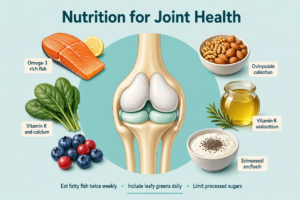
2. Leafy Green Vegetables
fresh spinach kale broccoli leafy green vegetables in a kitchen bowl
Spinach, kale, broccoli, and other leafy greens provide vitamins, minerals, fibre, and various plant compounds.
Depending on the vegetable, these foods can supply vitamin C, vitamin K, folate, magnesium, and other nutrients involved in normal body functions.
Eating a variety of vegetables supports general health and helps provide the micronutrients needed for bone and connective tissue maintenance.
People taking warfarin should keep their vitamin K intake consistent and discuss significant dietary changes with their prescribing clinician.
3. Berries and Other Colourful Fruits (Nutrition for Joint Health)
fresh blueberries strawberries raspberries and blackberries in a bowl
Blueberries, strawberries, raspberries, oranges, kiwi fruit, and other colourful fruits provide vitamins, fibre, and plant compounds.
Vitamin C is particularly relevant to collagen formation. Berries and citrus fruits can help contribute to daily vitamin C intake, while a range of fruit provides different nutrients.
Whole fruit is generally preferable to fruit juice as a regular choice because it retains its fibre and can be more filling.
Fruit should be part of a varied eating pattern rather than treated as a specific treatment for arthritis or joint pain.
4. Extra-Virgin Olive Oil
Olive oil is rich in monounsaturated fat and contains other compounds that have been studied for their potential health effects.
It is a common component of Mediterranean-style eating patterns, which emphasize vegetables, fruit, legumes, whole grains, nuts, fish, and unsaturated fats.
Replacing some sources of saturated fat with unsaturated fats can support cardiovascular health and overall dietary quality.
Olive oil is energy-dense, so portion sizes may matter for people who are managing their body weight. It is useful as part of a balanced diet, not as a cure for joint conditions.
5. Nuts and Seeds
Almonds, walnuts, pumpkin seeds, chia seeds, and flaxseeds provide different combinations of healthy fats, protein, fibre, and minerals.
Depending on the type, they can contribute magnesium, zinc, and plant-based omega-3 fatty acids. These nutrients support normal physiological functions, including muscle and bone health.
A small serving of nuts or seeds can be added to oatmeal, yoghurt, salads, or other meals.
People with nut or seed allergies should avoid the relevant allergens and choose safe alternatives.
6. Dairy Products and Fortified Alternatives (Nutrition for Joint Health)
Milk, yoghurt, and some cheeses provide calcium and protein. Certain products are also fortified with vitamin D.
For people who do not consume dairy, fortified plant-based drinks and other calcium-rich foods may help meet nutritional requirements. The amount of calcium and vitamin D varies between products, so checking the label is useful.
Calcium supports bone health, but consuming more than the body needs does not automatically improve joint function.
People with lactose intolerance may tolerate lactose-free dairy products or some fermented dairy foods, while others may prefer suitable fortified alternatives.
7. Eggs and Lean Protein Sources
Eggs, poultry, fish, tofu, beans, lentils, and lean meats can help provide protein.
Protein is important for maintaining muscle mass and supporting normal tissue repair. This can be especially relevant for people who are recovering from injury, completing physiotherapy, or trying to maintain strength as they age.
Including a protein source at meals can help distribute intake throughout the day. The right amount depends on factors such as body size, age, activity level, and medical conditions.
People with kidney disease or other conditions affecting protein requirements should follow individualized medical or dietetic advice.
8. Beans, Lentils, and Whole Grains
Beans, lentils, chickpeas, oats, brown rice, and whole-grain bread provide fibre and a range of vitamins and minerals.
These foods can support digestive health and help maintain a balanced dietary pattern. Legumes also provide plant-based protein, making them useful alternatives to meat.
Choosing whole grains more often than refined grains can improve overall dietary quality. The benefits come from the broader eating pattern rather than a special effect on one particular joint.
Essential Nutrients for Joint Health (Nutrition for Joint Health)
Several nutrients contribute to the normal maintenance of bones, connective tissue, and muscles. The goal is to obtain appropriate amounts through food where possible and use supplements only when they are necessary or recommended.
Vitamin C
Vitamin C is required for normal collagen formation. Collagen is an important structural protein found in connective tissues throughout the body.
Food sources include citrus fruits, kiwi fruit, berries, peppers, broccoli, and tomatoes.
Most people can meet their vitamin C requirements through a varied diet. Taking large doses of vitamin C does not guarantee better cartilage health and may cause side effects in some individuals.
Vitamin D
Vitamin D supports calcium absorption and normal bone health. Low vitamin D levels can affect bone and muscle function.
Sources include fortified foods, oily fish, egg yolks, and vitamin D supplements. The contribution from sunlight varies with location, season, skin pigmentation, age, and other factors.
People with limited sun exposure or specific risk factors may need advice about supplementation. Vitamin D should not be taken in excessive doses without medical guidance.
Calcium
Calcium is essential for maintaining bones and supporting normal muscle function.
Dairy products, calcium-fortified plant drinks, calcium-set tofu, and some leafy vegetables can contribute to calcium intake.
Calcium supplements may be appropriate for people who cannot meet their needs through food, but they are not necessary for everyone. Excessive supplementation can cause problems and may interact with certain medications.
Protein
Protein supplies amino acids required for muscle maintenance and the body’s normal tissue repair processes.
Sources include eggs, dairy, fish, poultry, legumes, tofu, and other protein-rich foods.
Adequate protein can be particularly important during rehabilitation, when the body is rebuilding strength and returning to physical activity. However, protein alone cannot repair a torn ligament or regenerate damaged joint cartilage.
Magnesium
Magnesium contributes to normal muscle and nerve function and supports bone health.
Sources include nuts, seeds, legumes, whole grains, and leafy vegetables.
A balanced diet usually provides magnesium for many people. Supplements should be considered carefully, especially for people with kidney problems or those taking medications that may interact with magnesium.
Zinc
Zinc is involved in numerous processes, including normal immune function and protein synthesis.
Meat, seafood, dairy products, legumes, nuts, and seeds can provide zinc.
A deficiency may affect normal bodily functions, but taking extra zinc without a demonstrated need is not an established treatment for joint pain.
Vitamin K
Vitamin K is involved in normal blood clotting and bone metabolism.
Green leafy vegetables, broccoli, and some vegetable oils are useful dietary sources.
There is no reason for most people to take high-dose vitamin K supplements specifically for joint pain. People taking warfarin should consult their healthcare professional before making major changes to vitamin K intake.
Can an Anti-Inflammatory Diet Help Joint Pain?
The term anti-inflammatory diet generally refers to an eating pattern rich in minimally processed plant foods, fibre, and unsaturated fats, with limited amounts of highly processed foods and excessive added sugars.
A Mediterranean-style diet is one example. It emphasizes vegetables, fruit, whole grains, legumes, nuts, olive oil, and fish, while allowing flexibility based on individual preferences and cultural food choices.
This eating pattern can support cardiovascular and metabolic health. Some research also suggests that dietary patterns may influence symptoms or quality of life in certain people with arthritis. However, the strength of evidence varies by condition, and diet should not be presented as a proven treatment for all forms of joint disease.
Practical ways to follow a Mediterranean-style pattern include:
- Adding vegetables to lunch and dinner.
- Choosing whole grains more often.
- Eating beans or lentils regularly.
- Including fish when suitable.
- Using nuts, seeds, and olive oil in reasonable portions.
- Choosing water or unsweetened drinks more often.
- Limiting frequent consumption of highly processed snacks and sugary drinks.
Consistency is more important than following a strict list of supposedly perfect foods. A sustainable eating pattern is generally more useful than a short-term restrictive diet.
Nutrition for Joint Health and Weight Management
Body weight can influence the amount of force placed on weight-bearing joints, particularly the knees and hips. For some people with osteoarthritis, weight management may help reduce symptoms and improve mobility.
However, weight is only one factor affecting joint health. Joint pain can occur in people of all body sizes, and weight alone does not explain every case.
If weight reduction is appropriate for an individual’s health, a gradual and sustainable approach is usually preferable to crash dieting.
Helpful strategies include:
- Eating regular, balanced meals.
- Including protein and fibre-rich foods.
- Choosing water instead of sugary drinks more often.
- Adjusting portion sizes without eliminating entire food groups unnecessarily.
- Combining suitable physical activity with dietary changes.
- Seeking help from a registered dietitian when individual guidance is needed.
Severe calorie restriction can make it harder to meet nutritional needs and maintain muscle mass. This is particularly important for older adults and people undergoing rehabilitation.
Foods to Limit for Better Overall Joint Health
There is no universal list of foods that every person with joint pain must avoid. Individual tolerance, medical conditions, and overall dietary patterns all matter.
Nevertheless, reducing frequent reliance on certain foods can improve general nutritional quality.
Highly Processed Foods
Some packaged snacks, fast foods, and ready-made meals contain high amounts of sodium, refined carbohydrates, or saturated fat.
These foods can fit into an overall balanced diet, but relying on them too often may leave less room for nutrient-rich alternatives.
A practical approach is to prepare more meals at home when possible and choose convenient foods that include useful sources of protein, fibre, and vegetables.
Sugary Drinks and Excessive Added Sugar
Regularly consuming large quantities of sugary drinks and sweets can make it harder to maintain a balanced diet and manage body weight.
There is not enough evidence to say that all sugar directly causes joint pain. The broader concern is the effect of excessive added sugar on dietary quality and metabolic health.
Choose water or unsweetened drinks more often, while keeping occasional treats in perspective.
Excessive Alcohol (Nutrition for Joint Health)
Heavy alcohol consumption can affect overall health, increase injury risks, and interact with certain medications.
Alcohol may also be unsuitable for people with specific medical conditions or those taking particular pain medicines.
If you have arthritis or use regular medication, ask your healthcare professional whether alcohol is appropriate for you.
Foods That Trigger Individual Symptoms
Some people notice that particular foods seem to coincide with changes in their symptoms. Such experiences may be meaningful to the individual, but they do not necessarily establish a cause-and-effect relationship.
If you suspect a food trigger, discuss a structured approach with a healthcare professional or registered dietitian before eliminating major food groups. Restrictive diets can lead to nutrient deficiencies if they are not carefully planned.
People with gout, for example, may need specific dietary advice about alcohol, sugary drinks, and certain purine-rich foods, alongside appropriate medical treatment. Gout management is different from general osteoarthritis nutrition.
Are Supplements Good for Joint Health?
Joint health supplements are widely marketed, but the evidence varies considerably. A supplement that helps one person or one condition may not help another.
Omega-3 Supplements
Fish oil supplements provide EPA and DHA omega-3 fatty acids. Some evidence supports their role in selected inflammatory conditions, but they should not be considered a universal treatment for osteoarthritis or general joint pain.
High doses may increase bleeding risk or interact with medications. Discuss supplementation with a healthcare professional if you take blood-thinning medication or have a relevant medical condition.
Glucosamine and Chondroitin
Glucosamine and chondroitin are common ingredients in joint supplements. Research on their effectiveness for osteoarthritis has produced inconsistent results.
Some studies report symptom improvements, while others find little or no meaningful benefit. Guidelines and recommendations differ, and these supplements have not been established as a way to rebuild lost cartilage.
Before trying them, consider the cost, possible interactions, product quality, and advice from your clinician.
Collagen Supplements
Collagen supplements are marketed for joint, skin, and connective tissue health. Some studies suggest possible improvements in certain symptoms, but the evidence is still limited and varies by product and condition.
Taking collagen does not guarantee that the body will direct it to a specific joint or regenerate damaged cartilage.
If you are considering collagen, treat it as an optional supplement rather than a substitute for balanced nutrition, exercise, or medical treatment.
Turmeric and Curcumin (Nutrition for Joint Health)
Turmeric contains curcumin, a compound studied for its potential effects on inflammation. Some research has reported improvements in osteoarthritis symptoms, but study quality, formulations, and doses vary.
Concentrated supplements can cause side effects and may interact with medications. Certain formulations have also been associated with liver injury.
Using turmeric as a culinary spice is different from taking high-dose extracts. Discuss concentrated supplements with a healthcare professional, particularly if you take medication or have liver or gallbladder problems.
Should Everyone Take a Joint Supplement?
No. Many people can obtain the nutrients they need through food. Supplements are most useful when they address a specific nutritional deficiency, dietary limitation, or clinically appropriate need.
Be cautious of products that promise to cure arthritis, reverse joint damage, or rebuild cartilage. Such claims are stronger than the available evidence supports.
A Sample One-Day Eating Plan for Joint Health
The following example demonstrates how different food groups can fit into a balanced day. It is not a personalized nutrition prescription, and portion sizes should be adjusted to individual needs.
| Meal | Example | Nutritional contribution |
|---|---|---|
| Breakfast | Oats with yoghurt, berries, and walnuts | Fibre, protein, calcium, and healthy fats |
| Morning snack | An orange and a small handful of almonds | Vitamin C, fibre, and unsaturated fats |
| Lunch | Salmon, brown rice, and mixed vegetables | Protein, omega-3 fats, and micronutrients |
| Afternoon snack | Hummus with carrots or whole-grain crackers | Fibre, plant protein, and minerals |
| Dinner | Lentil and vegetable stew with whole-grain bread | Plant protein, fibre, and a range of vitamins and minerals |
Vegetarian and vegan diets can also support joint health when appropriately planned. Legumes, tofu, fortified foods, nuts, seeds, whole grains, and a variety of vegetables can help provide important nutrients.
People following restrictive diets may benefit from guidance from a registered dietitian to ensure adequate protein, calcium, vitamin D, vitamin B12, and other nutrients as relevant.
Nutrition During Physiotherapy and Joint Rehabilitation
Nutrition becomes particularly important when a person is recovering from a joint injury, surgery, or a period of reduced activity.
Rehabilitation places demands on muscles and other tissues as they adapt to progressive exercise. Adequate energy intake and protein help support muscle maintenance and normal recovery processes.
A balanced approach during rehabilitation may include:
- Eating enough to support daily activity and recovery.
- Including protein sources throughout the day.
- Eating a variety of fruit and vegetables.
- Meeting calcium and vitamin D requirements for bone health.
- Staying hydrated before, during, and after exercise.
- Avoiding unnecessary restrictive diets while recovering.
Nutrition cannot replace a structured rehabilitation program. For example, a diet cannot independently restore knee stability after a ligament tear. Exercise selection, load progression, and medical management remain important.
If an injury requires surgery or you have a condition affecting digestion, metabolism, or nutrient absorption, your healthcare team may recommend more specific dietary guidance.

When Should You Seek Professional Advice?
Dietary changes may support overall health, but joint symptoms sometimes require medical assessment.
Seek prompt medical care if a joint becomes suddenly very painful, hot, red, or significantly swollen, particularly if you also have a fever or feel unwell. This may indicate an infection or another condition requiring urgent treatment.
You should also seek assessment for persistent pain, repeated swelling, unexplained stiffness, a significant injury, or difficulty bearing weight.
A registered dietitian can help if you have dietary restrictions, suspected nutrient deficiencies, unintended weight loss, or difficulty meeting nutritional needs.
At Ritz Clinic, you can explore the clinic’s physiotherapy services to learn more about movement and rehabilitation support. Nutrition and physiotherapy can complement one another, but the appropriate plan depends on the underlying condition and individual goals.
Frequently Asked Questions About Nutrition for Joint Health
1. What is the best diet for joint health?
A balanced Mediterranean-style eating pattern is a practical option for many people. It emphasizes vegetables, fruit, whole grains, legumes, nuts, fish, and unsaturated fats. No single diet is proven to prevent every joint condition, so individual needs and medical advice remain important.
2. Which foods are best for cartilage?
There is no food that has been proven to rebuild damaged cartilage. A varied diet containing adequate protein, vitamin C, and other essential nutrients supports normal tissue maintenance. Cartilage damage may require clinical assessment and appropriate treatment.
3. Does collagen help joint pain?
Some studies suggest that certain collagen supplements may improve symptoms in some people, but the evidence remains limited and inconsistent. Collagen is not a proven cure for arthritis and cannot guarantee cartilage regeneration.
4. Is vitamin D important for joints?
Vitamin D supports calcium absorption, bone health, and normal muscle function. It is particularly important for people at risk of deficiency. However, taking extra vitamin D when levels are already adequate has not been established as a general treatment for joint pain.
5. Can losing weight improve joint health?
For some people, particularly those with knee or hip osteoarthritis and excess body weight, weight management may reduce mechanical loading and improve symptoms. The best approach should be sustainable and should preserve muscle mass and nutritional adequacy.
6. Are eggs good for joint health?
Eggs provide protein and several nutrients that can contribute to a balanced diet. They are one of many suitable protein sources, but there is no evidence that eating eggs specifically prevents arthritis or repairs cartilage.
7. Should I avoid inflammatory foods?
There is no universal list of foods that every person with joint pain must avoid. A diet rich in nutrient-dense foods and lower in excessive added sugar and highly processed products can support overall health. Individual conditions, such as gout or food allergies, may require specific dietary advice.
8. Do omega-3 supplements help arthritis?
Omega-3 supplements have been studied in inflammatory conditions, but the evidence and benefits vary by diagnosis. They are not a universal treatment for all forms of arthritis. Discuss possible interactions and suitability with your healthcare professional before starting a supplement.
9. Can nutrition replace physiotherapy?
No. Nutrition can support general health and recovery, but it does not replace appropriate exercise, rehabilitation, medical assessment, or treatment for a joint injury. A combined approach may be useful when tailored to the individual’s needs.
10. How long does it take for dietary changes to affect joint health?
There is no universal timeline. Improvements in overall nutritional quality may support long-term health, but changes in joint symptoms depend on the underlying condition and other factors. If pain persists or worsens, do not rely on diet alone; seek professional assessment.
Conclusion: Building Healthy Joints Through Better Nutrition
Nutrition for joint health is about consistently providing the body with the nutrients needed for normal bone, cartilage, muscle, and connective tissue function. A varied diet containing vegetables, fruit, whole grains, legumes, healthy fats, and adequate protein can support overall musculoskeletal health.
Vitamin C, vitamin D, calcium, protein, and other nutrients have important roles in normal body function, but consuming more than the body needs does not guarantee better joint outcomes. Supplements may be appropriate in specific circumstances, yet their effectiveness varies, and they should not replace medical care or rehabilitation.
For long-term joint health, combine balanced nutrition with suitable physical activity, adequate recovery, and professional guidance when needed. If joint pain is persistent, severe, or associated with swelling or other concerning symptoms, seek assessment to identify the cause.
At Ritz Clinic, patients can explore physiotherapy services for information about movement, rehabilitation, and supporting everyday function. A personalized approach that considers nutrition, activity, and clinical needs is more useful than relying on any single food or supplement.
Medical disclaimer: This article is for educational purposes only and does not replace personalized medical or nutritional advice. Consult a qualified healthcare professional or registered dietitian before making major dietary changes or starting supplements, especially if you have a medical condition or take prescription medication.
Harvard T.H. Chan School of Public Health — Healthy Eating Plate — guidance on balanced dietary patterns and food choices.