Healthy Aging Chiropractic: A Complete Guide to Mobility, Balance, and Long-Term Wellness
Aging is a natural part of life, but getting older does not mean giving up an active and independent lifestyle. Maintaining mobility, strength, balance, and healthy movement can help people continue enjoying the activities they value. As the body changes with age, however, stiffness, reduced flexibility, muscle weakness, joint limitations, and changes in posture may become more noticeable. Healthy aging chiropractic care can be part of a comprehensive wellness strategy focused on supporting movement, spinal health, and physical function.
Chiropractic care for older adults should always be individualized according to health history, symptoms, medications, physical abilities, and personal goals. When appropriate, chiropractic treatment may be combined with mobility exercises, strength training, balance exercises, posture education, and lifestyle modifications. The goal is not simply to address discomfort but to help individuals maintain safe and functional movement as they age.
What Is Healthy Aging Chiropractic?
Healthy aging chiropractic refers to an individualized approach to chiropractic and musculoskeletal care designed to support physical function throughout the aging process.
Rather than assuming that every older adult requires the same treatment, a chiropractor evaluates factors such as:
Joint mobility
Spinal movement
Posture
Balance
Muscle strength
Flexibility
Daily activity levels
Previous injuries
Personal wellness goals
The resulting care plan can be adapted to the individual’s abilities and needs.
Why Mobility Matters as We Age
Mobility plays an important role in independence. Simple activities such as walking, climbing stairs, getting out of a chair, reaching for objects, and getting dressed all require adequate joint movement and muscular control.
Reduced mobility can lead to:
Difficulty performing daily activities
Reduced physical activity
Muscle weakness
Poor balance
Increased dependence on others
Reduced confidence during movement
Maintaining appropriate mobility can help older adults remain active and participate in daily life.
Common Musculoskeletal Changes With Aging
The body naturally changes over time.
Some common changes include:
Reduced Flexibility
Muscles and connective tissues may become less flexible, limiting comfortable movement.
Muscle Loss
Age-related changes can contribute to reduced muscle mass and strength, particularly without regular resistance exercise.
Joint Stiffness (Healthy Aging Chiropractic)
Some people experience increasing stiffness in the spine, hips, knees, shoulders, or other joints.
Postural Changes
Changes in strength, mobility, and daily habits may contribute to rounded shoulders or altered spinal alignment.
Balance Changes
Reduced strength, vision changes, and changes in coordination can affect balance.
These changes are not necessarily unavoidable causes of disability. Regular physical activity and appropriate healthcare can help support function.
How Chiropractic Care May Support Healthy Aging
Chiropractic care can be one component of a broader musculoskeletal wellness plan.
Depending on an individual’s condition, treatment may include:
Gentle Chiropractic Techniques
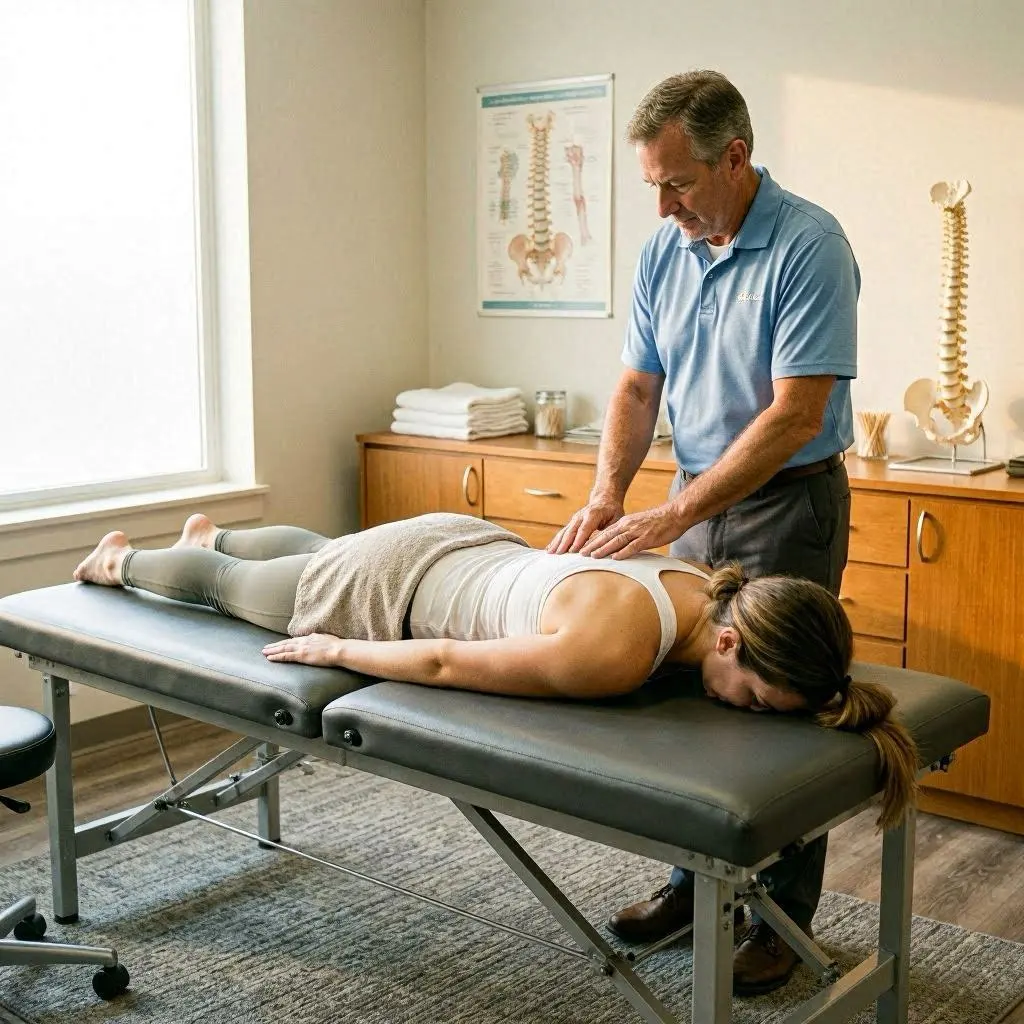
Appropriate techniques may help support joint mobility and comfortable movement.
Joint Mobilization (Healthy Aging Chiropractic)
Controlled movements can help address restricted joint motion.
Soft Tissue Therapy
Manual therapy may help reduce muscle tension and improve tissue mobility.
Movement Education
Patients can learn safer strategies for everyday movements such as bending, lifting, and getting up from a chair.
Treatment should be adapted to each person’s health status and physical tolerance.
The Importance of Strength Training
Maintaining muscle strength is an important part of healthy aging.
Strength exercises can support:
Walking ability
Stair climbing
Balance
Joint stability
Functional independence
Bone health
Everyday activities
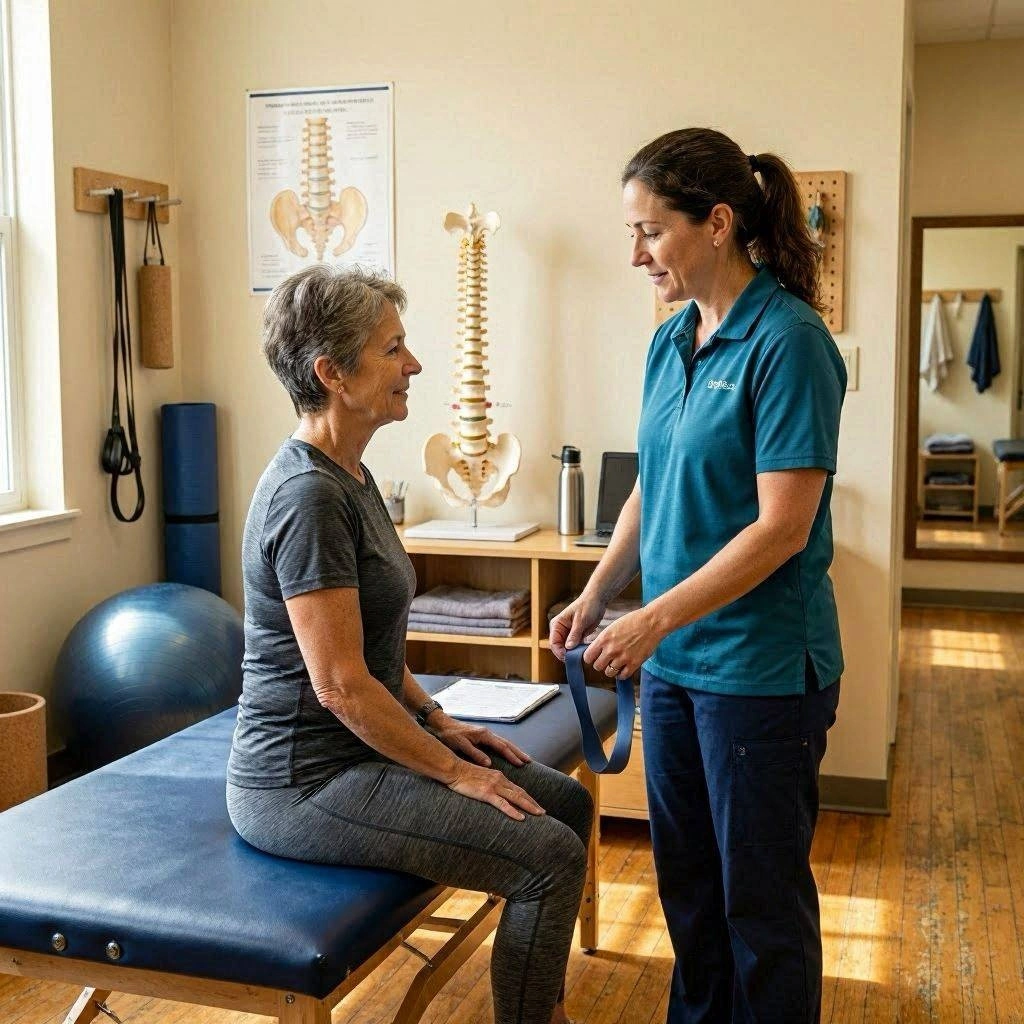
A strength program does not necessarily require heavy weights. Depending on an individual’s abilities, resistance bands, bodyweight exercises, light weights, or supervised machines may be appropriate.
Balance Training and Fall Prevention (Healthy Aging Chiropractic)
Falls are a major concern for many older adults. Improving balance and lower-body strength can support safer movement.
Balance exercises may include:
Supported single-leg stands
Heel-to-toe walking
Controlled stepping exercises
Sit-to-stand movements
Weight-shifting exercises
Exercises should be performed in a safe environment and modified according to individual ability.
People with significant balance difficulties should seek professional guidance before beginning a new exercise program.
Posture and Spinal Health
Good posture remains important throughout the aging process.
Posture education may focus on:
Sitting comfortably
Standing with balanced weight distribution
Maintaining appropriate screen height
Avoiding prolonged static positions
Using proper lifting techniques
Regular movement is often more helpful than attempting to maintain one rigid posture throughout the day.
Mobility Exercises for Older Adults
A well-designed mobility routine can help maintain comfortable movement.
Exercises may focus on:
Neck Mobility
Gentle movements can maintain comfortable cervical range of motion.
Shoulder Mobility (Healthy Aging Chiropractic)
Controlled shoulder exercises can support reaching and overhead activities.
Thoracic Mobility
Upper-back mobility exercises can support posture and trunk movement.
Hip Mobility
Hip exercises can make walking and getting out of chairs easier.
Ankle Mobility
Healthy ankle movement contributes to walking and balance.
Exercises should be performed within a comfortable range and should not cause significant pain.
Healthy Lifestyle Habits (Healthy Aging Chiropractic)
Chiropractic care is most effective as part of a broader healthy lifestyle.
Important habits include:
Stay physically active.
Perform strength exercises regularly.
Practice balance exercises.
Maintain adequate hydration.
Eat a nutritious diet.
Get sufficient sleep.
Avoid smoking.
Maintain social activity.
Manage stress.
Attend recommended medical appointments.
These habits support overall health and physical independence.
Healthy Aging Chiropractic and Chronic Conditions
Older adults may live with conditions such as arthritis, osteoporosis, diabetes, or cardiovascular disease. Chiropractic care and exercise programs should take these conditions into consideration.
A complete health history allows healthcare professionals to determine which treatments and exercises are appropriate.
Individuals with complex medical conditions should coordinate care with their primary healthcare provider and other relevant specialists.
When Should Older Adults Seek Professional Care?
Professional evaluation may be helpful when an individual experiences:
Persistent joint stiffness
Back or neck discomfort
Reduced mobility
Frequent balance problems
Recurrent injuries
Difficulty walking
Reduced strength
Changes in physical function
Early assessment can help identify appropriate strategies for maintaining mobility and independence.
Warning Signs That Require Immediate Medical Attention
Certain symptoms require urgent medical evaluation rather than routine chiropractic care.
Seek immediate medical attention if you experience:
Sudden weakness or numbness
Difficulty speaking
Sudden vision changes
Severe chest pain
Difficulty breathing
Loss of consciousness
Severe pain following a significant fall
Sudden confusion
Loss of bowel or bladder control
These symptoms may indicate a serious medical condition.
Building a Healthy Aging Wellness Plan
Long-term wellness requires consistency.
A comprehensive plan may include:
Regular physical activity
Strength training
Mobility exercises
Balance training
Chiropractic care when appropriate
Routine medical care
Healthy nutrition
Adequate sleep
Fall-prevention strategies
Social and recreational activities
The plan should evolve as physical abilities and health needs change.
Conclusion (Healthy Aging Chiropractic)
Healthy aging chiropractic care can be a valuable part of a comprehensive strategy for maintaining mobility, balance, posture, and physical independence. Aging naturally brings changes to muscles, joints, flexibility, and coordination, but regular movement and appropriate professional care can help individuals remain active and confident.
By combining individualized chiropractic care with strength training, mobility exercises, balance work, proper nutrition, adequate sleep, and regular medical care, older adults can build a strong foundation for long-term wellness. The goal of healthy aging is not simply to live longer, but to maintain the ability to move, participate, and enjoy everyday life as comfortably and independently as possible.