Massage Therapy Thornhill: Complete Guide to Massage Therapy Services and Benefits
Introduction
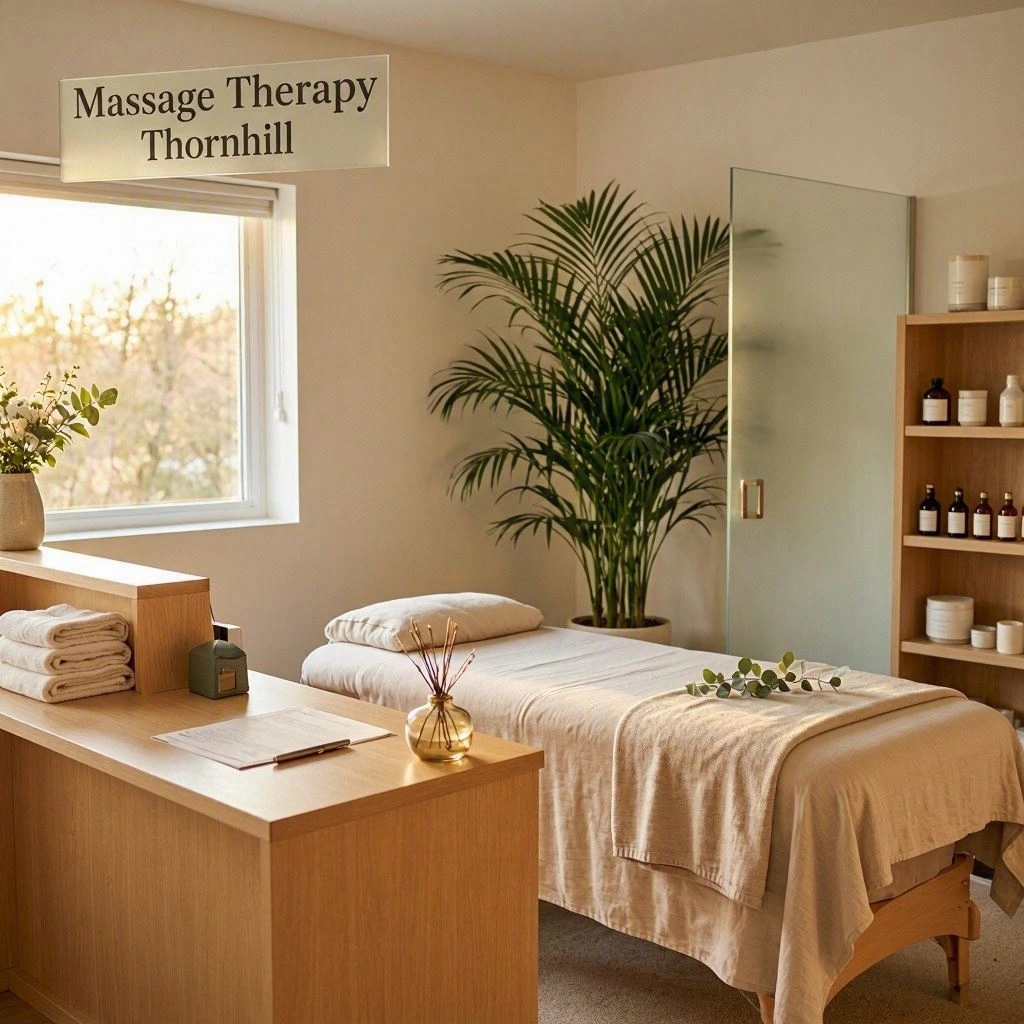
Massage Therapy Thornhill is a popular option for people looking for professional support with muscle tension, physical discomfort, stress, mobility limitations, and recovery needs. Whether you spend long hours at a desk, participate in sports, experience recurring muscle tightness, or simply want to improve your overall well-being, massage therapy can be an important part of a balanced wellness routine.
Professional massage therapy involves the systematic manipulation of soft tissues, including muscles, connective tissues, tendons, and other structures. Depending on the individual’s goals, a massage therapist may use different techniques and pressure levels to address areas of tension and encourage relaxation.
People searching for massage therapy in Thornhill often have different needs. Some may be looking for relaxation massage after a stressful week, while others may need a more focused approach for muscle tension or physical recovery. Because every person has different symptoms, activity levels, health history, and goals, massage therapy should be adapted to the individual rather than treated as a one-size-fits-all service.
This guide explains Massage Therapy Thornhill, common massage techniques, potential benefits, what to expect during an appointment, how massage may support physical activity and recovery, and how to choose a qualified massage therapist in Thornhill.
What Is Massage Therapy?
Massage therapy is a hands-on approach that uses controlled movements and pressure to work with soft tissues of the body. Techniques can include kneading, compression, gliding movements, stretching, friction, and other manual methods.
The therapist typically begins by discussing the client’s goals, symptoms, activity level, and relevant health information. This initial conversation helps determine which techniques may be appropriate.
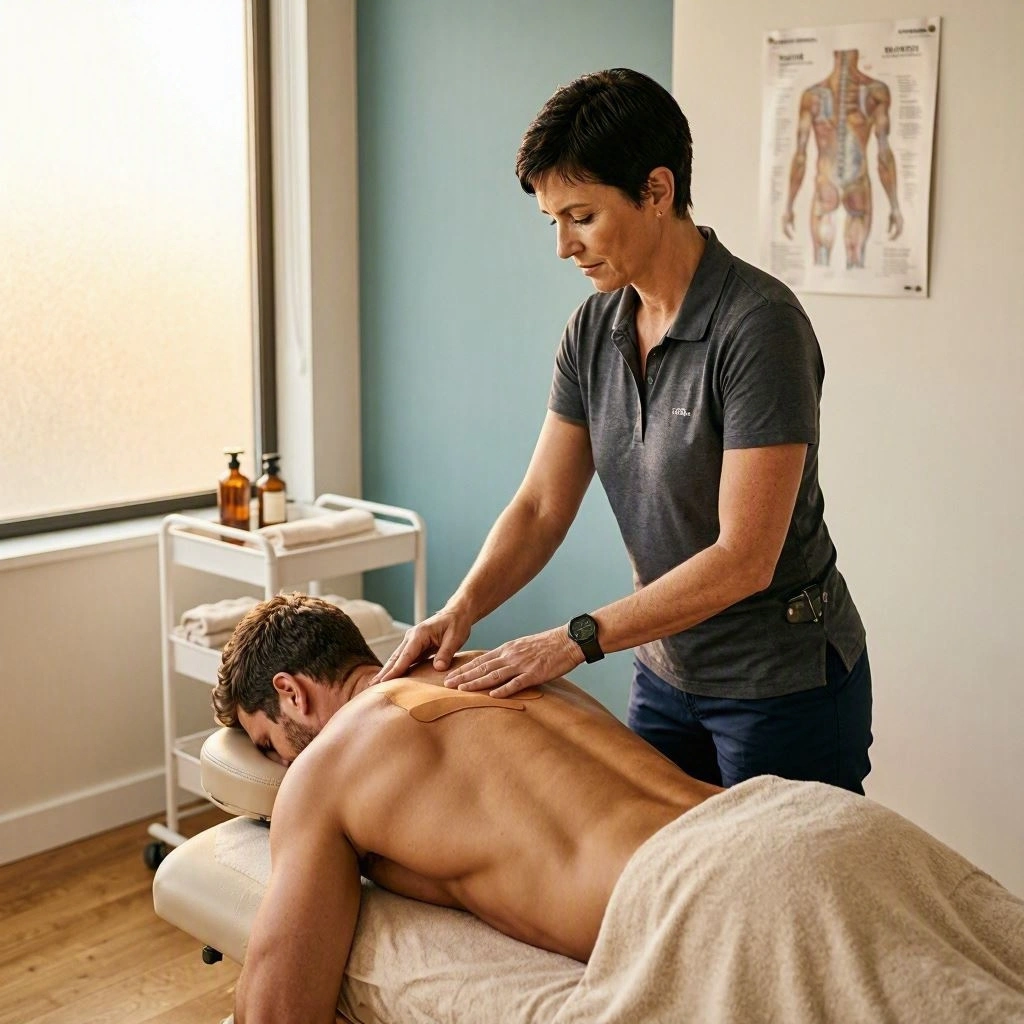
A massage session can focus on the entire body or concentrate on specific areas. For example, someone experiencing neck and shoulder tension may benefit from targeted treatment around the upper back, shoulders, and neck. An active individual may instead seek treatment for muscle tightness following training.
Massage therapy can serve several purposes, including relaxation, supporting mobility, managing muscle tension, and complementing an overall rehabilitation or wellness plan.
Why Choose Massage Therapy in Thornhill?
Choosing a local massage therapy service can make professional care more convenient and easier to incorporate into a regular routine.
Thornhill residents may have demanding work schedules, active lifestyles, family responsibilities, and other commitments. Having access to a massage therapist nearby can make it easier to schedule appointments consistently.
Regular treatment may also allow the therapist to become familiar with the client’s goals and patterns of muscle tension. Over time, this can support a more individualized approach.
Massage therapy in Thornhill may be suitable for people who want to:
-
Reduce everyday muscle tension
-
Support relaxation
-
Improve comfort after physical activity
-
Address areas of tightness
-
Support mobility
-
Complement an exercise program
-
Manage stress
-
Support recovery between workouts
-
Maintain general physical well-being
The appropriate treatment depends on the person’s individual circumstances and should be discussed with a qualified professional.
Common Types of Massage Therapy in Thornhill (Massage Therapy Thornhill)
Massage therapy includes several techniques and treatment styles. The most suitable approach depends on the client’s goals, physical condition, preferences, and therapist’s assessment.
Swedish Massage
Swedish massage is one of the most commonly recognized massage styles. It generally uses flowing movements, kneading, and controlled pressure.
The technique is often associated with relaxation and general wellness. It may be appropriate for people who want a calming experience while addressing general muscle tension.
Swedish massage can also provide an opportunity to become familiar with massage therapy for people who have never received professional treatment.
Deep Tissue Massage
Deep tissue massage uses slower movements and more focused pressure on areas of muscular tension.
Despite its name, effective deep tissue massage does not simply mean applying maximum pressure. The therapist should adjust pressure according to the client’s tolerance, goals, and physical response.
This type of treatment may be considered by people experiencing persistent muscle tightness or those who participate in physically demanding activities.
Sports Massage
Sports massage is commonly used by athletes and physically active individuals.
A sports massage session can focus on muscles involved in a particular activity. The therapist may adapt techniques depending on whether the session occurs before activity, after activity, or during a recovery period.
Sports massage may be incorporated alongside appropriate training, stretching, strength work, and recovery strategies.
Therapeutic Massage
Therapeutic massage generally focuses on specific areas of discomfort, tension, or movement limitation.
The therapist may combine different techniques to address the client’s individual needs. Treatment can be adapted throughout the session based on how the body responds.
Relaxation Massage
Relaxation massage typically emphasizes comfortable pressure and calming techniques.
People may choose this type of massage when their primary goal is relaxation rather than focused treatment of a particular physical complaint.
Reducing stress and creating time for relaxation can be valuable components of an overall wellness routine.
Prenatal Massage
Pregnancy can involve physical changes that affect posture, muscles, joints, and comfort.
Prenatal massage is designed to accommodate these changes. Positioning and techniques should be adapted appropriately, and clients should discuss pregnancy-related considerations with their healthcare provider and massage therapist.
Myofascial Techniques
Myofascial techniques focus on tissues surrounding and supporting muscles.
These approaches may be incorporated into treatment when the therapist identifies areas of restriction or tension. The exact techniques used will vary according to the client’s presentation and treatment goals.
Benefits of Massage Therapy Thornhill
Massage therapy can provide several potential benefits when delivered appropriately.
Muscle Relaxation
One of the most common reasons people seek massage therapy is muscle tension.
Long periods of sitting, repetitive movements, physical activity, stress, and poor movement habits can contribute to muscular tightness. Massage may help people feel more relaxed and comfortable.
Stress Reduction
Modern lifestyles can create significant physical and mental stress.
A professional massage session provides dedicated time away from work, screens, and daily responsibilities. The quiet environment and physical relaxation associated with massage may help support a person’s overall stress-management routine.
Massage should not be considered a replacement for professional mental health care when someone is experiencing significant psychological distress.
Support for Physical Recovery
People who exercise regularly often place repeated demands on their muscles and connective tissues.
Massage may be used as one component of a broader recovery strategy that includes adequate sleep, hydration, nutrition, rest, mobility work, and appropriate training progression.
Massage alone cannot replace appropriate rehabilitation when an injury requires clinical assessment.
Mobility Support
Muscle tightness can sometimes contribute to a feeling of restricted movement.
Massage techniques may help an individual feel more comfortable when moving through certain ranges of motion. However, persistent mobility limitations may have multiple causes and should be properly assessed when they do not improve.
General Wellness
Some people receive massage simply because they enjoy it.
Wellness-focused massage can provide an opportunity to relax, become more aware of areas of tension, and establish a regular self-care routine.
Massage Therapy for Neck and Shoulder Tension
Neck and shoulder tension is common among people who work at computers, use mobile devices frequently, or spend long periods in one position.
Massage therapy may focus on the upper trapezius, shoulders, upper back, and surrounding muscles.
However, neck symptoms can sometimes be related to nerve irritation, joint problems, trauma, or other medical conditions. Massage may not be appropriate in every case.
If neck pain is severe, persistent, associated with weakness or numbness, or follows significant trauma, professional medical evaluation may be necessary.
Massage Therapy for Back Tension
Back tension can develop for many different reasons.
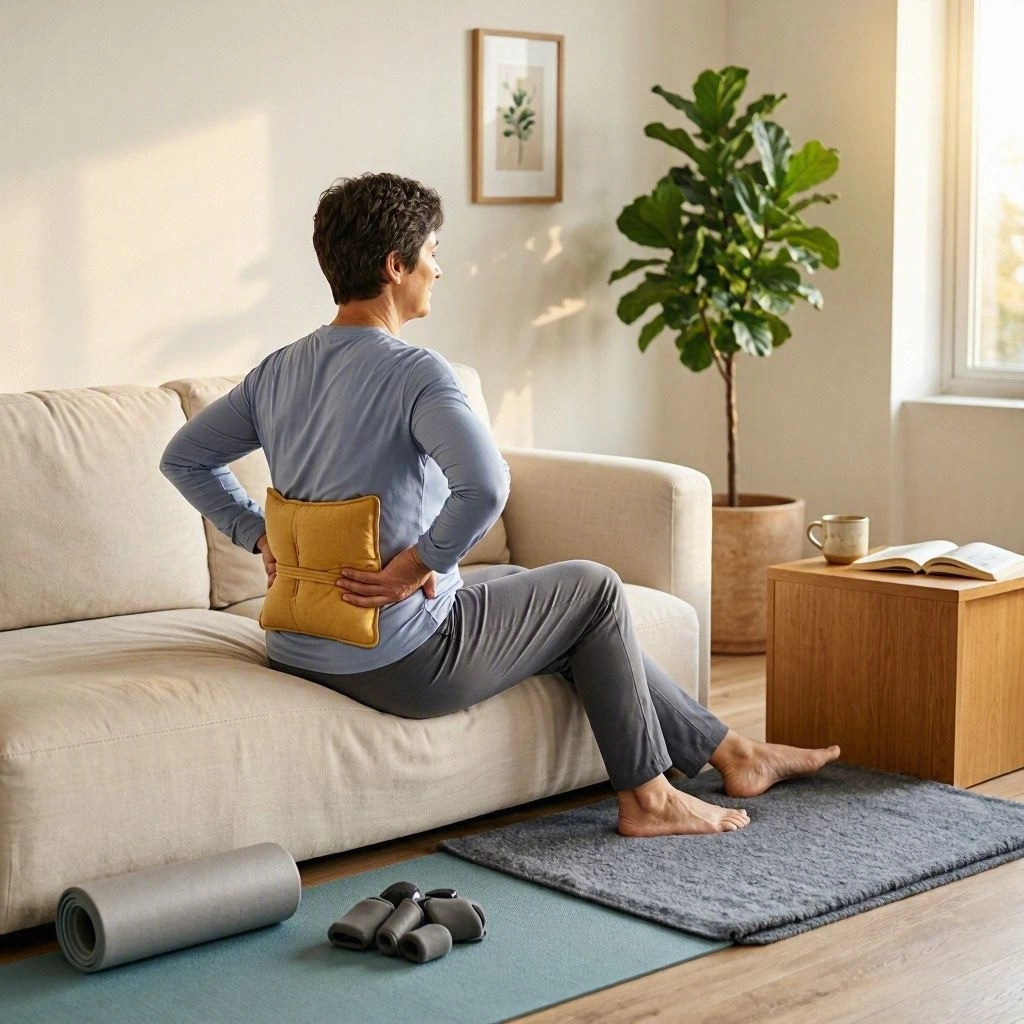
Long periods of sitting, physical work, exercise, repetitive movement, and general muscular fatigue can all contribute to discomfort.
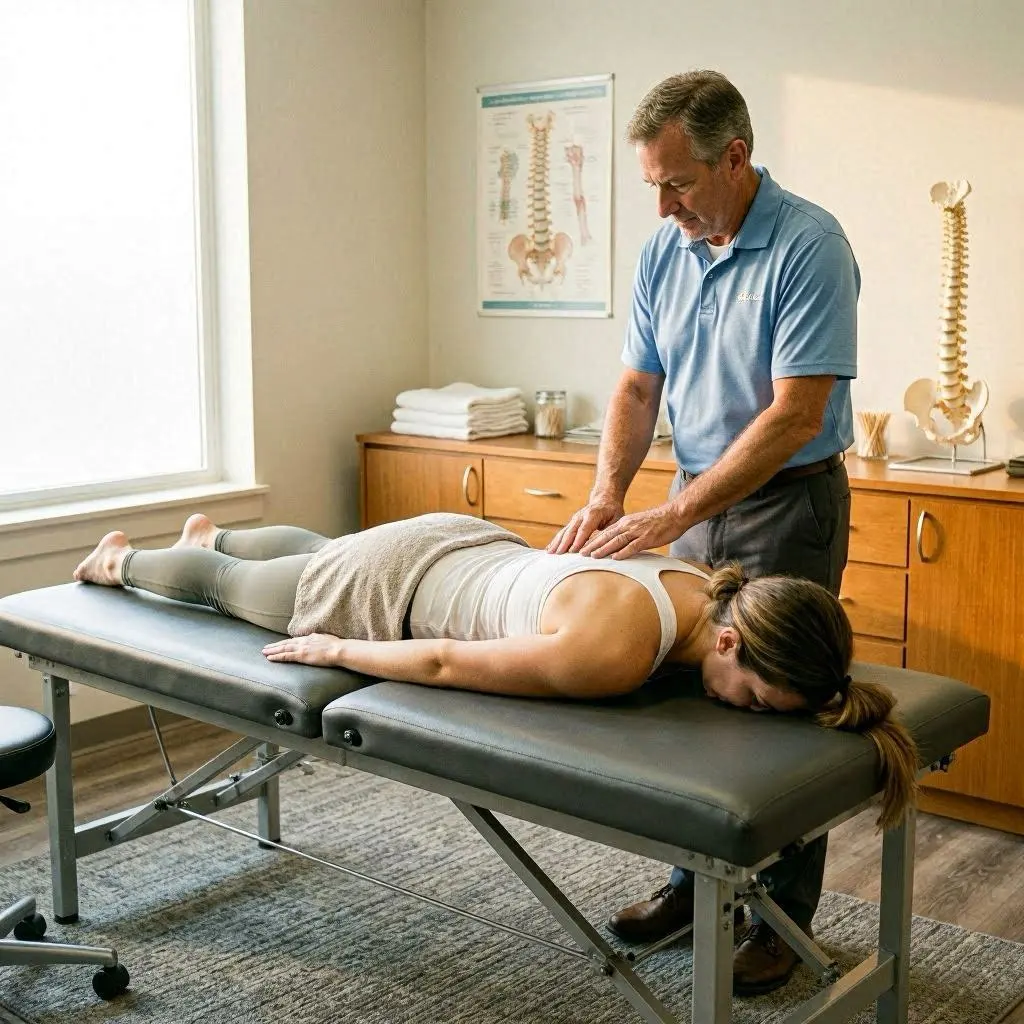
A massage therapist may work with the muscles surrounding the lower or upper back while also considering the client’s overall movement patterns.
Massage can complement other strategies such as strengthening, mobility exercises, ergonomic improvements, and appropriate physical activity.
Persistent or severe back pain should not automatically be treated with massage without understanding the underlying problem.
Massage Therapy for Athletes
Athletes place unique demands on their bodies.
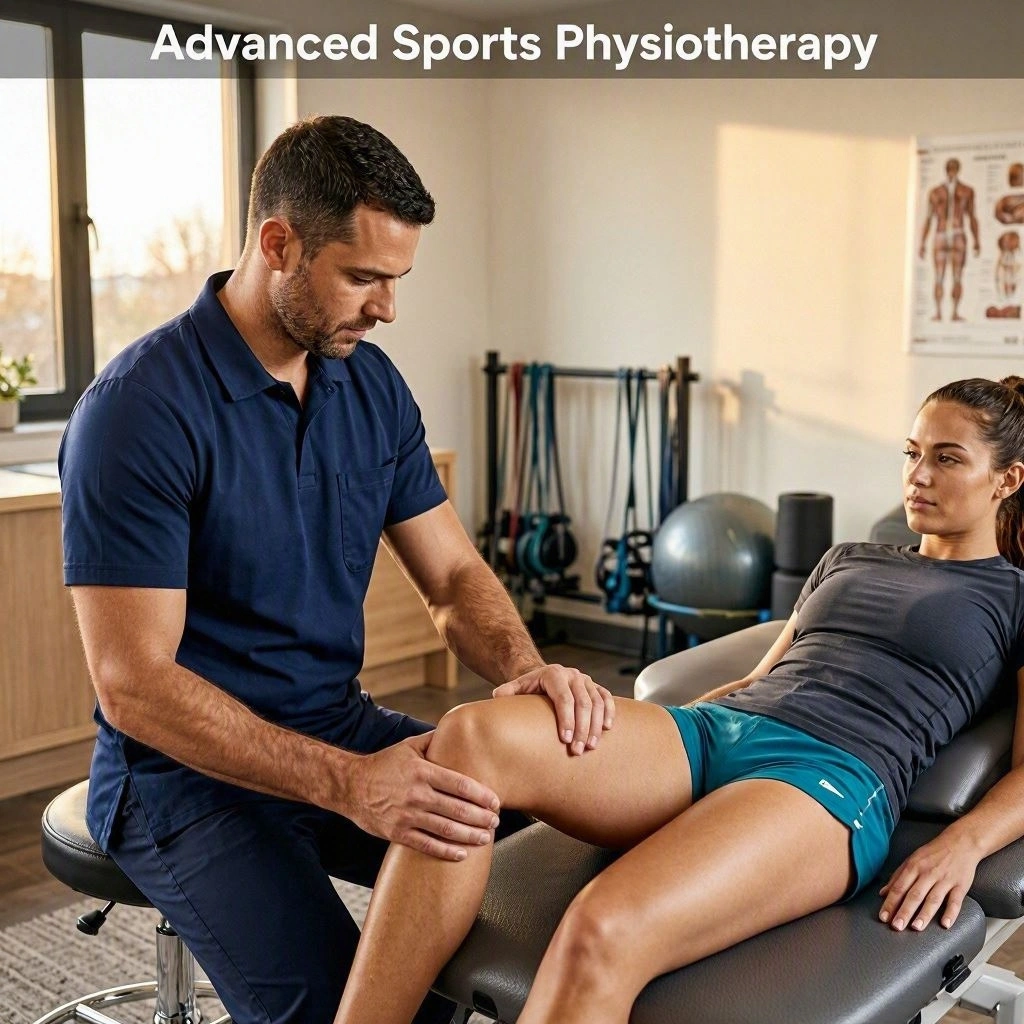
Training can involve repeated contractions, high loads, explosive movements, and repetitive impact. Massage therapy may therefore be incorporated into a broader sports recovery plan.
A sports-focused massage session can be adapted according to the athlete’s training schedule.
For example, treatment before an event may differ from treatment during a recovery period. Communication between the client and therapist is important so that treatment does not interfere with training or competition.
Massage Therapy for Office Workers (Massage Therapy Thornhill)
Office workers often spend several hours sitting at a desk.
Poor workstation setup, prolonged static positions, and repetitive computer use may contribute to discomfort in the neck, shoulders, wrists, and back.
Massage may provide temporary relief from muscular tension, but workplace habits also matter.
A complete approach can include:
-
Regular movement breaks
-
Proper desk height
-
Appropriate monitor positioning
-
Comfortable seating
-
Shoulder and upper-back exercises
-
Mobility exercises
-
Strength training
-
Stress management
Combining massage with healthy movement habits can be more useful than relying on massage alone.
Massage Therapy for Active Adults
You do not need to be a professional athlete to benefit from sports-oriented or therapeutic massage.
People who walk, run, cycle, attend fitness classes, lift weights, play recreational sports, or participate in outdoor activities may experience muscle fatigue and tightness.
Massage can become one component of a recovery routine. The therapist can adjust treatment based on the individual’s physical activity and current goals.
What Happens During a Massage Therapy Appointment?
Understanding what happens during a massage appointment can make the experience more comfortable, particularly for first-time clients.
Initial Consultation
The session usually begins with a conversation.
The therapist may ask about:
-
Your primary concerns
-
Areas of discomfort
-
Previous injuries
-
Physical activity
-
Work demands
-
Current treatment
-
Relevant health conditions
-
Treatment preferences
This information helps the therapist determine an appropriate approach.
Assessment
Depending on the type of appointment, the therapist may observe movement or assess areas of muscular tension.
The goal is to understand which areas may need attention and whether massage appears appropriate.
Treatment Plan
The therapist may explain which techniques they plan to use.
Clients should feel comfortable communicating about pressure, positioning, temperature, or discomfort during treatment.
Massage Session
During treatment, the therapist applies appropriate techniques to the selected areas.
Pressure should be communicated clearly. A massage does not need to be painful to be effective.
Aftercare Discussion
At the end of the appointment, the therapist may provide suggestions related to hydration, movement, stretching, rest, or activity.
Recommendations should be individualized according to the person’s response to treatment.
How Often Should You Get Massage Therapy?
There is no universal schedule for massage therapy.
Some people choose occasional appointments when they feel stressed or physically tense. Others may prefer a regular schedule because massage fits into their wellness routine.
Treatment frequency can depend on:
-
Treatment goals
-
Physical activity
-
Work demands
-
Symptoms
-
Recovery needs
-
Response to previous sessions
-
Overall health
A qualified massage therapist can help determine a reasonable schedule based on individual circumstances.
Massage Therapy and Injury Recovery (Massage Therapy Thornhill)
Massage may sometimes complement rehabilitation after certain injuries.
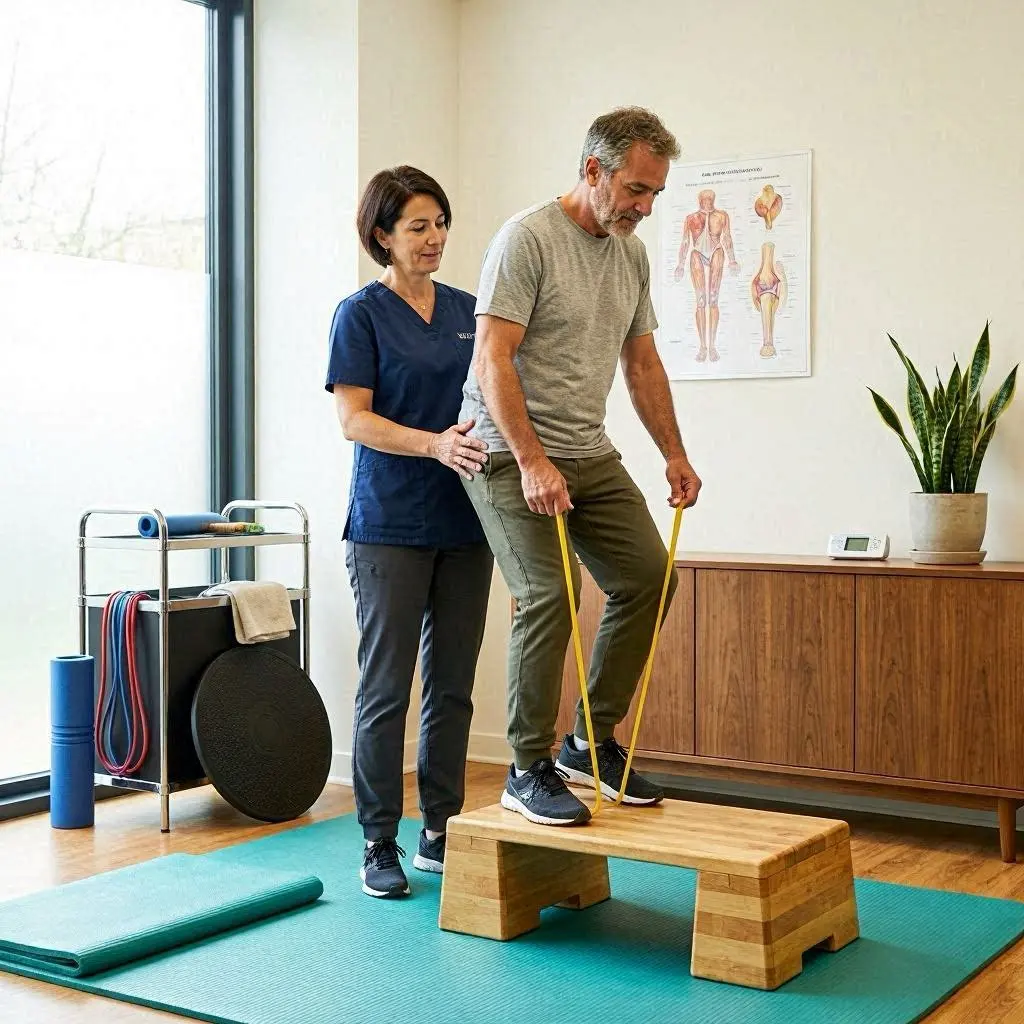
For example, a person recovering from an appropriate soft-tissue injury may use massage alongside a rehabilitation program involving strengthening, mobility exercises, balance training, and gradual return to activity.
However, massage should not replace proper injury assessment.
Some injuries require imaging, medical treatment, physiotherapy, exercise therapy, or other interventions. The right approach depends on the injury and stage of recovery.
Massage Therapy for Chronic Muscle Tension
People with recurring muscle tension may seek massage because they want to improve comfort and relaxation.
Chronic tension can have multiple contributing factors, including repetitive activity, stress, sleep problems, insufficient recovery, posture, and movement habits.
Massage can address some aspects of muscular tension, but long-term improvement may require a broader strategy.
This can include:
-
Strength training
-
Mobility exercises
-
Better ergonomics
-
Regular movement
-
Stress management
-
Sleep improvement
-
Activity modification
A multidisciplinary approach may be appropriate when symptoms persist.
Massage Therapy and Posture
Posture is often discussed in relation to neck, shoulder, and back discomfort.
Massage can help relax muscles that feel tense after prolonged positioning. However, posture is not simply a matter of maintaining one perfect position all day.
The body generally benefits from movement and variation.
Changing positions regularly, strengthening relevant muscles, and developing comfortable movement habits can be more useful than attempting to maintain a rigid posture.
Massage can support this process by helping people feel more comfortable while they work on movement and exercise habits.
Massage Therapy for Runners
Running places repetitive demands on the lower body.
Runners may experience tightness in areas such as the calves, hamstrings, quadriceps, hips, and gluteal muscles.
Massage can be incorporated into a runner’s broader recovery routine.
However, persistent pain during running should not simply be treated repeatedly without assessment. Pain that continues, worsens, changes running mechanics, or limits activity may require evaluation by an appropriate healthcare professional.
Massage Therapy for Seniors
Older adults may have different massage needs because of changes in mobility, muscle mass, joint health, medication use, and overall physical condition.
Massage techniques may need to be modified to provide appropriate pressure and positioning.
A thorough health history is particularly important. Seniors should discuss relevant medical conditions and medications with their healthcare providers and massage therapists.
The goal should be comfortable, appropriate treatment rather than aggressive pressure.
How to Choose a Massage Therapist in Thornhill
Choosing the right massage therapist can significantly influence the quality of your experience.
Check Professional Qualifications
Look for a therapist with appropriate professional education, training, and registration where applicable.
A qualified professional should be able to explain their approach and answer questions about treatment.
Consider Experience
Experience with your particular goals may be useful.
For example, someone recovering from athletic training may want a therapist familiar with sports massage, while someone primarily seeking relaxation may prefer a therapist focused on wellness-oriented treatment.
Ask About Treatment Techniques
Before booking, ask what techniques the therapist commonly uses.
This helps you determine whether their approach matches your preferences and goals.
Discuss Your Goals
Clear communication is important.
Tell the therapist whether you want relaxation, general wellness, support for muscle tension, or treatment as part of a broader recovery plan.
Pay Attention to Communication
A good therapeutic relationship should involve communication and respect.
You should feel comfortable discussing pressure, discomfort, positioning, and treatment preferences.
Preparing for Your Massage Therapy Appointment (Massage Therapy Thornhill)
A few simple steps can make your appointment more comfortable.
Stay Hydrated
Maintaining normal hydration is a useful general health habit. You do not need to excessively drink water before a massage.
Avoid a Heavy Meal Immediately Before Treatment
A very large meal immediately before lying down for treatment may be uncomfortable.
A light meal or normal eating schedule is often more practical.
Wear Comfortable Clothing
Depending on the treatment, clothing requirements may vary. The therapist should explain appropriate draping and positioning.
Communicate Clearly
Tell the therapist about areas you want addressed and any concerns you have.
If pressure is uncomfortable, say so immediately.
Is Massage Therapy Painful?
Massage should not necessarily be painful.
Some focused techniques can create a sensation of pressure or mild temporary discomfort, particularly around areas of tension. However, intense or sharp pain is not something clients should simply tolerate.
Communication is essential.
The therapist can modify pressure, technique, positioning, or treatment area when necessary.
When Should You Avoid Massage Therapy?
Massage is not appropriate for every situation.
Depending on the circumstances, treatment may need to be postponed or modified when someone has:
-
Acute illness
-
Fever
-
Certain infections
-
Unexplained swelling
-
Significant acute injury
-
Recent surgery without appropriate clearance
-
Certain skin conditions
-
Uncontrolled medical conditions
The exact contraindications depend on the individual’s health status.
If you are unsure whether massage is appropriate, speak with a qualified healthcare professional and inform your massage therapist about your health history.
When to Seek Medical Evaluation
Massage therapy should not delay medical evaluation when symptoms may indicate a more serious problem.
Seek appropriate medical care for symptoms such as:
-
Severe or rapidly worsening pain
-
Significant trauma
-
New or progressive weakness
-
Loss of sensation
-
Difficulty walking
-
Chest pain
-
Difficulty breathing
-
Unexplained major swelling
-
Loss of consciousness
-
Signs of serious infection
Massage can be part of wellness and rehabilitation for some people, but it is not a substitute for emergency or medical care.
Combining Massage Therapy With Exercise (Massage Therapy Thornhill)
Massage can work well alongside a structured exercise program.
Exercise helps develop strength, endurance, coordination, and physical capacity. Massage may support relaxation and comfort.
A balanced routine can include:
-
Strength training
-
Cardiovascular exercise
-
Mobility work
-
Adequate recovery
-
Healthy nutrition
-
Quality sleep
-
Professional massage when appropriate
The combination of active and passive recovery strategies can support long-term physical well-being.
Massage Therapy and Recovery Planning
Recovery is more than a single treatment.
People who want to maintain an active lifestyle should consider their total workload, sleep, nutrition, stress, hydration, and rest.
Massage can fit into this broader strategy.
For example, someone with a demanding training schedule might use massage periodically while also adjusting training intensity and including rest days.
This approach is generally more sustainable than relying on massage to compensate for excessive training or inadequate recovery.
Massage Therapy for Stress Management
Stress can influence how people experience physical tension.
When individuals are stressed, they may unconsciously tighten muscles around the shoulders, jaw, neck, or back.
Massage can provide a period of relaxation and may become part of a broader stress-management routine.
Other useful strategies can include regular exercise, adequate sleep, breathing exercises, hobbies, social connection, and professional mental health support when needed.
The Importance of Individualized Massage Therapy
Every client is different.
Two people may report shoulder tension but have very different causes, lifestyles, activity levels, and treatment needs.
For this reason, an individualized approach is important.
A therapist should consider:
-
Client goals
-
Current symptoms
-
Medical history
-
Physical activity
-
Work demands
-
Previous treatment
-
Pressure preferences
-
Response to previous sessions
The treatment should then be adjusted according to the client’s response.
Massage Therapy for Families in Thornhill (Massage Therapy Thornhill)
Massage therapy can be relevant to different age groups and lifestyles.
Busy professionals may seek relaxation after work. Athletes may focus on recovery. Older adults may want comfortable treatment that supports general mobility. Active parents may use massage as part of their personal wellness routine.
Because needs differ considerably, each person’s treatment should be planned individually.
Common Myths About Massage Therapy
1-Myth: More Pressure Is Always Better
This is not true.
Effective massage does not require maximum pressure. Excessive pressure can cause unnecessary discomfort.
2-Myth: Massage Fixes Every Injury
Massage can be useful in certain rehabilitation and wellness situations, but it does not automatically treat every injury.
Some conditions require medical assessment or other forms of rehabilitation.
3-Myth: You Should Always Feel Sore After Massage
Post-treatment soreness is not a requirement.
A person may feel relaxed and comfortable after treatment. If significant or unusual pain occurs, it should be discussed with the therapist.
4-Myth: Massage Is Only for Athletes
Massage is not limited to athletes.
Office workers, active adults, seniors, and people seeking relaxation may all use massage therapy.
5-Myth: Massage Replaces Exercise
Massage is generally a passive treatment. Exercise develops physical capacity.
For long-term function, many people benefit from combining appropriate movement and exercise with recovery strategies.
Frequently Asked Questions
What is Massage Therapy Thornhill?
Massage Therapy Thornhill refers to professional massage therapy services available to people in the Thornhill area. Treatment may focus on relaxation, muscle tension, mobility, physical recovery, or general wellness.
How long does a massage therapy session last?
Session length varies depending on the clinic, treatment plan, and client’s goals. Common appointments may range from shorter focused sessions to longer full-body treatments.
What type of massage is best for muscle tension?
The appropriate technique depends on the source and location of the tension. Swedish, therapeutic, deep tissue, sports, and other approaches may be used depending on individual needs.
Can massage therapy help with back tension?
Massage may help some people feel more comfortable when muscular tension contributes to back discomfort. Persistent or severe symptoms should be professionally assessed.
Can athletes get massage therapy?
Yes. Athletes and recreationally active individuals commonly incorporate sports or therapeutic massage into broader recovery routines.
How often should I receive massage therapy?
There is no single ideal schedule. Frequency should depend on your goals, activity level, symptoms, response to treatment, and overall health.
Is deep tissue massage always better?
No. Deeper pressure is not automatically more effective. The best treatment is one that matches the client’s needs and tolerance.
Can massage therapy improve flexibility?
Massage may temporarily influence how comfortable a person feels during movement, but lasting improvements in flexibility generally involve appropriate mobility work and exercise.
Should I exercise after massage?
It depends on the type and intensity of treatment. Your therapist can provide individualized guidance based on your appointment and training schedule.
What should I tell my massage therapist?
Tell your therapist about your goals, symptoms, injuries, medical conditions, medications when relevant, and any discomfort you experience during treatment.
Final Thoughts (Massage Therapy Thornhill)
Massage Therapy Thornhill can be a valuable part of a personalized wellness, recovery, and physical-care routine. Whether your primary goal is relaxation, managing muscle tension, supporting recovery, or complementing an active lifestyle, professional massage can provide a structured approach to hands-on care.
The most effective treatment is not necessarily the strongest or most frequent. Instead, it should be appropriate for your goals, health status, physical activity, and individual response.
Massage can also work best when combined with other healthy habits. Regular movement, strength training, mobility exercises, adequate sleep, good nutrition, stress management, and appropriate medical or rehabilitation care can all contribute to long-term well-being.
If you are searching for Massage Therapy Thornhill, consider a qualified professional who takes time to understand your needs, explains the treatment approach, communicates clearly, and adapts each session to your individual circumstances. With an individualized plan, massage therapy can become a practical part of maintaining comfort, relaxation, recovery, and an active lifestyle.