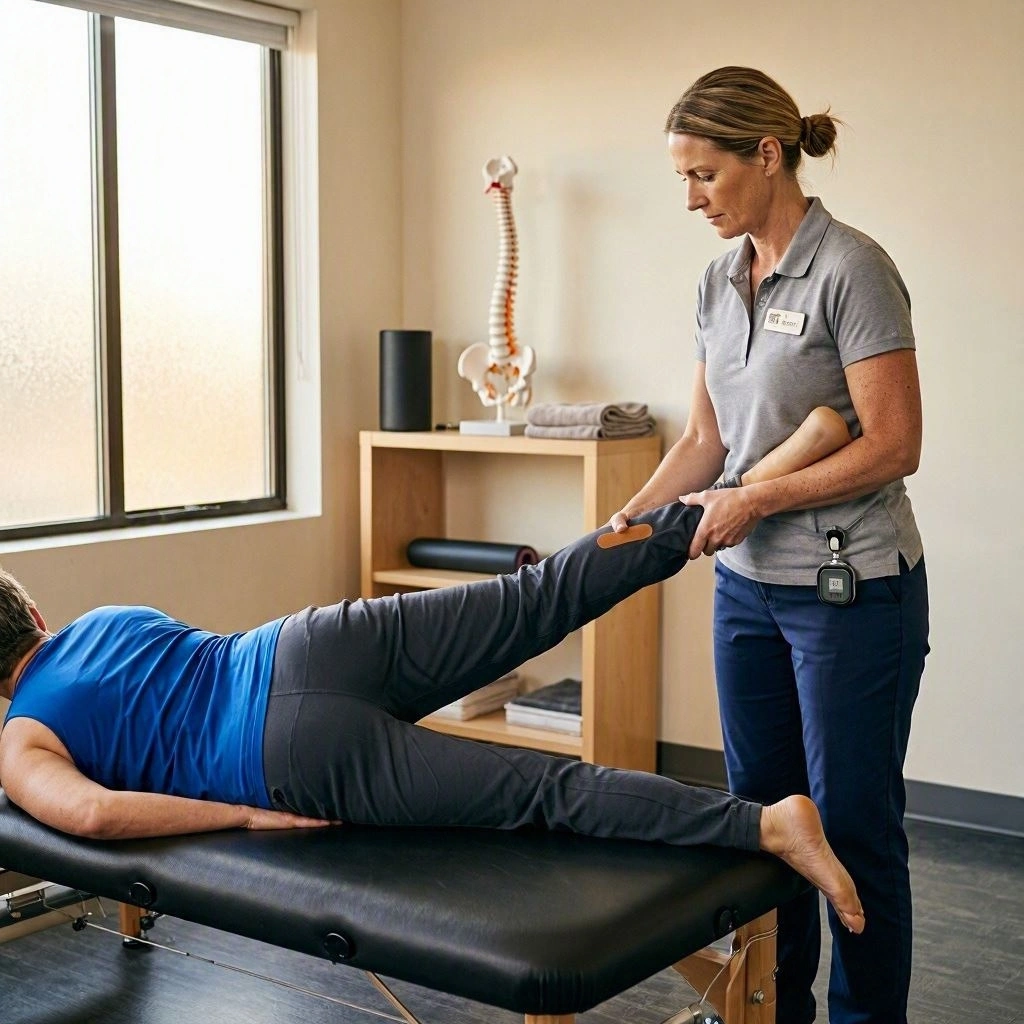
Sciatica Treatment Thornhill: Complete Guide to Pain Relief and Rehabilitation
Sciatica can cause pain that affects much more than the lower back. Many people experience discomfort that travels from the lower back or buttock into the hip, thigh, lower leg, or foot. The symptoms can make sitting, standing, walking, working, sleeping, exercising, and performing everyday activities difficult. For people searching for Sciatica Treatment Thornhill, understanding the possible causes of sciatica and the available rehabilitation options is an important first step toward recovery.
Sciatica is not a diagnosis by itself. Instead, it describes a group of symptoms related to irritation or compression affecting the sciatic nerve pathway or nerve roots that contribute to it. Symptoms can vary significantly from one person to another. Some people experience mild tingling, while others develop sharp, burning, shooting, or electric-like pain that travels down one leg.
Because different conditions can produce sciatica-like symptoms, a proper assessment is important. A physiotherapist can evaluate movement, strength, mobility, symptoms, and functional limitations to help develop an appropriate treatment plan.
For people looking for Sciatica Treatment Thornhill, physiotherapy may include therapeutic exercise, mobility training, progressive strengthening, manual therapy, movement education, and functional rehabilitation. The exact treatment should depend on the individual’s symptoms, physical condition, and recovery goals.
What Is Sciatica?
Sciatica describes symptoms that travel along the pathway associated with the sciatic nerve. The sciatic nerve is the largest nerve in the body and extends from the lower spine through the buttock and into the lower limb.
Symptoms may develop when a nerve root in the lower back becomes irritated or compressed.
Sciatica can cause:
-
Sharp or shooting pain
-
Burning sensations
-
Tingling
-
Numbness
-
Weakness
-
Pain in the buttock
-
Pain travelling down the leg
-
Difficulty sitting or standing
-
Discomfort during certain movements
Symptoms often affect one side of the body, although the presentation can vary.
The amount of lower-back pain also varies. Some people experience significant back pain together with leg symptoms, while others notice that leg pain is the primary problem.
What Causes Sciatica?
Sciatica can have several possible causes.
One common cause is a lumbar disc problem. Intervertebral discs are structures located between the bones of the spine. Changes involving a disc can sometimes irritate or compress nearby nerve roots.
Other possible causes include:
-
Lumbar disc herniation
-
Spinal stenosis
-
Degenerative changes
-
Nerve-root irritation
-
Certain lower-back injuries
-
Changes following prolonged physical stress
-
In some cases, problems outside the spine that can produce similar symptoms
It is important not to assume that every case of pain travelling down the leg is sciatica.
A clinical assessment can help distinguish between different possible causes.
Common Symptoms of Sciatica (Sciatica Treatment Thornhill)
Sciatica can feel different from ordinary muscle pain.
Common symptoms include:
-
Shooting pain down one leg
-
Burning pain
-
Electric-like sensations
-
Tingling
-
Numbness
-
Buttock pain
-
Pain in the thigh
-
Pain extending toward the calf or foot
-
Leg weakness
-
Pain with prolonged sitting
-
Difficulty standing after sitting
-
Symptoms during bending or lifting
The intensity can range from mild to severe.
Some people notice symptoms primarily when sitting. Others may feel worse when standing, walking, bending, or performing specific movements.
A physiotherapist can assess which positions and activities increase or reduce symptoms.
How Is Sciatica Different From Lower Back Pain?
Lower-back pain is common and can occur without sciatica.
Sciatica generally involves symptoms that extend beyond the lower back and follow a pathway into the buttock and leg.
For example, a person with ordinary lower-back muscle pain may experience discomfort mainly around the lower spine.
A person with sciatica may experience:
-
Lower-back pain
-
Buttock pain
-
Pain travelling into the leg
-
Tingling or numbness
-
Weakness
However, symptoms do not always follow an identical pattern.
This is why assessment is important before beginning a treatment program.
Sciatica Treatment Thornhill and Physiotherapy
For people searching for Sciatica Treatment Thornhill, physiotherapy can provide an individualized rehabilitation approach.
Treatment often begins with a detailed assessment.
The physiotherapist may evaluate:
-
Lower-back movement
-
Hip mobility
-
Leg strength
-
Sensation
-
Functional movement
-
Walking
-
Flexibility
-
Symptoms during different positions
-
Ability to sit and stand
-
Work and activity demands
These findings can help determine which movements and exercises may be appropriate.
The goal is not simply to reduce symptoms temporarily. Rehabilitation can also focus on restoring physical function and helping the person gradually return to work, exercise, walking, and other everyday activities.
What Happens During the First Sciatica Assessment?
The first physiotherapy appointment usually begins with questions about your symptoms.
Your physiotherapist may ask:
-
When did the symptoms begin?
-
Did they start suddenly or gradually?
-
Did an injury occur?
-
Where does the pain travel?
-
Do you have numbness or tingling?
-
Does sitting make symptoms worse?
-
Does walking change the symptoms?
-
Are you experiencing weakness?
-
What activities have become difficult?
-
Do you exercise regularly?
-
What type of work do you do?
A physical assessment can then help examine movement and function.
Your physiotherapist may ask you to perform movements involving the back, hips, and legs.
Strength and neurological function may also be assessed when appropriate.
This process helps create a treatment plan based on your individual presentation.
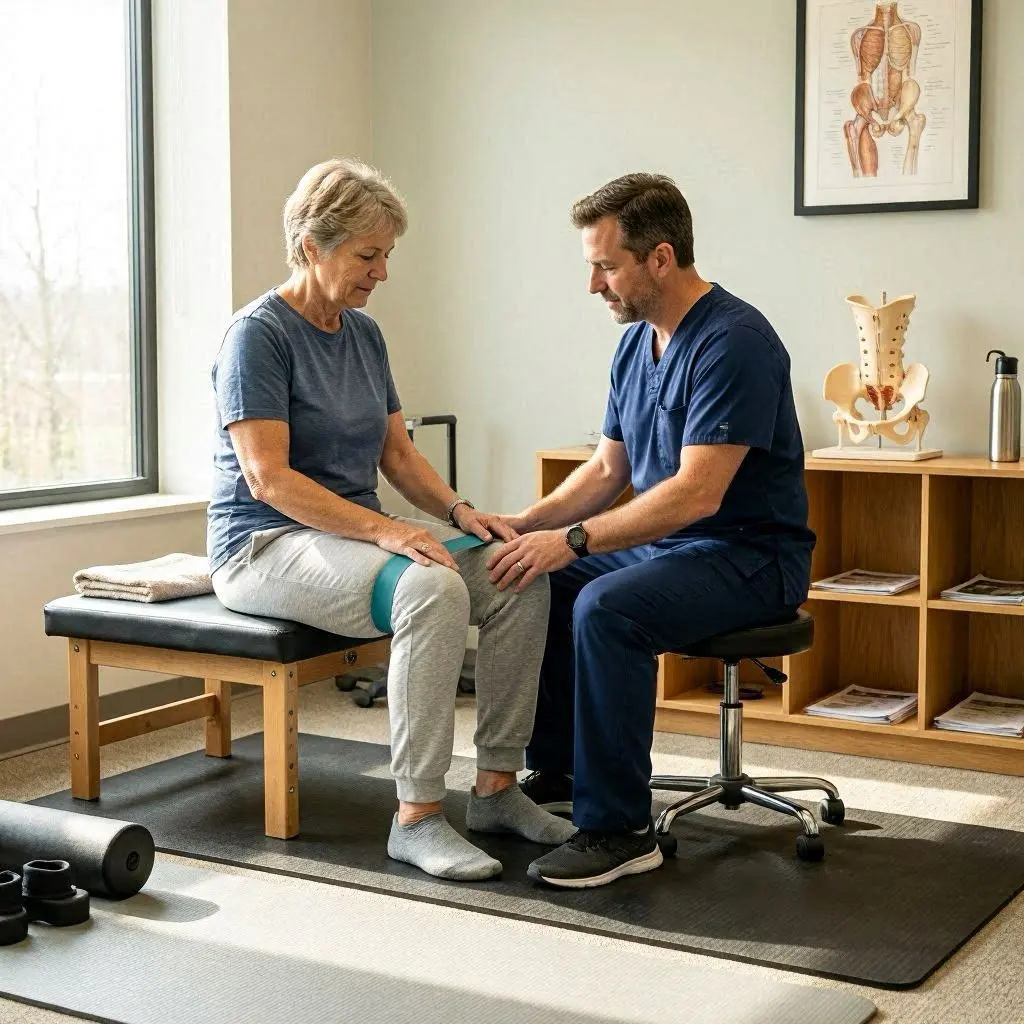
Exercise Therapy for Sciatica (Sciatica Treatment Thornhill)
Exercise is an important component of many sciatica rehabilitation programs.
However, there is no single exercise that is appropriate for every person with sciatica.
The best exercises depend on:
-
The cause of symptoms
-
The severity of symptoms
-
Which movements aggravate pain
-
Which movements reduce symptoms
-
Strength and mobility
-
Current physical activity
A physiotherapist may prescribe exercises designed to improve:
-
Lower-back mobility
-
Hip movement
-
Core strength
-
Leg strength
-
Movement control
-
Functional capacity
Exercises should be progressed gradually.
Mobility Exercises for Sciatica
Reduced mobility can contribute to difficulty performing everyday activities.
A rehabilitation program may include movements designed to improve mobility in the:
-
Lower back
-
Hips
-
Pelvis
-
Legs
However, mobility exercises should not be forced through severe symptoms.
The goal is to improve movement gradually and appropriately.
For some people, certain movements may temporarily increase symptoms. A physiotherapist can help identify which movements are appropriate and how they should be progressed.
Strengthening for Sciatica Rehabilitation
Pain and reduced activity can sometimes lead to weakness or reduced physical capacity.
Progressive strengthening can help prepare the body for everyday demands.
Depending on the individual, rehabilitation may focus on:
-
Core muscles
-
Hip muscles
-
Gluteal muscles
-
Leg muscles
-
Back muscles
Exercises may begin with controlled, low-intensity movements.
As symptoms and physical capacity improve, resistance and functional demands can be increased.
The goal is to help the body tolerate activities such as walking, lifting, carrying, exercising, and working.
Core Strength and Sciatica (Sciatica Treatment Thornhill)
The muscles around the trunk contribute to spinal movement and control.
Core exercises may be included in some sciatica rehabilitation programs.
However, “core strengthening” does not mean that every person should immediately perform difficult abdominal exercises.
Exercises should be selected according to the person’s condition and current ability.
A program may begin with simple movement-control exercises and gradually progress toward more challenging functional activities.
Hip Strength and Sciatica
The hips and lower back work together during many everyday movements.
Weakness or reduced control around the hips may affect how a person moves while:
-
Walking
-
Squatting
-
Climbing stairs
-
Lifting
-
Running
Hip strengthening may therefore be included as part of a broader rehabilitation program.
The appropriate exercises depend on the individual.
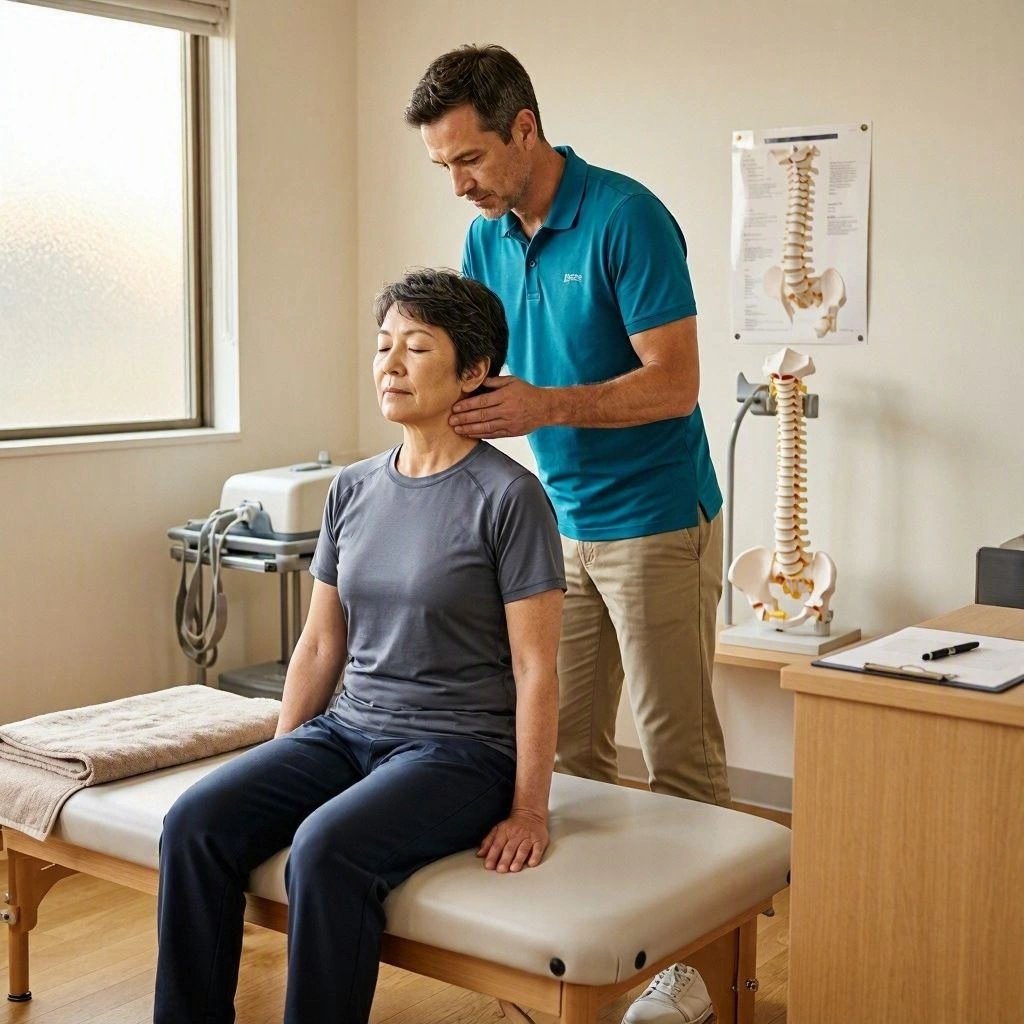
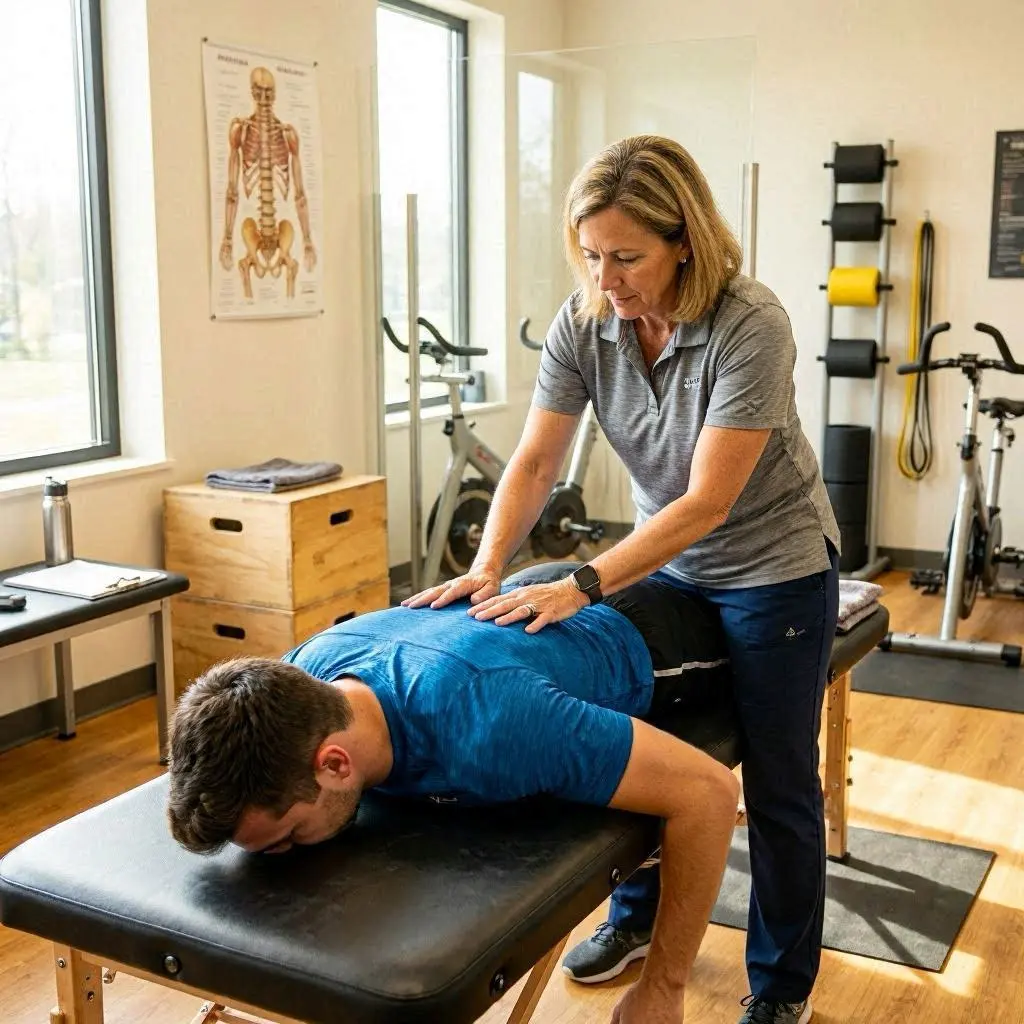
Manual Therapy for Sciatica
Manual therapy may be used as part of some physiotherapy programs.
Depending on the assessment, treatment may involve techniques intended to improve mobility or reduce stiffness and muscle tension.
Manual therapy can be useful for symptom management in selected cases.
However, passive treatment is generally not the only component of a rehabilitation program.
Active exercises and gradual return to normal movement are important because patients ultimately need to function independently outside the clinic.
Soft Tissue Techniques
Muscle tension can sometimes contribute to discomfort or restricted movement around the lower back, hips, or buttocks.
Depending on the assessment, a physiotherapist may use soft tissue techniques as part of treatment.
These techniques may be combined with:
-
Mobility exercises
-
Strengthening
-
Movement training
-
Functional rehabilitation
The goal is to support improved movement rather than relying only on temporary symptom relief.
Sciatica and Prolonged Sitting
Many people with sciatica find that prolonged sitting increases symptoms.
This can be particularly difficult for people who work at a desk or drive for long periods.
Practical strategies may include:
-
Changing positions regularly
-
Taking short walking breaks
-
Avoiding unnecessarily prolonged static positions
-
Adjusting the workstation
-
Using appropriate movement strategies
-
Following individualized exercise recommendations
There is no single sitting posture that eliminates sciatica for everyone.
Instead, movement and position changes can often be more practical than attempting to maintain one rigid posture throughout the day.
Sciatica and Desk Work (Sciatica Treatment Thornhill)
Office workers can experience significant difficulty when sciatica makes sitting uncomfortable.
Treatment may involve both rehabilitation and practical workplace strategies.
A physiotherapist may discuss:
-
Monitor positioning
-
Chair setup
-
Desk height
-
Movement breaks
-
Sitting tolerance
-
Standing options
-
Gradual activity progression
The goal is to help the person continue functioning while gradually improving physical capacity.
Sciatica and Physical Work
Physically demanding jobs can involve lifting, carrying, bending, twisting, and prolonged standing.
Returning to these activities too quickly after an episode of sciatica may be difficult.
Rehabilitation can gradually progress toward work-specific demands.
For example, a treatment program may eventually include:
-
Squatting
-
Controlled lifting
-
Carrying
-
Reaching
-
Repeated movements
-
Endurance activities
The exercises should reflect the actual requirements of the person’s job.
Sciatica After Exercise or Sports
Sciatica symptoms can sometimes affect athletes and physically active people.
Symptoms may develop after changes in:
-
Training intensity
-
Training volume
-
Exercise technique
-
Recovery
-
Weightlifting
-
Running
-
High-impact activities
Rehabilitation should not necessarily involve avoiding all exercise indefinitely.
Instead, activity can often be modified and gradually progressed.
An athlete may initially perform exercises that do not significantly aggravate symptoms and later progress toward sport-specific movements.
Sciatica and Walking (Sciatica Treatment Thornhill)
Walking is an important daily activity, but its effect on sciatica can vary.
Some people feel better when walking, while others experience symptoms after a certain distance.
A rehabilitation plan can assess walking tolerance and gradually increase activity when appropriate.
Progress can be measured by:
-
Walking farther
-
Walking with fewer symptoms
-
Improved leg strength
-
Improved confidence
-
Greater ability to perform daily activities
Sciatica and Sleep
Pain can interfere with sleep and make recovery more difficult.
Some people struggle to find a comfortable position because of lower-back or leg symptoms.
A physiotherapist may discuss practical strategies involving:
-
Sleeping positions
-
Pillow support
-
Evening movement
-
Activity management
Persistent or severe night symptoms should be discussed with an appropriate healthcare professional.
How Long Does Sciatica Treatment Take?
There is no single recovery timeline for sciatica.
Recovery can depend on:
-
The cause of symptoms
-
Symptom severity
-
Duration
-
Presence of weakness or numbness
-
Physical activity
-
Work demands
-
Previous episodes
-
General health
-
Consistency with rehabilitation
Some people improve within a relatively short period, while others experience persistent or recurring symptoms requiring longer rehabilitation.
Progress should not be measured only by the number of appointments.
Important improvements may include:
-
Reduced leg pain
-
Improved walking tolerance
-
Better ability to sit
-
Improved sleep
-
Greater strength
-
Improved mobility
-
Return to work
-
Return to exercise
Chronic Sciatica
Some people experience symptoms for a prolonged period.
Persistent sciatica can affect physical activity and confidence with movement.
A person may begin avoiding:
-
Walking
-
Exercise
-
Lifting
-
Driving
-
Work activities
Over time, reduced activity can also decrease physical conditioning.
Rehabilitation for persistent symptoms may focus on gradually rebuilding tolerance.
This can include progressive exercise, strength training, mobility work, pacing, and functional activity.
The goal is to help the person become more confident and capable with movement.
Sciatica Treatment After a Car Accident
Lower-back and leg symptoms can develop after a motor vehicle accident.
Depending on the accident and symptoms, medical evaluation may be required to identify serious injuries.
Once appropriately assessed, physiotherapy may help restore:
-
Mobility
-
Strength
-
Functional movement
-
Activity tolerance
Rehabilitation should be individualized according to the nature of the injury and the person’s symptoms.
When Is Imaging Necessary for Sciatica?
Not everyone with sciatica requires imaging.
The decision depends on the person’s symptoms, history, physical examination, and clinical situation.
Healthcare professionals may recommend additional testing when there are concerning symptoms or when further information is needed.
Imaging findings should also be interpreted in the context of the individual’s symptoms and examination.
A scan alone does not always explain the exact source of pain.
Choosing Sciatica Treatment Thornhill (Sciatica Treatment Thornhill)
When searching for Sciatica Treatment Thornhill, consider the quality of the assessment and rehabilitation approach.
Individual Assessment
A good treatment plan should be based on your symptoms, movement, strength, function, and goals.
Active Rehabilitation
Ask whether treatment includes therapeutic exercise and progressive strengthening.
Clear Communication (Sciatica Treatment Thornhill)
Your healthcare provider should explain the assessment findings and treatment plan.
Functional Goals
Treatment should help you return to meaningful activities such as work, walking, exercise, or sports.
Progressive Treatment
Rehabilitation should change as your symptoms and physical capacity improve.
Several clinics in the Thornhill area provide physiotherapy services for back and nerve-related conditions. For example, Vaughan Physiotherapy Clinic provides physiotherapy services in Thornhill, while MECH Physiotherapy lists sciatica among the common conditions it sees. Local clinics such as Movement Sports Medicine + Physiotherapy and PhysioActive also provide physiotherapy services. A current local search can help you compare providers based on location, availability, and services. Local clinic information should always be confirmed directly because services and appointment availability can change.
Questions to Ask Before Starting Treatment
Before beginning treatment, consider asking:
-
What may be causing my symptoms?
-
Do my symptoms appear consistent with sciatica?
-
What did you find during the assessment?
-
Which movements should I modify?
-
Which exercises should I perform?
-
How often should I exercise?
-
How should I progress activity?
-
When can I return to work?
-
When can I return to the gym?
-
How will progress be measured?
Understanding the treatment plan can help you participate more actively in rehabilitation.
When Should Sciatica Be Treated Urgently?
Most cases of sciatica do not require emergency care, but certain symptoms need urgent medical assessment.
Seek immediate medical attention for symptoms such as:
-
New loss of bladder or bowel control
-
Numbness in the groin or saddle area
-
Severe or rapidly progressing leg weakness
-
Significant difficulty walking that rapidly worsens
-
Major trauma
-
Severe unexplained symptoms
These symptoms should not be treated as routine sciatica.
Urgent medical assessment is important.
Can Sciatica Be Prevented?
There is no guaranteed way to prevent every episode of sciatica.
However, general habits that support physical health include:
-
Staying physically active
-
Building strength gradually
-
Avoiding sudden increases in training
-
Taking movement breaks
-
Maintaining overall fitness
-
Using appropriate lifting strategies
-
Addressing recurring symptoms early
A physically active lifestyle can help maintain the strength and mobility needed for everyday activities.
Frequently Asked Questions About Sciatica Treatment Thornhill
What is Sciatica Treatment Thornhill?
Sciatica Treatment Thornhill refers to assessment and treatment options available in the Thornhill area for people experiencing sciatic nerve-related symptoms such as pain, tingling, numbness, or weakness travelling from the lower back or buttock into the leg.
Can physiotherapy help sciatica?
Physiotherapy can help many people with sciatica through an individualized program focused on mobility, strength, movement control, functional activity, and gradual rehabilitation.
What is the best exercise for sciatica?
There is no single best exercise for every person. Appropriate exercises depend on the cause and behavior of symptoms, physical condition, and assessment findings.
Can walking help sciatica?
Walking may help some people but can increase symptoms for others. The appropriate amount of walking should depend on individual tolerance.
How long does sciatica last?
Recovery varies. Some people improve relatively quickly, while persistent symptoms can require longer rehabilitation.
Can sitting make sciatica worse?
Yes. Prolonged sitting can increase symptoms for some people. Regular position changes and movement breaks may help manage sitting-related discomfort.
Can I go to the gym with sciatica?
The appropriate level of exercise depends on your symptoms and condition. A physiotherapist can help modify exercises and guide a gradual return to the gym.
Does sciatica require surgery?
Not every case requires surgery. The appropriate treatment depends on the cause, severity, neurological findings, and response to conservative care. Medical specialists can determine when further intervention may be appropriate.
Should I rest completely with sciatica?
Extended complete inactivity is not always appropriate. Many rehabilitation plans focus on maintaining and gradually returning to tolerable movement and activity.
How do I choose the right sciatica treatment provider in Thornhill?
Look for a provider who performs a detailed assessment, explains the findings, develops an individualized treatment plan, includes active rehabilitation, and helps you progress toward meaningful functional goals.
Final Thoughts (Sciatica Treatment Thornhill)
Sciatica can affect the lower back, buttock, and leg, making sitting, walking, sleeping, working, and exercising difficult. Because symptoms can have different causes and presentations, an appropriate assessment is an important first step.
For people searching for Sciatica Treatment Thornhill, physiotherapy can provide an individualized approach focused on understanding symptoms, improving mobility, rebuilding strength, and restoring physical function.
Depending on the assessment, treatment may include therapeutic exercise, mobility training, progressive strengthening, manual therapy, movement education, and functional rehabilitation.
The goal is not simply to avoid pain. A structured rehabilitation program can help patients gradually rebuild the physical capacity needed for work, exercise, walking, lifting, and other everyday activities.
Recovery timelines vary, and progress may not always be completely linear. Consistent participation, appropriate exercise progression, and individualized treatment can help support a gradual return to normal activities.
If sciatica symptoms are accompanied by new bowel or bladder problems, saddle-area numbness, severe progressive weakness, or major trauma, urgent medical assessment should be prioritized.