Osteopathy Treatment: Complete Guide to Pain Relief, Mobility, and Recovery
Osteopathy Treatment is a hands-on approach that focuses primarily on the muscles, joints, connective tissues, and movement patterns of the body. People often consider osteopathy when they experience back pain, neck pain, joint stiffness, sports injuries, muscle tension, or other musculoskeletal problems that affect everyday movement.
Unlike a treatment plan that focuses only on the location of pain, osteopathy often considers how different parts of the body work together. An osteopath may assess posture, joint movement, muscle tension, mobility, and functional limitations before developing an individualized treatment plan.
Depending on the person and the condition, Osteopathy Treatment may include soft-tissue techniques, joint mobilization, stretching, massage, movement advice, and exercises. However, manual treatment does not replace appropriate medical assessment when symptoms suggest a serious underlying condition.
Evidence for osteopathic and manual therapy approaches varies according to the condition being treated. Research suggests that some people with musculoskeletal pain may experience benefits, particularly when manual therapy forms part of a broader approach that includes movement and exercise.
What Is Osteopathy Treatment?
Osteopathy Treatment is a form of hands-on care that aims to improve movement, reduce musculoskeletal discomfort, and support physical function.
An osteopath typically looks at the relationship between different areas of the body rather than focusing exclusively on one painful joint or muscle. For example, someone with lower back pain may also have restricted hip movement, reduced strength, muscle tension, or movement habits that contribute to discomfort.
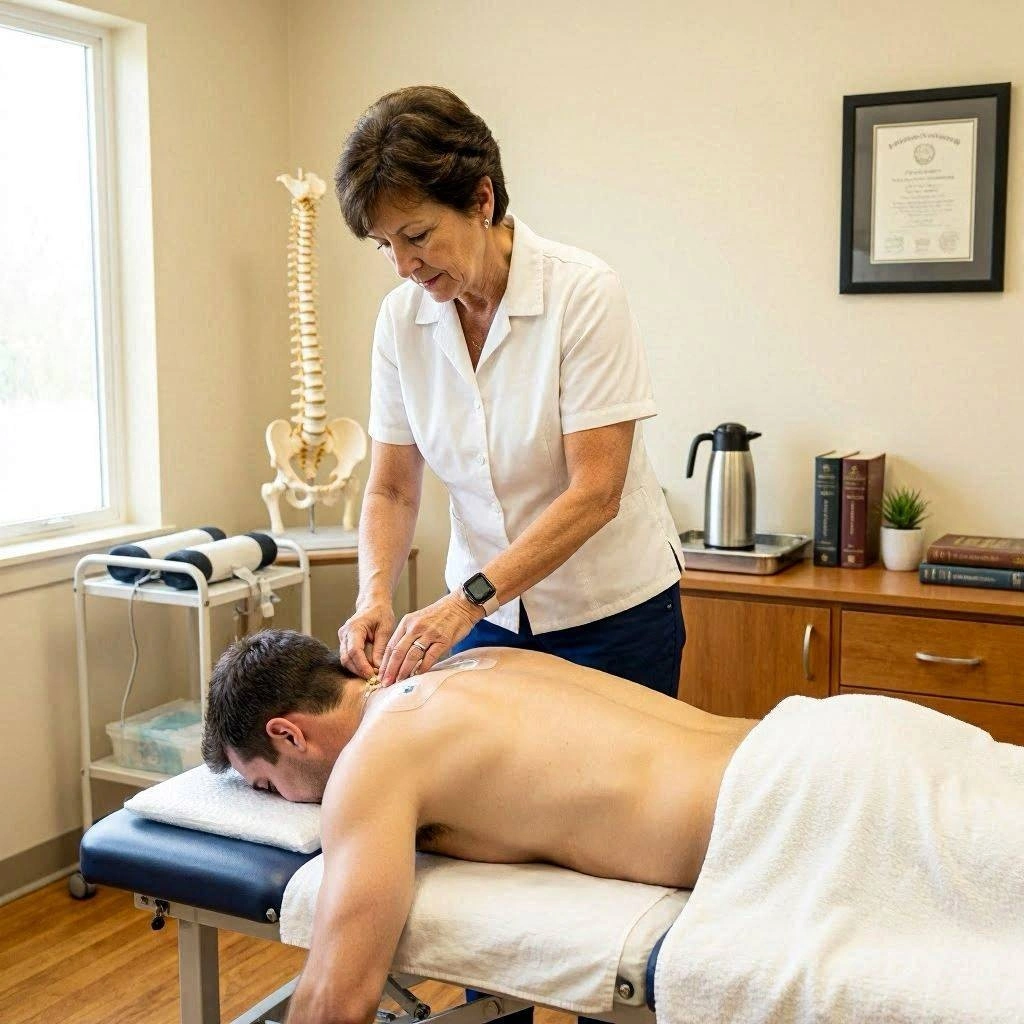
During treatment, an osteopath may use several manual techniques. These can include massage, stretching, joint mobilization, soft-tissue work, and other forms of manual therapy.
The exact approach depends on the individual’s symptoms, medical history, physical findings, goals, and tolerance.
Osteopathy should not be viewed as a single technique. Instead, it represents a clinical approach that may combine assessment, hands-on treatment, movement advice, and self-management strategies.
The goal is usually to help a person move more comfortably and return to normal activities rather than simply provide temporary relief.
How Does Osteopathy Treatment Work?
The mechanisms behind manual therapy are more complex than simply “putting a joint back into place.”
Pain can involve muscles, joints, nerves, the nervous system, previous injuries, stress, sleep, activity levels, and many other factors. Therefore, treatment may influence symptoms through several pathways.
For example, hands-on treatment can temporarily reduce muscle tension or make movement feel easier. It may also help a person become more confident with movement after an injury.
In addition, treatment can give someone an opportunity to learn better movement strategies and gradually increase physical activity.
For this reason, a modern treatment plan often combines hands-on techniques with active rehabilitation.
Exercise remains important for many musculoskeletal conditions. For example, NHS guidance for osteoarthritis emphasizes regular exercise and strengthening, while manual therapy can sometimes help maintain joint mobility.
Conditions That May Benefit From Osteopathy Treatment
Osteopathy is mainly associated with musculoskeletal conditions. These include problems involving the muscles, joints, ligaments, tendons, and other structures responsible for movement.
Depending on the individual’s assessment, Osteopathy Treatment may be considered for:
- Lower back pain
- Neck pain
- Shoulder pain
- Hip pain
- Knee pain
- Joint stiffness
- Muscle tension
- Sports injuries
- Repetitive strain problems
- Work-related musculoskeletal pain
- Some types of headaches associated with neck problems
- Movement restrictions
- Recovery after certain injuries
- Some problems affecting the pelvis and lower limbs
Evidence does not support using osteopathy for every health condition. NHS information notes that evidence is limited or absent for conditions outside the musculoskeletal system, including several non-musculoskeletal disorders.
Therefore, the treatment should match the actual problem rather than assuming that osteopathy can treat unrelated medical conditions.
Osteopathy Treatment for Back Pain
Back pain represents one of the most common reasons people seek hands-on musculoskeletal treatment.
Lower back pain can develop for many reasons. Muscle strain, prolonged inactivity, repetitive movement, poor lifting technique, previous injury, joint irritation, and other factors can contribute to symptoms.
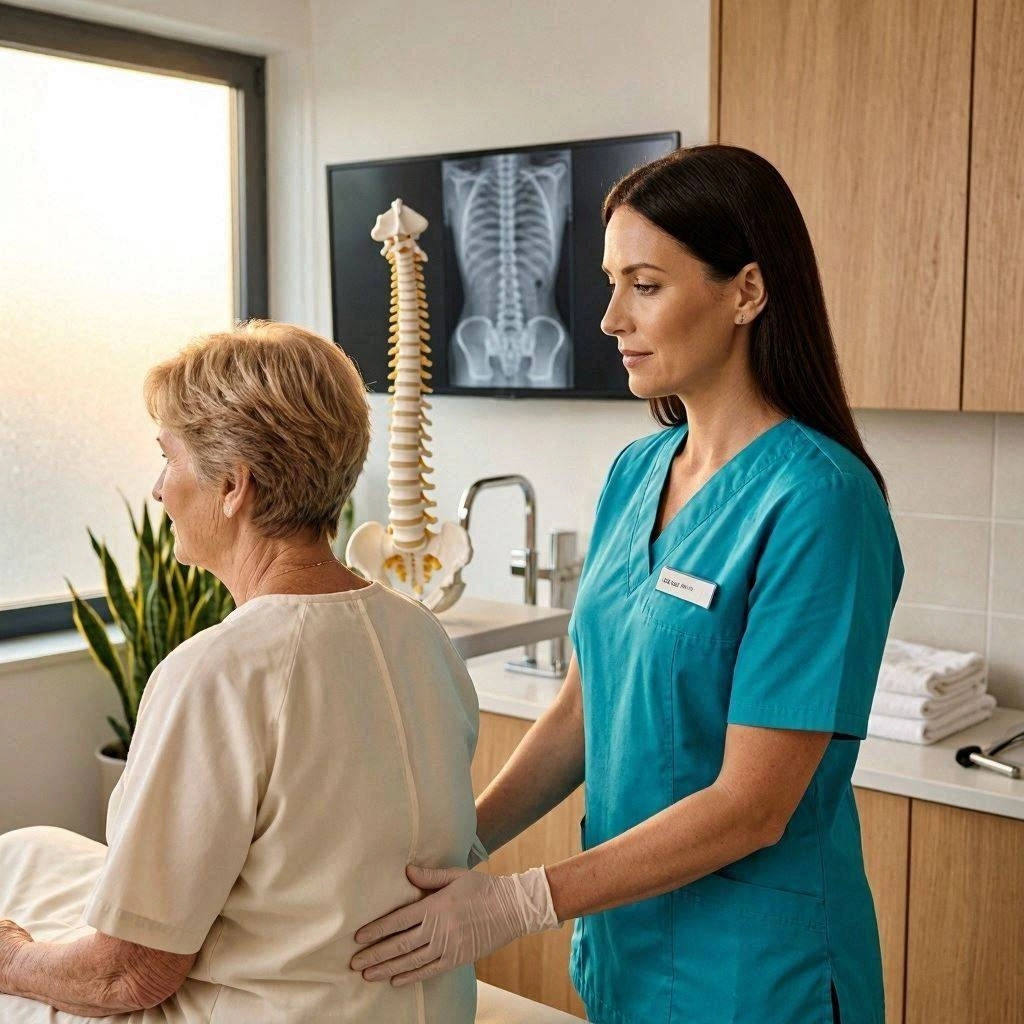
An osteopath may assess spinal movement, hip mobility, muscle tension, posture, and functional movement.
Treatment might include gentle soft-tissue work, joint mobilization, stretching, and movement recommendations.
However, hands-on treatment should usually work alongside an active recovery plan.
Staying active can help many people with back pain. Long periods of bed rest or complete inactivity can make returning to normal movement more difficult.
For persistent or recurrent back pain, a broader rehabilitation plan may include strengthening, aerobic activity, mobility exercises, education, and changes to daily activities.
Research summarized by NCCIH indicates that osteopathic or spinal manipulation may help some people with back pain, although the evidence has limitations and does not mean that every person will experience the same result.
Osteopathy Treatment for Neck Pain
Neck pain can develop after prolonged computer use, awkward sleeping positions, repetitive activities, sports, or injury.
Some people experience stiffness, reduced range of motion, muscle tightness, or pain when turning the head.
Osteopathy Treatment may involve assessment of the neck, upper back, shoulders, and surrounding muscles.
A practitioner may use gentle manual techniques to improve comfortable movement and reduce muscular tension.
However, neck treatment requires appropriate screening. Not every neck problem represents a simple musculoskeletal issue.
Symptoms such as significant weakness, progressive numbness, severe unexplained pain, loss of coordination, dizziness associated with certain movements, or symptoms following significant trauma require appropriate medical assessment.
For ordinary mechanical neck pain, an individualized combination of movement, strengthening, education, and symptom management may provide a more sustainable strategy than relying only on passive treatment.
Osteopathy Treatment for Shoulder Pain
Shoulder pain can come from several different conditions, including tendon problems, joint irritation, muscle weakness, movement limitations, and injuries.
Because the shoulder depends on coordinated movement between the shoulder joint, shoulder blade, upper back, and surrounding muscles, assessment should consider the entire movement system.
Osteopathy Treatment may help address soft-tissue tension and mobility restrictions.
For example, an osteopath may assess the shoulder blade, upper back, neck, and shoulder joint before selecting appropriate techniques.
Nevertheless, strengthening often plays an important role in shoulder rehabilitation.
A treatment plan may gradually introduce movements that improve shoulder strength, endurance, control, and confidence.
If shoulder pain started after a significant injury, caused obvious deformity, or produced major weakness or inability to use the arm, medical evaluation may be necessary.
Osteopathy Treatment for Hip and Knee Pain
Hip and knee problems can affect walking, stairs, exercise, work, and daily activities.
Osteopathy Treatment may be used to address mobility restrictions and soft-tissue discomfort around these areas.
For example, treatment may focus on the hip, pelvis, thigh, lower leg, and surrounding muscles depending on the assessment.
However, joint pain does not always require hands-on treatment.
For osteoarthritis, regular physical activity and strengthening remain important components of symptom management. NHS guidance specifically identifies exercise as one of the most important treatments for osteoarthritis.
Therefore, an effective treatment strategy may combine manual therapy with exercise, weight management where appropriate, activity modification, and other evidence-based options.
Osteopathy Treatment for Sports Injuries
Athletes frequently experience muscle strains, joint irritation, tendon problems, and movement-related injuries.
After an injury, the initial goal involves controlling symptoms and protecting the affected area appropriately. Later, rehabilitation focuses on restoring movement, strength, endurance, coordination, and confidence.
An osteopath may contribute to this process through manual treatment and movement assessment.
For example, treatment might address stiffness surrounding an injured region while rehabilitation exercises progressively rebuild capacity.
However, athletes should avoid using manual therapy as a substitute for proper injury diagnosis.
A suspected fracture, significant ligament injury, major muscle tear, dislocation, or severe trauma requires appropriate assessment.
Once serious injuries have been excluded, gradual rehabilitation can help an athlete return to training safely.
What Happens During an Osteopathy Treatment Session?
A first session generally begins with a detailed conversation.
The osteopath may ask about:
- Your main symptoms
- When the symptoms began
- Previous injuries
- Medical history
- Current medications
- Daily activities
- Work requirements
- Exercise habits
- Sleep
- Previous treatments
- Factors that improve or worsen symptoms
The practitioner may then perform a physical assessment.
This assessment can include observing movement, checking joint mobility, assessing muscle function, and evaluating how the symptoms affect everyday activities.
The osteopath should also consider whether the symptoms require referral to another healthcare professional.
After the assessment, the practitioner can explain the findings and discuss treatment options.
Treatment may involve manual techniques, movement advice, exercises, or recommendations for modifying activities.
A good session should give you a clearer understanding of your symptoms and what you can do between appointments.
Techniques Used in Osteopathy Treatment
Osteopaths can use several different manual approaches.
Soft-Tissue Techniques
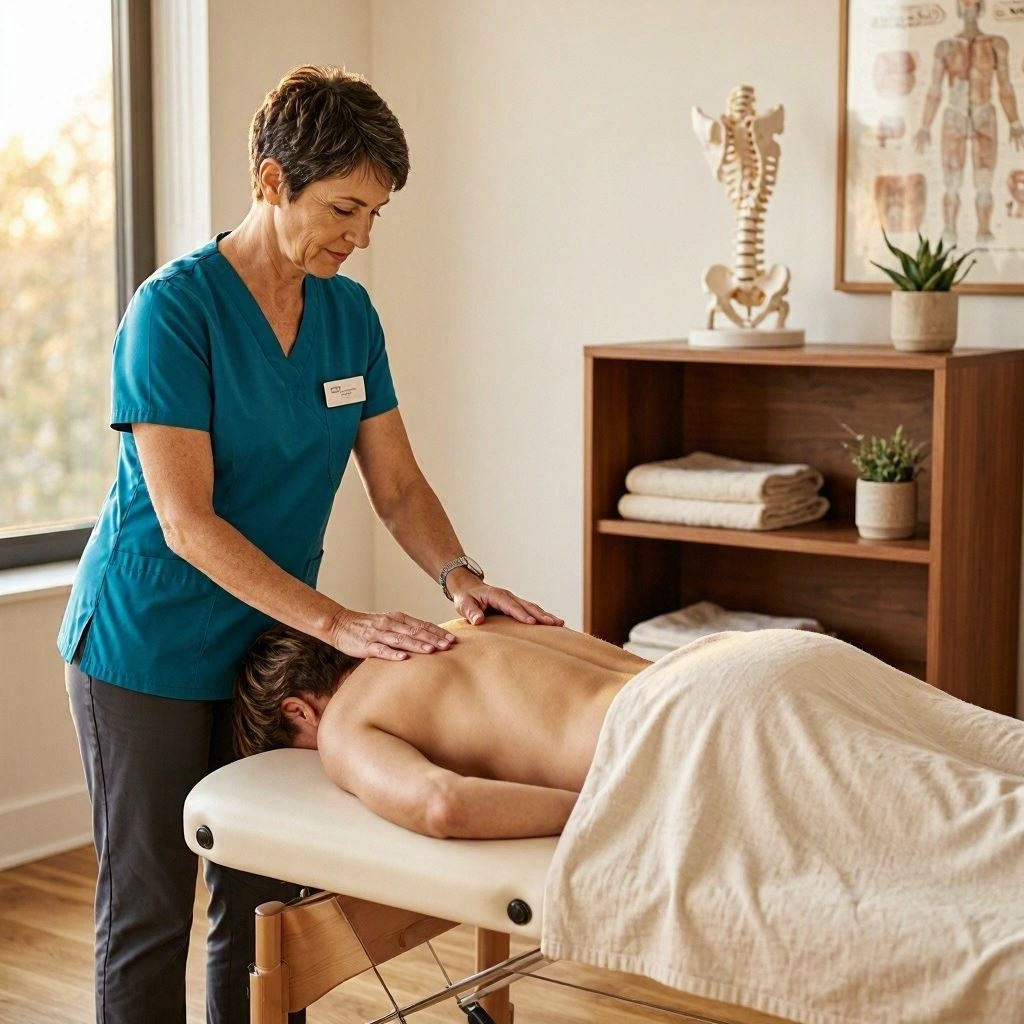
Soft-tissue techniques involve working with muscles and other soft tissues.
The practitioner may use pressure, massage-like movements, stretching, or other techniques to address areas of muscular tension.
These approaches may help some people feel less stiff or more comfortable.
Joint Mobilization
Joint mobilization involves controlled movements applied to a joint.
The goal may include improving comfortable movement or reducing stiffness.
The technique and intensity should match the individual’s condition and tolerance.
Stretching
Stretching may form part of treatment when restricted flexibility contributes to movement difficulties.
However, stretching does not automatically benefit every painful condition.
The practitioner should select exercises according to the individual’s symptoms and functional goals.
Massage
Massage can help some people manage muscular discomfort and may temporarily improve relaxation and perceived stiffness.
However, massage should not replace rehabilitation when strength or movement control represents a major part of the problem.
Movement Education
An important component of modern musculoskeletal care involves helping patients understand how to move safely and confidently.
An osteopath may recommend changes to sitting, lifting, exercise, work activities, or daily movement.
Benefits of Osteopathy Treatment
Potential benefits vary from person to person.
Some people seek Osteopathy Treatment because they want to reduce pain and improve movement without relying entirely on medication.
Potential benefits may include:
- Reduced musculoskeletal discomfort
- Improved mobility
- Reduced feelings of stiffness
- Better tolerance for physical activity
- Improved confidence with movement
- Temporary reduction in muscle tension
- Support during rehabilitation
- Better understanding of movement-related symptoms
- Individualized self-management advice
However, these benefits should not be presented as guaranteed outcomes.
NCCIH notes that evidence for complementary approaches to chronic pain varies, and some approaches may provide modest benefits rather than complete symptom elimination.
The best treatment plan depends on the specific diagnosis, the individual’s goals, and the overall clinical picture.
Is Osteopathy Treatment Safe?
Osteopathy can be appropriate for many people when performed by a properly trained practitioner who screens for contraindications.
Still, manual treatment carries some risks.
People may experience temporary soreness, stiffness, or discomfort after treatment.
More importantly, some individuals should receive medical advice before undergoing certain forms of manual therapy.
NHS guidance advises caution for people taking blood-thinning medication, those at increased risk of bleeding or stroke, people with very weak or seriously damaged bones or joints, and people with certain nerve conditions.
Pregnant people should also seek appropriate advice and choose a practitioner experienced in treating pregnancy-related musculoskeletal problems.
Always provide the practitioner with a complete medical history and information about medications.
When Should You Avoid Relying Only on Osteopathy?
Osteopathy should not delay appropriate medical evaluation.
Seek medical advice when symptoms are severe, unexplained, persistent, rapidly worsening, or associated with other concerning signs.
You may need urgent assessment after significant trauma or when symptoms involve:
- Severe or rapidly worsening weakness
- Loss of sensation
- New bladder or bowel problems
- Numbness around the groin or saddle region
- Severe unexplained pain
- Fever with significant pain
- Unexplained weight loss alongside persistent symptoms
- Major swelling or deformity
- Loss of consciousness
- Chest pain
- Severe shortness of breath
These symptoms can indicate conditions that require medical investigation rather than routine manual therapy.
Osteopathy Treatment vs Physiotherapy
People sometimes ask whether osteopathy or physiotherapy provides better treatment.
There is no universal answer because both professions can use different techniques depending on the practitioner, the patient’s condition, and the treatment goals.
Physiotherapy often places strong emphasis on exercise, functional rehabilitation, strength, mobility, education, and return to activity.
Osteopathy commonly emphasizes hands-on assessment and treatment, although modern osteopathic care can also include exercise and self-management.
There is considerable overlap between manual techniques used by osteopaths and those used by physiotherapists and other musculoskeletal professionals.
Therefore, the more useful question may involve identifying which treatment approach fits your condition, goals, preferences, and access to appropriate professional care.
For many musculoskeletal conditions, an active rehabilitation program can provide an important foundation.
Osteopathy Treatment vs Massage Therapy
Massage primarily focuses on manipulating soft tissues.
Osteopathy can include massage-like techniques, but it may also involve joint assessment, mobility work, movement assessment, and individualized exercise advice.
Someone experiencing general muscle tension may prefer massage for relaxation or short-term comfort.
However, someone dealing with persistent pain, restricted movement, or a recurring injury may need a broader clinical assessment.
Neither approach should automatically be considered superior.
The appropriate choice depends on the reason for treatment and whether the practitioner can safely address the problem.
Osteopathy Treatment and Exercise
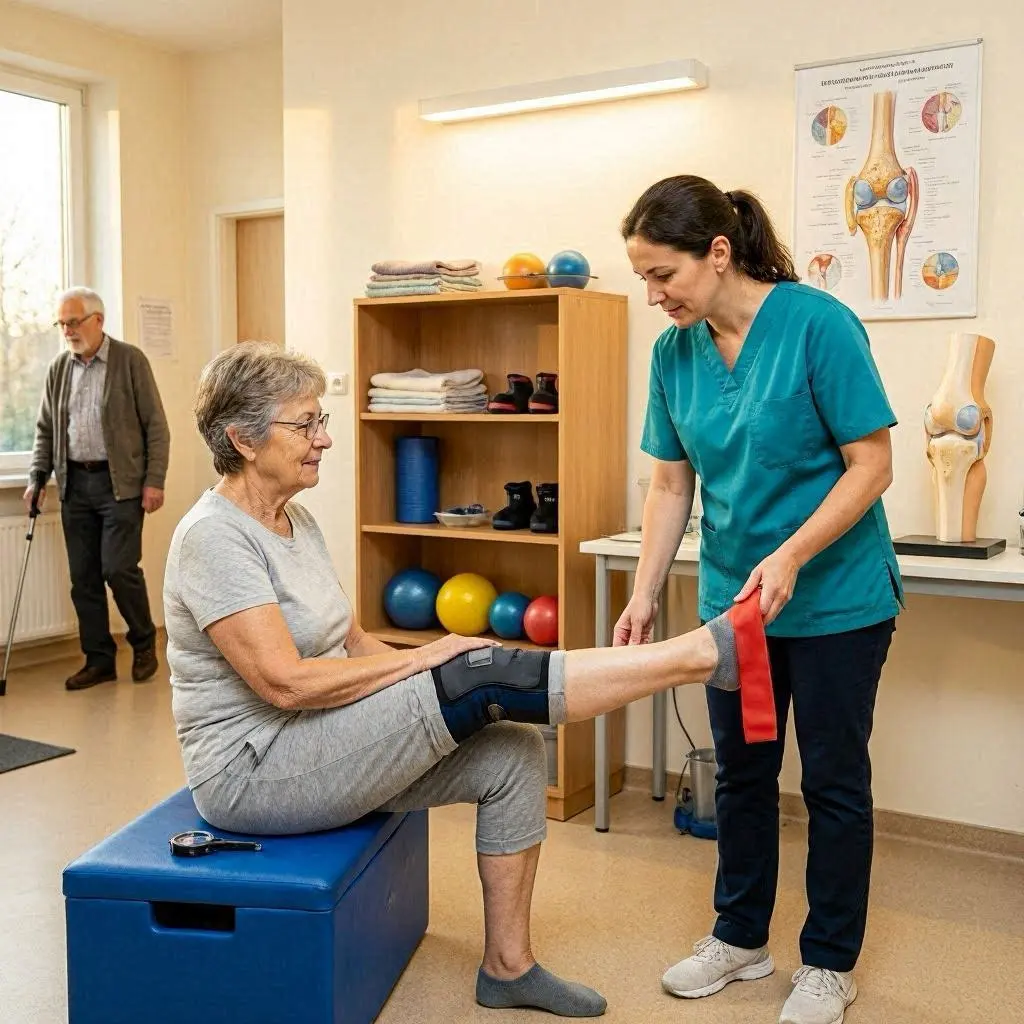
Exercise can make a major difference in musculoskeletal recovery.
Manual therapy may help someone move more comfortably, but exercise can help build the physical capacity needed for daily life and sport.
For example, someone recovering from back pain may gradually work on:
- Walking
- Core endurance
- Hip strength
- Mobility
- General aerobic fitness
- Functional lifting
- Postural endurance
Someone recovering from a shoulder problem may gradually develop:
- Shoulder strength
- Rotator cuff capacity
- Scapular control
- Range of motion
- Functional reaching ability
The specific exercises should match the condition.
Importantly, exercise should progress gradually rather than forcing painful movements too aggressively.
How Many Osteopathy Treatment Sessions Do You Need?
There is no universal number of sessions.
Some people may experience improvement after a small number of appointments, while others with persistent or recurrent problems may need longer-term rehabilitation.
The appropriate duration depends on:
- The cause of symptoms
- How long symptoms have existed
- Severity
- Previous injuries
- General health
- Physical activity
- Work demands
- Response to treatment
- Ability to follow a home program
A practitioner should periodically reassess progress.
If repeated passive treatments produce little improvement, the treatment strategy may need to change.
For example, the plan could shift toward exercise, medical assessment, pain management, or another appropriate healthcare service.
What Should You Do Between Osteopathy Sessions?
Your actions between appointments can strongly influence recovery.
First, follow the activity recommendations provided by your healthcare professional.
Second, avoid suddenly increasing exercise volume after a period of inactivity.
Third, take regular movement breaks if you spend many hours sitting.
Fourth, gradually strengthen the muscles involved in your daily activities.
Sleep also matters. Poor sleep can make pain feel more difficult to manage and can reduce your ability to exercise consistently.
Nutrition, general physical activity, stress management, and healthy lifestyle habits can also contribute to long-term wellbeing.
In other words, Osteopathy Treatment should ideally become part of a broader strategy rather than the only thing you do for recovery.
Osteopathy Treatment for Office Workers
Long hours at a desk can contribute to neck, shoulder, and back discomfort.
However, sitting itself does not automatically damage the spine.
Instead, problems often arise when people remain in the same position for long periods without enough movement or when their work demands exceed their physical capacity.
An osteopath may provide advice about:
- Desk setup
- Monitor position
- Keyboard and mouse placement
- Movement breaks
- Sitting tolerance
- Exercise
- Strengthening
- Work habits
The goal should not be to find one “perfect” posture.
Instead, changing positions regularly and developing physical capacity can help reduce the burden associated with prolonged static work.
Osteopathy Treatment for Older Adults
Older adults can experience joint stiffness, osteoarthritis, reduced strength, balance difficulties, and mobility limitations.
Osteopathy may sometimes contribute to musculoskeletal care, but practitioners should consider age-related changes and medical conditions carefully.
For example, people with osteoporosis or fragile bones may require additional precautions.
Exercise also becomes increasingly important with age because maintaining strength and balance can support independence.
Therefore, treatment should prioritize safety, function, and realistic goals.
Osteopathy Treatment During Pregnancy
Pregnancy can change posture, joint loading, muscle demands, and movement patterns.
Some people experience back, pelvic, or hip discomfort during pregnancy.
Manual treatment may be considered in some circumstances, but pregnancy requires appropriate screening and modifications.
NHS guidance recommends discussing osteopathy with a GP or midwife during pregnancy and choosing an osteopath who has experience with pregnancy-related musculoskeletal problems.
A practitioner should adapt positioning and treatment techniques according to the stage of pregnancy and individual circumstances.
Choosing an Osteopath
Choosing a qualified practitioner matters.
Before booking an appointment, consider:
- Professional registration
- Training and qualifications
- Experience with your condition
- Communication style
- Treatment approach
- Safety screening
- Willingness to coordinate with other healthcare professionals
- Use of exercise and self-management strategies
In the UK, osteopaths must be registered with the General Osteopathic Council to legally practise as osteopaths.
If you live elsewhere, check the professional regulatory requirements that apply in your country or region.
Questions to Ask Before Starting Osteopathy Treatment
Before your first appointment, you can ask:
- What experience do you have treating my condition?
- What will the initial assessment involve?
- What techniques might you use?
- Are there any reasons I should not receive manual treatment?
- Will you recommend exercises?
- How will we measure progress?
- What should I do if symptoms become worse?
- When should I seek medical assessment?
- How many appointments might I initially need?
- Will you work with my doctor or physiotherapist if necessary?
These questions can help you understand the treatment plan before you begin.
Common Misconceptions About Osteopathy Treatment
Several misconceptions surround manual therapy.
Osteopathy Can Fix Every Problem
Osteopathy primarily addresses musculoskeletal problems. It should not be promoted as a universal treatment for unrelated medical conditions.
Pain Means Something Is Out of Place
Pain does not always mean that a bone or joint has physically moved out of position.
Pain involves a complex interaction between tissues, the nervous system, movement, previous experiences, and other factors.
More Force Means Better Treatment
Aggressive treatment does not automatically produce better results.
A skilled practitioner should choose techniques according to the individual’s condition and tolerance.
You Should Continue Treatment Forever
Ongoing treatment may benefit some people, but repeated sessions should have a clear purpose.
If symptoms improve, the focus can often shift toward self-management, exercise, and maintaining function.
Manual Therapy Is Enough
Hands-on treatment can be useful, but many musculoskeletal problems also require strengthening, mobility work, education, and changes in activity.
How to Improve the Results of Osteopathy Treatment
You can make your treatment more useful by actively participating in the recovery process.
First, explain your symptoms accurately.
Second, tell the practitioner what activities you want to return to.
Third, follow your exercise recommendations consistently.
Fourth, track changes in pain and function.
Fifth, communicate if a technique increases symptoms significantly.
Finally, understand that recovery may involve gradual progress rather than immediate pain elimination.
For example, instead of measuring success only by pain intensity, consider whether you can walk farther, sleep better, work more comfortably, exercise more consistently, or perform daily activities with greater confidence.
Functional improvement can provide a more meaningful measure of recovery.
When to Consider Another Healthcare Professional
Sometimes another healthcare professional may provide a more appropriate service.
A doctor may be necessary when symptoms require medical diagnosis or medication management.
A physiotherapist may provide structured exercise-based rehabilitation.
An orthopedic specialist may assess significant structural injuries.
A neurologist may become relevant when symptoms involve neurological problems.
A pain specialist may help with persistent complex pain.
A podiatrist may assess certain foot and lower-limb problems.
NHS musculoskeletal services can also provide assessment and access to different types of care depending on local availability.
Good healthcare involves choosing the appropriate service rather than assuming that one treatment can solve every problem.
Frequently Asked Questions About Osteopathy Treatment
What is Osteopathy Treatment?
Osteopathy Treatment is a hands-on approach primarily used for musculoskeletal problems. It may include soft-tissue techniques, joint mobilization, stretching, movement advice, and exercises.
Does Osteopathy Treatment help back pain?
Osteopathy may help some people with back pain, particularly when manual treatment forms part of a broader management plan. Evidence varies, so results differ between individuals.
Is Osteopathy Treatment painful?
Treatment should generally remain within a tolerable range. Some people may experience temporary soreness afterward. Tell the practitioner if treatment causes significant or worsening pain.
How long does an osteopathy appointment take?
Appointment length varies between clinics and practitioners. The first appointment often takes longer because it includes a history and physical assessment.
Can osteopathy treat sciatica?
Osteopathy may be considered as part of musculoskeletal management for some people with sciatica. However, significant neurological symptoms require appropriate medical assessment.
Can osteopathy help neck pain?
It may help some types of mechanical neck pain. Treatment should begin with an appropriate assessment, especially when symptoms include neurological signs or follow significant trauma.
Can I exercise after Osteopathy Treatment?
In many cases, appropriate movement and exercise form an important part of recovery. However, the amount and intensity should depend on your condition and the advice of your healthcare professional.
Is osteopathy the same as physiotherapy?
No. The professions differ in training and clinical approach, although there can be considerable overlap in manual therapy and rehabilitation techniques.
Is osteopathy safe?
Osteopathy can be appropriate for many people, but it is not suitable for everyone. Certain medical conditions and medications can increase risk, so provide a complete medical history before treatment.
How many Osteopathy Treatment sessions will I need?
There is no standard number. Your treatment duration depends on the condition, symptoms, goals, and response to care.
Can osteopathy treat arthritis?
Osteopathy may help address some musculoskeletal symptoms associated with arthritis, but arthritis management usually involves broader strategies such as exercise, activity management, and other appropriate treatments.
Should I see an osteopath for persistent pain?
Persistent pain deserves an appropriate assessment. An osteopath may be part of your care plan, but you should not rely on manual therapy alone when symptoms persist, worsen, or include concerning signs.
Final Thoughts on Osteopathy Treatment
Osteopathy Treatment can provide a useful option for people experiencing certain musculoskeletal problems, including back pain, neck pain, joint stiffness, muscle tension, and some sports injuries.
The treatment may include hands-on techniques such as soft-tissue work, massage, stretching, and joint mobilization. However, effective care should go beyond passive treatment when rehabilitation requires strength, mobility, physical conditioning, or changes in daily activity.
The evidence also varies by condition. Some research suggests that osteopathic or spinal manipulation may provide benefits for certain people with back pain and other musculoskeletal complaints, while evidence remains limited for many other conditions.
For that reason, the most useful approach involves individualized assessment and realistic treatment goals.
If you are considering Osteopathy Treatment, choose a properly qualified practitioner, explain your medical history, and ask how the treatment will support your specific goals. Most importantly, seek appropriate medical evaluation when symptoms are severe, unusual, persistent, or associated with neurological or other warning signs.
When used appropriately, osteopathy can form one part of a broader musculoskeletal recovery plan that combines professional assessment, movement, exercise, education, and self-management.