Chiropractic Movement Therapy: Complete Guide to Better Movement, Mobility, and Function
Movement is one of the most important parts of everyday life. Walking, sitting, standing, bending, reaching, lifting, exercising, working, and participating in sports all require coordinated movement between the spine, joints, muscles, and nervous system. When pain, stiffness, injury, muscle tension, or reduced mobility changes the way a person moves, even simple activities can become uncomfortable or difficult. Chiropractic Movement Therapy is a movement-focused approach to chiropractic care that looks beyond a single painful area. Instead, it considers how joint mobility, muscle function, flexibility, posture, strength, balance, and movement patterns can influence physical function.
At Ritz Clinic, chiropractic care is individualized according to a patient’s symptoms, physical condition, lifestyle, activity level, and recovery goals. Depending on the assessment, treatment may include joint mobilization, spinal techniques, soft tissue therapy, stretching, therapeutic exercise, movement education, and functional rehabilitation.
The goal is not simply to make a joint move farther. Instead, the broader objective is to help people move with greater comfort, control, confidence, and physical capacity during the activities that matter to them.
What Is Chiropractic Movement Therapy?
Chiropractic Movement Therapy refers to a movement-oriented approach to chiropractic treatment that focuses on improving how the body moves and functions.
Traditional descriptions of chiropractic care often emphasize manual techniques such as spinal manipulation. However, modern chiropractic care can include several different approaches. According to the National Center for Complementary and Integrative Health (NCCIH), chiropractic care commonly involves manual therapy and may also include exercise and other supportive strategies.
Movement-focused chiropractic care can therefore combine hands-on treatment with active rehabilitation.
Depending on the patient’s needs, a treatment plan may include:
- Joint mobilization
- Spinal manipulation when appropriate
- Soft tissue techniques
- Stretching
- Mobility exercises
- Strengthening exercises
- Balance training
- Postural education
- Functional movement exercises
- Ergonomic guidance
- Activity modification
- Home exercises
The exact combination should not be the same for everyone. A chiropractor can first assess the patient’s symptoms, medical history, movement limitations, physical capacity, and goals. Treatment can then be adjusted according to the findings.
At Ritz Clinic’s Chiropractic Therapy, chiropractic care is described as an individualized service designed to support mobility, movement, and musculoskeletal health.
Why Is Movement Important for Physical Health?
The human body is designed to move.
Regular movement helps people maintain physical capacity and perform daily activities. However, movement quality is not simply about flexibility. A person also needs adequate strength, coordination, balance, endurance, and control.
For example, someone may have enough shoulder flexibility to raise an arm but still struggle to lift an object because the muscles cannot control the movement effectively.
Similarly, someone may have good hip mobility but experience difficulty running because of limited strength, balance, or coordination.
This is why movement-focused care considers several physical qualities together.
Important components include:
- Mobility
- Flexibility
- Strength
- Balance
- Coordination
- Endurance
- Movement control
- Joint function
- Physical confidence
When these qualities work together, everyday movements can become more efficient and manageable.
How Does Chiropractic Movement Therapy Work?
Chiropractic Movement Therapy usually begins with an assessment rather than immediate treatment.
The chiropractor may ask questions about:
- Current symptoms
- Previous injuries
- Medical history
- Work activities
- Exercise habits
- Sports participation
- Daily activities
- Previous treatment
- Lifestyle
- Recovery goals
The physical assessment may then examine:
- Joint mobility
- Range of motion
- Muscle strength
- Flexibility
- Balance
- Posture
- Coordination
- Movement patterns
- Functional abilities
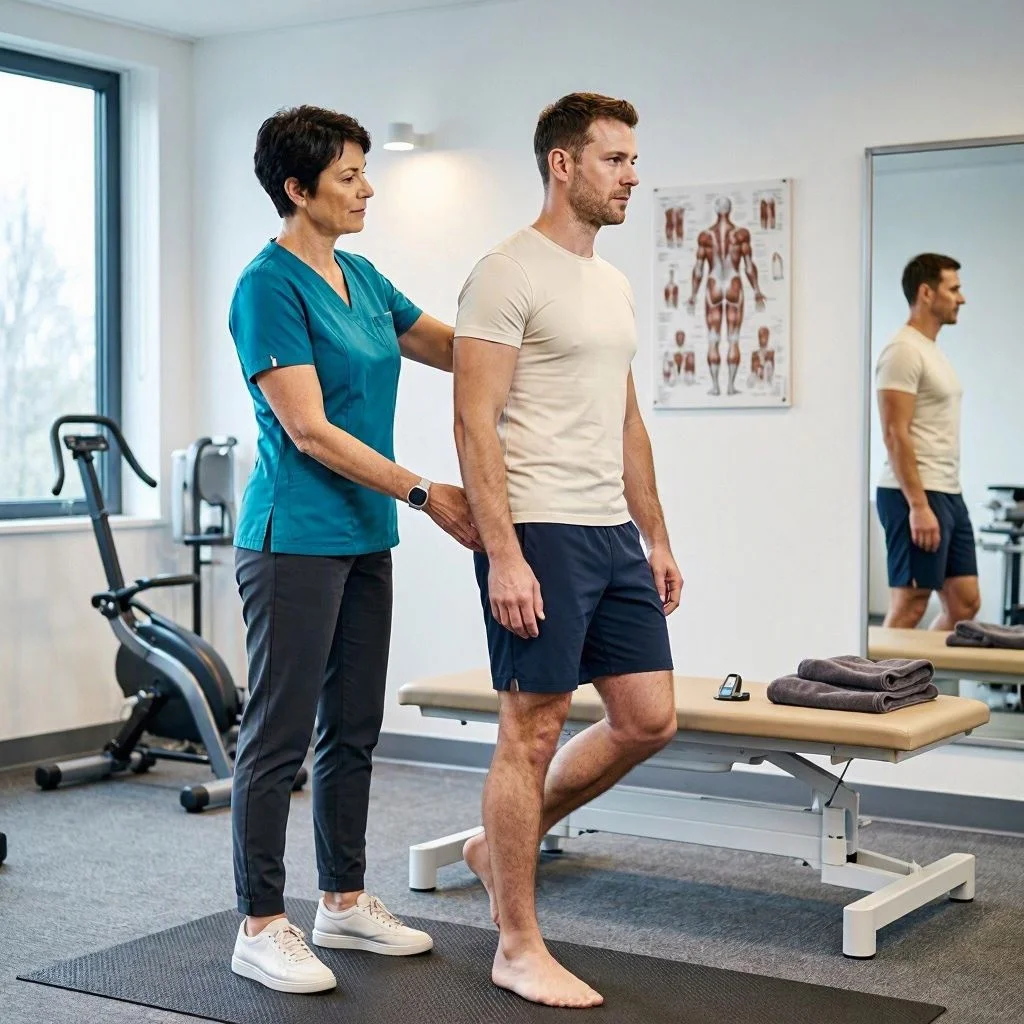
For example, if someone reports discomfort while bending, the chiropractor may assess movement through the lower back, hips, pelvis, and legs rather than focusing exclusively on the painful area.
The purpose is to understand how different parts of the body contribute to the movement.
Once the assessment is complete, the chiropractor can select appropriate treatment strategies.
A treatment plan may begin with gentle mobility work and symptom management. As movement becomes more comfortable, strengthening and functional exercises may be introduced.
Progress can then be monitored and the program modified when necessary.
Chiropractic Movement Therapy and Joint Mobility
Joint mobility refers to the ability of a joint to move through an appropriate range of motion.
Stiffness can develop for many reasons. An injury, prolonged inactivity, repetitive activity, muscle tension, or changes in movement habits may all affect how a person moves.
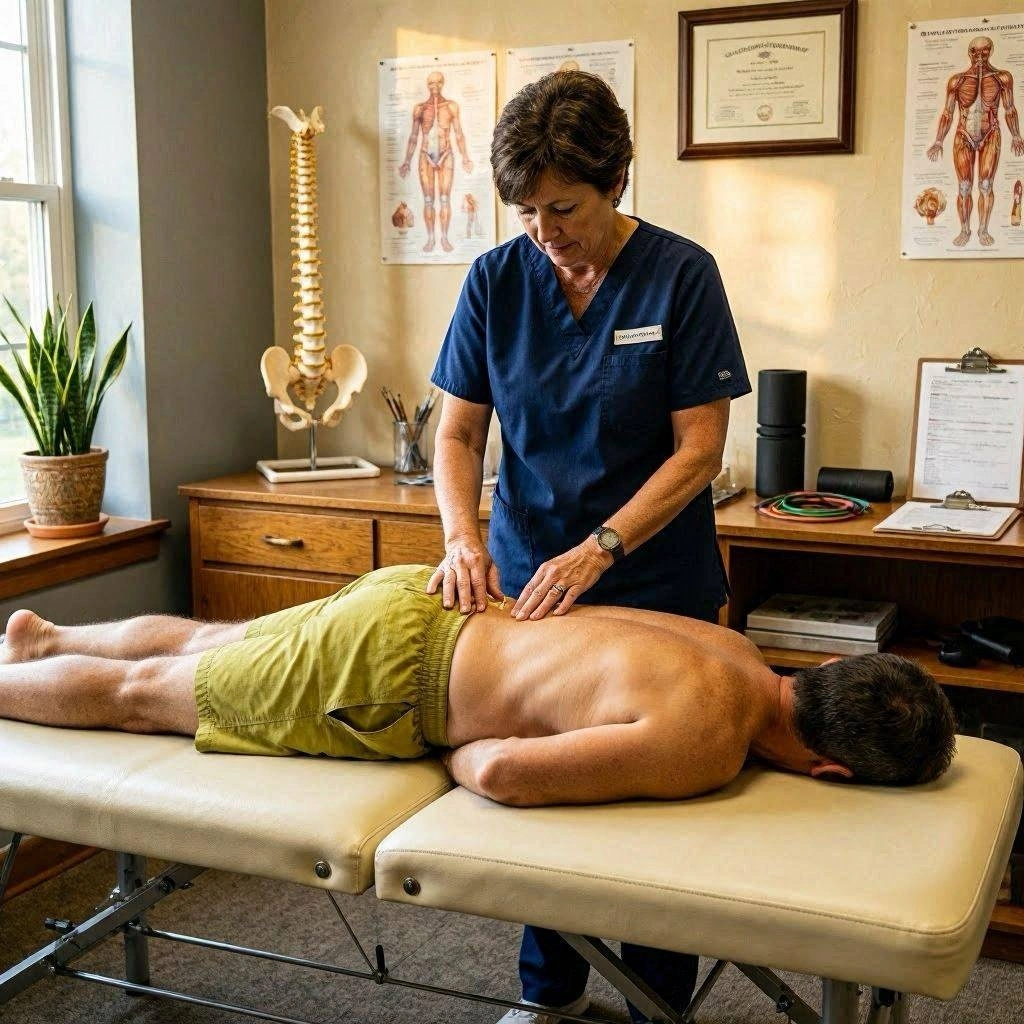
Joint mobilization is one technique that may be used within chiropractic care.
Unlike spinal manipulation, mobilization generally involves controlled movement of a joint without the same type of rapid thrust. NCCIH distinguishes spinal mobilization from spinal manipulation in this way. Mobilization is performed within a joint’s natural range and can be controlled more gradually.
A chiropractor may consider joint mobilization when restricted movement appears relevant to the patient’s symptoms or functional limitations.
For example, someone with limited ankle mobility may have difficulty squatting, climbing stairs, or walking comfortably. Treatment could combine appropriate joint mobility work with calf stretching, strengthening, balance exercises, and functional movement.
This illustrates an important principle: mobility treatment should connect to function.
The Difference Between Mobility and Flexibility
Mobility and flexibility are related, but they are not identical.
Flexibility generally describes how much a muscle or group of muscles can lengthen. Mobility is broader and includes the ability to actively and comfortably control movement around a joint.
For example, a person might be able to stretch their hamstrings significantly but still have difficulty controlling a deep squat.
That person may have reasonable flexibility but limited functional mobility.
Chiropractic Movement Therapy can therefore consider both passive flexibility and active movement.
Treatment may involve:
- Stretching
- Active mobility exercises
- Strengthening
- Joint mobilization
- Movement control
- Functional exercises
The goal is to help patients use their available range of motion effectively.
Strength and Mobility Work Together
Improving mobility without developing strength and control does not always improve function.
Consider a person recovering from shoulder stiffness. Increasing shoulder range of motion may be useful, but the person may still struggle to place an object on a high shelf if the shoulder muscles lack adequate strength and control.
Similarly, an athlete may have good hip flexibility but still experience difficulty during running or jumping if strength and coordination are limited.
For this reason, movement therapy can combine mobility work with progressive strengthening.
Depending on the individual, exercises may include:
- Squats
- Lunges
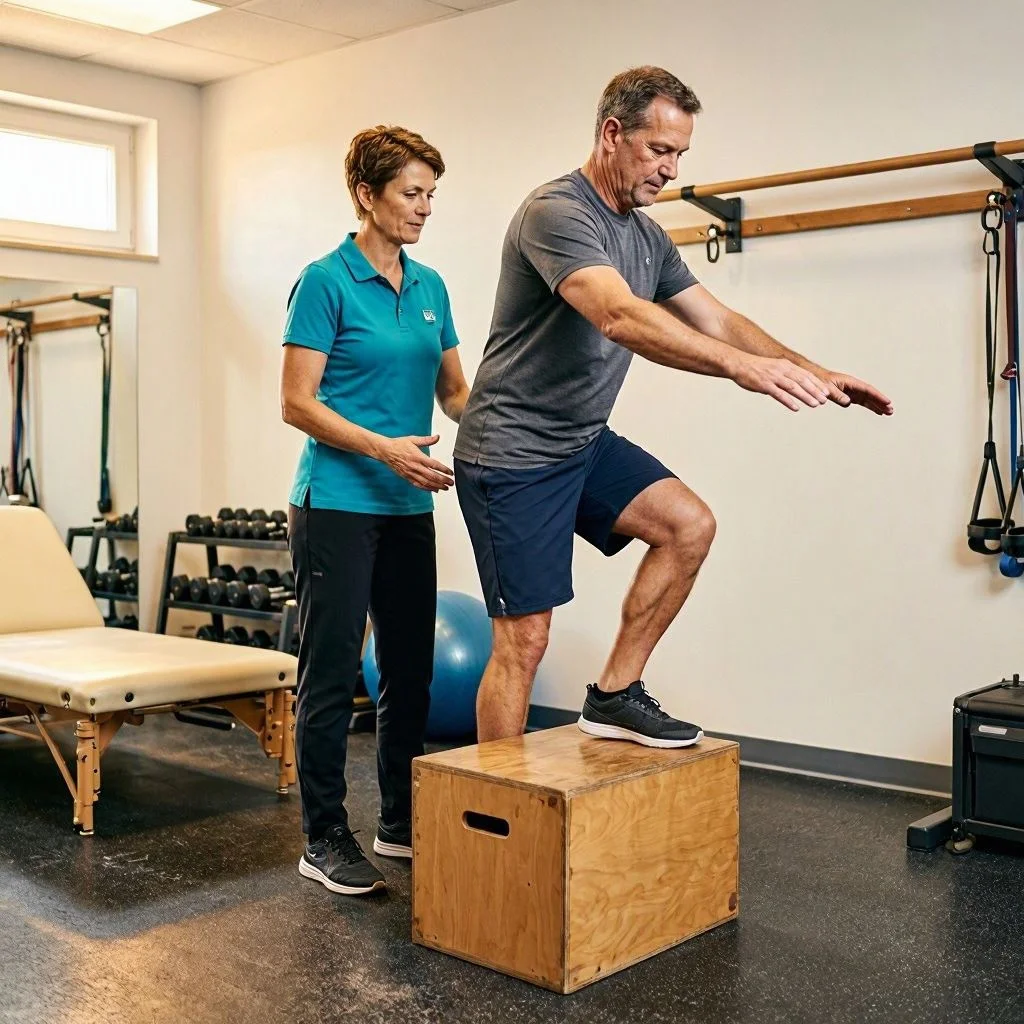
- Step-ups
- Resistance-band exercises
- Rows
- Core strengthening
- Calf raises
- Hip strengthening
- Shoulder strengthening
- Balance exercises
Exercises should be selected according to the person’s current physical ability.
As capacity improves, resistance, repetitions, range of motion, or movement complexity can gradually increase.
Chiropractic Movement Therapy for Back Pain
Back pain can significantly affect movement.
People with back discomfort may become cautious about bending, twisting, sitting, standing, walking, or lifting. In some cases, they may reduce their activity because they are concerned that movement will make their symptoms worse.
A movement-focused approach can evaluate how the back, hips, pelvis, and surrounding muscles contribute to functional movement.
Treatment may include:
- Joint mobilization
- Spinal manipulation when appropriate
- Mobility exercises
- Core strengthening
- Hip strengthening
- Stretching
- Movement education
- Activity guidance
- Functional exercises
Research summarized by NCCIH indicates that spinal manipulation is one of several non-drug approaches that may be used for low-back pain and can provide modest improvements in pain and function for some people. However, it is not appropriate as a universal treatment for every patient.
The most appropriate approach depends on the person’s symptoms, examination findings, health history, and goals.
For patients who require broader rehabilitation, chiropractic care may also be combined with physiotherapy when appropriate.
Chiropractic Movement Therapy for Neck and Shoulder Problems
Neck and shoulder movement can be affected by prolonged computer use, repetitive work, physical activity, injury, or other musculoskeletal factors.
A person may notice:
- Neck stiffness
- Difficulty turning the head
- Shoulder tightness
- Reduced overhead movement
- Upper-back stiffness
- Discomfort during prolonged sitting
- Difficulty exercising
A movement assessment can look beyond the neck itself.
The chiropractor may consider:
- Cervical mobility
- Thoracic movement
- Shoulder mobility
- Muscle strength
- Posture
- Workstation habits
- Exercise tolerance
- Movement patterns
Treatment can then be adjusted according to the findings.
NCCIH notes that manipulation or mobilization may help some people with acute or chronic neck pain, although the quality and consistency of evidence varies.
Therefore, treatment should remain individualized rather than assuming that one technique is appropriate for everyone.

Chiropractic Movement Therapy After an Injury
An injury can change the way a person moves.
Pain, swelling, weakness, stiffness, or fear of movement may cause someone to avoid using the affected area. Over time, this can reduce physical capacity.
A gradual rehabilitation approach can help reintroduce appropriate movement.
Depending on the injury, rehabilitation may progress through several stages:
1. Understanding the Current Limitation
The first step is identifying what movements or activities are currently difficult.
2. Managing Irritating Activities
Certain activities may temporarily need modification while the body recovers.
3. Restoring Comfortable Movement
Gentle mobility exercises can help reintroduce appropriate movement.
4. Building Strength
Progressive resistance exercises can help rebuild physical capacity.
5. Improving Balance and Coordination
These qualities can be particularly important after lower-limb injuries.
6. Increasing Activity Tolerance
The body can gradually be exposed to longer or more demanding activities.
7. Returning to Functional Activities
Exercises can become more similar to the person’s work, sport, or daily activities.
8. Returning to Normal Activity
The final goal is appropriate participation in meaningful activities while maintaining physical capacity.
For more information, see Ritz Clinic’s Injury Rehabilitation service.
Functional Movement Training in Chiropractic Care
Functional movement training focuses on physical abilities that have practical relevance.
Everyday activities require combinations of strength, mobility, balance, and coordination.
Examples include:
- Getting out of a chair
- Climbing stairs
- Squatting
- Bending
- Reaching
- Carrying
- Pushing
- Pulling
- Walking
- Turning
- Lifting
A movement-focused chiropractic program may use exercises that develop these physical qualities.
For example, squats can develop lower-body strength that supports activities such as standing, sitting, lifting, and climbing stairs.
Step-ups can help develop lower-body strength and balance.
Rows can develop upper-body pulling strength.
Core exercises can improve the ability to control the trunk during different activities.
The exercise does not have to exactly reproduce a daily activity. Instead, it should develop physical qualities that support that activity.
Chiropractic Movement Therapy and Posture
Posture is often discussed when people experience neck or back discomfort.
However, posture should not automatically be considered the single cause of pain.
The human body constantly changes position. Sitting, standing, walking, reaching, and bending all involve different positions.
Instead of trying to maintain one “perfect” posture throughout the day, movement-focused care can emphasize movement variety and physical capacity.
For someone who works at a desk, practical strategies may include:
- Adjusting the workstation
- Changing positions regularly
- Taking movement breaks
- Improving strength
- Working on mobility
- Alternating between sitting and standing when practical
- Avoiding prolonged periods in one position
This approach can be more realistic than attempting to hold one rigid posture for hours.
Chiropractic Movement Therapy and Sports
Athletes often require movement beyond normal daily activities.
Running, jumping, lifting, throwing, changing direction, and landing all require coordinated physical qualities.
A movement-focused chiropractic program can consider:
- Joint mobility
- Strength
- Balance
- Coordination
- Flexibility
- Movement control
- Training load
- Recovery
- Previous injuries
For example, a recreational runner may need adequate hip and ankle mobility combined with lower-body strength and control.
A weight-training athlete may require shoulder and thoracic mobility alongside strength and movement control.
Someone returning to soccer may need progressive running, balance, acceleration, deceleration, and change-of-direction exercises.
The progression should match the individual’s current capacity rather than moving immediately to the highest level of activity.
Chiropractic Movement Therapy and Physiotherapy
Chiropractic care and physiotherapy can sometimes complement one another.
Physiotherapy often places strong emphasis on:
- Therapeutic exercise
- Progressive strengthening
- Functional rehabilitation
- Balance
- Movement retraining
- Activity progression
Chiropractic care may include:
- Joint mobilization
- Spinal manipulation
- Soft tissue techniques
- Mobility work
- Movement education
- Therapeutic exercise
The appropriate combination depends on the patient’s needs.
At Ritz Clinic, chiropractic and physiotherapy services can be considered together when clinically appropriate.
For patients who need structured exercise-based rehabilitation, Physiotherapy Functional Training can focus on strength, mobility, balance, coordination, endurance, and functional movement.
Chiropractic Movement Therapy and Soft Tissue Treatment
Muscles and surrounding soft tissues can contribute to stiffness and movement limitations.
Soft tissue techniques may be included when muscular tension or tissue sensitivity appears relevant to the patient’s symptoms.
Treatment may involve:
- Manual soft tissue techniques
- Stretching
- Mobility exercises
- Movement education
- Strengthening
Soft tissue work should not be viewed as the entire treatment plan.
For example, if a patient has muscle tightness combined with weakness and restricted joint movement, treating only the muscle may not address the complete functional problem.
A broader plan can combine appropriate manual treatment with active movement and strengthening.
Ritz Clinic also provides Soft Tissue Therapy as part of its range of musculoskeletal services.
The Role of Exercise in Chiropractic Movement Therapy
Exercise can be one of the most important active components of movement-focused care.
Manual treatment may help a person move more comfortably, but exercise can help develop the physical capacity needed to maintain and use that movement.
A personalized exercise program may target:
- Strength
- Mobility
- Flexibility
- Balance
- Coordination
- Endurance
- Core control
- Functional movement
The program should also be realistic.
A home exercise plan that requires too much time may be difficult to maintain. Therefore, the chiropractor can consider the patient’s schedule, physical ability, equipment, and goals.
Ritz Clinic’s Physiotherapy Exercise Program emphasizes structured and personalized exercise for movement, strength, flexibility, balance, endurance, and physical function.
Home Movement and Self-Management
Movement therapy should not stop when the appointment ends.
Appropriate home activities can help patients maintain progress between sessions.
Depending on the individual’s needs, home recommendations may include:
- Mobility exercises
- Stretching
- Strengthening
- Walking
- Balance exercises
- Movement breaks
- Ergonomic changes
- Gradual activity progression
Consistency is important.
However, more exercise is not always better. A program should match the individual’s current tolerance.
If an exercise repeatedly increases symptoms, causes new symptoms, or produces significant swelling or weakness, the program should be reassessed.
What Happens During a Chiropractic Movement Therapy Appointment?
A typical appointment may include several stages.
Initial Discussion
The chiropractor discusses symptoms, history, activities, and goals.
Physical Assessment
Movement, mobility, strength, flexibility, posture, balance, and functional capacity may be assessed.
Treatment Planning
The practitioner determines which approaches are appropriate.
Manual Treatment
When indicated, treatment may include mobilization, manipulation, or soft tissue techniques.
Active Movement
The patient may perform mobility or strengthening exercises.
Home Recommendations
Exercises or movement strategies may be provided for use between appointments.
Progress Assessment
Future appointments can evaluate changes in symptoms, mobility, strength, and function.
This type of structured process allows the treatment plan to change as the patient’s condition changes.
Is Chiropractic Movement Therapy Right for Everyone?
No single treatment is appropriate for every person.
Chiropractic Movement Therapy may be considered for some people experiencing musculoskeletal problems such as:
- Back pain
- Neck discomfort
- Joint stiffness
- Reduced mobility
- Muscle tension
- Movement limitations
- Some sports-related problems
- Recovery after certain injuries
However, the cause of symptoms matters.
Some symptoms require medical evaluation before chiropractic treatment begins.
People should tell their practitioner about relevant medical conditions, medications, previous injuries, surgeries, pregnancy, and other factors that could influence treatment choices.
NCCIH notes that mild temporary effects such as increased pain, discomfort, stiffness, or headache can occur after spinal manipulation or mobilization. Serious adverse events are very rare, but appropriate screening and communication are important.
When Should You Seek Medical Evaluation?
Not every movement problem should be treated as a routine musculoskeletal issue.
Prompt medical evaluation may be appropriate when symptoms involve:
- Major trauma
- Severe or rapidly worsening pain
- New significant weakness
- Progressive numbness
- Loss of coordination
- Loss of bladder or bowel control
- Loss of consciousness
- Chest pain
- Severe or unusual headache
- Unexplained fever
- Unexplained weight loss
- Significant deformity
- Other unusual or unexplained symptoms
These signs may indicate a condition requiring medical investigation.
A responsible chiropractic practice should recognize when a patient’s presentation requires referral or additional medical assessment.
How Can You Support Better Movement Between Appointments?
Patients can also support their physical function outside the clinic.
Stay Appropriately Active
Regular physical activity can help maintain strength and mobility.
Avoid Long Periods of Inactivity
If your work requires sitting for long periods, regular movement breaks may be helpful.
Progress Gradually
Large sudden increases in exercise volume or intensity can place additional stress on the body.
Follow Your Personalized Program
If you have been given specific exercises, perform them according to the recommended technique and frequency.
Pay Attention to Symptoms
Tell your healthcare provider if symptoms change, worsen, or fail to improve.
Prioritize Recovery
Sleep, nutrition, stress management, and recovery time can all influence physical performance.

Chiropractic Movement Therapy at Ritz Clinic
At Ritz Clinic, Chiropractic Movement Therapy can be approached as part of a personalized strategy for improving movement and physical function.
The clinic’s chiropractic services consider the patient’s symptoms, physical condition, lifestyle, and recovery goals. Depending on the assessment, treatment may include spinal adjustments, joint mobilization, soft tissue techniques, posture guidance, mobility exercises, strengthening, and functional movement strategies.
For someone recovering from an injury, the focus may be gradually rebuilding strength and activity tolerance.
For an active individual, the focus may be supporting mobility, movement quality, and physical capacity.
The broader purpose is to help patients use their bodies more comfortably and confidently.
For someone with stiffness, the focus may be restoring appropriate movement.
For someone with work-related discomfort, treatment may include movement education and practical strategies for daily activities.
The treatment plan should change according to the patient’s progress.
Frequently Asked Questions About Chiropractic Movement Therapy
What is Chiropractic Movement Therapy?
Chiropractic Movement Therapy is a movement-focused approach to chiropractic care that may combine joint mobilization, spinal techniques, soft tissue treatment, mobility exercises, strengthening, stretching, and movement education.
Can Chiropractic Movement Therapy improve mobility?
It may help some people with restricted or uncomfortable movement, depending on the cause of the limitation. Treatment should be based on an individual assessment.
Is Chiropractic Movement Therapy the same as a chiropractic adjustment?
No. A chiropractic adjustment is one possible manual technique. Movement therapy is broader and can include exercise, mobility work, strengthening, movement education, and functional rehabilitation.
Does Chiropractic Movement Therapy include exercise?
Yes. Exercise may be included when appropriate. Depending on the patient, exercises can target strength, flexibility, mobility, balance, coordination, endurance, and functional movement.
Can Chiropractic Movement Therapy help with back pain?
Chiropractic treatment may help some people with low-back pain. Research summarized by NCCIH suggests that spinal manipulation can provide modest improvements in pain and function for some patients. However, treatment should be individualized and may include several approaches.
Can it help with neck stiffness?
A movement-focused approach may address neck mobility, upper-back movement, shoulder function, muscle strength, and daily movement habits. Manual techniques may also be considered when appropriate.
Can Chiropractic Movement Therapy be used after an injury?
It may be appropriate for some musculoskeletal injuries after proper assessment. The rehabilitation plan should progress gradually according to the type of injury, symptoms, physical capacity, and recovery goals.
How often should I receive Chiropractic Movement Therapy?
There is no universal schedule. Treatment frequency depends on the individual’s condition, response to care, goals, and treatment plan.
Can I exercise while receiving chiropractic care?
Many people can remain physically active while receiving chiropractic care. However, the appropriate intensity depends on the individual’s condition. Your practitioner can help determine which activities are suitable.
Is Chiropractic Movement Therapy safe?
Chiropractic treatment can be appropriate for many people when performed by a qualified practitioner and selected according to the patient’s condition. Mild temporary side effects can occur after spinal manipulation or mobilization. Serious complications are rare.
Can chiropractic care and physiotherapy be used together?
They can sometimes complement one another. The appropriate combination depends on the patient’s needs and clinical assessment.
When should I stop Chiropractic Movement Therapy?
Treatment should be reassessed when goals have been achieved, symptoms are not improving as expected, or the clinical situation changes. The long-term objective should be appropriate independence and physical function rather than unnecessary dependence on repeated treatment.
Final Thoughts
Chiropractic Movement Therapy offers a broader way to approach movement limitations, stiffness, and musculoskeletal problems.
Rather than focusing exclusively on a painful joint or spinal segment, movement-focused chiropractic care can consider mobility, strength, flexibility, balance, coordination, posture, physical activity, work demands, and individual goals.
Manual techniques such as mobilization or spinal manipulation may be useful for selected patients. However, they are only part of a broader approach when active rehabilitation is appropriate.
Exercise, movement education, strengthening, functional training, activity modification, and home strategies can all contribute to better physical function.
Ultimately, the right approach depends on the individual. A careful assessment, realistic goals, appropriate treatment selection, and gradual progression can help patients work toward moving with greater comfort, control, and confidence.