Deep Tissue Massage: Complete Guide to Benefits, Techniques, Safety, and Recovery
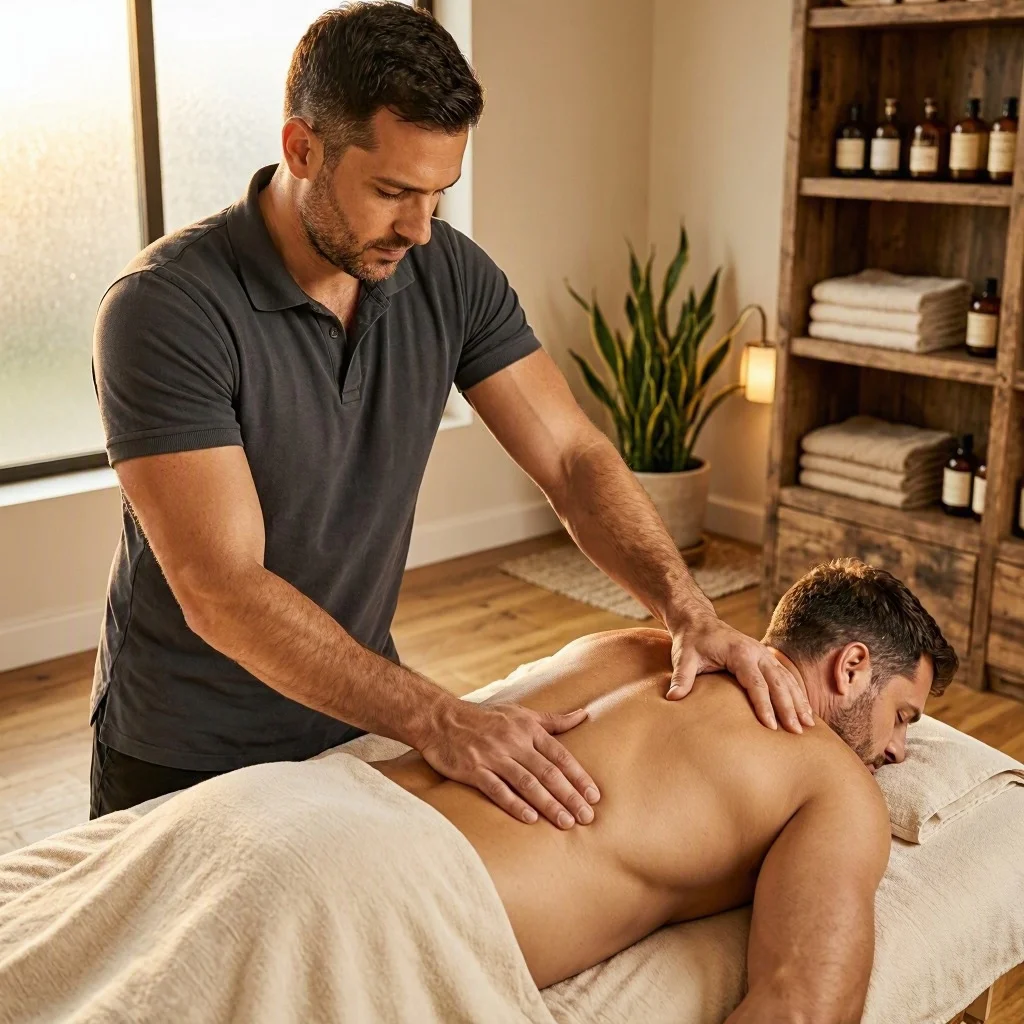
Deep Tissue Massage is a therapeutic massage approach that uses slower, more focused pressure to work with deeper layers of muscle and connective tissue. It is often considered by people who experience persistent muscle tension, stiffness, physical discomfort, or muscular tightness related to work, exercise, repetitive activity, or everyday physical demands.
Despite its name, deep tissue massage does not simply mean using the strongest possible pressure. Effective treatment should be based on the individual’s symptoms, physical condition, goals, and tolerance. In fact, excessive pressure can cause unnecessary soreness and may not provide better results.
At Ritz Clinics Massage Therapy, massage treatments are personalized according to each person’s needs, activity level, symptoms, lifestyle, and wellness goals. Deep tissue techniques may be incorporated when appropriate, particularly when persistent muscle tightness or tension is part of the individual’s concerns.
Massage therapy may help some people experience short-term improvements in pain, muscle comfort, relaxation, and mobility. However, the evidence varies by condition, and massage should not replace medical assessment or rehabilitation when those services are necessary. The National Center for Complementary and Integrative Health notes that massage appears to have relatively few risks when performed appropriately, although rare serious complications have been reported, particularly with vigorous massage or in people at higher risk of injury.
This guide explains what Deep Tissue Massage is, how it differs from other massage styles, its potential benefits, common techniques, what to expect during a session, safety considerations, and how it can fit into a broader approach to physical wellness.
What Is Deep Tissue Massage?
Deep Tissue Massage is a form of therapeutic massage that generally uses slower movements and more focused pressure than a typical relaxation massage.
The therapist may work with deeper layers of muscle and connective tissue, depending on the person’s condition and treatment goals.
The purpose may include addressing areas of:
- Persistent muscle tension
- Muscular stiffness
- Physical discomfort
- Reduced soft-tissue mobility
- Exercise-related tightness
- Repetitive-use tension
- General muscular fatigue
However, there is no universally accepted scientific definition of deep tissue massage. A published review found that the terminology and techniques described as “deep tissue massage” vary considerably in the scientific literature.
Therefore, when choosing a treatment, it is more useful to discuss your specific symptoms and goals with the therapist rather than assuming that the deepest pressure is always the most effective.
How Does Deep Tissue Massage Work?
Massage works primarily with muscles and other soft tissues.
During a deep tissue session, the therapist may use slower strokes, sustained pressure, compression, kneading, or other focused techniques.
The treatment can be adjusted according to:
- The location of muscle tension
- Your sensitivity
- Your physical condition
- Your activity level
- Your treatment goals
- Your previous massage experience
- Your response during the session
The therapist may begin with lighter or moderate pressure before progressing to more focused work.
This gradual approach can help the therapist understand how your tissues respond.
Importantly, a massage should not automatically be painful.
A common misconception is that deep tissue massage must hurt to work. However, pain is not a reliable measure of treatment effectiveness.
If pressure becomes sharp, excessive, or uncomfortable, communication with the therapist is important.
Deep Tissue Massage vs Regular Massage
Massage therapy includes many different approaches.
A relaxation massage may use flowing movements and lighter or moderate pressure. Its primary goals may include relaxation, stress reduction, and general physical comfort.
Deep Tissue Massage, in comparison, generally involves slower and more focused work on areas of muscular tension.
However, the two approaches are not completely separate.
A therapist may combine techniques during one session according to the individual’s needs.
For example, a session may begin with broader massage techniques to warm the tissues and help the client relax. The therapist may then use more focused work around areas of persistent muscular tension.
The treatment should be customized rather than following a rigid formula.
Deep Tissue Massage vs Sports Massage
Sports massage is designed for people involved in physical activity and may be incorporated into training and recovery routines.
Deep tissue techniques can sometimes be part of sports massage.
However, sports massage is not simply deep tissue massage.
Sports-focused treatment may consider:
- Training volume
- Exercise schedule
- Competition timing
- Previous injuries
- Recovery needs
- Specific sporting movements
- Muscle groups involved in the activity
For example, a runner may require treatment that considers the calves, hamstrings, hips, and lower legs.
An individual who spends long hours sitting at a desk may instead require attention to the neck, shoulders, upper back, and hips.
Therefore, the appropriate massage style depends on the person rather than the name of the technique alone.
Potential Benefits of Deep Tissue Massage
The potential benefits of Deep Tissue Massage vary between individuals.
Massage therapy may help support:
Reduced Muscle Tension
Focused massage may help some people feel less muscular tightness after treatment.
Improved Physical Comfort
People with areas of persistent muscular tension may experience temporary improvements in comfort.
Relaxation
Although deep tissue massage can be more focused than relaxation massage, the treatment can still provide a relaxing experience when pressure is appropriate.
Short-Term Pain Relief
Research suggests that massage may provide short-term improvements for some pain conditions, although the quality and consistency of evidence vary.
Improved Perceived Mobility
When muscular tension contributes to a feeling of stiffness, massage may make movement feel more comfortable.
Support for Exercise Recovery
Massage may be incorporated into a broader recovery routine for physically active individuals.
However, it is important to distinguish between feeling better temporarily and treating the underlying cause of a medical condition.
Massage should not be presented as a universal cure.
Deep Tissue Massage for Muscle Tension
Muscle tension can develop for many reasons.
For example, it may be associated with:
- Long periods of sitting
- Repetitive work
- Physical training
- New exercise
- Poor recovery
- Previous injury
- Prolonged static positions
- General physical stress
Common areas of tension include:
- Neck
- Shoulders
- Upper back
- Lower back
- Glutes
- Hips
- Hamstrings
- Calves
A therapist can assess the areas that feel tight and determine which techniques are appropriate.
Deep tissue techniques may be useful for some people, but they should be adjusted to the person’s tolerance.
If the pressure is too strong, the session may create unnecessary discomfort rather than improving the overall experience.
Deep Tissue Massage for Back Tension
Back tension is one of the common reasons people seek massage therapy.
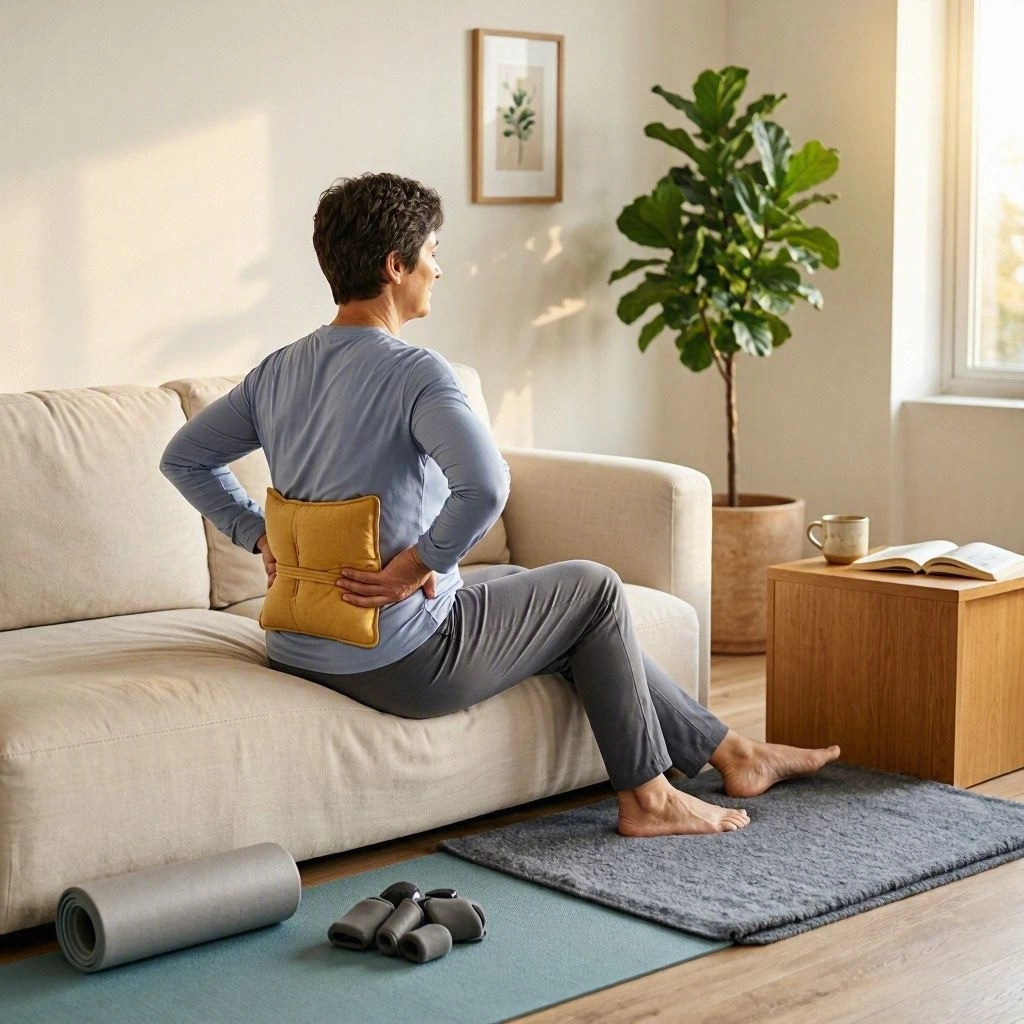
Long periods of sitting, physical work, lifting, exercise, or repetitive movement can contribute to muscular discomfort in the lower or upper back.
Deep Tissue Massage may be used to address muscular tension in the surrounding soft tissues.
However, back pain does not always originate from muscles.
Persistent back pain can have many causes, so massage should not be used to self-treat severe, unexplained, or worsening symptoms without appropriate assessment.
Research on massage for low-back pain suggests that some people may experience short-term improvements in pain, but the evidence is generally considered limited or low quality.
Consequently, massage may be useful as one part of care rather than the only treatment.
If back pain is significantly limiting movement or daily activities, physiotherapy or medical assessment may also be appropriate.
Deep Tissue Massage for Neck and Shoulder Tension
Neck and shoulder tension is particularly common among people who work at computers or spend long periods using phones and other devices.
Symptoms may include:
- Tight shoulders
- Upper-back tension
- Neck stiffness
- Muscle fatigue
- Discomfort after prolonged sitting
A therapist may use focused massage techniques around the shoulders and upper back.
However, neck treatment requires appropriate caution.
Deep pressure should not be applied aggressively to sensitive structures.
If neck pain is accompanied by significant weakness, numbness, dizziness, severe headache, recent trauma, or other concerning symptoms, medical assessment should be considered before massage.
Research suggests massage may provide short-term benefits for some people with neck pain, although evidence is not strong enough to assume that massage is effective for every person or condition.
Deep Tissue Massage for Athletes
Athletes often use massage as part of a broader recovery routine.
Training places repeated demands on muscles and connective tissues. Depending on the activity, athletes may experience areas of tightness or post-exercise soreness.
Deep tissue techniques may sometimes be included in sports massage.
However, timing matters.
An aggressive massage immediately before an important competition may not be appropriate for every athlete.
Similarly, someone with a suspected muscle injury should not use deep massage simply to continue training through pain.
A sports-focused massage plan may instead consider:
- Training intensity
- Recovery days
- Competition schedule
- Muscle soreness
- Previous injuries
- Current symptoms
- Exercise goals
Massage can complement recovery, but it cannot replace appropriate training progression, strength work, sleep, nutrition, and injury management.
Deep Tissue Massage for Post-Workout Recovery
After intense or unfamiliar exercise, muscle soreness is common.
This type of soreness can feel different from an acute injury.
Normal post-exercise soreness may involve:
- General tenderness
- Stiffness
- Muscle fatigue
- Reduced comfort during movement
An injury may instead involve:
- Sharp pain
- Significant swelling
- Bruising
- Instability
- Sudden weakness
- Loss of function
Deep Tissue Massage may feel appropriate for some people experiencing general muscular tightness. However, aggressive massage directly over a suspected injury may not be appropriate.
If you have significant swelling, severe pain, sudden weakness, or loss of function, seek professional assessment rather than relying on massage.
Deep Tissue Massage and Flexibility
People sometimes choose deep tissue massage because they want to improve flexibility.
Massage may temporarily influence how a muscle feels and may make movement feel easier.
However, massage alone is not a complete flexibility program.
Long-term flexibility and mobility also depend on:
- Regular movement
- Stretching
- Joint mobility
- Strength
- Neuromuscular control
- Physical activity
Therefore, if your goal is to improve flexibility, massage can be combined with an appropriate mobility and exercise program.
For example, an athlete may receive massage for muscular comfort while also performing regular stretching and strength exercises.
This combination can provide a more comprehensive approach than relying on massage alone.
Deep Tissue Massage and Mobility
Muscular tension can sometimes contribute to the feeling that a movement is restricted.
For example, tightness around the hips may make certain movements feel uncomfortable.
A focused massage session may temporarily make the area feel more relaxed.
However, mobility is influenced by much more than muscle tension.
Joint structure, strength, coordination, balance, previous injury, and movement habits can all affect mobility.
Therefore, people with significant or persistent mobility restrictions may benefit from professional assessment.
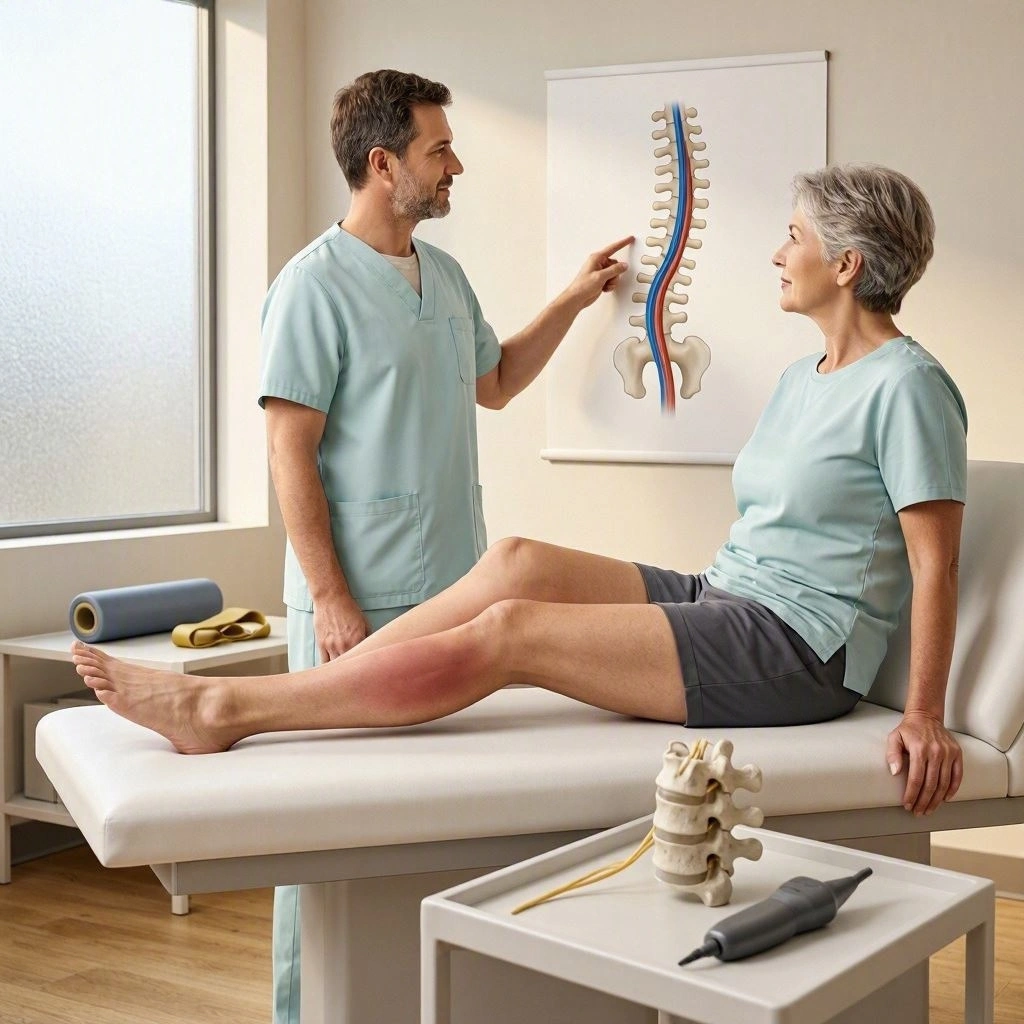
You can also combine massage with Physiotherapy when appropriate. Physiotherapy can address strength, mobility, movement control, balance, and functional rehabilitation, while massage may provide complementary soft-tissue treatment.
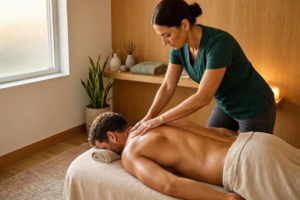
Common Deep Tissue Massage Techniques
There is no single technique used in every deep tissue session.
Depending on training and the person’s needs, a therapist may use:
Slow Gliding Movements
Slow strokes can be used to prepare the tissues and identify areas of tension.
Sustained Pressure
The therapist may apply controlled pressure to specific areas of muscular tension.
Compression
Compression involves applying pressure to soft tissues in a controlled manner.
Kneading
Kneading techniques can be used to work with muscle tissue and promote physical comfort.
Focused Soft-Tissue Work
The therapist may spend additional time on specific areas that are contributing to discomfort or restricted movement.
The therapist should adjust these techniques according to your response.
More pressure does not automatically mean better treatment.
Does Deep Tissue Massage Have to Hurt?
No.
This is one of the most important things to understand before your appointment.
Deep tissue massage can involve stronger pressure than some relaxation massage techniques. However, the treatment should remain within a reasonable level of comfort.
You may experience:
- Pressure
- Stretching sensations
- Mild tenderness
- Focused muscular work
You should communicate if you experience:
- Sharp pain
- Burning pain
- Numbness
- Tingling
- Excessive discomfort
- Dizziness
- Feeling unwell
The therapist can then modify the pressure or technique.
A good session should be based on communication rather than the idea that “more pain equals more benefit.”
Ritz Clinics similarly emphasizes that deep tissue massage does not need to be extremely painful to be effective and that pressure should be adjusted according to the individual’s tolerance and goals.
What Happens During a Deep Tissue Massage Session?
Your first session may begin with a short consultation.
The therapist may ask about:
- Your main concern
- Areas of tension
- Pain or discomfort
- Previous injuries
- Physical activity
- Exercise
- Work demands
- Medical history
- Treatment goals
This information helps determine whether massage is appropriate and which areas should be treated.
The session may then begin with lighter or broader techniques.
Once the tissues are prepared, the therapist may use more focused pressure in areas where deeper muscular work is appropriate.
Communication should continue throughout the treatment.
If the pressure is uncomfortable, let your therapist know.
After treatment, you may feel:
- Relaxed
- Temporarily tired
- Looser
- Mildly tender
Responses vary between individuals.
How Long Does a Tissue Massage Session Take?
Massage sessions can vary in length depending on the treatment area and goals.
A shorter session may focus on one or two areas, such as the neck and shoulders.
A longer session may address multiple areas.
The appropriate duration depends on:
- Treatment goals
- Number of areas being treated
- Physical condition
- Sensitivity
- Previous massage experience
- Therapist assessment
A longer massage is not automatically better.
For some people, a focused session may be more useful than a long full-body treatment.
How Often Should You Get Tissue Massage?
There is no universal schedule.
Some people may use massage occasionally when muscle tension develops.
Others may incorporate massage into a regular wellness or exercise-recovery routine.
Frequency can depend on:
- Activity level
- Muscle tension
- Symptoms
- Treatment response
- Work demands
- Exercise schedule
- Personal preferences
If you repeatedly experience the same problem, it may be useful to investigate the underlying contributing factors.
For example, recurring shoulder tension may be related to prolonged computer work, reduced movement, weakness, or workload.
In that situation, massage may provide temporary comfort, while exercise, ergonomic changes, movement breaks, and rehabilitation address other contributing factors.
What Should You Do Before Tissue Massage?
A few simple steps can make the session more comfortable.
Communicate Your Goals
Tell the therapist what you want to achieve.
For example:
- Relaxation
- Muscle comfort
- Recovery
- Mobility
- Treatment of a specific area
Explain Your Medical History
Mention relevant health conditions, recent injuries, surgeries, medications, or other concerns.
Avoid Hiding Pain
If you already have significant pain, explain it before treatment begins.
Avoid Arriving Extremely Dehydrated
Normal hydration habits are sufficient. There is no need for excessive water consumption.
Wear Appropriate Clothing
Your therapist will explain what clothing is appropriate and how privacy will be maintained during treatment.
What Should You Do After Tissue Massage?
After treatment, most people can return to normal activities according to their individual situation.
Depending on the session, you may find it useful to:
- Perform gentle movement
- Follow your therapist’s recommendations
- Avoid unusually intense activity if you feel sore
- Prioritize sleep and recovery
- Monitor how your body responds
Mild temporary soreness can occur after more intensive massage.
However, severe pain, significant swelling, unusual weakness, numbness, or other concerning symptoms should not be ignored.
Is Deep Tissue Massage Safe?
Massage therapy generally has a good safety record when performed appropriately. However, it is not completely risk-free.
NCCIH notes that rare serious complications, including blood clots, nerve injury, and bone fractures, have been reported. Some cases involved vigorous massage, including deep tissue massage, or people who had increased risk factors.
Therefore, safety depends on both the technique and the person receiving treatment.
Your therapist should consider your medical history before applying deep pressure.
Who Should Avoid or Modify Deep Tissue Massage?
Deep pressure may not be appropriate for everyone.
Extra caution may be needed for people with:
- Bleeding disorders
- Low platelet counts
- Certain blood-clotting conditions
- Use of anticoagulant medication
- Recent surgery
- Significant acute injury
- Fragile skin
- Certain bone conditions
- Some pregnancy-related situations
- Other medical conditions that affect tissue safety
NCCIH specifically advises that people with bleeding disorders, thrombocytopenia, or those taking anticoagulant medications should avoid forceful deep tissue massage unless appropriately cleared and managed.
If you have a medical condition or are unsure whether deep tissue massage is appropriate, discuss it with your healthcare provider and massage therapist before treatment.
Deep Tissue Massage During Pregnancy
Pregnancy can change how the body responds to pressure and positioning.
Massage may be appropriate for some pregnant people, but treatment should be adapted according to the stage of pregnancy, health status, symptoms, and professional guidance.
Deep pressure is not automatically appropriate simply because someone received deep tissue massage before pregnancy.
If you are pregnant, tell the therapist before treatment begins.
If your pregnancy is considered high risk or you have medical complications, consult your healthcare provider before receiving massage.
Deep Tissue Massage After an Injury
Massage can sometimes be incorporated into rehabilitation, depending on the type and stage of an injury.
However, deep massage should not be used automatically after an injury.
For example, significant swelling, bruising, weakness, instability, or acute pain may require assessment before massage.
Once the injury has been appropriately evaluated, massage may sometimes complement rehabilitation.
A broader recovery plan may include:
- Physiotherapy
- Strengthening
- Mobility exercises
- Activity modification
- Gradual return to activity
- Massage when appropriate
This approach is generally more comprehensive than relying on massage alone.
Deep Tissue Massage and Chronic Pain
People with chronic pain sometimes consider deep tissue massage because they experience persistent muscle tension.
Massage may provide temporary comfort for some people. However, chronic pain is complex and can involve more than muscle tension.
Factors can include:
- Physical activity
- Sleep
- Stress
- Previous injuries
- Nervous-system sensitivity
- Strength
- Movement habits
- Other health conditions
Research suggests that massage may help manage some painful conditions, but evidence varies and benefits may be short-term.
Therefore, deep tissue massage should generally be considered one possible component of a broader pain-management strategy rather than a cure.
If chronic pain is significantly affecting your movement or daily life, physiotherapy or medical assessment may also be appropriate.
Deep Tissue Massage for Office Workers
Office work can place repetitive demands on the neck, shoulders, upper back, wrists, and lower back.
Long periods of sitting may also reduce movement throughout the day.
Massage may help temporarily reduce the feeling of muscular tension.
However, office-related discomfort can often be addressed more comprehensively through:
- Regular movement breaks
- Strength exercises
- Mobility exercises
- Workstation adjustments
- Appropriate chair and desk setup
- Better workload management
- Physical activity
Massage can therefore complement lifestyle changes rather than replace them.
Deep Tissue Massage for Active Adults
People who exercise regularly may experience muscular tightness from training.
A deep tissue session may be considered when appropriate, especially if the goal is to address areas of persistent tension.
However, training load should always be considered.
For example, an athlete who has completed a demanding training session may not benefit from extremely aggressive massage immediately afterward.
Instead, the therapist may adjust pressure and focus according to the athlete’s current recovery status.
The goal is to support recovery rather than create additional tissue irritation.
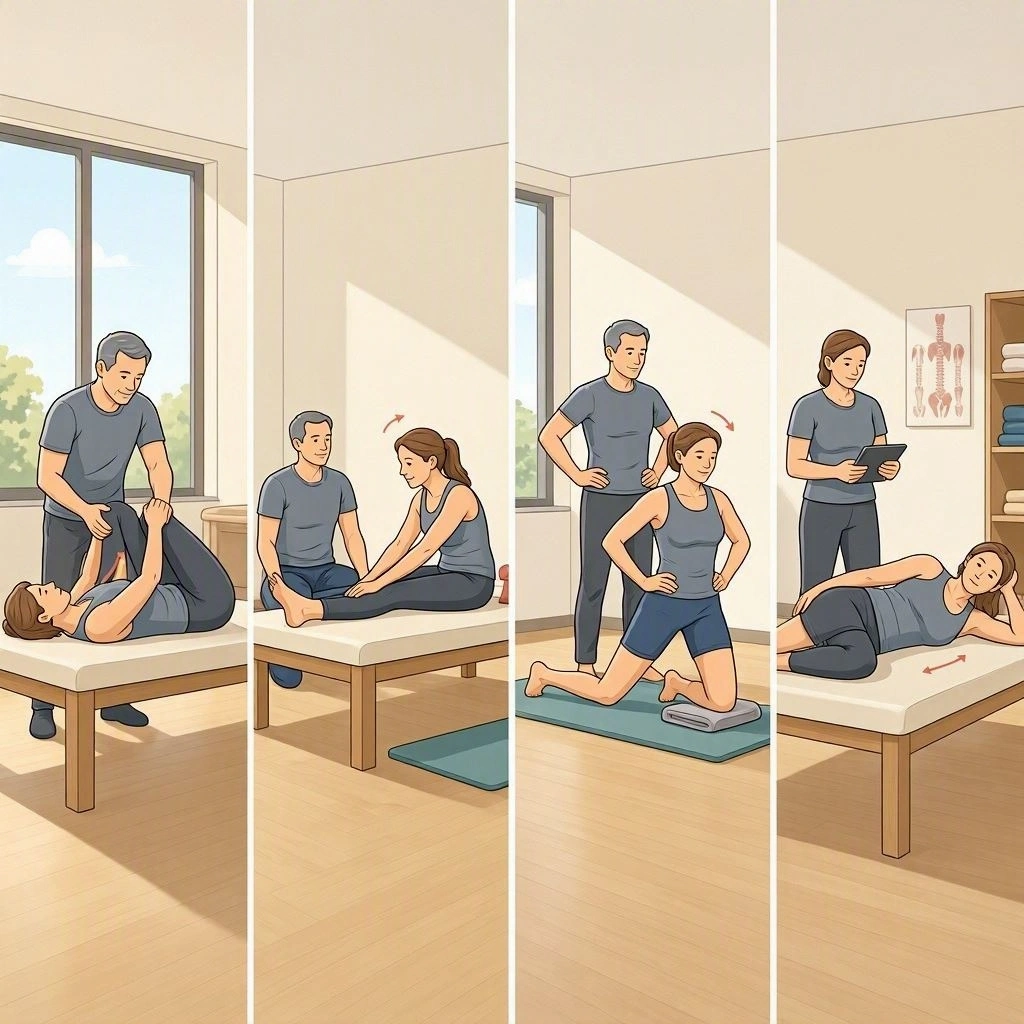
Combining Deep Tissue Massage With Physiotherapy
Massage and physiotherapy can complement each other.
Massage can focus on:
- Soft-tissue comfort
- Muscle tension
- Relaxation
- Temporary mobility changes
Physiotherapy can focus on:
- Strength
- Mobility
- Balance
- Coordination
- Functional movement
- Rehabilitation
- Return to activity
For example, someone with recurring lower-back discomfort may receive massage to address muscular tension while also following a physiotherapy program designed to improve strength and movement capacity.
This combined approach can be particularly useful when symptoms repeatedly return.
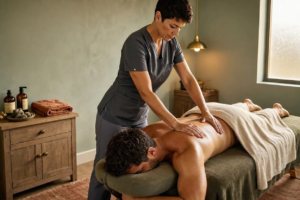
Deep Tissue Massage at Ritz Clinics
At Ritz Clinics Massage Therapy, treatment is tailored to the individual’s symptoms, activity level, lifestyle, and goals. The clinic offers several massage approaches, including therapeutic massage, deep tissue massage, sports massage, relaxation massage, and myofascial release techniques.
The clinic’s approach recognizes that different people need different levels of pressure and different treatment strategies.
Deep tissue massage may be appropriate for someone experiencing persistent muscular tightness or tension. However, the technique is not automatically the best option for every client.
The therapist can determine whether deeper techniques are suitable and adjust the pressure according to the person’s response.
For people who also require active rehabilitation, massage can complement services such as physiotherapy and other musculoskeletal care.
When Should You Choose a Different Treatment?
Massage is not always the appropriate first step.
Consider professional medical or physiotherapy assessment when you have:
- Severe unexplained pain
- Significant swelling
- Sudden weakness
- Loss of sensation
- Persistent numbness
- Major trauma
- Suspected fracture
- Significant instability
- Fever with pain
- Unexplained weight loss
- Loss of bladder or bowel control
- Chest pain
- Other emergency symptoms
Massage should not delay medical evaluation.
NCCIH also recommends not using massage therapy to postpone seeing a healthcare provider about a medical problem.
Frequently Asked Questions About Deep Tissue Massage
What is Deep Tissue Massage?
Deep Tissue Massage is a therapeutic massage approach that uses slower, more focused pressure to work with deeper layers of muscle and connective tissue. The pressure should be adjusted according to the individual’s needs and tolerance.
Is Deep Tissue Massage supposed to hurt?
No. Deep tissue massage can feel intense, but it should not require severe or sharp pain. Excessive pressure may create unnecessary soreness and does not automatically make the treatment more effective.
What is the difference between deep tissue and Swedish massage?
Swedish massage generally uses flowing movements and lighter to moderate pressure, often with relaxation as a primary goal. Deep tissue massage generally uses slower, more focused pressure on areas of muscular tension.
Can Deep Tissue Massage help back pain?
Massage may provide short-term relief for some people with back pain. However, back pain can have many causes, so persistent, severe, or unexplained symptoms should receive appropriate professional assessment.
Can Deep Tissue Massage help neck and shoulder tension?
It may help some people with muscular neck and shoulder tension. However, symptoms involving weakness, numbness, significant trauma, or other neurological changes should be professionally assessed.
Is Deep Tissue Massage good for athletes?
Deep tissue techniques may be incorporated into sports massage for some athletes. However, stronger pressure is not automatically better, and treatment should be adjusted according to training load, recovery status, and individual goals.
Can I get Deep Tissue Massage after exercise?
It may be appropriate in some situations, particularly for general muscular tension or recovery. However, significant pain, swelling, bruising, weakness, or suspected injury should be assessed before receiving deep massage.
How often should I get Deep Tissue Massage?
There is no universal schedule. Frequency depends on your symptoms, activity level, goals, response to treatment, and other aspects of your health and rehabilitation plan.
Can Deep Tissue Massage improve flexibility?
Massage may temporarily make movement feel easier when muscular tension contributes to stiffness. However, long-term flexibility also depends on mobility work, stretching, strength, and regular physical activity.
Is Deep Tissue Massage good for chronic pain?
It may provide temporary comfort for some people, but chronic pain is complex. Deep tissue massage should not be considered a universal cure and may be best used alongside appropriate exercise, rehabilitation, and medical care.
Can Deep Tissue Massage replace physiotherapy?
No. Physiotherapy can assess and treat problems involving strength, mobility, balance, function, and rehabilitation. Massage may complement physiotherapy when appropriate.
Who should avoid deep tissue massage?
People with certain medical conditions, bleeding disorders, low platelet counts, some medication use, recent injuries, fragile skin, or other risk factors may need to avoid or modify deep pressure. Consult an appropriate healthcare professional when unsure.
What should I tell my massage therapist before treatment?
Tell your therapist about your main symptoms, medical conditions, medications, recent injuries or surgeries, pregnancy, exercise routine, and treatment goals. This information helps determine whether deep tissue techniques are appropriate.
How long does Deep Tissue Massage take?
Session length varies according to the treatment area and goals. A focused treatment may be shorter, while a session involving several areas may take longer.
Is deeper pressure always better?
No. Pressure should match the person’s condition and tolerance. More pressure does not automatically produce better results, and excessive pressure can cause unnecessary soreness.
Conclusion
Deep Tissue Massage can be a useful therapeutic option for people who experience persistent muscular tension, stiffness, physical discomfort, or exercise-related tightness. By using slower and more focused techniques, a therapist can target areas of soft-tissue tension according to the individual’s needs.
However, deep tissue massage should not be confused with simply applying maximum pressure. Effective treatment depends on assessment, communication, appropriate technique, and individual tolerance.
Massage research suggests potential short-term benefits for some types of pain and muscular discomfort, although the strength of evidence varies considerably between conditions.
For this reason, massage is best viewed as one component of a broader approach to physical health.
Exercise, strength training, mobility work, adequate recovery, sleep, appropriate physical activity, and professional rehabilitation may all be important depending on the person’s situation.
Safety is also essential. Although massage is generally considered low risk when performed appropriately, rare serious complications have been reported, particularly with vigorous massage or in people with certain risk factors.
If you are experiencing persistent muscle tension and want to explore whether Deep Tissue Massage is appropriate for you, a professional assessment can help determine the right treatment approach.
At Ritz Clinics, massage therapy is individualized according to symptoms, physical condition, lifestyle, activity level, and personal goals. Deep tissue techniques can be incorporated when appropriate, while other massage approaches may be better suited to different needs.