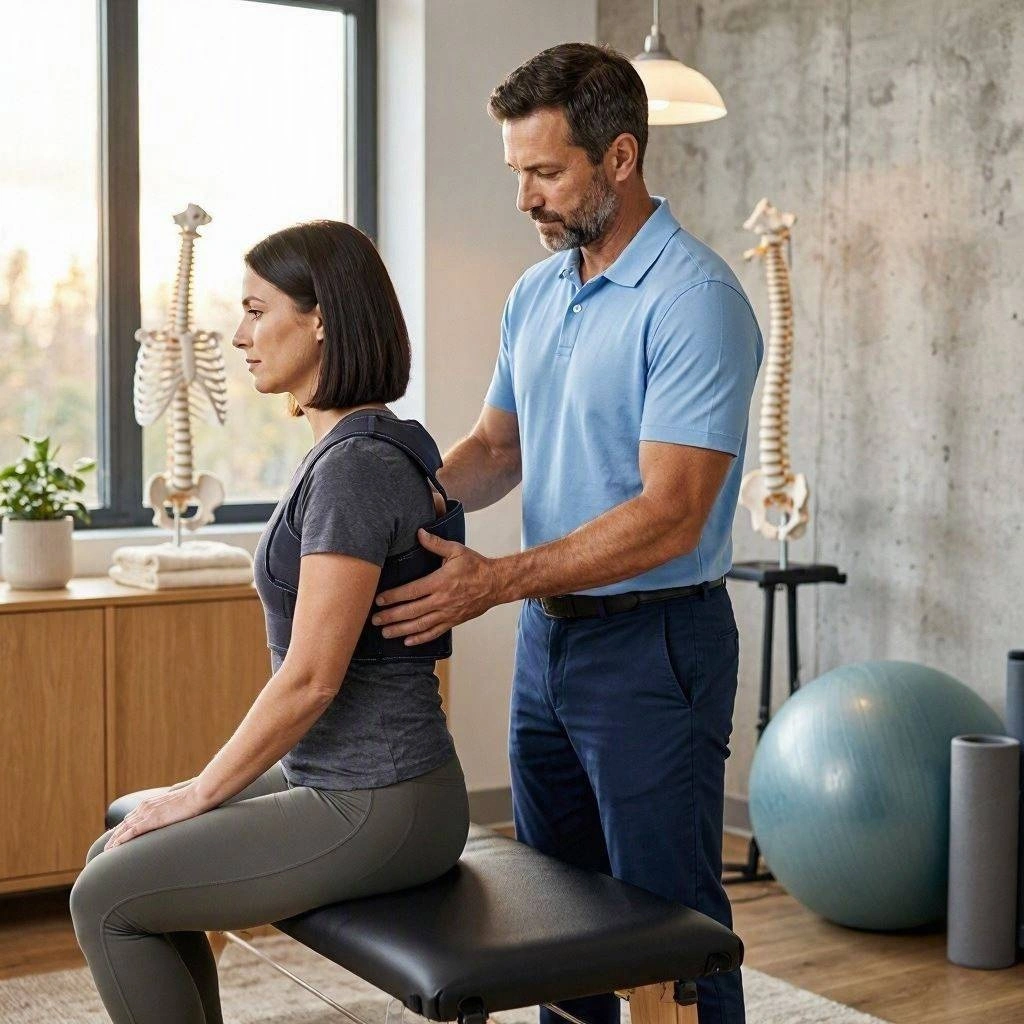
Poor Posture Treatment: Causes, Benefits, Exercises, and Solutions
Poor posture is a common issue that can affect people of all ages. Spending long hours at a desk, using smartphones, driving, exercising incorrectly, or remaining in the same position for extended periods can gradually affect the way the body is aligned. Over time, poor posture may contribute to neck discomfort, back pain, muscle tension, headaches, stiffness, and reduced movement. The good news is that poor posture treatment can help improve body alignment, strengthen supporting muscles, increase mobility, and reduce unnecessary strain. Treatment is usually most effective when it addresses the underlying causes of poor posture rather than focusing only on discomfort.
What Is Poor Posture?
Poor posture refers to body positioning that places unnecessary stress on the muscles, joints, and supporting structures of the body. It can occur while sitting, standing, walking, sleeping, or performing physical activities.
Common examples include rounded shoulders, forward head posture, slouching, excessive lower-back arching, and uneven weight distribution.
Poor posture does not necessarily mean that the body must remain in one perfectly straight position. Healthy posture involves being able to move comfortably and efficiently while maintaining appropriate control and balance.
When unhealthy positions are maintained repeatedly or for long periods, however, the body may experience increased muscular and joint stress.
Common Causes of Poor Posture
Understanding what causes postural problems is an important part of poor posture treatment. Several lifestyle and physical factors can contribute to poor alignment.
Prolonged Sitting
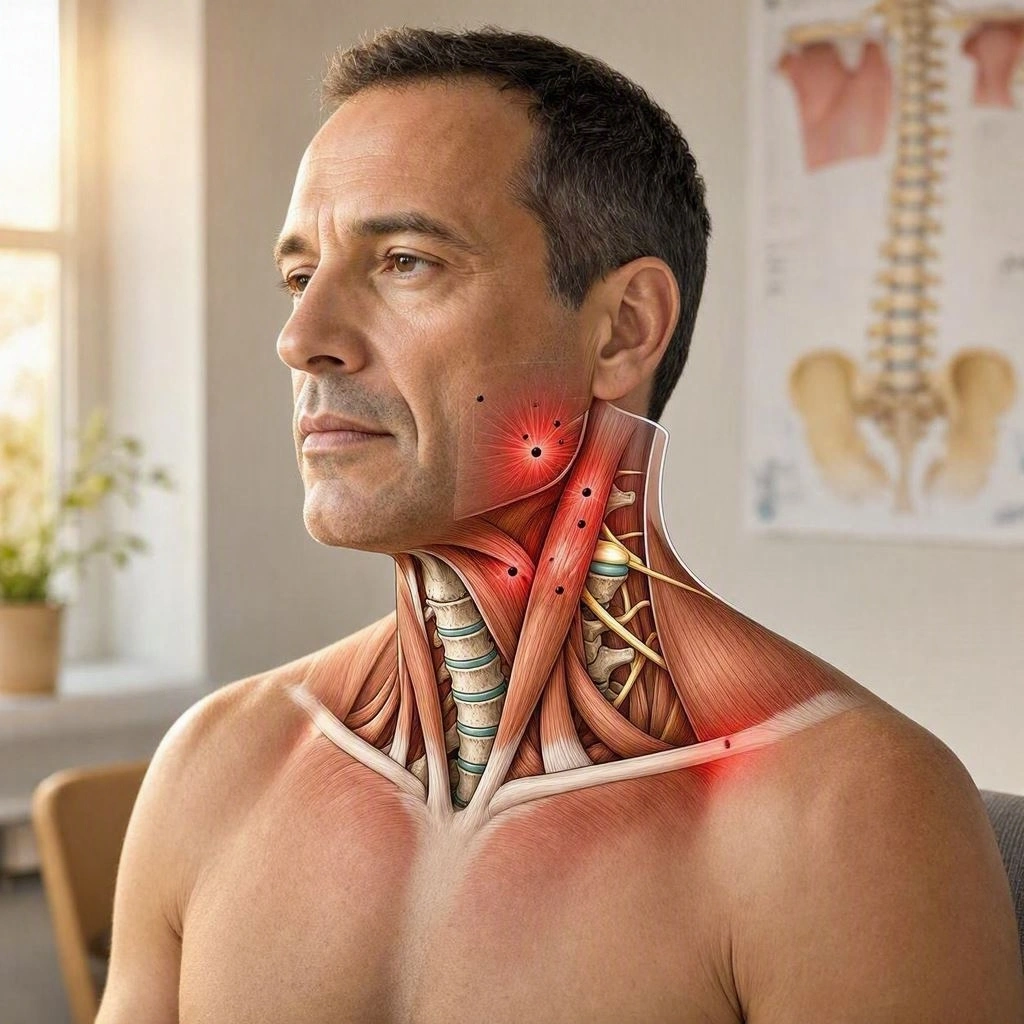
Modern work environments often require people to sit for many hours. Sitting for long periods, especially with rounded shoulders or a forward head position, can place additional stress on the neck and upper back.
People who work at computers should regularly change positions and take movement breaks instead of remaining seated continuously.
Smartphone and Screen Use
Looking down at a smartphone or tablet for extended periods may contribute to forward head posture. Computer screens positioned too low or too far away can also encourage the head and shoulders to move forward.
Muscle Weakness
Weak muscles may make it difficult to maintain good posture during everyday activities. The core, upper back, neck, hips, and gluteal muscles all contribute to body stability and movement control.
Muscle Tightness
Tight muscles can limit normal movement and influence posture. Tightness around the chest, hips, shoulders, and neck may make certain positions uncomfortable or difficult to maintain.
Lack of Physical Activity
A sedentary lifestyle can reduce muscular endurance and joint mobility. Regular movement and exercise can help the body tolerate everyday activities more effectively.
Signs of Poor Posture
Some people have poor posture without experiencing noticeable symptoms. Others may develop discomfort or changes in movement.
Common signs include:
Rounded shoulders
Forward head position
Slouching
Neck stiffness
Upper or lower back discomfort
Muscle fatigue
Shoulder tension
Reduced flexibility
Frequent tension headaches
Difficulty maintaining an upright position
Reduced movement efficiency
Persistent or severe pain should be assessed by an appropriate healthcare professional, particularly if symptoms include weakness, numbness, or significant loss of movement.
How Poor Posture Treatment Works
An effective poor posture treatment program should be personalized. A physiotherapist, chiropractor, or other qualified healthcare professional can evaluate posture, mobility, muscle strength, movement patterns, and daily activities.
Based on the assessment, treatment may include corrective exercises, mobility work, manual therapy, ergonomic advice, and lifestyle changes.
Postural Assessment
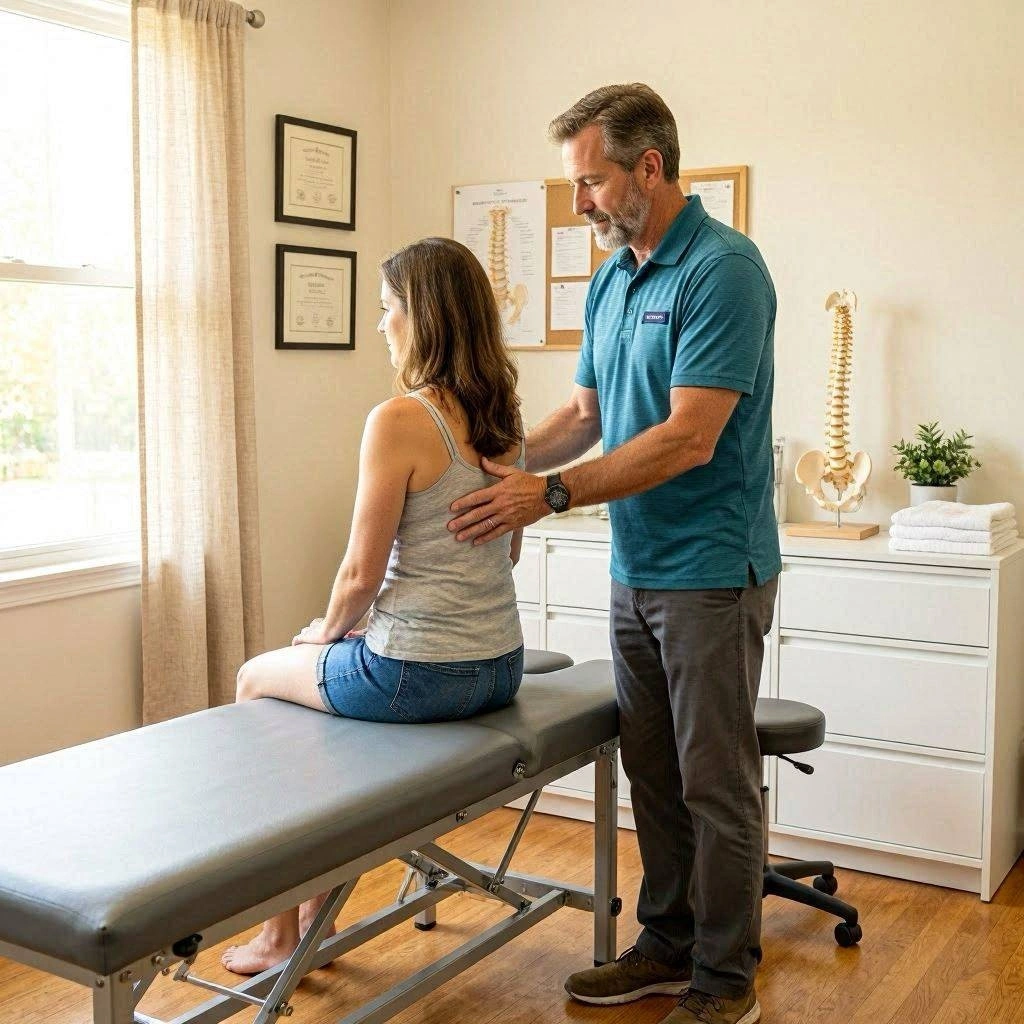
The first step is often understanding how a person moves and positions their body. A professional may assess the head, shoulders, spine, pelvis, hips, and lower limbs.
The assessment can also consider work habits, exercise routines, previous injuries, and activities that may contribute to postural problems.
Corrective Exercises
Exercise is an important part of many posture programs. Strengthening the muscles that support the spine and shoulders can improve endurance and movement control.
Exercises may target:
Core muscles
Upper-back muscles
Shoulder stabilizers
Gluteal muscles
Neck muscles
Hip muscles
The specific exercises should depend on individual needs rather than following a single routine that works for everyone.
Stretching and Mobility Exercises
Restricted mobility can make it difficult to maintain comfortable alignment. Stretching and mobility exercises can help improve movement in areas such as the chest, shoulders, hips, and spine.
For example, gentle chest stretches may help people who spend much of the day with their shoulders positioned forward. Hip mobility exercises may also benefit individuals who spend long periods sitting.
Manual Therapy
Manual therapy may be used as part of a broader posture treatment program. Depending on the individual’s condition, a qualified professional may use techniques such as soft-tissue treatment or joint mobilization.
The purpose is generally to improve movement and comfort so that the individual can participate more effectively in active rehabilitation.
Poor Posture Treatment and Chiropractic Care
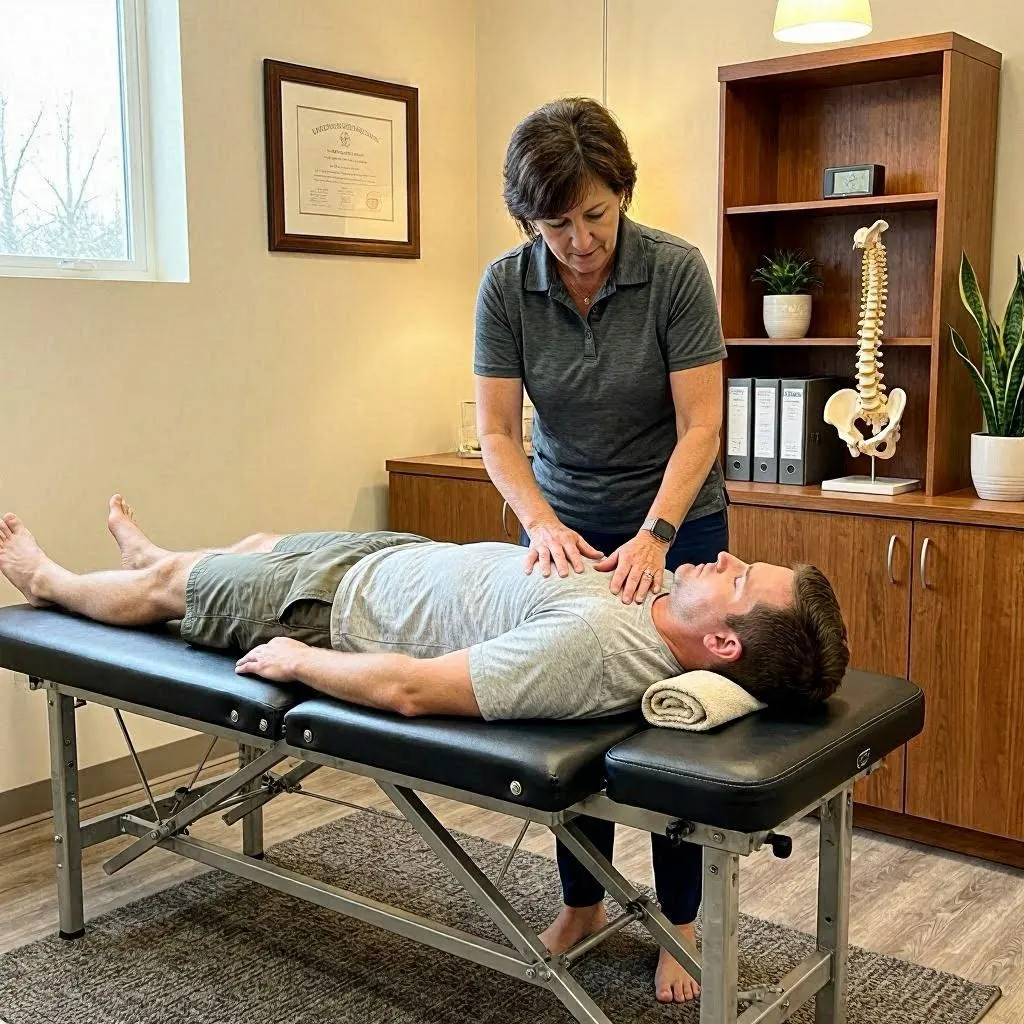
Chiropractic care may be used to support people experiencing posture-related musculoskeletal problems. A chiropractor can evaluate spinal and joint movement and develop an appropriate care plan.
Depending on the individual’s needs, treatment may include spinal adjustments, mobility techniques, corrective exercises, and recommendations for improving everyday movement habits.
Chiropractic treatment should be based on an individual assessment rather than assuming that the same approach is appropriate for everyone.
Poor Posture Treatment and Physiotherapy
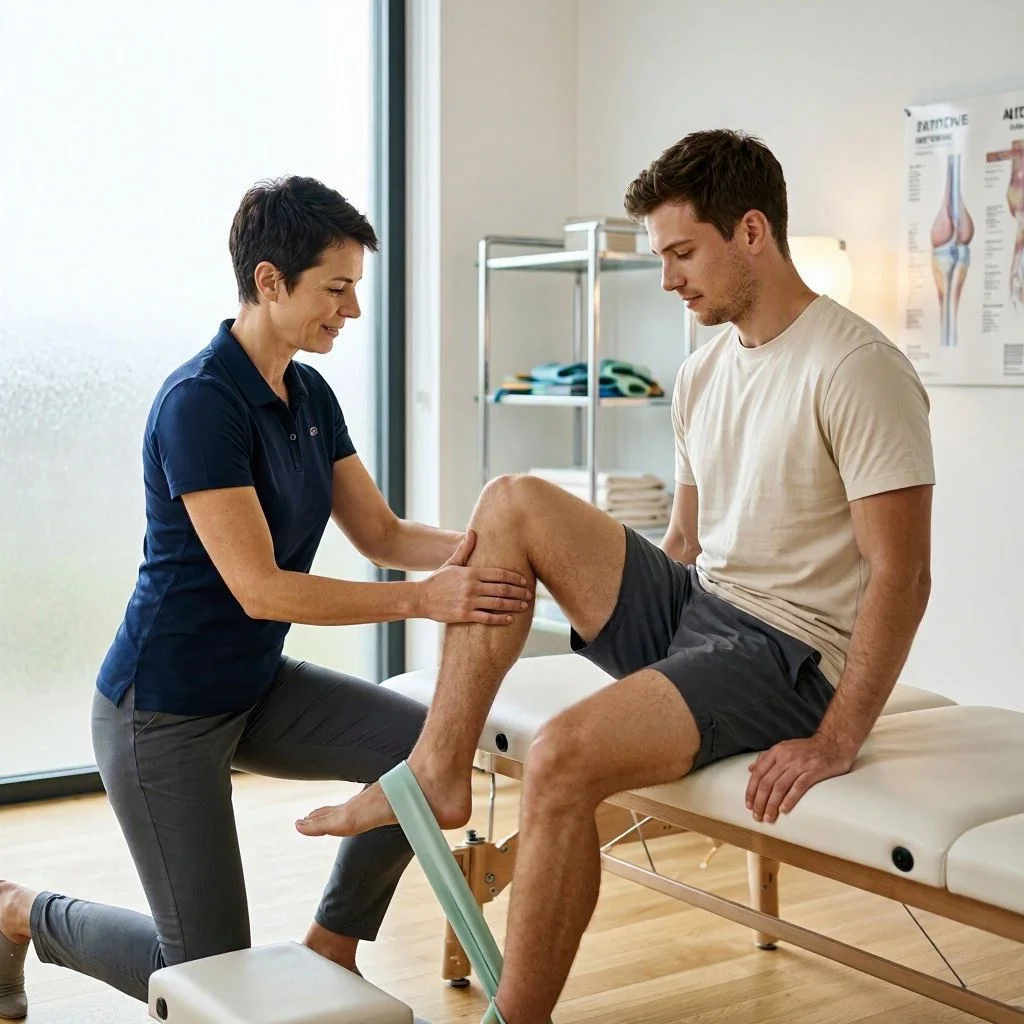
Physiotherapy can also play an important role in improving posture. A physiotherapist may focus on strengthening, flexibility, balance, coordination, mobility, and functional movement.
Rather than simply telling a patient to “sit straight,” physiotherapy can help improve the physical capacity needed to maintain comfortable positions during work, exercise, and everyday activities.
A personalized exercise program can gradually improve strength and endurance while helping individuals develop better movement awareness.
Ergonomics and Workplace Posture
Workplace habits are particularly important for people who spend several hours each day at a desk.
A few simple adjustments can make a workstation more comfortable:
Position the monitor around eye level.
Keep your feet supported.
Keep your shoulders relaxed.
Position the keyboard and mouse comfortably.
Avoid leaning toward the screen.
Change position regularly.
Take short movement breaks throughout the day.
An ergonomic workstation can reduce unnecessary strain, but it should be combined with regular movement. Even a good sitting position can become uncomfortable when maintained for too long.
Best Exercises for Poor Posture
There is no single exercise that corrects every type of postural problem. However, many posture programs include exercises that improve strength, mobility, and body awareness.
Examples include:
Chin Tucks
Chin tucks can help develop awareness and control of the head and neck position. They are commonly used in programs addressing forward head posture.
Upper-Back Strengthening
Exercises such as controlled rows can strengthen muscles around the upper back and shoulder blades. Stronger upper-back muscles can support better shoulder control.
Core Exercises
Core strengthening can improve trunk stability and movement control. Depending on fitness level, exercises may include bridges, dead bugs, or other controlled stability exercises.
Chest Stretching
Gentle chest stretches may help people who experience tightness from prolonged sitting or rounded-shoulder positions.
Hip Mobility Exercises
Improving hip mobility can support more comfortable movement during sitting, standing, walking, and exercise.
Exercises should be performed with appropriate technique and adjusted according to the individual’s physical condition.
How Long Does It Take to Improve Poor Posture?
The time required to improve posture varies from person to person. It depends on factors such as the severity of the postural issue, muscle strength, mobility, daily habits, consistency with exercises, and underlying conditions.
Some people may notice changes in comfort and movement within a few weeks, while long-standing postural habits may require several months of consistent work.
The goal should be gradual improvement rather than trying to force the body into a rigid position immediately.
How to Prevent Poor Posture
Prevention involves maintaining healthy movement habits throughout the day.
Stay physically active, strengthen major muscle groups, maintain mobility, and avoid spending excessive amounts of time in one position.
When using a phone, consider bringing the screen closer to eye level. During computer work, regularly stand up, walk, stretch, or change your sitting position.
Good posture is not about staying completely still. Regular movement is an important part of maintaining musculoskeletal health.
Benefits of Poor Posture Treatment
A well-designed posture treatment program may provide several benefits, including:
Improved body awareness
Better movement control
Increased flexibility
Improved muscular endurance
Greater comfort during work
Improved spinal and joint mobility
Better exercise technique
Reduced muscle tension
Improved ability to perform daily activities
The benefits depend on the individual’s condition and consistency with their treatment plan.
When Should You Seek Professional Help?
Consider seeking professional advice if posture-related discomfort is persistent, interferes with daily activities, or continues despite lifestyle changes and exercise.
Professional assessment is particularly important when symptoms include significant pain, weakness, numbness, balance problems, or a sudden change in movement.
A qualified professional can identify possible contributing factors and recommend an appropriate treatment plan.
Conclusion
Poor posture can develop from prolonged sitting, excessive screen use, muscle weakness, limited mobility, repetitive activities, and other lifestyle factors. Although posture problems can become habitual, they can often be improved through consistent movement and appropriate rehabilitation.
Poor posture treatment may include postural assessment, corrective exercises, mobility training, strengthening, manual therapy, ergonomic improvements, and lifestyle changes. The most effective approach is personalized and focuses on improving the body’s ability to move comfortably and efficiently.
Rather than trying to maintain one rigid position throughout the day, focus on building strength, improving mobility, changing positions regularly, and developing healthy movement habits. With consistency and professional guidance when needed, better posture and improved movement can become part of everyday life.
Frequently Asked Questions
What is the best treatment for poor posture?
The best treatment depends on the cause of the postural problem. A personalized program may include strengthening exercises, mobility training, ergonomic changes, and professional guidance.
Can poor posture be corrected?
Many posture-related problems can be improved through regular exercise, movement education, and changes to daily habits. Long-standing problems may require consistent rehabilitation.
Can a chiropractor help with poor posture?
A chiropractor may help assess and manage certain musculoskeletal factors associated with posture. Treatment may be combined with exercises and lifestyle recommendations.
Can physiotherapy improve posture?
Yes. Physiotherapy can address muscle weakness, mobility restrictions, movement patterns, and functional limitations that may contribute to poor posture.
How can I improve my posture at work?
Adjust your workstation, keep your screen around eye level, support your feet, relax your shoulders, and take regular movement breaks. Avoid remaining in one position for prolonged periods.
Are posture exercises effective?
Posture exercises can help improve strength, mobility, endurance, and movement awareness. The most appropriate exercises depend on the individual’s needs and physical condition.