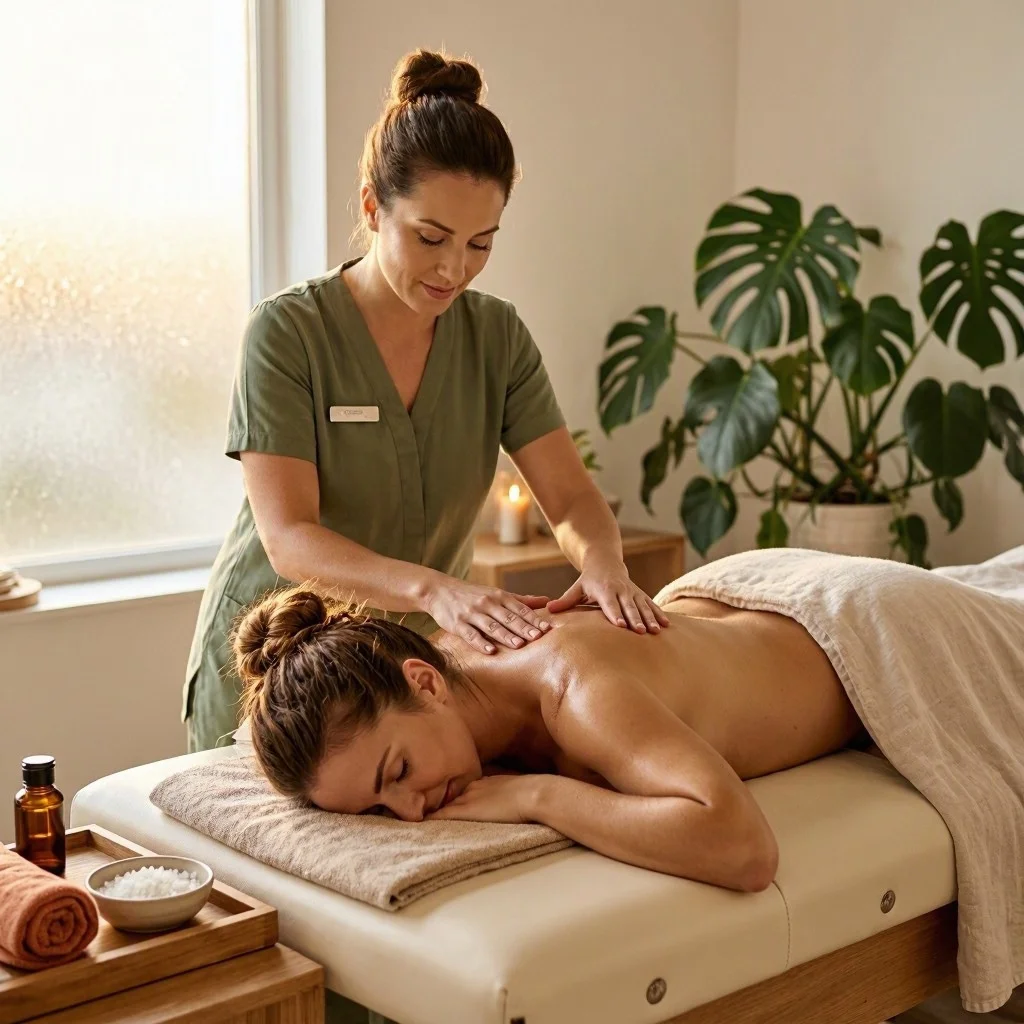
Massage Therapy for Stress Relief: Benefits, Techniques, and Relaxation
Stress is a common part of modern life. Busy work schedules, family responsibilities, long hours at a computer, financial pressures, and limited time for rest can leave people feeling mentally exhausted and physically tense. Over time, stress may also affect sleep, concentration, mood, and the way the body responds to everyday demands. For this reason, many people explore Massage Therapy for Stress Relief as part of a broader approach to relaxation and well-being.
Massage therapy uses hands-on techniques to work with muscles and other soft tissues. Depending on the technique and individual preferences, a session may help ease muscular tension, encourage relaxation, and provide a dedicated period away from daily responsibilities. Some people also find that massage helps them feel calmer and more comfortable after a demanding week.
However, massage therapy is not a guaranteed treatment for stress, anxiety disorders, or every physical symptom associated with stress. Research findings vary, and the effects may differ from person to person. Massage is best considered one possible component of a balanced stress-management routine that may also include regular physical activity, sufficient sleep, relaxation techniques, social support, and professional healthcare when needed.
At Ritz Clinics, massage therapy can be tailored to individual needs, physical comfort, and personal wellness goals. This guide explains how massage may support stress management, which techniques are available, what to expect during an appointment, and how to make relaxation part of your everyday routine.
What Is Massage Therapy for Stress Relief?
Massage Therapy for Stress Relief focuses on using appropriate hands-on techniques to encourage relaxation and address physical tension that may accompany demanding routines.
When people experience stress, they may notice tight shoulders, a tense jaw, neck stiffness, back discomfort, or a general feeling of physical restlessness. Some people also find it difficult to switch off after work or settle into a relaxing evening.
Massage provides a structured opportunity to pause, rest, and receive hands-on care in a comfortable environment. Depending on the person’s needs, a massage therapist may use gentle, flowing movements, moderate pressure, or focused techniques on areas that feel tense.
A session may involve:
- Gentle massage to encourage relaxation.
- Attention to tense areas around the neck and shoulders.
- Comfortable techniques for the back and other muscle groups.
- Pressure adjustments based on personal preference.
- A calm treatment environment with time to rest.
- Guidance on managing muscular tension between appointments.
The therapist should adapt the session to your goals, medical history, comfort level, and response to treatment.
It is also important to understand the difference between everyday stress and a diagnosed mental health condition. Massage may support relaxation, but it does not replace appropriate psychological treatment or medical care when those services are needed.
To learn more about available treatments, visit the Ritz Clinics Massage Therapy page.
How Does Stress Affect the Body?
Stress is not exclusively a mental experience. It can influence physical sensations, habits, sleep, and general well-being. The effects vary considerably, so two people experiencing similar pressures may notice different symptoms.
Muscle Tension
When people feel pressured, worried, or rushed, they may unconsciously tighten certain muscles. The shoulders may rise, the jaw may clench, or the muscles around the neck and upper back may remain tense.
If these patterns continue throughout the day, they may contribute to discomfort or a feeling of stiffness.
Massage may help some people feel temporary relief from muscular tension. However, recurring discomfort can have several causes, so it should not automatically be attributed to stress.
Changes in Sleep
Stress may make it difficult to settle down at bedtime. People may continue thinking about work, upcoming responsibilities, or unresolved problems when they would prefer to rest.
Insufficient sleep can then make everyday challenges feel more difficult to manage.
A relaxing massage may help some people unwind before returning to their normal routine. Nevertheless, persistent insomnia or significant sleep disruption may require a more comprehensive assessment.
Mental Fatigue
Continuous demands can leave people feeling mentally drained. Even after finishing work, they may struggle to relax or enjoy activities that usually help them recharge.
A massage session creates a defined period in which the person can pause other responsibilities. This break may contribute to a sense of relaxation, although it cannot remove the underlying sources of stress.
Head and Shoulder Discomfort
Some people notice headaches, shoulder tension, or neck discomfort during stressful periods. These symptoms may also relate to posture, prolonged screen use, dehydration, sleep problems, or other health conditions.
Massage may provide short-term comfort for some types of muscular discomfort. However, new, severe, persistent, or unusual headaches require appropriate medical assessment rather than automatic treatment as stress-related tension.
Potential Benefits of Massage Therapy for Stress Relief
People respond to massage differently. Some experience a noticeable sense of calm, while others mainly appreciate temporary muscular comfort or the opportunity to rest.
The following benefits are possible, but none is guaranteed.
1. Encourages Relaxation
One reason people choose massage is the opportunity to slow down. During a session, you can step away from work, notifications, household tasks, and other demands.
Gentle, comfortable touch may help you feel more settled. A quiet environment and an unhurried appointment can also make it easier to focus on the present moment.
The benefit may be especially meaningful when massage forms part of a consistent self-care routine rather than serving as the only response to ongoing stress.
2. Helps Ease Muscular Tension
Stress can coincide with tension in the neck, shoulders, upper back, and other areas. Massage directly addresses soft tissues and may help some people experience temporary relief from tightness or discomfort.
For example, someone who spends most of the day working at a computer may notice that their shoulders feel tense by the evening. A suitable massage session may help them feel more comfortable afterward.
However, relief may be temporary. Regular movement, appropriate exercise, workstation adjustments, and attention to the causes of recurring discomfort can also be important.
3. Supports a Sense of Well-Being
Taking time for personal care may help people feel that they are actively supporting their well-being rather than constantly responding to other people’s demands.
Massage can become one part of a broader routine that includes enjoyable activities, social connection, exercise, and sufficient rest.
The experience is personal, and it should not create additional pressure to follow an expensive or demanding wellness schedule.
4. May Help With Short-Term Anxiety Symptoms
Some research has explored massage and anxiety, particularly among people experiencing medical conditions or undergoing stressful treatments. Findings have been mixed, and researchers have not established massage as a reliable treatment for anxiety disorders.
The National Center for Complementary and Integrative Health’s review of massage research explains that the available evidence is limited and inconsistent.
Therefore, massage may be useful as a relaxation activity for some individuals, but people with persistent anxiety or significant emotional distress should consider speaking with an appropriate healthcare professional.
5. Encourages Time Away From Daily Demands
Modern routines often involve constant switching between tasks. Even free time may be filled with messages, screens, and responsibilities.
A massage appointment creates a dedicated break. You do not need to complete work tasks or solve problems during the session.
This pause may help you notice how you feel physically and mentally. You can then return to your routine with a clearer sense of whether you need additional rest, movement, or support.
Which Types of Massage Are Suitable for Stress Relief?
Different massage techniques provide different sensations and levels of pressure. The best option depends on your preferences, physical condition, and goals.
Relaxation Massage
Relaxation massage generally uses gentle, flowing movements and comfortable pressure. Its primary purpose is to provide a soothing experience and encourage relaxation.
This approach may suit people who want time to unwind without focusing heavily on specific muscle problems.
You should be able to communicate throughout the session and request adjustments whenever necessary.
Therapeutic Massage (Massage Therapy for Stress Relief)
Therapeutic massage focuses on areas of muscular tension or discomfort. The therapist may adapt the technique to your symptoms, activity levels, and treatment goals.
For example, a person who experiences shoulder tension during stressful working weeks may prefer a session that combines overall relaxation with attention to the upper back and shoulders.
Therapeutic massage should remain comfortable and appropriate to your condition. More pressure does not automatically produce better results.
Deep Tissue Massage
Deep tissue massage uses firmer, more focused pressure to address deeper layers of muscle and connective tissue.
Some people choose it when they experience persistent muscular tightness. However, deep pressure is not necessarily the best choice for stress relief, particularly if a person prefers gentle touch or has increased sensitivity.
Vigorous techniques can cause soreness and may carry additional risks for some individuals. Tell your therapist about your health history and pressure preferences before treatment.
Myofascial Release
Myofascial techniques focus on the connective tissues surrounding muscles. A therapist may use sustained, controlled pressure or stretching approaches according to the technique and the person’s needs.
These methods may be considered when stiffness or movement discomfort forms part of the person’s concerns. Their suitability depends on the individual assessment.
Aromatherapy Massage
Some massage sessions incorporate scented oils or aromatherapy products. Certain people find particular scents pleasant and relaxing, but the effects of aromatherapy can vary, and research does not establish it as a necessary part of massage therapy.
Essential oils can irritate the skin or trigger allergic reactions in some people. If you have asthma, fragrance sensitivity, allergies, or other relevant health concerns, tell your therapist and ask about unscented alternatives.
Massage Therapy for Stress Relief at Work (Massage Therapy for Stress Relief)
Work-related stress can develop from tight deadlines, long hours, demanding responsibilities, or difficulty separating professional and personal life.
Office-based work may also involve prolonged sitting and repetitive screen use, which can coincide with neck, shoulder, and upper-back discomfort.
Massage may offer temporary relaxation and physical comfort, but managing work-related stress often requires changes beyond treatment.
Addressing Neck and Shoulder Tension
People working at computers may unconsciously raise their shoulders or hold their neck in one position for long periods.
A massage therapist may focus on comfortable techniques around the upper back, neck, and shoulders when appropriate.
You can also support your comfort by adjusting your workstation, changing positions regularly, and taking short movement breaks throughout the day.
Creating a More Sustainable Routine
If work regularly leaves you exhausted, consider whether your schedule allows sufficient breaks and recovery time.
Where possible, establish boundaries around work messages, take lunch away from your desk, and avoid extending the working day unnecessarily.
Massage can complement these habits, but it cannot compensate fully for persistent overwork or an unhealthy working environment.
Supporting Recovery After Demanding Days
Some people find that a massage appointment gives them a clear transition between work and personal time.
You might schedule a session after a particularly demanding period or incorporate massage occasionally into a broader wellness plan.
The appropriate frequency depends on your budget, preferences, health needs, and response to treatment. Regular appointments are not essential for everyone.
Can Massage Therapy Help With Sleep and Relaxation?
Stress and sleep can influence one another. When people feel overwhelmed, they may find it difficult to relax at night. Poor sleep can then affect concentration, mood, and the ability to cope with everyday demands.
A comfortable massage may help some people feel calmer before bedtime, particularly when they find the experience soothing. However, massage is not a proven solution for every sleep problem.
You can combine relaxation practices with other helpful habits:
- Maintain a consistent sleep and wake schedule.
- Reduce stimulating activities close to bedtime if they interfere with sleep.
- Create a comfortable, quiet sleeping environment.
- Allow time to wind down after work.
- Avoid relying on late-day caffeine if it affects your sleep.
- Include regular physical activity in your routine.
- Seek professional advice when sleep problems persist.
If you choose evening massage, allow yourself time to return to your normal activities afterward. Notice whether the timing feels helpful and adjust your routine accordingly.
What Happens During a Massage Therapy Session?
Knowing what to expect can make a first appointment feel more comfortable, particularly if you are unfamiliar with massage therapy.
Before the Session
Your therapist should ask about your goals, symptoms, medical history, and preferences.
You may discuss which areas feel tense, whether you have experienced previous injuries, and what type of pressure you find comfortable.
It is important to mention relevant health conditions, recent procedures, medications that may affect bleeding, skin problems, and any symptoms that have not been medically assessed.
You can also explain whether you prefer a quiet session or would like the therapist to explain each step.
During the Session (Massage Therapy for Stress Relief)
The therapist should explain the proposed approach and respect your consent and privacy.
You can communicate about pressure, temperature, positioning, music, and any discomfort. You do not need to tolerate pain to receive a useful massage.
If you feel uncomfortable or want the session to stop, tell the therapist. You should remain in control of your experience.
After the Session
Some people feel relaxed immediately afterward, while others notice little change or experience mild temporary soreness.
Give yourself time to get up gradually, particularly if you feel light-headed. Drink fluids according to your usual needs and return to normal activities as comfortable.
If you experience significant or worsening pain, unusual swelling, weakness, or other concerning symptoms, seek appropriate medical advice.
How Often Should You Get a Massage for Stress Relief?
There is no single massage schedule that works for everyone. Some people book occasional sessions during particularly demanding periods, while others prefer more regular appointments.
Your decision should reflect your goals, available time, budget, medical circumstances, and response to treatment.
Consider the following questions:
- Does massage help you feel more relaxed or physically comfortable?
- How long do the effects seem to last?
- Are you also addressing the sources of stress in your daily life?
- Would exercise, improved sleep, counselling, or other support be more appropriate?
- Does the cost fit comfortably within your budget?
You do not need frequent appointments to practise self-care. If occasional massage provides the experience you want, that may be sufficient.
If you experience persistent stress, ongoing anxiety, or repeated physical symptoms, consider whether a broader care plan would be more useful than increasing massage frequency alone.
Who May Benefit From Massage Therapy for Stress Relief?
Massage may appeal to people who enjoy hands-on care and want to include relaxation in their wellness routine.
Depending on their health circumstances, suitable candidates may include:
Busy Professionals
People managing demanding schedules may appreciate a dedicated period of relaxation. Massage may also help address muscular tension that coincides with prolonged desk work.
People Experiencing Everyday Muscle Tightness
Some people notice tight shoulders, neck discomfort, or back stiffness during demanding periods. Massage may provide temporary comfort when appropriate for the underlying problem.
Physically Active Individuals
Exercise and sport can place demands on muscles. A suitable massage may form part of a recovery routine while also providing time to relax.
However, massage should not replace appropriate injury assessment, rehabilitation, or gradual training progression.
People Seeking a Relaxation Routine
Some individuals simply enjoy massage as a form of personal care. You do not need to have a specific injury to value a relaxing experience, provided the treatment is appropriate for your health circumstances.
Massage is not suitable in every situation, and people with particular medical conditions may require modifications or medical guidance before treatment.
Is Massage Therapy Safe?
Massage therapy is generally low risk when appropriately provided, but it is not completely risk-free. Temporary soreness or discomfort can occur, while rare serious complications have been reported, particularly with vigorous techniques or in people with increased vulnerability.
Before booking a session, tell your therapist if you have:
- A history of blood clots or a condition affecting blood clotting.
- A bleeding disorder or medication that increases bleeding risk.
- Osteoporosis or fragile bones.
- Recent surgery or a significant injury.
- An active skin infection, open wound, or contagious skin condition.
- Significant swelling, unexplained pain, or a suspected fracture.
- A medical condition requiring additional precautions.
- Pregnancy or a high-risk pregnancy, where relevant.
Your therapist may modify the session, avoid certain areas, recommend medical clearance, or advise postponing treatment.
Do not use massage to delay medical evaluation for unexplained symptoms. New chest pain, difficulty breathing, sudden weakness, severe headache, or other potentially serious symptoms require urgent medical assessment.
Massage also does not replace mental health treatment. If stress becomes overwhelming or interferes substantially with daily functioning, professional support may be important.
Other Ways to Manage Stress Alongside Massage
Massage is most useful as part of a realistic routine rather than as the sole strategy for managing stress.
Practise Slow Breathing
Gentle, unforced breathing can help some people feel calmer during stressful moments. Try breathing comfortably and allowing your exhalation to remain relaxed.
Stop if the exercise makes you dizzy or uncomfortable. You do not need to force deep breaths.
Stay Physically Active (Massage Therapy for Stress Relief)
Walking, swimming, cycling, dancing, and other enjoyable activities can support general health and help people manage stress.
Choose activities that suit your abilities and schedule. Even a short walk may provide a welcome break from a demanding day.
Protect Your Sleep
Consistent sleep habits can support mood, concentration, and daily functioning. Consider whether late work, excessive screen time, or irregular schedules interfere with your ability to rest.
If sleep remains poor despite reasonable adjustments, seek professional advice.
Maintain Social Connections
Talking with a trusted friend, family member, or colleague may help you feel supported when life becomes demanding.
If you experience persistent emotional distress, a qualified mental health professional can help you explore suitable strategies.
Make Time for Enjoyable Activities
Hobbies, music, time outdoors, creative activities, and quiet breaks can create opportunities to recover from everyday demands.
Choose activities that genuinely suit you rather than adding more obligations to your schedule.
Why Choose Massage Therapy at Ritz Clinics?
Choosing a massage provider involves more than selecting a technique. You should feel comfortable discussing your needs, asking questions, and requesting adjustments.
At Ritz Clinics, massage therapy is tailored to individual symptoms, activity levels, lifestyle, and wellness goals. The available approaches include relaxation massage, therapeutic massage, deep tissue massage, sports massage, and myofascial release techniques, depending on individual needs.
An individualized approach matters because people experience stress and muscular tension differently. One person may prefer gentle, flowing techniques, while another may want focused attention on a particular area of discomfort.
Your therapist should consider your health history, treatment preferences, and response during the session rather than automatically using the same pressure or method for everyone.
Massage may also complement physiotherapy or chiropractic care when appropriate. If your primary concern involves persistent pain, restricted movement, or an injury, a broader assessment may help determine which services best suit your needs.
You can explore the main massage therapy service at Ritz Clinics or read more about massage therapy for stress management.
Frequently Asked Questions About Massage Therapy for Stress Relief
1. Does massage therapy help relieve stress?
Massage may help some people relax and temporarily ease muscular tension. However, research on massage for anxiety and stress has produced mixed findings. It is best considered one part of a broader stress-management routine.
2. How does massage help with stress-related muscle tension?
Massage uses hands-on techniques to work with muscles and soft tissues. Some people experience temporary relief from tightness or discomfort, particularly around the neck, shoulders, and back. Results vary, and persistent symptoms may require further assessment.
3. Which massage is best for stress relief?
Relaxation massage may suit people who prefer gentle, flowing movements. Therapeutic massage may be appropriate when specific areas of muscular tension also need attention. Your therapist can help select a suitable approach based on your preferences and health history.
4. How long does the relaxing effect of massage last?
The experience varies from person to person. Some people feel relaxed immediately after a session, while others notice only temporary changes. Sleep, daily stressors, physical activity, and individual preferences can influence how you feel afterward.
5. How often should I get massage therapy for stress relief?
There is no universal schedule. Some people prefer occasional sessions, while others choose regular appointments. Consider your response, goals, budget, and overall health needs rather than assuming that more sessions always produce better results.
6. Can massage therapy help me sleep better?
Some people find massage relaxing and feel calmer afterward, which may support their bedtime routine. However, massage is not a proven treatment for every sleep disorder. Persistent sleep problems should be discussed with a healthcare professional.
7. Is deep tissue massage better for stress?
Not necessarily. Deep tissue massage uses firmer pressure and may be suitable for some muscular concerns, but it can cause soreness and may not feel relaxing to everyone. Gentle massage may be a better choice if your main goal is relaxation.
8. Can massage replace counselling or anxiety treatment?
No. Massage may support relaxation, but it is not a substitute for evidence-based mental health care when anxiety or stress significantly affects your life. Consider speaking with a qualified healthcare or mental health professional if symptoms persist.
9. Is massage therapy safe for everyone?
No. Certain medical conditions, recent injuries, medications, and other health circumstances may require modifications or medical guidance. Tell your therapist about your health history before treatment and seek medical assessment for unexplained symptoms.
10. What should I do after a stress-relief massage?
Allow yourself time to get up gradually and return to your routine as comfortable. You may wish to continue with a gentle walk, a quiet activity, or another relaxing habit. If you experience significant or worsening symptoms, seek appropriate medical advice.
Conclusion (Massage Therapy for Stress Relief)
Massage Therapy for Stress Relief can offer a dedicated opportunity to pause, relax, and address muscular tension that may accompany demanding routines. Depending on the individual, a suitable session may support short-term comfort, encourage relaxation, and become a useful part of a broader self-care plan.
Nevertheless, massage does not eliminate the causes of stress or guarantee relief from anxiety, sleep problems, or persistent pain. Its value depends on individual needs, preferences, health circumstances, and expectations.
For a more balanced approach, combine relaxation with regular physical activity, sufficient sleep, realistic work boundaries, enjoyable activities, and professional support when necessary. If physical symptoms persist or emotional distress begins to interfere with everyday life, seek appropriate healthcare advice.
At Ritz Clinics, massage therapy can be adapted to your comfort level and personal goals. By choosing an appropriate technique and communicating openly with your therapist, you can make an informed decision about whether massage belongs in your wellness routine.