Athletic Recovery: A Complete Guide to Faster Recovery, Injury Prevention, and Peak Performance
Whether you are a professional athlete, a weekend runner, or someone who enjoys regular exercise, recovery is just as important as training. Every workout places stress on your muscles, joints, tendons, and ligaments. Although this stress is a normal part of building strength and endurance, your body needs adequate time and proper care to repair damaged tissues and adapt to increased physical demands. Without effective athletic recovery, fatigue accumulates, performance declines, and the risk of injury increases.
Athletic recovery is a comprehensive process that supports healing after exercise, training sessions, competitions, and sports injuries. It includes proper rest, nutrition, hydration, rehabilitation, chiropractic care, stretching, sleep, and active recovery techniques. By making recovery a regular part of your fitness routine, you can improve performance, reduce muscle soreness, maintain mobility, and return to training safely.
What Is Athletic Recovery?
Athletic recovery refers to the physical and physiological process that allows the body to repair muscles, restore energy stores, reduce inflammation, and prepare for future physical activity.
Recovery begins immediately after exercise and continues for hours or even days depending on the intensity of training. During this time, muscles repair microscopic damage, connective tissues recover, and the nervous system regains balance.
An effective recovery plan is personalized according to factors such as:
-
Age
-
Fitness level
-
Training intensity
-
Type of sport
-
Injury history
-
Overall health
-
Recovery goals
Every athlete recovers differently, so individualized strategies often produce the best results.
Why Recovery Is Essential (Athletic Recovery)
Training improves performance only when recovery allows the body to adapt. Exercising continuously without adequate recovery may lead to fatigue, decreased strength, reduced coordination, and a greater chance of injury.
Benefits of proper athletic recovery include:
-
Faster muscle repair
-
Reduced soreness
-
Improved flexibility
-
Better joint mobility
-
Enhanced athletic performance
-
Reduced injury risk
-
Improved endurance
-
Greater energy levels
-
Better sleep quality
-
Increased training consistency
Recovery is not a break from progress—it is part of the progress itself.
Common Causes of Delayed Recovery
Several factors can slow the recovery process.
These include:
-
Overtraining
-
Poor nutrition
-
Dehydration
-
Inadequate sleep
-
High stress levels
-
Previous injuries
-
Poor training technique
-
Limited mobility
-
Insufficient rest days
-
Returning to sport too soon after injury
Identifying these issues early helps athletes recover more efficiently.
The Role of Chiropractic Care
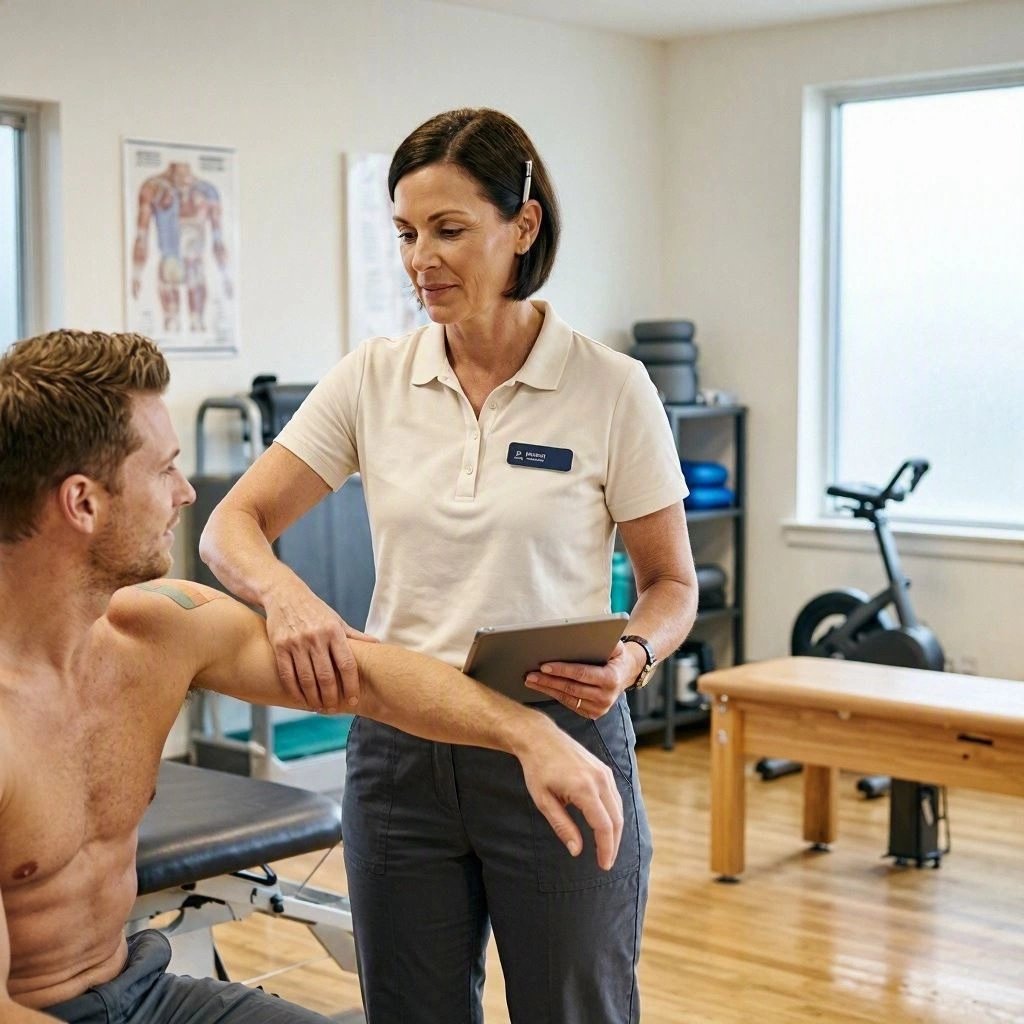
Many athletes include chiropractic care as part of their recovery routine. Chiropractic treatment focuses on restoring normal joint motion, improving spinal function, and reducing mechanical stress throughout the body.
After a comprehensive evaluation, a chiropractor may recommend:
Chiropractic Adjustments
Gentle adjustments improve joint mobility and may reduce stiffness after intense physical activity.
Soft Tissue Therapy
Manual therapy helps reduce muscle tightness while improving circulation and flexibility.
Movement Assessment (Athletic Recovery)
Identifying movement restrictions helps correct biomechanical problems before they contribute to injuries.
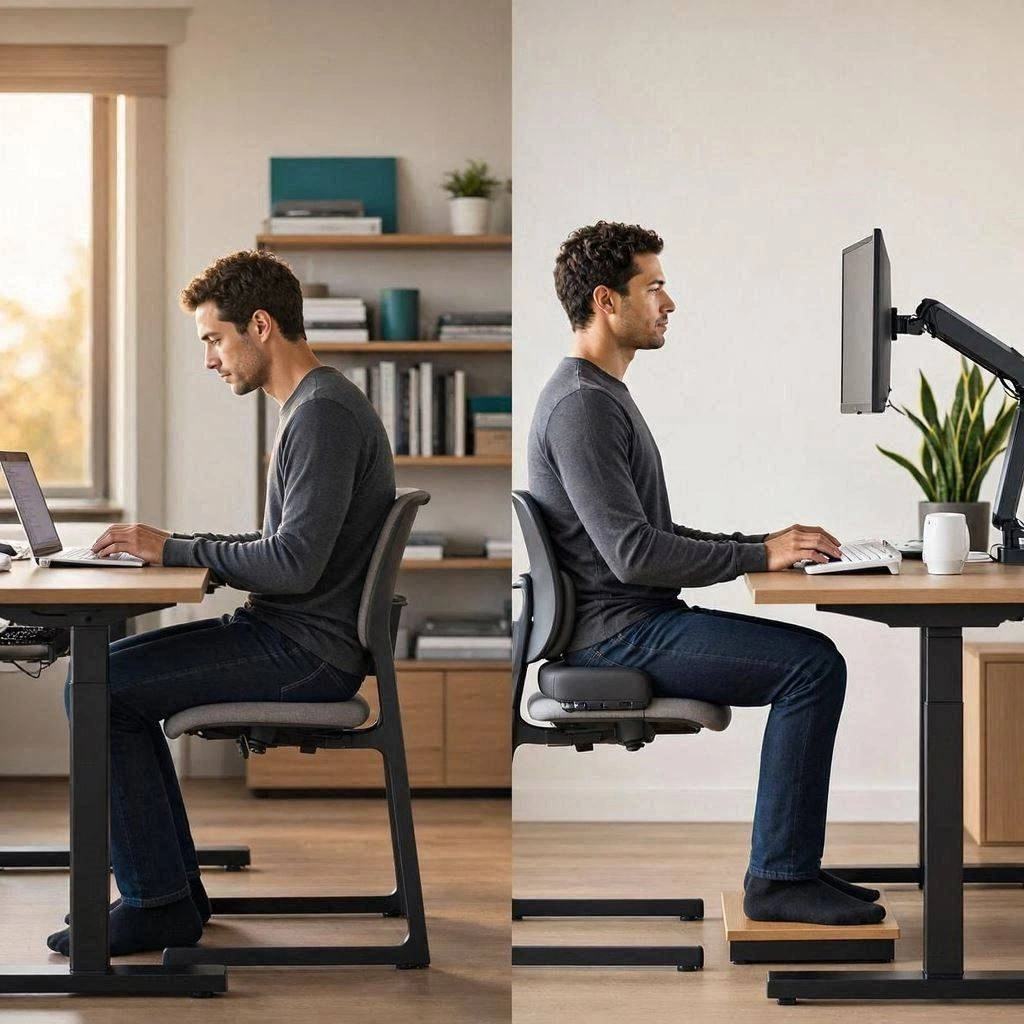
Posture and Technique Advice
Proper posture and body mechanics improve efficiency during training while reducing unnecessary strain.
Active Recovery
Complete rest is sometimes necessary after intense exercise, but light movement often promotes faster recovery.
Examples of active recovery include:
-
Walking
-
Gentle cycling
-
Swimming
-
Light stretching
-
Yoga
-
Mobility exercises
These activities encourage circulation without placing excessive stress on recovering tissues.
Stretching and Mobility
Maintaining flexibility helps athletes move efficiently while reducing stiffness.
A balanced mobility program should include:
Dynamic Stretching
Performed before exercise, dynamic movements prepare muscles and joints for activity.
Static Stretching (Athletic Recovery)
After exercise, static stretching helps improve flexibility while relaxing muscles.
Mobility Drills
Joint mobility exercises improve movement quality and support long-term athletic performance.
Consistency is more effective than occasional stretching sessions.
Nutrition for Athletic Recovery
Nutrition plays a major role in muscle repair and overall recovery.
Athletes should focus on:
Protein
Protein provides the building blocks needed to repair damaged muscle tissue.
Carbohydrates (Athletic Recovery)
Carbohydrates replenish glycogen stores used during exercise.
Healthy Fats
Healthy fats support hormone production and overall health.
Fruits and Vegetables
These foods provide vitamins, minerals, and antioxidants that support recovery.
Hydration
Replacing fluids lost during exercise is essential for muscle function and recovery.
Balanced nutrition allows the body to recover more efficiently after training.
Sleep and Muscle Repair
Sleep is one of the most important recovery tools available.
During sleep, the body performs many essential functions, including:
-
Muscle repair
-
Tissue regeneration
-
Hormone regulation
-
Nervous system recovery
-
Memory consolidation
-
Energy restoration
Most adults benefit from seven to nine hours of quality sleep each night, while athletes may require even more depending on training demands.
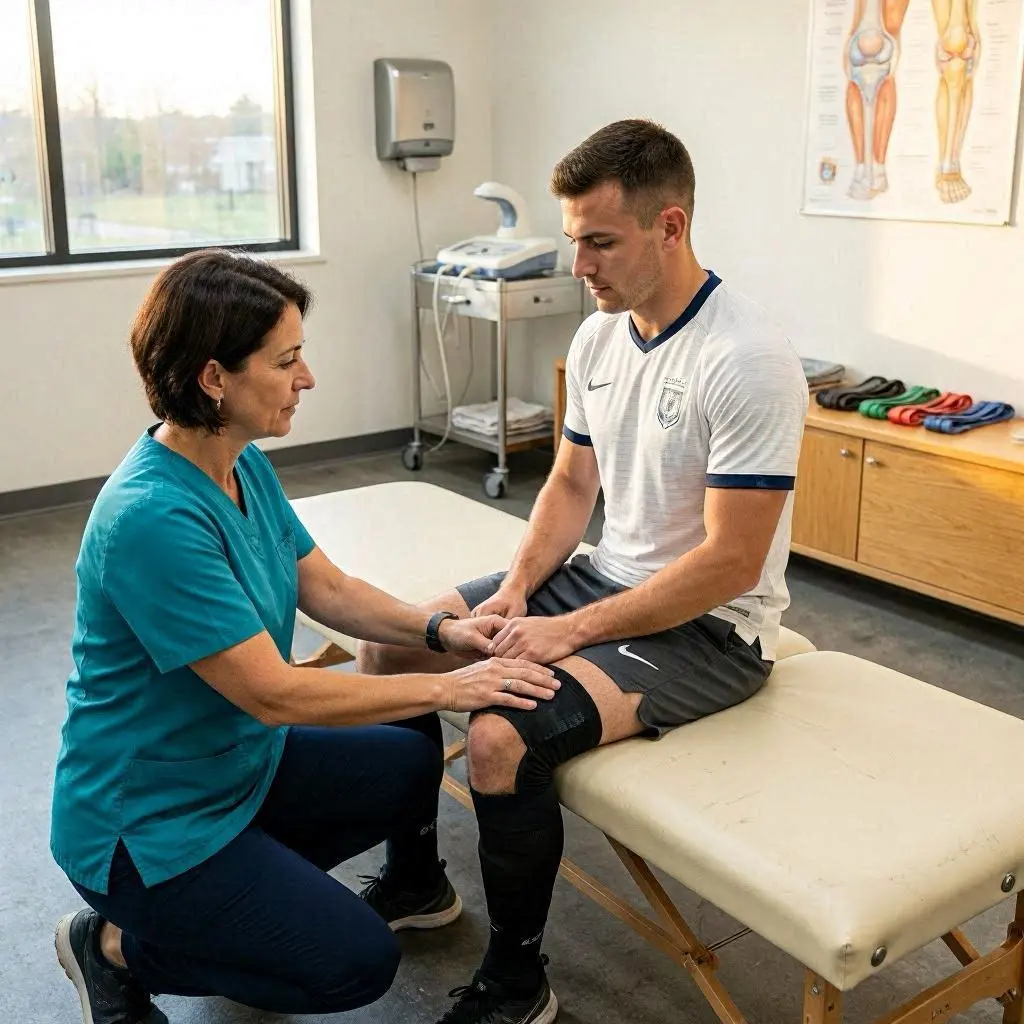
Rehabilitation After Sports Injuries (Athletic Recovery)
Recovering from an injury requires more than simply waiting for pain to disappear.
A structured rehabilitation program may include:
-
Strength training
-
Flexibility exercises
-
Balance training
-
Functional movement exercises
-
Sport-specific drills
-
Gradual return-to-play progression
Following a professional rehabilitation plan reduces the likelihood of reinjury.
Preventing Overtraining
Training hard is important, but recovery prevents overtraining syndrome.
Signs of overtraining may include:
-
Persistent fatigue
-
Decreased performance
-
Increased soreness
-
Frequent injuries
-
Difficulty sleeping
-
Mood changes
-
Reduced motivation
-
Elevated resting heart rate
Adjusting training volume and scheduling regular recovery days helps prevent these problems.
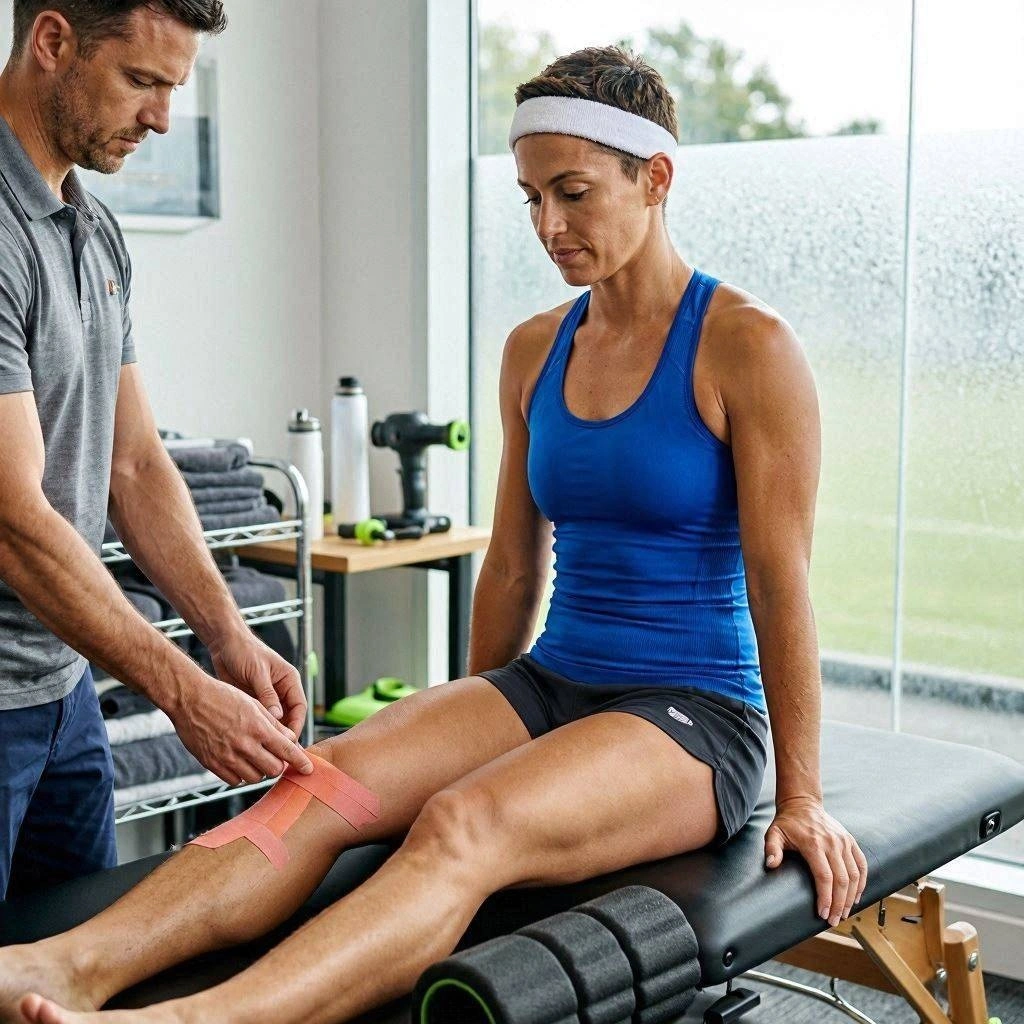
Recovery Tools (Athletic Recovery)
Athletes often use various recovery techniques alongside exercise and rehabilitation.
Common options include:
-
Foam rolling
-
Massage therapy
-
Compression garments
-
Ice therapy
-
Heat therapy
-
Mobility equipment
-
Stretching bands
-
Recovery boots (when appropriate)
Not every method is necessary for every athlete, and recovery plans should be individualized.
When Should You Seek Professional Care?
Professional evaluation is recommended if you experience:
-
Pain lasting longer than several days
-
Recurring sports injuries
-
Persistent joint stiffness
-
Muscle weakness
-
Limited range of motion
-
Swelling after exercise
-
Difficulty returning to training
-
Pain affecting athletic performance
Early assessment often leads to faster recovery and safer return to activity.
Warning Signs That Require Immediate Medical Attention
Seek urgent medical care if you experience:
-
Suspected fractures
-
Severe joint deformity
-
Loss of consciousness
-
Chest pain during exercise
-
Difficulty breathing
-
Severe head injury
-
Loss of sensation in a limb
-
Sudden inability to bear weight
These symptoms require immediate medical evaluation.
Building a Long-Term Recovery Routine (Athletic Recovery)
Successful athletes view recovery as part of every training program.
An effective recovery routine includes:
-
Scheduling rest days
-
Following structured exercise programs
-
Maintaining healthy nutrition
-
Sleeping adequately
-
Staying hydrated
-
Stretching consistently
-
Addressing injuries early
-
Monitoring training intensity
-
Using proper technique
-
Following guidance from qualified healthcare professionals
Developing these habits supports long-term athletic success.
Conclusion
Athletic recovery is a fundamental part of improving performance, preventing injuries, and maintaining long-term physical health. Through proper nutrition, hydration, quality sleep, chiropractic care, rehabilitation, stretching, and active recovery, athletes can help their bodies repair more efficiently while preparing for future training.
Whether you compete at a high level or simply enjoy staying active, investing in recovery is one of the smartest decisions you can make. A personalized recovery strategy not only reduces muscle soreness and fatigue but also supports stronger performance, greater mobility, and a healthier athletic future.