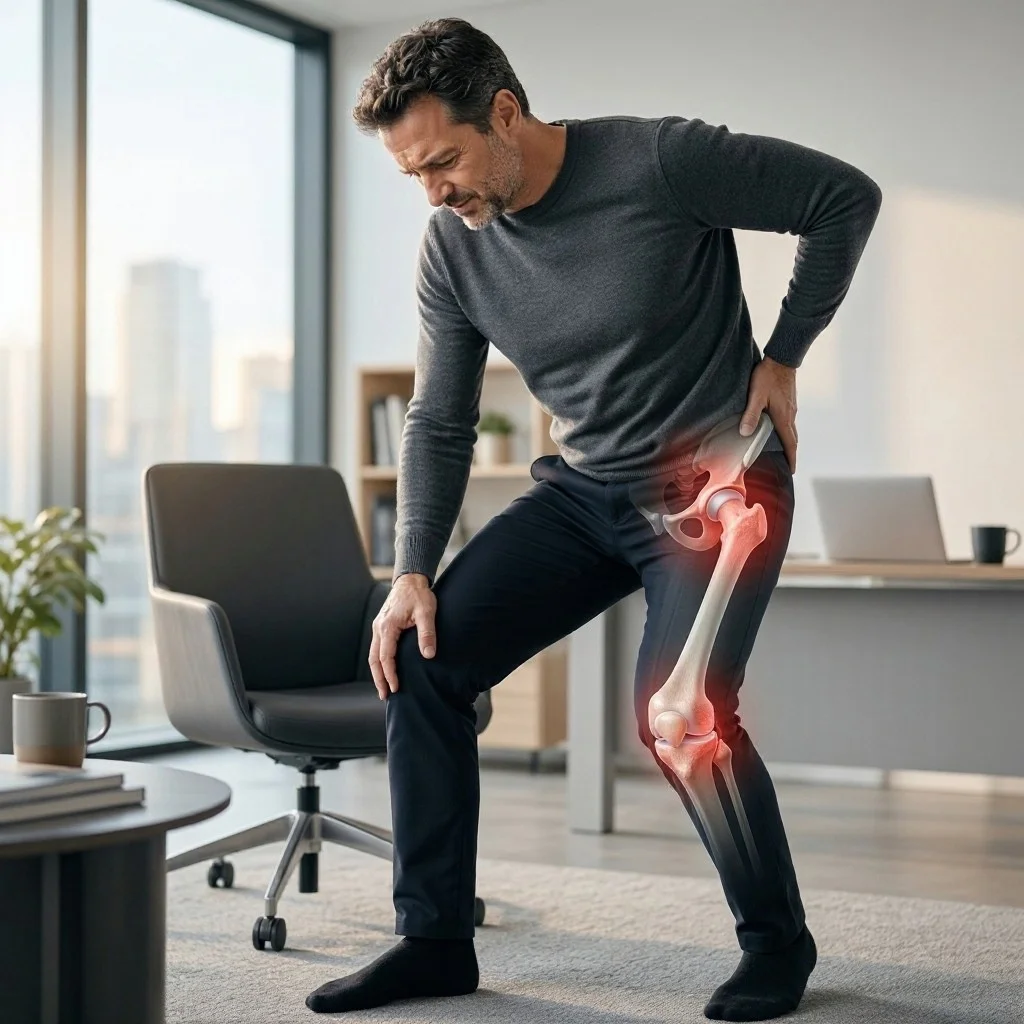
What Causes Joint Pain After Sitting for a Long Time?
Joint pain after sitting for a long time is a common problem that can affect people of different ages and activity levels. You may notice stiffness in your knees when you stand up from a chair, discomfort in your hips after driving, or aching in your lower back and ankles after working at a desk.
In many cases, this discomfort happens because joints remain in the same position for an extended period. Reduced movement can make the surrounding muscles feel tight and may temporarily increase joint stiffness. However, recurring or persistent pain can sometimes indicate an underlying condition that needs attention.
Understanding why your joints hurt after sitting can help you choose the right treatment, improve your daily movement habits, and prevent discomfort from interfering with your routine.
This guide explains the most common causes of joint pain after prolonged sitting, which joints are usually affected, how to relieve stiffness, and when professional assessment may be necessary.
Why Do Joints Hurt After Sitting for a Long Time?
Your joints are designed to move regularly. Movement helps maintain joint mobility, supports the surrounding muscles, and encourages the circulation of synovial fluid, which lubricates the joint surfaces.
When you sit for a long time, your knees, hips, ankles, and spine may remain in relatively fixed positions. As a result, the tissues around these joints can become stiff or uncomfortable.
Several factors may contribute to this problem:
Reduced joint movement during prolonged sitting
Tightness in muscles surrounding the joints
Poor sitting posture
Previous joint injuries
Inflammation or degenerative joint conditions
Reduced strength in supporting muscles
Prolonged pressure on certain body structures
Occasional stiffness that improves after walking may not be serious. However, pain that occurs frequently, becomes more intense, or continues after movement deserves further evaluation.
1. Joint Stiffness Caused by Inactivity
One of the most common reasons for joint pain after sitting is temporary stiffness caused by inactivity.
When you remain seated, your joints do not move through their normal range of motion. The surrounding muscles and soft tissues may gradually feel tight, making the first few movements uncomfortable.
This is particularly noticeable when standing up after watching television, working at a computer, or travelling in a car.
Common symptoms include:
Stiff knees when standing up
Hip discomfort during the first few steps
Temporary aching around the ankles
A feeling that your joints need time to loosen up
Improvement after walking or gentle movement
This type of stiffness often improves once you begin moving. Taking short movement breaks throughout the day can help reduce discomfort.
2. Osteoarthritis and Cartilage Changes
Osteoarthritis is a condition that develops when the structures within a joint gradually change over time. It commonly affects the knees, hips, hands, and spine.
The condition can make joints painful and stiff, particularly after periods of inactivity. Some people experience discomfort when they first stand up after sitting, followed by partial improvement as they begin walking.
Other symptoms may include:
Pain during walking or climbing stairs
Reduced joint flexibility
Swelling around the affected joint
A grinding or clicking sensation
Stiffness after resting
Difficulty completing everyday activities
Although osteoarthritis becomes more common with age, it can also develop following joint injuries or other contributing factors.
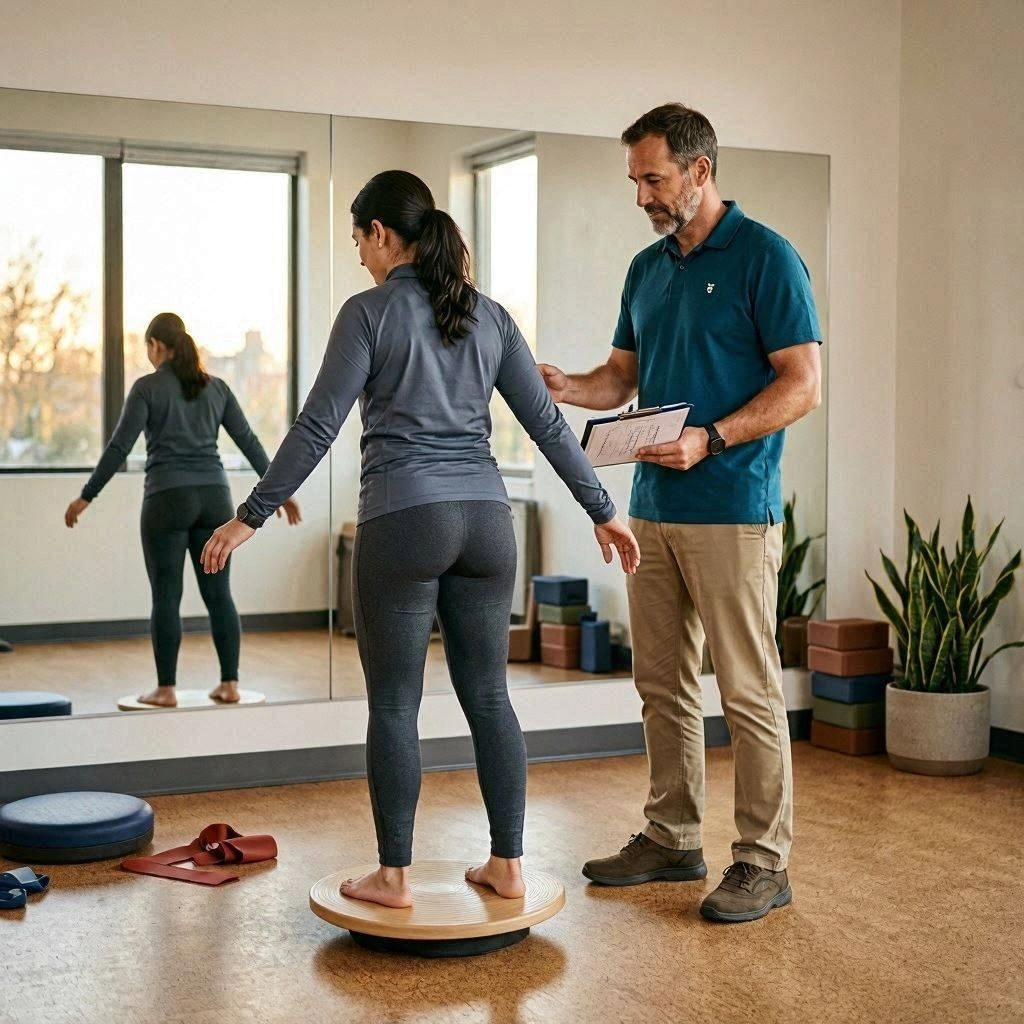
Treatment depends on the affected joint, symptoms, and individual needs. Physiotherapy may help improve strength, mobility, and movement control.
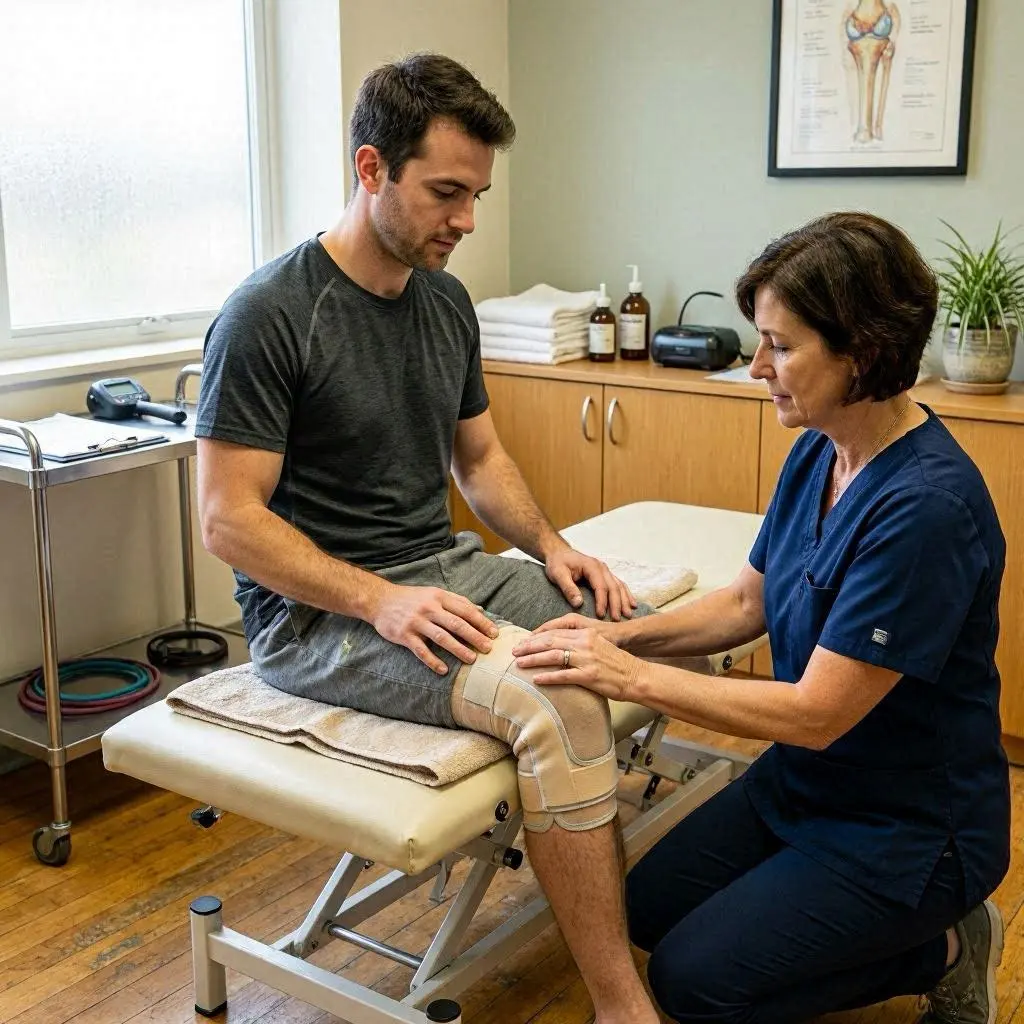
If knee or hip discomfort is affecting your daily activities, learning more about physiotherapy services at Ritz Clinic may help you understand how a structured rehabilitation approach can support joint function.
3. Tight Hip Flexors and Weak Supporting Muscles
Prolonged sitting keeps the hips bent for extended periods. Over time, this position may contribute to tightness in the hip flexor muscles, particularly when combined with limited physical activity.
The hip flexors help lift your knees and control hip movement. When they become tight or irritated, standing upright and walking after sitting may feel uncomfortable.
Weakness in the gluteal muscles can also affect how the hips and pelvis move. These muscles help stabilize the pelvis and support normal lower-body movement.
You may notice:
Tightness at the front of your hips
Discomfort when standing after sitting
Reduced hip extension
Lower back discomfort alongside hip stiffness
Difficulty taking comfortable steps after prolonged sitting
Gentle hip mobility exercises, strengthening activities, and regular movement breaks may help. However, exercises should be selected according to your symptoms and physical ability.
4. Poor Sitting Posture
The way you sit can influence how pressure is distributed throughout your body.
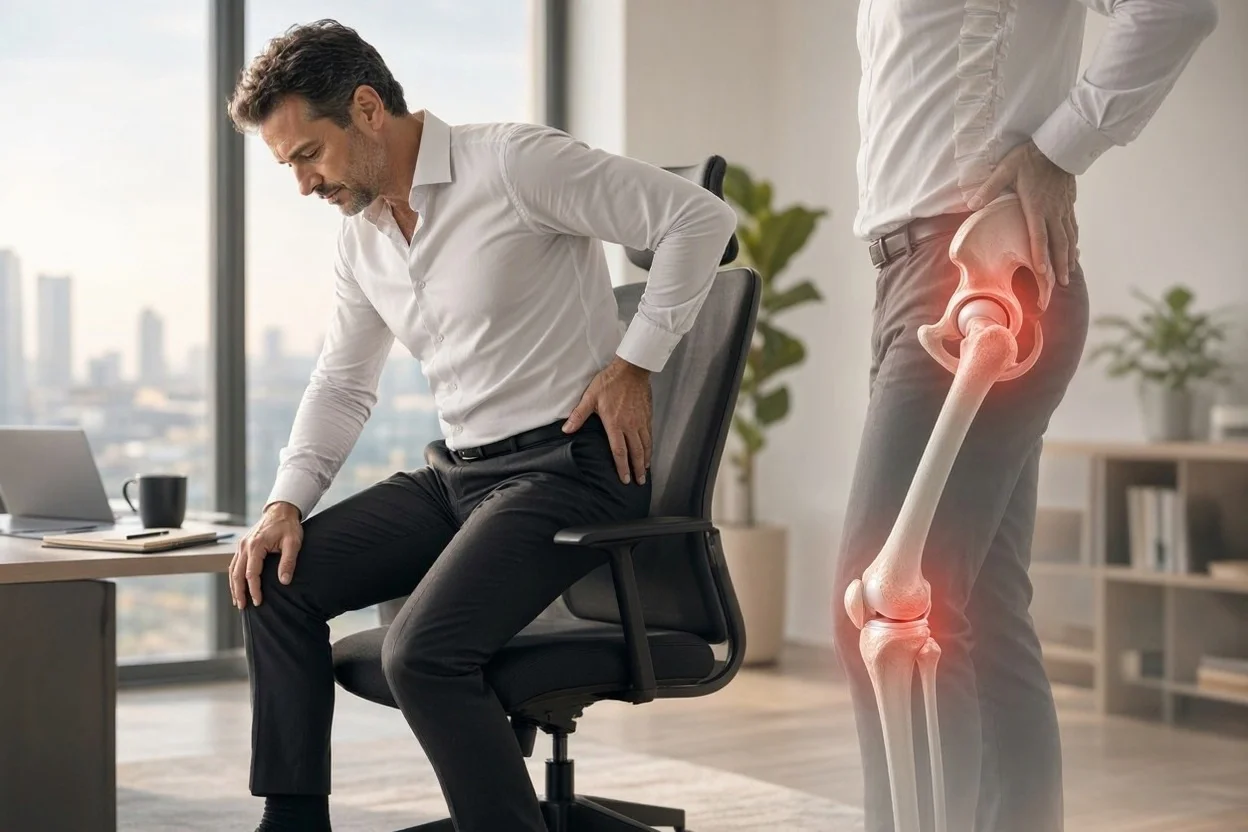
Sitting with your back rounded, shoulders forward, or hips positioned unevenly may increase strain on certain muscles and joints. Keeping your feet unsupported or sitting on an unsuitable chair can also contribute to discomfort.
Poor posture does not automatically mean that a joint is being damaged. However, maintaining one uncomfortable position for hours can make existing symptoms worse.
To improve your sitting position:
Keep both feet supported on the floor or a footrest.
Adjust your chair so your hips and knees are comfortably positioned.
Keep your screen at a suitable height.
Avoid leaning to one side for long periods.
Change your sitting position regularly.
Take brief standing or walking breaks.
There is no single perfect sitting posture for everyone. The most useful approach is to maintain a comfortable position and avoid staying in the same position for too long.
5. Inflammatory Arthritis
Inflammatory arthritis refers to conditions in which the immune system or inflammatory processes affect the joints.
Unlike temporary stiffness caused only by inactivity, inflammatory joint conditions may produce persistent symptoms, swelling, warmth, and prolonged morning stiffness.
Rheumatoid arthritis is one example. It often affects multiple joints and may involve the hands, wrists, knees, or feet.
Possible symptoms include:
Joint swelling and tenderness
Warmth around affected joints
Morning stiffness lasting longer than expected
Fatigue
Pain affecting several joints
Symptoms that occur on both sides of the body
Joint pain after sitting can occur with inflammatory arthritis, but it is not enough on its own to identify the condition.
If you experience persistent swelling, prolonged morning stiffness, or unexplained pain in multiple joints, speak with a healthcare professional. Early assessment can help identify inflammatory conditions and guide appropriate treatment.
6. Previous Joint Injuries
A previous injury may make a joint more sensitive to prolonged sitting.
For example, someone who has experienced a knee ligament injury, meniscus damage, hip injury, or ankle sprain may notice stiffness after keeping the joint in one position.
Even after the initial injury has healed, some people experience reduced mobility, muscle weakness, or changes in movement patterns.
Common signs include:
Pain around a previously injured joint
Stiffness after resting
Discomfort when returning to activity
Reduced confidence when walking
Swelling after physical activity
Rehabilitation can help restore strength, flexibility, balance, and joint control.
At Ritz Clinic, injury rehabilitation can be discussed as part of a broader recovery plan. The most appropriate approach depends on the injury and the current symptoms.
7. Reduced Muscle Strength and Physical Activity
Your muscles play an important role in supporting and stabilizing your joints.
When the muscles around the hips, knees, and ankles are weak, everyday activities may place greater demands on the joints. A sedentary routine can gradually reduce muscle endurance and make movement feel more difficult.
This does not mean that sitting directly causes joint damage. Instead, limited activity may contribute to reduced physical conditioning, which can make existing joint problems more noticeable.
Strengthening exercises can help improve support around the joints.
Depending on your ability, a suitable program may include:
Gentle walking
Sit-to-stand exercises
Supported leg raises
Light resistance exercises
Hip strengthening
Balance activities
Start gradually, especially if you have ongoing pain. If an exercise causes sharp pain, significant swelling, or worsening symptoms, stop and seek professional advice.
8. Bursitis and Tendon Irritation
Bursae are small fluid-filled sacs that help reduce friction between bones, tendons, and other tissues. Bursitis occurs when one of these structures becomes irritated or inflamed.
Tendons connect muscles to bones and can also become irritated through repetitive loading or other factors.
Depending on the affected area, these conditions may cause pain around the hip, knee, shoulder, or other joints.
For example, some people with hip bursitis experience pain when sitting for a long time, particularly when pressure is placed on the affected side.
Possible symptoms include:
Localized tenderness
Pain when changing positions
Discomfort when lying on the affected side
Pain during specific movements
Swelling in some cases
The exact cause of the symptoms needs to be assessed because tendon problems, bursitis, and joint conditions can sometimes feel similar.
Which Joints Are Most Commonly Affected After Sitting?
Different joints may become uncomfortable depending on your posture, activity level, and underlying health.
Knee Pain After Sitting
Knee pain after sitting is sometimes described as a stiff or aching sensation when standing up.
It may be associated with osteoarthritis, patellofemoral pain, muscle weakness, or temporary stiffness after inactivity.
Some people also notice discomfort when climbing stairs or bending their knees.
If your knee pain continues, becomes swollen, or limits walking, a professional assessment can help identify the cause.
Hip Pain After Sitting
Hip discomfort may develop after sitting with the hips bent for a prolonged period.
Possible contributors include tight hip flexors, osteoarthritis, tendon irritation, and bursitis.
Pain may occur in the groin, outer hip, or buttock area. The location of discomfort can provide useful information, although it cannot confirm a diagnosis.
Lower Back Pain After Sitting
Lower back pain is often associated with prolonged sitting, especially when combined with limited movement or an uncomfortable workstation.
The muscles and structures around the spine may become sensitive, and existing back conditions can become more noticeable.
If back discomfort is accompanied by persistent leg pain, numbness, weakness, or changes in bladder or bowel control, seek medical assessment promptly. New bladder or bowel problems or numbness around the groin require emergency evaluation.
Ankle and Foot Stiffness
Some people notice stiffness in their ankles or feet after sitting for extended periods.
This may happen because the joints and surrounding tissues have remained relatively inactive. However, swelling, persistent pain, or difficulty putting weight on the foot may indicate a condition that needs assessment.
How Can You Relieve Joint Pain After Sitting?
The best way to manage joint pain depends on its cause. However, several practical habits may help reduce stiffness associated with prolonged sitting.
1. Take Regular Movement Breaks
Avoid remaining in the same position for several hours without moving. Try standing up, walking around, or gently changing your position every 30 to 60 minutes.
Even a short movement break can help reduce the feeling of stiffness.
If you work at a desk, consider:
Walking while taking phone calls
Standing briefly between tasks
Moving your ankles and knees while seated
Taking a short walk during lunch
Alternating between sitting and standing when possible
The goal is not to exercise intensely throughout the day. Instead, build regular movement into your routine.
2. Try Gentle Joint Mobility Exercises
Gentle movement may help restore comfortable mobility after sitting.
Depending on the affected joint, you could try:
Knee extensions: While seated, slowly straighten one knee, hold briefly, and lower it.
Ankle circles: Lift one foot slightly and make slow circles with your ankle.
Seated marching: Lift one knee at a time without leaning backward.
Gentle hip movements: Stand with support and slowly move one leg backward within a comfortable range.
Shoulder rolls: Move your shoulders gently forward and backward if upper-body stiffness is also present.
Start with a small number of repetitions. Do not force a joint into a painful position, and stop if an exercise causes sharp or increasing pain.
3. Improve Your Workstation Setup
An uncomfortable workstation can encourage prolonged, awkward sitting positions.
Make sure your chair supports your back and allows your feet to rest comfortably. Position your monitor so you do not need to lean forward or look down for extended periods.
Also, remember that changing position is often more useful than trying to maintain one rigid posture all day.
4. Build Strength Gradually
Stronger muscles can help support joint movement and improve everyday function.
A physiotherapist may recommend exercises that target the muscles around your hips, knees, ankles, or spine. The program should match your current strength, mobility, symptoms, and medical history.
Avoid suddenly starting intense workouts if you have been inactive or are experiencing persistent joint pain.
5. Use Heat or Cold When Appropriate
Heat may help some people feel more comfortable when dealing with stiffness. A warm shower or a comfortably warm pack can be useful before gentle movement.
Cold packs may help reduce pain or swelling after an activity-related flare-up. Wrap an ice pack in a towel and apply it for up to 20 minutes at a time.
Avoid applying extreme temperatures directly to your skin. If you have reduced sensation or circulation problems, ask a healthcare professional before using heat or cold therapy.
When Should You See a Physiotherapist?
Occasional stiffness that improves quickly after movement may not require professional treatment. However, an assessment can be helpful if joint pain keeps returning or begins to interfere with everyday activities.
Consider seeking professional guidance if:
You experience joint pain after sitting almost every day.
Your knees or hips feel increasingly stiff.
You struggle to stand up comfortably from a chair.
Pain affects your walking, exercise, or sleep.
You have reduced joint movement.
You are recovering from a previous joint injury.
Home exercises and movement breaks have not helped.
At Ritz Clinic’s physiotherapy service, an assessment can help identify movement limitations, muscle weakness, and factors that may be contributing to your discomfort.
Depending on your needs, a physiotherapy plan may include therapeutic exercises, mobility work, strength training, education, and gradual return to normal activities.
For people whose symptoms involve movement restrictions or discomfort across several body areas, physiotherapy movement therapy may also be relevant.
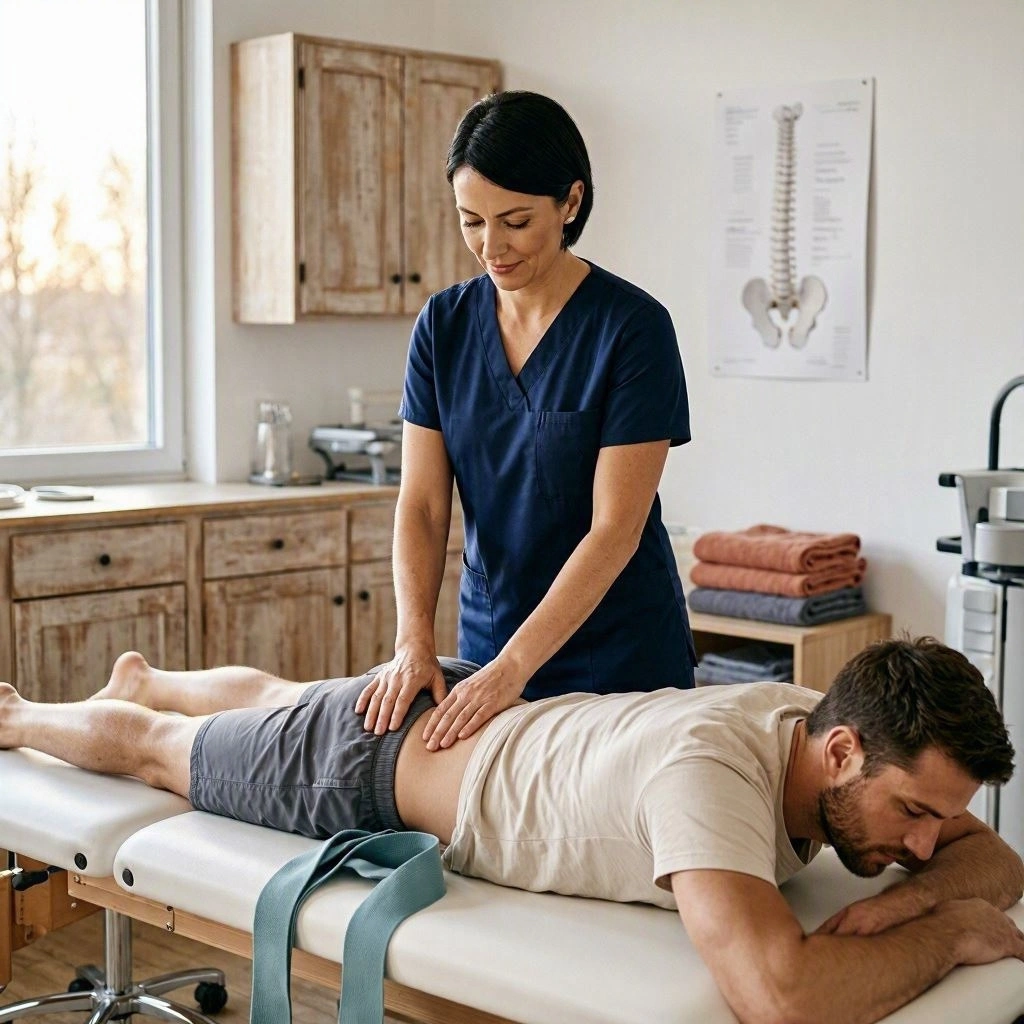
If your symptoms appear to involve the spine or related musculoskeletal structures, a healthcare professional can help determine whether another service, such as chiropractic care, is appropriate.
How Is the Cause of Joint Pain Diagnosed?
Joint pain after sitting can have several possible causes, so a healthcare professional will usually consider more than the location of the pain.
An assessment may involve:
1. Reviewing your symptoms: You may be asked when the pain started, how long stiffness lasts, which joints are affected, and whether movement improves or worsens your symptoms.
2. Reviewing your medical history: Previous injuries, existing health conditions, activity levels, and medications may help explain your symptoms.
3. Physical examination: The clinician may assess joint movement, swelling, tenderness, muscle strength, flexibility, and walking patterns.
4. Further testing when necessary: Depending on the findings, imaging or blood tests may be recommended to investigate arthritis, injury, or inflammatory conditions.
Not everyone needs an X-ray, MRI, or blood test. The appropriate investigations depend on the symptoms and clinical findings.
When Is Joint Pain After Sitting a Warning Sign?
Although many causes of joint stiffness are manageable, certain symptoms require prompt medical attention.
Seek urgent medical assessment if a joint becomes suddenly very painful, hot, red, or noticeably swollen, particularly if you also have a fever or feel generally unwell. These symptoms can sometimes indicate an infection or another urgent condition.
You should also seek immediate care if:
You cannot walk or put weight on the affected joint.
Severe pain develops after a fall or injury.
The joint appears deformed or out of place.
You experience new numbness or loss of sensation after an injury.
Arrange a non-urgent medical appointment if pain keeps returning, gets worse, affects your sleep, or does not improve after around two weeks of self-care. Persistent morning stiffness lasting more than 30 minutes is also worth discussing with a healthcare professional.
NHS+2
How Can You Prevent Joint Stiffness From Prolonged Sitting?
You may not be able to avoid sitting completely, especially if your work involves a desk or long periods of driving. However, small changes can help reduce the amount of time your joints remain inactive.
Try these habits:
Set reminders to stand and move regularly.
Walk for a few minutes several times throughout the day.
Include gentle mobility exercises in your daily routine.
Maintain a comfortable workstation.
Choose regular physical activities that suit your ability.
Strengthen the muscles that support your joints.
Avoid suddenly increasing your exercise intensity.
Follow up on persistent pain rather than ignoring it.
Consistency matters more than occasional intense exercise. Regular, manageable movement can help maintain mobility and support long-term physical function.
Frequently Asked Questions
Why do my knees hurt when I stand up after sitting?
Knee pain when standing after sitting may be related to temporary stiffness, osteoarthritis, patellofemoral pain, or weakness in the muscles supporting the knee. If the discomfort improves after a few steps but keeps returning, consider having the joint assessed.
Is joint pain after sitting a sign of arthritis?
Not necessarily. Joint pain after inactivity can occur with osteoarthritis and inflammatory arthritis, but it can also result from muscle tightness, previous injuries, or reduced mobility. Other symptoms, including swelling, warmth, and the duration of stiffness, help healthcare professionals investigate the cause.
How long should joint stiffness last after sitting?
Temporary stiffness may improve within a few minutes of gentle movement. However, stiffness that lasts longer, frequently returns, or affects your daily activities should be assessed. Morning stiffness lasting more than 30 minutes is particularly important to discuss with a healthcare professional.
Can sitting too much cause hip pain?
Yes. Prolonged sitting may contribute to hip discomfort by keeping the hip flexors in a shortened position and limiting movement. However, persistent hip pain may also involve osteoarthritis, bursitis, tendon irritation, or other conditions.
Does walking help joint pain after sitting?
Gentle walking may help reduce temporary stiffness and improve mobility. However, the amount of activity should match your symptoms. If walking causes increasing pain, swelling, or difficulty bearing weight, seek professional advice.
What is the difference between normal stiffness and inflammatory arthritis?
Temporary stiffness after inactivity often improves relatively quickly with movement. Inflammatory arthritis may cause more persistent stiffness, joint swelling, warmth, and pain in multiple joints. Some people also experience fatigue or other general symptoms.
These patterns can provide useful clues, but only a suitable medical assessment can help establish the cause.
Should I exercise if my joints hurt after sitting?
Gentle movement is often helpful, but the right exercises depend on the underlying problem. Walking, controlled mobility exercises, and gradual strengthening may be appropriate for some people. Avoid movements that produce sharp pain or significantly worsen your symptoms.
Conclusion
Joint pain after sitting for a long time can result from temporary stiffness, muscle tightness, poor workstation habits, osteoarthritis, previous injuries, or inflammatory joint conditions.
Although occasional discomfort may improve with gentle movement, recurring pain should not be ignored. Pay attention to how long the stiffness lasts, which joints are affected, and whether you notice swelling, warmth, or reduced mobility.
Regular movement breaks, comfortable sitting positions, and appropriate strengthening exercises can help support joint function. If your symptoms persist or interfere with everyday activities, a professional assessment can help identify the underlying cause and guide the next steps.
At Ritz Clinic, physiotherapy assessment and an appropriate movement-based rehabilitation plan may help you work toward better mobility, improved strength, and more comfortable daily activities.
NHS – Rheumatoid Arthritis Symptoms
Summary: Joint Pain After Sitting for a Long Time
| Possible cause | Common symptoms | Helpful next step |
|---|---|---|
| Inactivity-related stiffness | Temporary stiffness after resting | Regular movement breaks |
| Osteoarthritis | Joint pain and stiffness after rest | Professional assessment and tailored exercise |
| Tight hip flexors | Front-of-hip tightness | Gentle mobility exercises |
| Poor sitting posture | Back, hip, or neck discomfort | Improve workstation setup |
| Inflammatory arthritis | Swelling and prolonged stiffness | Medical assessment |
| Previous joint injury | Recurring pain around an injured joint | Individual rehabilitation plan |
| Muscle weakness | Discomfort and reduced movement control | Gradual strengthening |
| Bursitis or tendon irritation | Localized tenderness and movement-related pain | Assessment to identify the affected tissue |