Massage Therapy Treatment Plan: A Complete Guide to Personalized Massage Care
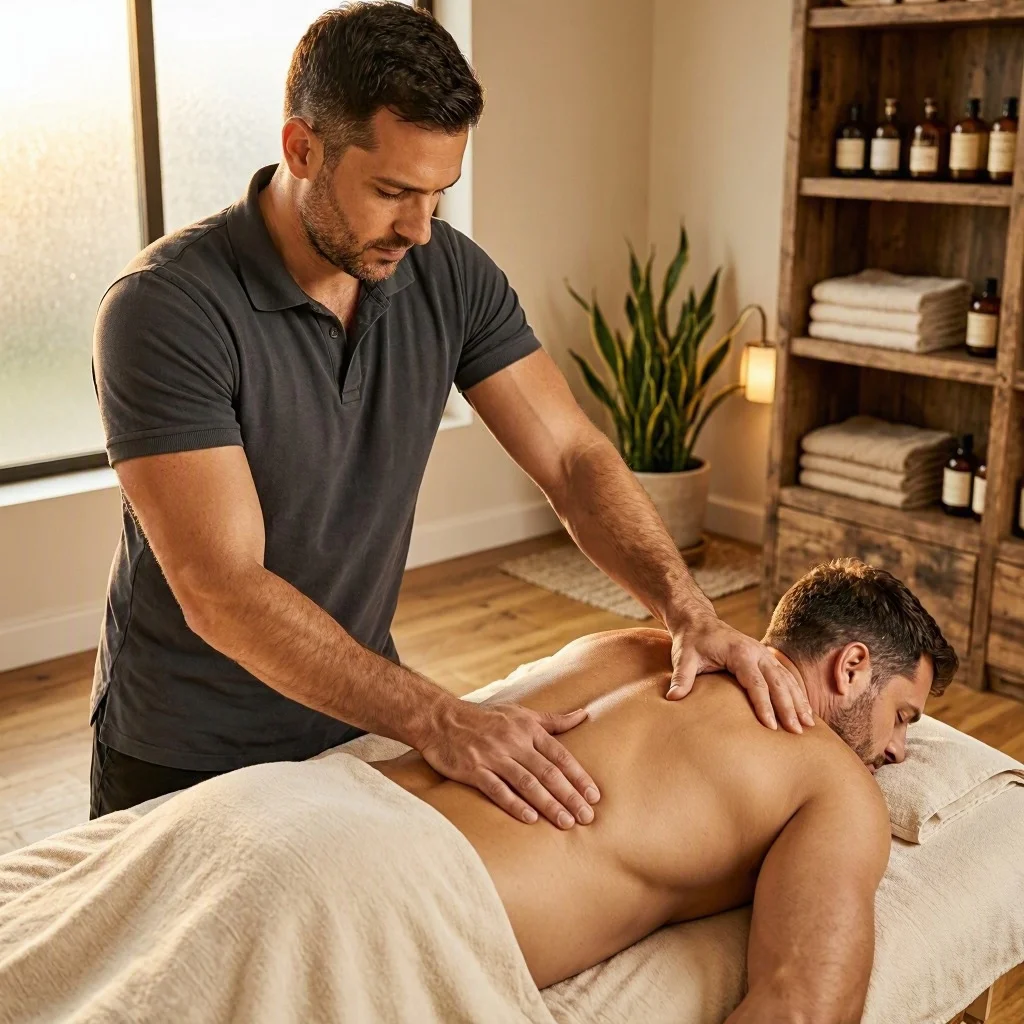
A Massage Therapy Treatment Plan provides a structured approach to addressing muscle tension, physical discomfort, restricted movement, stress, and other concerns through therapeutic massage techniques. Rather than treating every client with exactly the same routine, a well-designed treatment plan considers the individual’s symptoms, lifestyle, physical activity, medical history, goals, and response to previous sessions.
Massage therapy can be used for many different purposes. Some people seek treatment because of muscle tightness after exercise, while others experience discomfort associated with prolonged sitting, repetitive work, physical activity, or everyday stress. Massage may also be incorporated into a broader rehabilitation or wellness program.
A treatment plan can help organize the therapeutic process by identifying the client’s main concerns, selecting appropriate techniques, establishing realistic goals, monitoring progress, and adjusting treatment when necessary.
Importantly, massage therapy is not a replacement for medical diagnosis or treatment when a serious underlying condition is present. A qualified massage therapist should recognize situations that require referral to another healthcare professional.
The most effective massage therapy treatment plan is therefore individualized, goal-oriented, and flexible.
What Is a Massage Therapy Treatment Plan?
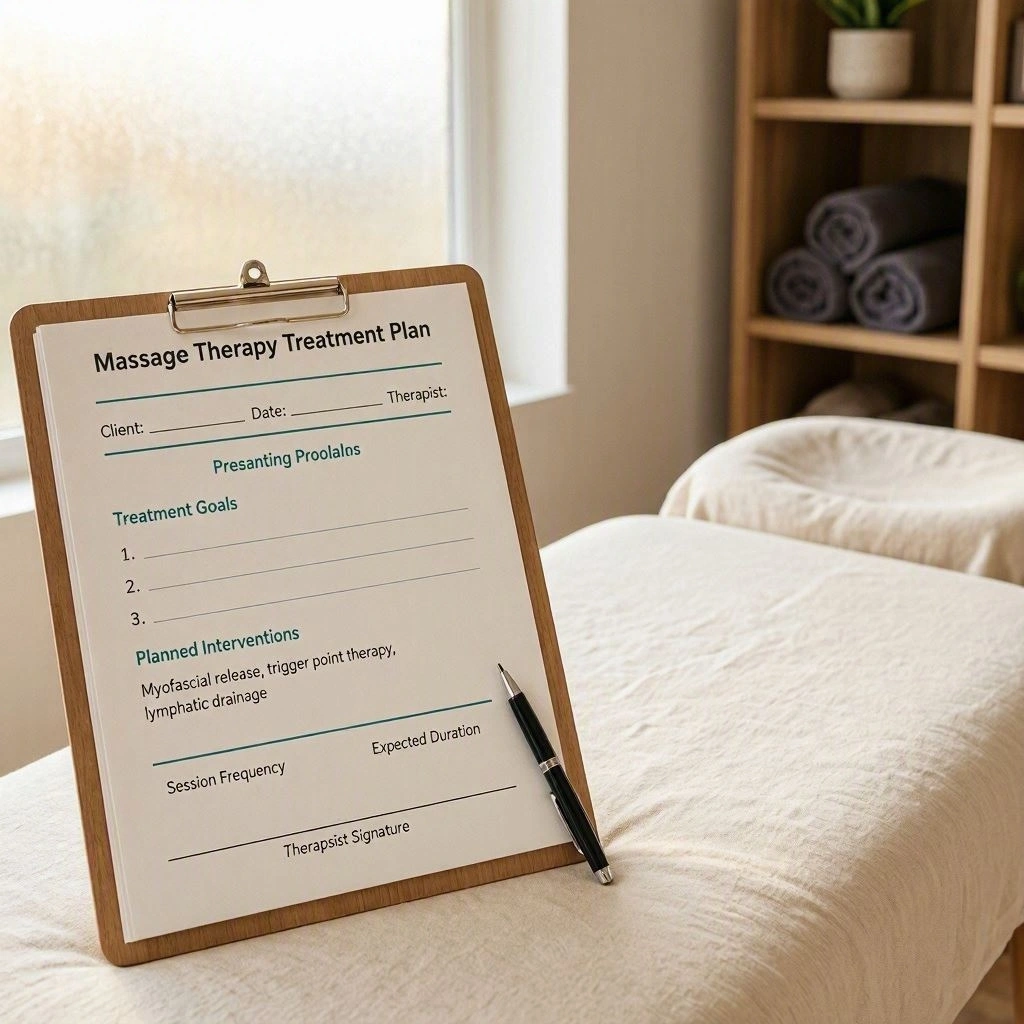
A massage therapy treatment plan is a structured outline that describes how massage sessions will be used to address a client’s specific needs.
A plan may include:
Initial assessment
Treatment goals
Massage techniques
Areas of focus
Session duration
Recommended frequency
Home-care suggestions
Progress monitoring
Treatment modifications
The plan may change as the client responds to treatment.
For example, someone initially experiencing significant muscle tension may begin with gentle techniques designed to promote relaxation and comfortable movement. As symptoms improve, the therapist may gradually introduce different techniques or focus on maintaining mobility and preventing recurring tension.
A treatment plan should never be considered a fixed prescription. It should evolve according to the client’s progress and individual circumstances.
Why Is a Personalized Massage Therapy Plan Important?
Every person responds differently to massage.
Two people may have similar complaints but require different treatment approaches.
For example, one client may experience shoulder tension because of prolonged desk work, while another may have similar discomfort after resistance training. Their treatment goals, physical demands, and recovery needs may be different.
A personalized massage therapy treatment plan allows the therapist to consider:
Where discomfort occurs
How symptoms developed
How long symptoms have been present
Daily activities
Exercise habits
Stress levels
Previous injuries
Treatment preferences
Individual goals
This approach helps ensure that massage techniques are selected according to the person’s needs rather than applying a standardized routine.
Initial Assessment for Massage Therapy
An effective treatment plan usually begins with an assessment.
The massage therapist may ask questions about the client’s current condition and goals.
These questions may include:
What brings you to massage therapy?
Where do you experience tension or discomfort?
When did the problem begin?
What activities make it worse?
What activities make it better?
Do you exercise regularly?
What type of work do you perform?
Have you experienced previous injuries?
What are your goals for treatment?
The therapist may also observe posture, movement, or areas of muscular tension when appropriate.
The purpose of the assessment is to understand the client’s situation and determine whether massage therapy is appropriate.
Setting Goals for Massage Therapy (Massage Therapy Treatment Plan)
Treatment goals should be realistic and relevant to the client.
Goals might include:
Reducing muscle tension
Improving relaxation
Supporting recovery after exercise
Improving comfortable movement
Reducing the sensation of muscular stiffness
Supporting stress management
Improving general physical comfort
Goals can be short-term or long-term.
For example, a short-term goal may be to reduce shoulder tension after prolonged computer work. A longer-term goal could be to establish a regular recovery routine that complements exercise and healthy movement habits.
Massage Therapy for Muscle Tension
Muscle tension is one of the most common reasons people seek massage therapy.
Tension can develop from:
Repetitive movements
Exercise
Prolonged sitting
Standing for long periods
Physical work
Stress
Limited movement
Massage techniques may help some people feel more relaxed and comfortable.
However, recurring muscle tension may have multiple contributing factors. Massage can be one part of a broader strategy that also includes exercise, mobility, ergonomic changes, adequate recovery, and stress management.
Massage Therapy for Neck and Shoulder Tension
Neck and shoulder tension is particularly common among people who work at computers or spend long periods using mobile devices.
A massage therapy treatment plan may focus on areas such as:
Upper shoulders
Upper back
Neck muscles
Shoulder blade region
The therapist may use techniques appropriate for the individual’s tolerance and condition.
Massage should not involve unnecessarily aggressive pressure.
If neck or shoulder symptoms include neurological signs such as significant weakness or persistent numbness, medical evaluation may be appropriate.
Massage Therapy for Back Tension
Back discomfort is another common reason people seek massage.
Muscular tension may occur after:
Physical work
Exercise
Prolonged sitting
Repetitive lifting
Long periods of standing
A massage treatment plan may focus on the muscles around the back, hips, and shoulders depending on the individual’s symptoms.
The therapist should consider the client’s comfort and avoid treating areas where massage is inappropriate.
Sports Massage Treatment Plans
Athletes and physically active individuals may use massage as part of their recovery routine.
A sports massage treatment plan may consider:
Training schedule
Exercise intensity
Competition dates
Recovery periods
Areas of recurring muscular tension
Individual performance goals
The timing of massage may also matter.
A very intense massage immediately before an important sporting event may not be appropriate for every athlete. Treatment should therefore be adjusted according to the person’s training and competition schedule.
Massage should complement, rather than replace, proper training, recovery, nutrition, hydration, and injury management.
Massage Therapy for Exercise Recovery
Exercise places physical demands on muscles and other tissues.
Recovery involves more than massage, but massage may help some individuals feel less tense or more comfortable following physical activity.
A recovery-focused treatment plan may incorporate:
Appropriate massage techniques
Gentle mobility
Rest
Hydration
Sleep
Gradual training progression
Massage should not be used to mask significant injury symptoms so that an athlete can continue training without appropriate assessment.
Deep Tissue Massage
Deep tissue massage uses slower and more focused techniques that may target deeper layers of muscle and connective tissue.
Despite its name, deep tissue massage does not need to be extremely painful to be effective.
Excessive pressure can cause unnecessary discomfort and may leave a person feeling worse afterward.
A good treatment plan considers the individual’s tolerance and adjusts pressure accordingly.
Deep tissue techniques may be included when appropriate, but they are not necessary for every client.
Swedish Massage
Swedish massage commonly involves flowing techniques designed to promote relaxation and comfortable soft-tissue movement.
It may be appropriate for clients whose primary goal is:
Relaxation
General wellness
Stress reduction
Comfortable muscular movement
A treatment plan may combine different techniques depending on the client’s goals.
Trigger Point Techniques
Some massage therapists use focused techniques around areas of muscular sensitivity commonly referred to as trigger points.
These techniques may be incorporated when appropriate.
However, treatment should be comfortable and controlled.
The therapist should avoid excessive pressure, particularly when the client has an acute injury or unexplained symptoms.
Myofascial Techniques
Myofascial approaches focus on soft tissues and may be incorporated into a broader massage treatment.
These techniques can vary significantly between practitioners.
The therapist should explain what they are doing and adjust treatment based on the client’s response.
Massage Therapy Session Frequency
There is no universal massage schedule that works for everyone.
Session frequency depends on:
Treatment goals
Symptoms
Lifestyle
Physical activity
Budget
Recovery needs
Response to previous sessions
Some people may benefit from occasional massage, while others may prefer a short period of more frequent treatment followed by maintenance sessions.
The important point is to evaluate whether treatment is helping achieve meaningful goals.
How Long Should a Massage Session Last?
Massage sessions can vary in duration.
A session may last approximately:
30 minutes
45 minutes
60 minutes
75 minutes
90 minutes
The appropriate duration depends on the treatment goals and the areas being addressed.
A longer session is not automatically better.
The quality and appropriateness of treatment are more important than simply increasing session length.
What Happens During the First Massage Session?
The first session may involve more discussion than later appointments.
The therapist may:
Discuss your concerns.
Review relevant history.
Establish treatment goals.
Explain the proposed approach.
Begin treatment.
Ask about pressure and comfort.
Review how you feel afterward.
Provide appropriate aftercare suggestions.
This process helps establish a baseline for future sessions.
Monitoring Progress
A massage therapy treatment plan should include some form of progress monitoring.
The therapist may ask whether you have noticed changes in:
Muscle tension
Comfort
Mobility
Stress
Exercise recovery
Daily activities
Client feedback is especially important.
If a technique consistently causes excessive soreness without meaningful benefit, the treatment approach should be reconsidered.
Adjusting the Treatment Plan
A treatment plan should be flexible.
For example, a client may initially seek massage for shoulder tension. After several sessions, their shoulder symptoms may improve while they begin noticing tension elsewhere.
The therapist can then modify the treatment accordingly.
Adjustments may involve:
Changing massage techniques
Reducing or increasing pressure
Changing treatment areas
Altering session frequency
Adding mobility recommendations
Referring the client to another healthcare professional
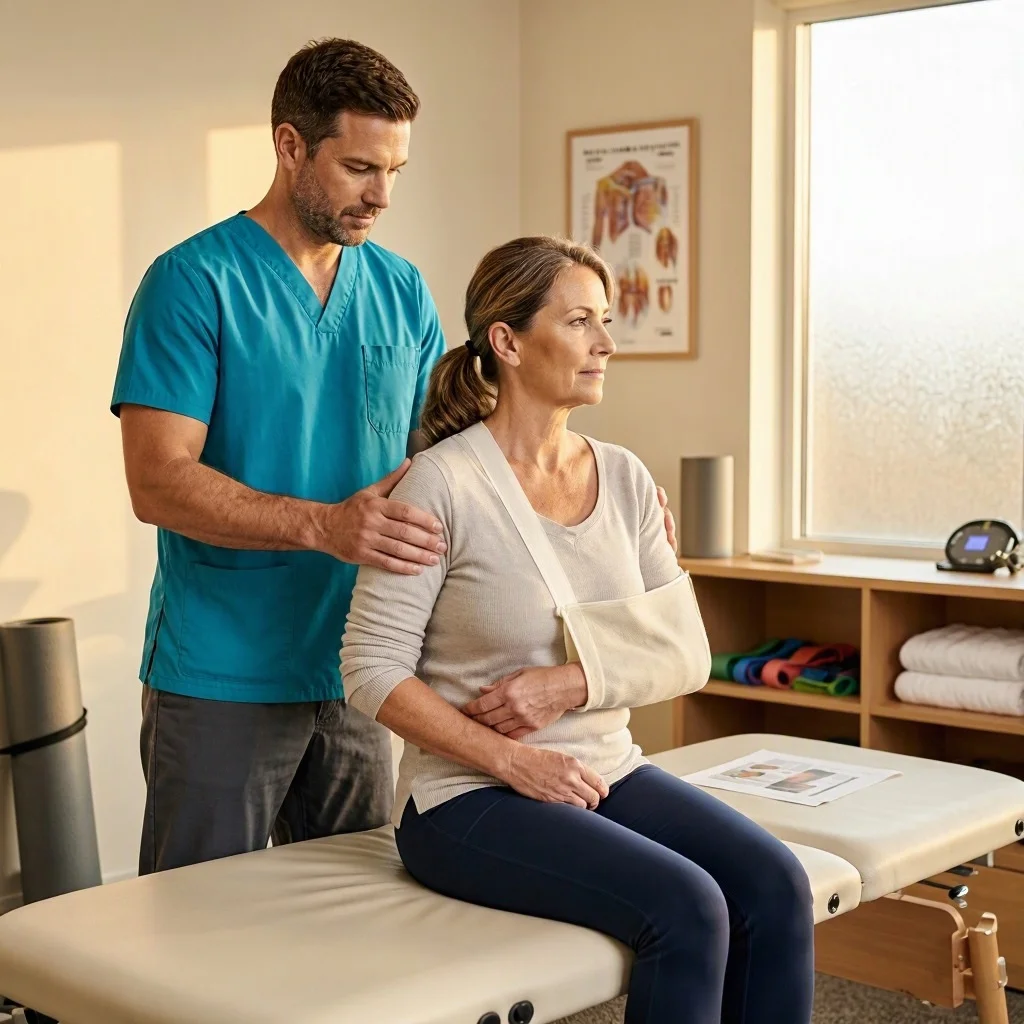
Massage Therapy and Physiotherapy
Massage therapy and physiotherapy can complement one another.
It may focus on soft-tissue comfort and relaxation, while physiotherapy may address:
Strength
Mobility
Movement patterns
Functional limitations
Exercise progression
Rehabilitation
For people recovering from an injury or dealing with persistent symptoms, combining appropriate massage with active rehabilitation may provide a more comprehensive approach.
The two professions have different roles, and treatment should be coordinated when necessary.
Massage Therapy and Exercise (Massage Therapy Treatment Plan)
Massage should not replace exercise.
Regular physical activity helps maintain:
Strength
Mobility
Endurance
Coordination
General fitness
Massage may be used alongside exercise to support comfort and recovery.
For example, someone who performs resistance training may use massage as part of their recovery routine while continuing a structured strength program.
Massage Therapy for Office Workers
Office workers often experience tension around the:
Neck
Shoulders
Upper back
Lower back
A massage treatment plan may help manage the sensation of muscular tension, but workplace habits should also be addressed.
Useful strategies include:
Taking movement breaks
Adjusting the workstation
Changing sitting positions
Walking regularly
Performing strengthening exercises
Managing workload and stress
Massage alone may provide temporary relief without addressing the reasons symptoms keep returning.
Massage Therapy for Stress (Massage Therapy Treatment Plan)
Many people use massage for relaxation and stress management.
Stress can influence muscle tension and physical comfort.
A relaxation-oriented massage session may provide an opportunity to slow down and relax.
However, massage should be considered one component of stress management.
Other strategies include:
Regular exercise
Adequate sleep
Relaxation techniques
Breathing exercises
Social connection
Time away from work
Massage Therapy for Older Adults
Older adults may also benefit from appropriately adapted massage therapy.
However, treatment should consider:
General health
Medications
Skin condition
Bone health
Mobility
Previous injuries
Pressure and positioning may need to be modified according to the person’s needs.
When there are significant medical concerns, consultation with an appropriate healthcare professional may be necessary before treatment.
Massage Therapy for Active Individuals (Massage Therapy Treatment Plan)
People who exercise regularly may incorporate massage into a broader recovery routine.
A personalized plan can account for:
Training volume
Exercise type
Recovery days
Competition schedule
Areas of recurring tension
For example, a runner may require different treatment priorities than someone who primarily performs resistance training.
Massage Therapy for Workplace Discomfort
People performing repetitive physical tasks may experience muscular fatigue.
Examples include:
Construction workers
Warehouse workers
Healthcare workers
Drivers
Retail employees
Manufacturing workers
Massage may provide temporary comfort, but prevention should also involve appropriate work techniques, physical conditioning, rest, and ergonomic strategies.
Home Care Between Massage Sessions
A treatment plan may include simple home-care recommendations.
These might include:
Gentle stretching
Mobility exercises
Walking
Strength training
Relaxation techniques
Adequate hydration
Sufficient sleep
The recommendations should be appropriate for the individual.
Clients should not feel that they need to perform complicated routines to benefit from massage therapy.
Hydration and Massage (Massage Therapy Treatment Plan)
Hydration is important for general health.
Clients often hear that they must drink large amounts of water after massage to “flush toxins.” This claim is not well supported.
Instead, maintain normal hydration according to your body’s needs.
There is no requirement to consume excessive amounts of water after a massage session.
What to Expect After Massage (Massage Therapy Treatment Plan)
People can respond differently after treatment.
Some may feel:
Relaxed
Less tense
Comfortable
Sleepy
Others may experience temporary muscular soreness, particularly after more intense techniques.
Significant or persistent pain is not something that should simply be accepted as a normal consequence of massage.
If symptoms are severe or unusual, contact an appropriate healthcare professional.
How to Choose a Massage Therapist (Massage Therapy Treatment Plan)
Choosing an appropriately qualified professional is an important part of receiving safe treatment.
Consider:
Professional qualifications
Relevant training
Experience
Communication
Hygiene
Treatment approach
Ability to explain techniques
Willingness to modify treatment based on your needs
A good therapist should listen to your concerns and respect your comfort level.
Communication During Massage (Massage Therapy Treatment Plan)
Communication is essential.
Tell your therapist if:
Pressure is too strong
You feel uncomfortable
A position causes pain
You want a technique modified
You need a break
You should never feel pressured to tolerate painful treatment.
A professional massage therapist should encourage appropriate communication throughout the session.
Contraindications and Safety Considerations
Massage is not appropriate in every situation.
Depending on the individual’s condition, caution or medical clearance may be required for situations such as:
Certain acute injuries
Significant swelling
Some skin infections
Unexplained severe pain
Certain cardiovascular conditions
Recent surgery
Some blood-clotting conditions
Fever or systemic illness
This is one reason an initial assessment is important.
If there is uncertainty about whether massage is appropriate, consult a qualified healthcare professional.
Massage Therapy After an Injury
Massage should be used carefully following an injury.
Immediately after significant trauma, the priority may be medical assessment rather than massage.
Once an injury has been appropriately evaluated, massage may potentially become part of a broader rehabilitation program when suitable.
The timing and intensity of treatment should be individualized.
Massage Therapy for Chronic Muscle Tension
People with recurring muscle tension may benefit from combining massage with active strategies.
A longer-term treatment plan may include:
Massage + Strength Training + Mobility + Ergonomics + Recovery
This approach addresses both comfort and physical capacity.
If massage provides temporary relief but symptoms repeatedly return, it is worth investigating the underlying contributing factors.
Maintenance Massage (Massage Therapy Treatment Plan)
Some people choose regular massage even after their original symptoms have improved.
Maintenance sessions may focus on:
Relaxation
General muscular comfort
Exercise recovery
Stress management
Wellness
The frequency can be individualized.
There is no requirement that everyone receive massage at a specific interval.
Creating a Long-Term Massage Therapy Treatment Plan
A long-term plan can be divided into several stages.
One: Assessment
Identify symptoms, goals, lifestyle factors, and relevant history.
Two: Initial Treatment (Massage Therapy Treatment Plan)
Use appropriate techniques based on the assessment.
Three: Evaluation
Review the client’s response.
Four: Modification (Massage Therapy Treatment Plan)
Adjust treatment based on progress.
Five: Maintenance
Once goals have been achieved, establish an appropriate maintenance strategy if desired.
This structure makes the treatment process more organized and measurable.
Common Mistakes in Massage Therapy Treatment
Using Excessive Pressure
More pressure does not necessarily mean better results.
Treating Everyone the Same (Massage Therapy Treatment Plan)
Individual needs vary.
Ignoring Client Feedback
Treatment should be adjusted based on comfort and response.
Relying Only on Massage
Recurring problems may require exercise or other interventions.
Ignoring Warning Signs
Unexplained or severe symptoms may require medical assessment.
Having No Clear Goals
A treatment plan should have a purpose beyond simply performing massage.
Frequently Asked Questions
What is a Massage Therapy Treatment Plan?
It is a personalized strategy that outlines how massage therapy will be used to address a client’s goals, symptoms, and physical needs.
How often should I receive massage therapy?
There is no universal schedule. Frequency depends on your goals, symptoms, lifestyle, and response to treatment.
Can massage therapy reduce muscle tension?
Massage may help some people feel less tense and more comfortable. The effects can vary between individuals.
Is deep tissue massage better than Swedish massage?
Neither is universally better. The appropriate technique depends on your goals, preferences, tolerance, and individual circumstances.
Can massage replace physiotherapy?
Massage and physiotherapy have different roles. Massage may complement physiotherapy, but it should not automatically replace rehabilitation when strength, mobility, or functional problems need to be addressed.
Should massage hurt? (Massage Therapy Treatment Plan)
Massage does not need to be painful to be effective. Excessive discomfort should be communicated to the therapist so treatment can be modified.
Can massage help sports recovery?
Massage may be incorporated into a sports recovery routine, but it should complement appropriate training, sleep, nutrition, hydration, and injury management.
What should I do after a massage?
Return to normal activities as appropriate, maintain normal hydration, and pay attention to how your body responds. Gentle activity may be comfortable for many people.
Final Thoughts (Massage Therapy Treatment Plan)
A well-designed Massage Therapy Treatment Plan should be personalized, goal-oriented, and flexible. Rather than applying the same techniques to every client, massage therapy should consider the person’s symptoms, lifestyle, physical activity, work demands, previous injuries, preferences, and treatment goals.
Massage can be useful for people seeking relief from muscle tension, relaxation, exercise recovery, or improved physical comfort. However, it is most effective when viewed as part of a broader approach to health rather than a standalone solution for every problem.
For people who spend long hours at a desk, massage may help address the sensation of neck, shoulder, and upper-back tension. However, regular movement, workstation adjustments, strengthening, and appropriate exercise are also important. Similarly, athletes may use massage as part of their recovery routine, but adequate sleep, nutrition, hydration, training progression, and injury prevention remain essential.
Communication throughout each session is equally important. Clients should feel comfortable discussing pressure, positioning, discomfort, and treatment preferences. Massage does not need to be extremely painful to be beneficial, and excessive pressure is not necessarily more effective.
Progress should also be monitored. If symptoms improve, the treatment plan can gradually transition toward maintenance or wellness. If symptoms do not improve or repeatedly return, the therapist should reconsider the approach and determine whether another healthcare professional should be involved.
A comprehensive approach may combine massage with physiotherapy, exercise, mobility training, ergonomic improvements, stress management, and healthy recovery habits.
Ultimately, the purpose of a Massage Therapy Treatment Plan is not simply to schedule massage appointments. It is to create a thoughtful and individualized strategy that supports the client’s specific goals while maintaining safety, comfort, and realistic expectations.