Personalized Chiropractic Treatment: A Complete Guide to Customized Care for Pain Relief and Long-Term Wellness
No two people experience pain in exactly the same way. Two individuals may have similar symptoms, such as lower back pain or neck stiffness, yet the underlying causes, activity levels, medical history, and recovery goals can be completely different. For this reason, many chiropractors focus on personalized chiropractic treatment, creating customized care plans that address each patient’s unique needs instead of relying on a one-size-fits-all approach.
Personalized chiropractic treatment combines detailed assessments, evidence-informed techniques, rehabilitation exercises, posture correction, and lifestyle recommendations to improve mobility, reduce pain, and support long-term musculoskeletal health. Rather than treating only the symptoms, this individualized approach aims to identify and manage the factors contributing to discomfort while helping patients return to their normal daily activities safely.
What Is Personalized Chiropractic Treatment?
Personalized chiropractic treatment is an individualized healthcare approach that evaluates the whole patient before developing a treatment plan. Instead of providing identical care for everyone, the chiropractor considers multiple factors, including the patient’s symptoms, overall health, lifestyle, occupation, physical activity, and recovery goals.
This comprehensive process allows treatment to be adjusted throughout recovery as symptoms improve or new challenges arise.
The goal is to provide safe, effective care that supports both short-term recovery and long-term wellness.
Why Personalized Care Matters
Every person’s body responds differently to injury, exercise, aging, and daily activities. Therefore, treatment that works well for one patient may not be appropriate for another.
Personalized care offers several advantages:
-
Individual treatment plans
-
Better understanding of underlying causes
-
More effective rehabilitation
-
Improved patient education
-
Ongoing treatment adjustments
-
Greater focus on long-term prevention
By addressing the whole person rather than only the painful area, chiropractors can often improve overall physical function.
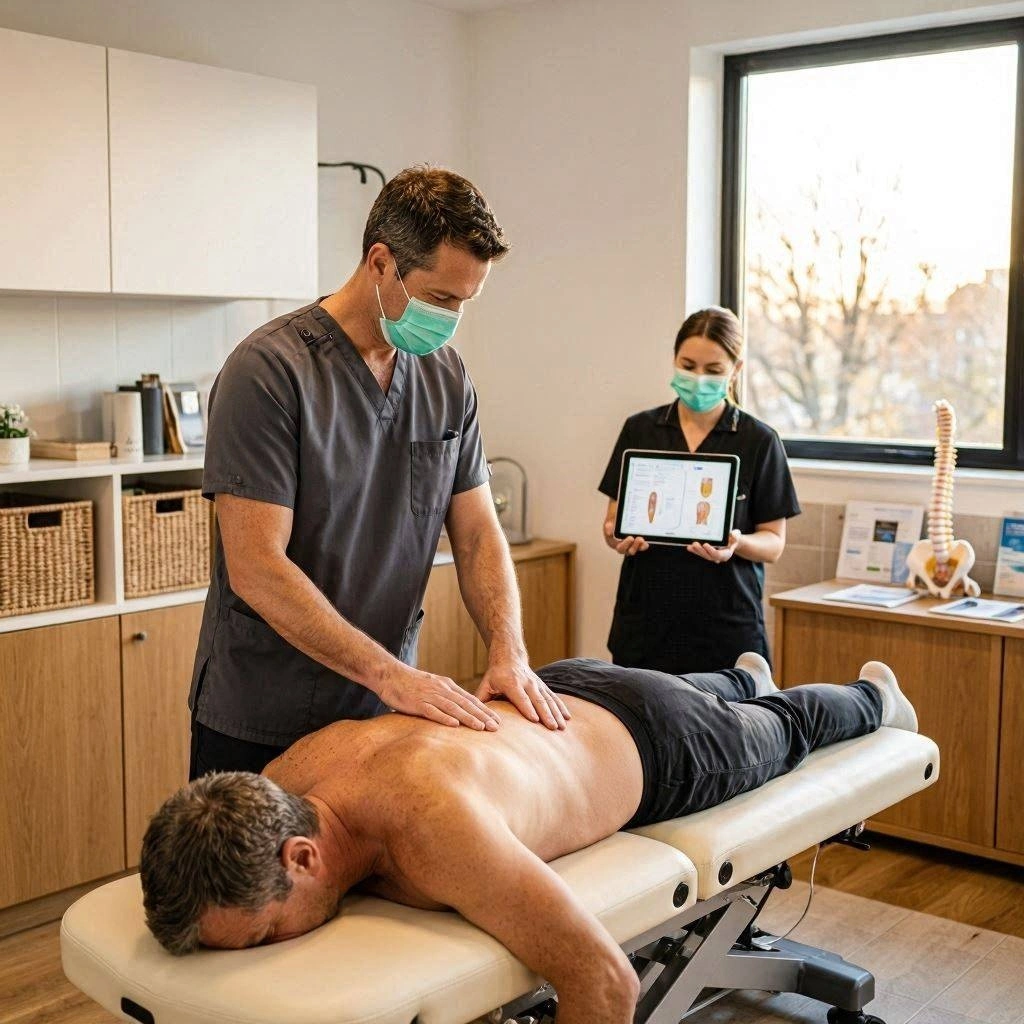
The Initial Assessment (Personalized Chiropractic Treatment)
A successful treatment plan begins with a detailed evaluation.
During your first visit, the chiropractor may perform:
-
Medical history review
-
Discussion of current symptoms
-
Posture assessment
-
Spinal alignment evaluation
-
Joint mobility testing
-
Muscle strength assessment
-
Flexibility testing
-
Functional movement analysis
-
Neurological examination
-
Review of imaging studies when appropriate
This information helps identify movement limitations, muscle imbalances, and other factors contributing to pain.
Conditions Commonly Treated
Personalized chiropractic treatment may help manage a wide range of musculoskeletal conditions.
Lower Back Pain
Mechanical lower back pain often responds well to individualized treatment that combines chiropractic adjustments with strengthening exercises and posture education.
Neck Pain
Customized care addresses restricted movement, muscle tension, and poor posture that may contribute to cervical discomfort.
Headaches
Some headaches are associated with neck dysfunction or muscle tightness. Individualized treatment may reduce headache frequency in appropriate patients.
Joint Pain
Pain affecting the shoulders, hips, knees, or other joints may improve through rehabilitation and movement-based treatment.
Sports Injuries
Athletes benefit from treatment plans that consider sport-specific movements, training schedules, and performance goals.
Workplace Injuries (Personalized Chiropractic Treatment)
Individuals with repetitive strain injuries often receive ergonomic advice alongside chiropractic care.
Chiropractic Adjustments
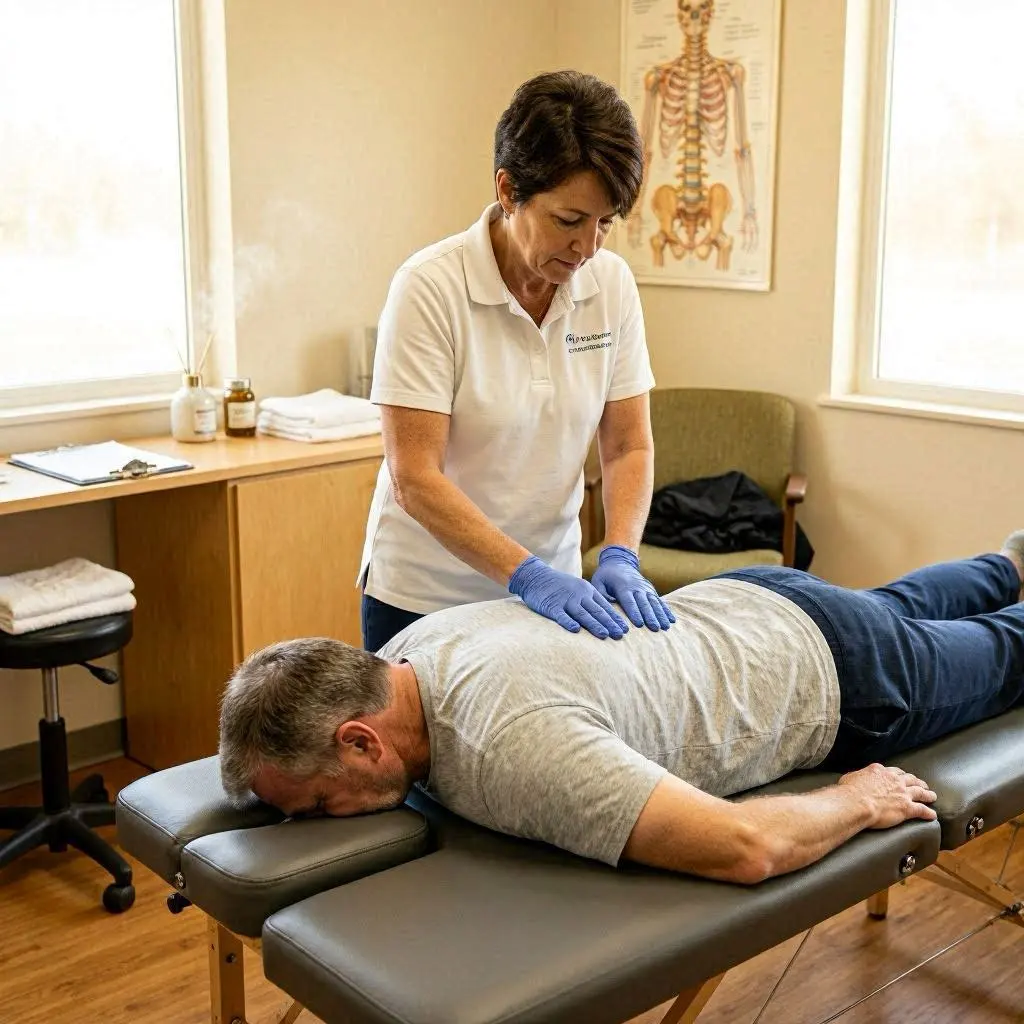
Spinal adjustments are commonly included in personalized treatment plans when clinically appropriate.
These precise manual techniques aim to:
-
Restore joint mobility
-
Reduce stiffness
-
Improve spinal movement
-
Support healthy body mechanics
-
Decrease mechanical stress on surrounding tissues
Adjustments are selected according to the patient’s examination findings rather than being performed routinely.
Therapeutic Exercise
Exercise is an essential part of long-term recovery.
Customized programs may include:
Core Strengthening
Improving abdominal and back muscle strength supports spinal stability.
Stretching
Stretching reduces muscle tightness while improving flexibility.
Balance Training
Balance exercises improve coordination and reduce injury risk.
Functional Movement (Personalized Chiropractic Treatment)
Functional exercises prepare patients for everyday activities such as lifting, bending, walking, and climbing stairs.
Each exercise program is modified according to the patient’s condition and physical abilities.
Soft Tissue Therapy
Many patients experience muscle tension alongside joint dysfunction.
Soft tissue techniques may help:
-
Improve circulation
-
Reduce muscle tightness
-
Increase flexibility
-
Support tissue healing
-
Improve movement quality
Combining manual therapy with exercise often provides better outcomes than either treatment alone.
Posture and Ergonomic Education
Poor posture contributes to many musculoskeletal conditions.
Your chiropractor may recommend:
-
Proper sitting posture
-
Correct standing alignment
-
Ergonomic workstation adjustments
-
Safe lifting techniques
-
Regular movement breaks
-
Shoulder positioning during computer work
Small daily changes often produce significant long-term improvements.
Lifestyle Recommendations (Personalized Chiropractic Treatment)
Personalized chiropractic treatment extends beyond clinic visits.
Patients may receive advice regarding:
-
Physical activity
-
Exercise routines
-
Weight management
-
Sleep habits
-
Stress management
-
Hydration
-
Nutrition
-
Daily stretching
-
Injury prevention
Healthy habits reinforce treatment results and reduce the likelihood of recurring pain.
The Importance of Patient Education
Education is a key part of personalized care.
Understanding the cause of your symptoms helps you participate actively in recovery.
Patients often learn:
-
Why symptoms developed
-
Which activities should be modified
-
How to perform exercises correctly
-
How to recognize early warning signs
-
Ways to prevent future injuries
Informed patients are often more successful in maintaining long-term improvements.
Monitoring Progress (Personalized Chiropractic Treatment)
Recovery is an ongoing process.
Your chiropractor will periodically reassess:
-
Pain levels
-
Range of motion
-
Muscle strength
-
Joint mobility
-
Functional abilities
-
Progress toward personal goals
Treatment plans may be adjusted as recovery progresses to ensure continued improvement.
When Should You Consider Personalized Chiropractic Treatment?
Professional evaluation may be appropriate if you experience:
-
Persistent back pain
-
Neck stiffness
-
Frequent headaches
-
Joint discomfort
-
Muscle tightness
-
Poor posture
-
Sports injuries
-
Workplace-related pain
-
Reduced flexibility
-
Difficulty performing daily activities
Early treatment often improves recovery and helps prevent chronic problems.
Warning Signs That Require Immediate Medical Care
Certain symptoms require emergency medical evaluation rather than chiropractic treatment.
Seek urgent medical attention if you experience:
-
Loss of bowel or bladder control
-
Sudden weakness in the arms or legs
-
Numbness around the groin or saddle area
-
Severe pain following major trauma
-
Chest pain
-
Difficulty breathing
-
High fever with severe spinal pain
-
Loss of consciousness
These symptoms may indicate serious medical conditions requiring immediate care.
Supporting Long-Term Wellness (Personalized Chiropractic Treatment)
Successful recovery continues after pain decreases.
Helpful long-term habits include:
-
Exercise consistently.
-
Maintain healthy posture.
-
Stretch daily.
-
Strengthen core muscles.
-
Stay physically active.
-
Sleep seven to nine hours each night.
-
Maintain a healthy body weight.
-
Manage stress effectively.
-
Follow home exercise recommendations.
-
Attend follow-up visits when appropriate.
These habits support healthy movement while reducing future injury risk.
Conclusion (Personalized Chiropractic Treatment)
Personalized chiropractic treatment recognizes that every patient has unique needs, goals, and movement patterns. Through detailed assessments, customized chiropractic adjustments, therapeutic exercise, soft tissue therapy, posture correction, and healthy lifestyle guidance, chiropractors create treatment plans designed specifically for each individual.
Whether you are recovering from an injury, managing chronic pain, improving posture, or seeking preventive care, personalized chiropractic treatment offers a conservative, patient-centered approach to improving mobility, reducing discomfort, and supporting lifelong musculoskeletal health. By combining professional care with consistent healthy habits, you can achieve better movement, greater comfort, and a higher quality of life.