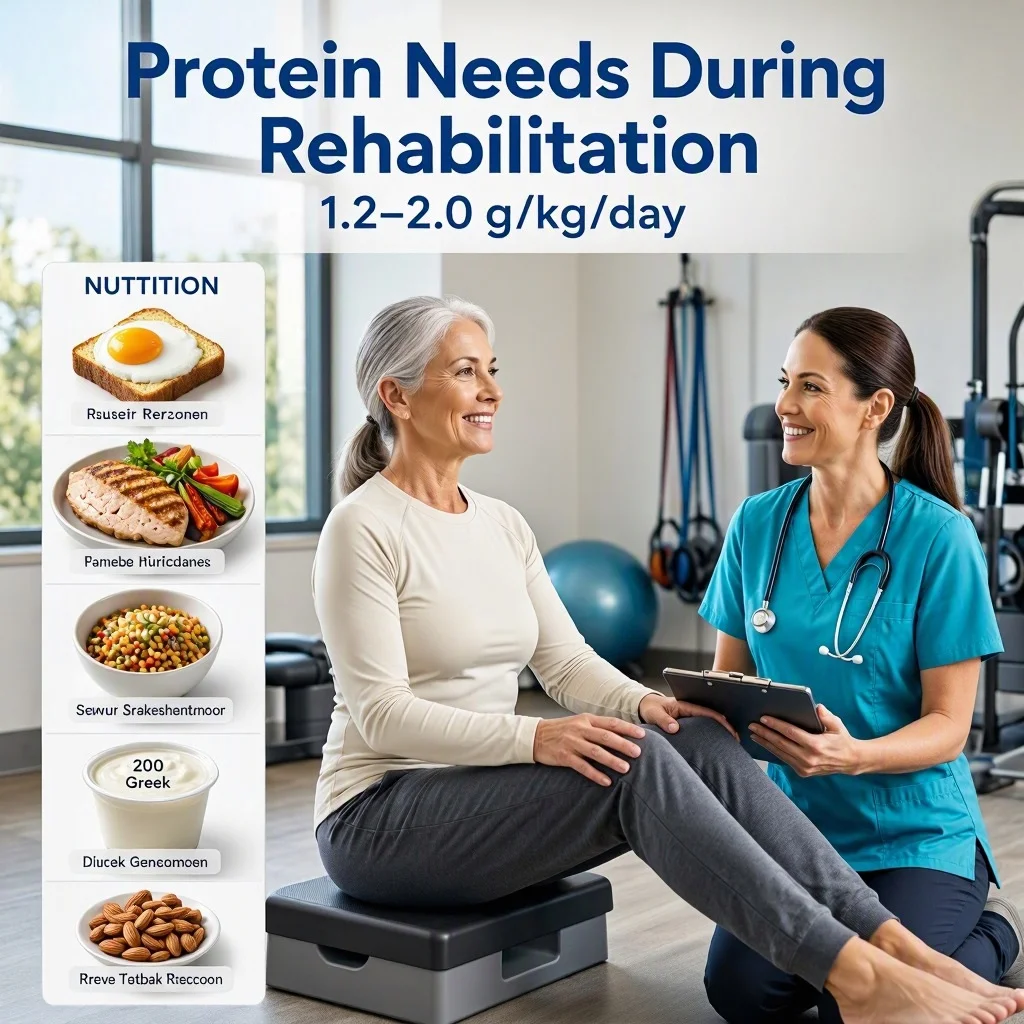
Protein Needs During Rehabilitation: How Nutrition Supports Healing, Muscle Recovery, and Strength
Recovering from an injury, surgery, or a period of reduced mobility involves more than attending physiotherapy appointments and following an exercise programme. The body also needs adequate nutrition to repair damaged tissues, maintain muscle mass, and gradually rebuild strength. Among the nutrients involved in this process, protein plays an especially important role. Protein needs during rehabilitation may differ from those of someone who is healthy and physically active. An injury can increase the body’s demand for tissue repair, while pain, reduced appetite, and limited movement may make it harder to obtain enough nutrients. Older adults and people recovering from major surgery may face additional challenges because they can lose muscle strength during periods of inactivity.
However, eating more protein does not automatically mean recovering faster. The appropriate amount depends on the type and severity of the injury, body weight, age, overall diet, kidney function, and rehabilitation goals. Protein works best as part of a balanced nutrition plan combined with appropriate medical care and progressive rehabilitation exercises.
This guide explains how protein supports recovery, how much may be needed, which foods provide it, and how to incorporate protein into everyday meals during rehabilitation.
1. Why Is Protein Important During Rehabilitation?
Protein is made up of amino acids, which the body uses to build and maintain tissues. These amino acids contribute to the structure and function of muscles, skin, connective tissues, enzymes, and many components of the immune system.
When an injury occurs, the body begins a series of processes designed to control inflammation, repair damaged structures, and restore function. These processes require energy and nutrients, including protein.
Adequate protein intake can support several important aspects of recovery.
Muscle maintenance and rebuilding
Muscles respond to both physical activity and nutrition. When rehabilitation exercises place an appropriate demand on a muscle, the body uses amino acids to help repair and build muscle proteins.
In contrast, immobilisation and reduced physical activity can cause muscle loss. For example, someone wearing a leg cast or recovering from knee surgery may experience weakness because the affected muscles are used less frequently.
Eating enough protein helps provide the raw materials needed to maintain muscle tissue. When combined with an appropriate strengthening programme, it can support the rebuilding of strength and function.
Tissue repair
The body uses proteins to produce and maintain many structural components involved in healing. Collagen, for example, is an important protein found in tendons, ligaments, skin, and other connective tissues.
Adequate protein intake supports the body’s general tissue-building processes. Nevertheless, it does not guarantee that a tendon, ligament, bone, or surgical wound will heal within a particular timeframe. Healing also depends on blood supply, injury severity, overall health, treatment, and the amount of mechanical stress placed on the injured area.
Immune system function (Protein Needs During Rehabilitation)
The immune system relies on proteins and amino acids to produce and regulate various immune components. During recovery, adequate nutrition helps the body meet its nutritional requirements while responding to injury.
Protein is only one part of this process. Energy intake, vitamins, minerals, hydration, sleep, and appropriate medical treatment also matter.
Maintaining independence and everyday function
Rehabilitation often aims to restore practical abilities such as walking, climbing stairs, lifting objects, or getting out of a chair.
Muscle weakness can make these tasks more difficult, especially in older adults and people who have spent a prolonged period in hospital. Maintaining adequate nutrition can help support the physical work required to regain these abilities.
The International Society of Sports Nutrition identifies protein intake and exercise as complementary factors in muscle protein synthesis. However, recommendations developed for healthy exercising people should not automatically be applied to every patient recovering from surgery or a significant injury.
2. How Injury and Surgery Affect Protein Requirements
The body’s nutritional requirements can change during recovery. The extent of that change depends on the type of injury and the person’s overall condition.
Recovery from a muscle strain (Protein Needs During Rehabilitation)
A muscle strain occurs when muscle fibres are overstretched or damaged. Depending on its severity, recovery may involve a period of reduced activity followed by gradual mobility and strengthening exercises.
Protein provides amino acids for normal muscle maintenance and repair. However, simply increasing protein intake will not compensate for returning to exercise too soon or ignoring the rehabilitation plan.
Recovery from ligament or tendon injuries
Ligaments connect bones, while tendons connect muscles to bones. Both contain collagen and other structural proteins.
These tissues have different biological and mechanical characteristics from skeletal muscle. Their recovery may take longer, and their response to loading differs from that of muscle tissue.
Adequate nutrition can support the body’s overall repair processes, but there is limited evidence that a particular high-protein diet alone accelerates the healing of every ligament or tendon injury. Appropriate rehabilitation loading and professional guidance remain essential.
Recovery after surgery
Surgery can increase nutritional demands, particularly when the procedure is extensive or complications occur. The body must respond to surgical tissue damage while maintaining normal physiological functions.
Some patients also eat less because of nausea, pain, fatigue, digestive symptoms, or changes in routine. This can make it harder to meet nutritional requirements.
The 2025 European Society for Clinical Nutrition and Metabolism (ESPEN) guideline on clinical nutrition in surgery emphasises early nutritional support when indicated, avoiding prolonged underfeeding, and integrating nutrition into the wider recovery plan.
People recovering from major operations should follow the nutrition and activity instructions provided by their surgical team. Dietary advice may need to be individualised, especially if the procedure affects digestion or food absorption.
Recovery after immobilisation (Protein Needs During Rehabilitation)
When a limb is immobilised or a person spends much of the day sitting or lying down, muscles receive less stimulation. This can lead to reductions in muscle size, strength, and physical capacity.
Protein remains important during this period, but nutrition alone cannot fully prevent the effects of prolonged inactivity. Safe movement and progressive exercises, when medically permitted, are also important.
Rehabilitation in older adults
Older adults may be more vulnerable to muscle loss, particularly when illness, hospitalisation, and inactivity occur together.
Age-related changes can make maintaining muscle mass more challenging. A combination of adequate nutrition, suitable resistance exercise, and appropriate clinical support can help address this risk.
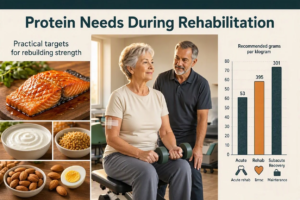
3. How Much Protein Do You Need During Rehabilitation?
There is no single protein target that applies to everyone undergoing rehabilitation.
For healthy adults, general nutrition recommendations often use approximately 0.8 grams of protein per kilogram of body weight per day as a reference intake. This figure is not necessarily sufficient for every person recovering from a significant injury, surgery, illness, or prolonged inactivity.
Some physically active adults use higher intakes to support training and muscle adaptation. The International Society of Sports Nutrition reports that approximately 1.4–2.0 grams per kilogram per day can be appropriate for many healthy, exercising individuals. This range is not a universal prescription for rehabilitation patients.
People recovering from major surgery, serious injury, or malnutrition may need an individual assessment by a registered dietitian or medical professional.
Understanding protein intake by body weight
The following examples show how different daily targets translate into grams of protein. They are mathematical examples, not personalised recommendations.
| Body weight | At 0.8 g/kg/day | At 1.2 g/kg/day | At 1.6 g/kg/day |
|---|---|---|---|
| 60 kg | 48 g | 72 g | 96 g |
| 70 kg | 56 g | 84 g | 112 g |
| 80 kg | 64 g | 96 g | 128 g |
| 90 kg | 72 g | 108 g | 144 g |
For example, a person weighing 70 kg would consume 84 grams of protein daily at a target of 1.2 grams per kilogram.
The correct target depends on individual circumstances. Body weight alone cannot determine protein requirements accurately for every person, particularly when someone has obesity, fluid retention, kidney disease, or another complex medical condition.
Factors that influence protein needs
A healthcare professional may consider:
- Injury severity: A minor muscle strain may require a different approach from a major fracture or extensive surgery.
- Age: Older adults may need additional nutritional support to help preserve muscle.
- Activity level: A progressive strengthening programme can influence nutritional requirements.
- Energy intake: Eating too few calories can make it harder for the body to use dietary protein effectively.
- Appetite and digestion: Nausea, swallowing difficulties, and digestive conditions can limit food intake.
- Medical conditions: Kidney or liver disease and certain other conditions may require specific dietary advice.
- Existing nutritional status: People who are malnourished or have recently lost significant weight may need specialist support.
Avoid adopting a high-protein target solely because it is recommended for athletes. Rehabilitation is not the same as sports training, and clinical circumstances can change what is appropriate.
4. Best Protein Sources During Rehabilitation (Protein Needs During Rehabilitation)
Protein can come from animal-based foods, dairy products, legumes, soy, nuts, seeds, and other plant foods. A varied diet can provide the amino acids needed for normal bodily functions.
The best options are generally those that suit the person’s nutritional needs, budget, appetite, food preferences, and any medical restrictions.
Common animal-based protein sources include:
- Chicken and turkey
- Fish such as salmon, tuna, and sardines
- Eggs
- Milk and yoghurt
- Greek yoghurt
- Cottage cheese
- Lean beef and other lean meats
Many of these foods provide all nine essential amino acids. Fish may also provide omega-3 fatty acids, while dairy products can contribute calcium and other nutrients.
Choose foods according to individual needs. For example, softer options such as eggs, yoghurt, or tender fish may be easier to eat when appetite or energy is limited.
Plant-based protein sources include:
- Lentils
- Chickpeas
- Kidney beans and other beans
- Tofu
- Tempeh
- Edamame
- Soy milk
- Quinoa
- Nuts and seeds
- Peanut butter and other nut butters
- Whole grains
Soy foods are particularly useful because they provide a substantial amount of protein and contain all nine essential amino acids.
People following a vegetarian or vegan diet can meet their protein requirements through a well-planned combination of plant foods. Variety throughout the day helps ensure an adequate supply of essential amino acids and other nutrients.
Protein content of common foods
Protein content varies according to serving size, brand, preparation method, and recipe. The following estimates can help with meal planning.
| Food | Example serving | Approximate protein |
|---|---|---|
| Cooked chicken breast | 100 g | 30–31 g |
| Cooked salmon | 100 g | 22–25 g |
| Eggs | 2 large | 12–13 g |
| Greek yoghurt | 170 g | 15–18 g |
| Milk | 250 ml | 8–9 g |
| Cooked lentils | 1 cup | 17–18 g |
| Firm tofu | 100 g | 10–17 g |
| Cooked chickpeas | 1 cup | 14–15 g |
| Peanut butter | 2 tablespoons | 7–8 g |
These values are approximate rather than exact nutritional measurements. Check product labels when calculating a specific daily intake.
5. Should You Spread Protein Throughout the Day? (Protein Needs During Rehabilitation)
For many people, distributing protein across meals is a practical way to meet daily requirements without relying on a single large meal.
Muscle protein synthesis responds to protein intake, and exercise can influence that response. Research in healthy exercising populations suggests that both total daily intake and the distribution of protein across the day can matter. However, there is no single meal schedule proven to optimise every type of rehabilitation.
Breakfast
Breakfast can be an opportunity to include protein after an overnight period without food.
Possible options include:
- Eggs with whole-grain toast
- Greek yoghurt with oats and fruit
- Porridge prepared with milk or fortified soy milk
- Tofu scramble with vegetables
- Cottage cheese with whole-grain bread
If appetite is low in the morning, a smaller meal or a smoothie containing milk or soy milk and yoghurt may be easier to tolerate.
Lunch
Lunch can combine protein with carbohydrates, vegetables, and healthy fats.
Examples include grilled chicken with rice and vegetables, a lentil and quinoa bowl, a tuna sandwich, or tofu with noodles and vegetables.
Dinner (Protein Needs During Rehabilitation)
Dinner provides another opportunity to meet protein needs. Fish with potatoes and vegetables, bean chilli, lean meat with whole grains, or a tofu stir-fry are practical options.
Snacks
Snacks can help people who struggle to eat enough at main meals.
Useful choices include yoghurt, boiled eggs, hummus with whole-grain crackers, milk, roasted chickpeas, or a small portion of nuts.
The goal is not to eat constantly. Instead, choose a pattern that provides enough total protein and energy while fitting your appetite and daily routine.
6. Does Protein Timing Matter After Physiotherapy? (Protein Needs During Rehabilitation)
Protein intake around exercise can support muscle protein synthesis. For many healthy exercising adults, consuming a protein-containing meal or snack before or after exercise is a reasonable strategy.
However, the idea that protein must be consumed within a very short period after every physiotherapy appointment is too simplistic.
The body’s response to exercise and nutrition continues beyond the immediate post-exercise period. Total daily protein intake, adequate calories, the type of exercise, and the individual’s overall condition all influence the recovery process.
Before a rehabilitation session
A balanced meal or snack can provide energy for exercise. Depending on the timing and the person’s tolerance, this might include yoghurt with fruit, toast with eggs, or a small meal containing rice and chicken.
Protein is useful, but carbohydrates are also important because they provide energy for physical activity.
After a rehabilitation session
A meal containing protein and carbohydrates can support normal recovery after exercise.
For example, someone might choose a chicken and rice bowl, a tofu stir-fry, eggs with toast, or Greek yoghurt with oats.
If a person already meets their daily protein requirements, adding a supplement immediately after exercise may not be necessary.
People who have been instructed to fast before surgery or follow a specific post-operative diet must follow their clinical team’s directions rather than applying general exercise-nutrition advice.
7. Protein Supplements: Are They Necessary?
Protein powders and ready-to-drink protein shakes can be convenient, but they are not essential for everyone.
Most people who can eat a varied diet can obtain protein from ordinary foods. Supplements may be useful when appetite is poor, meals are small, food preparation is difficult, or a clinician recommends additional nutritional support.
Whey protein
Whey protein is derived from milk and contains all nine essential amino acids. It is a convenient option for people who tolerate dairy and want to increase protein intake.
However, whey may not suit people with a milk allergy. Those with lactose intolerance may need to choose a suitable product depending on its lactose content and their individual tolerance.
Casein protein
Casein is another milk-derived protein. It is digested more slowly than whey, but there is no need for everyone undergoing rehabilitation to use a particular type of protein powder.
Plant-based protein powders
Soy, pea, and blended plant-based protein powders can be useful alternatives. Check the product label for protein content, ingredients, allergens, and any added ingredients that may not be appropriate for you.
Choosing a supplement safely
Before buying a supplement, consider:
- Whether you can meet your requirements through regular food
- Whether the product contains enough protein per serving
- Whether you have allergies or digestive sensitivities
- Whether it contains excessive added sugar or unnecessary ingredients
- Whether it is compatible with your medical conditions and medications
Supplements should not replace a balanced diet or prescribed medical nutrition support. People with kidney disease or other conditions that affect protein metabolism should seek individual advice before increasing their intake.
8. Other Nutrients That Support Rehabilitation
Although protein is important, focusing on it alone can leave nutritional gaps. The body requires adequate energy and a range of other nutrients to maintain normal physiological functions.
Calories and overall energy
The body needs energy to support daily activities, immune function, and tissue repair.
If calorie intake is consistently too low, some dietary protein may be used for energy instead of supporting tissue maintenance and repair. Significant under-eating can also contribute to muscle loss.
During rehabilitation, avoid aggressive weight-loss diets unless they have been recommended as part of an appropriate clinical plan. People with reduced mobility may need fewer calories than before their injury, but they still need enough energy and nutrients to support recovery.
Carbohydrates
Carbohydrates provide energy for daily activities and rehabilitation exercises. Sources include oats, whole-grain bread, rice, potatoes, fruit, beans, and other grains.
Including carbohydrates alongside protein can help make meals more balanced and support the energy demands of progressive exercise.
Healthy fats (Protein Needs During Rehabilitation)
Fats supply energy and help the body absorb fat-soluble vitamins. Sources include olive oil, nuts, seeds, avocado, and oily fish.
A balanced diet can include these foods in amounts appropriate for individual energy needs.
Vitamin C
Vitamin C contributes to normal collagen formation and supports normal immune function. It is found in citrus fruits, berries, kiwi, peppers, tomatoes, and broccoli.
A varied diet generally provides useful sources of this vitamin. High-dose supplementation is not automatically necessary.
Vitamin D and calcium
Vitamin D and calcium are important for bone health. They may be particularly relevant for people recovering from certain fractures or those with identified deficiencies.
Requirements vary with age, medical history, diet, and other factors. Ask a healthcare professional whether testing or supplementation is appropriate rather than assuming that a high dose will improve healing.
Iron, zinc, and other micronutrients
Iron is needed for oxygen transport, while zinc contributes to normal immune function and protein synthesis. A balanced diet containing meat, legumes, whole grains, vegetables, and other nutrient-rich foods can help supply these nutrients.
Supplementation should be based on individual needs. Taking large doses of vitamins or minerals without a clear reason may cause harm or interact with medication.
9. Practical Meal Planning During Rehabilitation
A simple meal plan can make it easier to obtain enough protein when energy, mobility, or motivation is limited.
The following example illustrates one way an adult might distribute protein across a day. It is not a personalised prescription, and actual protein content depends on portions and ingredients.
Example daily meal plan
Breakfast: Two eggs on whole-grain toast, with fruit and milk.
Morning snack: Greek yoghurt with berries.
Lunch: Chicken, tofu, or lentil bowl with rice and vegetables.
Afternoon snack: Hummus with crackers, or a milk-based smoothie.
Dinner: Salmon, beans, or tofu with potatoes and vegetables.
Optional evening snack: Cottage cheese, yoghurt, or fortified soy yoghurt if additional food is needed.
This pattern includes several protein sources while also providing carbohydrates, fats, vitamins, and minerals.
Tips for people with a reduced appetite
If you are struggling to eat enough, try the following:
- Eat smaller meals more frequently if large portions feel overwhelming.
- Include protein-rich foods in meals you already enjoy.
- Keep convenient options available, such as yoghurt, eggs, milk, tofu, or canned beans.
- Prepare meals in advance or ask someone to help with shopping and cooking.
- Consider fortified foods or oral nutritional supplements if advised by a healthcare professional.
Persistent loss of appetite, unintended weight loss, difficulty swallowing, or an inability to meet nutritional needs warrants medical assessment.
10. Protein Needs During Different Stages of Recovery (Protein Needs During Rehabilitation)
Nutritional requirements can change as rehabilitation progresses. The following stages are a general framework rather than a fixed timetable.
Early recovery
Immediately after an injury or operation, pain, inflammation, medication effects, or digestive symptoms may make eating difficult.
During this stage, focus on following clinical instructions and avoiding prolonged under-eating. If you cannot tolerate normal meals, ask your healthcare team about suitable alternatives.
For major surgery or serious injury, a dietitian may need to assess energy and protein requirements.
Rebuilding strength
When strengthening exercises become part of the rehabilitation plan, the body needs appropriate nutrition to support muscle adaptation.
Include protein-containing foods throughout the day and ensure that energy intake is sufficient. Increase exercise only according to the recommendations of your physiotherapist or treating clinician.
Returning to normal activities
As mobility improves, daily energy expenditure and food preferences may change. Continue eating a varied diet that supports normal activity and helps maintain muscle.
There is no universal point at which protein requirements automatically return to a particular level. This depends on the injury, activity level, and medical circumstances.
11. Common Protein Mistakes During Rehabilitation (Protein Needs During Rehabilitation)
Several common misconceptions can make nutrition unnecessarily complicated.
Mistake 1: Assuming that more protein is always better
Once protein intake is sufficient for an individual’s needs, consuming substantially more does not guarantee additional healing or faster rehabilitation.
Very high intakes can also make a balanced diet harder to maintain and may be inappropriate for people with certain medical conditions.
Mistake 2: Ignoring total calorie intake (Protein Needs During Rehabilitation)
A person may consume plenty of protein but still eat too little overall. Insufficient energy can contribute to weight and muscle loss.
Adequate protein should be part of a sufficient, balanced diet.
Mistake 3: Relying entirely on protein shakes (Protein Needs During Rehabilitation)
Shakes can be useful, but they do not automatically provide the full range of nutrients found in a varied diet.
Whole foods can supply protein alongside other nutrients, fibre, and energy.
Mistake 4: Expecting supplements to replace rehabilitation
Protein cannot substitute for appropriate medical treatment, progressive exercise, or adequate rest.
The best results depend on a plan that addresses the injury and the person’s individual recovery needs.
Mistake 5: Following an athlete’s diet without considering medical history
A protein target designed for a healthy athlete may not suit someone recovering from surgery, living with kidney disease, or managing multiple health conditions.
Individual assessment is especially important when medical conditions affect nutrition.
12. When Should You Speak to a Dietitian or Healthcare Professional?
Professional guidance can be particularly valuable when recovery is prolonged or nutritional needs are complex.
Consider asking for an assessment if you:
- Have lost weight without intending to
- Have a persistently poor appetite
- Are recovering from major surgery or a serious injury
- Have difficulty chewing, swallowing, or digesting food
- Have kidney disease or another condition requiring dietary restrictions
- Follow a restrictive diet and are unsure how to meet protein needs
- Are an older adult experiencing weakness or significant muscle loss
- Have been advised to use nutritional supplements but are unsure which product is suitable
A registered dietitian can estimate nutritional requirements, review food intake, and develop a practical meal plan. Your physician or surgeon can help determine whether your medical condition affects your dietary needs.
A physiotherapist can also coordinate with your wider care team so that nutritional support and exercise progression fit your rehabilitation goals.
13. How Protein Fits Into a Complete Rehabilitation Plan (Protein Needs During Rehabilitation)
Protein is one component of a broader recovery strategy. Eating well can help provide the materials needed for normal tissue maintenance and muscle rebuilding, but it cannot independently determine the outcome of rehabilitation.
A comprehensive plan may include:
- A diagnosis and treatment plan appropriate for the injury
- Gradually progressed exercises
- Adequate protein and overall energy intake
- Sufficient sleep and recovery time
- Hydration
- Management of relevant medical conditions
- Regular assessment of strength, movement, and function
At Ritz Clinic, people seeking rehabilitation support can explore the clinic’s physiotherapy services. A physiotherapist can assess movement and function, help establish appropriate rehabilitation goals, and guide exercise progression according to individual needs.
Nutrition questions that involve significant weight loss, medical conditions, or complex recovery needs should also be discussed with an appropriately qualified healthcare professional.
14. Frequently Asked Questions About Protein Needs During Rehabilitation
1. Does protein help you recover from an injury?
Protein supplies amino acids needed for normal tissue maintenance, repair, and muscle protein synthesis. Adequate intake can support recovery, especially when combined with appropriate treatment and rehabilitation exercises. However, protein alone does not guarantee faster healing.
2. How much protein should I eat while recovering from an injury?
There is no universal target. Requirements depend on your weight, age, injury severity, activity level, energy intake, and medical history. A clinician or registered dietitian can help determine an appropriate amount.
3. Is 1.2 grams of protein per kilogram enough during rehabilitation?
It may be appropriate for some people, but not everyone. The right intake depends on the person’s condition and goals. Targets used in sports nutrition should not automatically be treated as medical recommendations.
4. Should I consume protein after physiotherapy?
Eating a protein-containing meal or snack after exercise is a practical option. However, there is no universal requirement to consume protein immediately after every session. Meeting overall nutritional needs is important.
5. Can protein help prevent muscle loss when I cannot exercise?
Adequate protein may help support muscle maintenance, but it cannot fully prevent muscle loss caused by prolonged inactivity. Follow medical advice about safe movement and rehabilitation exercises whenever possible.
6. Are protein shakes necessary for recovery?
No. Many people can obtain enough protein from food. Shakes may be useful when appetite is limited or food intake is insufficient, but their suitability depends on individual nutritional and medical needs.
7. Are plant-based proteins suitable during rehabilitation?
Yes. Foods such as beans, lentils, tofu, tempeh, soy milk, nuts, and seeds can contribute to protein requirements. A varied diet can provide the essential amino acids the body needs.
8. Does protein help tendons and ligaments heal?
Protein supports normal tissue maintenance and repair, including the production of structural proteins. However, evidence does not establish that simply increasing protein intake will accelerate every tendon or ligament injury. Rehabilitation and appropriate loading remain important.
9. Do older adults need more protein during rehabilitation?
Older adults may be at greater risk of muscle loss during illness and inactivity. Adequate protein and appropriate exercise can support muscle maintenance, but the best intake depends on health status and any dietary restrictions.
10. Can I eat too much protein?
Yes, excessive intake can be unnecessary and may displace other important foods. People with kidney disease or certain other medical conditions may need specific limits or targets. Seek individual advice before making a substantial change.
11. Which foods are easiest to include when my appetite is low?
Depending on your needs and tolerance, options may include Greek yoghurt, eggs, milk, fortified soy milk, soft tofu, smoothies, or small portions of fish and beans. If you cannot eat enough consistently, seek medical advice.
12. How long should I focus on protein during rehabilitation?
Adequate nutrition remains important throughout recovery. The appropriate intake may change as activity, appetite, and medical needs change. Follow your care team’s guidance rather than stopping or increasing supplementation according to an arbitrary timeline.
Conclusion (Protein Needs During Rehabilitation)
Protein needs during rehabilitation depend on the individual, the injury, and the stage of recovery. Protein provides amino acids that help maintain muscle and support the body’s normal tissue-repair processes. When combined with adequate energy intake, a varied diet, appropriate exercise, and professional care, it can contribute to a well-rounded rehabilitation strategy.
Practical steps include including protein-rich foods at meals, distributing intake across the day, eating enough overall, and using supplements only when they are useful and appropriate. People recovering from major surgery, experiencing unintended weight loss, or managing conditions such as kidney disease should seek individual nutritional guidance.
Recovery is a gradual process. Rather than relying on a single nutrient or supplement, focus on a consistent approach that supports healing, strength, mobility, and long-term function.