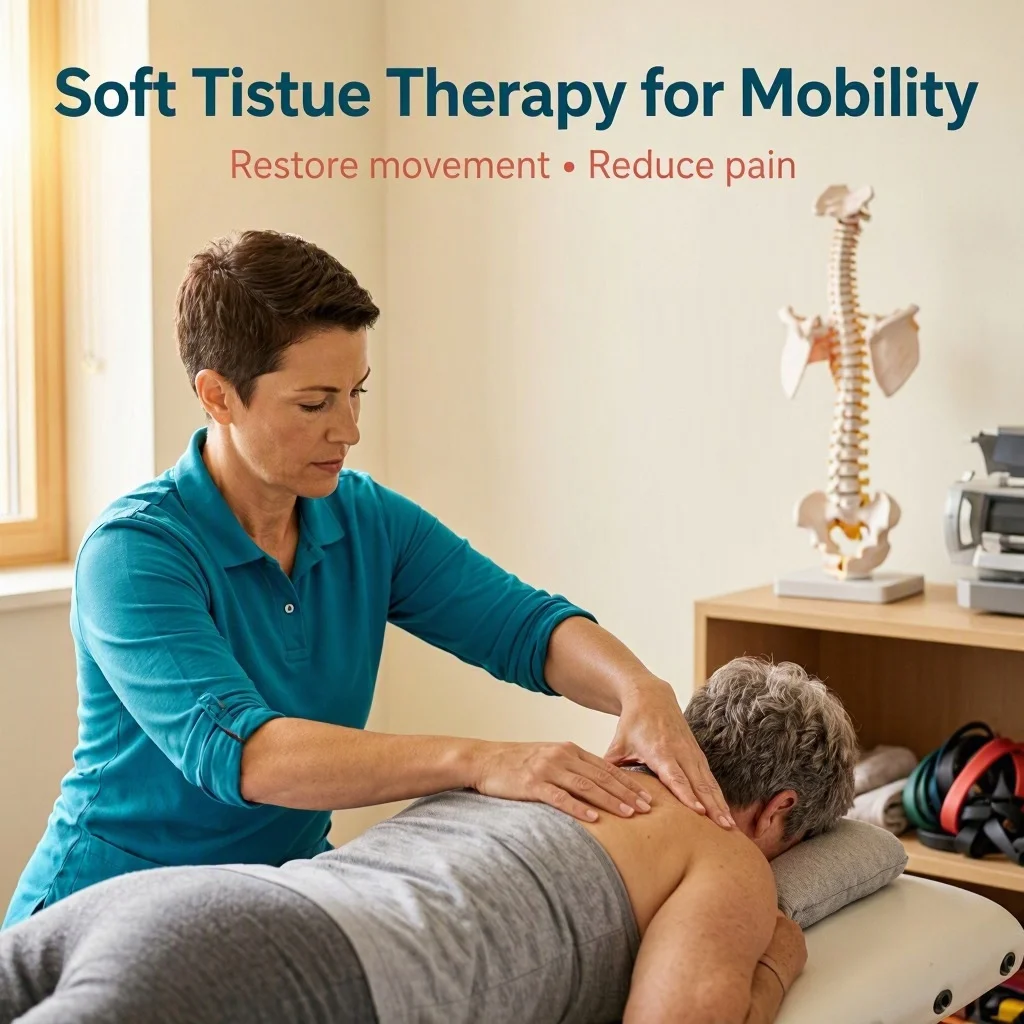
Soft Tissue Therapy for Mobility: How Hands-On Treatment Can Help You Move Better
Restricted movement can affect almost every part of daily life. Turning your head while driving, reaching for an item on a shelf, bending to tie your shoes, or walking up stairs may become uncomfortable when your muscles and surrounding tissues feel tight. These problems can develop gradually because of prolonged sitting, repetitive activities, exercise demands, previous injuries, or changes in physical activity. Soft tissue therapy for mobility is one approach that may help people manage muscular tension, improve comfort, and move more freely. It uses hands-on techniques to address muscles, tendons, ligaments, and fascia. Depending on the cause of restricted movement, a practitioner may combine these techniques with stretching, mobility exercises, strengthening, and rehabilitation.
At Ritz Clinic, understanding why movement feels restricted is an important starting point when considering appropriate care. Soft tissue treatment should be tailored to the individual rather than applied as a one-size-fits-all solution.
This guide explains how soft tissue therapy works, which mobility concerns it may help address, what to expect during treatment, and how to support your progress between appointments.
What Is Soft Tissue Therapy?
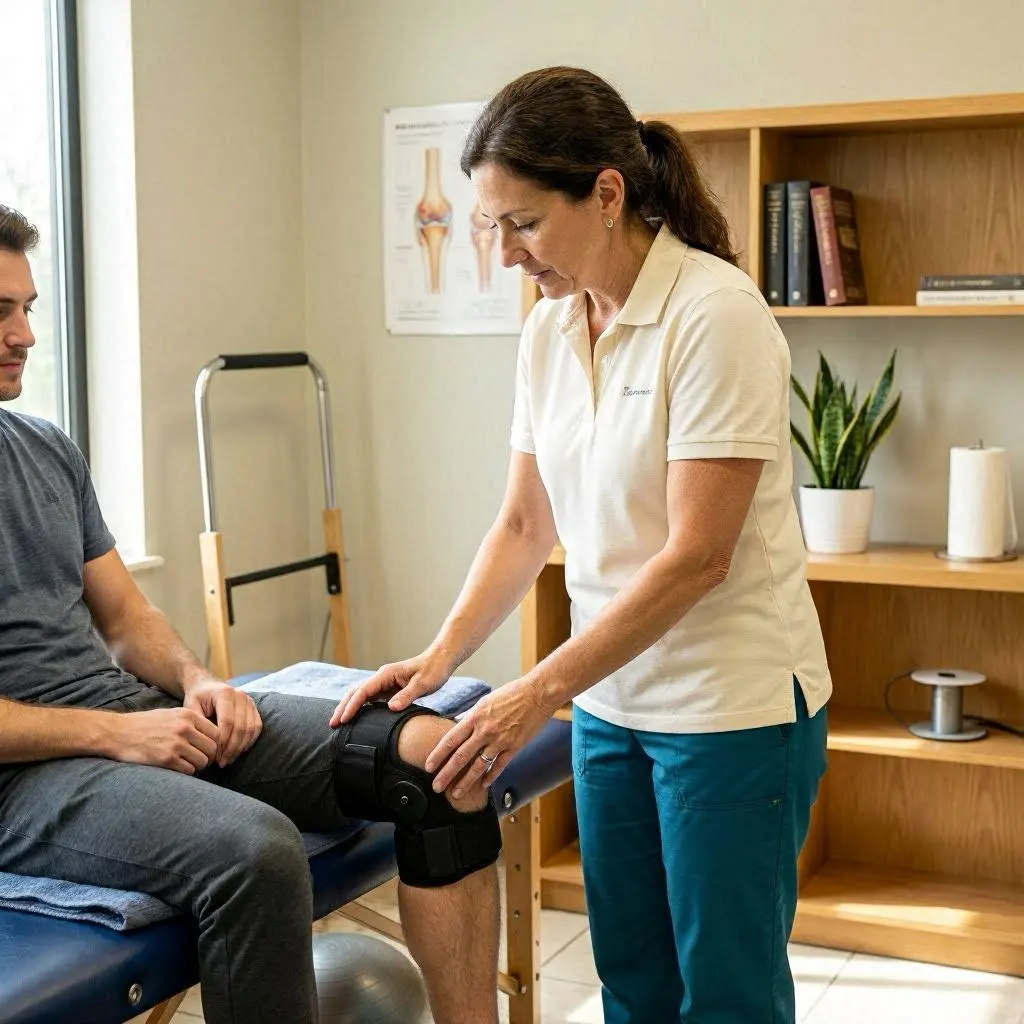
Soft tissue therapy is a group of hands-on treatment approaches used to address discomfort, tension, and movement limitations involving the body’s soft tissues. These tissues include muscles, tendons, ligaments, and fascia, which is the connective tissue surrounding and supporting many structures throughout the body.
Soft tissue techniques may involve gentle pressure, controlled massage, tissue stretching, or targeted work around an area that feels sensitive or restricted. The appropriate method depends on the person’s symptoms, health history, physical examination, and treatment goals.
For example, someone who experiences tightness around the shoulders after spending long hours at a desk may benefit from a combination of targeted soft tissue treatment and exercises that improve shoulder movement. Someone recovering from a sports injury may require a different approach that respects the stage of healing and gradually rebuilds strength.
The purpose is not simply to make muscles feel relaxed. Treatment should help the person participate more comfortably in the activities that matter to them.
Research on manual soft tissue techniques varies by condition and method. Some people experience short-term improvements in discomfort and range of motion, but results are not guaranteed. These techniques are generally most useful when selected appropriately and combined with active rehabilitation when needed. https://www.healthline.com/health/what-is-soft-tissue-mobilization-therapy
Understanding Mobility and Flexibility
Mobility and flexibility are closely related, but they describe different aspects of movement.
Flexibility refers to how far a muscle or other soft tissue can lengthen. Mobility describes the ability to move a joint through a useful range while maintaining control, coordination, and sufficient strength.
For example, a person may be able to stretch their hamstrings while lying on the floor but still struggle to bend forward comfortably when standing. Their limitation might involve strength, coordination, joint movement, sensitivity, or several factors at once.
This distinction matters because soft tissue therapy alone may not address every cause of restricted movement.
Why Good Mobility Matters
Adequate mobility helps people perform daily tasks with greater ease. It also supports exercise, recreational activities, and the ability to adapt to changing physical demands.
When movement becomes restricted, people may begin avoiding certain activities. They might take shorter walks, stop exercising, or adjust their posture to avoid discomfort. Over time, reduced activity can contribute to weakness and lower confidence in movement.
A suitable treatment plan aims to restore comfortable, practical movement while addressing the factors that contributed to the limitation.
How Soft Tissues Influence Movement
Muscles produce force, tendons connect muscles to bones, ligaments help support joints, and fascia surrounds and connects many body structures. These tissues work together during ordinary movements.
Pain, injury, repeated loading, or prolonged periods in one position may affect how comfortably these structures move and tolerate activity. However, stiffness does not always mean that tissue has physically shortened or developed permanent adhesions.
A practitioner needs to assess the overall problem before deciding whether soft tissue techniques are appropriate.
How Soft Tissue Therapy for Mobility May Help
Soft tissue treatment may support mobility through several related effects. The response depends on the underlying condition, the technique used, and the individual’s tolerance.
1. Reducing Muscle Tightness
Muscle tightness can make ordinary movement feel uncomfortable or restricted. It may occur after demanding exercise, repetitive work, prolonged sitting, or periods of stress.
A practitioner may use gentle massage or targeted manual techniques around the affected muscles. These techniques can help some people feel less tense and more comfortable moving.
The aim is not to force the muscle to relax. Instead, treatment should provide a tolerable experience that makes subsequent movement easier.
For example, a person with shoulder tension may find it more comfortable to perform controlled shoulder circles after a session. This improved comfort can create an opportunity to practise movement more confidently.
2. Supporting Range of Motion
Range of motion describes how far a joint can move in a particular direction. Restrictions may affect the shoulders, hips, ankles, wrists, neck, or back.
Soft tissue therapy may provide short-term improvements in range of motion for some people, especially when muscular discomfort or sensitivity contributes to the limitation.
A practitioner might combine hands-on treatment with active or assisted movements. The goal is to help the person explore a comfortable range without forcing a painful joint beyond its current capacity.
If restricted movement comes from a joint condition, significant injury, nerve problem, or another medical issue, soft tissue treatment alone may not be sufficient.

3. Improving Comfort During Daily Activities (Soft Tissue Therapy for Mobility)
Mobility is valuable when it makes everyday activities easier. Being able to turn your head, reach overhead, get out of a chair, or walk comfortably can have a meaningful effect on independence and quality of life.
Soft tissue techniques may help reduce discomfort that interferes with these activities. However, lasting improvement often requires practising the movements that have become difficult.
For instance, a person who experiences stiffness after sitting for several hours may benefit from treatment alongside regular movement breaks, appropriate stretching, and gradual strengthening.
4. Helping People Return to Exercise
Exercise can become difficult when muscles feel tight or movement is uncomfortable. Some people reduce their activity because they worry that movement will worsen their symptoms.
When appropriate, soft tissue treatment may help make movement more comfortable and support a gradual return to exercise.
However, feeling better immediately after treatment does not necessarily mean that an injured structure is ready for heavy training. Activity should progress according to symptoms, strength, control, and the nature of the injury.
Athletes may benefit from combining manual techniques with a structured rehabilitation programme that includes progressive loading and sport-specific movement.
5. Supporting Movement After Periods of Inactivity
Long periods of inactivity can make movement feel unfamiliar or uncomfortable. People returning to exercise after a break may notice stiffness in the hips, calves, shoulders, or back.
Soft tissue treatment may be one component of a plan to improve comfort during this transition. Regular walking, gentle mobility exercises, and gradual increases in activity are also important.
The goal is to build a sustainable movement routine rather than rely on repeated hands-on treatment alone.
Common Mobility Problems That May Benefit From Soft Tissue Treatment
Soft tissue therapy may be considered for a variety of musculoskeletal complaints. A proper assessment helps determine whether it is appropriate and which other treatments may be needed.
Neck Stiffness
Neck stiffness can develop after prolonged desk work, repetitive tasks, or sleeping in an uncomfortable position. Some people find that turning their head or looking over their shoulder becomes difficult.
Depending on the cause, treatment may include gentle soft tissue techniques around the neck and upper shoulders, comfortable neck movements, and advice about changing positions throughout the day.
New or severe neck pain, particularly after an accident or alongside neurological symptoms, needs appropriate medical assessment before manual treatment.
Shoulder Tightness
The shoulder needs coordinated movement from several joints and surrounding muscles. Tightness or discomfort can interfere with reaching overhead, dressing, lifting, or working at a computer.
Soft tissue therapy may help when muscle tension contributes to the symptoms. Treatment might be combined with shoulder mobility drills and strengthening exercises.
Persistent shoulder restriction can also have other causes, including joint conditions or tendon problems. The treatment plan should reflect the assessment findings.
Lower Back Stiffness
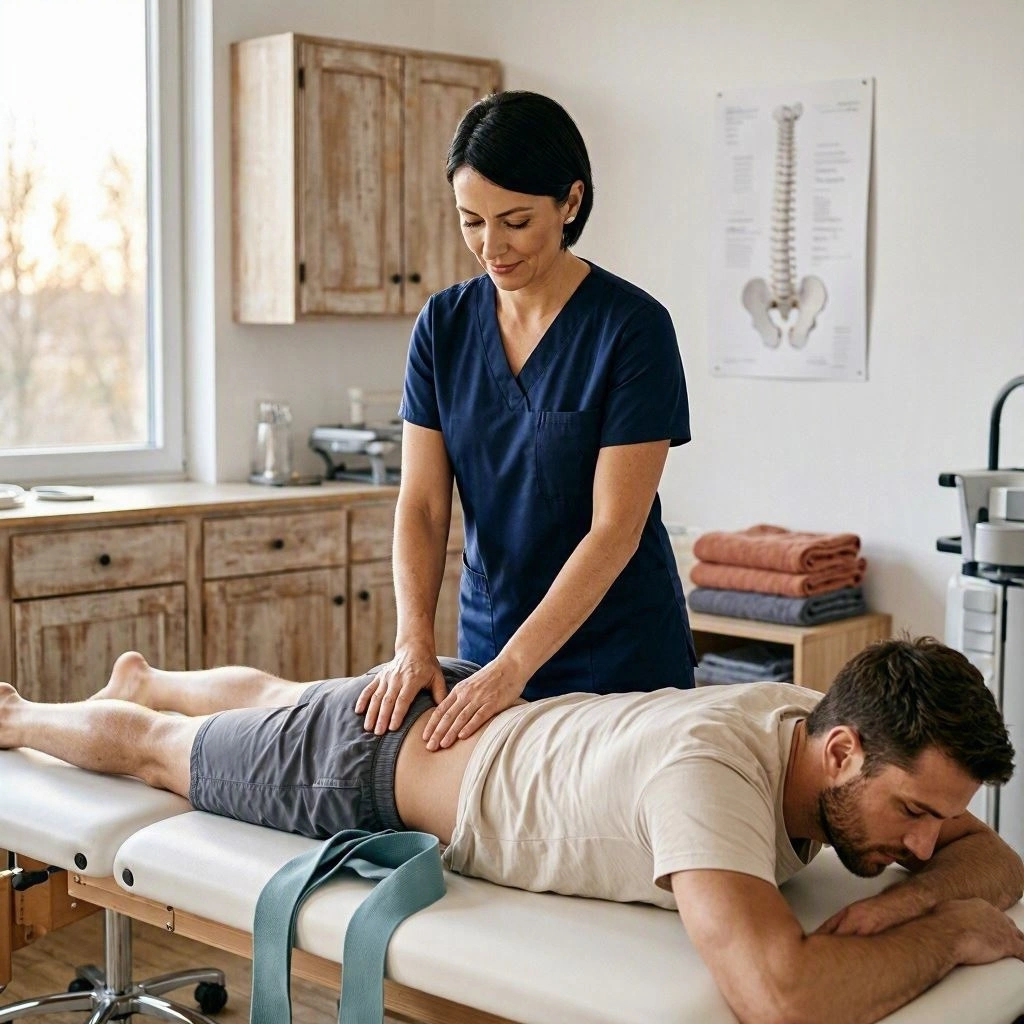
Lower back stiffness may be associated with prolonged sitting, physical work, unfamiliar exercise, or a previous episode of back pain.
Hands-on soft tissue techniques may help some people feel more comfortable, particularly when muscular sensitivity is present. Gentle movement, walking, and appropriate strengthening can help restore confidence and function.
Back pain accompanied by new bladder or bowel problems, numbness around the groin, or progressive leg weakness requires urgent medical attention.
Hip Tightness
Hip movement contributes to walking, climbing stairs, squatting, and getting up from a chair. Tightness around the hip muscles may make some of these activities uncomfortable.
A practitioner may assess hip movement, surrounding muscle function, and the movements that reproduce symptoms. Soft tissue techniques may be combined with hip mobility exercises and strengthening where appropriate.
Not all hip stiffness comes from tight muscles. Persistent pain, significant loss of movement, or difficulty bearing weight deserves further assessment.
Calf and Ankle Stiffness
The calves and ankles help control walking, running, jumping, and stair climbing. Reduced ankle movement may make these tasks more difficult.
Soft tissue treatment around the calf may help some people experiencing muscular tightness. Calf stretching, controlled heel raises, and ankle mobility exercises can also support functional improvement.
Sudden calf pain with swelling, warmth, or redness should not be treated as ordinary muscle tightness. Seek urgent medical advice because these symptoms can indicate a serious condition.
Wrist and Forearm Tightness
Typing, repetitive gripping, lifting, and certain sports place repeated demands on the forearm and wrist muscles.
When muscular discomfort contributes to restricted movement, soft tissue techniques may be considered alongside adjustments to workload and exercises that build tolerance.
Numbness, tingling, weakness, or persistent wrist pain may indicate a nerve or other condition that requires specific assessment.
Soft Tissue Therapy for Athletes and Active Individuals
Athletes regularly place substantial demands on their muscles and connective tissues. Training may involve repeated acceleration, deceleration, lifting, jumping, throwing, or changing direction.
These demands can lead to temporary soreness or stiffness. They can also contribute to injuries when training loads exceed a person’s current capacity.
Soft tissue therapy may be useful for some athletes who experience muscular discomfort or want to move more comfortably during rehabilitation. It should not replace appropriate recovery, strength training, technique development, or injury assessment.
Supporting Warm-Up and Movement Preparation
Before exercise, a suitable warm-up gradually prepares the body for the activity ahead. It usually includes light aerobic movement and dynamic exercises relevant to the planned session.
Some athletes also use brief soft tissue techniques as part of their preparation. These techniques should complement the warm-up rather than replace it.
The best preparation depends on the sport, training intensity, injury history, and individual needs.
Managing Post-Exercise Stiffness (Soft Tissue Therapy for Mobility)
Muscle soreness can occur after unfamiliar or demanding exercise. Gentle movement, adequate recovery, and appropriate training progression may help manage these symptoms.
Soft tissue treatment may provide short-term comfort for some individuals, although it does not guarantee faster tissue healing or prevent every injury.
If soreness is severe, worsens significantly, or includes unusual swelling or marked weakness, seek professional assessment rather than assuming it is normal post-exercise discomfort.
Returning to Sport After Injury
Following an injury, athletes need to regain more than flexibility. They may also need strength, balance, coordination, endurance, and confidence in sport-specific movements.
Soft tissue therapy may be included when appropriate, but the return-to-sport process should involve progressive exercises and clear functional goals.
Learn more about structured recovery through Ritz Clinic’s injury rehabilitation services.
Soft Tissue Therapy for Office Workers
People who spend much of the day sitting at a desk may experience stiffness around the neck, shoulders, hips, or back. Repetitive computer work can also place sustained demands on the forearms and hands.
There is no single posture that everyone must maintain throughout the day. In many cases, changing position regularly and varying activity are more practical than trying to hold a rigid posture for hours.
Addressing Neck and Shoulder Discomfort
Prolonged computer work may coincide with neck and shoulder discomfort, particularly when combined with limited movement breaks or high workloads.
A tailored approach may include soft tissue treatment, gentle neck movements, shoulder exercises, and adjustments to the workstation.
Useful habits include placing frequently used items within easy reach, setting up the screen at a comfortable height, and taking short movement breaks during long periods of work.
Reducing Hip Stiffness From Sitting
Sitting for long periods may leave some people feeling stiff when they stand up. Brief walks, comfortable hip movements, and gradually increasing daily activity can help.
Soft tissue treatment may be considered if muscle discomfort contributes to the problem, but regular movement remains an important part of the overall approach.
Building a Sustainable Routine
An effective mobility routine does not need to be complicated. Start with manageable changes, such as standing up periodically, walking during breaks, or performing a few comfortable movements between tasks.
The best routine is one that fits your workday and can be maintained consistently.
Common Soft Tissue Therapy Techniques
Practitioners may use several approaches depending on the condition, treatment goals, and clinical assessment.
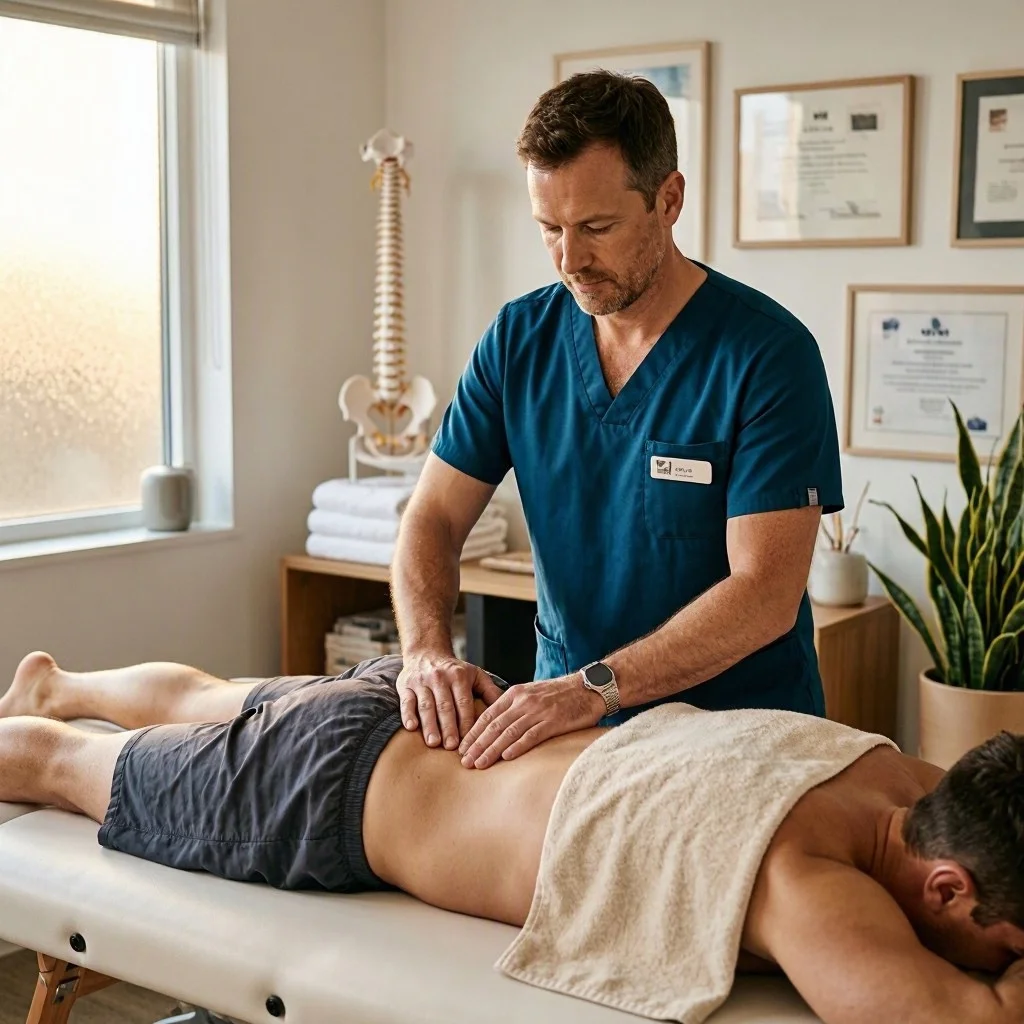
Therapeutic Massage
Therapeutic massage involves applying controlled pressure and movement to soft tissues. It may help reduce feelings of muscular tension and promote relaxation.
Pressure should be adjusted to the individual’s comfort and the nature of their symptoms. More pressure does not automatically produce better results.
Myofascial Techniques
Myofascial techniques focus on the fascia and surrounding soft tissues. Practitioners may use sustained, gentle pressure or controlled movement to address areas that feel restricted or sensitive.
Some people report improvements in comfort or movement after treatment. Evidence varies, so these techniques should be viewed as one possible component of a broader care plan rather than a guaranteed solution.
Trigger Point Techniques
Trigger point techniques apply targeted pressure to sensitive areas within muscles. They may be considered when a practitioner identifies local muscle tenderness that is relevant to the person’s symptoms.
Treatment should remain tolerable. Excessive pressure can aggravate symptoms and is not necessary to make a session effective.
Soft Tissue Mobilisation
Soft tissue mobilisation uses manual techniques to influence the movement and comfort of muscles and other soft tissues. Depending on the presentation, a practitioner may use gentle gliding, stretching, or more focused pressure.
The method should be selected according to the person’s condition and stage of recovery.
Instrument-Assisted Techniques
Some practitioners use specialised tools to apply controlled pressure to selected areas. These approaches are sometimes used during rehabilitation for specific soft tissue complaints.
Instrument-assisted treatment is not appropriate for everyone. The practitioner should explain the technique, discuss possible side effects, and obtain consent before beginning.
What Happens During a Soft Tissue Therapy Appointment?
A treatment session should begin with an understanding of your symptoms and goals. The exact process varies according to the clinic, practitioner, and reason for seeking care.
1. Initial Discussion
Your practitioner may ask when the problem started, which movements are difficult, whether an injury occurred, and how symptoms affect your daily activities.
They may also ask about your work, exercise habits, previous treatments, and relevant medical history.
These details help identify possible causes and determine whether further medical assessment is needed.
2. Movement Assessment (Soft Tissue Therapy for Mobility)
The practitioner may assess your posture, joint range of motion, muscle function, strength, and the movements that reproduce your symptoms.
The assessment should focus on functional limitations rather than assuming that every tight area needs massage.
For example, limited shoulder movement might involve muscle discomfort, joint stiffness, weakness, or a combination of factors. Each possibility may require a different approach.
3. Choosing the Treatment
After the assessment, your practitioner should explain the recommended treatment and why it may be appropriate.
If soft tissue therapy is suitable, the practitioner may begin with gentle techniques and adjust the pressure according to your response.
You should feel comfortable asking questions or requesting changes at any time. Treatment should not involve pressure that feels intolerable or causes concerning symptoms.
4. Combining Treatment With Movement
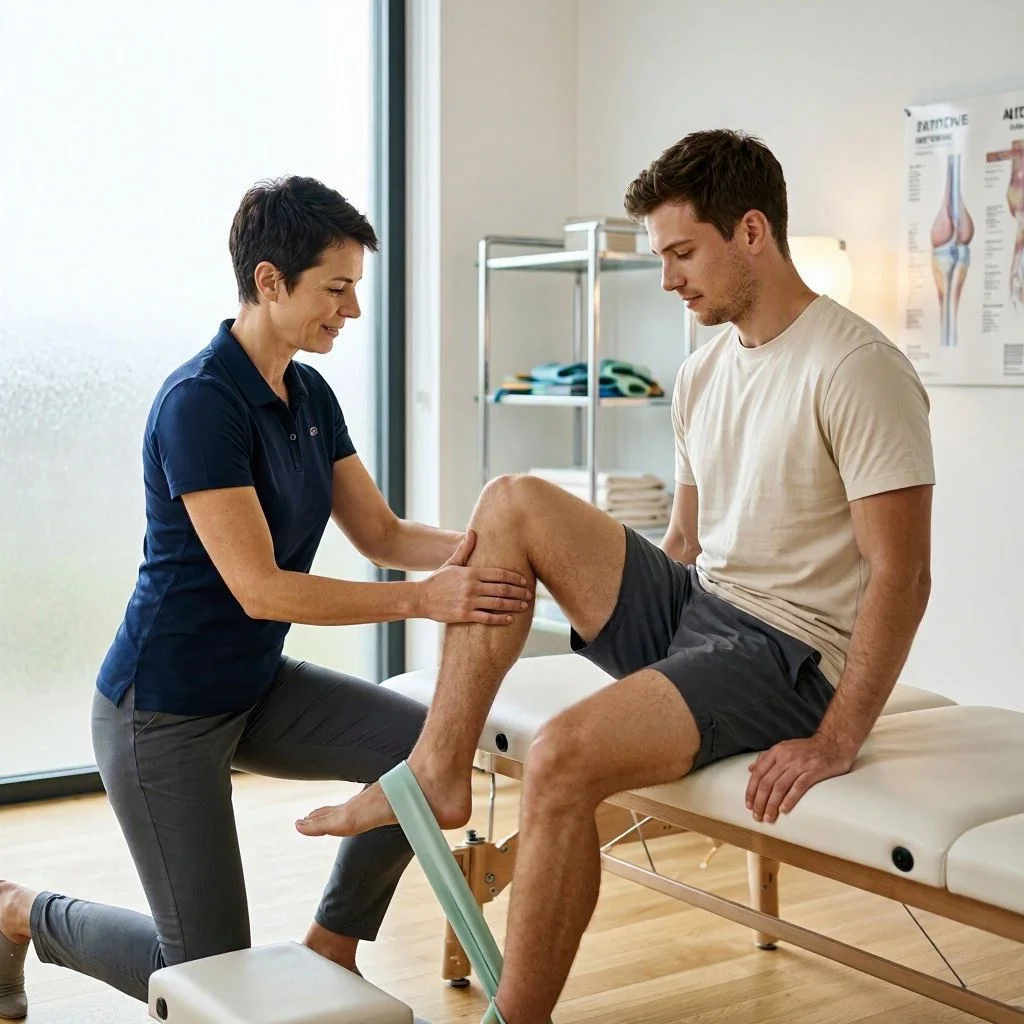
When appropriate, the practitioner may follow hands-on treatment with active movement exercises. This allows you to practise using the available range of motion rather than relying only on passive treatment.
For example, treatment around the calves might be followed by ankle movements or controlled heel raises. Shoulder treatment might be followed by comfortable reaching exercises.
The exercises should match your abilities and progress gradually.
5. Reviewing Your Response
Your practitioner may reassess the movement that was restricted at the start of the session. This can help determine whether treatment has changed your comfort or function.
One session cannot always reveal how much lasting improvement is possible. Progress should be evaluated over time using practical goals, symptom changes, and functional ability.
How Many Sessions Are Needed to Improve Mobility?
There is no universal number of sessions that suits everyone. The amount of treatment depends on the underlying problem, its duration, the person’s general health, and their response to treatment.
Some people experience a short-term improvement after one session. Others need a longer rehabilitation programme, particularly when weakness, persistent pain, or a significant injury contributes to restricted movement.
Your practitioner should explain the purpose of each session and review whether the treatment is helping.
A useful plan may include:
- An initial assessment and identification of movement goals.
- A limited trial of suitable hands-on treatment.
- Home exercises and activity adjustments.
- Regular reviews of progress.
- Changes to the plan if improvement is limited.
Ongoing appointments should have a clear purpose. If repeated sessions provide only temporary relief without meaningful functional improvement, the practitioner should reassess the problem and consider other approaches.
Exercises That Can Support Mobility Between Sessions
Exercise can help you practise comfortable movement and build the strength needed to use that movement during daily activities. The following examples are general starting points, not a personalised rehabilitation prescription.
Stop any exercise that causes sharp pain, new numbness, dizziness, or a substantial worsening of symptoms. If you have a recent injury or a diagnosed condition, ask a qualified healthcare professional which movements are appropriate.
Neck Rotations (Soft Tissue Therapy for Mobility)
Sit comfortably with your shoulders relaxed. Slowly turn your head to one side within a comfortable range, return to the centre, and repeat on the other side.
Start with a small number of controlled repetitions. Avoid forcing the movement or using your hands to pull your head farther than it naturally moves.
Shoulder Circles
Stand or sit with your arms relaxed. Move your shoulders gently forward, upward, backward, and down in a smooth circular motion.
Keep the movement comfortable and avoid shrugging forcefully. If shoulder circles cause pain, reduce the range or stop and seek guidance.
Ankle Mobility
Sit with your foot slightly raised from the floor. Slowly point your toes away from you and then bring them back toward your shin.
Repeat at a comfortable pace. This movement can help you practise ankle control without requiring heavy loading.
Gentle Hip Movement
Lie on your back with your knees bent and feet supported. If comfortable, gently move one knee a short distance toward the outside and return it to the starting position.
Keep your pelvis relaxed and avoid pushing into pain. This exercise may not suit every hip condition, so stop if symptoms worsen.
Walking
Walking can be a practical way to maintain regular movement. Start with a duration and pace that you can tolerate, then gradually increase activity when symptoms allow.
If walking produces persistent or increasing pain, or if you struggle to bear weight, seek assessment rather than pushing through.
Soft Tissue Therapy Compared With Stretching and Exercise
Soft tissue treatment, stretching, and exercise serve different purposes. The most appropriate choice depends on the source of the limitation.
| Approach | Main purpose | Important consideration |
|---|---|---|
| Soft tissue therapy | May reduce discomfort and muscular tension | Effects vary and may be temporary |
| Stretching | Practises and may improve flexibility | Should match the person’s condition and tolerance |
| Mobility exercises | Practise controlled movement through a comfortable range | Consistency and gradual progression matter |
| Strength training | Builds the capacity to control and use movement | Loads should increase at an appropriate pace |
| Functional rehabilitation | Rebuilds skills needed for daily tasks, work, or sport | Should reflect the individual’s goals |
These approaches are not necessarily alternatives. A person may benefit from a combination of hands-on treatment, mobility exercises, and progressive strengthening.
For example, someone recovering from a lower-limb injury may initially need guidance on comfortable movement before progressing to strength exercises and more demanding activities.
The overall objective is to improve function, not simply achieve a temporary feeling of looseness.
Can Soft Tissue Therapy Prevent Injuries?
Soft tissue therapy may help some people manage muscular discomfort, but it should not be presented as a guaranteed method of preventing injuries.
Injury risk is influenced by many factors, including training load, strength, fatigue, previous injuries, movement demands, recovery, and the nature of the activity.
A more comprehensive approach to injury prevention may include:
- Increasing exercise intensity and volume gradually.
- Developing strength and coordination.
- Using an activity-specific warm-up.
- Allowing enough recovery between demanding sessions.
- Addressing persistent pain or movement limitations.
- Seeking professional guidance after a significant injury.
Massage or other manual techniques may complement these habits, but they cannot replace them.
Is Soft Tissue Therapy Safe?
Soft tissue therapy is generally well tolerated when appropriately selected and delivered by a qualified practitioner. However, it is not suitable for every person or every condition.
Some people experience temporary tenderness or soreness after treatment. Strong pressure can cause more significant discomfort and may be inappropriate in certain circumstances.
Before treatment, tell your practitioner about relevant medical conditions, recent injuries, surgeries, medications that affect bleeding, and any unusual symptoms.
Treatment may need to be avoided or modified if you have an open wound, skin infection, suspected blood clot, a possible fracture, significant unexplained swelling, or another condition that could make manual pressure unsafe.
Seek medical assessment before proceeding if the cause of your symptoms is unclear or you have recently experienced a serious injury.
When Should You Seek Medical Attention?
Do not rely on soft tissue therapy alone if you have warning signs that may indicate a more serious problem.
Seek urgent medical attention for symptoms such as:
- Sudden, severe pain after an accident or injury.
- New or progressive muscle weakness.
- Significant numbness or loss of sensation.
- Back pain with new bladder or bowel dysfunction or numbness around the groin.
- A hot, swollen calf with pain, particularly if symptoms are new.
- Chest pain or difficulty breathing.
Persistent pain, unexplained swelling, fever, or movement limitations that continue to worsen also warrant appropriate medical assessment.
How to Maintain Mobility After Treatment (Soft Tissue Therapy for Mobility)
Hands-on treatment may create an opportunity to move more comfortably, but maintaining progress usually involves regular activity and appropriate exercise.
Move Throughout the Day
Long periods in one position can make some people feel stiff. Changing positions, taking short walks, and performing comfortable movements throughout the day can help you maintain activity.
You do not need to follow a rigid schedule. Choose reminders or breaks that fit your daily routine.
Build Strength Gradually
Strength helps you control movement and tolerate everyday demands. Depending on your abilities, a programme may include resistance exercises, balance work, or controlled bodyweight movements.
Start at a manageable level and increase the challenge gradually. If you are recovering from an injury, follow the progression recommended by your healthcare professional.
Use Stretching When Appropriate
Stretching may help improve flexibility for some people. Choose movements that target the relevant area and hold them only as comfortably advised.
Avoid aggressive stretching when you have an acute injury, unexplained pain, or a condition that makes stretching unsuitable.
Pay Attention to Work and Exercise Habits
Consider whether your daily activities involve repetitive movements, long periods of sitting, sudden increases in exercise, or insufficient recovery.
Small adjustments may make it easier to manage your symptoms. For example, varying tasks, adjusting your workstation, or spreading demanding exercise across the week may help.
Review Your Progress
Track changes in practical activities rather than focusing only on whether a muscle feels tight.
You might monitor how comfortably you climb stairs, turn your head, reach overhead, walk, or complete a workday. These functional measures can help you and your practitioner decide whether the treatment plan is effective.
Why Choose an Individualised Approach to Mobility Care?
Mobility problems can look similar while having different underlying causes. Two people who both report tight hips, for example, may have different limitations and require different treatment strategies.
An individualised approach considers symptoms, health history, physical capacity, and the activities that matter most to the person.
At Ritz Clinic, you can explore the clinic’s soft tissue therapy services to learn more about the available care. Depending on your needs, your practitioner may also consider whether physiotherapy or injury rehabilitation is appropriate.
The aim is to choose treatment based on your presentation and goals, not to assume that a single technique will resolve every mobility problem.
Frequently Asked Questions About Soft Tissue Therapy for Mobility
What is soft tissue therapy for mobility?
Soft tissue therapy for mobility uses hands-on techniques to address discomfort, tension, or movement limitations involving muscles and other soft tissues. It may help some people move more comfortably, especially when combined with appropriate exercises and rehabilitation.
Can soft tissue therapy improve range of motion?
It may improve range of motion in some situations, particularly in the short term. Results depend on the cause of the limitation. Joint conditions, significant injuries, nerve problems, or weakness may require additional assessment and treatment.
How quickly will I notice a difference?
Some people notice changes in comfort or movement after a session, while others need more time or respond only modestly. Immediate relief does not guarantee lasting improvement, so progress should be assessed through changes in everyday function.
Is soft tissue therapy painful?
It should be adjusted to your comfort and clinical needs. Some techniques may create pressure or mild discomfort, but intense pain is not a requirement for effective treatment. Tell your practitioner if a technique feels too strong or aggravates your symptoms.
Can soft tissue therapy help with neck and shoulder stiffness?
It may help when muscle discomfort or tension contributes to the problem. Treatment may also involve movement exercises, activity adjustments, and strengthening. Persistent, severe, or unexplained symptoms should be assessed.
Is soft tissue therapy useful for athletes?
It may help some athletes manage muscular discomfort and move more comfortably. It works best as part of an appropriate training and recovery plan rather than as a substitute for strength development, progressive loading, or injury assessment.
Should I choose soft tissue therapy or physiotherapy?
The right option depends on your symptoms and goals. Soft tissue techniques can be included in a broader physiotherapy programme when appropriate. If you have persistent pain, a significant injury, weakness, or ongoing movement restrictions, a comprehensive assessment can help determine what care you need.
Can I exercise after soft tissue treatment?
That depends on the treatment, your symptoms, and the condition being addressed. Gentle movement may be suitable for many people, but strenuous exercise may need to be modified after an injury or when symptoms are aggravated. Follow your practitioner’s advice.
How can I maintain the results of soft tissue therapy?
Regular movement, appropriate mobility exercises, progressive strengthening, and changes to aggravating activities may help support progress. Your plan should match your condition and be adjusted if symptoms worsen or improvement stalls.
Is soft tissue therapy suitable for chronic stiffness?
It may help some people manage discomfort associated with persistent muscle tension. However, chronic stiffness can have many causes, so assessment is important. A longer-term plan may need exercise, activity modification, or medical management rather than repeated hands-on treatment alone.
Improve Your Mobility With the Right Treatment Plan
Restricted movement can make work, exercise, and everyday activities more difficult. Soft tissue therapy may help reduce discomfort and support more comfortable movement for some people, but the best approach depends on the cause of the limitation.
Combining suitable hands-on treatment with regular movement, strengthening, and personalised rehabilitation can help address both immediate symptoms and longer-term functional goals.
If stiffness or muscular discomfort is affecting your daily life, explore Ritz Clinic’s soft tissue therapy services to learn more about available care and whether an assessment may be appropriate for you.