Why Does My Lower Back Hurt When I Walk? 9 Possible Causes and How to Find Relief
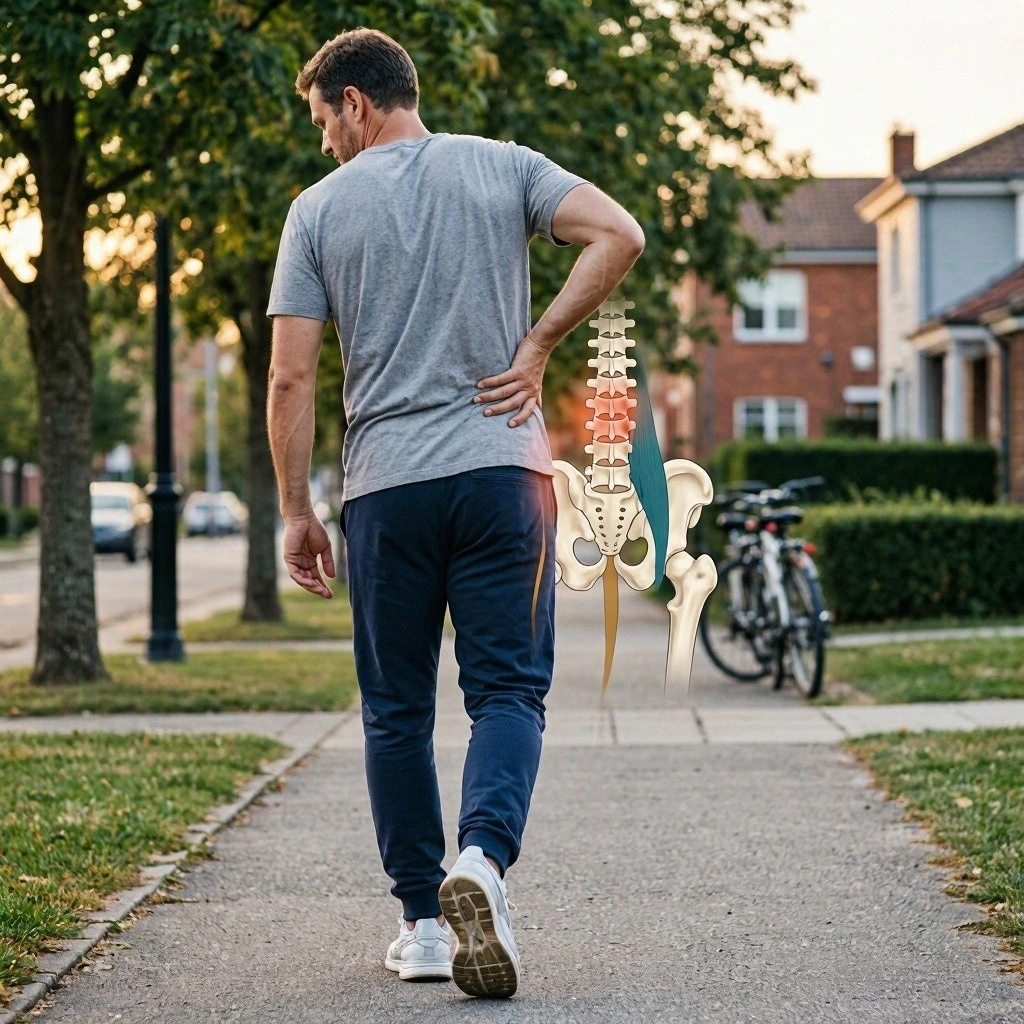
Lower back pain when walking can make even simple daily activities uncomfortable. You might notice pain after walking for a few minutes, experience stiffness when taking your first steps, or feel discomfort that gradually becomes worse the longer you stay on your feet. For some people, the pain disappears after sitting down, while others experience persistent discomfort that continues even after they stop walking.
So, why does your lower back hurt when you walk?
There are several possible explanations, ranging from muscle strain and poor movement patterns to irritated spinal nerves and conditions affecting the joints or discs in your lower back. In many cases, the pain is related to mechanical stress and improves with appropriate care. However, certain symptoms may indicate a more serious underlying condition that requires medical attention.
Understanding when the pain starts, where you feel it, and what makes it better or worse can help you identify possible causes and choose the right next step.
In this guide, we will explain nine common reasons for lower back pain when walking, discuss how doctors evaluate the problem, and explore practical ways to manage discomfort and improve your ability to walk comfortably.
Why Does My Lower Back Hurt When I Walk?

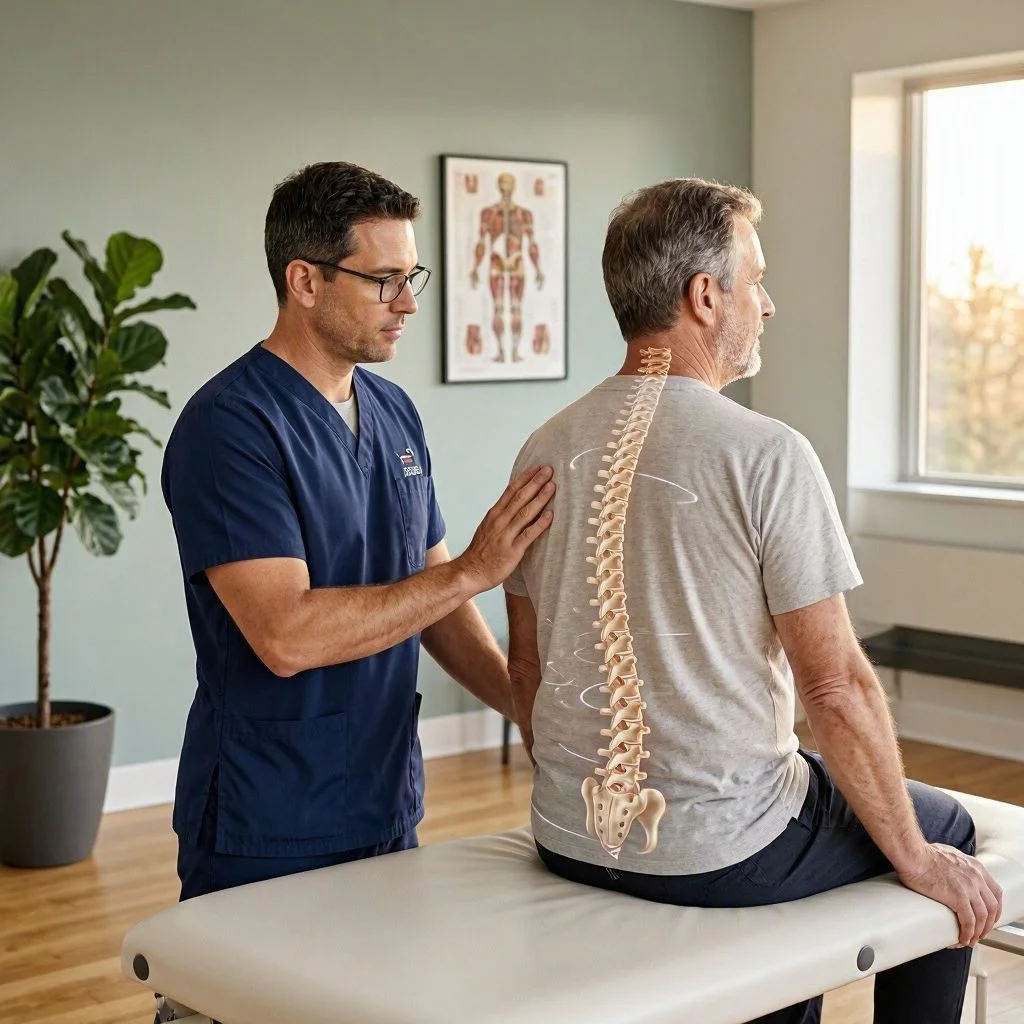
Your lower back, also called the lumbar spine, supports much of your body’s weight and helps maintain balance during movement. Every time you walk, the muscles, joints, ligaments, discs, and nerves in this area work together to keep your body stable.
If you also experience discomfort when changing positions, you may find our guide on Lower Back Pain When Standing Up After Sitting helpful.
When one or more of these structures becomes irritated, overloaded, or affected by an underlying condition, walking may trigger pain.
The discomfort can feel different depending on its cause. Some people experience a dull ache across the lower back, while others notice sharp pain on one side, stiffness around the waist, or discomfort that travels into the buttocks or legs.
The timing of the pain can also provide useful clues.
For example:
- Pain that begins after prolonged walking may be associated with muscular fatigue or certain spinal conditions.
- Pain that improves when you sit down may occur with lumbar spinal stenosis.
- Pain that travels down one leg may be related to sciatic nerve irritation.
- Pain that appears after physical activity may be associated with muscle or ligament strain.
- Pain accompanied by tingling, numbness, or weakness may suggest nerve involvement.
These patterns do not establish a diagnosis by themselves. A healthcare professional needs to consider your symptoms, medical history, and physical examination before determining the cause.
9 Possible Causes of Lower Back Pain When Walking
Several conditions can make walking uncomfortable. Below are nine possible explanations, including common mechanical problems and conditions that may require further evaluation.
1. Muscle Strain or Overuse
Muscle strain is one of the most common explanations for lower back pain.
The muscles surrounding your spine help control movement, support your posture, and stabilize your body while walking. When these muscles become overstretched or overloaded, they can become painful and sensitive.
A strain may develop after:
- Walking much longer than usual.
- Suddenly increasing physical activity.
- Lifting heavy objects incorrectly.
- Repeated bending or twisting.
- Returning to exercise after a long period of inactivity.
- Spending extended periods in an uncomfortable position.
When the muscles are irritated, walking can increase the demand placed on them. You may notice an aching sensation across your lower back, muscle tightness, or discomfort when changing positions.
What does muscle-related back pain feel like?
Muscular discomfort often stays around the lower back rather than traveling far down the leg. It may become more noticeable after activity and improve with gentle movement, appropriate rest, or heat therapy.
However, symptoms overlap with other conditions, so it is important not to assume that every case of lower back pain is caused by muscle strain.
What can help?
Avoid activities that clearly aggravate the discomfort, but do not remain in bed for extended periods. Gentle movement, gradual returns to normal activity, and guidance from a physical therapist may help restore comfortable movement.
2. Lumbar Spinal Stenosis
Lumbar spinal stenosis occurs when the spaces inside the lower spinal canal become narrower, potentially placing pressure on nearby nerves.
This condition is particularly associated with age-related changes in the spine, although the underlying anatomy and individual circumstances vary.
One characteristic feature is that symptoms may become worse during walking or prolonged standing.
People with lumbar spinal stenosis may experience:
- Lower back discomfort.
- Pain in one or both legs.
- Tingling or numbness.
- A feeling of heaviness in the legs.
- Weakness or reduced walking tolerance.
- Symptoms that improve when sitting or bending forward.
Why does sitting sometimes help?
Bending forward can temporarily increase the available space around certain spinal nerves. This may reduce nerve irritation and make symptoms more manageable.
Some people notice that walking uphill or leaning forward over a shopping cart feels easier than walking upright.
This pattern is sometimes called neurogenic claudication.
How is lumbar spinal stenosis treated?
Treatment depends on symptom severity and the amount of nerve involvement.
A healthcare professional may recommend:
- Physical therapy.
- Individualized strengthening and mobility exercises.
- Changes to activities that trigger symptoms.
- Appropriate pain-management strategies.
- Further medical evaluation when symptoms persist or worsen.
Surgery may be considered in selected cases when significant symptoms do not improve with conservative treatment or when neurological problems require intervention.
Not everyone with spinal stenosis experiences pain, and imaging findings alone do not determine how severe a person’s symptoms will be.
3. Herniated or Bulging Disc
Between the bones of your spine are flexible structures called intervertebral discs. They act as cushions and help absorb forces during everyday movement.
A disc can develop structural changes, including bulging or herniation. In some cases, the affected disc irritates or compresses a nearby nerve.
This may produce lower back pain that becomes noticeable during walking, bending, or other movements.
Common symptoms include:
- Pain in the lower back.
- Discomfort that travels into the buttock or leg.
- Tingling or numbness.
- Muscle weakness in the affected leg.
- Pain that changes depending on body position.
A herniated disc does not always cause symptoms. Some people have disc changes on an MRI without experiencing back pain.
Can walking make a herniated disc worse?
It depends on the individual and the location of the affected disc.
Walking may increase discomfort for some people, while gentle walking may actually help others maintain mobility.
The important point is to avoid repeatedly pushing through movements that significantly increase pain or cause new neurological symptoms.
A healthcare professional can determine whether the symptoms are consistent with nerve irritation and whether further testing is appropriate.
4. Sciatica
Sciatica describes pain associated with irritation or compression of the sciatic nerve or its nerve roots.
The sciatic nerve travels from the lower spine through the buttocks and down the back of each leg.
When a nerve root becomes irritated, discomfort may extend beyond the lower back.
Typical symptoms include:
- Pain in the lower back or buttock.
- Pain traveling down one leg.
- Burning or shooting sensations.
- Tingling in the leg or foot.
- Numbness.
- Weakness in some cases.
For some people, walking makes sciatica more noticeable because movement changes the position and loading of the affected tissues.
Others may find that sitting, bending, or coughing triggers more discomfort.
Is sciatica the same as lower back pain?
No. Lower back pain can occur without sciatica. Sciatica specifically involves symptoms associated with irritation of the sciatic nerve pathway.
If your back pain travels down your leg, especially below the knee, a medical assessment can help determine whether nerve involvement is present.
Treatment often focuses on maintaining appropriate activity, managing symptoms, and addressing the underlying cause.
5. Degenerative Disc Disease
Degenerative disc disease refers to changes in the spinal discs that can occur over time.
As discs lose some of their water content and structural flexibility, their ability to absorb and distribute forces may change.
These changes are often associated with aging, but they do not necessarily cause pain.
When symptoms occur, they may include:
- Persistent or recurring lower back discomfort.
- Stiffness.
- Pain that increases during certain activities.
- Discomfort when bending or lifting.
- Occasional pain that spreads into the buttocks.
Walking can sometimes increase symptoms because the lower back repeatedly experiences loading during movement.
However, it is important to understand that degenerative changes on imaging are common, including among people who have no back pain.
Doctors therefore consider imaging results alongside the person’s symptoms and physical examination.
What treatment options are available?
Many people improve with non-surgical approaches, including physical therapy, gradual activity progression, and an individualized pain-management plan.
The goal is to improve function and reduce symptoms rather than simply change the appearance of the spine on an imaging scan.
6. Sacroiliac Joint Dysfunction
The sacroiliac joints connect the sacrum, which is located at the base of the spine, to the pelvic bones.
These joints help transfer forces between your upper body and legs.
When the surrounding structures become irritated or the joint does not tolerate movement comfortably, pain may develop around the lower back, buttocks, or pelvis.
Some people experience discomfort mainly on one side.
Possible symptoms include:
- Pain near the lower back and upper buttock.
- Discomfort when taking longer steps.
- Pain when climbing stairs.
- Difficulty standing on one leg.
- Discomfort when getting up from a chair.
- Pain that becomes noticeable during prolonged walking.
Sacroiliac joint pain can resemble other types of lower back pain, making diagnosis challenging.
A clinician may use a combination of medical history, physical examination, and specific movement tests to evaluate the joint.
How can it be managed?
Depending on the cause, treatment may involve physical therapy, activity modification, and exercises designed to improve coordination and support around the pelvis.
Avoid assuming that pain near the pelvis automatically means you have a sacroiliac joint problem. Other conditions can produce similar symptoms.
7. Poor Walking Mechanics and Posture
Your walking pattern affects how forces are distributed through your spine, pelvis, hips, and legs.
Changes in movement habits may contribute to discomfort, particularly when combined with muscular fatigue, limited mobility, or an abrupt increase in activity.
For example, you may notice discomfort when:
- You take unusually long strides.
- You walk while carrying a heavy bag on one side.
- You spend long periods walking without breaks.
- Your footwear is uncomfortable.
- You have difficulty maintaining a relaxed, natural walking rhythm.
However, posture is only one possible contributing factor. There is no single perfect walking posture that prevents every type of back pain.
Practical ways to improve walking comfort
Try focusing on a few simple adjustments:
- Walk at a comfortable pace.
- Allow your arms to move naturally.
- Avoid carrying heavy items on one side for extended periods.
- Wear footwear that feels comfortable and provides suitable support.
- Gradually increase walking duration rather than making sudden changes.
- Take short breaks when needed.
If you consistently experience pain while walking, a physical therapist can assess your movement patterns and recommend appropriate changes.
8. Facet Joint Arthritis
Facet joints are small joints located at the back of the spine. They help guide movement and provide stability.
Like other joints, they can develop age-related changes and arthritis.
When these joints become symptomatic, discomfort may develop in the lower back and sometimes extend into the buttocks or upper legs.
Common symptoms include:
- Aching in the lower back.
- Stiffness after inactivity.
- Pain during certain twisting movements.
- Discomfort when standing for extended periods.
- Pain when leaning backward.
Walking may aggravate symptoms in some individuals, particularly when the lower back is repeatedly extended.
However, facet joint changes are also common in people without symptoms, so a diagnosis should not be based on imaging alone.
Treatment usually begins with conservative approaches, including appropriate movement, physical therapy, and individualized pain management.
9. Inflammatory or Other Medical Conditions
Not every case of lower back pain comes from muscles, discs, or spinal joints.
Some inflammatory conditions can affect the spine and surrounding joints.
One example is ankylosing spondylitis, an inflammatory condition that primarily affects the spine and sacroiliac joints.
Symptoms may include:
- Back pain that develops gradually.
- Morning stiffness.
- Pain that improves with movement.
- Discomfort that persists for an extended period.
- Pain that interferes with sleep.
Other medical conditions can also cause pain that feels as though it comes from the lower back.
For example, kidney-related problems may produce pain in the flank or back area, sometimes accompanied by fever, urinary symptoms, nausea, or other signs.
The location and pattern of pain alone cannot reliably identify the underlying cause.
If your back pain is persistent, unusual, or accompanied by symptoms affecting other parts of your body, arrange a medical assessment.
Why Does My Lower Back Hurt After Walking for a Few Minutes?
If your lower back starts hurting after only a few minutes of walking, the timing is an important detail.
Several explanations are possible.
Muscular fatigue: The muscles supporting your spine may become uncomfortable when they are repeatedly required to work beyond their current capacity.
Lumbar spinal stenosis: In some people, walking or standing can trigger back and leg symptoms that improve after sitting or bending forward.
Nerve irritation: A disc-related problem or another condition affecting spinal nerves may cause discomfort during movement.
Joint-related pain: Irritation in the spinal or pelvic joints can make repeated movement uncomfortable.
Reduced walking tolerance: After a period of inactivity, returning to longer walks may cause temporary discomfort as your body adjusts to increased activity.
Pay attention to how quickly the pain begins, whether it spreads into your legs, and whether sitting changes the symptoms.
If the problem happens repeatedly, gets progressively worse, or limits everyday activities, consult a healthcare professional.
Why Does Lower Back Pain Improve When I Sit Down?
Pain that improves when sitting down may provide a useful clue, particularly when it occurs alongside leg discomfort.
One possible explanation is lumbar spinal stenosis.
In this condition, certain spinal positions may change the amount of available space around the nerves. Sitting or leaning forward can sometimes reduce symptoms.
However, this pattern is not exclusive to spinal stenosis.
Other mechanical conditions may also feel better when you change positions or reduce the amount of weight placed through your lower back.
To understand the difference, consider the following patterns:
| Symptom pattern | Possible explanation |
|---|---|
| Pain after prolonged walking | Muscle fatigue or spinal conditions |
| Pain that improves when leaning forward | Lumbar spinal stenosis |
| Pain traveling down one leg | Sciatica or nerve irritation |
| Pain after increased physical activity | Muscle or ligament strain |
| Pain with twisting or extending the back | Joint-related or mechanical pain |
These are general patterns, not diagnostic rules.
A physical examination is necessary to identify the most likely explanation.
How Is Lower Back Pain When Walking Diagnosed?
A healthcare professional usually begins by asking detailed questions about your symptoms and medical history.
The purpose is to understand whether your discomfort is likely related to muscles, joints, spinal discs, nerves, or another medical condition.
1. Medical History
You may be asked:
- When did the pain begin?
- Does it start immediately or after walking for a while?
- Does the discomfort stay in your back or travel into your legs?
- Does sitting make it better?
- Do you experience tingling, numbness, or weakness?
- Have you recently increased your physical activity?
- Have you experienced a fall or injury?
- Does the pain interfere with sleeping or daily activities?
These questions help identify patterns that may guide further evaluation.
2. Physical Examination
A physical examination may include checking:
- Your walking pattern.
- Lower back movement.
- Hip and pelvic movement.
- Leg muscle strength.
- Sensation in your legs.
- Reflexes.
- Areas of tenderness.
The clinician may also assess specific movements to determine which positions reproduce your symptoms.
3. Imaging Tests
Not everyone with lower back pain needs an imaging test.
In uncomplicated cases, early imaging is generally not recommended because it may not improve treatment decisions.
If your symptoms suggest a serious underlying problem, significant neurological involvement, or persistent pain that has not improved with appropriate care, your clinician may consider additional testing.
Possible tests include:
X-rays: These can help evaluate bones, alignment, and certain structural changes.
MRI: Magnetic resonance imaging provides detailed images of spinal discs, nerves, and other soft tissues.
CT scans: These provide detailed images of bones and may be useful in selected situations.
The choice depends on your symptoms, examination findings, and medical history.
An MRI is not automatically necessary just because your lower back hurts when you walk.
How to Relieve Lower Back Pain When Walking?
The best way to manage lower back pain depends on its cause.
However, several general strategies may help people with uncomplicated mechanical lower back pain improve their comfort and maintain daily activity.
1. Avoid Prolonged Bed Rest
When your back hurts, staying in bed may seem like the easiest solution.
However, prolonged inactivity can contribute to stiffness, reduced physical capacity, and difficulty returning to everyday activities.
For many people, maintaining gentle movement within comfortable limits is more helpful.
You do not need to force yourself to walk through significant pain.
Instead, find a manageable activity level and increase it gradually as your symptoms allow.
2. Adjust Your Walking Routine
If longer walks trigger discomfort, consider changing how you approach physical activity.
For example:
- Start with shorter, comfortable walks.
- Choose a flat and familiar walking surface.
- Take breaks when necessary.
- Avoid suddenly increasing walking duration.
- Pay attention to symptoms during and after activity.
If walking consistently causes pain, seek professional advice rather than repeatedly pushing through it.
3. Use Heat or Cold Therapy
Heat and cold may provide temporary relief for some types of lower back pain.
Heat therapy may help relax tight muscles and reduce the sensation of stiffness.
Cold therapy may help some people manage discomfort following a recent strain or activity-related irritation.
Choose whichever feels more comfortable.
Protect your skin with a suitable covering and avoid extreme temperatures or prolonged direct exposure.
Neither method treats every underlying cause of back pain.
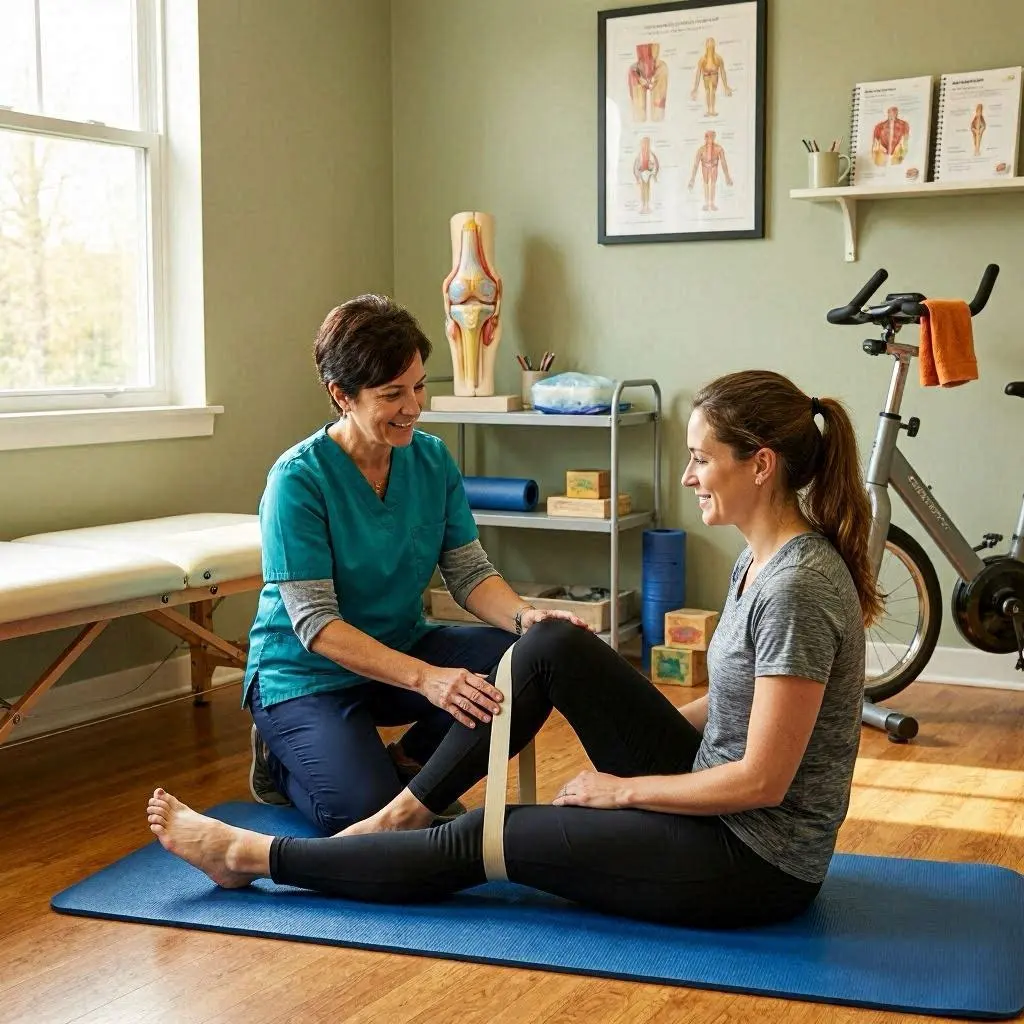
4. Consider Physical Therapy
Physical therapy can be useful when lower back pain interferes with walking or everyday activities.
A physical therapist can assess your movement, identify limitations, and develop a program based on your specific needs.
Depending on the assessment, treatment may include:
- Gentle mobility exercises.
- Trunk muscle strengthening.
- Hip mobility work.
- Balance and coordination activities.
- Gradual walking progression.
- Education about managing activity-related symptoms.
The program should be individualized, especially if you have leg weakness, numbness, or a diagnosed spinal condition.
5. Review Your Daily Activities
Your daily routine may influence how your back feels.
Consider whether discomfort is associated with prolonged sitting, repeated lifting, long periods of standing, or sudden increases in physical activity.
Making small changes may reduce unnecessary strain.
For example, alternate between sitting and standing when possible, avoid repeatedly lifting objects in ways that aggravate your symptoms, and take movement breaks throughout the day.
6. Discuss Medication With a Healthcare Professional
Some medications may help manage lower back pain, depending on the cause and the person’s medical history.
However, medications are not appropriate for everyone and can have side effects or interactions.
A healthcare professional or pharmacist can help determine whether a medication is suitable and explain its safe use.
Avoid using medication simply to push through pain and continue activities that are making your symptoms worse.
Simple Exercises That May Help Lower Back Pain
Movement-based rehabilitation can help improve mobility, strength, and confidence in people with certain types of lower back pain.
However, there is no universal exercise routine that is appropriate for every diagnosis.
An exercise that feels comfortable for one person may aggravate symptoms in another.
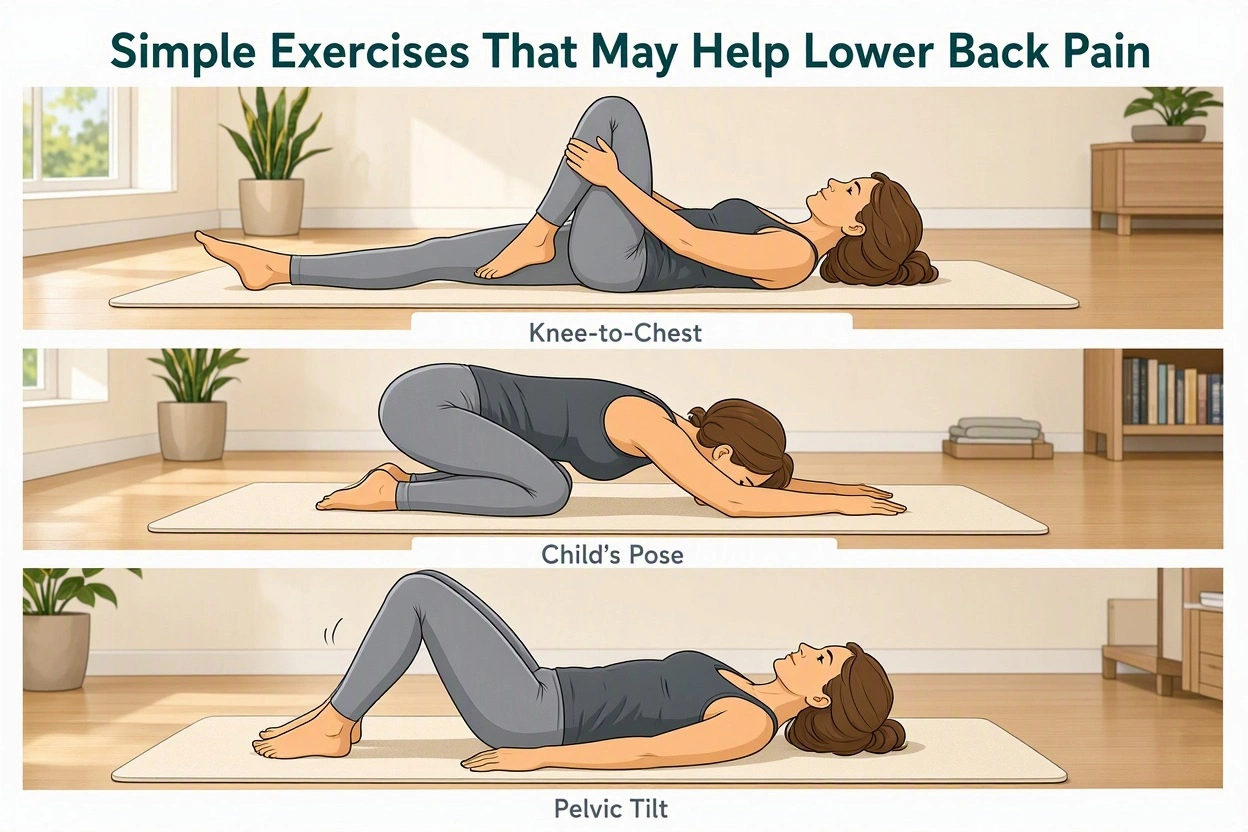
Depending on your condition, a physical therapist may recommend:
Gentle pelvic movements: These may help improve awareness of pelvic movement and comfortable lower back mobility.
Walking at a comfortable pace: Gradual walking may help maintain general activity and improve tolerance over time.
Controlled trunk strengthening: Individualized strengthening can improve the ability of the muscles around your trunk to support movement.
Hip mobility exercises: When appropriate, improving hip movement may help make everyday activities more comfortable.
Stop an activity if it produces significant worsening pain, new tingling, numbness, or weakness.
If you are unsure which movements are appropriate, ask a qualified healthcare professional before beginning an exercise program.
When Should You Worry About Lower Back Pain While Walking?
Most lower back pain is not caused by a life-threatening condition. However, certain symptoms require prompt medical evaluation.
Seek Emergency Medical Care If You Experience:
- New difficulty controlling your bladder or bowel movements.
- New inability to urinate.
- Loss of sensation around your genitals or anus.
- Severe or progressive weakness in your legs.
- New significant neurological symptoms affecting both legs.
These symptoms can indicate serious compression of nerves in the lower spinal canal, including cauda equina syndrome.
Do not wait for these symptoms to disappear on their own.
Arrange Urgent Medical Assessment If You Have:
- Severe pain that begins suddenly.
- Back pain that becomes rapidly worse.
- Fever or chills alongside back pain.
- Back pain following a significant injury.
- Back pain accompanied by feeling generally unwell.
Arrange a Routine Medical Appointment If:
- Your symptoms do not improve after a few weeks.
- Walking becomes increasingly difficult.
- The pain repeatedly returns.
- Your symptoms interfere with sleep or everyday activities.
- You experience unexplained weight loss.
- You have a history of cancer.
- You notice persistent pain that does not improve with rest or changes in activity.
A healthcare professional can determine whether further investigation is necessary.
How Can You Prevent Lower Back Pain When Walking?
Not every episode of back pain can be prevented. However, some everyday habits may support spinal health and reduce avoidable physical stress.
Maintain Regular Physical Activity
Regular movement helps maintain general fitness, muscular endurance, and mobility.
If you have been inactive, increase your activity gradually rather than suddenly attempting long walks.
Strengthen Supporting Muscles
The muscles around your trunk and hips contribute to stability during walking and other activities.
An individualized strengthening program may help improve physical function and movement confidence.
Avoid Sudden Changes in Activity
Increasing walking distance, exercise intensity, or physical workload too quickly may exceed your current capacity.
A gradual progression allows your body time to adapt.
Pay Attention to Footwear
Comfortable footwear can make walking easier.
Choose shoes that fit properly and suit your usual walking environment.
There is no single shoe type that is guaranteed to prevent lower back pain.
Change Positions Regularly
Remaining in one position for extended periods may contribute to stiffness or discomfort.
Try to include comfortable movement breaks throughout your day.
Maintain Healthy Everyday Habits
Adequate sleep, regular activity, and a balanced lifestyle support general health and may contribute to better pain management.
If back pain keeps returning, prevention should also include understanding the underlying reason for your symptoms.
Frequently Asked Questions About Lower Back Pain When Walking
1. Why does my lower back hurt when I walk but not when I sit?
One possible reason is that standing and walking place different demands on your spine and supporting muscles than sitting does.
Lumbar spinal stenosis is one condition that can cause symptoms during walking that improve when sitting or leaning forward.
However, muscular and joint-related conditions can produce similar patterns. A medical assessment can help identify the cause.
2. Can walking too much cause lower back pain?
Yes. Increasing walking distance or duration too quickly may overload muscles and other structures that support your lower back.
This is more likely when your body is not accustomed to the activity.
Reducing the intensity temporarily and returning to activity gradually may help, provided there are no concerning symptoms.
3. Is lower back pain when walking a sign of spinal stenosis?
It can be, particularly when walking or standing causes discomfort in the back and legs that improves with sitting or bending forward.
However, several other conditions can cause similar symptoms.
A healthcare professional may recommend a physical examination and, when appropriate, imaging to investigate suspected spinal stenosis.
4. Why does my lower back hurt after walking for 10 minutes?
Pain that starts after a specific period of walking may be related to muscular fatigue, joint irritation, nerve compression, or reduced walking tolerance.
The timing alone cannot establish a diagnosis.
Pay attention to whether sitting helps, whether pain spreads into your legs, and whether you experience numbness or weakness.
5. Should I stop walking if my lower back hurts?
Not necessarily.
For many people with uncomplicated lower back pain, gentle activity within comfortable limits is preferable to prolonged inactivity.
However, you should not force yourself to continue an activity that causes significant worsening pain or new neurological symptoms.
If walking repeatedly triggers discomfort, seek an individualized assessment.
6. Can a herniated disc cause lower back pain while walking?
Yes. A herniated disc may irritate a nearby spinal nerve and cause lower back pain, buttock discomfort, or symptoms traveling down one leg.
Some people notice more discomfort during walking, although others tolerate walking relatively well.
The symptoms and physical examination help determine whether a disc problem is a likely explanation.
7. Why does my lower back hurt when I stand or walk for a long time?
Prolonged standing and walking increase the amount of time your muscles and spinal structures must support your body.
Muscular fatigue, joint-related problems, and lumbar spinal stenosis are among the possible explanations.
If the pain is recurring or progressively limiting your activities, arrange a medical assessment.
8. Can poor posture cause lower back pain when walking?
Movement habits and posture can contribute to discomfort, particularly when combined with muscle fatigue or other mechanical problems.
However, posture is rarely the only factor that explains persistent back pain.
A physical therapist can assess your walking pattern and help identify useful adjustments.
9. When should I get an MRI for lower back pain?
An MRI is not routinely necessary for every episode of lower back pain.
It may be appropriate when symptoms suggest serious underlying disease, significant nerve involvement, or persistent problems that have not improved with appropriate treatment.
Your healthcare professional can determine whether imaging is likely to change your treatment plan.
10. Can lower back pain when walking go away on its own?
Many episodes of uncomplicated mechanical lower back pain improve over time, particularly when people remain appropriately active and avoid activities that repeatedly aggravate their symptoms.
However, persistent, worsening, or unusual symptoms should be evaluated rather than ignored.
Final Thoughts: Understanding Why Your Lower Back Hurts When You Walk
So, why does your lower back hurt when you walk?
The answer depends on the structures involved and the pattern of your symptoms. Muscle strain, spinal stenosis, disc-related problems, sciatica, joint irritation, and other medical conditions can all contribute to walking-related lower back pain.
The most useful clues are when the pain begins, whether it travels into your legs, and whether sitting or changing positions makes it better.
For many people, maintaining appropriate activity, gradually improving physical capacity, and following an individualized treatment plan can help improve walking comfort.
However, pain accompanied by significant weakness, bladder or bowel changes, or numbness around the groin requires immediate medical attention.
You do not have to guess the cause or simply accept recurring discomfort. If lower back pain is interfering with your daily routine, a qualified healthcare professional can help identify the underlying problem and recommend the most appropriate treatment.
Medical Disclaimer: This article is intended for general educational purposes only. It does not provide a medical diagnosis or replace advice from a qualified healthcare professional. Treatment should be based on an individual’s age, medical history, symptoms, and clinical assessment.
Medical Disclaimer
The information provided in this article is for educational and informational purposes only. It is not intended to replace professional medical advice, diagnosis, or treatment. Always consult a qualified healthcare professional regarding any medical condition or concerns. Never ignore professional medical advice or delay seeking medical care because of information found on this website.
Medical References
The following reputable medical sources provide additional information about lower back pain, diagnosis, and treatment:
- NHS – Back Pain: https://www.nhs.uk/conditions/back-pain/
- Cleveland Clinic – Lower Back Pain: https://my.clevelandclinic.org/health/diseases/7936-lower-back-pain
- World Health Organization – Low Back Pain: https://www.who.int/news-room/fact-sheets/detail/low-back-pain
- National Library of Medicine – Low Back Pain: Evaluation and Management: https://www.ncbi.nlm.nih.gov/books/NBK538173/
- American Academy of Family Physicians – Chronic Low Back Pain in Adults: Evaluation and Management: https://www.aafp.org/pubs/afp/issues/2024/0300/chronic-low-back-pain.html