Chiropractor for Limited Spinal Rotation: Causes, Treatment, and Ways to Improve Spinal Mobility
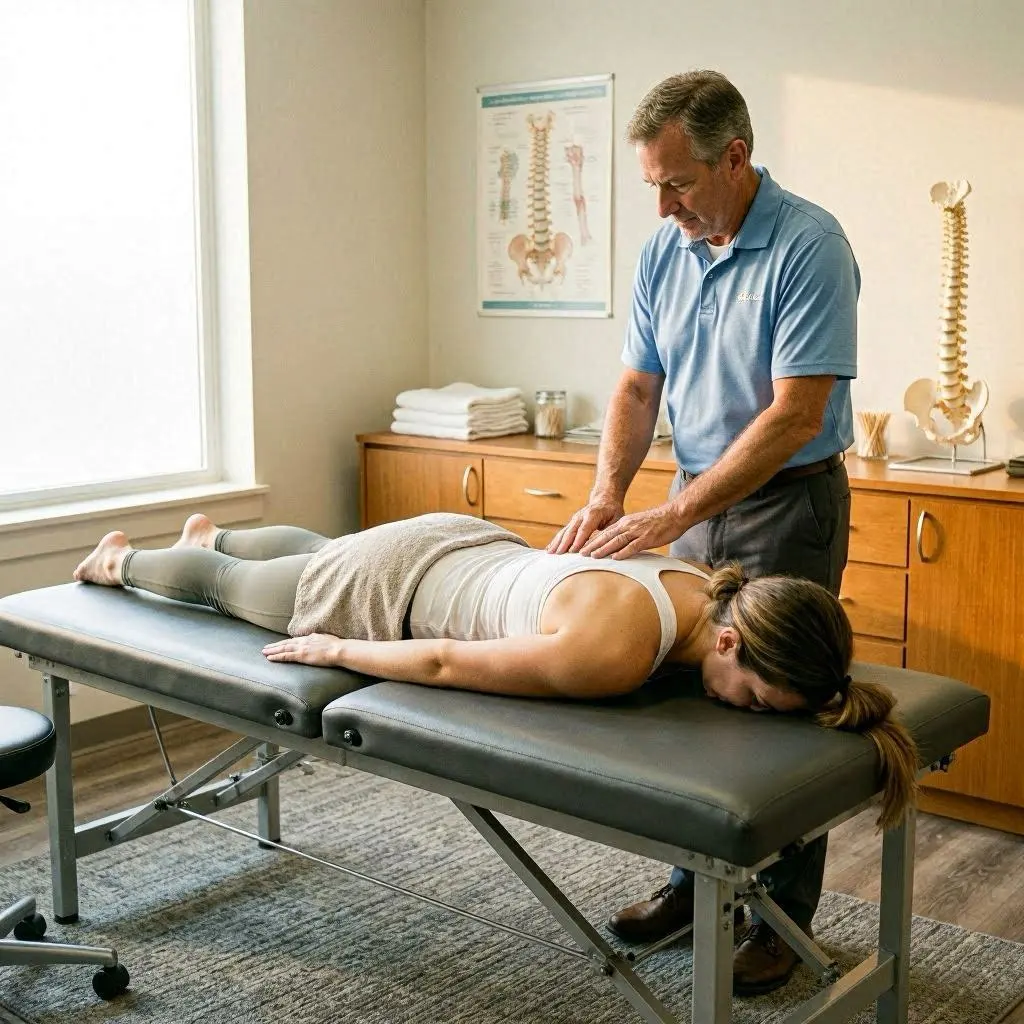
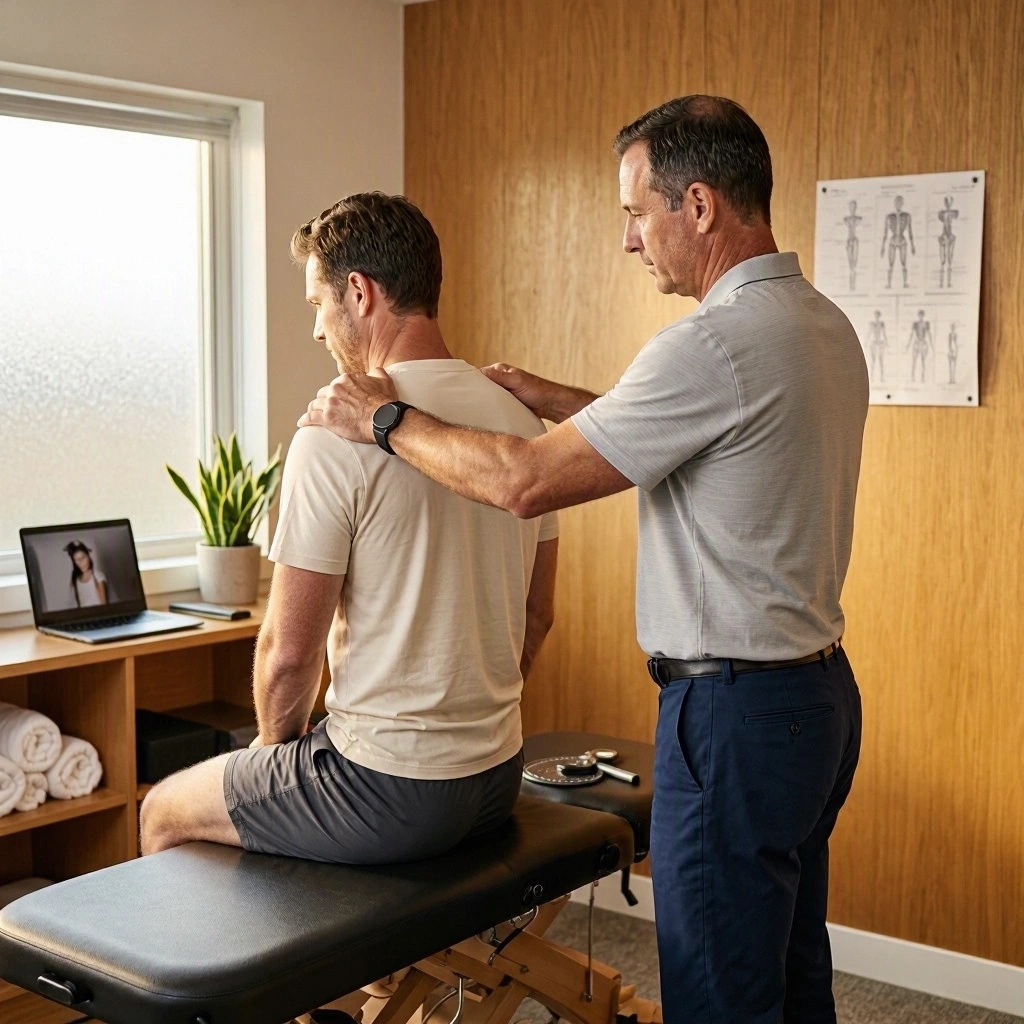
Limited spinal rotation can make everyday activities surprisingly difficult. Turning to look over your shoulder while driving, reaching across a desk, exercising, or twisting your torso may become uncomfortable when the spine does not move freely. For some people, this restriction develops gradually because of prolonged sitting, muscle stiffness, or reduced physical activity. For others, it begins after an injury or alongside persistent neck or back pain. Searching for a Chiropractor for Limited Spinal Rotation can be a useful starting point for understanding the causes of restricted movement and exploring appropriate treatment options. Chiropractic care may help selected individuals manage musculoskeletal pain, improve comfortable movement, and participate more confidently in daily activities. However, the right approach depends on the underlying cause of the restriction and the person’s overall health.
At Ritz Clinic, chiropractic care is offered alongside physiotherapy, massage therapy, and other musculoskeletal services. An individualized approach can help determine which treatment options may be appropriate for a person’s symptoms and mobility goals.
This guide explains what limited spinal rotation means, why it occurs, how a chiropractor may assess and treat it, and which habits can support healthier spinal movement.
What Is Limited Spinal Rotation?
Spinal rotation is the movement that allows your head, neck, shoulders, and torso to turn from side to side. It is essential for many everyday activities, including checking traffic, looking behind you, participating in sports, and turning your body while lifting or reaching.
The spine contains several regions, each with different movement capabilities:
- Cervical spine: The neck allows you to turn your head, tilt it, and look up or down.
- Thoracic spine: The middle and upper back contributes substantially to rotational movement of the torso.
- Lumbar spine: The lower back allows some rotation, although its rotational movement is more limited than that of the thoracic spine.
- Sacral region: The sacrum connects the spine with the pelvis and provides stability rather than substantial rotational movement.
Healthy rotation depends on the coordinated function of joints, muscles, ligaments, discs, and the nervous system. When one or more of these structures becomes painful, stiff, or restricted, turning may feel uncomfortable or difficult.
Limited spinal rotation does not always mean that a joint is damaged or structurally misaligned. Muscle guarding, pain, reduced movement confidence, and changes in movement habits can also reduce the range of motion available to a person.
For example, someone who spends most of the day working at a computer may gradually develop difficulty turning their upper body comfortably. Another individual may notice restricted rotation after a sports injury or a period of back pain.
A proper assessment helps distinguish ordinary stiffness from movement restrictions that require further medical investigation.
Common Causes of Limited Spinal Rotation
Understanding the cause of restricted spinal movement is an important step toward selecting appropriate treatment. Several factors may contribute, and more than one can be present at the same time.
1. Prolonged Sitting and Sedentary Habits
Many people spend hours sitting at desks, using computers, or looking at mobile devices. Remaining in one position for extended periods can reduce opportunities to move the spine through its comfortable range.
Over time, some individuals notice stiffness around the neck, shoulders, and upper back. The muscles involved in maintaining posture may also become fatigued, while reduced physical activity can affect general strength and movement tolerance.
Sitting itself does not automatically damage the spine. However, limited movement throughout the day may contribute to discomfort and stiffness in susceptible individuals.
Taking regular movement breaks, changing positions, and incorporating appropriate mobility exercises can help address these habits.
2. Muscle Tightness and Soft Tissue Restrictions
Muscles surrounding the spine help control rotation and stabilize the torso. When these muscles become sensitive, tense, or fatigued, turning may feel restricted.
Potential contributing factors include repetitive work, unfamiliar exercise, prolonged static positions, and inadequate recovery after physical activity.
Muscular discomfort can also encourage protective movement. A person may unconsciously avoid turning toward the painful side, gradually becoming less confident with normal movements.
Depending on the assessment, treatment may include gentle mobility exercises, progressive stretching, strengthening, or soft tissue techniques.
Ritz Clinic also provides Soft Tissue Therapy for appropriate musculoskeletal concerns. Soft tissue treatment may complement a broader rehabilitation plan when muscle tension is relevant to the person’s symptoms.
3. Joint Stiffness
The small joints between the vertebrae help guide spinal movement. Stiffness or irritation in these joints may contribute to discomfort when turning.
Reduced movement can also occur after an injury or a period of reduced activity. In some cases, age-related changes affecting spinal joints may contribute to stiffness.
However, the sensation of a stiff spine does not identify a specific diagnosis by itself. A clinician must consider the location of the symptoms, the person’s history, and other examination findings before recommending treatment.
A chiropractor may use appropriate joint mobilization or other manual techniques when these approaches are suitable for the individual’s condition.
4. Previous Injuries
Sports injuries, falls, motor vehicle collisions, and sudden twisting movements can affect spinal mobility.
An injury may cause pain, muscle guarding, swelling, or reduced confidence when moving. Even after the initial discomfort improves, a person may continue to avoid certain movements.
For example, someone who strained their back while lifting a heavy object might begin rotating their entire body instead of turning through the torso. Although this strategy may initially feel protective, it can become an unnecessary movement habit if it persists.
Rehabilitation may help restore comfortable movement and gradually rebuild strength. The appropriate progression depends on the type and severity of the injury.
5. Age-Related Changes
As people age, changes in spinal joints, discs, muscles, and connective tissues may affect flexibility and movement.
Some individuals experience reduced rotation without significant pain, while others develop stiffness alongside osteoarthritis or other musculoskeletal conditions.
Age-related changes do not automatically mean that a person must accept substantial movement limitations. Many people can maintain useful mobility through suitable exercise, physical activity, and individualized care.
Treatment should nevertheless account for bone health, medical history, and any conditions that make certain manual techniques inappropriate.
6. Poorly Balanced Movement Patterns
Movement habits can influence how different parts of the spine contribute to rotation.
For instance, limited thoracic mobility may encourage a person to compensate by moving excessively through the lower back or shoulders. Weakness, discomfort, and limited coordination can also affect how rotation is performed.
A comprehensive assessment considers the relationship between the spine, hips, shoulders, and pelvis rather than examining only the area where the restriction is felt.
7. Disc-Related or Other Spinal Conditions
Disc degeneration, disc herniation, inflammatory conditions, and other spinal disorders may contribute to pain or restricted movement in some people.
These conditions require careful assessment because the appropriate treatment depends on the diagnosis and the presence of associated symptoms.
Limited rotation alone does not establish that a disc is damaged or that a nerve is compressed. A healthcare professional may recommend further investigation when the history or examination indicates a possible underlying condition.
Signs and Symptoms Associated With Limited Spinal Rotation
Restricted rotation can present differently depending on which spinal region is affected.
Common symptoms include:
- Difficulty turning the head to check over a shoulder.
- Stiffness when twisting the torso.
- Discomfort around the neck, upper back, or lower back.
- A feeling of tightness during everyday movements.
- Reduced ability to perform certain exercises or sports movements.
- Muscle tension around the shoulders or back.
- Discomfort after remaining in one position for a long time.
- A noticeable difference between turning to the left and right.
Some people experience restricted movement without significant pain. Others notice pain that increases when they reach the end of their comfortable range.
The location and severity of symptoms can help guide an assessment, but they do not provide a definitive diagnosis on their own.
Persistent, worsening, or unexplained restriction should be evaluated rather than repeatedly forced through painful movements.
How Can a Chiropractor Help With Limited Spinal Rotation?
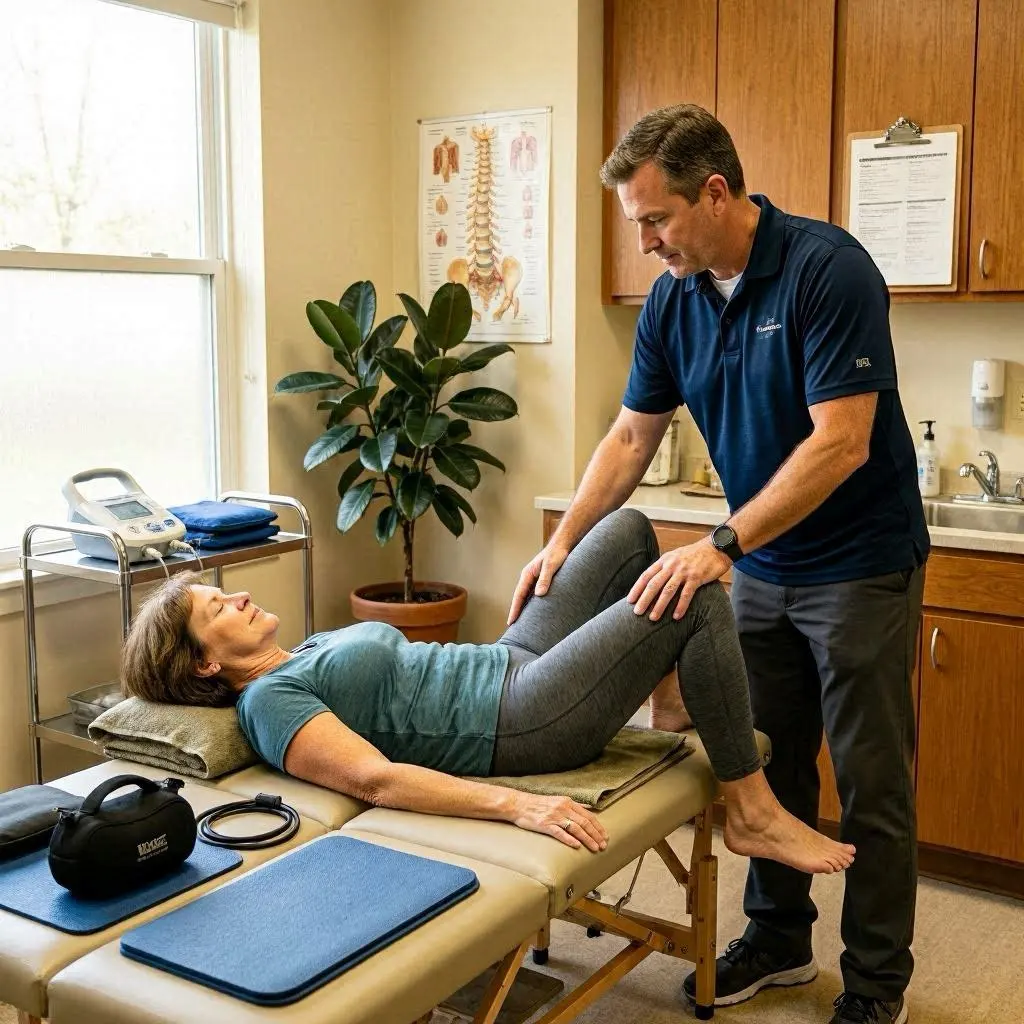
A chiropractor evaluates musculoskeletal function and may recommend conservative treatment for selected spinal movement problems.
The purpose of care is not simply to make the spine rotate farther during an appointment. A more meaningful goal is to help the person move comfortably, improve functional ability, and maintain progress through appropriate activity.
A treatment plan may involve several components.
Comprehensive Initial Assessment
Before treatment begins, a chiropractor should ask about the symptoms and the circumstances in which they developed.
The assessment may cover:
- When the restriction first appeared.
- Whether the symptoms began after an injury.
- Which movements cause discomfort.
- Whether pain spreads into an arm or leg.
- Whether numbness, tingling, or weakness is present.
- Previous spinal problems and relevant medical conditions.
- Current medications and other treatments.
- Work activities, exercise habits, and daily movement demands.
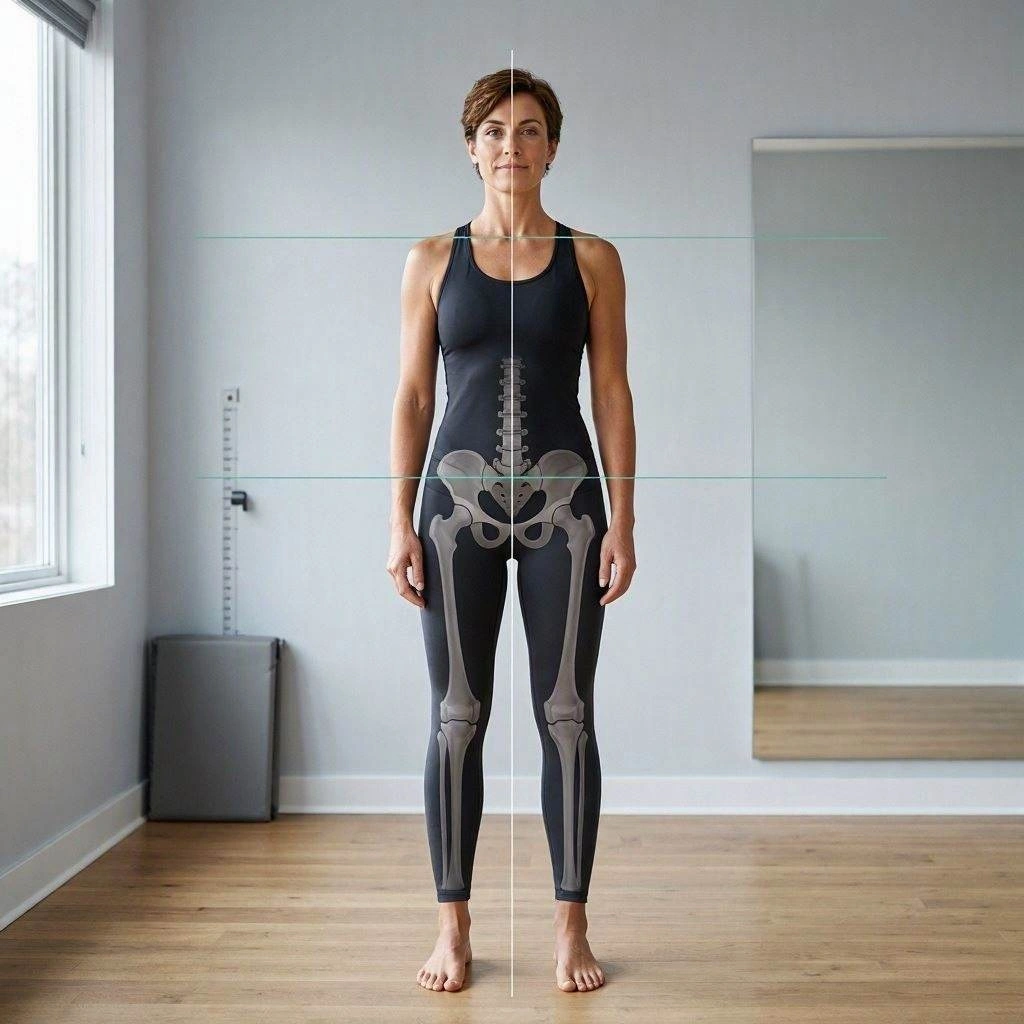
A physical examination may include observing posture, assessing comfortable range of motion, evaluating muscle function, and performing appropriate neurological or orthopedic tests.
The practitioner may also assess how the hips, shoulders, and thoracic spine contribute to the movement.
Imaging is not necessary for every case of spinal stiffness. A healthcare professional may recommend imaging or medical referral when specific findings suggest that further investigation is needed.
Spinal Mobilization
Spinal mobilization involves controlled movements applied to joints within their available range. Unlike high-velocity spinal manipulation, it does not use the same type of rapid thrust.
For selected patients, mobilization may help reduce discomfort and improve movement tolerance.
The technique, force, and treatment area should be selected according to the person’s symptoms, examination findings, and health history.
Mobilization is not appropriate for every condition, and improvement should be monitored rather than assumed.
Spinal Manipulation When Appropriate
Spinal manipulation is a manual technique involving a controlled force applied to a joint. Chiropractors may use it for certain musculoskeletal conditions when the expected benefits outweigh the risks.
Evidence summarized by the US National Center for Complementary and Integrative Health indicates that spinal manipulation may provide modest improvements in pain and function for some people with low-back pain. Evidence also suggests that manipulation or mobilization may help selected individuals with neck pain.
However, these findings do not mean that manipulation will resolve every cause of limited spinal rotation.
A practitioner should explain the proposed technique, discuss alternatives, consider contraindications, and obtain informed consent before proceeding.
You can read more in the NCCIH guide to spinal manipulation.
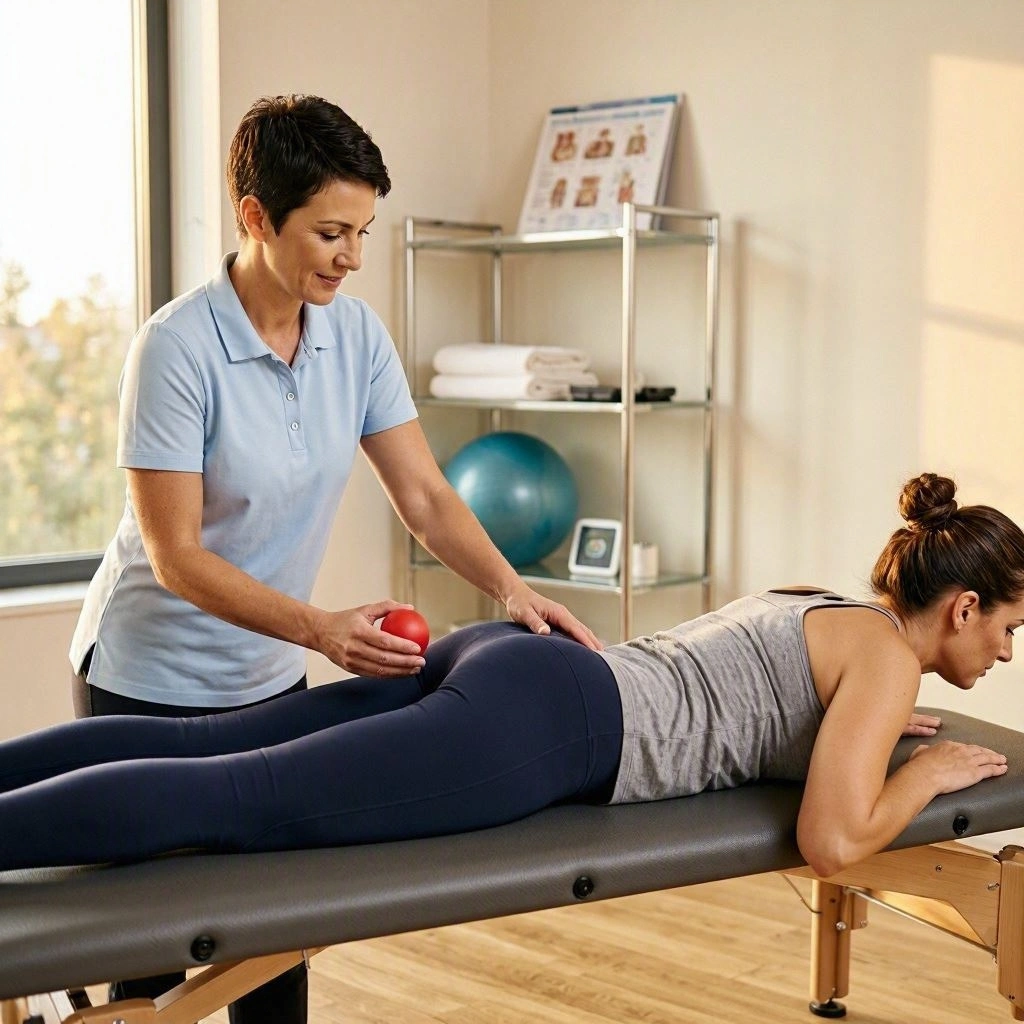
Soft Tissue Techniques
Muscles surrounding the spine may contribute to restricted movement, particularly when tension and tenderness are present.
Depending on the individual’s needs, treatment may include gentle massage, targeted soft tissue techniques, or stretching.
These approaches may help some people manage muscular discomfort and prepare for active movement. They should not be presented as a guaranteed way to correct structural problems or permanently restore rotation.
A well-rounded plan generally considers both symptom management and the physical activities needed to maintain improvement.
Mobility and Therapeutic Exercise
Active movement is an important part of many rehabilitation plans.
A chiropractor may recommend exercises that gradually improve comfortable rotation, muscular control, and tolerance for everyday activities.
Depending on the assessment, these may include gentle thoracic rotation, controlled neck movement, trunk stabilization, or progressive strengthening.
Exercises should be adapted to the person’s ability and performed within a comfortable range. More forceful movement is not necessarily more effective.
For individuals who need structured rehabilitation, chiropractic care may complement physiotherapy when clinically appropriate.
Learn more about Chiropractic Mobility Therapy at Ritz Clinic.
Exercises That May Support Spinal Rotation
Appropriate exercises can help maintain movement and improve coordination. The following examples are general movement options, not a personalized treatment prescription. They are most suitable when symptoms are mild and no medical restriction has been identified.
Stop an exercise if it produces sharp pain, new tingling, numbness, dizziness, or other unusual symptoms.
1. Seated Thoracic Rotation
This exercise encourages gentle rotation through the upper and middle back.
How to perform it:
- Sit upright in a stable chair with your feet flat on the floor.
- Cross your arms comfortably over your chest.
- Keep your pelvis relatively still.
- Slowly turn your upper body toward one side within a comfortable range.
- Return to the centre and repeat toward the opposite side.
- Perform a few controlled repetitions without forcing the movement.
Avoid pulling yourself farther into rotation with your arms. The goal is smooth, comfortable movement rather than achieving a maximum range.
2. Side-Lying Open-Book Movement
The open-book movement is commonly used to encourage thoracic rotation.
How to perform it:
- Lie on your side with your knees comfortably bent.
- Extend your arms in front of you, with your hands together.
- Slowly move your upper arm across your body and open it toward the opposite side.
- Allow your upper back to rotate gently while keeping your hips relatively stable.
- Return to the starting position and repeat within your comfortable range.
People with shoulder pain, recent injuries, or restrictions on twisting may need a modified exercise or an alternative movement.
3. Gentle Neck Rotation
For mild neck stiffness, controlled head turns may help maintain comfortable movement.
How to perform it:
- Sit or stand in a relaxed, upright position.
- Keep your shoulders relaxed.
- Slowly turn your head toward one side without forcing the movement.
- Return to the centre.
- Repeat toward the other side.
Do not use your hands to push your head farther around. Avoid this exercise if a clinician has advised you not to rotate your neck or if turning causes concerning symptoms.
4. Cat-Cow Movement
Cat-cow movements encourage gentle spinal motion, although they are not specifically a rotation exercise.
How to perform it:
- Begin on your hands and knees.
- Slowly round your back while allowing your head to follow the movement comfortably.
- Reverse the movement by gently extending your back.
- Move smoothly between positions while breathing normally.
Keep the movement controlled and avoid forcing the lower back into an extreme position.
5. Walking and General Physical Activity
Walking does not directly isolate spinal rotation, but it encourages regular movement and supports general physical conditioning.
Short walks throughout the day can be a practical starting point for people who spend long periods sitting.
As tolerance improves, some individuals may gradually return to swimming, recreational exercise, or other activities that involve trunk movement.
The right activity depends on the person’s condition and recovery stage.
The Importance of Posture and Ergonomics
Posture can influence comfort, but there is no single perfect position that everyone must maintain throughout the day.
Instead, varying positions and avoiding prolonged periods of immobility may be more practical for many people.
Improve Your Workstation
If you work at a desk, consider these adjustments:
- Position your monitor so you can view it without repeatedly turning your head.
- Keep frequently used objects within comfortable reach.
- Use a chair that supports a comfortable working position.
- Avoid holding your phone between your ear and shoulder.
- Change positions regularly rather than remaining rigidly upright.
Take Regular Movement Breaks
Brief movement breaks can help reduce the time spent in one position.
Stand up, walk for a few minutes, or perform gentle movements that feel comfortable. The exact frequency can be adapted to your schedule and symptoms.
Use Better Lifting Habits (Chiropractor for Limited Spinal Rotation)
When lifting an object, position yourself so you can turn your feet and body together when necessary rather than twisting abruptly under a heavy load.
Keep the object close to your body and avoid lifting more than you can comfortably manage.
These principles are especially important when recovering from a back injury, although lifting advice should be individualized if a specific spinal condition has been diagnosed.
Chiropractic Care and Physiotherapy: What Is the Difference?
Chiropractic care and physiotherapy overlap in several areas, but the emphasis may differ depending on the practitioner and the patient’s needs.
Chiropractic treatment may include manual therapy, joint mobilization, spinal manipulation when appropriate, movement advice, and therapeutic exercise.
Physiotherapy commonly emphasizes exercise-based rehabilitation, strength, coordination, mobility, functional training, and progressive return to activity.
For someone with limited spinal rotation, the most suitable approach depends on the cause of the restriction and the person’s goals.
For example, an individual with painful stiffness may benefit from a combination of appropriate manual treatment and gradual exercise. Someone recovering from a sports injury may need a more extensive strengthening and functional rehabilitation program.
Neither treatment should be selected solely because it promises a quick increase in range of motion.
At Ritz Clinic, patients can explore physiotherapy services alongside chiropractic care, allowing the appropriate combination of services to be considered according to individual needs.
What to Expect During a Chiropractic Appointment
Knowing what happens during an appointment can help you prepare for an assessment.
Before the Appointment
Think about when the symptoms began, which movements are difficult, and whether the restriction is getting better or worse.
Bring relevant medical information and tell the practitioner about previous injuries, diagnosed conditions, medications, and any neurological symptoms.
It is also helpful to identify your main goal. You may want to turn your head more comfortably while driving, return to the gym, or reduce stiffness during work.
During the Assessment
The chiropractor will discuss your symptoms and examine relevant aspects of movement and function.
You should be able to ask questions about the findings, the proposed treatment, potential risks, and alternative options.
A responsible practitioner should explain when chiropractic care may be inappropriate and when another healthcare professional should assess the problem.
During Treatment
Depending on the assessment, a session may include manual techniques, mobility exercises, soft tissue treatment, or movement education.
Not every appointment requires spinal manipulation. Treatment should be tailored to your condition rather than following the same routine for every patient.
Tell the practitioner immediately if a technique causes significant pain or feels uncomfortable.
After the Appointment (Chiropractor for Limited Spinal Rotation)
Some people experience temporary soreness, stiffness, or discomfort after manual treatment. These effects often settle within a short period, but persistent or worsening symptoms deserve attention.
Follow the activity and exercise recommendations provided for your individual situation.
Progress should be evaluated using meaningful outcomes such as comfortable rotation, daily function, exercise tolerance, and symptom changes.
How Long Does It Take to Improve Spinal Rotation?
There is no universal recovery timeline for limited spinal rotation.
Some people experience improvement relatively quickly when the restriction is associated with mild stiffness or temporary muscle discomfort. Others need a longer period of rehabilitation because of an injury, persistent pain, reduced strength, or an underlying spinal condition.
Several factors can influence progress:
- The underlying cause of the restriction.
- How long the symptoms have been present.
- The severity of pain and stiffness.
- Previous injuries or medical conditions.
- General physical activity and strength.
- Consistency with appropriate home exercises.
- The demands of work, sport, and daily life.
A chiropractor or other qualified healthcare professional can help establish realistic goals and monitor changes.
Be cautious of promises that a specific number of adjustments will permanently correct every mobility problem. Treatment needs and outcomes vary between individuals.
Is Chiropractic Treatment Safe for Limited Spinal Rotation?
Chiropractic care can be appropriate for some musculoskeletal conditions, but safety depends on the patient’s health, the technique used, and the practitioner’s assessment.
Common temporary side effects of spinal manipulation may include soreness, stiffness, headache, or increased discomfort. Serious complications are rare, but they have been reported.
Neck manipulation deserves particular care because cervical artery dissection and stroke have been associated with neck manipulation in medical reports. The frequency and causal relationship remain uncertain, but the potential risk should be discussed when relevant.
A practitioner should carefully consider medical history and explain the benefits, risks, and alternatives before treatment.
People with certain fractures, severe osteoporosis, suspected spinal instability, active infection, some cancers, or specific neurological or vascular conditions may need to avoid particular techniques or obtain medical assessment first.
Do not assume that a treatment is appropriate simply because the symptoms feel like muscle stiffness.
Seek urgent medical attention if spinal restriction occurs with new or progressive limb weakness, loss of sensation around the groin or genital area, loss of bladder or bowel control, or other severe neurological symptoms. Sudden severe pain after significant trauma, fever with severe back pain, or rapidly worsening symptoms also warrant prompt medical evaluation.
For more information about urgent back-pain warning signs, consult the NHS back pain guidance.
When Should You See a Chiropractor?
Consider a professional assessment if limited spinal rotation:
- Persists despite reasonable changes in activity.
- Interferes with work, driving, exercise, or sleep.
- Occurs repeatedly without an obvious explanation.
- Is accompanied by ongoing neck or back discomfort.
- Develops after an injury.
- Makes ordinary movements increasingly difficult.
A chiropractor may determine that conservative musculoskeletal care is appropriate or recommend another healthcare professional when the symptoms suggest a different cause.
If you have severe pain, neurological changes, unexplained systemic symptoms, or a significant recent injury, seek medical evaluation before attempting self-treatment or spinal manipulation.
Choosing the Right Chiropractor for Limited Spinal Rotation
Choosing a qualified practitioner is important for both safety and treatment quality.
Look for a chiropractor who:
- Holds the appropriate professional licence for the jurisdiction.
- Conducts a thorough history and physical assessment.
- Explains the likely causes of restricted movement without making unsupported claims.
- Discusses treatment alternatives and obtains informed consent.
- Uses techniques suited to your medical history and symptoms.
- Provides appropriate exercises or movement advice when indicated.
- Measures progress and adjusts the treatment plan when necessary.
- Refers you for medical assessment when the findings fall outside their scope of practice.
You should feel comfortable asking questions and declining any technique you do not want.
A good treatment plan should focus on your goals and functional improvement rather than relying exclusively on repeated passive treatment.
Why Consider Ritz Clinic for Chiropractic Care?
Ritz Clinic offers chiropractic care in Thornhill, Ontario, alongside physiotherapy, massage therapy, and other services addressing musculoskeletal health.
For people experiencing limited spinal rotation, an assessment can help clarify the movement problem and determine whether chiropractic treatment is a suitable option.
Depending on the individual’s needs, a care plan may consider joint mobility, muscular tension, movement patterns, therapeutic exercise, and rehabilitation goals.
The clinic’s approach should be understood as individualized care rather than a guarantee of a particular outcome. The most appropriate treatment depends on the assessment and any relevant medical conditions.
You can explore these related pages for additional information:
- Chiropractic Care at Ritz Clinic — learn more about the clinic’s chiropractic services.
- Chiropractic Mobility Therapy — explore mobility-focused chiropractic care.
- Chiropractic Musculoskeletal Care — learn about musculoskeletal assessment and treatment approaches.
- Physiotherapy and Other Services — review additional rehabilitation options.
- Contact Ritz Clinic — visit the main website to explore appointment information.
Ritz Clinic is located at 7191 Yonge Street, Unit 806, Thornhill, Ontario, L3T 0C4. The website lists the clinic phone number as (905) 597-7978. Contact the clinic directly to confirm current availability and discuss whether an assessment is appropriate for your needs.
Frequently Asked Questions (Chiropractor for Limited Spinal Rotation)
1. Can a chiropractor help with limited spinal rotation?
A chiropractor may help selected individuals with restricted spinal movement associated with musculoskeletal pain or stiffness. Depending on the assessment, care may include mobilization, appropriate manual therapy, exercise, and movement education. The results depend on the cause of the restriction.
2. What causes the spine to lose its ability to rotate?
Potential causes include muscle tension, joint stiffness, previous injuries, prolonged inactivity, age-related changes, and certain spinal conditions. A clinical assessment is needed to identify the most likely explanation.
3. Is limited spinal rotation always a sign of a serious problem?
No. Mild stiffness can occur after prolonged sitting or unfamiliar physical activity. However, persistent, worsening, unexplained, or injury-related restriction should be assessed, especially when accompanied by neurological symptoms or severe pain.
4. Can exercises improve spinal rotation?
Appropriate exercises may help maintain comfortable movement, improve coordination, and support physical function. The best exercises depend on the affected spinal region and the underlying cause. Avoid forcing painful movements.
5. Is spinal manipulation necessary to restore rotation?
No. Spinal manipulation is only one possible treatment. Mobilization, exercise, movement education, and other approaches may be more suitable in some cases. Treatment should be based on the individual’s condition and preferences.
6. Can poor posture cause limited spinal rotation?
Prolonged static positions and reduced movement may contribute to stiffness and discomfort in some people. However, posture alone does not explain every case of limited rotation. Regular movement and an appropriate exercise routine may help.
7. Should I see a chiropractor or a physiotherapist?
Either professional may be appropriate for certain musculoskeletal movement problems, depending on the condition and the practitioner’s scope of practice. Chiropractic care may include manual treatment, while physiotherapy often emphasizes exercise-based rehabilitation. Some people may benefit from coordinated care.
8. How often should I receive chiropractic treatment?
The appropriate frequency depends on your symptoms, examination findings, response to treatment, and goals. A practitioner should explain the rationale for the recommended schedule and reassess whether treatment is helping.
9. Can limited spinal rotation improve without treatment?
Some mild restrictions improve with time, normal activity, and gradual return to comfortable movement. Persistent or worsening symptoms may require professional assessment to identify the cause and determine the safest approach.
10. When should I seek urgent medical attention?
Seek urgent assessment for new or progressive weakness, significant numbness, loss of bladder or bowel control, numbness around the groin, or severe symptoms following trauma. Severe or rapidly worsening pain accompanied by fever or other concerning symptoms also requires prompt medical attention.
Conclusion (Chiropractor for Limited Spinal Rotation)
Limited spinal rotation can affect everyday comfort, work, exercise, and the ability to perform ordinary movements. Although the restriction may result from relatively minor stiffness, it can also be associated with injuries or underlying spinal conditions that require careful assessment.
A Chiropractor for Limited Spinal Rotation may help identify relevant musculoskeletal factors and recommend appropriate care. Depending on the cause, treatment may involve joint mobilization, selected manual techniques, mobility exercises, strengthening, and changes to daily movement habits.
The goal should be more than achieving a temporary increase in rotation. Effective care should support comfortable movement, functional independence, and a sustainable return to the activities that matter to you.
If restricted spinal movement is affecting your daily life, visit Ritz Clinic to learn more about its chiropractic and rehabilitation services. A professional assessment can help you understand your options and determine the next appropriate step.
Medical disclaimer: This article is for educational purposes only and is not a substitute for individualized medical advice, diagnosis, or treatment. Consult a qualified healthcare professional about persistent symptoms, and seek urgent care for warning signs described above.