Physiotherapy for Hamstring Tendinopathy: A Complete Guide to Pain Relief and Rehabilitation
Hamstring pain can make everyday activities such as sitting, walking, running, and exercising uncomfortable. When this pain develops gradually and persists over time, hamstring tendinopathy may be one possible cause. This condition affects the tendons that connect the hamstring muscles to the bones of the pelvis or lower leg. With an appropriate rehabilitation plan, many people can improve their strength, reduce symptoms, and return to their usual activities . Physiotherapy for hamstring tendinopathy focuses on identifying the source of pain, managing tendon loading, improving muscle strength, and gradually restoring functional capacity. Rather than relying solely on rest or passive treatments, physiotherapy typically uses an individualized exercise program supported by education and activity modification.
This guide explains the symptoms, causes, assessment methods, treatment options, rehabilitation exercises, and recovery considerations associated with hamstring tendinopathy. It also explores how physiotherapists can help patients return to running, sport, and daily activities safely.
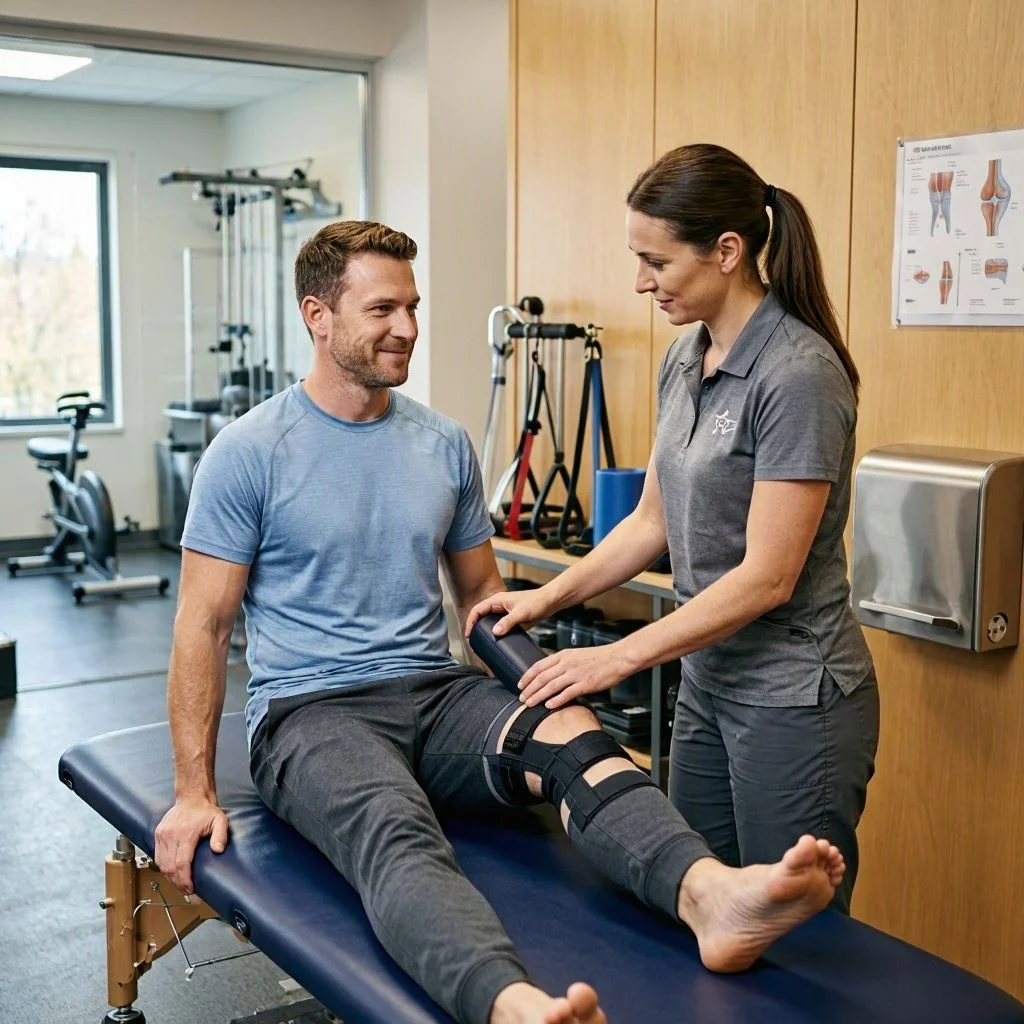
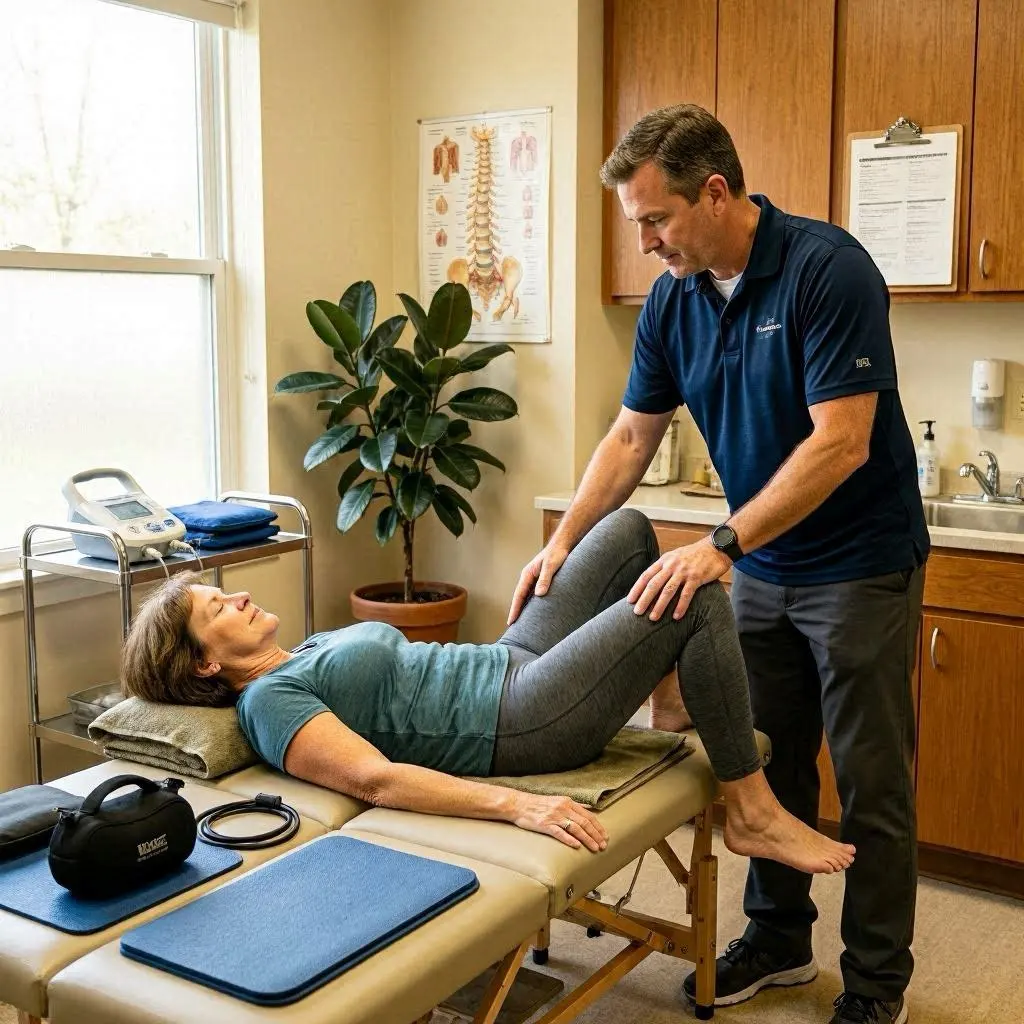
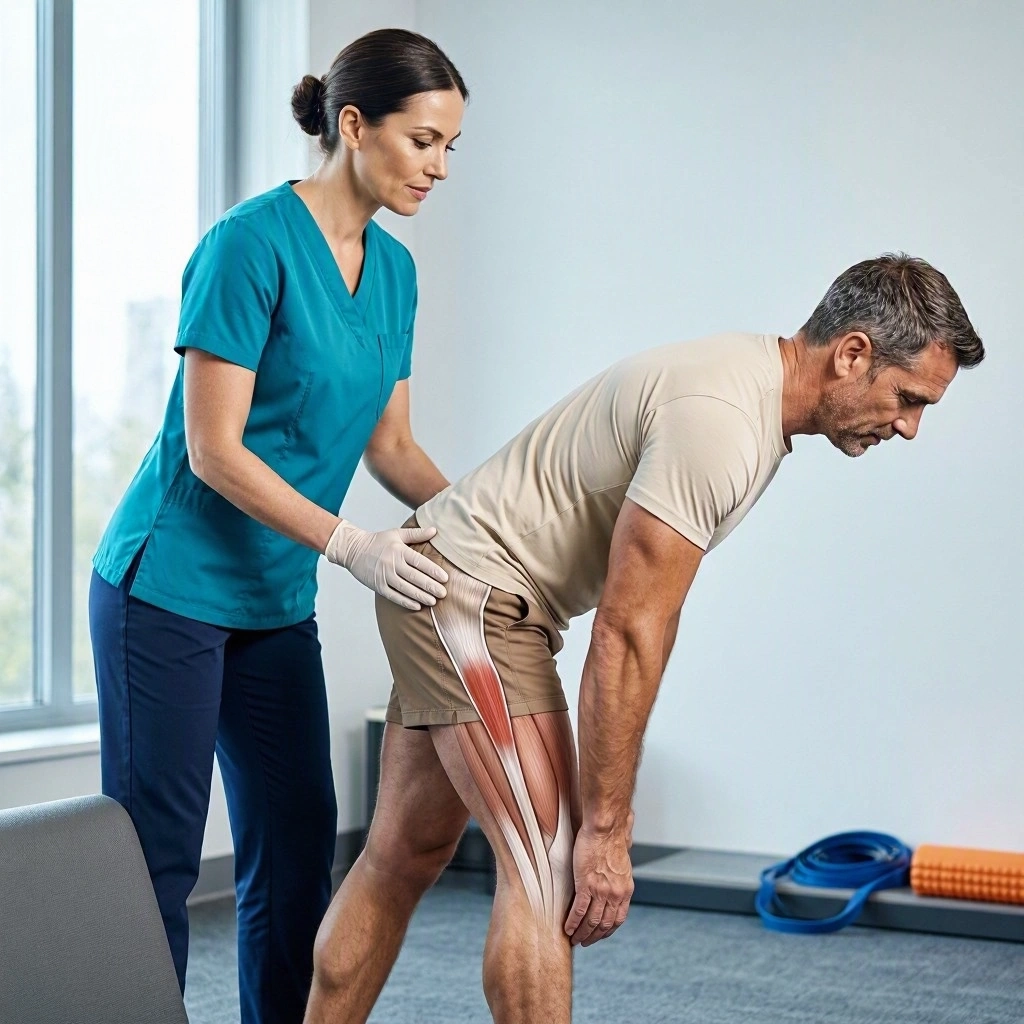
Physiotherapy for hamstring tendinopathy focuses on improving tendon load tolerance, restoring strength, and helping patients return to their daily activities.
What Is Hamstring Tendinopathy?
Hamstring tendinopathy is a condition involving pain and impaired function associated with one or more hamstring tendons. Tendons connect muscles to bones and transmit the force required for movement. When a tendon becomes less tolerant of the loads placed upon it, activities that previously felt comfortable may begin to cause pain.
The hamstring muscle group consists of three muscles: the semitendinosus, semimembranosus, and biceps femoris. These muscles help bend the knee, extend the hip, and control movement during walking, running, and other physical activities.
Hamstring tendinopathy can affect different parts of this muscle-tendon complex. One important distinction is between proximal and distal hamstring tendinopathy.
Proximal Hamstring Tendinopathy
Proximal hamstring tendinopathy affects the tendons near their attachment to the ischial tuberosity, commonly called the sitting bone. It often causes pain deep in the lower buttock, particularly during prolonged sitting, running, uphill walking, or movements involving substantial hip flexion.
This condition may develop in runners, athletes, and physically active individuals. However, it can also affect people whose work involves prolonged sitting or whose activity levels have changed considerably.
Distal Hamstring Tendinopathy
Distal hamstring tendinopathy affects the tendons closer to the knee. Pain may occur along the inner or outer back portion of the knee, depending on the tendon involved.
Because several conditions can cause pain around the knee, an accurate assessment is important before beginning a specific rehabilitation program.
Tendinopathy Versus a Hamstring Strain
Hamstring tendinopathy is not the same as an acute hamstring strain. A strain generally involves a sudden injury to muscle tissue or the muscle-tendon unit, often during sprinting or another rapid movement. Tendinopathy more commonly develops through a gradual process involving persistent pain and reduced tolerance to loading.
However, the two conditions can overlap, and symptoms alone cannot always establish the diagnosis. A qualified healthcare professional can help determine the most likely cause of pain and identify whether further investigation is necessary.
Common Symptoms of Hamstring Tendinopathy
Symptoms depend on the affected tendon, the duration of the condition, and the activities that place stress on the area.
Common symptoms include:
- Pain near the sitting bone or the back of the knee.
- Discomfort during prolonged sitting, particularly on firm surfaces.
- Pain when running, accelerating, or walking uphill.
- Symptoms during deep squats, lunges, or hip-hinging movements.
- Tenderness around the affected tendon.
- Reduced tolerance for exercise or sporting activities.
- Stiffness or discomfort after periods of inactivity.
- Pain that increases after activities involving repetitive or heavy tendon loading.
In proximal hamstring tendinopathy, sitting pain is particularly common because the tendon may be compressed between the sitting bone and surrounding tissues.
Symptoms can fluctuate. A person might tolerate a short run but experience increased discomfort later that day or the following morning. Monitoring these delayed responses can help guide rehabilitation.
Persistent hamstring pain should not automatically be assumed to represent tendinopathy. Other possible causes include referred pain from the lumbar spine, nerve irritation, hip disorders, bursitis, and an acute tendon injury.
Sudden severe pain following an injury, substantial bruising, marked weakness, or difficulty bearing weight warrants prompt medical assessment. New bowel or bladder dysfunction or numbness around the groin requires emergency medical attention.
What Causes Hamstring Tendinopathy?
Hamstring tendinopathy usually develops through a combination of factors rather than a single identifiable cause. A major consideration is the relationship between the load placed on a tendon and its current capacity to tolerate that load.
1. Sudden Changes in Training Load
Increasing running distance, speed, hill training, or workout intensity too quickly can place greater demands on the hamstring tendons.
For example, a runner who suddenly adds hill sprints and long-distance sessions may exceed their current capacity to recover between workouts.
Gradual progression allows the body to adapt more effectively to changing physical demands.
2. Repetitive Tendon Loading
Activities involving repeated hip extension, knee flexion, or forceful hamstring contraction can contribute to symptoms when recovery is insufficient.
Running, sprinting, football, dancing, and strength training may all place substantial demands on the hamstring muscle-tendon complex.
Repetitive loading is not inherently harmful. Problems may arise when the amount, intensity, or frequency of loading exceeds the individual’s current tolerance.
3. Prolonged Sitting and Tendon Compression
Prolonged sitting can aggravate proximal hamstring tendinopathy because the hip remains flexed and the tendon near the sitting bone experiences compression.
Firm chairs, long car journeys, and extended periods at a desk may therefore increase discomfort in some individuals.
Temporarily modifying sitting habits and using a comfortable seat cushion may reduce irritation while rehabilitation progresses.
4. Reduced Muscle Strength and Conditioning
Insufficient hamstring strength or reduced lower-limb conditioning can limit the ability to tolerate demanding activities.
Strength deficits may develop after an injury, during periods of reduced activity, or when training does not adequately prepare the individual for their sport or occupation.
Physiotherapy can identify relevant deficits and introduce exercises that progressively restore capacity.
5. Previous Injuries and Individual Factors
A previous hamstring strain, changes in training routines, age-related changes in tendon properties, and other individual factors may influence tendon health and rehabilitation needs.
However, no single risk factor guarantees that a person will develop tendinopathy. Assessment should consider the individual’s medical history, activity demands, symptoms, and functional limitations.
How Is Hamstring Tendinopathy Diagnosed?

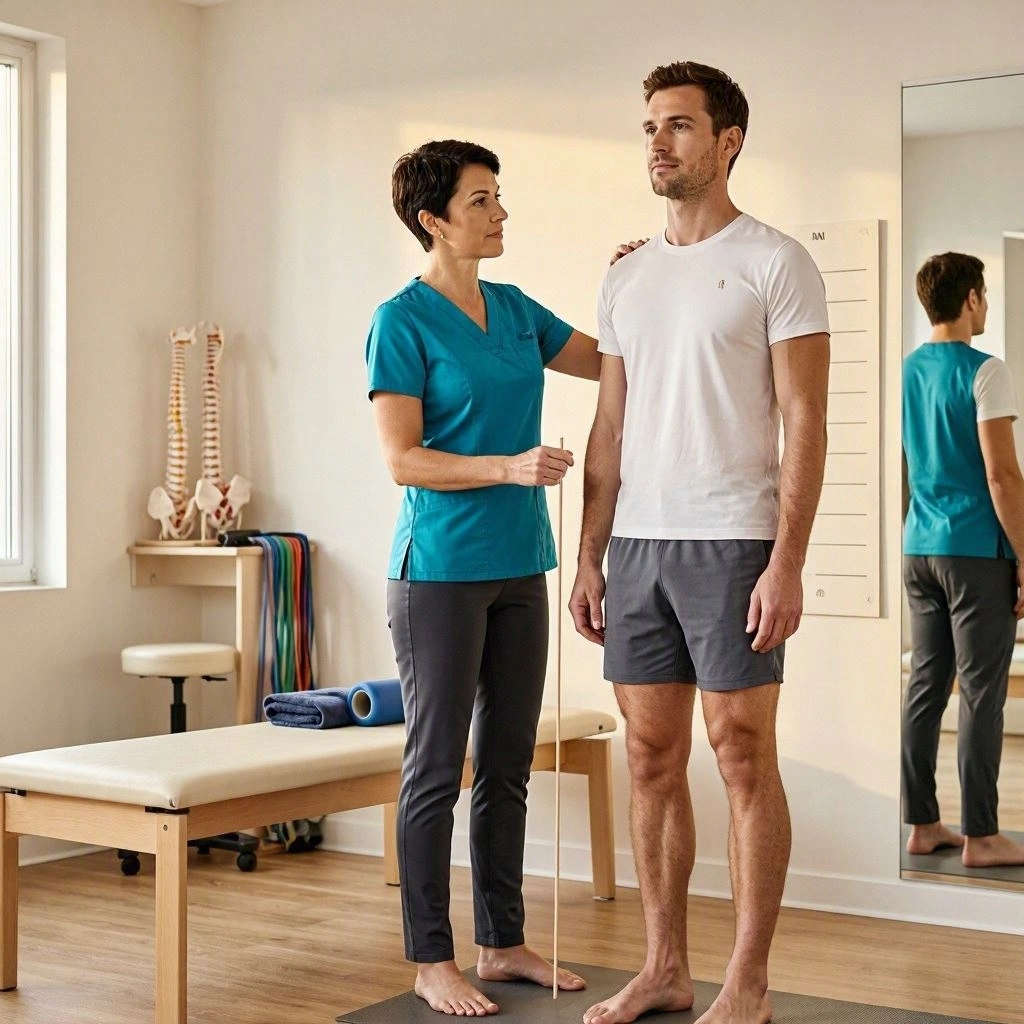
An accurate diagnosis helps ensure that treatment addresses the actual source of symptoms. Physiotherapists usually begin with a detailed history and physical examination.
Clinical Assessment
During the initial consultation, the physiotherapist may ask about:
- When the symptoms began and whether the onset was sudden or gradual.
- The location and behavior of the pain.
- Activities that aggravate or relieve symptoms.
- Recent changes in exercise, work, or daily routines.
- Previous injuries and relevant medical conditions.
- Current limitations and personal rehabilitation goals.
The physical examination may include assessment of hip and knee movement, hamstring strength, functional movements, and tolerance to specific loading tasks.
A clinician may also evaluate the lower back, hip joint, and nervous system when the symptoms suggest that another condition could be contributing to the pain.
Do You Need an MRI or Ultrasound?
Imaging is not always necessary to diagnose hamstring tendinopathy. A clinical assessment may provide sufficient information to begin appropriate treatment.
Ultrasound or magnetic resonance imaging (MRI) may be considered when the diagnosis is uncertain, symptoms are atypical, significant injury is suspected, or the patient does not improve as expected.
Importantly, tendon changes seen on imaging do not always correspond directly to pain severity. Imaging findings should therefore be interpreted alongside symptoms, examination findings, and functional performance.
Physiotherapy for Hamstring Tendinopathy: Main Treatment Goals
One of the main goals of physiotherapy for hamstring tendinopathy is to develop a progressive rehabilitation plan that matches each patient’s symptoms and functional needs.
Physiotherapy aims to improve the tendon and surrounding muscle group’s ability to tolerate the activities required in everyday life, work, and sport.
An effective rehabilitation program generally addresses several related goals.
Reduce Irritating Loads
The first step is often to identify activities that consistently aggravate symptoms. Temporary modifications may include reducing hill running, sprinting, deep hip-flexion exercises, or prolonged sitting.
Complete inactivity is not usually the preferred long-term strategy for chronic tendinopathy. Instead, the aim is to maintain appropriate activity while avoiding repeated symptom flare-ups.
Restore Hamstring Strength
Progressive strengthening helps improve the capacity of the hamstring muscle-tendon complex.
Exercise difficulty, resistance, repetitions, and movement range are adjusted according to the patient’s symptoms, current strength, and functional goals.
Improve Lower-Limb Function
The hamstrings work together with the gluteal muscles, quadriceps, calf muscles, and trunk muscles. Depending on the assessment findings, physiotherapy may include exercises that improve coordination, balance, and whole-limb strength.
Return to Desired Activities
Rehabilitation should prepare the patient for the specific demands of their daily routine or sport.
A recreational walker may require a different program from a competitive sprinter. Individualized treatment helps ensure that the exercises are relevant to the person’s goals.
A 2025 clinical commentary on proximal hamstring tendinopathy describes a staged approach combining education, progressive hamstring loading, kinetic-chain strengthening, and gradual reintroduction of more demanding activities. However, the authors also acknowledge that high-quality evidence comparing specific treatments remains limited. Read the clinical commentary in the International Journal of Sports Physical Therapy.
The Best Physiotherapy Exercises for Hamstring Tendinopathy
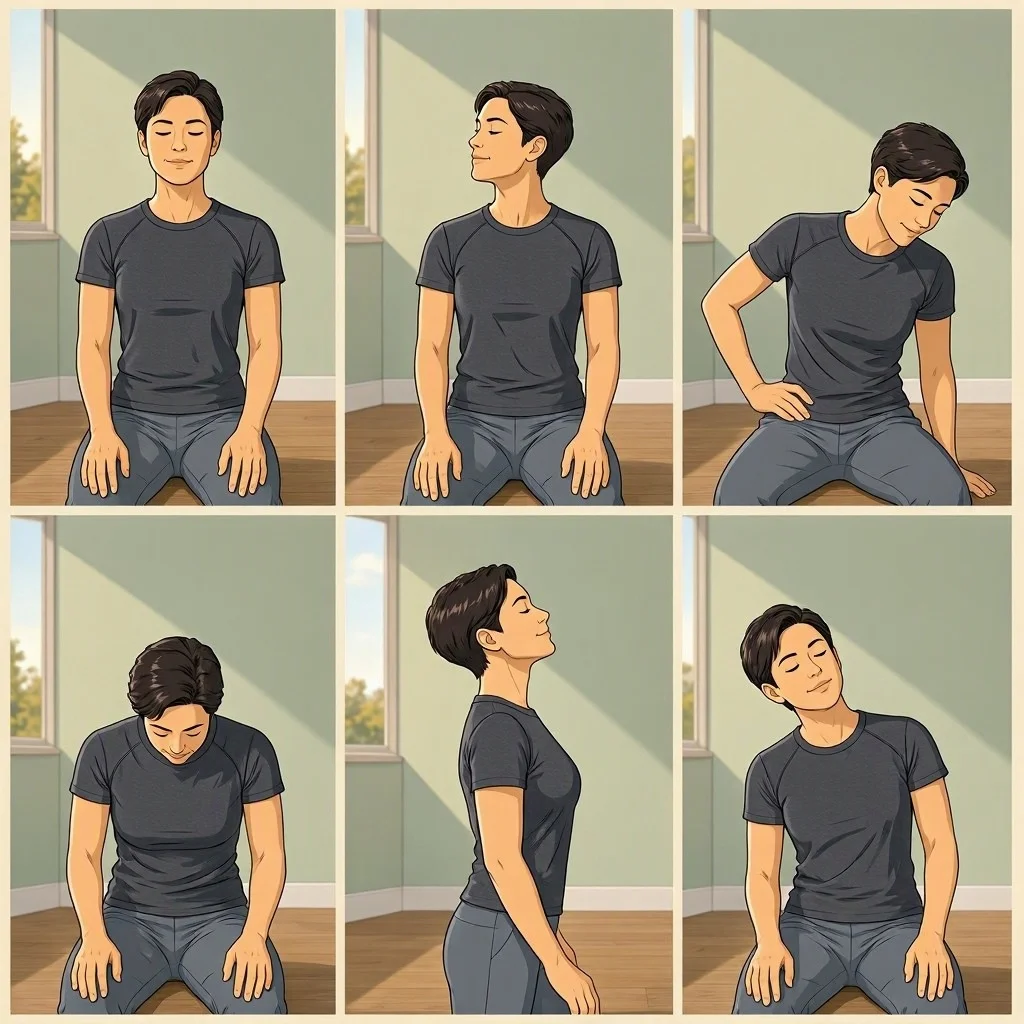
Exercise selection should reflect the affected tendon, the patient’s current symptoms, and the activities they need to resume. The following examples illustrate common rehabilitation options; they are not a substitute for an individualized assessment.
1. Isometric Hamstring Exercises
Isometric exercises involve contracting a muscle without producing substantial joint movement.
A hamstring bridge hold is one possible starting exercise. The patient lies on their back with the knees bent and feet supported on the floor, then lifts the pelvis into a comfortable position and holds the contraction.
The exercise may initially be performed with both legs. The physiotherapist can modify the position, duration, and effort according to the patient’s tolerance.
Potential benefits include maintaining muscle activation and introducing controlled loading when more demanding movements are uncomfortable.
Isometric exercise is not a guaranteed source of immediate pain relief, and it does not need to be the first exercise for every patient.
2. Hamstring Bridges
Hamstring bridges involve lifting the pelvis while maintaining support through the feet.
The exercise can be progressed by adjusting the hold duration, increasing repetitions, changing the knee position, or eventually moving toward a single-leg variation.
Patients should maintain controlled movement and avoid increasing the difficulty faster than their symptoms and strength allow.
3. Resisted Hamstring Curls
Hamstring curls strengthen the muscles responsible for bending the knee.
Depending on the patient’s abilities and equipment, these may be performed with a resistance band, a cable machine, or an appropriate gym machine.
The physiotherapist can gradually increase resistance as the patient develops strength and tolerates the exercise without a sustained increase in symptoms.
4. Hip Thrusts
Hip thrusts strengthen the hip extensors, including the gluteus maximus. They may complement direct hamstring strengthening when the assessment identifies relevant hip strength or functional deficits.
The initial variation should be comfortable and controllable. Resistance and movement range can be increased gradually as the patient’s capacity improves.
5. Romanian Deadlifts
Romanian deadlifts develop hip-hinge strength and load the hamstrings during hip flexion and extension.
Because the movement can place considerable demand on the proximal hamstring tendon, it may be inappropriate during highly irritable stages of rehabilitation.
A physiotherapist may introduce a modified version using a reduced range of motion and light resistance before progressing to heavier loads.
6. Step-Ups and Single-Leg Exercises
Step-ups, supported single-leg movements, and other functional exercises may help improve lower-limb strength and control.
These exercises are particularly useful when rehabilitation needs to prepare someone for stair climbing, hiking, running, or sport.
Exercise selection should be based on meaningful deficits rather than assuming that every patient needs the same list of movements.
How Often Should You Perform Rehabilitation Exercises?
Physiotherapy for hamstring tendinopathy may include isometric contractions, hamstring bridges, resisted curls, and gradually progressed strengthening exercises.
Exercise frequency depends on the type of exercise, training intensity, symptoms, and recovery between sessions.
A clinician may prescribe strengthening sessions on alternate days, with lighter activities or other appropriate exercises between them. Some individuals tolerate more frequent low-load work, while others require additional recovery time.
The most useful plan is one that provides an appropriate training stimulus without repeatedly provoking significant or prolonged symptom increases.
Although hamstring tendinopathy and hamstring strains are different conditions, both may require a structured rehabilitation program. If you are recovering from a muscle injury, read our guide to [Hamstring Strain Rehabilitation] for more information about recovery exercises, progressive strengthening, and returning to physical activity.
A Progressive Rehabilitation Plan
Hamstring tendon rehabilitation is often organized into stages. These stages provide a framework rather than a rigid timetable. Some patients progress quickly, while others need longer at particular stages.
Stage 1: Symptom Management and Appropriate Loading
The initial stage focuses on reducing aggravating activities and identifying comfortable ways to maintain movement.
Possible strategies include:
- Temporarily reducing high-speed running and steep hills.
- Breaking up long periods of sitting.
- Using a comfortable cushion when appropriate.
- Beginning tolerable hamstring contractions.
- Maintaining other activities that do not substantially aggravate symptoms.
The aim is to establish a manageable baseline rather than eliminate every sensation immediately.
Stage 2: Progressive Strengthening
Once the patient tolerates initial loading, the program can progress toward more demanding hamstring exercises.
Examples include resisted curls, bridges, and other controlled strengthening movements.
The physiotherapist may increase resistance, repetitions, or exercise complexity as strength improves. Only one or a small number of variables may need to change at a time.
Stage 3: Whole-Limb Strength and Functional Control
This stage addresses relevant deficits outside the hamstring muscles themselves.
Depending on the assessment, exercises may include calf raises, step-ups, hip thrusts, quadriceps strengthening, and single-leg balance tasks.
Not everyone needs every exercise. The emphasis is on restoring the strength and coordination required for the patient’s specific activities.
Stage 4: Gradual Exposure to Hip Flexion and Compression
For proximal hamstring tendinopathy, activities involving greater hip flexion may increase compression around the tendon attachment.
Examples include deeper squats, lunges, and certain deadlift variations.
These movements do not necessarily need to be avoided permanently. Instead, the rehabilitation plan can progressively reintroduce the required movement range and load according to symptom response.
Stage 5: Running, Jumping, and Sport-Specific Training
The final stage prepares patients for activities involving higher forces, faster movements, and repeated energy storage and release.
Depending on the individual’s goals, this may include running drills, progressive accelerations, controlled jumping, or sport-specific exercises.
Progression should be based on strength, functional performance, and the response to previous training sessions. High-speed activities should not be introduced solely because a certain number of weeks has passed.
Pain Monitoring During Hamstring Rehabilitation
Some discomfort can occur during tendon rehabilitation. However, pain intensity, the response after exercise, and changes in function all matter.
A useful approach is to monitor symptoms during exercise and again later that day and the following morning.
If an exercise causes substantial pain or symptoms remain noticeably worse for an extended period, the program may need adjustment. Options include reducing resistance, shortening the movement range, lowering the number of repetitions, or choosing a less demanding exercise.
A commonly discussed clinical approach allows some tolerable discomfort during progressive tendon loading, but acceptable levels depend on the condition and individual presentation. The 2025 clinical commentary describes a symptom-guided approach and emphasizes monitoring delayed responses over the following 12–24 hours.
Pain thresholds should not be treated as universal rules. A physiotherapist can help interpret symptom changes and distinguish a manageable response from a flare-up that requires modification.
Activities to Modify During Recovery
The objective of activity modification is to reduce repeated irritation while preserving as much useful movement as possible.
Prolonged Sitting
If sitting aggravates proximal hamstring pain, try changing position regularly and taking short movement breaks. A supportive cushion may improve comfort.
Sprinting and Hill Running
Fast running and steep inclines can increase hamstring demands. Temporary reductions in speed, distance, or hill exposure may be appropriate until strength and tolerance improve.
Aggressive Hamstring Stretching
Deep hamstring stretching places the hip into flexion while lengthening the hamstring complex. This position can aggravate some cases of proximal hamstring tendinopathy by increasing compression around the tendon attachment.
Stretching is therefore not automatically the best treatment for every form of hamstring pain. Exercise selection should depend on the diagnosis and the individual’s response.
Heavy Strength Training
Heavy lifting does not always need to stop completely. However, exercises that cause significant or persistent symptom increases may require temporary changes in resistance, range, or volume.
The goal is to find a sustainable level of activity and gradually rebuild capacity.
Manual Therapy and Other Physiotherapy Treatments

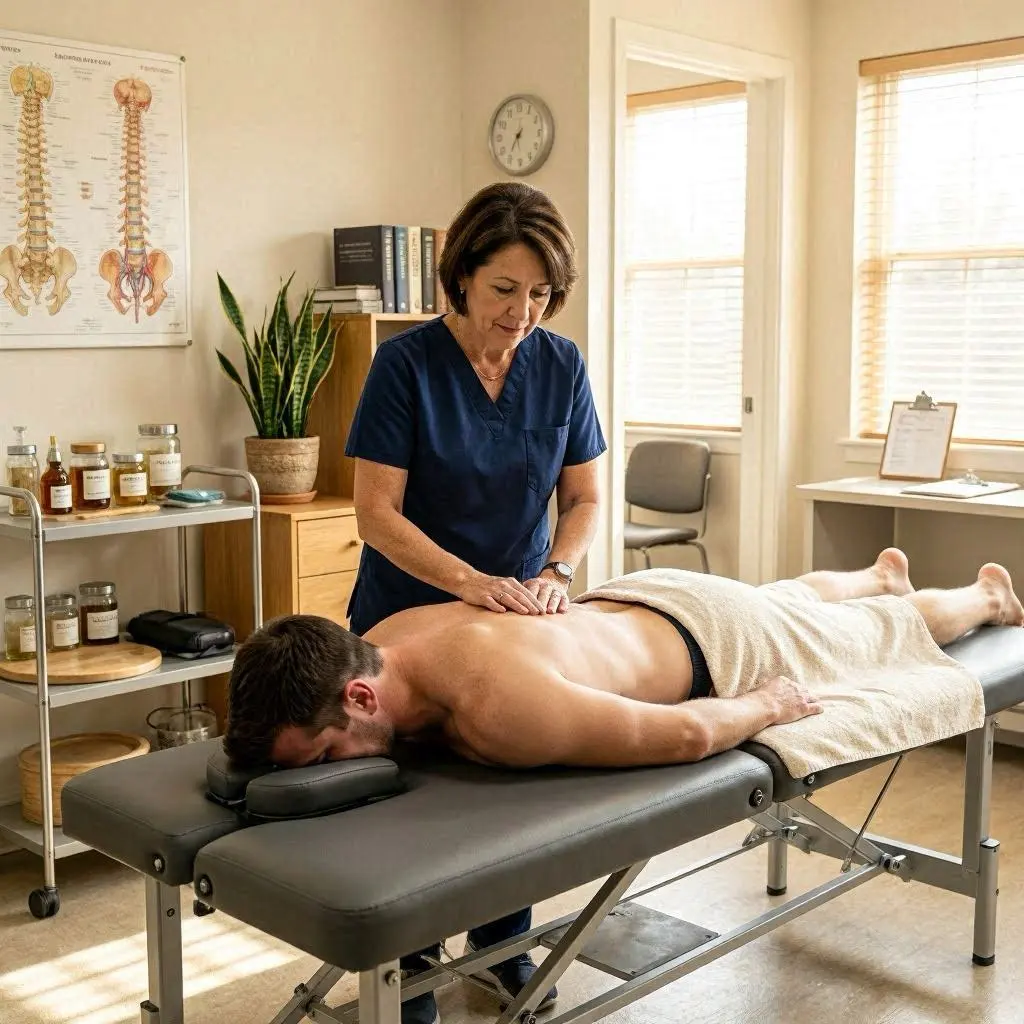
Physiotherapy may include hands-on techniques or other supportive interventions when clinically appropriate. These treatments should complement, rather than automatically replace, a progressive exercise program.
Manual Therapy
A physiotherapist may use selected soft-tissue or joint techniques to address associated movement restrictions or provide short-term symptom relief.
However, manual therapy alone does not reliably restore the tendon’s capacity to tolerate demanding activities. Its role should be considered alongside active rehabilitation.
Shockwave Therapy
Extracorporeal shockwave therapy has been investigated for several tendon conditions. Its effectiveness for proximal hamstring tendinopathy remains uncertain, and research findings from other tendons cannot automatically be applied to this condition.
It may be discussed in selected cases after an appropriate assessment, particularly when progress with an individualized rehabilitation plan is limited.
Massage and Heat
Some patients find massage or heat helpful for temporary comfort. These approaches may assist symptom management but should not be considered a replacement for progressive strengthening and appropriate activity modification.
Injections and Surgery
Injections and surgical procedures are not usually the first step for uncomplicated hamstring tendinopathy.
Their potential role depends on the diagnosis, duration of symptoms, previous treatment, imaging when indicated, and the patient’s individual circumstances.
Persistent symptoms despite a well-managed rehabilitation program may justify specialist assessment. Suspected tendon avulsion or another significant structural injury requires a different clinical pathway from routine tendinopathy management.
How Long Does Hamstring Tendinopathy Take to Heal?
During physiotherapy for hamstring tendinopathy, monitoring pain during exercise and over the following 24 hours can help guide appropriate training adjustments.
Recovery time varies considerably. It depends on symptom duration, the severity of functional limitations, the patient’s training demands, adherence to rehabilitation, and the presence of other contributing conditions.
Some people notice meaningful improvement within several weeks, while longstanding or more complex cases may require several months of structured rehabilitation.
It is important to distinguish early symptom improvement from full restoration of physical capacity. Sitting may become more comfortable before a runner is ready to return to repeated sprinting.
Progress is better judged through several measures, including:
- Reduced pain during everyday activities.
- Improved tolerance for sitting, walking, or running.
- Increasing hamstring strength.
- Better tolerance of progressively demanding exercises.
- Improved performance in activities related to personal goals.
- No substantial or persistent worsening after training.
There is no single recovery deadline that applies to everyone. A gradual and consistent approach is generally more useful than repeatedly increasing activity during good days and stopping completely during flare-ups.
Returning to Running and Sport
Physiotherapy for hamstring tendinopathy can support a gradual return to running and sport by progressively rebuilding strength and activity tolerance.
Returning to sport requires more than a reduction in resting pain. The hamstring muscles and tendons must tolerate the forces and movement patterns involved in the intended activity.
A graded return-to-running program may begin with manageable walking or walk-run intervals. Running duration can then increase before more demanding speed work is introduced, depending on the patient’s response.
Before returning to sprinting or competitive sport, the physiotherapist may assess hamstring strength, tolerance of faster movements, single-leg function, and sport-specific performance.
Athletes should also consider the total training load from matches, gym sessions, speed workouts, and recovery days.
A successful return-to-sport plan aims to restore the required capacity progressively rather than relying on pain relief alone.
Can Hamstring Tendinopathy Be Prevented?
Not every case can be prevented, but sensible training habits may reduce avoidable increases in tendon stress.
Increase training gradually. Avoid introducing large increases in running distance, sprinting volume, hill work, or resistance training all at once.
Maintain strength. Regular, appropriately progressed strengthening can help prepare the hamstrings and surrounding muscles for physical demands.
Allow recovery. Training should account for fatigue, sleep, work demands, and the time required to adapt to higher loads.
Respond to persistent symptoms. Pain that repeatedly returns after the same activity may indicate that training needs adjustment or that a clinical assessment is appropriate.
Prepare for sport-specific demands. Runners, football players, and sprinters benefit from training plans that progressively develop the speed, strength, and endurance required by their sport.
Prevention is not about avoiding all strenuous activity. It is about building the capacity to tolerate that activity while responding appropriately to changes in symptoms and performance.
Frequently Asked Questions
Is walking good for hamstring tendinopathy?
Walking is often suitable when symptoms remain manageable. The appropriate duration and pace depend on the affected tendon and the individual’s current tolerance. If longer walks consistently worsen symptoms, reducing the distance temporarily may be helpful.
Should I stretch a painful hamstring tendon?
Not necessarily. Aggressive stretching can aggravate proximal hamstring tendinopathy because hip flexion may increase compression around the tendon attachment. A physiotherapist can determine whether stretching is appropriate for the specific diagnosis.
Are hamstring exercises better than rest?
For persistent tendinopathy, progressive strengthening is commonly recommended as part of active rehabilitation. Relative rest from aggravating activities may help manage symptoms, but prolonged complete inactivity can reduce strength and conditioning. The appropriate balance depends on the individual.
Can I continue running with hamstring tendinopathy?
Some people can continue modified running, while others need a temporary reduction or pause. Decisions should consider pain during activity, symptoms over the following 24 hours, strength, and running demands. Sprinting and hill work may need to be reintroduced later than easier running.
What is the best exercise for proximal hamstring tendinopathy?
There is no single exercise that is best for everyone. Bridges, isometric contractions, resisted hamstring curls, and progressive hip-hinge exercises may be appropriate at different stages. Exercise choice should reflect symptoms, strength, movement tolerance, and rehabilitation goals.
Does hamstring tendinopathy require surgery?
Most uncomplicated cases are initially managed with non-surgical approaches, particularly education, activity modification, and progressive rehabilitation. Surgery may be considered in selected cases after specialist assessment, depending on the diagnosis and response to appropriate treatment.
When should I see a physiotherapist?
Consider an assessment if hamstring pain persists, repeatedly returns during activity, affects sitting or walking, or prevents you from progressing with exercise. Seek prompt medical attention following a significant injury with severe pain, bruising, marked weakness, or difficulty bearing weight.
A personalized approach to physiotherapy for hamstring tendinopathy helps address individual limitations while supporting long-term functional recovery.
Conclusion
Physiotherapy for hamstring tendinopathy aims to improve pain, strength, and functional capacity through an individualized rehabilitation program. Treatment commonly combines education, appropriate activity modification, progressive hamstring strengthening, and a gradual return to demanding movements.
For proximal hamstring tendinopathy, managing prolonged compression and carefully reintroducing hip-flexion activities may also be important. More advanced exercises, running drills, and sport-specific training should be introduced according to the patient’s response and functional progress.
Recovery is rarely identical for two people. An individualized plan helps match exercise selection and progression to the affected tendon, symptom behavior, and personal goals.
If persistent hamstring pain is limiting your daily activities or athletic performance, a qualified physiotherapist or other appropriate healthcare professional can assess the cause and guide your next steps. Early, informed management may help you develop a more sustainable approach to movement, training, and recovery.
Rich A, Cook J, Hahne A, Ford J. Treatment of Proximal Hamstring Tendinopathy with Individualized Physiotherapy: A Clinical Commentary. International Journal of Sports Physical Therapy. 2025;20(6):892–910. https://doi.org/10.26603/001c.138308
Yetter TR, Halvorson RT, Wong SE, Harris JD, Allahabadi S. Management of Proximal Hamstring Injuries: Non-operative and Operative Treatment. Current Reviews in Musculoskeletal Medicine. 2024;17(9):373–385. https://doi.org/10.1007/s12178-024-09911-0
Medical disclaimer: This article is for educational purposes only and does not replace an individualized medical assessment, diagnosis, or treatment plan.