
Why Does My Back Hurt When I Twist My Body? Causes, Treatments, and Prevention
Have you ever experienced a sudden pain in your back when turning your body, reaching for something, or twisting to look behind you? If so, you are not alone. Back pain during twisting movements is a common problem that can affect everyday activities, including walking, exercising, working, and even getting dressed.
But why does your back hurt when you twist your body? In many cases, the discomfort is related to muscle strain, ligament irritation, joint problems, or the way your spine responds to certain movements. However, some conditions involving spinal discs or nerves can also cause pain when rotating your upper or lower body.
Understanding the possible causes of back pain when twisting is the first step toward managing the discomfort and preventing it from becoming a recurring problem.
In this guide, we will explain why twisting can trigger back pain, which conditions may be responsible, what symptoms to pay attention to, and which practical steps may help you feel better. We will also discuss when you should seek medical attention.
Why Does My Back Hurt When I Twist My Body?
Your back is made up of bones, muscles, ligaments, joints, discs, and nerves that work together to support your body and allow movement. Twisting involves several of these structures working together.
When you rotate your body, your spine, surrounding muscles, and supporting tissues must coordinate to control the movement. If one of these structures is irritated, injured, or not functioning comfortably, twisting may trigger pain.
The most common reasons for back pain during twisting include:
- Muscle strain or overstretched back muscles
- Ligament sprains
- Irritated spinal joints
- Herniated or bulging discs
- Nerve irritation
- Limited mobility or muscle stiffness
- Repetitive movements and overuse
For example, lifting something while turning your body can place additional stress on the muscles and supporting tissues in your lower back. Similarly, repeatedly twisting during sports or everyday activities may irritate already sensitive structures.
However, the exact cause cannot always be identified from the movement that triggers the pain. A healthcare professional can evaluate your symptoms and determine whether further assessment is necessary.
7 Common Causes of Back Pain When Twisting
Back pain during rotation does not always indicate a serious spinal condition. Several common problems can make twisting uncomfortable.
Let’s look at the most important possibilities.
1. Muscle Strain
A muscle strain is one of the most common explanations for back pain that becomes worse when you twist your body.
Your back muscles help stabilize your spine, maintain posture, and control movements such as bending and rotating. When these muscles are overstretched or overloaded, they can become painful and sensitive.
Muscle strain may develop after:
- Sudden twisting movements
- Lifting an object without proper support
- Repetitive bending and rotating
- Unfamiliar physical activity
- Exercising more intensely than usual
Common symptoms include:
- Pain that increases during movement
- Muscle tightness
- Tenderness around the affected area
- Difficulty rotating your upper body
- Stiffness after sitting or resting
For instance, you might notice discomfort when turning to reach something on a shelf or when getting out of a chair.
Mild muscle strains often improve gradually with appropriate activity modification and time. However, severe or persistent symptoms should be assessed by a healthcare professional.
2. Ligament Sprain
Ligaments are strong bands of connective tissue that connect bones and help stabilize joints.
A back sprain happens when one or more ligaments are stretched beyond their normal capacity or injured.
Unlike muscle strains, which involve muscles or tendons, sprains affect ligaments.
A sudden twist, fall, or awkward movement may contribute to a ligament injury.
Possible symptoms include:
- Localized back pain
- Stiffness during rotation
- Discomfort when bending or changing positions
- Reduced range of motion
- Tenderness around the affected area
A ligament sprain can feel similar to a muscle strain. Therefore, it is not always possible to distinguish between the two based on symptoms alone.
3. Herniated or Bulging Disc
Your spine contains small cushioning structures called intervertebral discs. These discs sit between the vertebrae and help absorb pressure during everyday movements.
Sometimes, a disc can bulge or develop a herniation, potentially irritating nearby nerves.
Depending on its location, a disc problem may cause pain that becomes noticeable during bending, lifting, or twisting.
Possible symptoms include:
- Lower back pain
- Pain spreading into the buttock or leg
- Tingling or numbness
- Muscle weakness
- Pain that increases with certain movements
One important difference is that disc-related nerve irritation may cause symptoms beyond the back itself.
For example, some people experience pain that travels from the lower back into one leg. This may occur with sciatica.
However, not every bulging or herniated disc causes symptoms. Imaging findings also do not always explain someone’s pain.
If you experience persistent back pain accompanied by leg symptoms, arrange a medical assessment.
4. Facet Joint Irritation
Facet joints are small joints located at the back of your spine. They help guide and control spinal movements while providing stability.
These joints allow your spine to move, including during rotation and extension.
If a facet joint becomes irritated, twisting your body may increase discomfort.
Symptoms can include:
- Pain on one or both sides of the spine
- Discomfort during rotation
- Stiffness when standing up
- Pain during certain bending movements
- Localized tenderness
Facet joint-related pain can occur in different areas of the spine, although symptoms depend on the specific joint involved.
It is important to remember that pain patterns alone cannot confirm facet joint problems. A clinical examination is needed to assess the possible cause.
5. Muscle Tightness and Limited Mobility
Sometimes, your back hurts when you twist because the surrounding muscles and joints are stiff or sensitive.
Limited mobility can make ordinary movements feel uncomfortable, especially after long periods of sitting or reduced physical activity.
For example, sitting at a desk for several hours without changing positions may contribute to stiffness.
Other possible factors include:
- Reduced movement throughout the day
- Muscle fatigue
- Repetitive activities
- Insufficient recovery after physical activity
- Existing back discomfort
However, stiffness does not necessarily mean that your muscles are damaged.
Gentle movement and gradually returning to comfortable daily activities may help improve mobility.
If twisting consistently causes pain, avoid forcing your body through the movement.
6. Sacroiliac Joint Irritation
The sacroiliac (SI) joints connect the lower part of your spine to your pelvis.
These joints transfer forces between your upper body and legs. They also contribute to stability during walking, standing, and other everyday movements.
Irritation in this region may cause pain around the lower back, buttocks, or one side of the pelvis.
Some people notice increased discomfort when:
- Turning their body
- Standing on one leg
- Walking for extended periods
- Climbing stairs
- Changing positions
Sacroiliac joint problems can resemble other causes of lower back pain. Therefore, a healthcare professional may need to perform specific physical tests to investigate the source.
7. Repetitive Movements and Overuse
Not all back pain starts with one sudden injury.
Sometimes, discomfort develops gradually because the same movements are repeated over and over.
Activities involving frequent twisting, reaching, bending, or lifting may place repeated demands on your back muscles and supporting tissues.
Examples include:
- Repetitive sports movements
- Household cleaning
- Carrying objects while turning
- Long periods of working in one position
- Repeated bending and reaching
When your body does not have enough time to recover between demanding activities, certain tissues may become irritated.
Changing positions regularly, adjusting activities, and allowing adequate recovery may help reduce unnecessary strain.
Why Does My Lower Back Hurt When I Twist?

Lower back pain during twisting is particularly common because the lumbar spine supports much of your upper body weight and participates in everyday movements.
Your lower back works together with your abdominal muscles, hips, pelvis, and surrounding tissues to help you bend and rotate.
If one of these structures becomes irritated, twisting may produce sharp, aching, or pulling sensations.
Common possibilities include:
- Lumbar muscle strain
- Ligament irritation
- Disc-related problems
- Facet joint irritation
- Sacroiliac joint problems
You may notice lower back pain when getting out of bed, turning while sitting, reaching sideways, or changing direction while walking.
The location and pattern of the pain can provide useful information, but they cannot establish a diagnosis by themselves.
If your lower back pain keeps returning or interferes with normal activities, consider arranging an evaluation with a healthcare professional.
Why Does My Upper Back Hurt When I Twist?
Upper back pain during twisting may involve the thoracic spine, which is the section of your spine located between your neck and lower back.
The thoracic spine connects with your rib cage and plays an important role in supporting your upper body.
Because it is connected to the ribs, this region has different movement characteristics from the lower back.
Possible causes include:
- Muscle strain between the shoulder blades
- Irritation of the joints connecting the ribs and spine
- Repetitive upper-body movements
- Muscle fatigue
- Thoracic spine problems
You may notice discomfort when turning your shoulders, reaching across your body, or rotating your upper body while keeping your hips still.
Pain around the upper back or chest should not automatically be assumed to be muscular. If it is accompanied by chest pain, breathing difficulty, or other concerning symptoms, seek urgent medical attention.
Why Does My Back Hurt When I Twist to One Side?
If twisting to the left hurts but twisting to the right does not, the discomfort may be related to an irritated structure on one side of your back.
For example, a muscle strain, joint irritation, or nerve-related problem may affect one side more than the other.
However, one-sided pain does not automatically indicate a specific injury.
Pay attention to details such as:
- Which direction causes discomfort?
- Is the pain located in your upper or lower back?
- Does it spread into your buttock or leg?
- Does it happen only during movement?
- Did it begin after a particular activity?
Keeping track of these details can help your healthcare professional understand your symptoms.
Do not repeatedly test painful movements to identify the cause. If a movement hurts, stop and return to a comfortable position.
What Does Back Pain When Twisting Feel Like?
The sensation of back pain can vary depending on the underlying cause.
Some people describe a dull ache, while others experience stiffness, pulling, or sharp discomfort.
Here are several common descriptions:
Sharp pain: Sudden discomfort during rotation may occur with an irritated muscle, joint, or other spinal structure.
Dull aching: A persistent ache may develop after repetitive movements or prolonged activity.
Muscle tightness: Your back may feel restricted when turning or changing positions.
Radiating pain: Pain that travels into the buttock or leg may suggest nerve irritation.
Stiffness: Limited movement may be more noticeable after sitting or resting.
These descriptions are useful when explaining your symptoms to a healthcare professional. However, they are not enough to determine the exact diagnosis.
How to Relieve Back Pain When Twisting
The appropriate approach depends on the cause and severity of your discomfort.
For mild back pain without concerning symptoms, several conservative measures may help support recovery.
For people experiencing recurring back discomfort, professional guidance can make a difference. Learning more about physiotherapy for back pain can help you understand how rehabilitation, mobility exercises, and individualized treatment approaches support better movement.
1. Avoid Movements That Make the Pain Worse
If twisting causes discomfort, temporarily reduce activities that repeatedly trigger it.
For example, avoid unnecessary reaching, sudden rotation, and movements that place excessive demands on your back.
This does not mean you should stop all movement.
Instead, choose comfortable activities and gradually return to your normal routine as your symptoms allow.
2. Stay Gently Active
Remaining in bed for extended periods is generally not recommended for uncomplicated back pain.
Gentle movement can help maintain mobility and prevent unnecessary stiffness.
Depending on your symptoms, comfortable activities may include:
- Short walks
- Light everyday activities
- Gentle changes in position
- Gradual return to normal movement
Start at a comfortable level. If an activity increases your pain significantly, stop and seek professional advice.
3. Try Heat or Cold Therapy
Heat and cold may help some people manage temporary back discomfort.
Cold therapy may be useful when the area feels newly irritated after an activity.
Heat therapy may help relieve muscle stiffness and tightness.
For safer application:
- Wrap cold packs in a towel.
- Avoid placing ice directly on your skin.
- Use comfortable rather than excessive heat.
- Do not fall asleep with a heating device.
- Stop if your skin becomes irritated or uncomfortable.
If you are unsure which approach is appropriate, ask a healthcare professional.
4. Improve Your Movement Habits
Everyday movement patterns can influence how much stress your back experiences.
For example, if you need to reach something behind you, turn your feet and move your whole body instead of suddenly rotating your spine.
When picking something up, keep it reasonably close to your body and avoid combining heavy lifting with sudden twisting.
You can also change positions regularly during prolonged sitting.
Small adjustments may make daily activities more comfortable.
5. Consider Professional Guidance
If back pain continues, returns frequently, or interferes with everyday activities, a healthcare professional can help identify the possible cause.
Depending on the assessment, treatment may include:
- Individualized physical therapy
- Gradual movement and strengthening exercises
- Activity modification
- Education about comfortable movement
- Other treatments based on the diagnosis
Not everyone needs medication, imaging, or specialized treatment.
A clinician can help determine which options are appropriate.
Exercises That May Help With Back Mobility
Exercise can be part of a long-term approach to maintaining back function. However, the right exercises depend on your symptoms and physical condition.
There is no single exercise routine that works for every type of back pain.
Some general activities that may be considered include:
Walking
Walking is a simple, low-impact activity that helps maintain general movement.
Begin with a comfortable duration and increase gradually if it does not worsen your symptoms.
Gentle Mobility Exercises
A physical therapist may recommend gentle movements to improve comfortable spinal and hip mobility.
These exercises should be selected according to your symptoms rather than performed through pain.
Core and Trunk Strengthening
Your abdominal and back muscles work together to support your trunk during everyday activities.
A qualified physical therapist can recommend appropriate strengthening exercises based on your needs.
Important: Do not force twisting stretches or perform intense exercises when your back hurts. Stop any movement that causes increasing pain, numbness, tingling, or weakness.
If you are recovering from an injury, professional guidance is especially useful before returning to demanding exercise.
When Should You See a Doctor for Back Pain When Twisting?

Most uncomplicated back pain improves over time. Nevertheless, some symptoms require medical evaluation.
Arrange a medical appointment if:
- Your pain does not improve after a few weeks.
- Back pain repeatedly returns.
- You have difficulty completing normal daily activities.
- Pain is getting progressively worse.
- You experience unexplained weight loss.
- You notice persistent numbness or tingling.
- Your pain regularly interrupts your sleep.
- You develop pain that travels into your leg.
Seek urgent medical attention if back pain is accompanied by:
- New or worsening weakness or numbness in both legs.
- Loss of sensation around your genitals or anus.
- New difficulty controlling your bladder or bowel movements.
- Chest pain.
- Fever with severe or rapidly worsening back pain.
- Severe pain following a significant accident or injury.
These symptoms should not be ignored because they may indicate a condition requiring prompt assessment.
If you are experiencing an emergency warning sign, do not wait for the pain to disappear on its own.
How to Prevent Back Pain When Twisting
Although not every cause of back pain can be prevented, healthy movement habits may help reduce unnecessary stress on your back.
Here are some practical suggestions.
1. Warm Up Before Physical Activity
Before participating in sports or demanding physical activities, give your body time to prepare.
A gentle warm-up can include comfortable walking and movements appropriate for the activity.
Avoid suddenly starting intense twisting movements without preparation.
2. Avoid Sudden Twisting While Carrying Heavy Objects
Combining lifting with sudden rotation can place additional demands on your back.
When changing direction, move your feet and turn your whole body rather than twisting abruptly while holding a heavy object.
3. Take Breaks From Prolonged Sitting
Remaining in one position for long periods may contribute to stiffness and discomfort.
Try to change positions regularly throughout the day.
A short walk or gentle movement break can help you avoid staying in the same position for too long.
4. Maintain Regular Physical Activity
Walking, swimming, and other suitable low-impact activities can support general physical fitness.
Regular movement also helps maintain the function of the muscles that support your spine.
Choose activities that are comfortable and appropriate for your current condition.
5. Pay Attention to Recovery
Rest and recovery are important after demanding physical activity.
If your back feels uncomfortable after a particular movement, consider modifying that activity and allowing your symptoms to settle.
Gradually returning to activity is generally more appropriate than suddenly increasing exercise intensity.
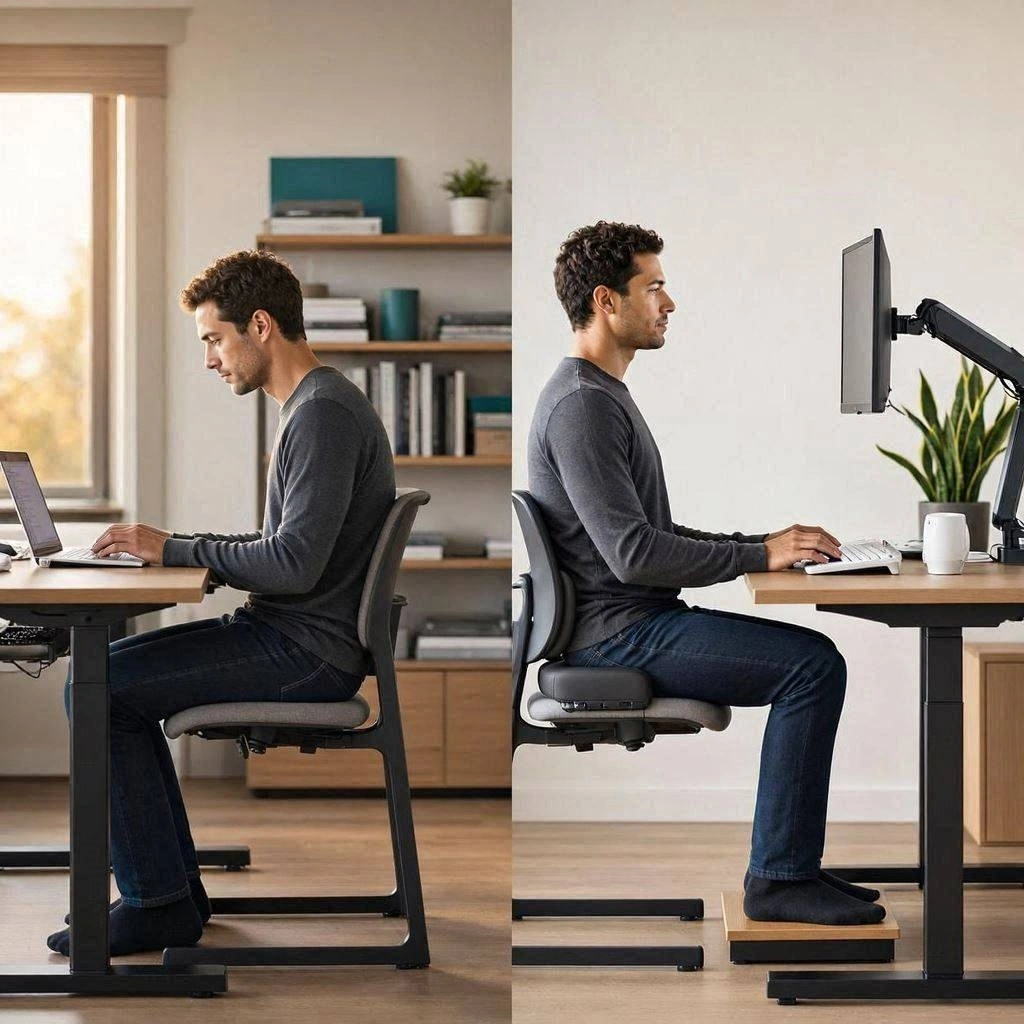
6. Use Comfortable Working Positions
If you spend considerable time studying or working at a desk, arrange your environment to support comfortable movement.
Keep frequently used objects within easy reach and avoid remaining in one position for too long.
Remember that there is no single perfect posture for everyone. Changing positions and avoiding prolonged discomfort are more useful goals than trying to maintain one rigid position all day.
How Is Back Pain When Twisting Diagnosed?
A healthcare professional will usually begin by asking questions about your symptoms and medical history.
They may want to know:
- When did the pain begin?
- Did it start suddenly or gradually?
- Does twisting in one direction make it worse?
- Is the pain located in the upper or lower back?
- Does it spread into your legs?
- Have you experienced numbness or weakness?
- Which activities make the pain better or worse?
A physical examination may include checking your movement, muscle strength, sensation, and other relevant functions.
Imaging tests, such as X-rays or MRI scans, are not necessary for every person with back pain.
A healthcare professional may recommend imaging when the symptoms, examination findings, or medical history suggest that it is needed.
The goal is to understand the likely cause and choose an appropriate treatment plan rather than automatically ordering tests.
Frequently Asked Questions About Back Pain When Twisting
1. Why does my back hurt when I twist but not when I walk?
Walking and twisting involve different movement patterns.
Your back may tolerate straight-line movement but become uncomfortable when the muscles, joints, or other structures involved in rotation are irritated.
Muscle strain and joint irritation are possible explanations, but a clinical assessment may be needed if the pain persists.
2. Is back pain when twisting a sign of a herniated disc?
Not necessarily.
A herniated disc can cause back pain and sometimes nerve-related symptoms, such as pain spreading into the leg, tingling, or numbness.
However, muscle strains, ligament sprains, and joint irritation can also cause discomfort during twisting.
The movement that triggers pain alone cannot confirm a herniated disc.
3. Why does my lower back hurt when I twist to the left or right?
One-sided discomfort may be associated with muscle strain, joint irritation, or another localized problem.
The direction of rotation can affect which structures experience movement and load.
If the pain is persistent, severe, or associated with other symptoms, seek medical evaluation.
4. Can sitting too long cause back pain when twisting?
Prolonged sitting may contribute to stiffness and discomfort, especially if you rarely change positions.
It is not necessarily the direct cause of your pain, but regular movement breaks may help improve comfort.
Try changing positions and taking short walks throughout the day.
5. Should I stretch if my back hurts when twisting?
It depends on the cause and severity of your symptoms.
Gentle movement may be helpful for some types of back discomfort. However, forcing stretches or rotating your spine through pain may make symptoms worse.
If you are unsure which movements are appropriate, ask a physical therapist or healthcare professional.
6. How long does back pain from twisting last?
Recovery time varies depending on the cause, severity, and individual circumstances.
Some uncomplicated muscle-related problems improve over days or weeks. Other conditions may require a longer recovery period and professional treatment.
If your symptoms are not improving after a few weeks, arrange a medical assessment.
7. Can poor posture cause back pain when twisting?
Prolonged positions and limited movement may contribute to discomfort in some people.
However, there is no single perfect posture, and back pain cannot automatically be blamed on poor posture.
Regular movement, comfortable working positions, and appropriate physical activity are more useful long-term goals.
8. Should I stop exercising if my back hurts when I twist?
You may need to temporarily modify activities that trigger your symptoms.
However, stopping all physical activity is not usually necessary for uncomplicated back pain.
Choose comfortable movement and return to more demanding activities gradually. If pain increases or you develop neurological symptoms, seek professional advice.
9. Why does my back hurt when I twist and take a deep breath?
Pain during both twisting and deep breathing may involve the muscles around the ribs or other structures in the chest and upper back.
However, chest-related or breathing-related pain can have causes that need prompt medical assessment.
If you experience chest pain, breathing difficulty, or severe symptoms, seek urgent medical attention rather than assuming it is a muscle problem.
Final Thoughts: Understanding Back Pain When Twisting
So, why does your back hurt when you twist your body?
In many cases, the discomfort is associated with muscle strain, ligament irritation, joint problems, or repetitive movements. Disc-related problems and nerve irritation are other possible explanations.
The most important thing is to pay attention to your symptoms, avoid repeatedly forcing painful movements, and maintain comfortable daily activity when appropriate.
Simple changes, such as taking movement breaks, avoiding sudden twisting while lifting, and gradually returning to physical activity, may help support recovery.
However, persistent, worsening, or unusual symptoms should be evaluated by a healthcare professional.
Remember that back pain is not always caused by the same problem, and the best approach depends on identifying the underlying reason.
Medical disclaimer: This article is intended for general educational purposes only. It does not replace professional medical advice, diagnosis, or treatment. If you have persistent or concerning back pain, consult a qualified healthcare professional.
Trusted Medical Sources and Further Reading
For more information about back pain, spinal health, and treatment options, explore these trusted medical resources:
- NHS – Back Pain
- NIAMS – Back Pain
- Cleveland Clinic – Back Strains and Sprains
- American Association of Neurological Surgeons – Low Back Strain and Sprain
- NHS – Sciatica
These resources provide additional information about common causes of back pain, possible symptoms, treatment approaches, and when to seek medical attention.