Physiotherapy After Surgery: A Key Step Toward a Successful Recovery
Physiotherapy after surgery plays a crucial role in helping patients regain mobility, rebuild strength, and return to their daily activities safely. While surgery may correct a medical condition or injury, the recovery process often requires structured rehabilitation to achieve the best possible outcome. Post-surgical physiotherapy helps reduce pain, improve movement, and prevent complications that can delay healing.
Whether recovering from orthopedic surgery, joint replacement, spinal procedures, or sports-related operations, a personalized rehabilitation program can significantly improve recovery and long-term function.
What Is Physiotherapy After Surgery?
Physiotherapy after surgery is a rehabilitation program designed to help patients recover safely following a surgical procedure. Physiotherapists assess the patient’s condition, mobility level, pain symptoms, and recovery goals before creating a customized treatment plan.
Common post-operative physiotherapy treatments include:
-
Mobility exercises
-
Strengthening programs
-
Stretching exercises
-
Balance training
-
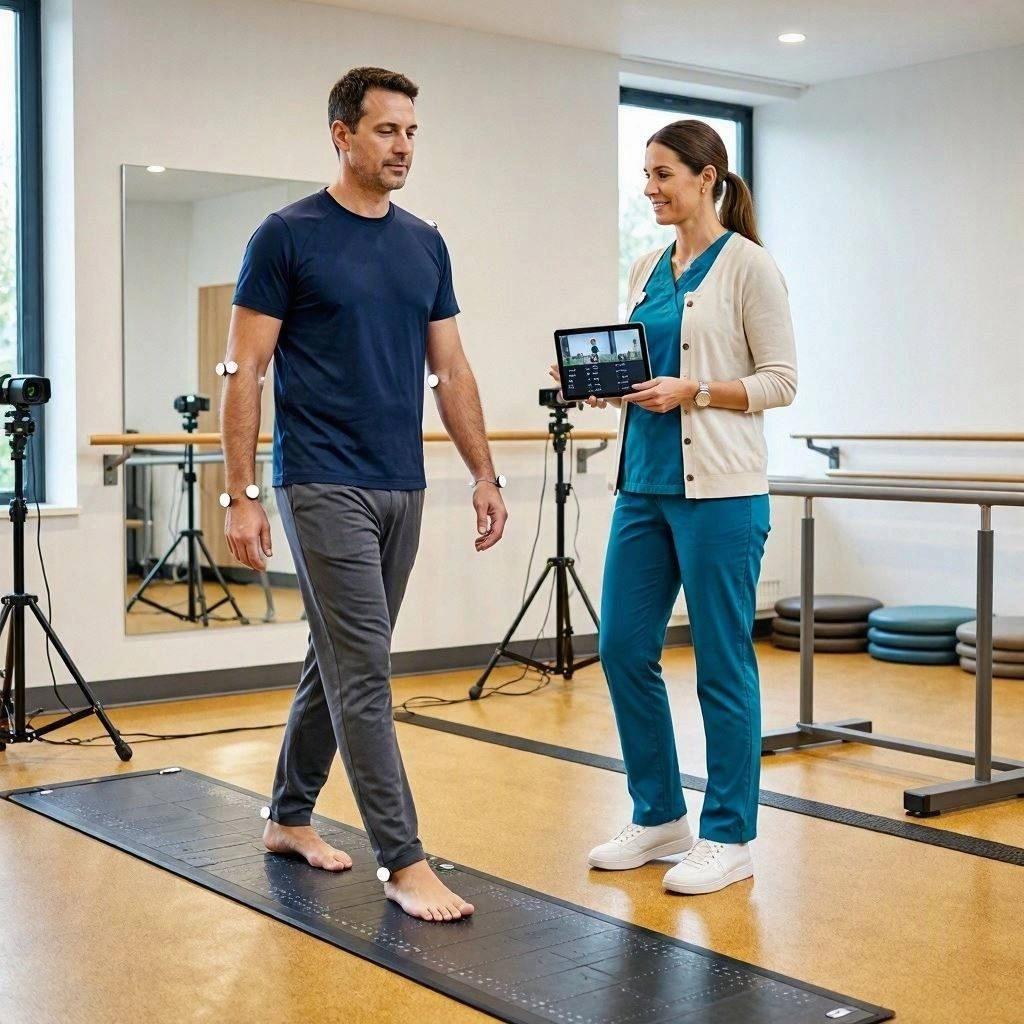
Walking and gait rehabilitation
-
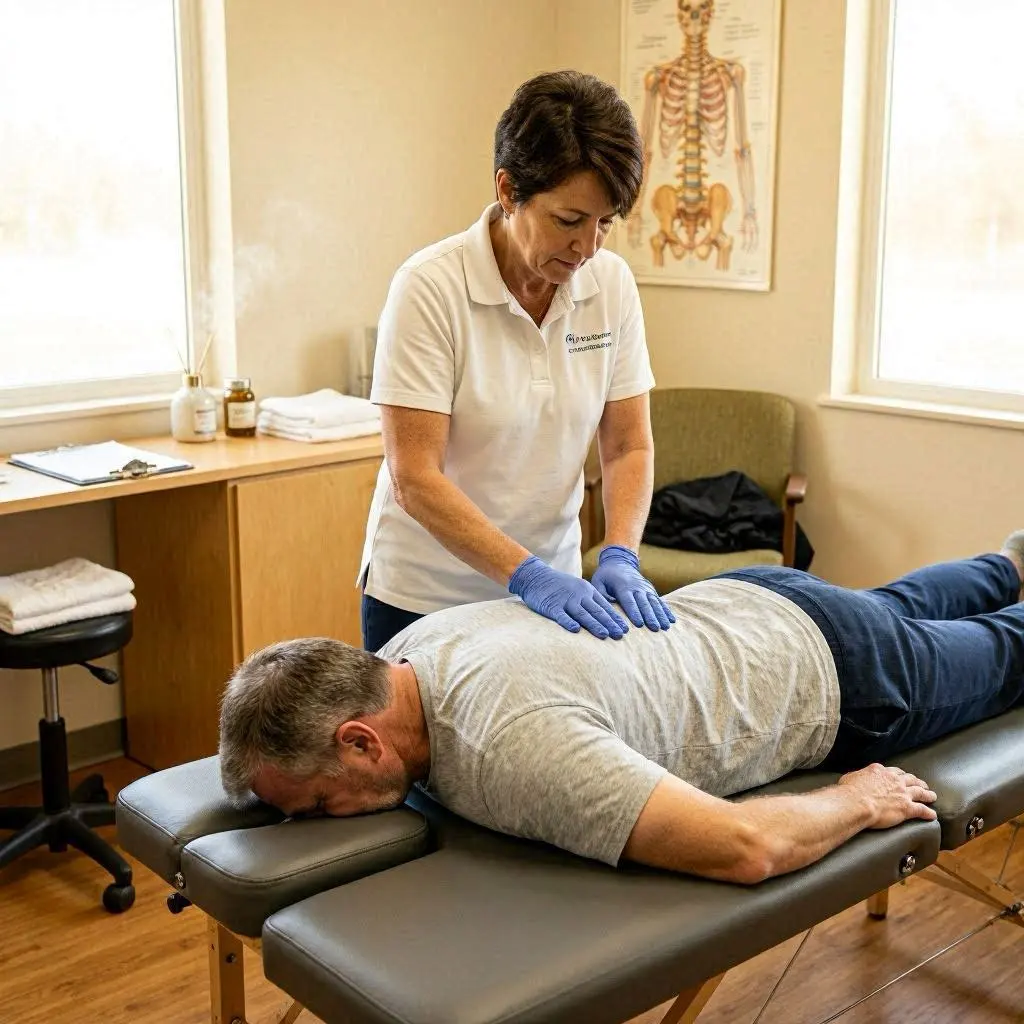
Manual therapy
-
Functional movement training
-
Pain management techniques
The goal is to restore normal movement, improve physical function, and help patients regain independence.
Benefits of Post-Surgical Rehabilitation
Faster Recovery After Surgery
One of the primary benefits of physiotherapy after surgery is improved recovery speed. Guided rehabilitation helps patients regain strength and mobility more efficiently.
Reduced Pain and Stiffness
Post-operative physiotherapy helps reduce discomfort, swelling, and stiffness that commonly occur after surgery.
Improved Mobility and Joint Function
Mobility exercises and rehabilitation techniques help restore movement and flexibility in affected areas of the body.
Increased Strength and Stability
Recovery programs focus on rebuilding muscle strength and improving stability to support long-term function.
Lower Risk of Post-Surgical Complications
Rehabilitation therapy can help reduce the risk of complications such as muscle weakness, reduced mobility, and poor movement patterns.
Types of Surgery That Benefit from Physiotherapy
Joint Replacement Rehabilitation
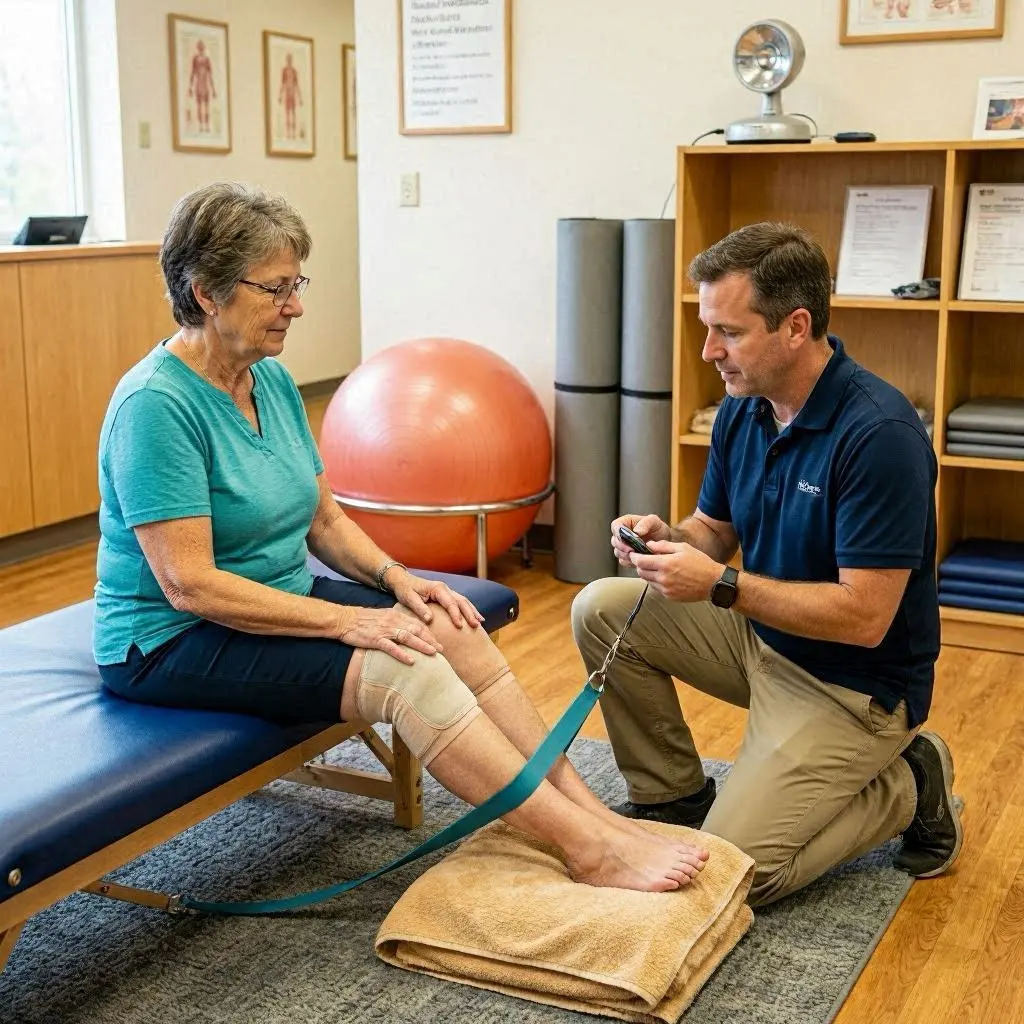
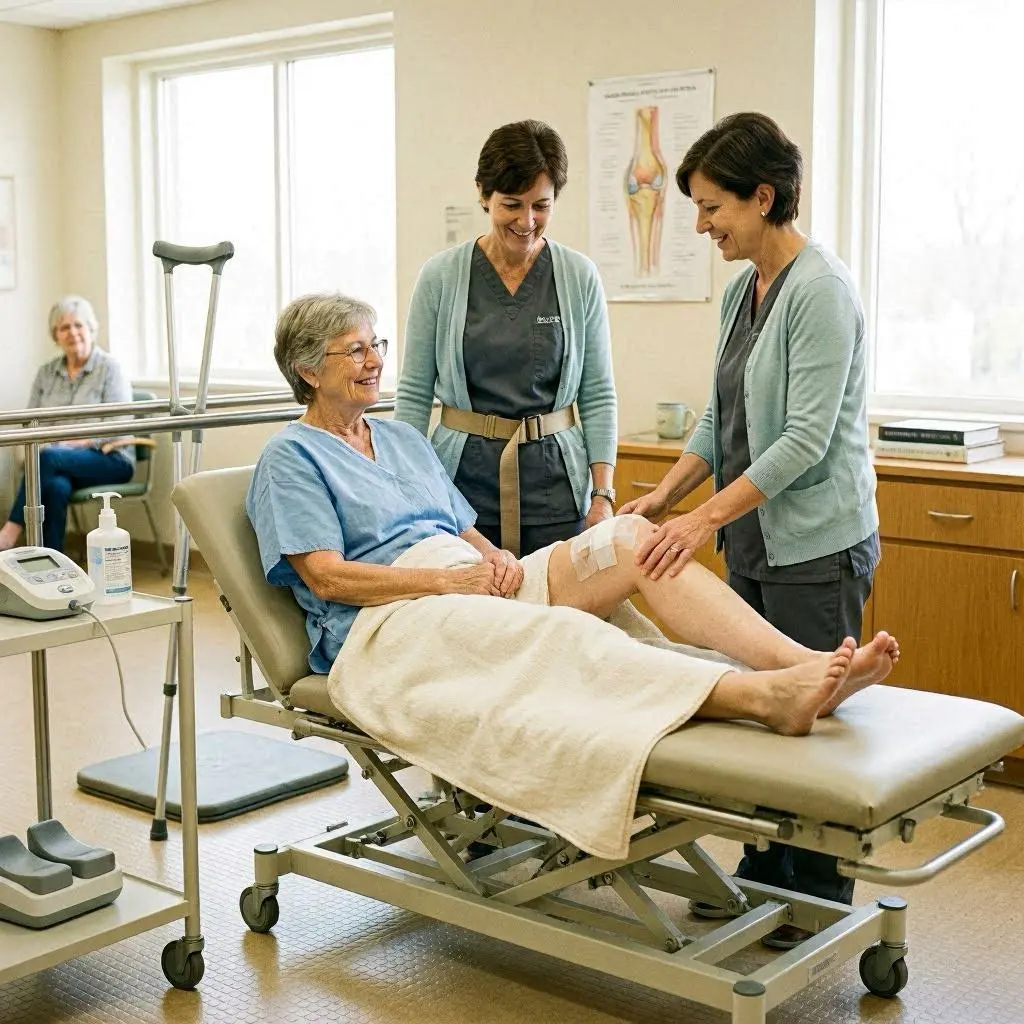
Patients recovering from knee replacement, hip replacement, or shoulder replacement surgery often require structured rehabilitation programs.
Orthopedic Surgery Recovery
Procedures involving bones, muscles, ligaments, and tendons benefit from targeted physiotherapy treatment.
Spine Surgery Rehabilitation
Patients recovering from spinal surgery often need mobility training and strengthening exercises to restore function.
Sports Surgery Recovery Programs
Athletes recovering from ligament reconstruction or sports-related procedures use physiotherapy to return safely to activity.
Post-Fracture Rehabilitation
Recovery after fracture repair surgery often includes rehabilitation to improve mobility and strength.
Physiotherapy Techniques Used After Surgery
Mobility and Range of Motion Exercises
These exercises help restore flexibility and prevent joint stiffness following surgery.
Strength Training for Post-Surgical Recovery
Strengthening exercises rebuild muscles affected by surgery or reduced activity levels.
Walking and Gait Training (Physiotherapy After Surgery)
Gait rehabilitation helps patients improve walking patterns and restore confidence during movement.
Functional Rehabilitation Exercises
Functional exercises focus on everyday activities such as standing, climbing stairs, and lifting objects safely.
When Should You Start Physiotherapy After Surgery?
The timing of rehabilitation depends on the type of surgery and the recommendations of your healthcare team. In many cases, physiotherapy begins shortly after surgery to support healing and prevent complications.
Early intervention often leads to better outcomes, improved mobility, and faster recovery.
How Physiotherapy After Surgery Supports Long-Term Recovery
Consistent rehabilitation helps patients regain strength, improve movement quality, and reduce the likelihood of future problems. Physiotherapists also educate patients on proper body mechanics and exercises that support ongoing recovery.
A structured recovery plan can improve confidence and help patients return to work, sports, and daily activities more safely.
Why Professional Post-Operative Physiotherapy Matters
Working with a qualified physiotherapist ensures that recovery exercises are performed safely and effectively. Professional guidance helps patients progress at the appropriate pace while minimizing the risk of re-injury or setbacks.
Conclusion (Physiotherapy After Surgery)
Physiotherapy after surgery is an essential part of the recovery process. Through personalized rehabilitation programs, mobility exercises, strength training, and professional support, patients can achieve better outcomes and regain independence more quickly.
Whether recovering from joint replacement, spinal surgery, orthopedic procedures, or sports-related operations, post-surgical rehabilitation provides the foundation for a successful recovery and long-term physical health.