
Chronic Pain Management: A Complete Guide to Long-Term Pain Relief and Improved Quality of Life
Living with chronic pain can affect nearly every aspect of daily life. Simple tasks such as walking, working, exercising, sleeping, or spending time with family may become increasingly difficult when pain persists for weeks, months, or even years. Unlike acute pain, which usually improves as an injury heals, chronic pain often continues beyond the expected recovery period and may require ongoing care and management. Fortunately, chronic pain management offers a comprehensive approach to reducing discomfort, improving physical function, and helping individuals regain control of their lives. Rather than focusing on temporary symptom relief alone, modern pain management combines evidence-based treatments, rehabilitation, healthy lifestyle habits, and patient education to address both the symptoms and the underlying factors contributing to persistent pain.
What Is Chronic Pain?
Chronic pain is generally defined as pain that lasts longer than three months or continues after normal tissue healing should have occurred. The pain may remain constant, come and go, or vary in intensity throughout the day.
It can affect almost any part of the body, including the:
-
Back
-
Neck
-
Shoulders
-
Hips
-
Knees
-
Hands
-
Feet
-
Muscles
-
Joints
-
Spine
Because every person’s experience is different, successful treatment usually requires an individualized care plan.
Common Causes of Chronic Pain
Many medical conditions and injuries can lead to long-lasting pain.
Common causes include:
Arthritis
Osteoarthritis and inflammatory joint conditions frequently cause chronic pain and stiffness.
Back and Neck Disorders
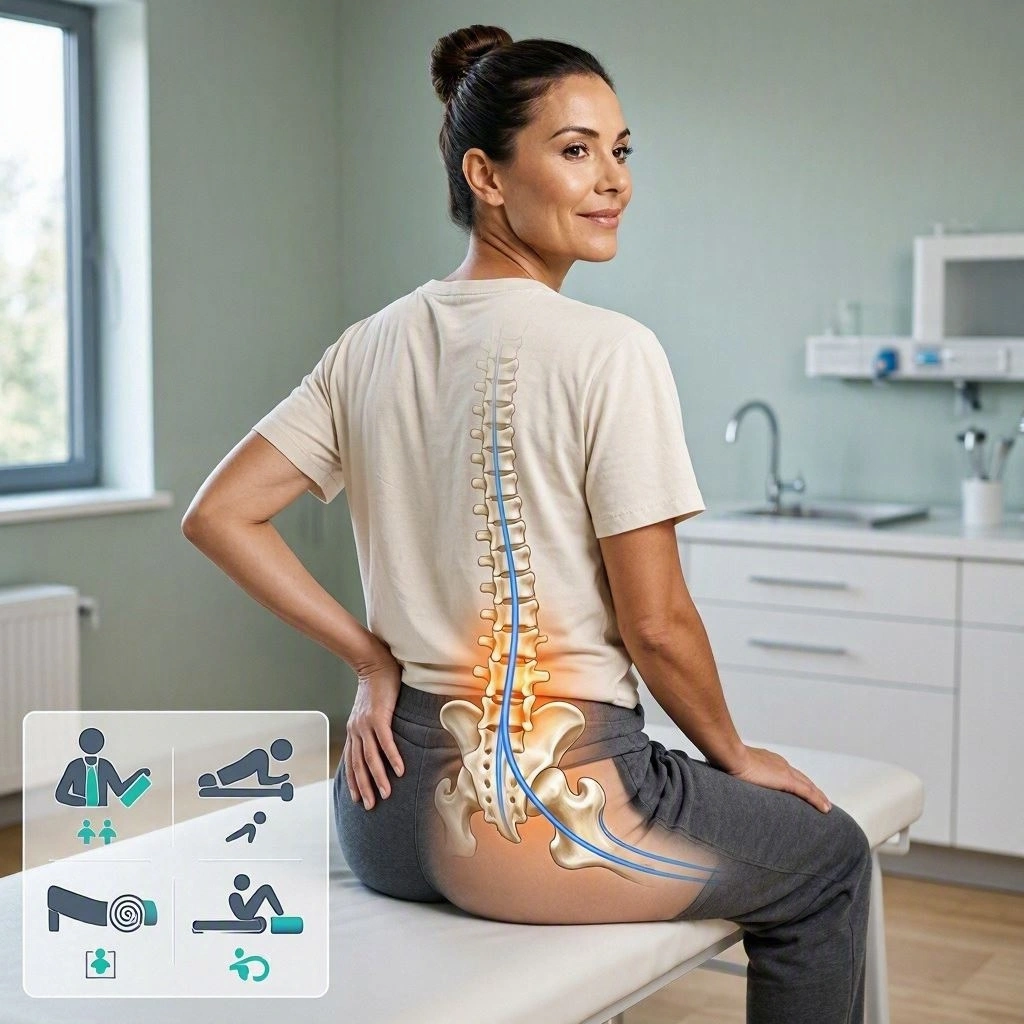
Disc injuries, spinal degeneration, muscle strain, and joint dysfunction commonly contribute to persistent discomfort.
Sports Injuries
Incomplete healing or repeated injuries may result in ongoing pain and reduced mobility.
Nerve Conditions
Nerve irritation or compression, including sciatica, may produce burning, tingling, or radiating pain.
Fibromyalgia
This condition is characterized by widespread musculoskeletal pain, fatigue, and tenderness throughout the body.
Previous Surgery or Trauma
Some individuals continue to experience pain after surgery or significant injuries despite successful healing.
Symptoms Associated with Chronic Pain
Chronic pain affects more than physical comfort. It may also influence emotional well-being and daily functioning.
Symptoms may include:
-
Persistent aching
-
Sharp or burning pain
-
Joint stiffness
-
Muscle tightness
-
Reduced flexibility
-
Fatigue
-
Difficulty sleeping
-
Limited mobility
-
Weakness
-
Reduced ability to perform daily activities
Since symptoms vary considerably, professional evaluation is important.
How Chronic Pain Management Works
Effective pain management begins with identifying the source of pain whenever possible. Healthcare providers perform comprehensive evaluations to understand the patient’s condition, medical history, physical limitations, and treatment goals.
The assessment may include:
-
Medical history review
-
Physical examination
-
Posture assessment
-
Joint mobility testing
-
Muscle strength evaluation
-
Functional movement analysis
-
Neurological examination
-
Imaging studies when appropriate
Based on the findings, a personalized treatment plan is developed.
Benefits of Chronic Pain Management
Pain Reduction
The primary objective is to decrease pain while improving the body’s ability to function naturally.
Improved Mobility
Restoring healthy movement enables patients to walk, bend, lift, and exercise with greater comfort.
Better Physical Function
Treatment focuses on improving strength, endurance, balance, and flexibility so daily activities become easier.
Greater Independence
Reducing pain often allows individuals to return to work, hobbies, and family activities with increased confidence.
Enhanced Mental Well-Being
Persistent pain can contribute to stress, anxiety, and frustration. Comprehensive treatment frequently improves emotional well-being alongside physical recovery.
Treatment Options for Chronic Pain Management
Chiropractic Care
Chiropractic treatment improves joint mobility while reducing mechanical stress on the spine and surrounding tissues.
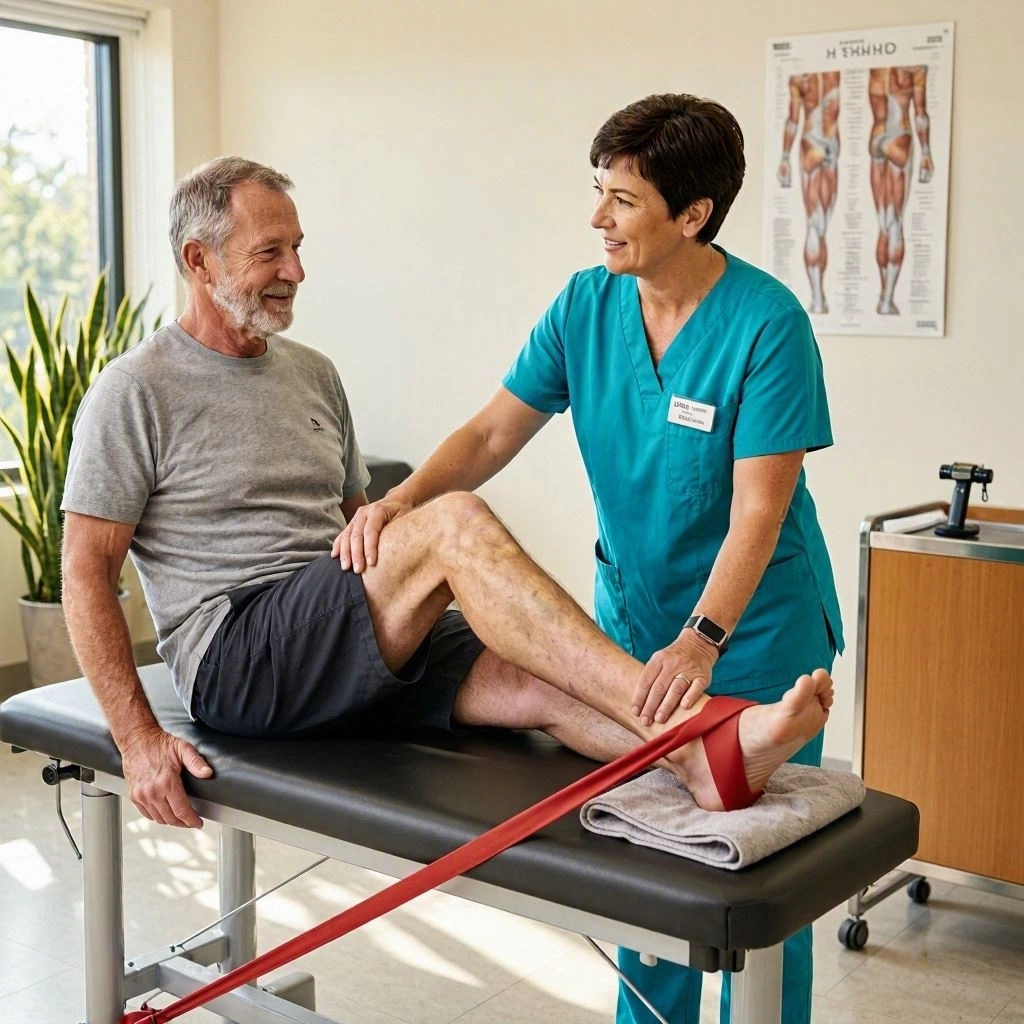
Physical Rehabilitation
Rehabilitation programs restore movement, strengthen muscles, and improve overall physical function.
Therapeutic Exercise
Customized exercise plans help improve flexibility, endurance, balance, and muscular strength.
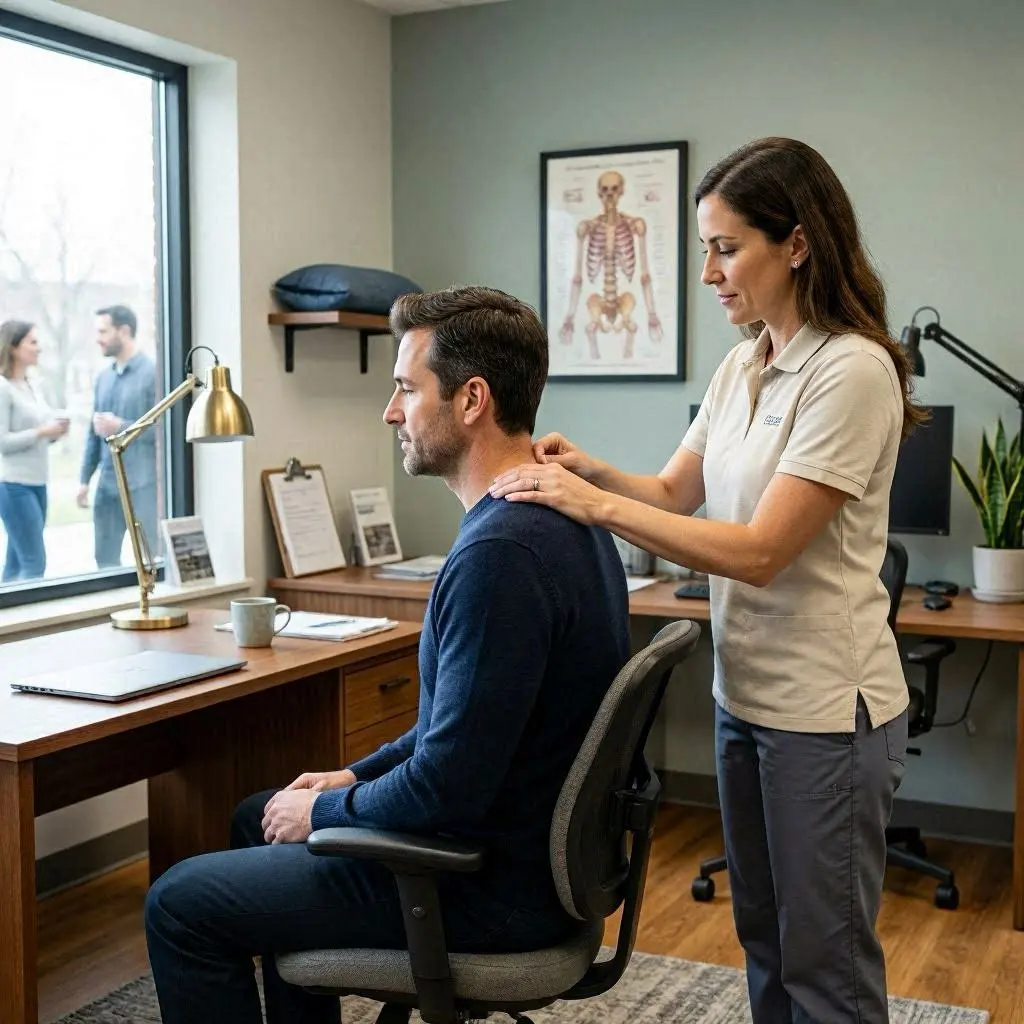
Manual Therapy
Hands-on techniques reduce muscle tension while improving circulation and joint mobility.
Massage Therapy
Massage helps relax tight muscles, reduce stiffness, and improve comfort.
Posture Correction
Healthy posture decreases unnecessary stress on muscles and joints while supporting efficient movement.
The Importance of Exercise
Regular physical activity is one of the most effective long-term strategies for managing chronic pain.
Recommended exercises may include:
Walking (Chronic Pain Management)
Walking improves circulation while supporting cardiovascular and musculoskeletal health.
Stretching
Daily stretching reduces muscle tightness and improves flexibility.
Strength Training
Building muscle strength provides better support for joints and the spine.
Swimming
Water-based exercise allows individuals to remain active while placing less stress on painful joints.
Balance Training (Chronic Pain Management)
Improving balance reduces fall risk while increasing confidence during movement.
Every exercise program should be tailored to the individual’s condition and physical abilities.
Healthy Lifestyle Habits That Support Pain Management
Professional treatment works best when combined with healthy daily choices.
Helpful habits include:
-
Staying physically active.
-
Maintaining a healthy body weight.
-
Sleeping seven to nine hours each night.
-
Drinking adequate water.
-
Managing stress.
-
Eating nutritious meals.
-
Practicing good posture.
-
Avoiding prolonged sitting.
-
Taking regular movement breaks.
-
Following prescribed home exercises.
These habits support healing and improve long-term outcomes.
The Role of Stress Management (Chronic Pain Management)
Stress often increases muscle tension and may worsen chronic pain. Therefore, learning healthy coping strategies is an important part of comprehensive care.
Helpful stress management techniques include:
-
Deep breathing exercises
-
Meditation
-
Mindfulness
-
Gentle yoga
-
Relaxation exercises
-
Spending time outdoors
-
Maintaining social connections
Managing emotional well-being often improves physical comfort as well.
When Should You Seek Professional Care?
Professional evaluation is recommended if you experience:
-
Pain lasting longer than three months
-
Recurring back or neck pain
-
Joint pain limiting movement
-
Difficulty performing daily activities
-
Persistent muscle stiffness
-
Pain affecting sleep
-
Reduced mobility
-
Pain that continues despite home care
Early treatment often prevents further functional decline.
When Is Emergency Medical Care Necessary?
Seek immediate medical attention if chronic pain is accompanied by:
-
Loss of bowel or bladder control
-
Severe weakness in the arms or legs
-
Sudden numbness affecting one side of the body
-
Chest pain
-
Difficulty breathing
-
Loss of consciousness
-
High fever with severe spinal pain
-
Significant trauma after an accident
These symptoms require urgent medical evaluation.
Long-Term Strategies for Managing Chronic Pain
Managing chronic pain successfully often requires consistent effort.
Helpful long-term strategies include:
-
Following your treatment plan.
-
Remaining physically active.
-
Practicing proper posture.
-
Strengthening supporting muscles.
-
Maintaining flexibility.
-
Managing stress effectively.
-
Scheduling follow-up appointments.
-
Addressing new symptoms early.
-
Building healthy daily routines.
-
Staying committed to long-term wellness.
Consistency frequently produces better outcomes than short-term solutions.
Why Choose a Multidisciplinary Approach?
Chronic pain often has multiple contributing factors. Therefore, combining chiropractic care, rehabilitation, exercise, manual therapy, and healthy lifestyle changes generally provides better long-term results than relying on a single treatment method.
A multidisciplinary approach allows healthcare professionals to address physical limitations while supporting overall wellness and quality of life.
Conclusion (Chronic Pain Management)
Chronic pain management focuses on reducing pain, restoring movement, and helping individuals live healthier, more active lives. Through personalized assessments, chiropractic care, physical rehabilitation, therapeutic exercise, manual therapy, posture correction, and healthy lifestyle habits, many people achieve meaningful improvements in comfort and function.
Whether chronic pain affects your back, neck, joints, muscles, or spine, seeking professional care early can make a significant difference. By combining evidence-based treatment with consistent self-care and long-term healthy habits, you can reduce pain, improve mobility, and enjoy a better quality of life for years to come.