
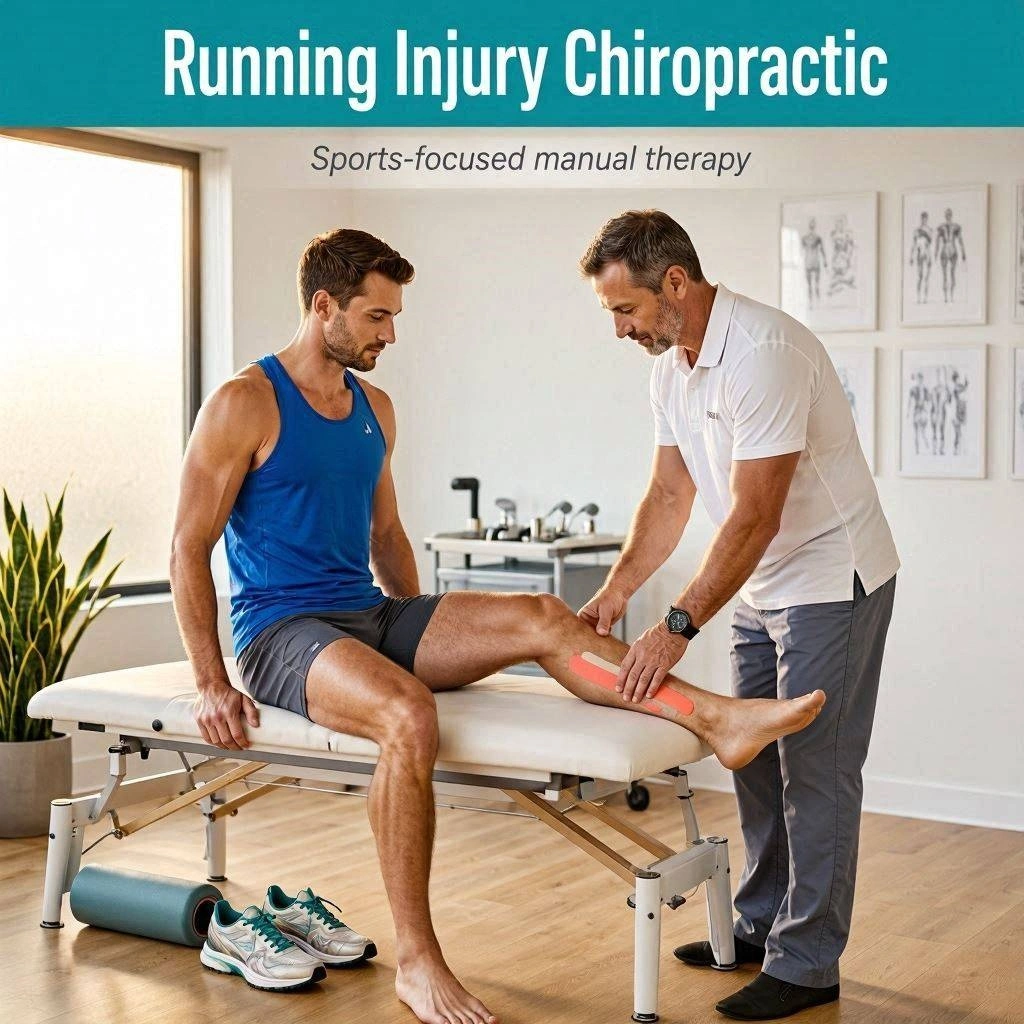
Running Injury Chiropractic: A Complete Guide to Injury Recovery, Pain Relief, and Peak Running Performance
Running is one of the most effective forms of cardiovascular exercise, offering numerous physical and mental health benefits. It strengthens the heart, improves endurance, supports weight management, and promotes overall well-being. However, repetitive impact and overuse can place significant stress on the muscles, joints, tendons, and ligaments. Without proper recovery, training progression, and body mechanics, runners may develop injuries that limit performance and interrupt training. Fortunately, running injury chiropractic care provides a conservative approach to treating many common running-related conditions while helping athletes return safely to the activities they enjoy.
Rather than focusing only on pain, chiropractic care evaluates the entire kinetic chain. The spine, pelvis, hips, knees, ankles, and feet all work together during running. If one area moves poorly, other structures often compensate, increasing the risk of injury. By identifying movement dysfunctions and combining chiropractic treatment with rehabilitation exercises, flexibility training, and running education, chiropractors help support both recovery and long-term performance.
Understanding Running Injuries
Running injuries usually develop because of repetitive stress rather than a single traumatic event. Small amounts of tissue strain accumulate over time until pain begins to interfere with normal training.
Several factors influence injury risk, including:
-
Sudden increases in mileage
-
Poor running technique
-
Muscle weakness
-
Limited flexibility
-
Inadequate recovery
-
Improper footwear
-
Previous injuries
-
Poor posture
-
Joint stiffness
-
Training on uneven surfaces
Identifying these contributing factors is essential for successful treatment.
Common Running Injuries
Many runners experience similar musculoskeletal problems during training.
Runner’s Knee
Pain around the kneecap is one of the most common complaints among runners. Muscle imbalance, poor tracking of the kneecap, and training errors often contribute.
Shin Splints
Pain along the inside of the shin frequently develops after increasing running intensity or distance too quickly.
Plantar Fasciitis (Running Injury Chiropractic)
Inflammation of the plantar fascia causes heel pain, especially during the first steps in the morning.
Achilles Tendinopathy
Overloading the Achilles tendon may lead to stiffness, swelling, and pain during activity.
IT Band Syndrome
Tightness of the iliotibial band can cause pain on the outside of the knee during longer runs.
Hip Pain
Weak hip muscles or altered running mechanics may contribute to hip discomfort and reduced performance.
How Running Injuries Are Evaluated
A thorough assessment helps identify the source of pain rather than simply treating symptoms.
A chiropractor may perform:
-
Medical history review
-
Running history discussion
-
Posture assessment
-
Walking evaluation
-
Running gait analysis
-
Joint mobility testing
-
Muscle strength assessment
-
Flexibility evaluation
-
Functional movement screening
-
Neurological examination when necessary
If a fracture or another serious injury is suspected, imaging studies such as X-rays or MRI may be recommended.
Chiropractic Care for Running Injuries
Chiropractic care is commonly included in conservative sports rehabilitation programs.
Treatment may include:
Chiropractic Adjustments
Spinal and extremity adjustments improve joint mobility while supporting efficient movement patterns.
Joint Mobilization (Running Injury Chiropractic)
Controlled movements restore flexibility in restricted joints.
Soft Tissue Therapy
Manual therapy reduces muscle tightness, improves circulation, and supports tissue healing.
Myofascial Techniques (Running Injury Chiropractic)
Treatment of tight connective tissues helps restore normal movement.
Every treatment plan is tailored to the runner’s condition and goals.
Rehabilitation Exercises
Exercise is one of the most important components of recovery.
A rehabilitation program may include:
Core Strengthening
A strong core improves running efficiency while supporting spinal stability.
Hip Strengthening (Running Injury Chiropractic)
Strong hip muscles improve lower-limb alignment during running.
Balance Training
Balance exercises enhance coordination and reduce injury risk.
Flexibility Exercises
Stretching maintains mobility while decreasing muscle tightness.
Functional Training
Running-specific exercises prepare athletes for a gradual return to training.
Programs are progressed according to healing and performance goals.
Running Technique and Biomechanics
Efficient running mechanics reduce unnecessary stress on the body.
A chiropractor may evaluate:
-
Stride length
-
Cadence
-
Foot strike pattern
-
Hip stability
-
Pelvic alignment
-
Arm movement
-
Trunk position
Small improvements in running form can significantly decrease repetitive stress.
The Importance of Recovery (Running Injury Chiropractic)
Recovery is just as important as training.
Healthy recovery strategies include:
-
Rest days
-
Gentle stretching
-
Foam rolling
-
Adequate hydration
-
Balanced nutrition
-
Quality sleep
-
Active recovery sessions
These habits allow tissues to heal and adapt to training loads.
Preventing Running Injuries (Running Injury Chiropractic)
Preventive care helps runners stay active throughout the year.
Helpful recommendations include:
-
Increase mileage gradually.
-
Warm up before running.
-
Cool down after exercise.
-
Replace worn-out running shoes.
-
Strength-train regularly.
-
Stretch consistently.
-
Maintain healthy posture.
-
Cross-train with low-impact activities.
-
Listen to early warning signs of pain.
-
Avoid overtraining.
Consistency is more valuable than sudden increases in training volume.
Lifestyle Habits That Support Recovery (Running Injury Chiropractic)
Daily habits influence healing.
Helpful recommendations include:
-
Eat a balanced diet rich in nutrients.
-
Stay hydrated throughout the day.
-
Sleep seven to nine hours each night.
-
Maintain a healthy body weight.
-
Follow prescribed home exercises.
-
Manage stress effectively.
-
Avoid smoking.
-
Resume running gradually after injury.
Healthy lifestyle choices support both recovery and performance.
When Should You Seek Professional Care?
Professional evaluation is recommended if you experience:
-
Pain lasting longer than several days
-
Swelling around a joint
-
Difficulty running
-
Persistent heel pain
-
Knee pain during activity
-
Hip discomfort
-
Recurrent injuries
-
Pain affecting daily activities
Early treatment often shortens recovery time and reduces the risk of chronic problems.
Warning Signs That Require Immediate Medical Attention
Some symptoms may indicate a more serious injury.
Seek urgent medical evaluation if you experience:
-
Severe pain after a fall
-
Inability to bear weight
-
Visible deformity
-
Rapidly increasing swelling
-
Loss of sensation
-
Progressive weakness
-
High fever with severe joint pain
-
Loss of bowel or bladder control accompanied by back pain
These symptoms require immediate medical assessment.
Building a Long-Term Running Wellness Plan
Long-term success involves more than recovering from one injury.
A comprehensive running wellness plan should include:
-
Regular strength training
-
Flexibility exercises
-
Chiropractic care when appropriate
-
Running technique assessment
-
Healthy nutrition
-
Proper recovery
-
Periodic training adjustments
-
Quality sleep
-
Stress management
-
Routine mobility exercises
Maintaining these habits helps support injury prevention and athletic performance.
Conclusion (Running Injury Chiropractic)
Running injury chiropractic care provides a comprehensive, conservative approach to treating many common running-related conditions. By combining chiropractic adjustments, rehabilitation exercises, soft tissue therapy, movement analysis, and lifestyle education, chiropractors help runners recover safely while improving mobility and performance.
Whether you are training for your first 5K, preparing for a marathon, or simply enjoying recreational running, addressing injuries early and maintaining healthy movement habits can reduce pain, prevent future problems, and keep you running comfortably for years to come.