Physiotherapy for Movement Optimization: A Complete Guide to Better Mobility, Strength, and Performance
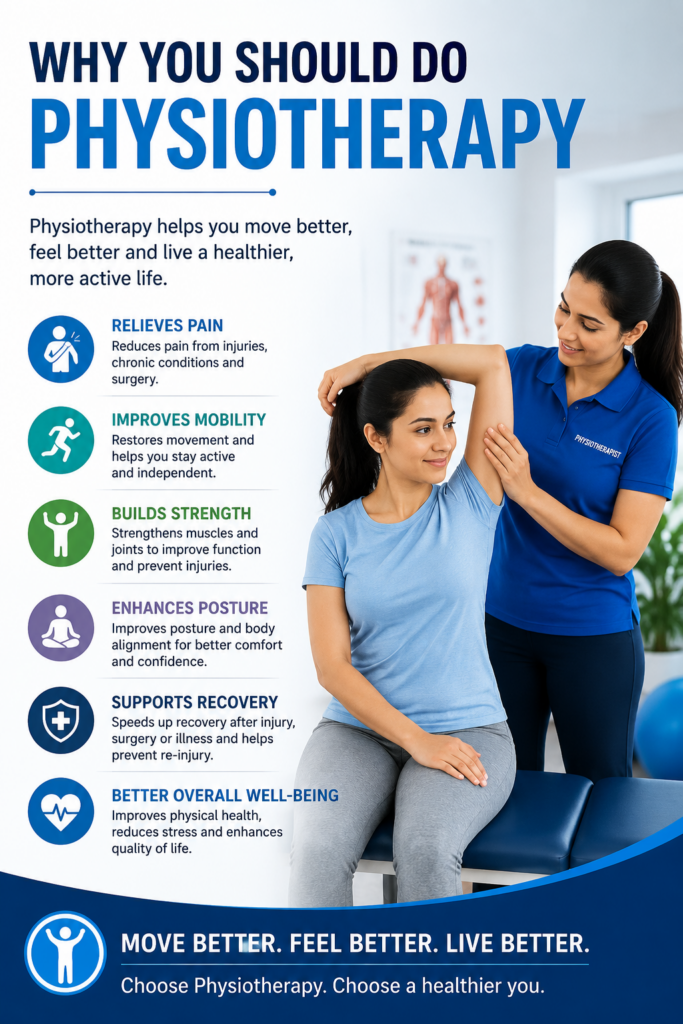
Physiotherapy for Movement Optimization focuses on helping people move more efficiently, confidently, and effectively. Movement is involved in almost every part of daily life, from walking and climbing stairs to lifting objects, exercising, working, and participating in sports. When movement becomes restricted, inefficient, painful, or difficult to control, it can affect physical performance and quality of life.
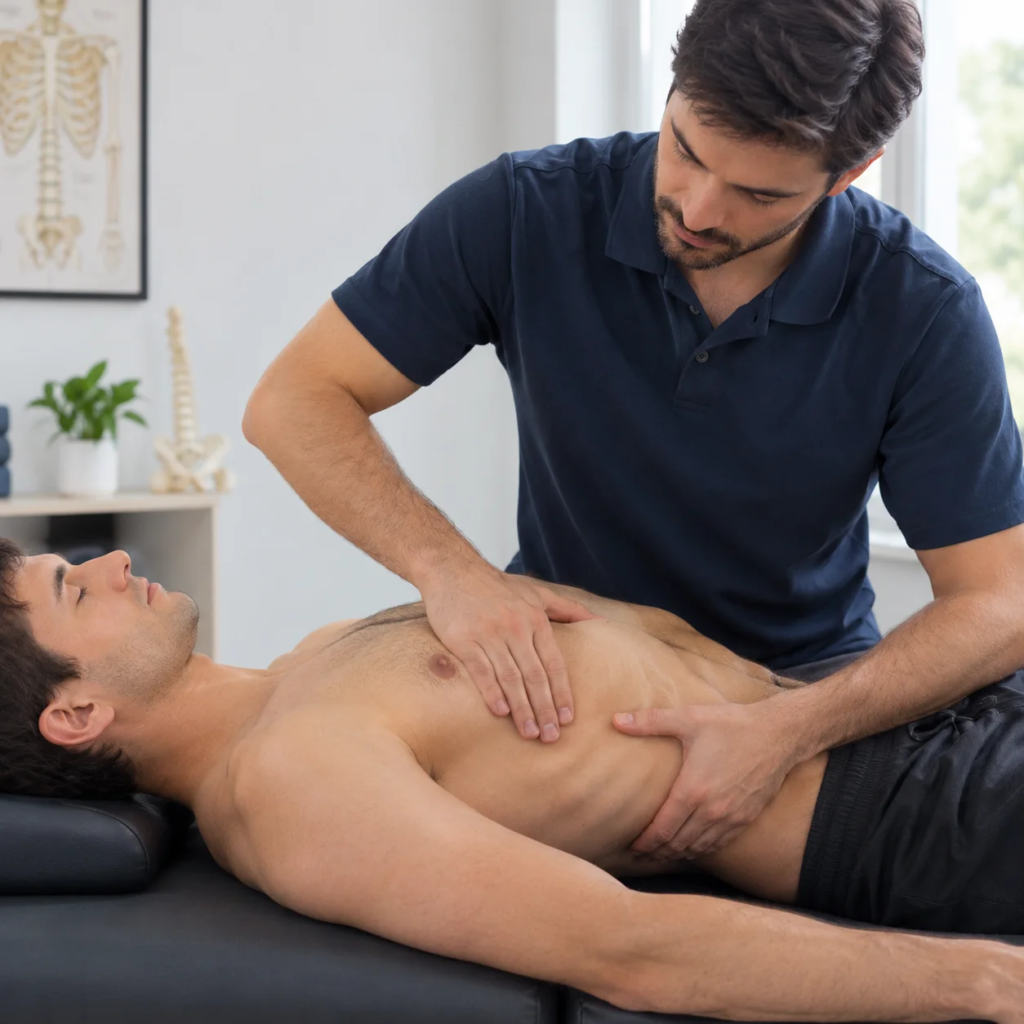
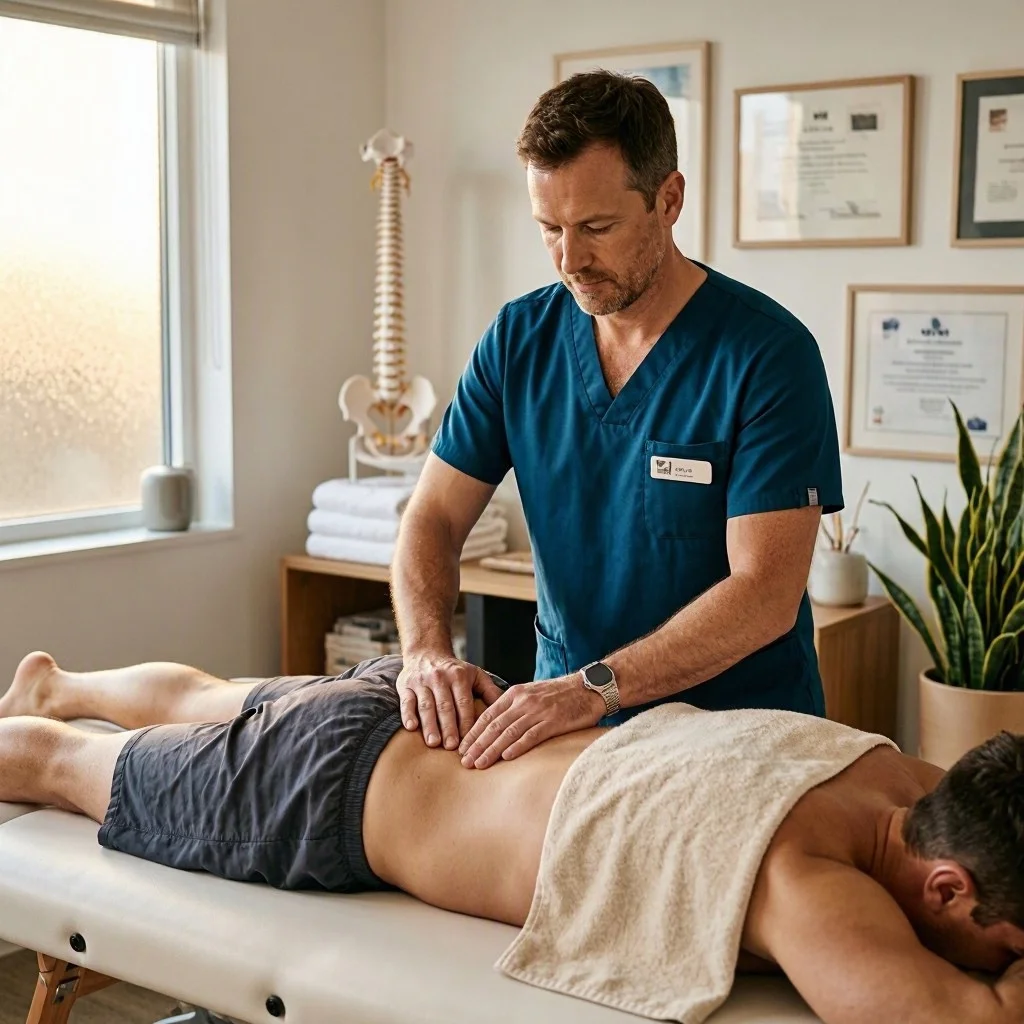
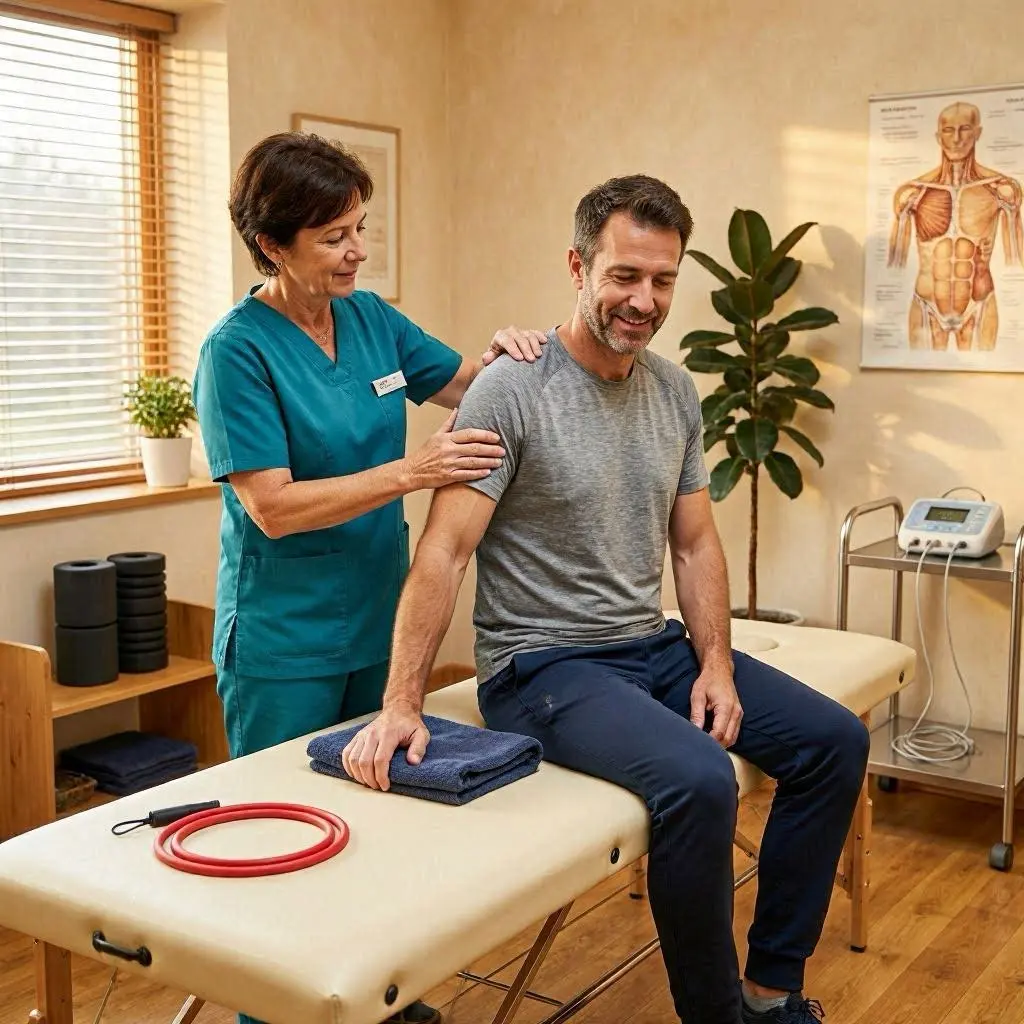
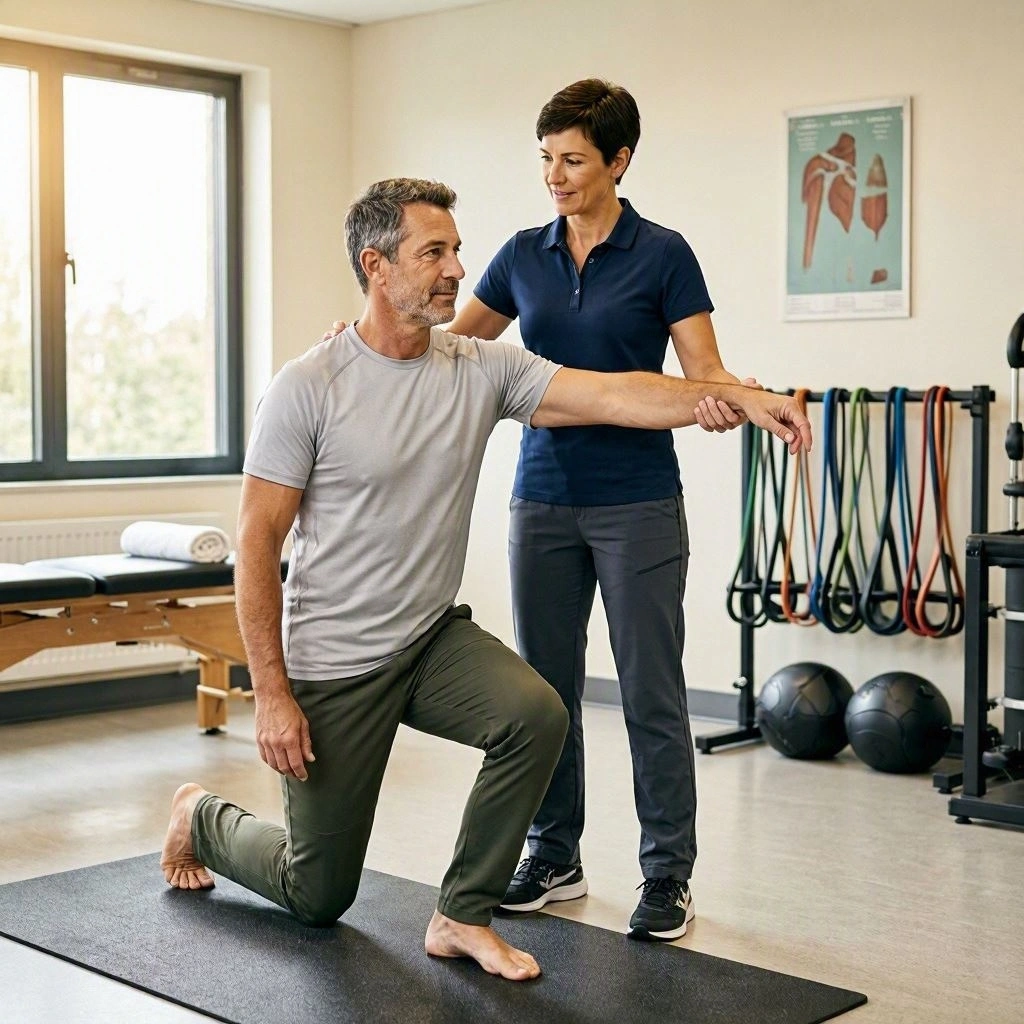
Movement optimization does not simply mean correcting posture or making every movement look identical. Every person has different anatomy, physical abilities, habits, work demands, and activity goals. A physiotherapist can assess how an individual moves, identify areas that may limit performance, and develop a personalized program to improve strength, mobility, balance, coordination, and movement control.
Whether the goal is recovering from an injury, improving athletic performance, reducing movement limitations, or maintaining physical function, physiotherapy can provide a structured approach to optimizing movement.
What Is Movement Optimization?
Movement optimization refers to improving the way the body performs physical activities while considering efficiency, control, mobility, strength, and individual needs.
Movement optimization may involve:
Improving joint mobility
Increasing muscle strength
Developing balance
Improving coordination
Enhancing movement control
Addressing physical limitations
Improving functional capacity
Building confidence during movement
There is no single perfect way for everyone to move. Instead, optimization involves finding movement strategies that are appropriate for the individual’s body and physical demands.
Why Is Movement Optimization Important?
Efficient movement can make everyday activities and exercise easier to perform.
Poor movement control or physical limitations may make certain activities more difficult. For example, reduced ankle mobility can affect squatting, while limited hip strength may influence single-leg movement.
A comprehensive physiotherapy assessment can identify factors that may contribute to these limitations.
Improving physical capacity can support:
Daily activities
Exercise performance
Sports participation
Work capacity
Balance
Mobility
Physical confidence
The Role of Physiotherapy in Movement Optimization
Physiotherapists are trained to assess movement and physical function.
A physiotherapist may examine:
Joint range of motion
Muscle strength
Flexibility
Balance
Coordination
Posture
Walking patterns
Functional movement
Exercise technique
The results can be used to create an individualized movement program.
Treatment may include therapeutic exercise, mobility training, strengthening, balance work, movement retraining, and education.
Movement Assessment
Movement optimization begins with understanding how a person currently moves.
A movement assessment may involve observing activities such as:
Walking
Squatting
Lunging
Reaching
Stepping
Getting up from a chair
Single-leg movements
Lifting
The physiotherapist may look at the overall movement rather than focusing only on one joint.
The objective is to identify relevant limitations that can be addressed through rehabilitation or training.
Mobility and Movement Optimization (Physiotherapy for Movement Optimization)
Mobility is an important foundation for movement.
A joint needs an appropriate range of motion to perform many everyday and athletic activities.
Common areas assessed during movement optimization include:
Ankles
Knees
Hips
Spine
Shoulders
If mobility is restricted, a physiotherapist may prescribe targeted mobility exercises.
These may include controlled joint movements, stretching, active range-of-motion exercises, and functional mobility drills.
Strength and Movement Control
Strength provides the capacity needed to perform physical tasks.
Weakness in one muscle group can influence movement elsewhere.
For example, lower-body strength is important for:
Squatting
Climbing stairs
Jumping
Running
Lifting
A movement optimization program may therefore include progressive resistance training.
Exercises can include:
Squats
Lunges
Step-ups
Bridges
Resistance-band exercises
Deadlifts
Pressing and pulling movements
Exercise selection depends on the individual’s goals and physical condition.
Core Stability and Movement
The trunk provides an important connection between the upper and lower body.
Core stability involves coordinated control of the muscles around the abdomen, back, pelvis, and hips.
Core exercises may include:
Bridges
Bird dogs
Dead bugs
Planks
Side planks
Functional stabilization exercises
The purpose is not simply to strengthen the abdominal muscles. Effective core training should help individuals control their trunk during functional movement.
Balance and Coordination (Physiotherapy for Movement Optimization)
Balance and coordination are essential for efficient movement.
Older adults
Athletes
People recovering from injury
Individuals with mobility limitations
Exercises may include:
Single-leg standing
Weight shifting
Controlled stepping
Reaching exercises
Dynamic balance drills
As balance improves, exercises can become progressively more challenging.
Functional Movement Training
Movement optimization should eventually translate into real-world activities.
Functional training may involve practicing:
Squatting
Lifting
Carrying
Pushing
Pulling
Reaching
Climbing stairs
Walking
The exercises can be modified to match a person’s work, lifestyle, or sporting requirements.
For example, someone who works in a warehouse may need lifting and carrying exercises, while an athlete may require running, jumping, and change-of-direction training.
Movement Optimization for Office Workers
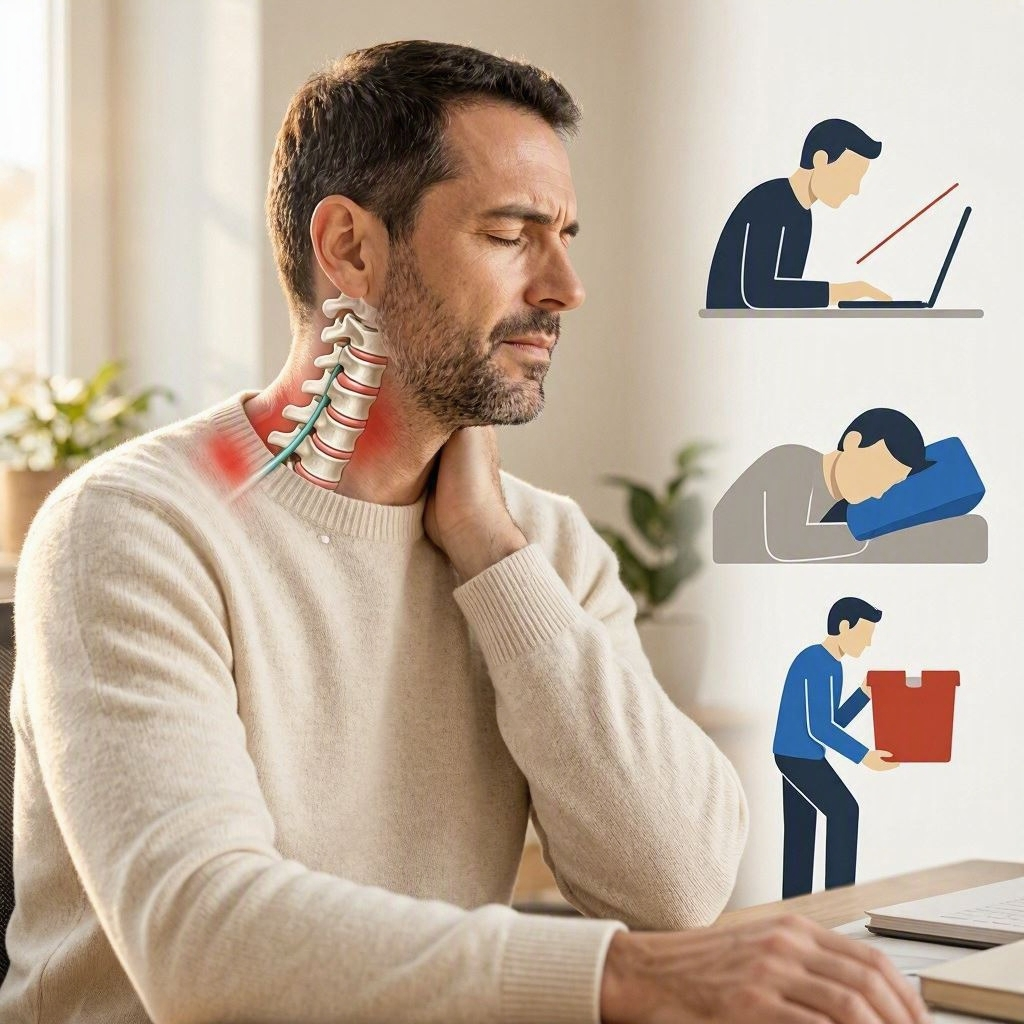
Modern office work can involve long periods of sitting and computer use.
Although sitting itself is not necessarily harmful, prolonged static positions and low activity levels can contribute to stiffness and reduced physical conditioning.
A physiotherapist may help office workers improve movement habits through:
Mobility exercises
Strength training
Movement breaks
Ergonomic recommendations
Posture education
Regular movement throughout the day can complement a structured exercise program.
Movement Optimization for Remote Workers
Remote work can create additional ergonomic challenges.
Some people work from temporary spaces such as kitchen tables or sofas.
A physiotherapist may provide advice regarding:
Chair setup
Desk height
Monitor positioning
Keyboard placement
Movement breaks
Daily activity
The goal is to create a practical environment that allows comfortable movement throughout the working day.
Sports Movement Optimization (Physiotherapy for Movement Optimization)
Athletes often seek physiotherapy not only after injury but also to improve physical performance.
Sports movement optimization may involve assessing:
Running mechanics
Jumping
Landing
Acceleration
Deceleration
Agility
Balance
Strength
Mobility
A physiotherapist can help identify physical limitations and develop exercises that address them.
Running Movement Optimization
Running requires coordination between the feet, ankles, knees, hips, pelvis, and trunk.
A physiotherapist may assess:
Running form
Lower-limb strength
Hip control
Ankle mobility
Balance
Training load
Rehabilitation and conditioning may include strengthening, mobility exercises, running drills, and gradual progression.
There is no single running technique that is ideal for every runner. The objective is to develop a movement strategy that is appropriate for the individual’s body and running demands.
Movement Optimization for Strength Training
People who participate in resistance training may use physiotherapy to improve exercise technique and physical capacity.
A physiotherapist may assess movements such as:
Squats
Deadlifts
Lunges
Presses
Rows
Overhead movements
The goal may be to identify mobility or strength limitations that affect exercise performance.
Exercise modifications can then be introduced where appropriate.
Movement Optimization After Injury (Physiotherapy for Movement Optimization)
Injury can temporarily change the way a person moves.
People may compensate for pain or weakness by altering their movement patterns.
After an injury, physiotherapy can help gradually restore:
Strength
Mobility
Balance
Coordination
Confidence
Functional capacity
Rehabilitation should progress according to tissue healing, symptoms, and physical readiness.
Movement Optimization After Surgery
Surgery can affect strength, mobility, and function.
Physiotherapy may support recovery by gradually restoring movement and physical capacity.
Depending on the procedure, rehabilitation may include:
Safe early movement
Mobility exercises
Muscle activation
Progressive strengthening
Functional training
Return-to-activity exercises
The rehabilitation timeline varies considerably between surgical procedures.
Posture and Movement Optimization
Posture is one part of movement, but it should not be treated as a fixed position that must be maintained continuously.
People naturally move between different positions throughout the day.
Physiotherapy may focus on:
Movement variety
Strength
Mobility
Postural endurance
Functional control
Instead of trying to maintain one “perfect” posture, individuals can learn to change positions regularly and develop the physical capacity to tolerate different activities.
Flexibility Training (Physiotherapy for Movement Optimization)
Flexibility can influence movement range.
Limited flexibility may affect:
Squatting
Reaching
Walking
Running
Exercise technique
A physiotherapist may prescribe targeted stretching or mobility exercises depending on the assessment.
Flexibility training should be progressive and appropriate for the individual’s physical condition.
Injury Prevention and Movement Optimization
Movement optimization may contribute to a broader injury-prevention strategy.
However, no exercise program can guarantee that an injury will never occur.
Injury risk can be influenced by:
Training load
Recovery
Previous injuries
Strength
Mobility
Environment
Technique
Physical conditioning
Physiotherapy can help individuals build physical capacity that matches their activity demands.
Movement Optimization for Older Adults (Physiotherapy for Movement Optimization)
Movement optimization can also support healthy aging.
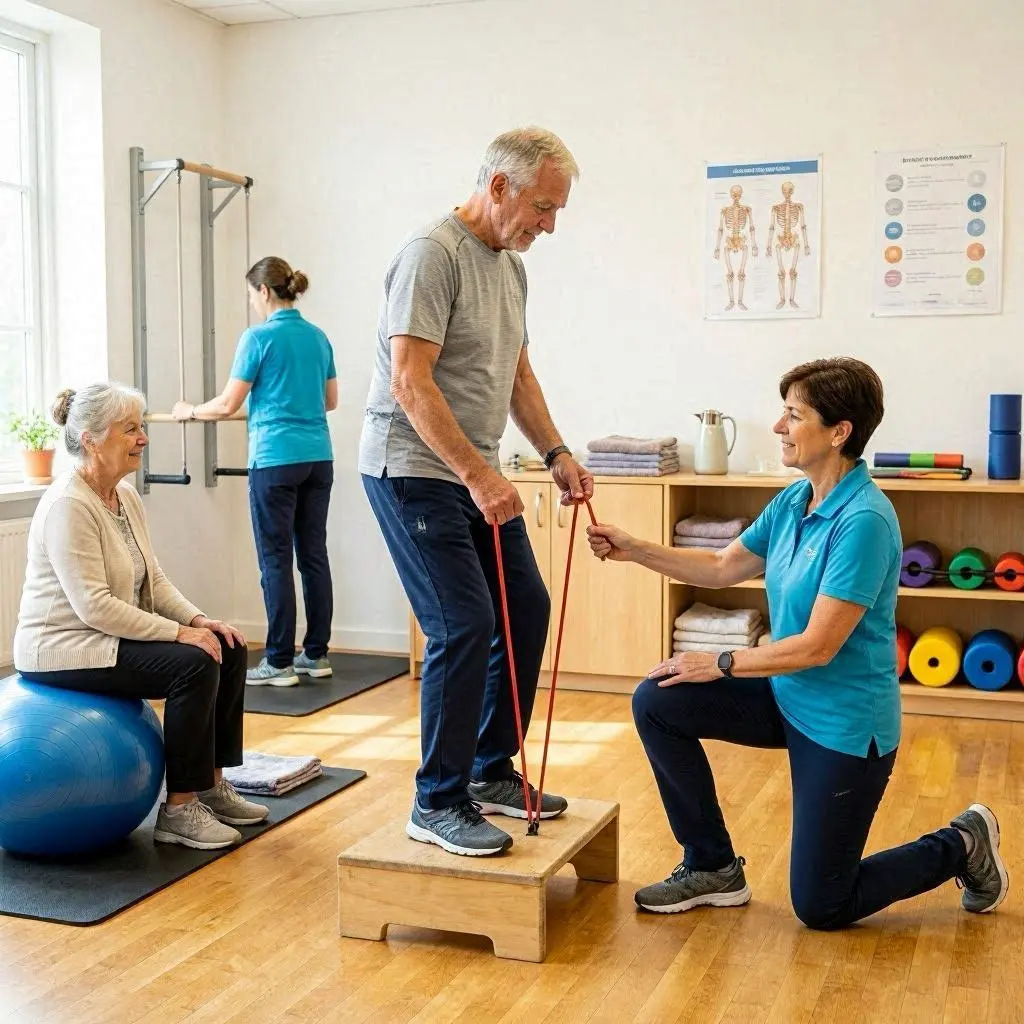
Older adults may benefit from exercises that address:
Leg strength
Balance
Mobility
Coordination
Walking
Functional independence
Exercises can be adapted to the person’s physical abilities.
For example, a program may begin with supported standing exercises before progressing to dynamic balance and functional activities.
Neurological Movement Rehabilitation
Neurological conditions can affect movement in complex ways.
Physiotherapy may address:
Balance
Walking
Coordination
Strength
Transfers
Functional movement
Treatment should be individualized according to the person’s diagnosis and abilities.
Repetitive, task-specific practice may be used when appropriate.
Movement Optimization and Chronic Pain (Physiotherapy for Movement Optimization)
Persistent pain can influence movement and physical activity.
Some people may avoid certain movements because they are concerned about increasing symptoms.
Physiotherapy can use gradual exposure to appropriate physical activity, strength training, mobility exercises, and education to help individuals improve physical confidence and function.
The goal is not to promise that every chronic pain condition can be eliminated. Instead, rehabilitation may focus on improving movement capacity and quality of life.
The Importance of Progressive Loading
The body adapts to physical demands.
If an exercise program remains too easy, it may not provide enough stimulus to improve strength or endurance. Conversely, increasing physical demands too quickly can increase symptoms or exceed current capacity.
Progression can involve:
More repetitions
Greater resistance
Longer exercise duration
Increased movement range
More complex movements
Faster movement
Sport-specific demands
Progress should be individualized.
Movement Quality and Exercise Technique (Physiotherapy for Movement Optimization)
Exercise technique matters, but there is not always one perfect technique for every person.
A physiotherapist may help individuals understand:
Movement control
Appropriate range
Load management
Exercise modifications
Individual limitations
The objective is to develop safe and effective movement strategies appropriate for the person’s goals.
Home Exercises for Movement Optimization
Patients may receive exercises to continue at home.
A home program may include:
Mobility drills
Strength exercises
Balance exercises
Core training
Walking
Functional movement
Consistency is important.
A practical program that fits into a person’s daily routine may be easier to maintain than a complicated program requiring extensive equipment or time.
Technology in Movement Assessment (Physiotherapy for Movement Optimization)
Modern physiotherapy clinics may use technology to provide additional information about movement.
Depending on the clinic, this may include:
Video analysis
Digital movement assessment
Balance testing
Wearable sensors
Strength testing
Technology can complement clinical assessment, but it should not replace professional evaluation and individualized decision-making.
When Should You See a Physiotherapist?
A physiotherapy assessment may be useful if you experience:
Reduced mobility
Persistent pain
Muscle weakness
Balance problems
Recurrent injuries
Difficulty exercising
Reduced sports performance
Difficulty returning to activity
Changes in walking
Movement-related limitations
A physiotherapist can determine whether rehabilitation, exercise, or further medical assessment is appropriate.
Warning Signs Requiring Medical Attention
Some symptoms require urgent medical attention rather than routine movement training.
Seek immediate medical evaluation for:
Sudden weakness
Sudden numbness
Loss of coordination
Severe pain after major trauma
Loss of bowel or bladder control
Chest pain
Difficulty breathing
Sudden vision or speech changes
Loss of consciousness
These symptoms may indicate a serious medical condition.
Creating a Personalized Movement Optimization Program
A personalized program should be based on assessment rather than a generic list of exercises.
A physiotherapist may consider:
Current physical condition
Previous injuries
Mobility
Strength
Work demands
Exercise experience
Sporting goals
Lifestyle
Personal preferences
The program can then be adjusted as the person develops greater physical capacity.
Measuring Progress
Movement optimization should be measurable whenever possible.
Progress may be assessed through:
Increased strength
Greater mobility
Improved balance
Better exercise tolerance
Improved walking
Increased functional ability
Return to sport
Reduced movement limitations
Progress is not always linear. Recovery and physical adaptation can vary from week to week.
Conclusion (Physiotherapy for Movement Optimization)
Physiotherapy for Movement Optimization provides a personalized approach to improving the way people move, exercise, work, and participate in everyday activities. It combines movement assessment with strength training, mobility exercises, balance work, coordination training, functional rehabilitation, and education.
The goal is not to force everyone into the same movement pattern. Instead, physiotherapy aims to understand an individual’s physical capabilities and limitations and develop strategies that support efficient, controlled, and sustainable movement.
Movement optimization can be useful for athletes, office workers, older adults, people recovering from injury or surgery, and anyone experiencing physical limitations. A comprehensive program can address strength, mobility, balance, flexibility, endurance, and movement confidence.
Long-term results depend on consistent practice and appropriate progression. By gradually building physical capacity and adapting exercises to individual needs, physiotherapy can help people move more confidently and effectively while supporting their goals in everyday life, work, exercise, and sport.