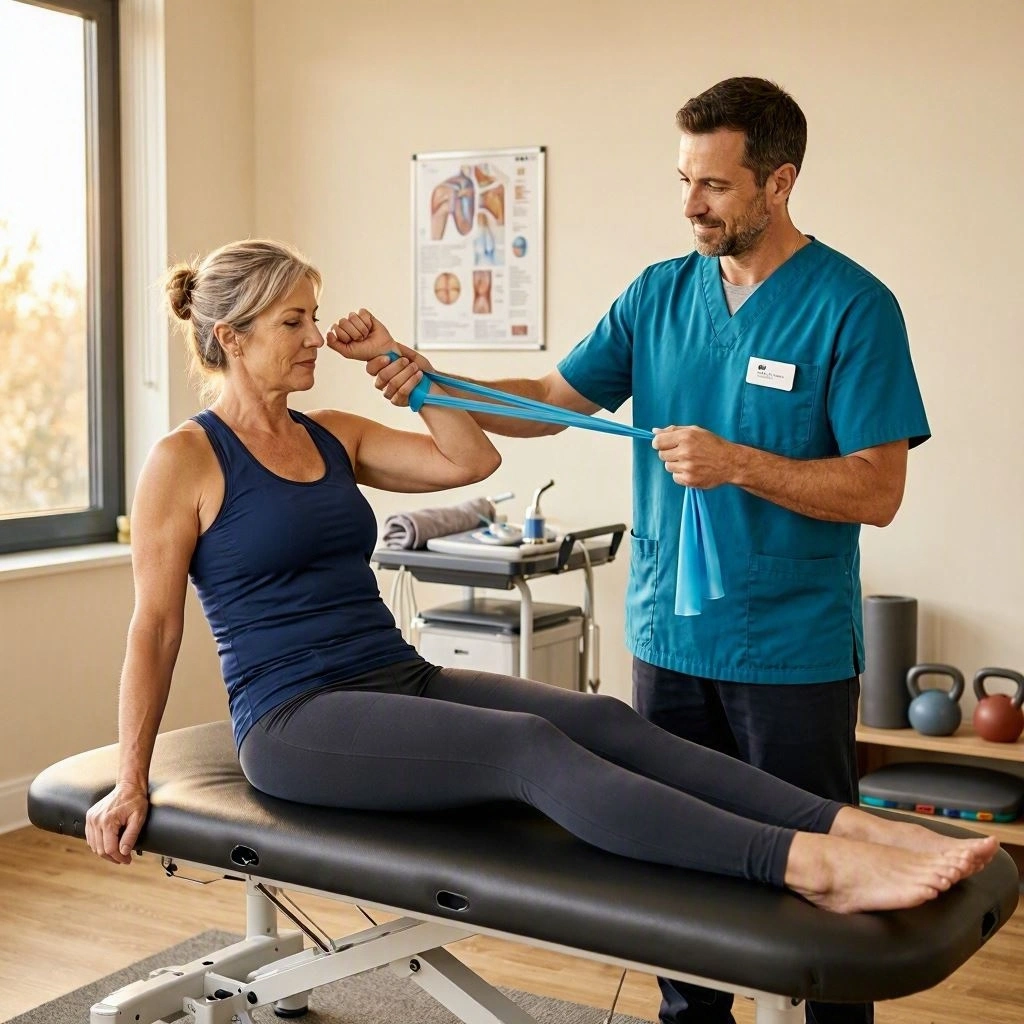
Specialized Physiotherapy: A Complete Guide to Personalized Rehabilitation and Physical Recovery
Specialized physiotherapy provides targeted rehabilitation for people experiencing specific injuries, physical limitations, pain conditions, movement problems, or performance-related challenges. While general physiotherapy can address a wide range of conditions, specialized physiotherapy focuses on adapting assessment and treatment strategies to the individual’s diagnosis, physical requirements, lifestyle, and recovery goals.
Every person’s body and rehabilitation needs are different. A professional athlete recovering from an injury may require a highly demanding return-to-sport program, while an older adult may need balance and strength training to maintain independence. Someone recovering from surgery may require carefully controlled mobility and strengthening, while a person with persistent pain may benefit from education, gradual exercise, and functional rehabilitation.
The purpose of specialized physiotherapy is to provide focused care while maintaining a comprehensive view of the individual’s overall physical function.
What Is Specialized Physiotherapy?
Specialized physiotherapy is a targeted approach to physical rehabilitation that focuses on specific conditions, populations, or physical goals.
Depending on the clinic and physiotherapist’s area of expertise, specialized physiotherapy may include:
Sports rehabilitation
Orthopedic physiotherapy
Neurological rehabilitation
Pediatric physiotherapy
Geriatric physiotherapy
Postoperative rehabilitation
Musculoskeletal physiotherapy
Balance rehabilitation
Women’s health physiotherapy
Chronic pain rehabilitation
The treatment approach depends on the individual’s needs rather than simply applying the same exercises to everyone with a similar diagnosis.
Why Choose Specialized Physiotherapy?
Some physical conditions require more specific assessment and rehabilitation strategies.
For example, rehabilitation after an ACL injury involves different physical requirements from rehabilitation after a shoulder operation. Similarly, neurological rehabilitation may require a different approach from treatment for a simple muscle strain.
Specialized physiotherapy allows treatment to focus on:
The specific condition
Physical limitations
Functional goals
Activity requirements
Recovery stage
Individual preferences
This can make rehabilitation more relevant to the person’s everyday needs.
The Importance of a Detailed Assessment
A specialized treatment program begins with an appropriate assessment.
A physiotherapist may evaluate:
Medical history
Previous injuries
Pain
Joint mobility
Muscle strength
Flexibility
Balance
Coordination
Movement patterns
Functional ability
Exercise tolerance
The assessment helps identify physical limitations and establishes a baseline for measuring progress.
For example, an athlete may require testing of strength, jumping, balance, and running, while an older adult may need assessment of walking, transfers, and fall risk.
Personalized Treatment Planning
One of the defining features of specialized physiotherapy is personalization.
Two people with the same diagnosis may have different symptoms, physical abilities, lifestyles, and goals.
A treatment plan may therefore be influenced by:
Age
Fitness level
Occupation
Sports participation
Previous injuries
Medical conditions
Daily activities
Personal goals
The physiotherapist can modify the program as the individual’s condition changes.
Specialized Physiotherapy for Sports Injuries
Sports rehabilitation is one of the most common areas of specialized physiotherapy.
Athletes may experience:
Muscle strains
Ligament injuries
Tendon problems
Joint injuries
Overuse conditions
Running-related injuries
Shoulder problems
Treatment may include progressive strengthening, mobility training, balance exercises, running drills, agility training, and sport-specific exercises.
The objective is to restore the physical qualities required for the athlete’s sport.
Return-to-Sport Rehabilitation
Returning to sport involves more than simply reducing pain.
An athlete may need to demonstrate adequate:
Strength
Mobility
Balance
Coordination
Power
Agility
Endurance
Sport-specific movement
A specialized physiotherapy program can gradually expose the athlete to increasingly demanding activities.
For example, rehabilitation may progress from basic strengthening to jogging, running, acceleration, jumping, cutting, and sport-specific drills.
Specialized Physiotherapy After Surgery
Surgical procedures can temporarily affect movement, strength, and physical independence.
Specialized postoperative rehabilitation follows the requirements of the specific procedure.
Treatment may progress through:
Early Rehabilitation
The focus may be on safe movement, symptom management, and protecting healing tissues.
Strength and Mobility
As appropriate, exercises may gradually restore joint movement and muscle strength.
Functional Rehabilitation
Patients can begin practicing activities relevant to everyday life.
Return to Activity
More demanding exercises can prepare the individual for work, exercise, or sport.
The exact rehabilitation process should follow the medical team’s recommendations.
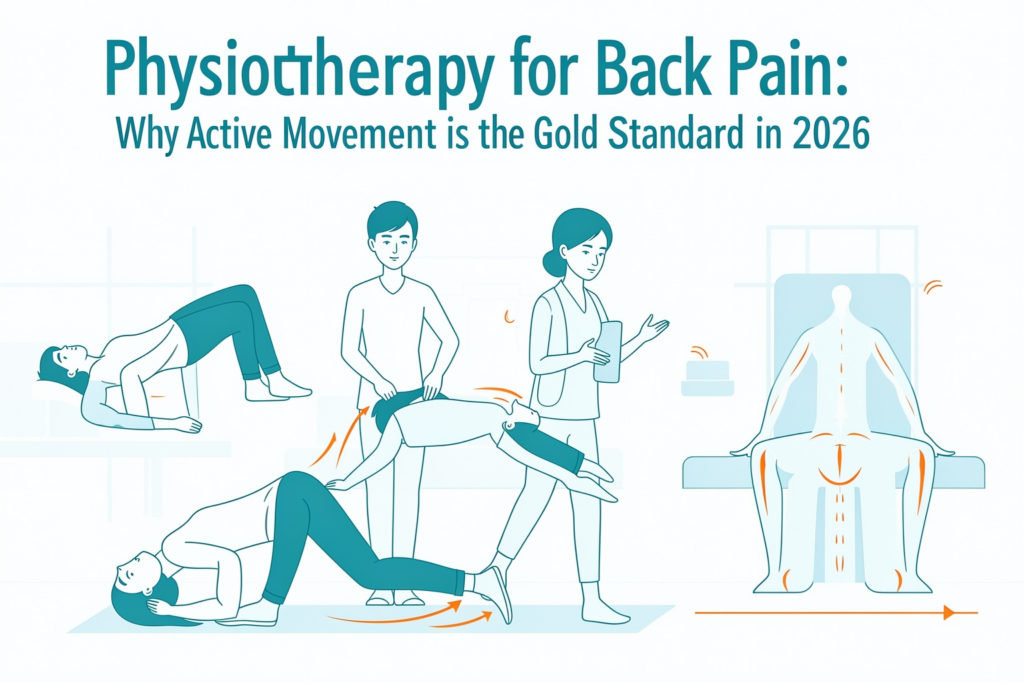
Specialized Physiotherapy for Back Pain
Back pain can have different causes and contributing factors.
A physiotherapist may assess:
Spinal movement
Hip mobility
Core strength
Lower-limb strength
Functional movement
Work activities
Exercise habits
Treatment may include therapeutic exercise, mobility training, strengthening, education, and gradual return to normal activity.
The appropriate treatment depends on the individual’s assessment rather than simply the location of pain.
Specialized Physiotherapy for Neck Pain
Neck pain can affect movement, concentration, work, exercise, and sleep.
A physiotherapy program may include:
Neck mobility exercises
Upper-back strengthening
Shoulder exercises
Postural endurance
Movement education
Ergonomic guidance
The goal is to improve physical capacity and help the individual return to comfortable daily movement.
Specialized Physiotherapy for Shoulder Problems
Shoulder conditions can affect reaching, lifting, dressing, exercise, and work.
A specialized assessment may consider:
Shoulder mobility
Rotator cuff strength
Scapular control
Upper-back mobility
Functional movement
Rehabilitation may include progressive resistance exercises and functional activities.
The program can be modified according to symptoms and recovery stage.
Specialized Physiotherapy for Knee Problems
Knee problems are common among athletes and the general population.
Conditions may involve:
Ligament injuries
Meniscus problems
Tendon conditions
Osteoarthritis
Postoperative recovery
Physiotherapy may focus on:
Quadriceps strength
Hip strength
Knee mobility
Balance
Functional movement
Walking
Sport-specific training
The goal is to improve physical function while respecting the individual’s condition.
Neurological Physiotherapy
Neurological rehabilitation is a specialized area that focuses on movement and functional problems associated with neurological conditions.
These conditions can affect:
Strength
Coordination
Balance
Walking
Muscle control
Functional independence
Treatment may include repetitive movement practice, balance training, gait rehabilitation, strengthening, and functional activities.
The program should be adapted to the individual’s diagnosis, abilities, and goals.
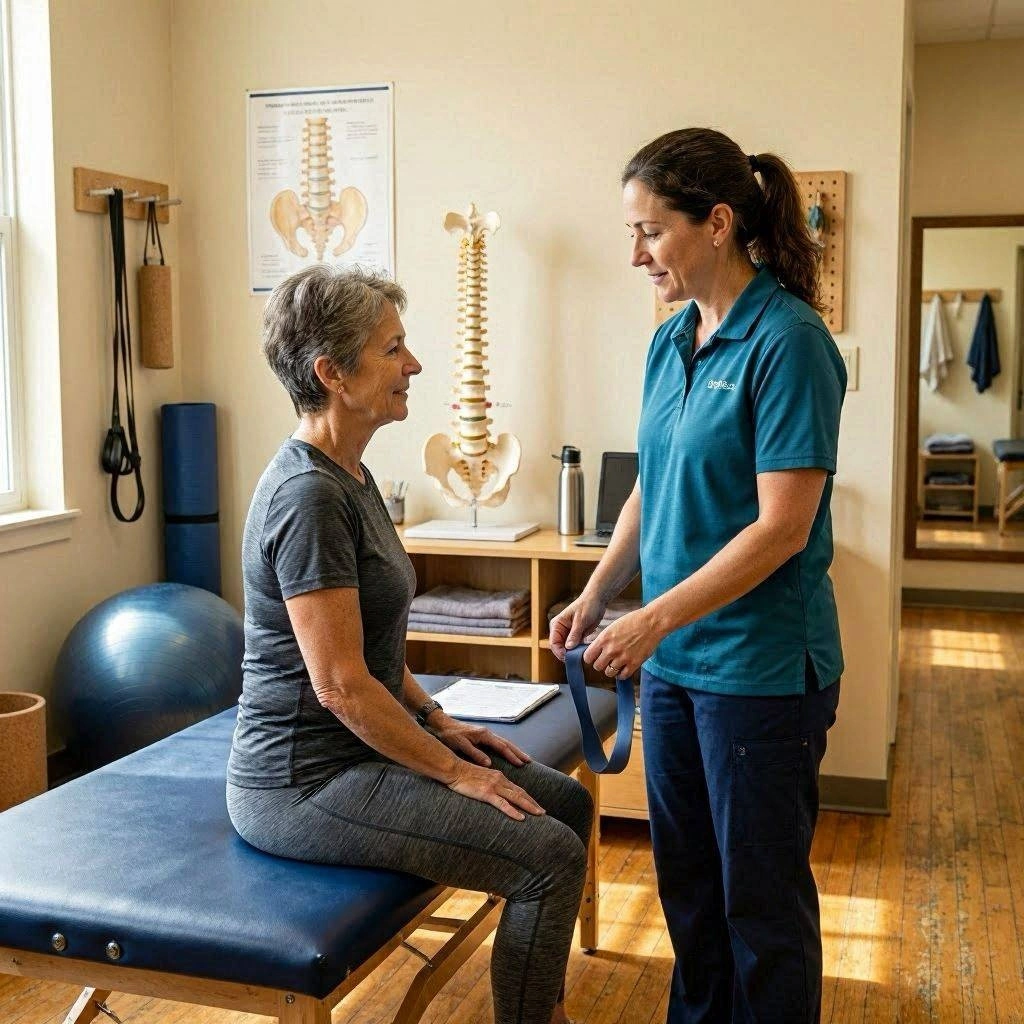
Specialized Physiotherapy for Older Adults
Older adults may experience changes in strength, balance, mobility, and endurance.
Specialized physiotherapy can support:
Functional independence
Walking
Balance
Strength
Mobility
Fall prevention
Exercises can be adjusted according to the individual’s fitness and health status.
A program might begin with supported exercises and gradually progress toward more challenging functional activities.
Balance Rehabilitation
Balance problems can increase the risk of falls and reduce confidence.
A specialized physiotherapy program may include:
Weight shifting
Supported standing
Single-leg balance
Stepping exercises
Walking drills
Dynamic balance activities
Exercises are progressively adjusted as balance improves.
Gait Rehabilitation
Changes in walking can occur following injury, surgery, neurological conditions, or prolonged inactivity.
A physiotherapist may assess:
Walking speed
Step length
Foot placement
Balance
Lower-limb strength
Coordination
Gait rehabilitation can help individuals improve walking ability and confidence.
Pediatric Physiotherapy
Children may require specialized physiotherapy for developmental, neurological, orthopedic, or movement-related conditions.
Treatment should be age-appropriate and engaging.
Depending on the child’s needs, physiotherapy may address:
Gross motor skills
Balance
Coordination
Strength
Mobility
Functional movement
Parents and caregivers may also receive guidance to support appropriate activity at home.
Women’s Health Physiotherapy
Women’s health physiotherapy focuses on specific physical needs that can occur during different stages of life.
Depending on professional training and scope of practice, treatment may address:
Pregnancy-related musculoskeletal problems
Postpartum rehabilitation
Pelvic floor concerns
Recovery after childbirth
Abdominal and pelvic rehabilitation
Assessment and treatment should be individualized and provided by appropriately trained professionals.
Specialized Physiotherapy for Chronic Pain
Persistent pain can affect movement, physical activity, sleep, work, and quality of life.
Physiotherapy may combine:
Education
Gradual exercise
Strength training
Mobility exercises
Functional rehabilitation
Activity management
The goal is to improve physical capacity and participation while helping individuals develop strategies for managing their condition.
Treatment should avoid unrealistic promises about completely eliminating chronic pain.
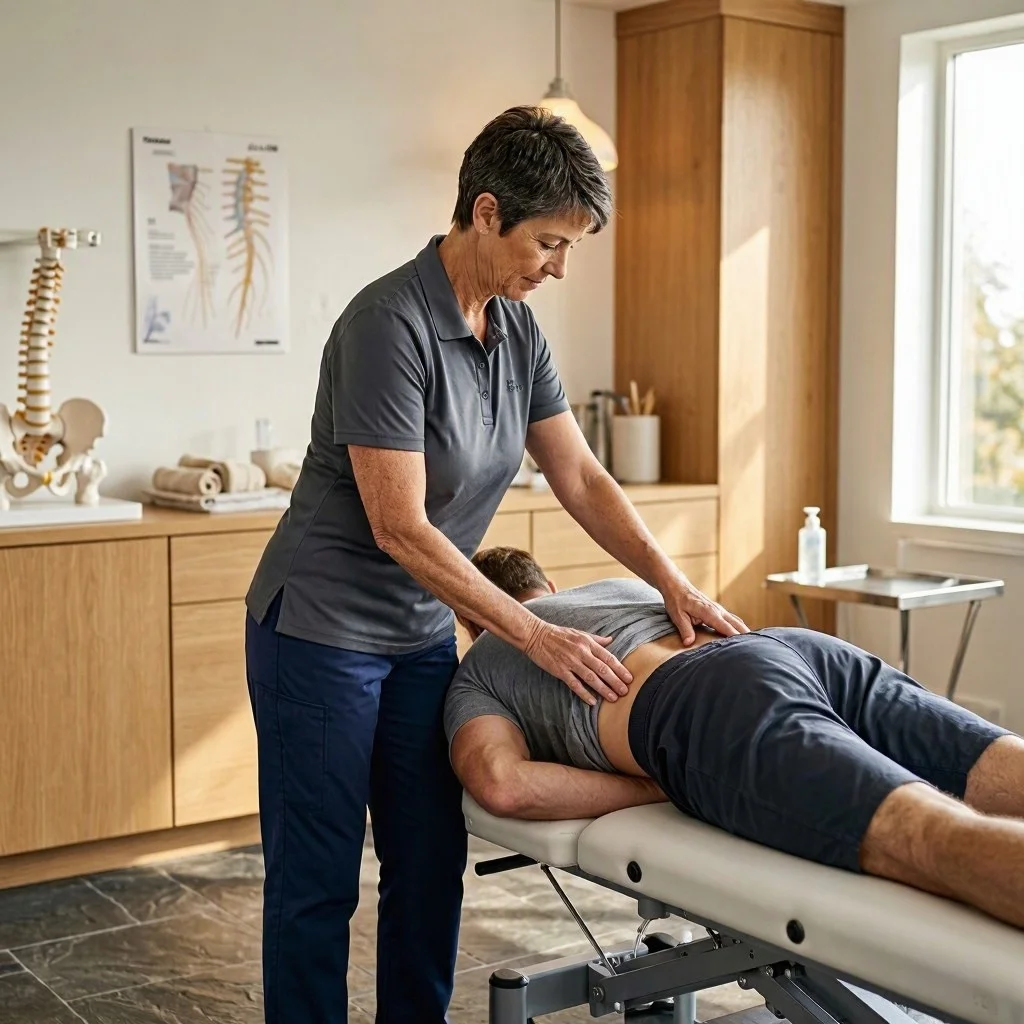
Manual Therapy in Specialized Physiotherapy
Manual therapy may be included when appropriate.
Techniques can address:
Joint mobility
Soft-tissue restrictions
Muscle tension
Movement limitations
Manual therapy is generally most useful as part of a broader treatment strategy.
Active rehabilitation helps patients develop strength, mobility, and physical capacity that can support long-term function.
Therapeutic Exercise
Exercise is a central component of many specialized physiotherapy programs.
Exercises can improve:
Strength
Mobility
Flexibility
Balance
Endurance
Coordination
Functional capacity
Exercise selection should match the individual’s condition.
Progression may involve increasing resistance, repetitions, movement complexity, duration, or functional demands.
Movement Retraining
Injury or illness can change the way a person moves.
Movement retraining involves practicing specific activities to improve control and confidence.
Examples include:
Squatting
Walking
Lifting
Reaching
Running
Jumping
Landing
The goal is to develop movement strategies appropriate for the individual’s physical demands.
Core Stability Rehabilitation
Core stability can contribute to effective movement and trunk control.
Exercises may include:
Bridges
Bird dogs
Planks
Side planks
Dead bugs
Functional stabilization
Core training should be combined with broader strength and functional rehabilitation rather than treated as a universal solution for every physical problem.
Mobility and Flexibility Training
Mobility restrictions can affect physical performance and everyday movement.
A physiotherapist may prescribe exercises targeting:
Hips
Ankles
Knees
Spine
Shoulders
Stretching and mobility work should be appropriate for the individual’s condition and should not unnecessarily stress healing tissues.
Injury Prevention Programs
Specialized physiotherapy may also include injury-prevention strategies.
These can involve:
Strength training
Balance exercises
Mobility work
Movement education
Workload management
Sport-specific conditioning
No program can guarantee complete injury prevention, but appropriate physical preparation may help individuals better tolerate their activity demands.
Technology in Specialized Physiotherapy
Modern physiotherapy clinics may use technology to support assessment and rehabilitation.
Depending on the clinic, this may include:
Digital movement analysis
Video assessment
Strength testing
Balance platforms
Wearable technology
Exercise monitoring
Technology can provide useful information, but clinical judgment remains important when interpreting results and designing treatment.
Home Rehabilitation
Rehabilitation continues outside the clinic.
A physiotherapist may provide a home exercise program containing:
Strength exercises
Mobility drills
Balance activities
Functional exercises
Walking
Stretching
A successful home program should be realistic and fit the individual’s daily routine.
Consistency is often more useful than performing a complex routine irregularly.
Monitoring Rehabilitation Progress
Specialized physiotherapy should be adjusted as the patient progresses.
Progress may be measured through:
Strength improvements
Increased mobility
Better balance
Improved walking
Increased exercise tolerance
Improved functional ability
Return to work
Return to sport
Regular reassessment allows the physiotherapist to modify the program.
How Long Does Specialized Physiotherapy Take?
The duration of treatment varies considerably.
Factors include:
Type of condition
Severity
Age
General health
Previous injuries
Physical activity
Treatment consistency
Recovery capacity
Functional goals
Some minor conditions may improve within several weeks, while complex injuries or chronic conditions may require longer-term rehabilitation.
There is no universal treatment timeline.
Choosing a Specialized Physiotherapist
When seeking specialized care, consider whether the physiotherapist has relevant training and experience with your condition.
You may want to ask about:
Their area of specialization
Experience with similar conditions
Assessment methods
Rehabilitation approach
Exercise programs
Communication with other healthcare professionals
Choosing a practitioner with relevant expertise can help ensure that the rehabilitation program matches your needs.
When Should You See a Physiotherapist?
A physiotherapy assessment may be appropriate if you have:
Persistent pain
Muscle weakness
Reduced mobility
Balance problems
Difficulty walking
Recurrent injuries
Difficulty exercising
Problems returning to work
Problems returning to sport
Reduced physical independence
A physiotherapist can determine whether treatment is appropriate or whether further medical evaluation is necessary.
Warning Signs Requiring Medical Attention
Certain symptoms should receive urgent medical attention rather than routine physiotherapy.
These include:
Sudden weakness
Sudden numbness
Severe pain following major trauma
Loss of bowel or bladder control
Chest pain
Difficulty breathing
Sudden vision or speech changes
Loss of consciousness
Significant neurological changes
These symptoms may indicate a serious medical condition.
Long-Term Benefits of Specialized Rehabilitation
A successful rehabilitation program should ideally provide benefits that extend beyond the treatment period.
Maintaining physical activity can help preserve:
Strength
Mobility
Balance
Endurance
Functional capacity
Patients may continue selected exercises after completing formal physiotherapy.
Long-term exercise should be appropriate for the individual’s health, abilities, and goals.
Conclusion
Specialized physiotherapy provides focused, individualized rehabilitation for people with specific injuries, conditions, movement limitations, or performance goals. Rather than relying on a one-size-fits-all approach, specialized treatment considers the individual’s diagnosis, physical abilities, lifestyle, activity demands, and personal objectives.
Depending on the area of care, specialized physiotherapy may involve sports rehabilitation, orthopedic treatment, neurological rehabilitation, pediatric care, postoperative recovery, balance training, chronic pain management, or mobility rehabilitation.
Therapeutic exercise remains an important part of many programs, while mobility training, strength development, functional rehabilitation, balance exercises, movement retraining, and manual therapy may also be incorporated when appropriate.
The rehabilitation process should be progressive and regularly reassessed. As physical capacity improves, exercises can become more challenging and increasingly specific to the individual’s goals.
Whether the objective is returning to sport, recovering after surgery, improving mobility, managing a chronic condition, or maintaining independence, specialized physiotherapy can provide a structured pathway toward better physical function.
The most effective rehabilitation is not necessarily the most complicated. It is the program that is appropriate for the individual’s condition, achievable within their lifestyle, and progressively adapted as their physical abilities change.