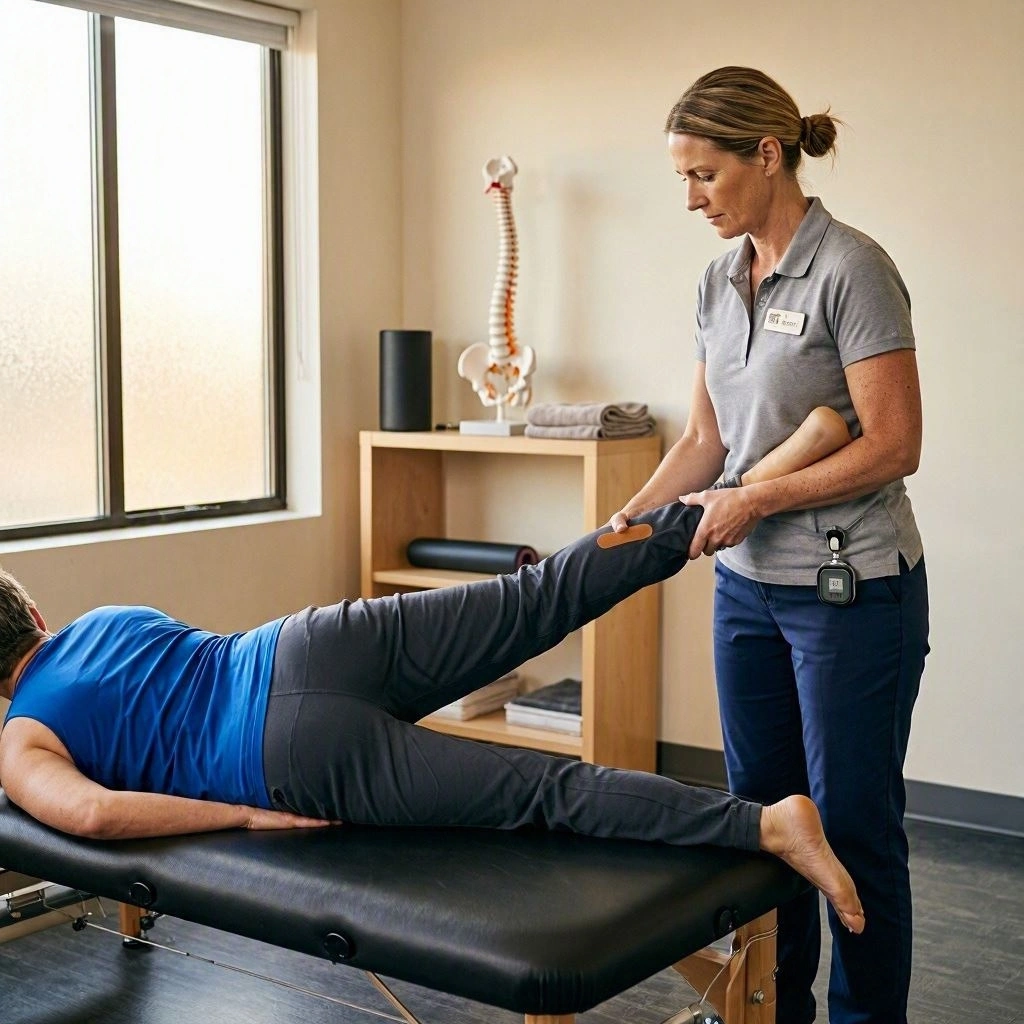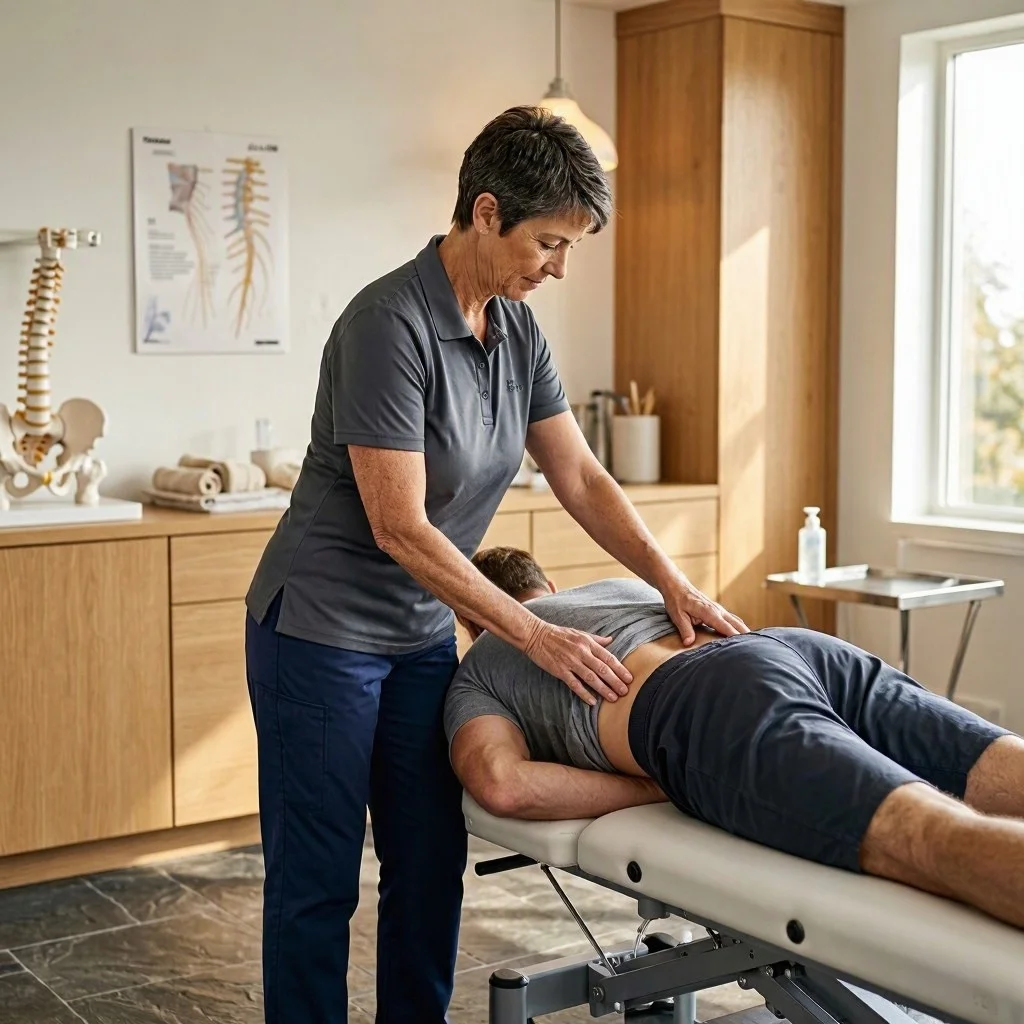
Chiropractor for Sciatica: Treatment Options, Benefits, and Recovery
Sciatica can cause pain that travels from the lower back or buttock down the leg, making it difficult to sit comfortably, walk, sleep, or complete everyday tasks. For people experiencing these symptoms, finding an appropriate treatment can be an important step toward regaining mobility and returning to normal activities. A chiropractor for sciatica may assess spinal movement, identify functional limitations, and discuss whether selected manual techniques could be appropriate as part of a broader treatment plan. Chiropractic care may include spinal mobilisation, carefully selected manipulation, movement advice, and exercise-based rehabilitation. However, the most suitable approach depends on the cause of the symptoms, their severity, and the person’s medical history.
Sciatica does not always require surgery, and many people improve with conservative management. Nevertheless, chiropractic adjustments are not appropriate for every case, and no treatment can guarantee that a compressed or irritated nerve will recover immediately. A proper assessment is essential before deciding which treatment options to consider.
This guide explains what sciatica is, how chiropractic care may fit into treatment, which alternatives are available, what recovery can involve, and when urgent medical attention is necessary.
What Is Sciatica?
Sciatica describes pain and other symptoms associated with irritation or compression of the nerve roots that contribute to the sciatic nerve. These nerve roots originate in the lower spine and combine to form a large nerve that travels through the buttock and down each leg.
When a nerve root becomes irritated, symptoms may extend beyond the lower back. A person may experience discomfort in the buttock, thigh, calf, or foot, even when the underlying problem is located near the lumbar spine.
Common symptoms include:
- Sharp, shooting, or electric-like pain travelling down the leg.
- Burning or aching discomfort in the buttock or thigh.
- Tingling or pins and needles in the leg or foot.
- Numbness in part of the lower limb.
- Muscle weakness that affects walking or foot movement.
- Symptoms that become worse during particular movements or positions.
Sciatica usually affects one side of the body, although the pattern varies. Some people have substantial leg pain with relatively little back pain, while others experience discomfort in both areas.
It is important to understand that sciatica is a description of symptoms rather than a single diagnosis. A healthcare professional may need to identify the underlying cause before recommending treatment.
What Causes Sciatica?
Several conditions can irritate the nerve roots associated with sciatica. Understanding the likely cause helps determine whether chiropractic care is suitable or whether another form of treatment should take priority.
1. Herniated or Bulging Disc (Chiropractor for Sciatica)
The spinal discs sit between the vertebrae and help distribute loads during movement. When disc material protrudes or herniates, it may irritate or compress a nearby nerve root.
This can produce pain that travels down the leg, sometimes accompanied by tingling, numbness, or weakness.
A disc abnormality on an MRI does not automatically mean that it is responsible for the symptoms. Imaging findings must be interpreted alongside the clinical assessment.
2. Age-Related Spinal Changes
Changes in the spinal joints and discs can develop over time. In some people, these changes contribute to narrowing around the nerve roots.
However, age-related changes are common in people without pain. A clinician must consider the person’s symptoms and examination findings rather than assuming that every structural change needs treatment.
3. Spinal Canal or Nerve Opening Narrowing
Spinal stenosis refers to narrowing within the spinal canal or other spaces through which nerves travel. When this affects relevant nerve structures, it may cause pain, numbness, or weakness.
Some people with lumbar spinal stenosis experience symptoms that worsen during standing or walking and improve when sitting or leaning forward.
Significant stenosis or neurological symptoms may require medical assessment before manual treatment is considered.
4. Other Causes of Leg Pain
Not every pain travelling down the leg originates from the sciatic nerve. Hip disorders, muscular conditions, peripheral nerve problems, and vascular conditions can sometimes produce similar symptoms.
A careful examination helps distinguish between these possibilities and identify when additional testing or referral is necessary.
What Does a Chiropractor Do for Sciatica? (Chiropractor for Sciatica)
A chiropractor assesses the relationship between spinal and joint movement, symptoms, and everyday function. Depending on the clinical findings, treatment may include education, selected manual techniques, and advice about movement or exercise.
Chiropractic care should not be presented as a guaranteed way to reposition a disc, permanently realign the spine, or eliminate nerve compression. The aim is to select appropriate approaches that may help manage symptoms and improve function.
Initial Assessment
Before recommending treatment, a chiropractor should review the patient’s symptoms, medical history, and functional limitations.
The assessment may cover:
- Where the pain begins and how far it travels.
- Whether numbness, tingling, or weakness is present.
- Which movements and positions aggravate or relieve symptoms.
- Walking ability and balance.
- Lower-back and hip movement.
- Leg strength, sensation, and relevant neurological signs.
- Previous injuries, treatment, and relevant medical conditions.
The practitioner should also screen for warning signs that may indicate a serious spinal or non-spinal condition.
If the assessment raises concerns about progressive neurological problems, a fracture, infection, or another serious condition, referral for medical evaluation should take priority over routine chiropractic treatment.
Individualised Treatment Planning
Not everyone with sciatica needs spinal manipulation. Some patients may be better suited to exercise-based rehabilitation, activity modification, or assessment by a medical specialist.
A treatment plan should explain the proposed approach, its potential benefits and limitations, the risks, and any alternatives. Patients should be able to ask questions and decline a technique they do not wish to receive.
Can a Chiropractor Help With Sciatica?
Chiropractic treatment may be considered as part of conservative care for selected people with low-back pain and sciatica. However, the evidence for manual therapies varies, and the response depends on the individual and the underlying condition.
The NICE guideline for low-back pain and sciatica recommends considering manual therapy, including spinal manipulation, mobilisation, or soft-tissue techniques, only as part of a treatment package that includes exercise, with or without psychological therapy. This means manual treatment should not be the sole focus of rehabilitation.
Potential goals may include:
- Improving tolerance for everyday movement.
- Reducing discomfort for some patients.
- Addressing selected movement restrictions.
- Supporting participation in an exercise programme.
- Helping patients return gradually to normal activities.
These are treatment goals, not guaranteed outcomes. Chiropractic care cannot be assumed to remove a herniated disc, reverse spinal stenosis, or prevent every future episode of sciatica.
For many patients, education, regular activity, and an appropriate exercise programme are central parts of management.
Chiropractic Treatments That May Be Considered
The techniques used should be selected after assessment. Different approaches have different purposes, and not every technique is appropriate for every patient.
1. Spinal Mobilisation (Chiropractor for Sciatica)
Spinal mobilisation involves controlled, usually lower-velocity movements applied to spinal joints within a selected range.
A practitioner may consider mobilisation when the patient’s symptoms and examination suggest that it is appropriate.
The technique should be comfortable enough to tolerate and should be modified or stopped if symptoms worsen. Mobilisation does not guarantee that nerve compression will be relieved.
2. Spinal Manipulation
Spinal manipulation involves a controlled manual force applied to a joint. Some techniques include a quick movement, sometimes accompanied by a clicking sound.
A joint sound does not mean that a disc has returned to its original position or that a nerve has been released. The sound itself is not a reliable measure of treatment success.
Manipulation is not suitable for every person with sciatica. A practitioner should consider the likely diagnosis, neurological findings, medical history, contraindications, and available alternatives before recommending it.
Patients should be informed about potential adverse effects and should never be pressured into receiving spinal manipulation.
3. Soft-Tissue Techniques
Soft-tissue techniques may be used to address muscle tension or discomfort around the lower back and hip region.
These approaches may provide temporary relief for some patients, but they do not directly repair a damaged disc or guarantee recovery of an irritated nerve.
They are best considered as supportive options within a broader treatment plan when clinically appropriate.
4. Movement and Activity Advice (Chiropractor for Sciatica)
A chiropractor may provide guidance about comfortable movement, lifting, sitting, and returning to daily tasks.
The goal is not to teach patients to avoid all spinal movement. Instead, advice should help them remain appropriately active while adjusting tasks that consistently aggravate their symptoms.
5. Exercise Recommendations
Exercise may include walking, gentle mobility, strengthening, or other movements selected according to the assessment.
A useful programme should be adapted as symptoms and functional ability change. If an exercise causes increasing radiating pain, new numbness, or worsening weakness, it should be stopped and reassessed.
Chiropractic Care Versus Physiotherapy for Sciatica
Chiropractic care and physiotherapy may overlap in their use of education, exercise, movement assessment, and selected manual techniques. However, the specific approach depends on the practitioner, clinical findings, and treatment plan.
Chiropractic Care
A chiropractor may focus on spinal and joint assessment, selected manual techniques, movement advice, and exercise recommendations.
Manual therapy may be considered when it is appropriate, but it should not be presented as a universal solution for sciatic nerve symptoms.
Physiotherapy
Physiotherapy commonly focuses on improving movement, strength, endurance, and functional capacity. Treatment may include an individualised exercise programme, activity modification, education, and selected manual techniques.
For people whose symptoms limit walking, sitting, or everyday activity, physiotherapy can help establish a gradual plan for rebuilding function.
You can learn more about Ritz Clinics physiotherapy services, which may be relevant when considering an exercise-based rehabilitation approach.
Which Option Is Better?
There is no single answer for every patient. The appropriate choice depends on the diagnosis, symptom severity, treatment preferences, risk factors, and goals.
For some people, an exercise-focused programme may be sufficient. Others may prefer to consider selected manual therapy as part of rehabilitation. Some need medical assessment before either approach is appropriate.
A good treatment plan should be based on clinical findings and realistic expectations rather than a promise that one profession or technique can cure all cases of sciatica.
What Happens During a Chiropractic Appointment?
Knowing what to expect may help patients make informed decisions about care.
Step 1: Discuss Your Symptoms
The practitioner should ask about the onset of pain, its location, how far it travels, and whether symptoms include tingling, numbness, or weakness.
You should also mention previous spinal problems, recent injuries, relevant medical conditions, and any changes in bladder or bowel function.
Step 2: Complete a Physical Assessment
The practitioner may assess movement, walking, strength, sensation, and other relevant clinical signs. The purpose is to understand the problem and identify any reasons to avoid manual treatment.
If your symptoms suggest a serious neurological or medical condition, further medical evaluation may be necessary.
Step 3: Discuss Treatment Options (Chiropractor for Sciatica)
The practitioner should explain what they recommend and why. This discussion may include the potential role of manual therapy, exercise, activity modification, or referral to another healthcare professional.
You should understand the expected benefits, limitations, possible risks, and alternatives before deciding whether to proceed.
Step 4: Review Your Response (Chiropractor for Sciatica)
Symptoms and function should be reassessed over time. If treatment does not improve your condition, or if new symptoms develop, the plan should be reviewed.
Continuing the same treatment indefinitely without reassessing progress is not an appropriate substitute for clinical decision-making.
Exercises and Daily Activities for Sciatica (Chiropractor for Sciatica)
Exercise selection should reflect the cause and severity of the symptoms. A movement that helps one person may aggravate another, so the following examples are general starting points rather than a personalised programme.
1. Short Walks
Walking can help maintain general activity when it is tolerated.
Begin with a short walk on a flat surface. Stop before symptoms become difficult to manage and increase the duration gradually if your response remains acceptable.
If walking causes progressive weakness, severe pain, or new neurological symptoms, stop and seek medical advice.
2. Comfortable Position Changes
If sitting or standing for long periods aggravates symptoms, try changing positions regularly.
For example, you may alternate between sitting, standing, and brief walks during the day. The goal is to find a manageable balance rather than maintaining one supposedly perfect posture.
3. Gentle Trunk Movement
Some people tolerate small, controlled lower-back movements, while others find particular directions aggravating.
A physiotherapist can help identify which movements are suitable for your symptoms. Do not force repeated bending, twisting, or stretching when these movements increase pain travelling down the leg.
4. Gradual Strengthening
When symptoms permit, rehabilitation may progress to trunk, hip, and lower-limb strengthening exercises.
The programme should start at an appropriate level and become more challenging gradually. The aim is to restore the ability to perform everyday activities, not to push through severe pain.
5. Individualised Nerve-Mobility Exercises
In selected cases, a physiotherapist may recommend nerve-mobility exercises. These movements should be performed gently and should not be treated as forceful stretches.
If an exercise produces increasing tingling, numbness, or radiating pain, stop and seek advice before continuing.
What Should You Avoid With Sciatica?
Not every person with sciatica needs to avoid the same activities. However, several precautions are useful.
Avoid Forceful Treatment Without Proper Assessment
High-force spinal manipulation is not appropriate for every patient. Particular caution is needed when there is significant neurological weakness, suspected fracture, severe osteoporosis, certain spinal conditions, or other relevant medical risks.
Discuss your medical history and symptoms before treatment.
Avoid Prolonged Inactivity
Extended bed rest is generally not the preferred approach for uncomplicated sciatica. When medically appropriate, continuing comfortable daily activities may help preserve function.
If movement is severely limited, a healthcare professional can help determine how to remain active safely.
Avoid Exercises That Repeatedly Worsen Symptoms (Chiropractor for Sciatica)
Do not force a stretch or exercise that makes pain travel farther down the leg or causes new neurological symptoms.
An exercise programme should be adjusted according to your response.
Avoid Assuming Every Symptom Is Sciatica
Leg pain can have several causes. If symptoms change, spread in an unexpected pattern, or are accompanied by swelling or other concerning signs, seek medical evaluation rather than assuming the original diagnosis remains correct.
How Long Does Sciatica Recovery Take?
Recovery varies depending on the underlying cause, the severity of nerve irritation, general health, and the person’s activity demands.
Some people improve over several weeks with conservative management. Others experience persistent symptoms and need additional assessment or treatment.
A chiropractor or physiotherapist should not promise a specific recovery date without considering the individual circumstances.
Useful signs of progress may include:
- Walking for longer with manageable symptoms.
- Sitting or standing more comfortably.
- Improved sleep.
- Better tolerance for everyday tasks.
- Reduced frequency or intensity of radiating pain.
- Stable or improving strength and sensation.
If symptoms are not improving, become disabling, or progressively worsen, the diagnosis and treatment plan should be reviewed. New or worsening neurological deficits need prompt medical attention.
When Is Chiropractic Treatment Not Appropriate?
A chiropractic appointment should not delay urgent assessment when symptoms suggest a serious condition.
Seek emergency medical care if you experience:
- New difficulty starting urination or inability to urinate.
- Loss of bladder or bowel control.
- New numbness around the genitals, anus, or inner thighs.
- Severe or rapidly worsening weakness in one or both legs.
- Severe back pain radiating into the leg alongside new bladder, bowel, or sexual dysfunction.
These may be warning signs of cauda equina syndrome or another serious neurological problem.
Prompt medical evaluation is also important when back pain follows major trauma, occurs with fever or significant illness, or is accompanied by other concerning symptoms.
Do not attempt to manage these symptoms with spinal adjustments, massage, or home exercises.
Frequently Asked Questions About a Chiropractor for Sciatica
1. Can a chiropractor help with sciatica?
A chiropractor may help selected patients manage symptoms as part of a broader conservative treatment plan. Manual therapy may provide relief for some people, but outcomes vary. Exercise, activity advice, and appropriate medical assessment remain important parts of care.
2. Is spinal adjustment safe for sciatica?
Safety depends on the diagnosis, medical history, neurological findings, and technique used. Spinal manipulation is not appropriate for every person with sciatica. A qualified practitioner should assess potential risks and discuss alternatives before treatment.
3. Can a chiropractor fix a herniated disc?
A chiropractic adjustment cannot be guaranteed to reverse a herniated disc or permanently remove nerve compression. Some people improve with conservative care, but the outcome depends on the underlying condition and its severity.
4. Is chiropractic care better than physiotherapy for sciatica?
Neither approach is universally better. Physiotherapy often emphasises exercise and functional rehabilitation, while chiropractic care may include manual treatment and movement advice. Both should be selected according to clinical findings and individual needs.
5. How many chiropractic sessions are needed for sciatica?
There is no fixed number that suits everyone. The appropriate duration depends on the diagnosis, symptoms, response to treatment, and functional goals. Progress should be reviewed regularly, and the plan should change if improvement is not occurring.
6. Should I get an MRI before seeing a chiropractor?
An MRI is not routinely necessary for every person with low-back pain or sciatica. Imaging may be appropriate when a specialist believes the results could change management or when concerning findings require investigation. A healthcare professional can advise whether imaging is indicated.
7. Can I exercise after chiropractic treatment?
That depends on your symptoms and the treatment provided. Comfortable walking and appropriate exercises may form part of a broader rehabilitation plan. Follow the practitioner’s guidance and stop any activity that causes significant worsening or new neurological symptoms.
8. Can sciatica go away without treatment?
Many cases improve over time, although recovery varies. Staying appropriately active and receiving guidance when needed can help people manage symptoms. Persistent or worsening symptoms should be assessed rather than ignored.
9. When should I stop chiropractic treatment?
Seek reassessment if treatment consistently worsens your symptoms, you experience new numbness or weakness, or there is no meaningful improvement. Emergency symptoms involving bladder or bowel function or saddle-area numbness require urgent medical care rather than another routine appointment.
10. Can chiropractic care prevent sciatica from returning?
No treatment can guarantee that sciatica will never recur. Maintaining general activity, building physical capacity, and learning to manage demanding tasks may support long-term function, but recurrence depends on several factors.
Final Thoughts: Choosing a Safe Approach to Sciatica Care
A chiropractor for sciatica may be one option to consider when exploring conservative care, but the right approach begins with an accurate assessment. Selected manual techniques may help some people manage symptoms, particularly when combined with exercise, education, and appropriate activity modification.
The priority should be improving function and choosing treatment that fits the underlying problem. Chiropractic adjustments should not be presented as a guaranteed cure for nerve compression, and they should not delay medical evaluation when neurological warning signs are present.
For people experiencing persistent sciatica, an integrated approach may involve physiotherapy, medical assessment, and other treatments selected according to the clinical findings. To learn more about available options, visit Ritz Clinics Sciatica Treatment and Ritz Clinics Physiotherapy.
Medical disclaimer: This article provides general educational information and is not a substitute for an individual diagnosis or treatment recommendation. Chiropractic techniques and exercises may not be suitable for every person. Seek urgent medical care for new bladder or bowel dysfunction, saddle-area numbness, or severe or progressive leg weakness.