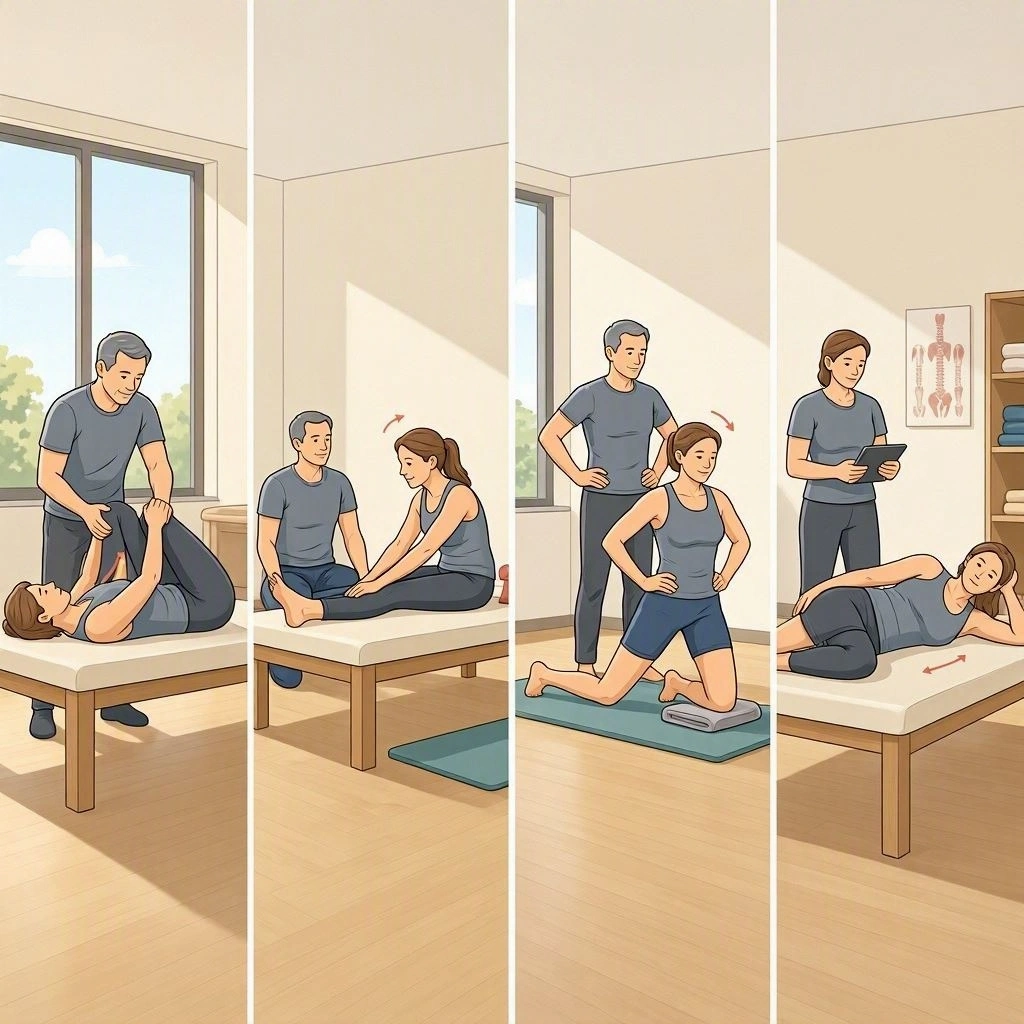
Sciatica Treatment Exercises: Complete Guide to Exercises for Sciatic Nerve Pain
Sciatica can cause pain that travels from the lower back into the buttock, thigh, calf, or foot. Along with pain, some people experience tingling, numbness, or weakness. Because these symptoms can make everyday movement uncomfortable, many people look for safe and effective Sciatica Treatment Exercises that can help them stay active and support recovery.
Exercise can play an important role in managing sciatica. However, there is no single exercise that works for everyone. The right movements depend on the cause of the symptoms, their severity, your physical condition, and how your body responds to movement. In many cases, a gradual exercise program can help maintain mobility, improve strength, increase confidence, and support a return to normal activities.
The NHS recommends staying as active as possible and trying regular exercises for sciatica rather than sitting or lying down for long periods. At the same time, exercises should be appropriate for your condition, and you should stop if an exercise causes significant pain or makes you unwell.
This guide explains useful Sciatica Treatment Exercises, how to approach exercise during different stages of recovery, which exercises may support mobility and strength, and when you should seek professional advice.
What Is Sciatica?
Sciatica describes symptoms caused by irritation or compression of the sciatic nerve or one of the nerve roots that contribute to it.
The sciatic nerve travels from the lower back through the buttocks and down the leg. Therefore, irritation can cause symptoms beyond the lower back itself.
Common symptoms include:
-
Sharp or burning pain
-
Pain traveling down one leg
-
Tingling or pins and needles
-
Numbness
-
Muscle weakness
-
Leg or foot discomfort
-
Lower back pain associated with leg symptoms
A herniated or slipped disc represents one common cause. However, spinal stenosis, spondylolisthesis, and certain injuries can also contribute to sciatic symptoms.
Because different conditions can produce similar symptoms, exercise selection should match the individual’s presentation.
Can Exercise Help Sciatica?
For many people, exercise represents an important part of sciatica management.
Exercise can help you maintain movement while gradually rebuilding strength and physical confidence. It can also help you return to normal daily activities after a painful episode.
NICE describes exercise therapy as a broad category that can include strengthening, stretching, range-of-motion exercises, motor-control exercises, aerobic activities, and mixed exercise programs. These approaches can target strength, flexibility, movement, cardiovascular fitness, functional performance, and confidence.
However, exercise should not become a competition with your pain. Instead, the goal is controlled and progressive movement.
Why Gradual Exercise Matters
When sciatica becomes painful, people often reduce their activity dramatically. Although temporary rest can sometimes feel necessary during a severe flare-up, prolonged inactivity can lead to stiffness, reduced strength, and lower physical tolerance.
Consequently, gradual movement can become an important part of recovery.
A useful principle involves starting with an amount of activity that you can tolerate and then increasing it progressively.
For example, if walking for 20 minutes increases your symptoms significantly, you may begin with shorter walks and gradually increase the duration as your tolerance improves.
South Tees Hospitals notes that there is no single best exercise for everyone with sciatica and recommends choosing tolerable activities that can be performed regularly, such as walking, swimming, gym-based activity, or a rehabilitation program.
Sciatica Treatment Exercises for the Early Stage
During the early stage of sciatica, the main goal may involve maintaining comfortable movement rather than building maximum strength.
At this stage, gentle exercises can help prevent excessive stiffness while allowing you to remain active.
Gentle Walking (Sciatica Treatment Exercises)
Walking is one of the simplest activities to introduce during sciatica recovery.
Start with a comfortable distance and maintain a natural pace. You do not need to walk quickly.
If a long walk increases your symptoms, divide your activity into several shorter walks throughout the day.
For example:
-
Walk for 5 to 10 minutes
-
Rest if necessary
-
Repeat later
-
Gradually increase duration
As your tolerance improves, you can increase the distance.
Walking also provides a simple way to maintain cardiovascular fitness while avoiding prolonged sitting.
Knee-to-Chest Movement
A gentle knee-to-chest movement may help some people maintain lower-back and hip mobility.
To perform it:
-
Lie comfortably on your back.
-
Bend your knees.
-
Slowly bring one knee toward your chest.
-
Hold the comfortable position briefly.
-
Return the leg slowly.
-
Repeat on the other side.
Do not force the movement.
Some people may find this position comfortable, while others may notice increased leg symptoms. If the movement significantly worsens your symptoms, stop and discuss alternatives with a physiotherapist.
Knee Rolls
Knee rolls can provide a gentle way to move the lower back and hips.
Lie on your back with your knees bent. Keep your shoulders relaxed while slowly allowing both knees to move toward one side.
Return to the middle and then move toward the other side.
Keep the movement controlled rather than forcing the range.
Leeds Community Healthcare includes gentle knee movements among exercises that may help maintain range of movement during recovery.
Sciatica Treatment Exercises for Mobility
Mobility exercises can help maintain movement in the hips, spine, and legs.
However, mobility work should remain comfortable and controlled.
Pelvic Tilts
Pelvic tilts can help you practice controlled movement of the pelvis and lower back.
To perform a basic pelvic tilt:
-
Lie on your back.
-
Bend your knees.
-
Keep your feet comfortably on the floor.
-
Gently tighten your abdominal muscles.
-
Slowly tilt your pelvis.
-
Hold briefly.
-
Relax and repeat.
Start with a small movement.
The purpose is not to force your spine into a large range. Instead, focus on control and comfortable movement.
Gentle Back Extension
Some people with certain patterns of back-related leg pain may find gentle extension movements comfortable. However, this exercise does not suit everyone with sciatica.
A basic version involves lying on your stomach and gently raising your upper body while allowing the hips to remain supported.
Do not automatically assume that extension is the correct direction for your symptoms.
If leg pain becomes stronger, travels farther down the leg, or neurological symptoms increase, stop and seek professional guidance.
Leeds Community Healthcare includes a gentle prone press-up movement among exercises used to help maintain movement, while also advising people not to continue exercises that significantly worsen their pain.
Sciatica Treatment Exercises for Stretching (Sciatica Treatment Exercises)
Stretching can help maintain flexibility, but aggressive stretching does not necessarily improve nerve-related symptoms.
In fact, repeatedly forcing an irritated nerve into a strong stretch may increase discomfort.
Therefore, use gentle movements and avoid bouncing.
Hamstring Stretch
Tightness around the back of the thigh can make movement feel restricted.
A gentle hamstring stretch can be performed while maintaining a comfortable position.
The stretch should feel mild rather than painful.
Do not try to push the leg into an extreme position simply because you want a deeper stretch.
Hip Flexor Stretch
The hip flexors can become stiff when you spend long periods sitting.
A gentle hip-flexor stretch may help maintain hip mobility.
However, if kneeling or lunging increases your symptoms, choose another movement or ask a physiotherapist for a suitable modification.
Gluteal Stretch
The muscles around the buttocks can become tense during episodes of back and leg pain.
A gentle gluteal stretch may help some people feel more comfortable.
Again, the goal is not to force the stretch. Move slowly and stay within a tolerable range.
Sciatic Nerve Mobility Exercises
Nerve mobility exercises differ from traditional muscle stretching.
The goal is generally to encourage controlled movement of the nerve and surrounding tissues rather than aggressively stretching the nerve.
These exercises can be useful for some people, but the correct technique and dosage matter.
A physiotherapist can determine whether nerve mobility exercises are appropriate and can teach you how to perform them safely.
If nerve symptoms become stronger, remain aggravated after exercise, or produce increased numbness or weakness, stop and seek professional advice.
Core Strengthening for Sciatica (Sciatica Treatment Exercises)
Once symptoms become more manageable, strengthening can become an important part of rehabilitation.
Core exercises target muscles around the trunk and pelvis that contribute to movement and stability.
Abdominal Bracing
Lie comfortably on your back with your knees bent.
Gently tighten the abdominal muscles without holding your breath.
Maintain the contraction for several seconds, then relax.
Repeat several times.
As you become stronger, you can progress to more challenging exercises.
Bridge Exercise
The bridge can strengthen the gluteal muscles and involve the muscles around the hips and trunk.
To perform it:
-
Lie on your back.
-
Bend your knees.
-
Place your feet on the floor.
-
Tighten your abdominal and gluteal muscles gently.
-
Raise your hips gradually.
-
Pause briefly.
-
Lower your hips with control.
Start with a small number of repetitions.
If the movement causes increased leg symptoms, stop and ask a healthcare professional whether a modification would be appropriate.
Bird-Dog Exercise
The bird-dog exercise challenges trunk control while moving the arms and legs.
Start on your hands and knees.
Then:
-
Keep your spine in a comfortable neutral position.
-
Tighten your abdominal muscles gently.
-
Slowly extend one arm.
-
If appropriate, extend the opposite leg.
-
Hold briefly.
-
Return to the starting position.
-
Repeat on the opposite side.
You do not need to raise your limbs high.
Focus on maintaining control rather than maximizing the range.
Sciatica Treatment Exercises for Hip Strength
Strong hip muscles can support functional movement during walking, climbing stairs, lifting, and other daily activities.
Useful exercises may include:
-
Glute bridges
-
Sit-to-stand exercises
-
Controlled squats
-
Side-lying leg raises
-
Step-ups
-
Hip abduction exercises
The best selection depends on your current strength and symptoms.
For someone experiencing severe sciatica, a basic sit-to-stand exercise may be more appropriate than a demanding squat program.
Therefore, progression matters more than choosing the most difficult exercise.
Sit-to-Stand Exercise
The sit-to-stand movement provides a practical way to strengthen the legs and hips.
Start from a stable chair.
-
Place your feet comfortably under your body.
-
Lean forward slightly.
-
Push through your feet.
-
Stand up.
-
Slowly sit back down.
Repeat several times.
As strength improves, you can increase repetitions or use a lower chair if appropriate.
This exercise also relates directly to everyday activities.
Squats for Sciatica Rehabilitation
Squats can become useful during later stages of rehabilitation.
However, you should first establish good movement control.
Start with a shallow squat and use a stable surface for support if necessary.
As your strength improves, gradually increase the range.
Avoid adding heavy resistance immediately after a painful episode.
The long-term goal is to rebuild your ability to perform normal movements, including bending, lifting, and squatting.
Aerobic Exercise and Sciatica
Aerobic exercise can support general health and physical endurance.
Suitable activities may include:
-
Walking
-
Swimming
-
Cycling
-
Elliptical training
-
Low-impact exercise
Not every activity will suit every person.
For example, cycling may become uncomfortable if prolonged hip flexion increases symptoms. In that case, walking or swimming may provide a better option.
NICE includes aerobic exercise such as walking and swimming among the exercise approaches considered for low back pain and sciatica.
Swimming for Sciatica (Sciatica Treatment Exercises)
Swimming can provide an effective low-impact cardiovascular activity for some people.
The water supports body weight and may make movement feel easier.
However, different swimming strokes place different demands on the back and hips.
Start with a comfortable amount of activity and monitor how your symptoms respond during and after the session.
If swimming increases leg pain or neurological symptoms, discuss alternative activities with a professional.
Yoga and Sciatica
Yoga includes many different movements, so some poses may be comfortable while others may aggravate symptoms.
Gentle yoga may help improve flexibility, body awareness, breathing, and general physical activity.
However, aggressive forward bends, deep spinal movements, or prolonged positions may not suit someone experiencing an acute flare-up.
Choose modified movements and avoid forcing your body into positions that increase symptoms.
NICE recognizes mind-body exercise, including yoga and Tai Chi, within the broader category of exercise therapies.
Pilates and Sciatica
Pilates often emphasizes trunk control, breathing, posture, and controlled movement.
A modified Pilates program may become useful during rehabilitation.
However, beginners should not automatically copy advanced Pilates exercises from videos.
A physiotherapist or qualified instructor can modify exercises based on your current ability.
Start with simple movements and progress gradually.
Exercises to Avoid During a Sciatica Flare-Up (Sciatica Treatment Exercises)
There is no universal list of exercises that every person with sciatica must avoid.
Instead, the key question involves how your symptoms respond.
You may need to temporarily reduce activities such as:
-
Heavy deadlifts
-
Heavy squats
-
High-impact jumping
-
Sprinting
-
Aggressive stretching
-
Repetitive bending
-
Heavy lifting
-
Exercises that strongly increase leg symptoms
This does not mean you can never perform these activities again.
Rather, you may need to rebuild your tolerance gradually.
How Much Should You Exercise?
Exercise dosage should depend on your symptoms and current fitness level.
During an acute episode, you may begin with very small amounts of movement.
As symptoms settle, you can gradually increase:
-
Repetitions
-
Walking duration
-
Resistance
-
Exercise complexity
-
Training frequency
Avoid increasing everything at the same time.
For example, increase repetitions first. After your body adapts, increase resistance.
This approach makes it easier to identify what your body tolerates.
What Should Exercise Feel Like?
Exercise does not always need to be completely pain-free.
Some people experience mild discomfort or muscle fatigue when returning to activity.
However, there is an important difference between manageable discomfort and significant symptom aggravation.
Stop an exercise and seek professional advice if you experience:
-
Significant worsening of leg pain
-
Increasing numbness
-
New weakness
-
Severe pain that does not settle
-
Dizziness or feeling unwell
The NHS advises stopping its general sciatica exercises immediately if you feel pain or become unwell.
Building a Weekly Sciatica Exercise Routine
A balanced routine can combine mobility, strengthening, and aerobic activity.
For example, a beginner may structure the week around:
Day 1
-
Gentle walking
-
Mobility exercises
-
Light core activation
Day 2
-
Short walk
-
Hip strengthening
-
Gentle stretching
Day 3
-
Recovery activity
-
Gentle walking
-
Mobility exercises
Day 4
-
Walking
-
Core strengthening
-
Sit-to-stand exercises
Day 5
-
Light aerobic activity
-
Mobility work
Day 6
-
Strength exercises
-
Short walk
Day 7
-
Recovery and gentle movement
This example is not a medical prescription. Your routine should change according to your symptoms, fitness, and professional recommendations.
Progressing Your Sciatica Exercises (Sciatica Treatment Exercises)
Progression represents an important part of rehabilitation.
Initially, your goal may simply involve moving comfortably.
Later, you may work toward:
-
Longer walks
-
More repetitions
-
Stronger resistance
-
Better balance
-
Improved flexibility
-
More demanding functional movements
-
Return to sports
For example, you might progress from:
Walking → brisk walking → longer walks → hills → sport-specific activity
Similarly, strengthening might progress from:
Basic bridge → repeated bridges → resisted bridge → single-leg progression
The exact progression should depend on your symptoms and physical capacity.
Sciatica Exercises for Athletes
Athletes often need a more specific rehabilitation strategy.
A runner may need to rebuild running tolerance. A football player may need sprinting and cutting drills. A weightlifter may need progressive lifting practice.
Returning directly from severe sciatica to high-intensity training can place unnecessary stress on the body.
Instead, rehabilitation should gradually restore:
-
Strength
-
Mobility
-
Endurance
-
Balance
-
Speed
-
Coordination
-
Sport-specific movement
A physiotherapist can help create a return-to-sport progression.
Sciatica Exercises for Office Workers
Office workers often spend many hours sitting.
Although sitting itself does not automatically damage the spine, prolonged static positions can make symptoms more uncomfortable.
Try to break up sitting regularly.
For example:
-
Stand during phone calls
-
Walk briefly every hour
-
Change sitting positions
-
Perform gentle mobility exercises
-
Avoid remaining in one position for several hours
The NHS recommends avoiding long periods of sitting or lying down during sciatica recovery.
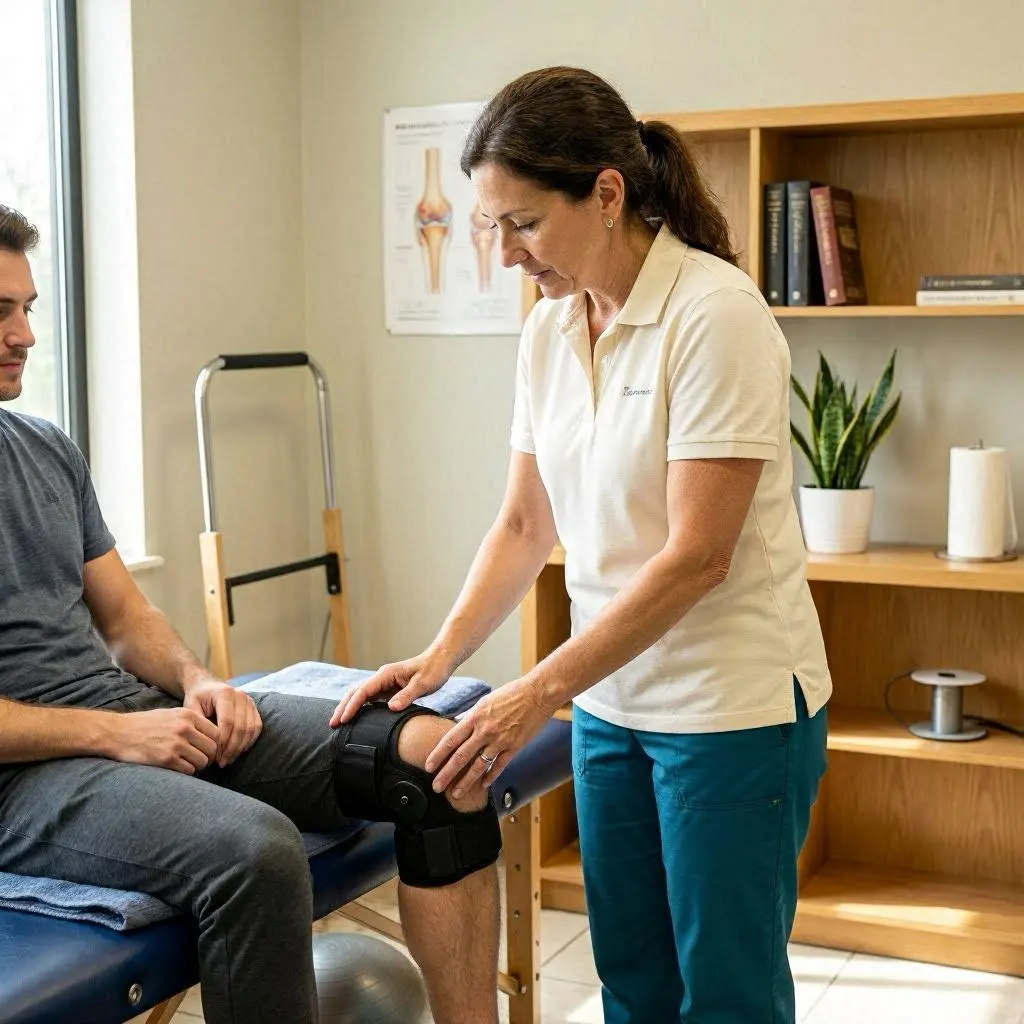
How Physiotherapy Can Improve Your Exercise Program (Sciatica Treatment Exercises)
A physiotherapist can help you determine which exercises fit your symptoms.
An assessment may consider:
-
Strength
-
Range of motion
-
Nerve-related symptoms
-
Walking pattern
-
Functional limitations
-
Exercise tolerance
-
Work requirements
-
Sports demands
The therapist can then adjust your exercise program as your symptoms change.
This individualized approach can be especially valuable when symptoms persist or when basic exercises do not provide enough improvement.
When Should You Stop Exercising?
You should stop exercising and seek medical guidance when symptoms become significantly worse or when new neurological symptoms develop.
Pay particular attention to:
-
New or worsening weakness
-
Significant numbness
-
Symptoms affecting both legs
-
Loss of bladder control
-
Loss of bowel control
-
Numbness around the genitals or anus
These symptoms can indicate a serious neurological problem and require urgent assessment.
Do not attempt to exercise through these warning signs.
When Should You See a Physiotherapist?
Consider professional assessment if:
-
Your symptoms continue for several weeks
-
Your pain keeps getting worse
-
Exercise repeatedly aggravates your symptoms
-
You have persistent numbness
-
You notice weakness
-
You cannot return to normal activities
-
You are unsure which exercises are appropriate
A physiotherapist can assess your condition and develop a progressive rehabilitation plan.
Frequently Asked Questions About Sciatica Treatment Exercises
What are the best Sciatica Treatment Exercises?
There is no single best exercise for everyone with sciatica. Walking, gentle mobility, strengthening, stretching, and aerobic exercise may all have a role depending on your symptoms and physical condition.
Can walking help sciatica?
Yes. Walking can help many people remain active during recovery. Start with a comfortable distance and gradually increase the duration as your tolerance improves.
Should I stretch when I have sciatica?
Gentle stretching may help maintain flexibility, but aggressive stretching can aggravate some symptoms. Keep movements controlled and stop if symptoms significantly worsen.
Can core exercises help sciatica?
Core strengthening can form part of a rehabilitation program. Exercises such as abdominal bracing, bridges, and controlled trunk movements may help improve strength and movement control.
Is swimming good for sciatica?
Swimming can provide low-impact aerobic activity for some people. However, certain strokes or positions may aggravate symptoms, so choose an activity and intensity that you tolerate well.
Can I exercise with a herniated disc?
Exercise may form part of recovery from a herniated disc, but the appropriate exercises depend on your symptoms and diagnosis. Gradual activity is generally preferable to prolonged inactivity when medically appropriate.
Should I exercise during a sciatica flare-up?
You may be able to perform gentle movement during a flare-up, but you should reduce intensity and avoid exercises that significantly increase symptoms. If you are unsure, speak with a healthcare professional.
How often should I do sciatica exercises?
Frequency depends on the exercise and your current condition. Gentle mobility may be performed regularly, while strengthening exercises usually need recovery time between sessions.
Can exercise completely cure sciatica?
Exercise can support recovery and improve physical function, but it cannot guarantee that every case of sciatica will resolve. The underlying cause and severity matter.
When should I seek urgent help?
Seek urgent medical attention if you develop severe or worsening weakness or numbness in both legs, numbness around the genitals or anus, difficulty controlling your bladder or bowel, or inability to urinate.
Final Thoughts (Sciatica Treatment Exercises)
Sciatica Treatment Exercises can play an important role in managing symptoms and rebuilding physical function. However, the goal should not be to find one magical exercise that eliminates sciatica overnight.
Instead, successful rehabilitation usually involves gradual progression.
Start with comfortable movement. Maintain appropriate activity. Add mobility exercises when needed. Progress toward strengthening as your symptoms allow. Finally, rebuild the physical abilities required for work, daily life, exercise, or sport.
Walking, gentle mobility exercises, core strengthening, hip strengthening, stretching, swimming, and other aerobic activities can all have a place in a well-designed rehabilitation program. NICE recognizes several different forms of exercise therapy rather than identifying one universal exercise as the solution for every person with sciatica.
Most importantly, listen to your symptoms without becoming afraid of movement. Exercise should be gradual, controlled, and appropriate for your current condition.
If your symptoms persist, worsen, or include neurological changes, professional assessment can help you choose safer and more effective treatment options.