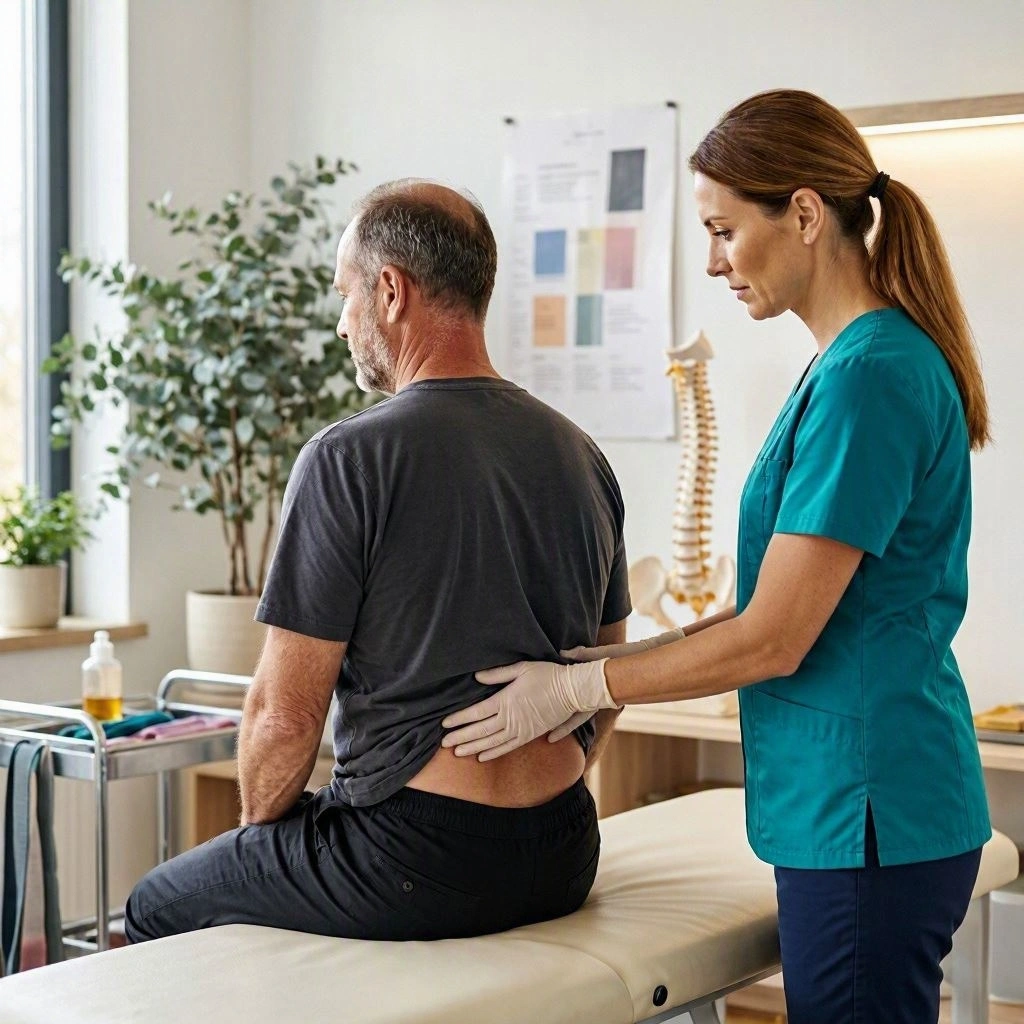
Someone with shoulder pain may want to return to the gym.Osteopathy Services: Complete Guide to Osteopathic Care, Treatment, and Recovery
Osteopathy Services provide hands-on assessment and treatment for a range of musculoskeletal problems involving muscles, joints, connective tissues, and movement. People often seek osteopathic care for back pain, neck pain, shoulder problems, joint stiffness, sports injuries, muscle tension, and difficulties with everyday movement.
An osteopathy service usually begins with an assessment rather than immediately applying a treatment technique. The practitioner reviews symptoms, medical history, previous injuries, daily activities, work demands, and physical goals. They may then examine movement, joint mobility, muscle function, and other relevant physical factors.
Depending on the individual, Osteopathy Services may include soft-tissue techniques, massage, joint mobilization, stretching, movement advice, exercise guidance, and rehabilitation support. The specific service should always match the person’s symptoms and clinical needs.
Evidence for osteopathic and manual approaches varies according to the condition. Research suggests that some manual techniques can provide modest improvements in pain and function for certain people with low back pain. However, results differ between individuals, and osteopathy should not be presented as a cure for every medical condition.
A modern osteopathy service can therefore work best as part of a broader musculoskeletal care plan that may include exercise, physical activity, education, and appropriate medical care.
What Are Osteopathy Services?
Osteopathy Services are professional healthcare services that focus primarily on musculoskeletal problems.
The musculoskeletal system includes the:
- Muscles
- Joints
- Bones
- Ligaments
- Tendons
- Connective tissues
- Related movement structures
An osteopath may assess how these structures work together and how a problem affects movement and daily function.
For example, someone with lower back pain may also experience restricted hip movement or reduced physical activity. Someone with shoulder pain may have limitations involving the shoulder blade, upper back, or surrounding muscles.
Rather than focusing exclusively on the painful area, an osteopath may examine the broader movement pattern.
Services can differ between clinics. Some focus heavily on manual treatment, while others incorporate exercise, rehabilitation, education, and self-management.
In the UK, osteopathy is a regulated profession. Osteopaths must be registered with the General Osteopathic Council to practise as osteopaths.
What Do Osteopathy Services Include?
A comprehensive osteopathy service can include several stages.
Initial Assessment
The first appointment usually involves a detailed discussion and physical assessment.
The practitioner may ask about:
- Current symptoms
- Symptom duration
- Previous injuries
- Medical history
- Medication
- Work
- Exercise
- Sleep
- Daily activities
- Previous treatment
- Personal goals
The physical assessment may examine movement, joint mobility, muscle function, and activities related to the person’s symptoms.
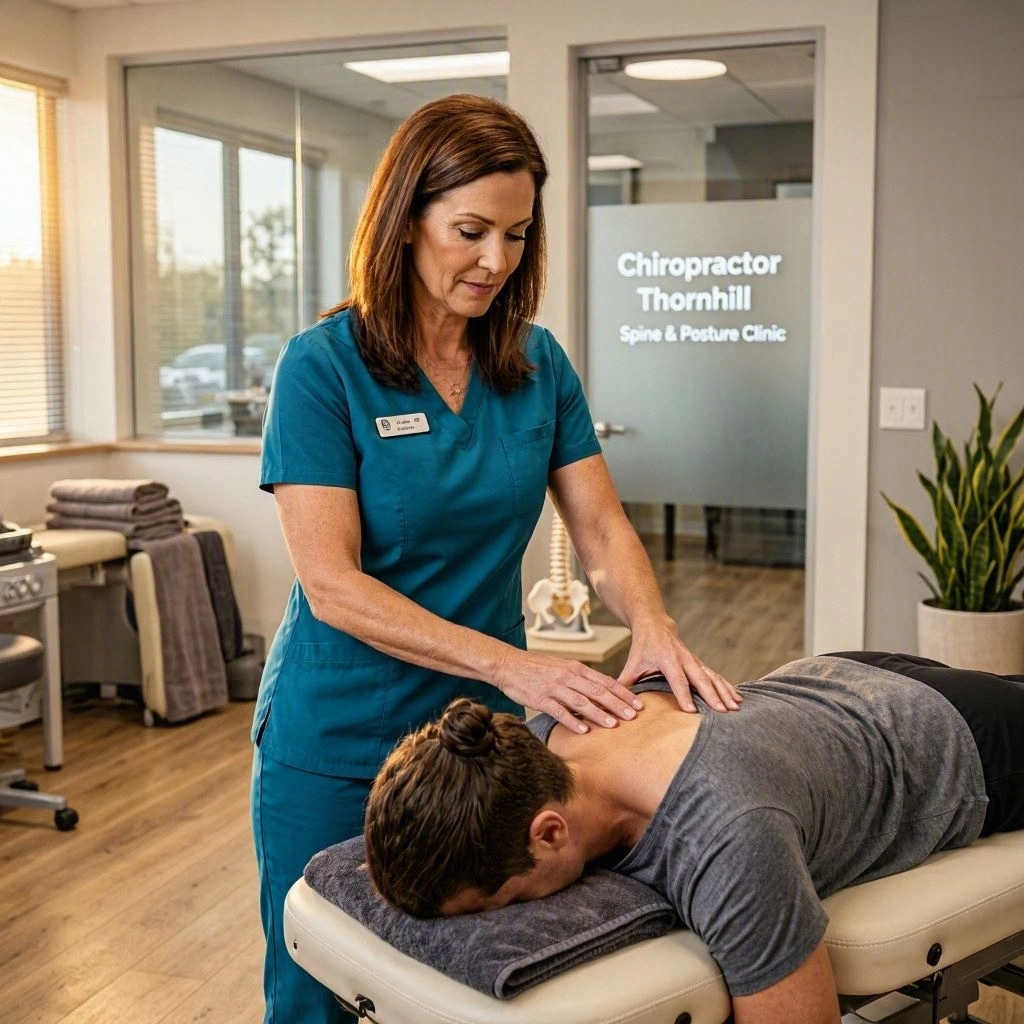
Manual Treatment
Depending on the assessment, the practitioner may use techniques such as:
- Soft-tissue treatment
- Massage
- Joint mobilization
- Stretching
- Manual manipulation
- Movement-based techniques
The technique should match the person’s condition and tolerance.
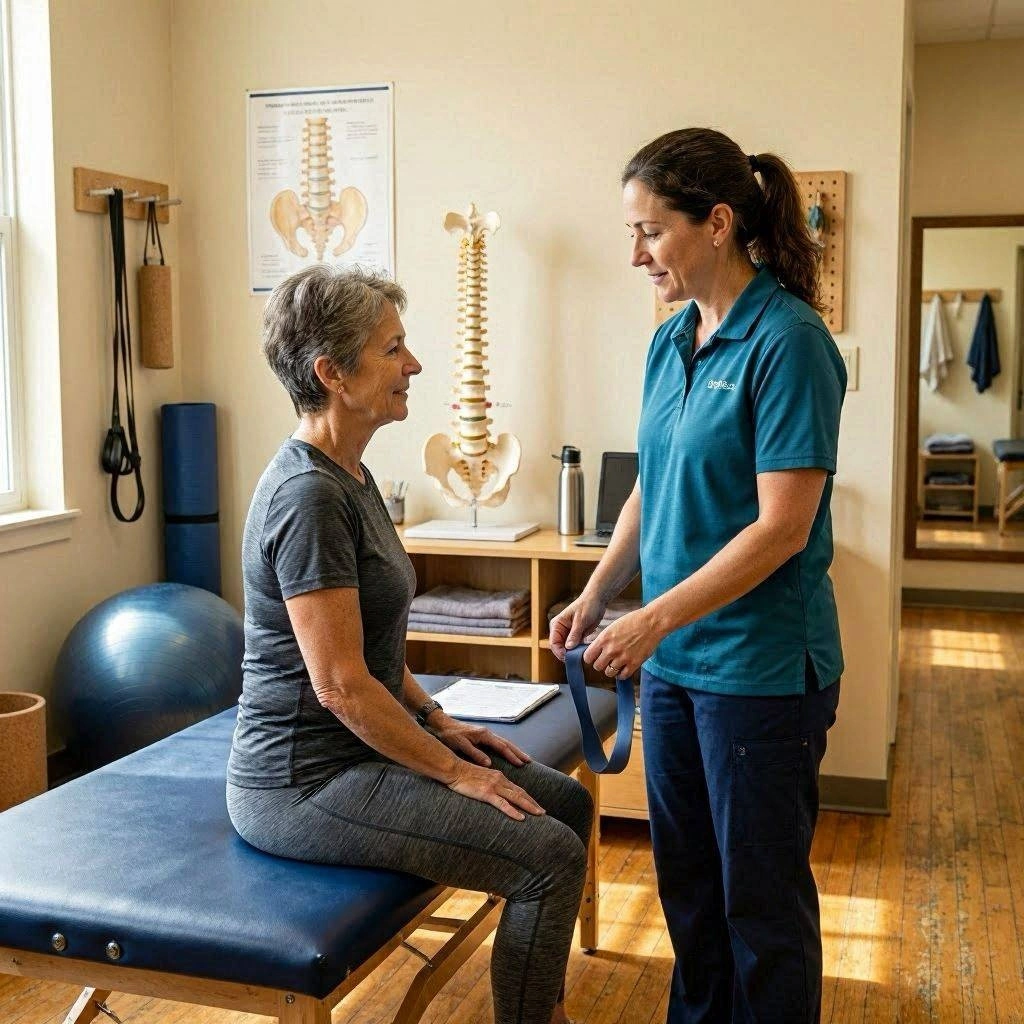
Exercise and Movement Advice
Some Osteopathy Services also provide exercises designed to improve strength, mobility, endurance, balance, or physical confidence.
Rehabilitation Support
Rehabilitation may help people gradually return to work, exercise, sport, or normal daily activities after an injury.
Self-Management Education
A practitioner may explain how to manage symptoms between appointments and how to reduce factors that contribute to recurring problems.
Osteopathy Services for Back Pain
Back pain is one of the most common reasons people seek musculoskeletal treatment.
Osteopathy Services may assess the lower back alongside the hips, pelvis, legs, and surrounding muscles.
The practitioner may look at:
- Spinal movement
- Hip mobility
- Muscle tension
- Functional movement
- Lifting technique
- Work activities
- Exercise habits
- Previous injuries
Treatment may involve manual techniques designed to improve comfortable movement and reduce symptoms.
However, hands-on treatment should not become the entire recovery strategy.
Research on spinal manipulation and mobilization shows that these approaches can provide modest improvements in pain and function for some people with acute and chronic low back pain.
Exercise, physical activity, and self-management remain important.
For example, a person with recurring back pain may benefit from a combination of manual therapy, walking, strengthening, mobility exercises, and gradual return to normal activities.
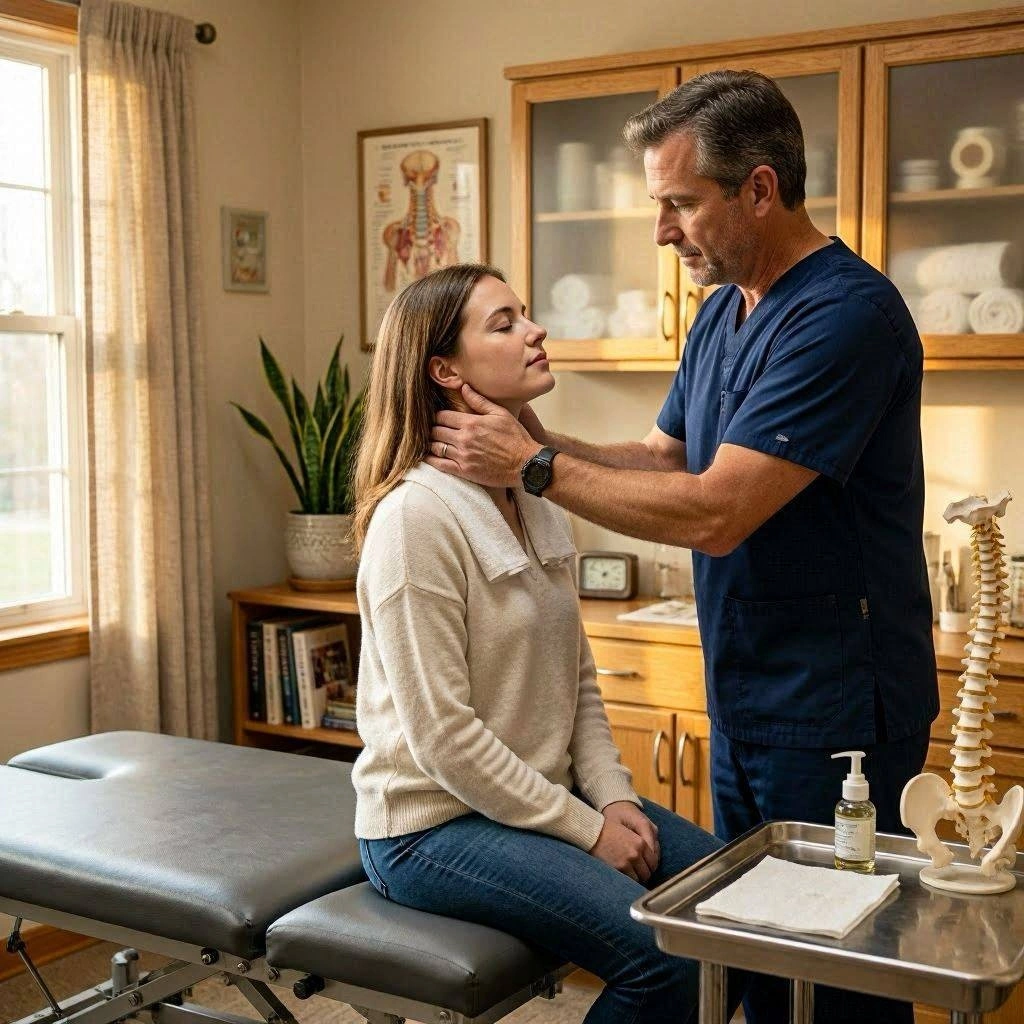
Osteopathy Services for Neck Pain
Neck pain can affect work, sleep, driving, exercise, and concentration.
Osteopathy Services may assess the neck together with the upper back and shoulders.
Treatment can include:
- Gentle joint mobilization
- Soft-tissue techniques
- Stretching
- Movement exercises
- Postural and activity advice
- Strengthening recommendations
The goal is generally to improve comfortable movement and help the person return to normal activities.
However, neck symptoms require careful assessment.
Significant trauma, progressive weakness, substantial numbness, coordination problems, severe unexplained pain, or other concerning symptoms require appropriate medical evaluation.
Manual treatment should not delay medical assessment when symptoms suggest something more serious than a routine musculoskeletal problem.
Osteopathy Services for Shoulder Problems
Shoulder pain can make reaching, lifting, dressing, sleeping, and exercise difficult.
A comprehensive osteopathy service may assess the shoulder together with:
- Shoulder-blade movement
- Upper-back mobility
- Neck movement
- Arm movement
- Muscle strength
- Work activities
- Sports requirements
Manual treatment may help some people manage stiffness or muscular discomfort.
However, shoulder rehabilitation frequently requires progressive strengthening.
An osteopath may therefore combine manual techniques with exercises that gradually improve shoulder strength, endurance, coordination, and movement control.
This approach can help translate improvements from treatment into practical activities.
Osteopathy Services for Hip Pain
Hip pain can affect walking, running, sitting, stairs, and sleep.
An osteopath may assess the hip alongside the pelvis, lower back, knee, and surrounding muscles.
Depending on the findings, Osteopathy Services may include:
- Joint mobilization
- Soft-tissue techniques
- Mobility exercises
- Strengthening
- Movement advice
- Activity modification
Persistent hip pain requires appropriate assessment because different causes require different treatments.
For example, osteoarthritis, tendon problems, muscle injuries, and other conditions may require different rehabilitation strategies.
Osteopathy Services for Knee Pain
Knee pain can affect walking, stairs, squatting, running, and everyday activities.
Osteopathic assessment may consider the knee together with the hip, ankle, lower leg, and surrounding muscles.
Treatment can include manual techniques and movement advice.
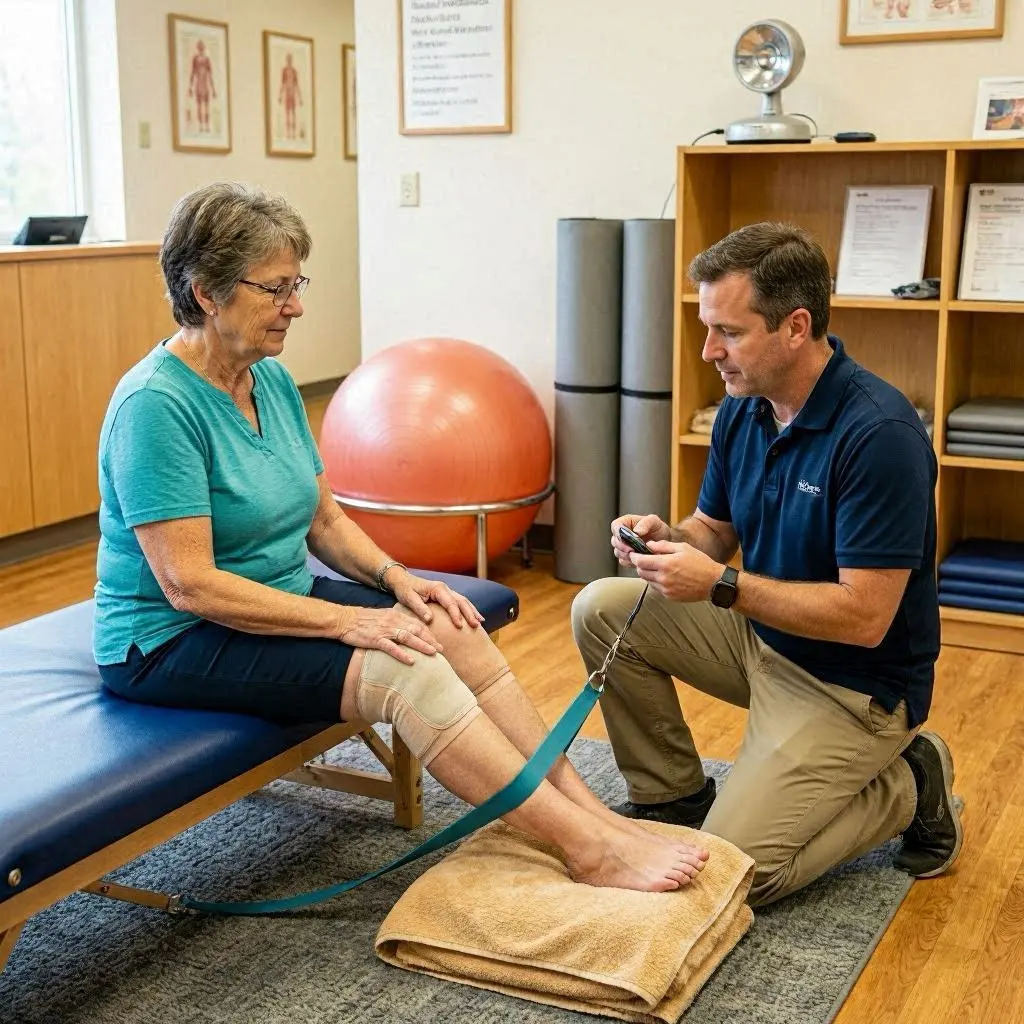
However, strengthening often plays an important role in knee rehabilitation.
For people with osteoarthritis, NHS guidance identifies exercise as one of the most important treatments.
Therefore, Osteopathy Services can be more useful when they support an active rehabilitation plan.
A patient might work on:
- Quadriceps strength
- Hip strength
- Calf strength
- Balance
- Walking
- Functional movements
The program should progress according to symptoms and physical capacity.
Osteopathy Services for Sports Injuries
Sports injuries can involve muscles, tendons, ligaments, joints, and other tissues.
Osteopathy Services may support recovery by combining assessment, manual treatment, movement advice, and rehabilitation.
The rehabilitation process may progress through several stages.
Early Recovery
The priority may involve controlling symptoms and protecting the injured area.
Mobility
The next stage may focus on restoring comfortable movement.
Strength
Progressive resistance exercises can help rebuild physical capacity.
Functional Training
The person gradually returns to movements required for work or sport.
Return to Sport
The final stage involves gradually increasing sport-specific demands.
Manual treatment can support this process, but it should not replace appropriate diagnosis.
Significant injuries may require assessment by a doctor, sports medicine professional, or orthopedic specialist.
Osteopathy Services for Muscle Tension
Muscle tension can develop after repetitive activities, prolonged sitting, training, stress, or changes in physical activity.
Soft-tissue treatment and massage may provide temporary relief for some people.
However, recurring tension may have several contributing factors.
A comprehensive service may therefore assess:
- Work habits
- Physical activity
- Strength
- Mobility
- Sleep
- Stress
- Repetitive movements
For example, someone with recurring neck and shoulder tension from desk work may benefit from manual treatment combined with movement breaks, strengthening, exercise, and adjustments to daily routines.
Osteopathy Services for Joint Stiffness
Joint stiffness can occur after injury, inactivity, osteoarthritis, or other conditions.
Manual techniques may help some people experience easier movement.
However, regular movement remains important.
Osteopathy Services may therefore combine hands-on treatment with mobility exercises.
The long-term objective should involve maintaining useful movement rather than depending entirely on repeated treatment.
For example, someone with hip stiffness may benefit from:
- Mobility exercises
- Walking
- Strengthening
- Activity modification
- Manual treatment
This combination can support everyday function.
Osteopathy Services for Mobility Problems
Mobility affects many aspects of daily life.
Reduced mobility can make it difficult to:
- Walk
- Bend
- Reach
- Squat
- Climb stairs
- Get out of a chair
- Turn the head
- Lift objects
- Exercise
An osteopath may assess the movements that cause difficulty and identify areas of restriction.
Manual treatment can sometimes help make movement feel easier.
However, regular exercise remains important because the body needs repeated exposure to movement to develop strength, endurance, and confidence.
Osteopathy Services for Injury Rehabilitation
Injury rehabilitation involves more than reducing pain.
A person may need to restore:
- Range of motion
- Strength
- Endurance
- Balance
- Coordination
- Confidence
- Functional capacity
Osteopathy Services may support different stages of this process.
For example, after an injury, a person may initially need gentle movement. Later, they can progress toward strengthening and functional exercises.
Eventually, the goal becomes returning to normal activities.
A good rehabilitation plan should be progressive.
If a person attempts to return to full activity too quickly, symptoms may flare or the injured area may not have enough capacity for the workload.
Osteopathy Services for Office Workers
Office workers often spend many hours sitting and using computers.
This routine can contribute to neck, shoulder, and back discomfort, particularly when people have limited physical activity outside work.
An osteopathy appointment can provide an opportunity to discuss:
- Desk setup
- Movement breaks
- Sitting tolerance
- Exercise
- Strength
- Work habits
- Daily activity
The goal should not be to find one perfect posture.
Instead, changing positions regularly and developing physical capacity can help the body tolerate work demands.
A treatment plan might include:
- Walking
- Upper-back strengthening
- Shoulder exercises
- Mobility work
- Regular breaks
- General fitness
Osteopathy Services for Older Adults
Older adults may experience joint stiffness, reduced strength, osteoarthritis, balance problems, and mobility limitations.
Osteopathy Services can sometimes contribute to musculoskeletal care, but practitioners should consider age-related changes and existing medical conditions.
Safety becomes particularly important for people with fragile bones or conditions that increase injury risk.
Exercise can also help older adults maintain strength and independence.
Therefore, treatment should focus on practical goals.
For example:
- Walking independently
- Standing from a chair
- Climbing stairs
- Maintaining balance
- Carrying everyday items
- Reaching safely
The objective is to support function and independence.
Osteopathy Services During Pregnancy
Pregnancy can change posture, movement patterns, joint loading, and physical demands.
Some pregnant people experience back, hip, pelvic, or other musculoskeletal discomfort.
An osteopath with appropriate experience may provide modified treatment.
However, pregnancy requires additional screening and precautions.
NHS Wales recommends discussing osteopathy with a GP or midwife during pregnancy and choosing an osteopath experienced in treating pregnancy-related muscle and joint problems.
A practitioner should adapt treatment according to the person’s stage of pregnancy and individual circumstances.
Unusual or severe symptoms should receive appropriate medical assessment rather than automatically being treated as normal pregnancy-related discomfort.
What Happens During an Osteopathy Services Appointment?
The first appointment usually begins with a conversation.
The practitioner may ask:
- Where is the pain?
- When did it start?
- What makes it worse?
- What makes it better?
- Have you had previous injuries?
- What medical conditions do you have?
- What medications do you take?
- What activities do you perform at work?
- What exercise do you do?
- What do you want to return to?
The practitioner may then perform a physical examination.
They may observe movement and assess joint mobility, muscle function, and other relevant physical factors.
If the symptoms appear suitable for osteopathic care, the practitioner may explain the proposed treatment.
If the symptoms require another type of assessment, appropriate referral should be considered.
Some NHS osteopathy clinics describe their service as focusing on assessment, symptom and pain management, improved function, and patient independence.
Techniques Available Through Osteopathy Services
Different practitioners use different techniques.
Soft-Tissue Treatment
Soft-tissue techniques focus on muscles and surrounding tissues.
They may include pressure, massage, stretching, and other manual methods.
Joint Mobilization
Joint mobilization involves controlled movement of a joint.
The technique can vary in direction, speed, and intensity.
Massage
Massage may help reduce perceived muscular tension and provide temporary comfort.
Stretching
Stretching can form part of treatment when limited flexibility contributes to movement problems.
Manual Manipulation
Some practitioners use controlled manipulative techniques.
These techniques should only be used when appropriate after considering the individual’s medical history and physical findings.
Exercise Guidance
Exercise can help improve strength, mobility, endurance, balance, and physical confidence.
Movement Education
Patients may receive advice about work, activity, lifting, exercise, and everyday movement.
Osteopathy Services and Exercise Rehabilitation
Exercise can play an important role in musculoskeletal recovery.
Manual therapy may temporarily make movement easier, while exercise can help build the capacity needed for everyday life.
For example, a person with back pain may gradually perform:
- Walking
- Core exercises
- Hip strengthening
- Functional lifting
- Mobility exercises
A person with knee pain may perform:
- Squats
- Step-ups
- Quadriceps exercises
- Hip strengthening
- Balance exercises
A person with shoulder pain may perform:
- Rotator-cuff strengthening
- Resistance-band exercises
- Shoulder-blade exercises
- Controlled reaching
The exercise program should always match the individual’s condition.
Osteopathy Services for Chronic Musculoskeletal Pain
Chronic pain can involve many factors.
When symptoms continue for months, physical factors may interact with sleep, stress, activity, fear of movement, previous injuries, and nervous-system sensitivity.
Osteopathy may form one part of a broader treatment plan.
For example, a person with persistent musculoskeletal pain may benefit from:
- Exercise
- Physical activity
- Education
- Manual therapy
- Sleep management
- Stress management
- Medical care
- Psychological support when appropriate
Research into complementary approaches suggests that some manual therapies can help people manage pain, but they should not be presented as universal cures.
Osteopathy Services and Self-Management
One useful part of a good osteopathy service is helping patients understand how to manage their symptoms independently.
This may include teaching patients:
- Which movements are appropriate
- How to gradually increase activity
- How to manage temporary symptom increases
- Which activities may need modification
- How to strengthen affected areas
- When to seek additional medical care
This approach can reduce dependence on passive treatment.
The ultimate goal should involve greater independence.
How Osteopathy Services Can Support Daily Function
Treatment should ideally connect to real-life activities.
Someone with shoulder pain may want to return to the gym.
For example, someone with back pain may want to lift their children.
Someone with knee pain may want to climb stairs.
Someone with a sports injury may want to compete again.
These goals help guide treatment.
Instead of measuring progress only through pain scores, practitioners can monitor whether the person can perform more activities comfortably.
Functional progress might include:
- Walking farther
- Lifting more comfortably
- Sleeping better
- Returning to work
- Exercising again
- Climbing stairs
- Performing household activities
Choosing an Osteopathy Service
Choosing the right clinic can make the treatment experience more useful.
Consider the following factors.
Professional Registration
Check whether the practitioner meets the regulatory requirements in your country.
In the UK, osteopaths must legally register with the General Osteopathic Council.
Relevant Experience
Look for experience with your specific condition.
A practitioner who regularly works with sports injuries may approach a sports-related problem differently from someone who primarily sees office workers.
Assessment Process
A good service should assess your symptoms before deciding on treatment.
Treatment Explanation
The practitioner should explain what they plan to do and why.
Active Rehabilitation
Consider whether the service includes exercise or self-management when appropriate.
Referral
A responsible practitioner should recognize when another healthcare professional needs to assess your symptoms.
Questions to Ask an Osteopath
Before starting treatment, you can ask:
- What might be causing my symptoms?
- Have you treated similar conditions?
- What will the assessment involve?
- Which techniques might you use?
- Are there risks associated with the treatment?
- Should I see a doctor before starting?
- Will you recommend exercises?
- How will you measure progress?
- How many sessions might I initially need?
- What should I do between appointments?
- When should I seek additional medical care?
These questions can help you understand what to expect.
Are Osteopathy Services Safe?
Osteopathy is generally regarded as safe for many people when appropriately trained practitioners select suitable techniques.
However, side effects can occur.
Some people may experience:
- Temporary soreness
- Mild to moderate discomfort
- Stiffness
- Headache
- Fatigue
NHS Wales notes that these minor effects commonly occur within several hours and often improve within one or two days. It also notes that rare serious complications have been linked to therapies involving spinal manipulation.
Certain medical conditions may increase risk.
NHS guidance advises caution for people taking blood-thinning medicines, those at increased risk of bleeding or stroke, people with very weak or seriously damaged bones or joints, and people with certain nerve conditions.
Always tell your practitioner about your medical history and medication.
When Osteopathy Services May Not Be Appropriate
Osteopathy should not replace appropriate medical care.
Seek medical assessment when symptoms are severe, unexplained, rapidly worsening, or associated with significant neurological symptoms.
You may need urgent care if you experience:
- Severe or rapidly worsening weakness
- Major loss of sensation
- New bladder or bowel problems
- Numbness around the groin or saddle area
- Major trauma
- Obvious deformity
- Severe unexplained pain
- Fever with severe pain
- Unexplained weight loss
- Loss of consciousness
- Chest pain
- Severe breathing difficulty
These symptoms may indicate conditions that require medical investigation.
Osteopathy Services vs Physiotherapy
Osteopathy and physiotherapy are different professions, although they overlap in several areas of musculoskeletal care.
Physiotherapy commonly emphasizes:
- Exercise
- Strengthening
- Functional rehabilitation
- Mobility
- Movement education
- Return-to-sport rehabilitation
Osteopathy commonly incorporates:
- Hands-on assessment
- Manual therapy
- Joint mobility
- Soft-tissue treatment
- Movement advice
However, individual practitioners vary.
Some osteopaths provide extensive exercise rehabilitation, while some physiotherapists use substantial manual therapy.
Therefore, the best choice depends on the practitioner, your condition, and your treatment goals.
Osteopathy Services vs Massage Therapy
Massage therapy primarily focuses on soft tissues.
Osteopathy may include massage but generally involves a broader musculoskeletal assessment.
Massage may be useful for relaxation or temporary muscular comfort.
Osteopathy may be more appropriate when someone wants a broader assessment of movement, joint mobility, and musculoskeletal function.
The appropriate service depends on the individual’s needs.
Osteopathy Services vs Chiropractic Care
There can be overlap between osteopathic and chiropractic treatment.
Both may use manual techniques involving the spine, joints, and muscles.
However, professional training and regulation differ between countries.
Some chiropractic practices emphasize spinal manipulation, while osteopathic practices may use a broader combination of manual techniques.
Patients should therefore look at the individual practitioner’s qualifications, assessment process, treatment methods, and approach to rehabilitation.
How Many Osteopathy Services Sessions Might You Need?
There is no universal treatment schedule.
Some people may need only a small number of sessions.
Others with chronic or recurrent conditions may require a longer rehabilitation program.
Factors that can influence treatment frequency include:
- Type of condition
- Severity
- Symptom duration
- Previous injury
- Physical activity
- Work demands
- General health
- Treatment response
- Rehabilitation goals
A good practitioner should reassess progress rather than automatically schedule unlimited appointments.
If treatment produces little or no improvement, the practitioner should reconsider the approach.
How to Get the Most From Osteopathy Services
Patients can actively contribute to their recovery.
Communicate Clearly
Explain what activities cause symptoms and what you want to return to.
Follow the Home Program
If your practitioner gives you exercises, perform them consistently.
Stay Active
Appropriate movement can help maintain physical capacity.
Progress Gradually
Avoid sudden increases in exercise or workload.
Track Function
Monitor activities such as walking, lifting, sleeping, working, or exercising.
Ask Questions
If you do not understand a treatment technique or exercise, ask the practitioner to explain it.
Report Significant Changes
Tell your practitioner if symptoms worsen substantially or new symptoms appear.
Frequently Asked Questions About Osteopathy Services
What are Osteopathy Services?
Osteopathy Services provide assessment and hands-on management for primarily musculoskeletal problems. Services may include manual therapy, mobility work, stretching, exercise advice, and rehabilitation support.
What conditions do Osteopathy Services treat?
They commonly address back pain, neck pain, shoulder problems, joint stiffness, sports injuries, muscle and joint pain, and other musculoskeletal complaints.
Can Osteopathy Services help back pain?
They may help some people with back pain. Research on spinal manipulation and mobilization suggests modest improvements in pain and function for certain people with acute and chronic low back pain.
Can Osteopathy Services help neck pain?
Some manual approaches may help certain types of neck pain. However, significant trauma or neurological symptoms require appropriate medical evaluation.
Do Osteopathy Services include exercise?
Some osteopaths include exercise and rehabilitation as part of treatment. Ask the clinic about its approach before booking.
Are Osteopathy Services the same as physiotherapy?
No. They are different professions, although there can be considerable overlap in manual therapy, exercise, movement assessment, and rehabilitation.
Are Osteopathy Services safe?
They can be appropriate for many people, but manual treatment carries potential risks. Some health conditions and medications require additional precautions.
How long is an osteopathy appointment?
Appointment length varies between clinics. Initial appointments often take longer because the practitioner needs time for a detailed assessment.
Do I need a referral to see an osteopath?
Requirements depend on the country and healthcare system. In the UK, people can generally access osteopaths privately without a GP referral, while NHS availability varies.
Can I exercise after osteopathic treatment?
Often, appropriate exercise forms part of rehabilitation. Your practitioner should advise you about the appropriate level of activity for your condition.
Can osteopathy help sports injuries?
It may form part of rehabilitation for some musculoskeletal sports injuries. Significant injuries still require appropriate diagnosis and management.
Can osteopathy help arthritis?
Osteopathic treatment may be used for some musculoskeletal symptoms, but it should not replace appropriate arthritis management. Exercise remains an important part of osteoarthritis care.
Can osteopathy help chronic pain?
It may provide some benefit for certain chronic musculoskeletal pain problems. However, persistent pain often requires a broader approach involving physical activity, exercise, education, and appropriate healthcare.
How many Osteopathy Services sessions do I need?
There is no fixed number. Treatment depends on your condition, symptoms, goals, and response to care.
Should I see an osteopath for persistent pain?
Persistent pain should receive appropriate assessment. Osteopathy may form part of your care, but it should not delay medical evaluation when symptoms persist, worsen, or include warning signs.
Final Thoughts on Osteopathy Services
Osteopathy Services provide an option for people seeking assessment and treatment for many musculoskeletal problems, including back pain, neck pain, shoulder discomfort, joint stiffness, muscle tension, and certain sports injuries.
A typical service can include a detailed assessment followed by an individualized combination of hands-on treatment, movement advice, exercise, and rehabilitation.
The evidence is strongest for some manual therapy approaches used in musculoskeletal conditions. For example, research indicates that spinal manipulation and mobilization can provide modest improvements in pain and function for some people with low back pain. However, the evidence does not mean that every person will experience the same results, and osteopathy should not be promoted as a universal treatment.
The most useful Osteopathy Services are therefore those that focus on the individual rather than a single technique.
A good treatment plan should consider your symptoms, medical history, physical goals, lifestyle, work demands, and activity level. It should also help you become more confident and independent in managing your condition.
Manual treatment can sometimes provide short-term improvements in pain or movement. Exercise and physical activity can then help build the capacity needed for long-term function.
If you are considering osteopathy, choose an appropriately qualified and regulated practitioner, discuss your goals, provide a complete medical history, and ask how progress will be measured.
Most importantly, seek appropriate medical assessment when symptoms are severe, unexplained, rapidly worsening, or associated with significant neurological or other warning signs.
Ultimately, effective Osteopathy Services should not simply focus on what happens during the appointment. They should help you move better, understand your symptoms, return to meaningful activities, and develop practical strategies for maintaining your physical health.