Nutrition for Injury Recovery: Complete Guide to Healing, Strength, and Rehabilitation
Recovering from an injury involves more than rest and physical rehabilitation. Whether you are recovering from a sports injury, muscle strain, ligament sprain, fracture, or surgery, your body needs sufficient energy and nutrients to support its normal repair processes. For this reason, Nutrition for Injury Recovery is an important consideration for people who want to support their health and return to everyday activities safely.
Injury recovery can be challenging. Pain may limit movement, exercise routines may change, and reduced activity can affect appetite and eating habits. Some people eat considerably less because they worry about gaining weight, while others turn to supplements that promise faster healing without understanding whether they need them.
A balanced approach is generally more useful. Adequate calories, protein, carbohydrates, healthy fats, vitamins, minerals, and fluids help maintain normal body functions during recovery. However, nutrition cannot independently repair every injury or replace appropriate medical treatment and rehabilitation.
At Ritz Clinics, nutritional counseling can complement injury rehabilitation by helping individuals understand their dietary habits and develop practical nutrition strategies. This guide explores the nutrients involved in recovery, meal-planning strategies, common dietary mistakes, and ways to combine nutrition with professional rehabilitation.
What Is Nutrition for Injury Recovery?
Nutrition for Injury Recovery refers to eating habits that help meet the body’s nutritional needs while recovering from an injury. The aim is to provide enough energy and essential nutrients to support normal physiological processes, maintain muscle tissue, and help people participate in their rehabilitation programs.
When an injury occurs, the body responds through several overlapping processes. These may include inflammation, tissue repair, the formation of new tissue, and gradual remodeling of the affected area. The exact process depends on the type and severity of the injury.
During this period, nutritional requirements can change. Some people need more energy because their bodies are repairing damaged tissue. Others may need to adjust their food intake because their physical activity has decreased. Nevertheless, eating too little can make it harder to meet nutritional needs.
An appropriate recovery-focused eating pattern generally includes:
- Sufficient energy from a balanced variety of foods.
- Protein to support tissue maintenance and repair.
- Carbohydrates to provide energy for everyday activities and rehabilitation.
- Healthy fats to supply essential fatty acids and support normal body functions.
- Vitamins and minerals from a varied diet.
- Adequate fluids to maintain hydration.
- Consistent meals that fit the person’s appetite, schedule, and medical needs.
There is no single injury recovery diet that works for everyone. A person recovering from a minor ankle sprain may have different nutritional needs from someone recovering from major surgery or a fracture.
Therefore, the best approach considers the injury, medical history, activity level, dietary preferences, and advice from the healthcare professionals involved in treatment.
Why Is Nutrition Important During Injury Recovery?
Nutrition supports the body’s normal functions throughout the recovery process. Although food cannot guarantee faster healing, inadequate nutrition can make it harder to meet the body’s requirements.
Supporting Normal Tissue Repair (Nutrition for Injury Recovery)
Muscles, tendons, ligaments, skin, and bones contain different structural components. The body needs energy, amino acids, vitamins, minerals, and other nutrients to maintain these tissues and support repair.
For example, protein provides amino acids used to build and maintain body tissues. Vitamin C contributes to normal collagen formation, while calcium and vitamin D play important roles in bone health.
These nutrients work together rather than independently. Taking a single vitamin or eating unusually large amounts of protein does not automatically accelerate recovery.
Maintaining Muscle Mass
An injury can reduce physical activity. Someone who normally walks, runs, lifts weights, or plays sports may need to limit these activities temporarily.
Reduced movement can contribute to muscle loss, particularly when an injury requires prolonged immobilization or a substantial reduction in activity.
Adequate protein and energy intake can help support muscle maintenance during this period. As the injury permits, an appropriately designed rehabilitation program can help restore strength and function.
Supporting Rehabilitation
Physical rehabilitation often involves exercises that gradually challenge muscles, joints, balance, and movement control.
Your body needs sufficient energy to support daily activities and participate in these exercises. Eating too little may contribute to fatigue and make it more difficult to maintain a consistent rehabilitation routine.
Nutrition should therefore complement exercise and recovery rather than replace either one.
Supporting General Health
An injury can affect more than the injured body part. Changes in sleep, stress, appetite, and daily routines may influence overall well-being.
A balanced diet can help maintain general nutritional health during this period. Regular meals and practical food choices may also make it easier to manage changing activity levels.
For additional information about rehabilitation, explore Injury Rehabilitation Treatment at Ritz Clinics.
Protein for Injury Recovery
Protein is one of the most important nutrients to consider during recovery because it supplies amino acids needed to maintain and build body tissues.
However, the right amount depends on individual circumstances, including body size, age, activity level, injury severity, overall energy intake, and medical conditions.
How Does Protein Support Recovery?
The body uses amino acids from dietary protein to maintain muscle tissue and support numerous physiological functions.
After an injury, reduced activity may increase the risk of muscle loss. Adequate protein intake, combined with appropriate rehabilitation when permitted, can help support muscle maintenance and recovery.
Nevertheless, protein alone cannot restore an injured ligament, heal a fracture, or rebuild strength without the broader recovery process.
Good Sources of Protein
You can obtain protein from a variety of animal and plant foods, including:
- Eggs.
- Fish and seafood.
- Chicken and other poultry.
- Lean meat.
- Milk, yogurt, and cheese.
- Beans, lentils, and chickpeas.
- Tofu, tempeh, and other soy foods.
- Nuts, seeds, and suitable plant-based alternatives.
Choosing a variety of sources can help make your diet more flexible and nutritionally balanced.
For example, breakfast might include eggs or Greek yogurt, lunch could contain lentils or chicken, and dinner might feature fish, tofu, or beans.
Should You Eat More Protein After an Injury?
Some injured individuals may benefit from reviewing their protein intake, particularly when activity decreases or rehabilitation places demands on muscle tissue.
However, very high protein intake is not automatically better. Total energy intake, overall diet quality, and the individual’s medical needs also matter.
People with kidney disease or other conditions affecting protein requirements should seek individualized advice before making substantial dietary changes.
Carbohydrates and Energy Intake During Recovery (Nutrition for Injury Recovery)
When activity decreases, some people immediately reduce their food intake. Although energy requirements may change during recovery, excessive restriction can be counterproductive.
The body still needs energy to support normal functions and tissue repair, even when someone cannot exercise as usual.
Why Adequate Energy Matters
The body uses energy for essential functions, including maintaining body temperature, supporting organ function, and carrying out normal repair processes.
If energy intake remains too low, the body may use more of its stored resources, including protein, to meet its needs. This can make it harder to maintain muscle mass during periods of reduced activity.
Consequently, avoiding unnecessary calorie restriction is important during recovery.
Which Carbohydrates Should You Choose?
Carbohydrates provide energy for everyday activity and rehabilitation. Suitable options include:
- Oats and whole-grain cereals.
- Whole-grain bread and pasta.
- Rice and other grains.
- Potatoes and sweet potatoes.
- Fruits.
- Beans and lentils.
- Other carbohydrate-rich foods that fit your nutritional needs.
These foods can also provide fibre, vitamins, minerals, and other beneficial nutrients.
You do not need to eliminate carbohydrates because you are temporarily less active. Instead, adjust portions according to appetite, activity, and individual needs while maintaining an adequate and balanced diet.
Healthy Fats and Their Role in Recovery
Dietary fat supplies energy, provides essential fatty acids, and helps the body absorb fat-soluble vitamins such as vitamins A, D, E, and K.
During injury recovery, fats can help make meals more energy-dense, which may be useful for people who have a reduced appetite.
Sources of Healthy Fats
Consider including foods such as:
- Olive oil.
- Avocados.
- Walnuts and other nuts.
- Chia and flaxseeds.
- Sunflower and pumpkin seeds.
- Salmon, sardines, and other oily fish.
These foods can form part of a balanced eating pattern.
Although inflammation is a normal component of many injury responses, it does not follow that every inflammatory process should be suppressed through diet. Avoid extreme elimination diets or unusually high doses of oils and supplements without appropriate guidance.
The goal is to meet nutritional needs through a varied diet rather than depend on one supposedly powerful food.
Vitamins and Minerals for Injury Recovery (Nutrition for Injury Recovery)
Vitamins and minerals support many normal body functions, including tissue maintenance, immune function, bone health, and the metabolism of nutrients.
They are important during recovery, but taking more than the body needs does not guarantee better results.
Vitamin C and Collagen Formation
Vitamin C contributes to normal collagen formation. Collagen is an important structural protein found in skin, tendons, ligaments, cartilage, and other tissues.
Good sources of vitamin C include oranges, berries, kiwi, peppers, broccoli, and tomatoes.
Including fruits and vegetables regularly can help provide vitamin C alongside fibre and other nutrients.
However, high-dose vitamin C supplements are not necessary for everyone. People with concerns about deficiencies or supplement use should seek appropriate advice.
Vitamin D and Bone Health
Vitamin D helps the body absorb calcium and supports normal bone health.
This nutrient may be particularly relevant for people recovering from fractures or those at risk of vitamin D deficiency.
Food sources include oily fish, egg yolks, and fortified products, although dietary sources alone may not meet everyone’s needs.
Supplementation may be appropriate for some individuals, but the dose should reflect personal circumstances and professional advice. More vitamin D is not always better, and excessive supplementation can be harmful.
Calcium for Bone Health
Calcium is essential for maintaining healthy bones and supporting normal muscle function.
Useful sources include milk, yogurt, cheese, calcium-fortified plant-based drinks, calcium-set tofu, and certain leafy green vegetables.
People recovering from a fracture should discuss their nutritional needs with their healthcare team, particularly if they have osteoporosis or other conditions affecting bone health.
Zinc and Normal Tissue Function (Nutrition for Injury Recovery)
Zinc supports normal immune function, protein synthesis, and many other physiological processes.
Sources include meat, seafood, dairy products, beans, lentils, nuts, seeds, and whole grains.
A varied diet generally helps provide zinc. Taking high doses without a clear reason may create problems, including interference with copper absorption.
Iron and Energy Levels
Iron helps the body produce hemoglobin, which carries oxygen in the blood.
Iron needs vary by age, sex, health status, and other factors. People with low iron levels may experience fatigue, which can make everyday activities and rehabilitation more difficult.
Sources include meat, seafood, lentils, beans, tofu, and iron-fortified cereals.
If you experience persistent fatigue or suspect iron deficiency, consult a healthcare professional rather than starting high-dose iron supplements without assessment.
Hydration and Injury Recovery
Water supports normal body functions, including temperature regulation, circulation, digestion, and physical performance.
When activity decreases, people sometimes forget to drink regularly. Others may need additional fluids because of hot weather, sweating, fever, or particular medical circumstances.
How Much Water Do You Need?
Fluid requirements vary according to body size, climate, activity, diet, and health status. There is no single amount that suits every person.
Practical strategies include drinking regularly throughout the day, keeping water accessible, and increasing fluid intake when conditions or activity levels require it.
Fruits, vegetables, soups, and other foods can also contribute to fluid intake.
People with conditions that require fluid restriction should follow their healthcare professional’s recommendations rather than applying general hydration advice.
Can Dehydration Affect Rehabilitation?
Inadequate hydration can contribute to symptoms such as thirst, fatigue, and dizziness, depending on its severity.
Maintaining appropriate hydration can help support normal physical function and make daily activities more comfortable.
However, drinking excessive amounts of water will not independently accelerate tissue healing. Focus on consistent, appropriate hydration rather than forcing unnecessary fluids.
Nutrition for Different Types of Injuries
Nutritional priorities can vary depending on the tissue involved, the severity of the injury, and the treatment plan.
Muscle Strains (Nutrition for Injury Recovery)
A muscle strain involves damage to muscle fibres to varying degrees. Recovery may require activity modification, appropriate rehabilitation, and gradual restoration of strength.
Adequate energy and protein can support normal tissue maintenance while the muscle recovers.
Avoid aggressive calorie restriction, particularly if it leaves you struggling to meet your nutritional needs. At the same time, eating excessive amounts of protein will not replace a suitable rehabilitation program.
Ligament Sprains
Ligament injuries vary in severity. Some mild sprains improve with appropriate self-care and rehabilitation, while more serious injuries may require medical evaluation or additional treatment.
Nutrition can support general health during recovery, but no specific food has been proven to repair a ligament on its own.
A balanced diet, sufficient protein, and appropriate medical guidance are more useful than relying on special recovery foods.
Fractures
Bone healing involves complex biological processes that require adequate energy and nutrients.
Calcium, vitamin D, protein, and other nutrients contribute to normal bone health. However, fracture recovery also depends on factors such as the fracture location, severity, blood supply, treatment, age, and overall health.
Follow your clinician’s instructions regarding immobilization, weight-bearing, and follow-up appointments.
Do not attempt to accelerate bone healing by taking high-dose supplements without appropriate advice.
Tendon Injuries
Tendons connect muscles to bones and help transmit force during movement. Tendon injuries can take time to recover, and rehabilitation often involves carefully progressed loading.
Adequate overall nutrition and protein can help support general tissue maintenance. Some research has examined collagen supplements in combination with exercise, but the evidence remains limited and does not establish these products as a universal treatment.
A progressive rehabilitation plan remains important. Avoid returning to demanding activities simply because you have changed your diet or started taking supplements.
Recovery After Surgery
Surgery can increase nutritional demands, particularly after major procedures or when recovery affects appetite and mobility.
Adequate energy, protein, and essential nutrients can support normal recovery processes. However, individual needs depend on the procedure, medical condition, and any complications.
Follow your surgical team’s instructions about eating, drinking, medication, and wound care. People experiencing poor appetite, significant weight loss, or difficulty meeting their nutritional needs should discuss these concerns with their healthcare team.
Should You Take Supplements for Injury Recovery?
Supplements are often marketed as a way to speed up healing. Some products contain protein, collagen, vitamin D, vitamin C, zinc, or combinations of nutrients.
Although supplements may be appropriate in certain circumstances, they are not automatically necessary for everyone.
When Might Supplements Be Useful?
A supplement may be worth considering when someone has a confirmed deficiency, struggles to meet nutritional requirements through food, or has a specific medical need.
For example, a healthcare professional may recommend vitamin D for someone with inadequate levels or a protein supplement for someone who cannot meet their needs through regular meals.
The recommendation should consider the individual’s diet, medical history, medications, and treatment plan.
Are Collagen Supplements Effective?
Collagen supplements receive attention in discussions about tendon, ligament, and joint health.
Some early research suggests potential benefits in particular contexts, especially when supplementation accompanies exercise. However, the available evidence does not establish collagen supplements as a reliable solution for every injury.
Products vary in composition, and results cannot be guaranteed. Discuss their use with an appropriately qualified professional if you are considering them during rehabilitation.
Avoid High-Dose Supplement Use Without Guidance
Taking large amounts of vitamins and minerals can create health risks. Some supplements interact with medication, while others may contain ingredients that are unsuitable for certain conditions.
Choose products carefully and avoid promises of rapid or guaranteed healing.
If you have a complex injury, chronic illness, take prescription medication, or follow a restricted diet, seek individualized guidance before starting supplements.
Common Nutrition Mistakes During Injury Recovery (Nutrition for Injury Recovery)
Even people who understand healthy eating may struggle to maintain balanced habits when an injury changes their routine.
Eating Too Little
One common mistake is sharply reducing calorie intake because exercise has decreased.
Although energy needs may change, the body still requires energy for normal functions and repair. Excessive restriction may make it harder to maintain muscle and meet nutrient requirements.
Instead, adjust portions thoughtfully and seek professional advice if you are unsure how much food you need.
Focusing Only on Protein
Protein is important, but recovery requires more than one nutrient.
A diet containing large amounts of protein may still lack sufficient energy, carbohydrates, healthy fats, vitamins, or minerals.
Aim for balanced meals that include a variety of food groups.
Expecting One Food to Heal an Injury
No single food can guarantee faster recovery. Berries, oily fish, leafy vegetables, eggs, and other nutritious foods can contribute to a balanced diet, but their benefits depend on the overall eating pattern.
Be cautious of claims that a particular ingredient can rapidly repair damaged tissue.
Following Restrictive Diets
Some people eliminate carbohydrates, fats, dairy products, or other food groups without a clear reason.
Dietary restrictions may be appropriate for allergies, intolerances, medical conditions, or personal preferences. However, unnecessary restrictions can make it harder to meet nutritional requirements.
If you follow a vegetarian, vegan, or medically restricted diet, plan meals carefully and seek professional guidance when needed.
Returning to Exercise Too Quickly
Good nutrition cannot compensate for increasing activity too quickly after an injury.
Follow the rehabilitation plan provided by your healthcare professional and progress according to your symptoms, function, and clinical guidance.
Practical Meal Planning During Injury Recovery
A practical eating routine can make recovery easier, especially when pain, fatigue, or reduced mobility makes cooking difficult.
You do not need complicated recipes or expensive supplements to build balanced meals.
Build Balanced Meals (Nutrition for Injury Recovery)
Try to include a combination of:
- A protein source, such as eggs, fish, tofu, beans, yogurt, or chicken.
- A carbohydrate source, such as oats, rice, potatoes, or whole grains.
- Vegetables or fruit.
- A suitable source of healthy fats.
- Water or another appropriate beverage.
The proportions should reflect your appetite, nutritional needs, medical circumstances, and activity level.
Prepare Food in Advance
If standing or cooking is uncomfortable, preparing meals ahead of time may help.
You could cook a larger batch of soup, rice, beans, or another suitable dish and store individual portions safely.
Frozen vegetables, canned beans, pre-washed produce, and other convenient ingredients can also make balanced meals easier to prepare.
Choose Easy Snacks (Nutrition for Injury Recovery)
If you have a reduced appetite, smaller meals and snacks may be easier than large portions.
Options might include yogurt with fruit, eggs on whole-grain toast, hummus with vegetables, or a smoothie made with milk or a suitable fortified alternative.
Choose foods that you enjoy and can tolerate comfortably. If your appetite remains poor or your weight drops unexpectedly, seek professional advice.
Maintain Consistency
A consistent eating routine can help you meet your nutritional needs without requiring constant calculations.
Some people prefer three main meals, while others find smaller meals and snacks more practical. Choose a pattern that works with your schedule and appetite.
If you have diabetes, gastrointestinal conditions, food allergies, or other medical needs, make sure your meal plan accommodates them.
Combining Nutrition With Injury Rehabilitation at Ritz Clinics
Nutrition is one part of recovery. Depending on the injury, a broader plan may include medical assessment, pain management, therapeutic exercise, mobility work, strengthening, and gradual return to everyday activities.
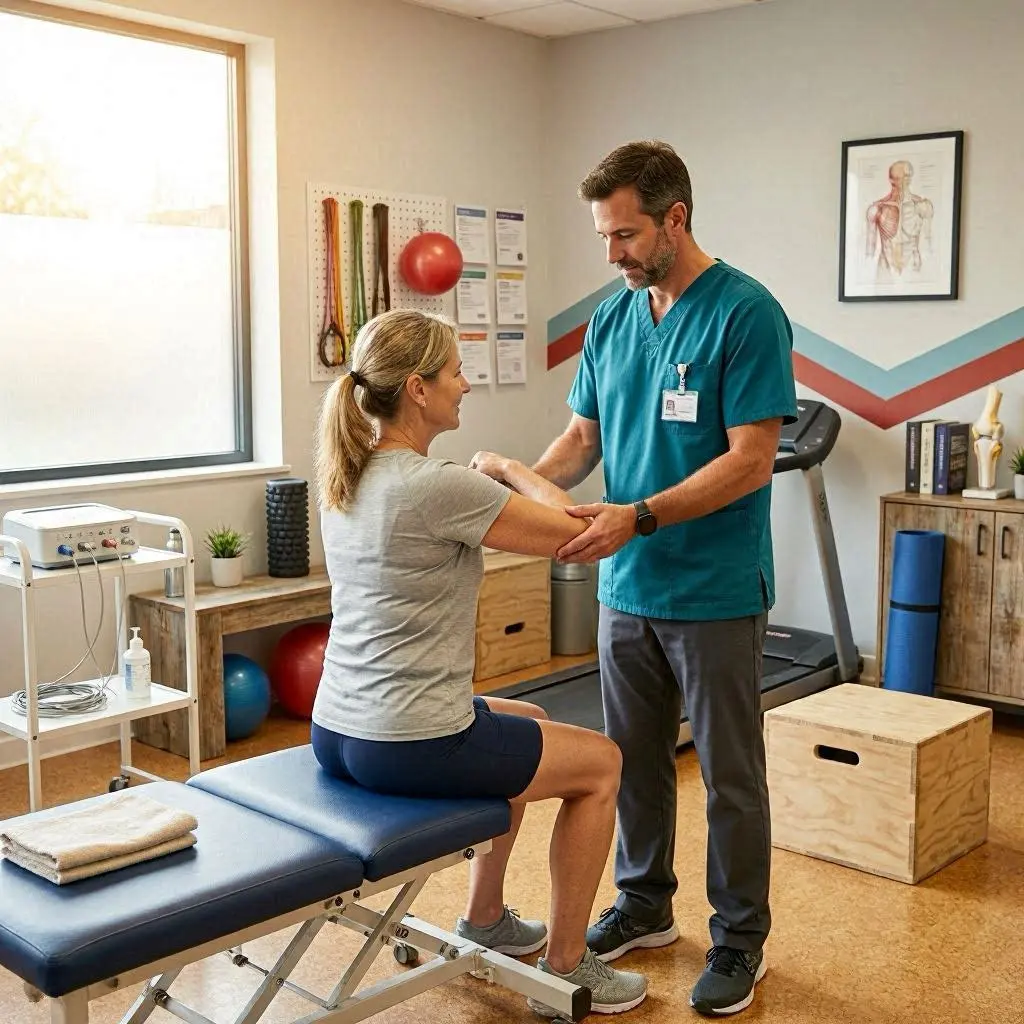
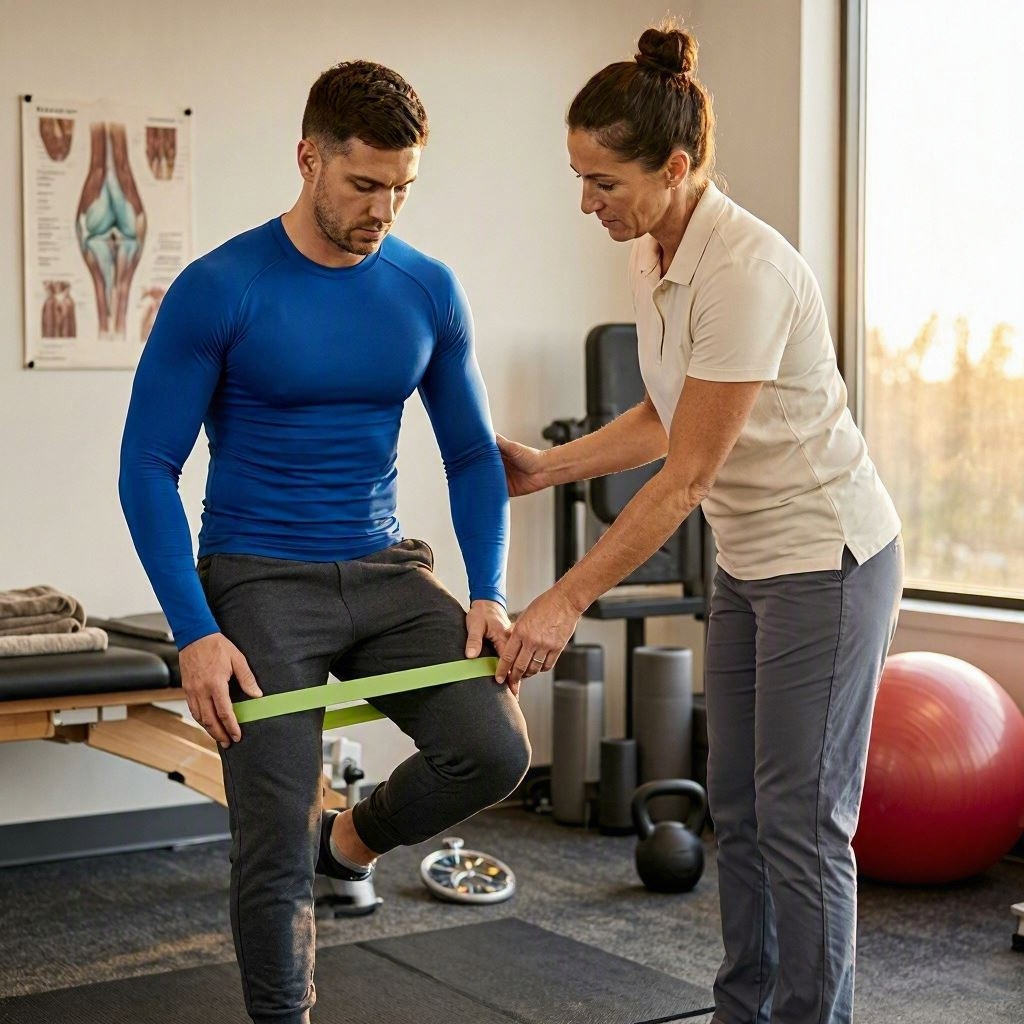
Ritz Clinics offers injury rehabilitation services that focus on movement, strength, mobility, and functional recovery. When appropriate, nutritional counseling can complement these services by helping individuals review their eating habits and make practical changes that support their general health.
You can learn more about Nutritional Counseling at Ritz Clinics and explore the available Injury Rehabilitation Treatment.
An individualized approach is particularly valuable when an injury changes activity levels, appetite, food preparation, or nutritional needs.
During a nutrition consultation, you may discuss:
- Your usual meals and snacks.
- Changes in appetite since the injury.
- Your activity level and rehabilitation routine.
- Dietary preferences and restrictions.
- Foods that are convenient while mobility is limited.
- Whether you may need specialized nutritional assessment.
- Practical goals for improving your eating habits.
For significant injuries, surgery, unexplained weight loss, suspected nutritional deficiencies, or complex medical conditions, coordinate nutritional advice with your treating healthcare team. A registered dietitian or other appropriately qualified professional may be particularly helpful when specialized nutrition care is required.

Frequently Asked Questions About Nutrition for Injury Recovery
1. What is the best diet for injury recovery?
There is no single best diet for every injury. A balanced eating pattern that provides adequate energy, protein, carbohydrates, healthy fats, vitamins, minerals, and fluids can help support normal recovery processes. Individual needs depend on the injury, health status, and activity level.
2. Does protein help injuries heal faster?
Protein supplies amino acids needed to maintain and build body tissues. Adequate intake can be particularly important when activity decreases during recovery. However, more protein does not automatically mean faster healing, and protein should form part of a balanced diet.
3. Which foods support tissue repair?
Protein-rich foods, fruits, vegetables, whole grains, dairy or fortified alternatives, nuts, seeds, and other nutrient-rich foods can contribute to a balanced recovery diet. The goal is to meet overall nutritional needs rather than rely on one specific food.
4. Should I reduce calories when I cannot exercise?
Not necessarily. Your energy needs may change when activity decreases, but your body still requires energy during recovery. Avoid aggressive calorie restriction, and seek individualized advice if you are unsure how to adjust your food intake.
5. Are vitamin supplements necessary after an injury?
Not everyone needs supplements. They may be appropriate when a deficiency or specific nutritional need exists, but high doses can cause harm. Discuss supplementation with a healthcare professional who understands your medical history and treatment plan.
6. Does nutrition help broken bones heal?
Adequate energy, protein, calcium, vitamin D, and other nutrients support normal bone health and physiological processes. Nevertheless, fracture healing also depends on the injury itself, treatment, and individual health factors. Follow your clinician’s instructions throughout recovery.
7. Can I take collagen supplements for tendon or ligament injuries?
Some research has investigated collagen supplements alongside exercise, but evidence remains limited. They are not a guaranteed treatment and should not replace appropriate rehabilitation. Discuss their suitability with a qualified healthcare professional.
8. How important is water during recovery?
Hydration supports normal body functions, including circulation and temperature regulation. Drink regularly according to your needs, but remember that excessive water intake does not independently speed up tissue healing.
9. What should I eat if my appetite decreases after an injury?
Smaller meals and convenient snacks may help you maintain your intake. Options include yogurt, eggs, smoothies, beans, soups, and other foods that suit your preferences. Persistent poor appetite or unexplained weight loss should be discussed with a healthcare professional.
10. Can nutritional counseling help during injury rehabilitation?
Yes. Nutritional counseling can help you review your eating habits, identify practical improvements, and understand how to meet your nutritional needs while activity levels change. For complex injuries or medical conditions, specialized advice may be appropriate.
Conclusion (Nutrition for Injury Recovery)
Nutrition for Injury Recovery is an important part of a broader approach to physical rehabilitation. Adequate energy, protein, carbohydrates, healthy fats, vitamins, minerals, and fluids help support normal body functions while the body recovers from injury.
However, no single nutrient or supplement can guarantee faster healing. The most useful approach combines balanced eating with appropriate medical care, progressive rehabilitation, adequate rest, and realistic expectations.
By planning practical meals, avoiding unnecessary dietary restrictions, maintaining sufficient protein and energy intake, and seeking professional guidance when needed, you can make nutrition a supportive part of your recovery routine.
At Ritz Clinics, nutritional counseling may complement injury rehabilitation by helping individuals develop sustainable eating habits suited to their lifestyle, preferences, and recovery goals. If you are recovering from an injury and have questions about your diet, consider discussing your needs with an appropriate healthcare or nutrition professional.