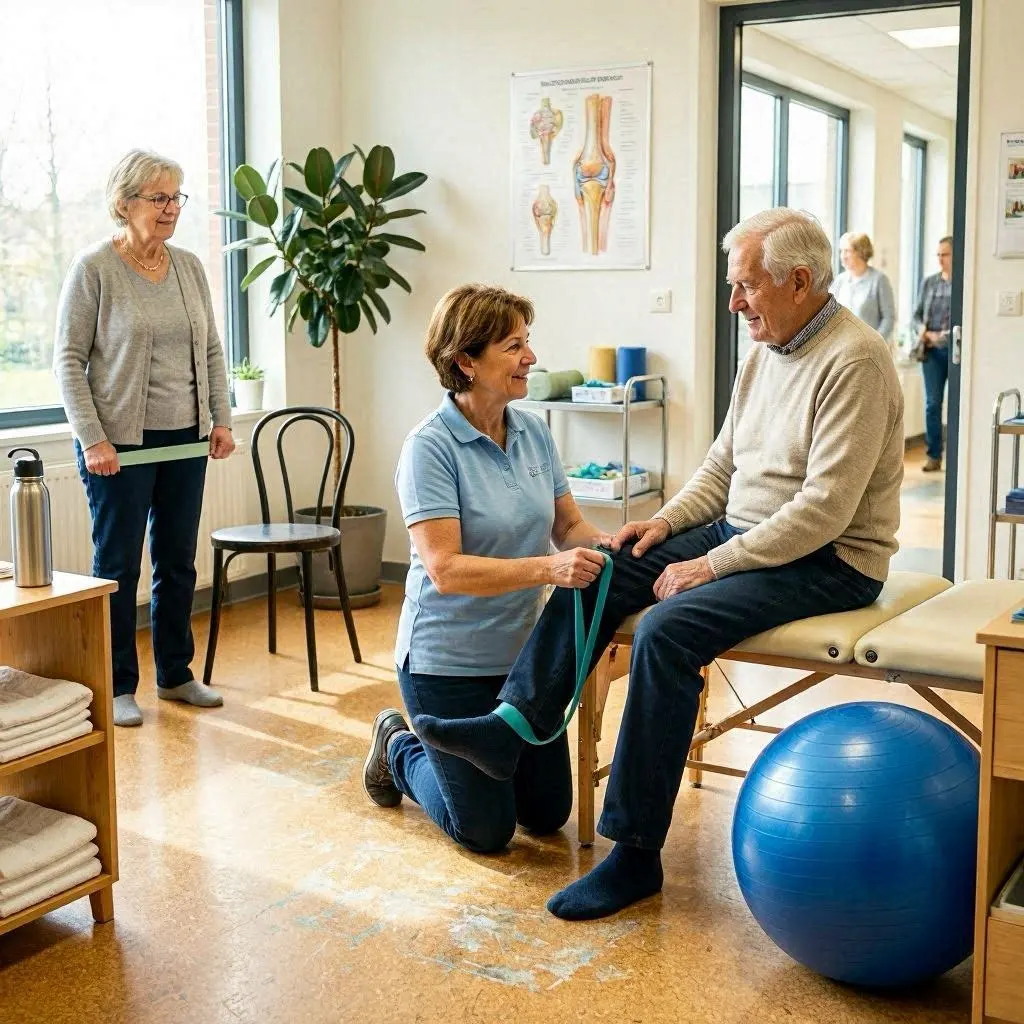
Sciatica Treatment Without Surgery: A Complete Guide to Natural Relief and Recovery
Sciatica can cause persistent lower back discomfort, shooting pain through the buttock, and symptoms that travel down the leg. For some people, even sitting at a desk, walking short distances, or sleeping comfortably becomes difficult. When these symptoms continue, many people begin looking for effective ways to manage the condition without undergoing an operation. The good news is that Sciatica Treatment Without Surgery is possible for many people. Depending on the underlying cause and severity, treatment may include physiotherapy, targeted exercises, activity modification, appropriate medication, and professional guidance. Many cases improve over time, although recovery varies from person to person.
At Ritz Clinics, physiotherapy services can be explored by people looking for support with movement, physical function, and rehabilitation. The right approach begins with understanding the source of the symptoms and selecting treatments that suit the individual’s needs.
This guide explains how sciatica develops, which nonsurgical treatments may help, what to expect from physiotherapy, and when medical assessment is essential.
What Is Sciatica?
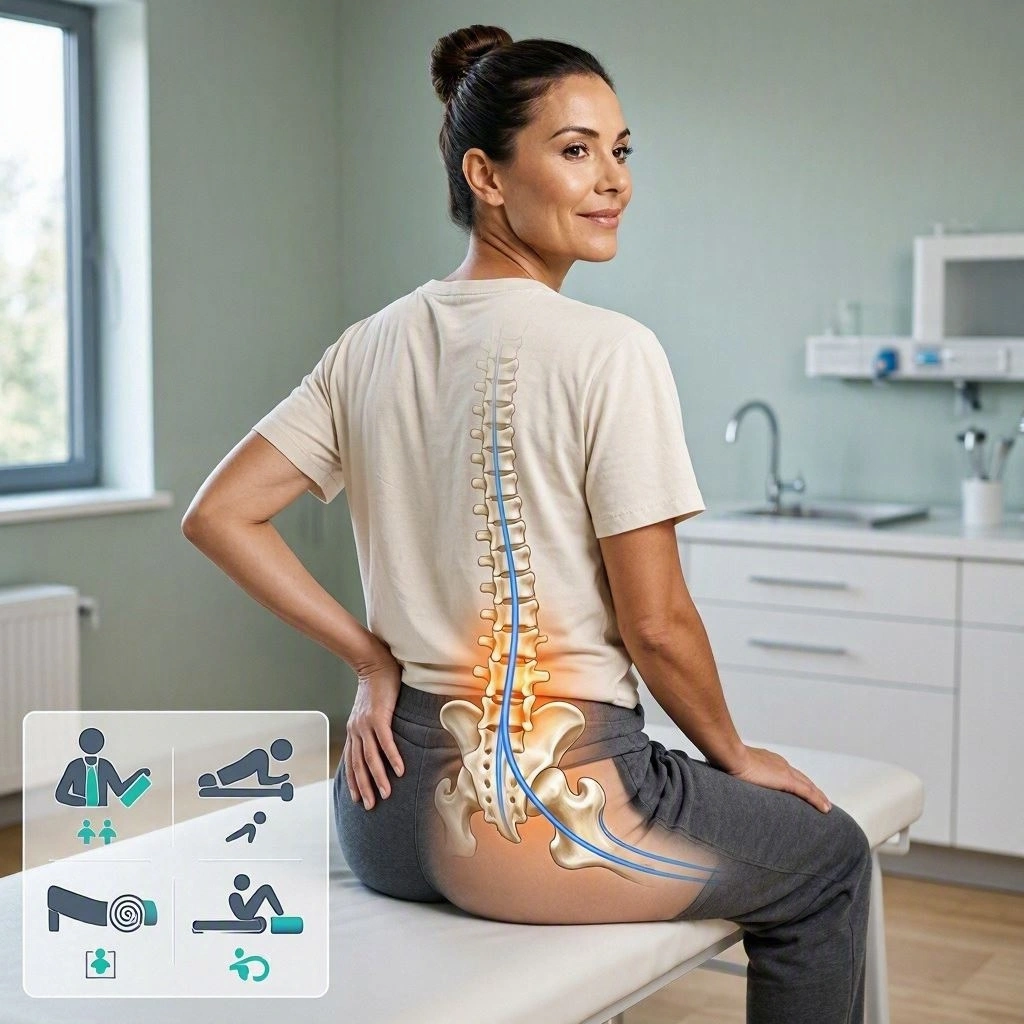
Sciatica describes pain and other symptoms associated with irritation or compression of the sciatic nerve or the nerve roots that contribute to it. These nerves originate in the lower spine, pass through the buttock region, and extend down the legs.
Because the sciatic nerve travels through such a large area, irritation near the lower back can cause symptoms farther down the leg. As a result, someone may experience pain in the calf or foot even when the underlying problem originates in the lumbar spine.
Sciatica commonly affects one side of the body. Symptoms can range from mild discomfort to severe, sharp pain that makes ordinary movement challenging.
Common symptoms include:
- Shooting pain that travels from the lower back or buttock into the leg.
- Burning or aching discomfort along the thigh or calf.
- Tingling or pins and needles in the leg or foot.
- Numbness in certain areas of the lower limb.
- Muscle weakness that affects walking or foot movement.
- Pain that becomes worse during certain movements or prolonged sitting.
Some people experience leg pain without significant back pain. Others notice that coughing, sneezing, or changing position increases their symptoms.
However, not every type of leg pain is caused by sciatica. Hip conditions, muscular injuries, and circulation problems can produce similar symptoms. Therefore, professional assessment may be necessary to identify the cause accurately.
Can Sciatica Be Treated Without Surgery?
Yes. Many people with sciatica improve without surgery, particularly when symptoms are related to conditions that respond to time, activity modification, and conservative treatment.
Nonsurgical care focuses on managing pain, maintaining comfortable movement, improving physical capacity, and addressing the factors contributing to symptoms.
Depending on the individual, treatment may include:
- Physiotherapy and guided rehabilitation.
- Gentle movement and appropriate exercise.
- Temporary modification of activities that aggravate symptoms.
- Heat or cold for short-term comfort.
- Medication when recommended by a healthcare professional.
- Further medical assessment when symptoms persist.
- Selected injections in some cases of severe pain.
No single treatment works for everyone. A person with mild symptoms that are already improving may need a different plan from someone experiencing persistent pain or significant weakness.
It is also important to understand that nonsurgical treatment does not mean ignoring symptoms. The goal is to use appropriate care while monitoring recovery and recognising when additional investigation is necessary.
For general information about sciatica symptoms and treatment, the NHS sciatica guide provides useful guidance on self-care and warning signs.
What Causes Sciatica?
Understanding the possible cause helps healthcare professionals select appropriate treatment. Several conditions can irritate or compress the nerve roots involved in sciatica.
Herniated Disc
A spinal disc sits between the vertebrae and helps absorb forces during movement. Sometimes, part of a disc protrudes through its outer layer and irritates a nearby nerve root.
When this occurs in the lower back, pain may travel into the buttock, thigh, calf, or foot.
A herniated disc does not always require surgery. Many people improve with conservative care, although significant weakness, persistent disabling symptoms, or emergency warning signs require appropriate medical assessment.
Spinal Stenosis (Sciatica Treatment Without Surgery)
Spinal stenosis occurs when spaces within the spine become narrower. If this narrowing affects the areas through which nerves pass, it can contribute to pain, numbness, or weakness.
Some people notice that standing or walking aggravates their symptoms. Sitting or leaning forward may provide relief, although this pattern varies.
Treatment depends on the degree of narrowing, the person’s symptoms, and whether neurological function is affected.
Degenerative Spinal Changes
Spinal structures naturally change over time. In some individuals, these changes can contribute to irritation around the nerve roots.
However, changes seen on an imaging scan do not necessarily explain a person’s symptoms. Healthcare professionals consider imaging alongside the medical history and physical examination before deciding which treatment is appropriate.
Spondylolisthesis
Spondylolisthesis describes a condition in which one vertebra slips relative to another. Depending on its severity, this may reduce space around the nerves and contribute to radiating leg pain.
Some cases can be managed conservatively, while others require additional investigation or specialist care.
Injury and Physical Overload
A sudden injury, repeated lifting, or an abrupt increase in physical activity may contribute to back pain and nerve irritation. Nevertheless, sciatica can also develop without an obvious injury.
Identifying a single triggering event is not always possible. A thorough assessment can help determine whether the symptoms are consistent with sciatica and whether further testing is needed.
The Benefits of Conservative Sciatica Treatment
Conservative treatment can offer several advantages when it is appropriate for the underlying condition.
Avoiding Unnecessary Surgery
Surgery can be valuable for selected spinal conditions, but it is not necessary for every person with sciatica. Many people improve through time, appropriate activity, physiotherapy, and other nonsurgical measures.
Starting with conservative care may help individuals avoid an operation when their symptoms and examination findings support that approach.
However, avoiding surgery should never take priority over urgent treatment when serious nerve compression or other dangerous conditions are suspected.
Improving Everyday Movement
Sciatica can make ordinary activities feel difficult. Sitting, walking, getting dressed, and completing household tasks may become uncomfortable.
A structured rehabilitation programme can help people gradually restore movement and confidence. Instead of focusing only on pain, treatment can also address the activities that matter most to the individual.
Building Strength and Physical Capacity
When pain limits activity, the muscles supporting the back, hips, and trunk may become less conditioned.
Appropriate strengthening can help restore the capacity needed for work, exercise, and everyday tasks. The programme should progress gradually and reflect the person’s symptoms and current abilities.
Supporting Long-Term Recovery
Recovery involves more than temporary pain relief. Understanding symptom patterns, improving activity tolerance, and learning how to adjust workloads may help people manage future episodes.
Although recurrence cannot always be prevented, consistent physical activity and sensible movement habits can support general back health.
Physiotherapy for Sciatica Without Surgery (Sciatica Treatment Without Surgery)
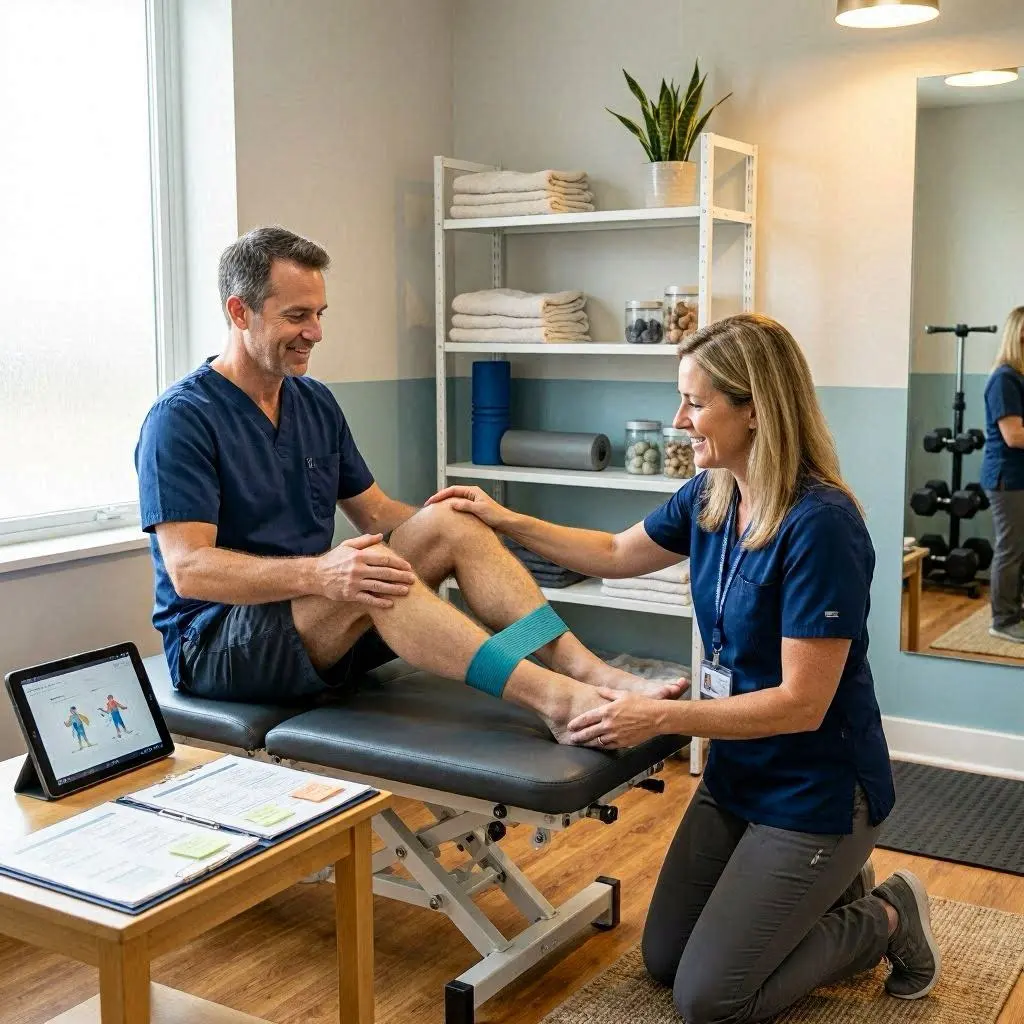
Physiotherapy is an important option for many people seeking nonsurgical sciatica care. It can help address movement restrictions, reduced strength, activity intolerance, and difficulties returning to normal routines.
The treatment plan should reflect the person’s symptoms rather than follow a fixed programme for everyone.
Initial Assessment
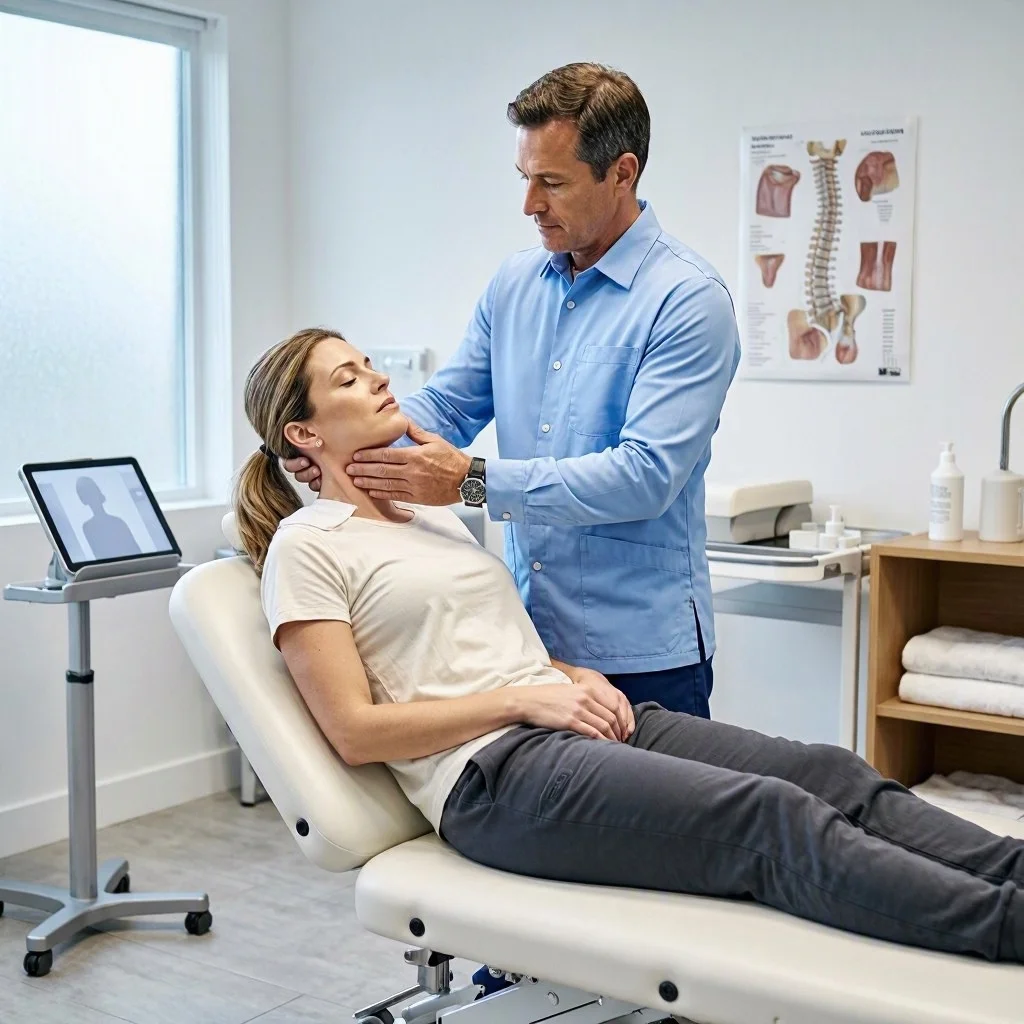
A physiotherapist may ask when the symptoms began, where the pain travels, which activities make it worse, and whether numbness or weakness is present.
The assessment may also examine:
- Lower back and hip movement.
- Leg strength and sensation.
- Walking and balance.
- Tolerance for sitting, standing, and bending.
- Relevant medical history and previous injuries.
- Activities that are important to the person’s daily life.
These findings help determine whether physiotherapy is appropriate or whether medical evaluation should come first.
Individualised Exercise Planning
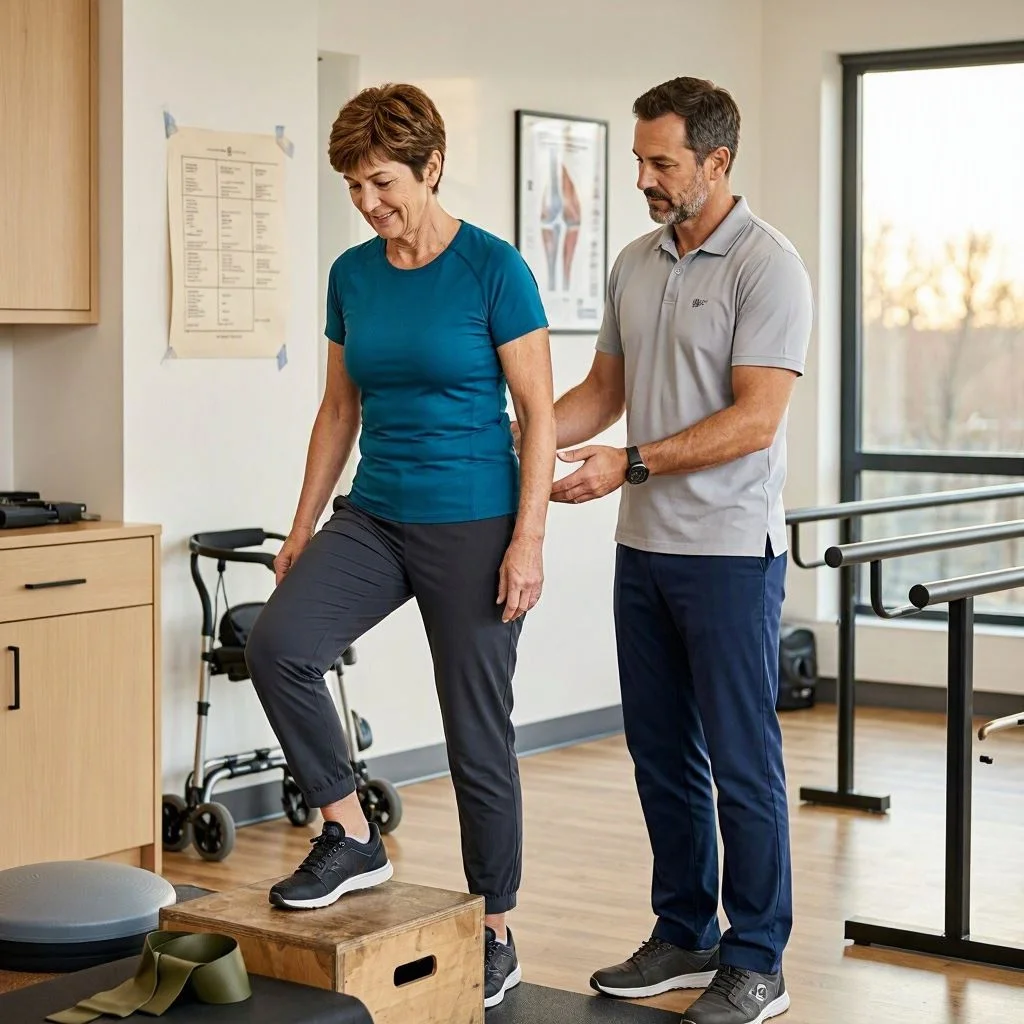
After the assessment, a physiotherapist may recommend exercises that match the person’s current capacity.
Depending on the findings, these might include gentle spinal movements, hip mobility work, trunk strengthening, or gradual walking practice.
The goal is to improve function without repeatedly provoking symptoms. Exercises should be adjusted if they cause substantial increases in radiating pain, new tingling, numbness, or weakness.
Education and Activity Management
Understanding how to respond to symptoms can make recovery less confusing. A physiotherapist can help identify manageable activities, suggest ways to adjust work tasks, and establish realistic goals.
For example, someone who finds prolonged sitting uncomfortable may benefit from changing positions more frequently and gradually building sitting tolerance.
These strategies are not a substitute for diagnosis, but they can support a broader rehabilitation plan.
Learn more about available services through the Ritz Clinics physiotherapy page.
Exercises That May Help Manage Sciatica (Sciatica Treatment Without Surgery)
Exercise can support recovery, but the most appropriate movements depend on the cause of the symptoms and how the person responds to activity.
The following examples are general options rather than a personalised treatment prescription.
1. Gentle Walking
Walking helps maintain everyday movement and can prevent long periods of inactivity.
Start with a short walk on a comfortable, level surface. Keep your pace relaxed and choose a distance that does not substantially increase your symptoms.
As your tolerance improves, gradually increase the duration.
If walking consistently causes pain to spread farther down the leg, or if you develop new weakness, stop and seek professional guidance.
2. Comfortable Pelvic Tilts
Pelvic tilts involve a small, controlled movement of the pelvis while lying on your back.
To try this movement:
- Lie on your back with your knees bent and feet resting on a supportive surface.
- Gently rock your pelvis to create a small movement in your lower back.
- Return to a relaxed starting position.
- Repeat only if the movement feels comfortable.
Avoid forcing the movement or holding your breath. If it increases leg symptoms, stop and ask a physiotherapist whether another exercise would be more suitable.
3. Gentle Hip Mobility (Sciatica Treatment Without Surgery)
Hip movement may form part of a rehabilitation programme for some people with sciatica.
A physiotherapist might recommend supported movements that allow the hips to move through a comfortable range without excessive strain.
However, hip tightness is not necessarily the cause of sciatica. Exercises should be selected according to the person’s overall presentation rather than an assumption that every symptom comes from tight muscles.
4. Gradual Trunk Strengthening
Strengthening the muscles involved in trunk control can help people rebuild physical capacity after a period of reduced activity.
Depending on symptoms, a programme may eventually include supported sit-to-stands, modified squats, or other controlled exercises.
Start at a manageable level and increase difficulty gradually. If you have significant weakness or worsening neurological symptoms, obtain medical assessment before attempting to strengthen through them.
5. Should You Stretch the Hamstrings?
Hamstring stretches are sometimes recommended for lower-body discomfort, but they may aggravate symptoms in some people with sciatica.
Nerve sensitivity can make straightening the leg uncomfortable, particularly when a movement produces shooting pain or tingling.
Do not force a stretch or repeatedly push through radiating symptoms. A physiotherapist can assess whether stretching is appropriate and suggest alternatives when necessary.
Managing Sciatica Pain at Home (Sciatica Treatment Without Surgery)
Home care can support recovery when symptoms are mild or improving and no warning signs are present.
Stay Gently Active
It may be tempting to remain in bed until the pain disappears. Brief rest can be useful during a painful episode, but prolonged inactivity is generally not recommended.
Try to continue comfortable daily activities where possible. Short walks, gentle household tasks, and regular position changes may help you maintain movement.
Reduce activities that consistently aggravate symptoms rather than stopping all movement automatically.
Use Heat or Cold for Comfort
Some people find that heat or cold temporarily reduces discomfort.
If you use a cold pack, wrap it in a towel rather than placing it directly against your skin. Warm packs should also be used carefully to avoid burns.
Apply either option for a limited period and follow the manufacturer’s instructions. Avoid intense heat or cold on areas with reduced sensation.
These methods may help with comfort, but they do not necessarily address the underlying cause of nerve irritation.
Adjust Sitting Habits (Sciatica Treatment Without Surgery)
Prolonged sitting aggravates symptoms for some people. If this applies to you, change positions regularly and take short movement breaks.
A supportive chair may improve comfort, but there is no single perfect posture that suits everyone. The aim is to find a position you can tolerate and avoid remaining still for excessive periods.
Modify Heavy Activities Temporarily
Heavy lifting, repeated twisting, or movements that consistently trigger pain may need temporary modification.
When lifting is necessary, keep the load close to your body and avoid sudden twisting under load. Ask for assistance with objects that are too heavy or awkward.
As symptoms improve, gradually return to activities according to your tolerance and any professional advice.
Improve Sleep Comfort
Sciatica can interfere with sleep. Experiment with comfortable positions and use pillows for support if helpful.
There is no universally correct sleeping position for every person with sciatica. Choose a position that allows you to rest without repeatedly increasing your symptoms.
If pain regularly prevents sleep or becomes progressively worse, consult a healthcare professional.
Medication as Part of Nonsurgical Treatment
Medication may be considered when sciatica interferes with movement, sleep, or daily responsibilities. However, medication choices require care because the benefits and risks vary.
A doctor or pharmacist can help determine whether an over-the-counter medicine is appropriate, considering your medical history, other medications, and possible side effects.
Do not assume that all pain relievers are equally effective for nerve-related pain. For example, evidence for some commonly used medicines in sciatica is limited, and certain medications may be unsuitable for particular individuals.
Prescription treatments may be considered in selected circumstances. Their potential benefits, side effects, and appropriate duration should be discussed with a qualified healthcare professional.
Avoid taking someone else’s prescription medication, increasing doses without advice, or combining medicines without checking for interactions.
Medication can be one part of treatment, but it does not replace an assessment when symptoms suggest significant nerve involvement.
Can Spinal Injections Help Avoid Surgery?
In selected cases, a specialist may recommend an injection near an irritated spinal nerve root. An epidural steroid injection, for example, may provide short-term relief for some people with severe radiating pain.
However, injections are not suitable for everyone and do not guarantee recovery. The likely benefit depends on the underlying cause, symptom pattern, and individual medical circumstances.
A specialist can explain the expected benefits, possible risks, and alternative options before a decision is made.
Injections may be considered alongside rehabilitation to help someone participate more comfortably in daily activities. They should not be treated as a guaranteed permanent solution or a replacement for appropriate medical evaluation.
How Long Does Nonsurgical Sciatica Treatment Take?
Recovery times vary widely. Many people improve over several weeks, while others continue to experience symptoms for months.
Several factors can affect the timeline:
- The underlying cause of nerve irritation.
- The severity and duration of symptoms.
- Whether numbness or weakness is present.
- The person’s general health and activity tolerance.
- How symptoms respond to conservative treatment.
- Whether further medical care is required.
Progress is not always linear. Symptoms may fluctuate, and a temporary increase in discomfort does not automatically mean that treatment has failed.
Nevertheless, persistent or worsening symptoms should not be ignored. Arrange a medical assessment if pain is not improving after a few weeks of home care, interferes with normal activities, or is accompanied by new neurological changes.
A healthcare professional can review the diagnosis and determine whether the current approach remains appropriate.
When Is Surgery Still Necessary?
Although many people recover without an operation, surgery can be important in certain situations.
A specialist may consider surgery when symptoms remain severely disabling despite an appropriate course of nonsurgical treatment and clinical findings identify a problem that surgery may address.
Surgery may also be considered when significant nerve compression causes serious or progressive weakness.
Some warning signs require emergency assessment rather than a routine appointment. These include:
- Difficulty starting urination or inability to urinate.
- New loss of bladder or bowel control.
- Numbness around the genitals, inner thighs, or buttock area.
- Severe or rapidly worsening weakness, especially in both legs.
These symptoms can indicate a serious condition affecting the nerves in the lower spine.
If they occur, seek emergency medical care immediately. Do not delay assessment to try stretching, massage, medication, or other home treatments.
The purpose of nonsurgical treatment is to use effective conservative options when appropriate, not to avoid an operation at any cost.
Preventing Future Sciatica Episodes (Sciatica Treatment Without Surgery)
Sciatica can return, even after a person has recovered. Although prevention is not always possible, several habits may support long-term back health.
Maintain Regular Physical Activity
Regular movement helps maintain strength, endurance, and general physical capacity. Choose activities you enjoy and can perform consistently.
If you are recovering from sciatica, increase activity gradually rather than returning immediately to a demanding routine.
Build Strength Progressively
Strengthening exercises can help develop the physical capacity needed for lifting, walking, and everyday tasks.
A balanced programme may include trunk, hip, and lower-limb exercises. The most appropriate exercises depend on your abilities, symptoms, and any other medical conditions.
Take Breaks During Desk Work (Sciatica Treatment Without Surgery)
If your work involves prolonged sitting, change positions regularly. Brief movement breaks can help reduce the time spent in one posture.
Adjust your workspace so that frequently used items are easy to reach and you can work comfortably.
Use Sensible Lifting Techniques
Keep heavy objects close to your body and avoid sudden twisting while carrying a load. Plan difficult lifts and ask for assistance when necessary.
During recovery, gradually reintroduce heavier activities according to your tolerance.
Respond to Symptoms Early
If radiating leg pain returns, review your recent activity levels and modify tasks that clearly aggravate symptoms. Seek professional advice if symptoms persist, worsen, or involve numbness or weakness.
Do not assume that every new episode has the same cause as a previous one.
Frequently Asked Questions About Sciatica Treatment Without Surgery
Can Sciatica Be Cured Without Surgery?
Many people improve without surgery, particularly when symptoms respond to conservative care. Treatment may include physiotherapy, gentle activity, medication when appropriate, and changes to aggravating activities. Outcomes depend on the underlying cause and severity.
What Is the Best Nonsurgical Treatment for Sciatica?
There is no single best treatment for everyone. Physiotherapy, appropriate exercises, activity modification, and symptom management may help. A healthcare professional can recommend an approach based on the symptoms, examination findings, and medical history.
Does Physiotherapy Help Sciatica Without Surgery?
Physiotherapy may help improve movement, strength, and everyday function. A physiotherapist can also guide exercise selection and help adjust activities during recovery. The programme should be individualised, and worsening neurological symptoms require medical assessment.
Can Sciatica Go Away Naturally?
Yes, many cases improve over time. However, recovery varies, and some people need professional treatment or further investigation. Seek advice if symptoms persist, worsen, or significantly interfere with daily activities.
Should I Walk With Sciatica?
Gentle walking is often a reasonable way to maintain activity if symptoms allow. Start with a comfortable duration and increase gradually. Stop and seek guidance if walking causes worsening symptoms or new weakness.
Can Exercises Make Sciatica Worse?
Yes. An exercise that is appropriate for one person may aggravate symptoms in another. Stop movements that cause substantial increases in radiating pain, tingling, numbness, or weakness, and seek professional guidance.
Are Painkillers Enough to Treat Sciatica?
Pain medication may help manage symptoms in selected circumstances, but it does not address every underlying cause. Medication should be chosen with appropriate professional advice, particularly when symptoms are persistent or other health conditions are present.
How Long Should I Try Treatment Before Seeking Medical Help?
Seek medical advice sooner if pain is severe, worsening, or accompanied by weakness or numbness. Otherwise, arrange an assessment if symptoms do not improve after a few weeks of home care or continue to interfere with normal activities. Emergency warning signs require immediate care.
Can I Avoid Surgery if I Have a Herniated Disc?
Many people with a herniated disc do not need surgery. The decision depends on symptom severity, neurological findings, and how the condition responds to conservative treatment. Significant or progressive weakness and bladder or bowel symptoms require urgent evaluation.
Is Massage a Good Alternative to Surgery?
Massage may provide temporary comfort for some people, but it cannot be relied upon to correct every cause of nerve compression. It should only be used when appropriate and should not delay assessment of serious or worsening symptoms.
Final Thoughts (Sciatica Treatment Without Surgery)
Sciatica Treatment Without Surgery can be an effective approach for many people experiencing radiating leg pain. Conservative care may include physiotherapy, gradual exercise, activity modification, symptom management, and professional guidance.
The most important step is to understand the likely cause of the symptoms and choose treatments that suit the individual. Staying gently active, building strength progressively, and monitoring changes can support recovery, while professional assessment helps identify when further care is needed.
Although surgery is not necessary for many cases, it remains an important option for selected conditions and may be urgent when serious neurological warning signs appear.
If sciatica is affecting your ability to work, walk, exercise, or complete everyday tasks, explore the Ritz Clinics physiotherapy services to learn more about available care.