Integrative Massage Therapy: Benefits, Techniques, and Complete Treatment Guide
Integrative massage therapy is a personalized approach to massage that combines different hands-on techniques according to a person’s physical needs, lifestyle, comfort level, and wellness goals. Instead of relying on one fixed massage method, an integrative massage therapist may combine techniques such as Swedish massage, deep tissue massage, trigger point work, stretching, myofascial techniques, and relaxation-focused movements during the same treatment.
The goal of integrative massage therapy is to create a treatment experience that addresses the individual rather than simply following a standard massage routine. Every person has different levels of muscle tension, physical activity, stress, posture, mobility, and recovery needs. A flexible approach allows the therapist to adjust pressure, techniques, and treatment areas throughout the session.
Integrative massage therapy can be used for relaxation, muscular comfort, recovery after physical activity, stress management, and general wellness. It may also complement other approaches such as physical therapy, exercise, mobility training, and healthy lifestyle habits.
What Is Integrative Massage Therapy?
Integrative massage therapy is a customized form of massage that combines multiple therapeutic techniques into one treatment plan.
Traditional massage sessions may follow a particular style, such as Swedish or deep tissue massage. Integrative massage therapy is more flexible. The therapist evaluates the client’s goals and may select several techniques that work well together.
For example, someone experiencing shoulder tension from desk work may benefit from relaxing strokes at the beginning of the session, followed by focused work around the upper back and shoulders. Gentle stretching or mobility techniques may then be incorporated toward the end.
An active person may require a different approach. Their session might include sports massage techniques, targeted muscle work, and gentle stretching based on the muscles used during exercise.
The treatment is therefore adaptable rather than identical for every client.
How Does Integrative Massage Therapy Work?
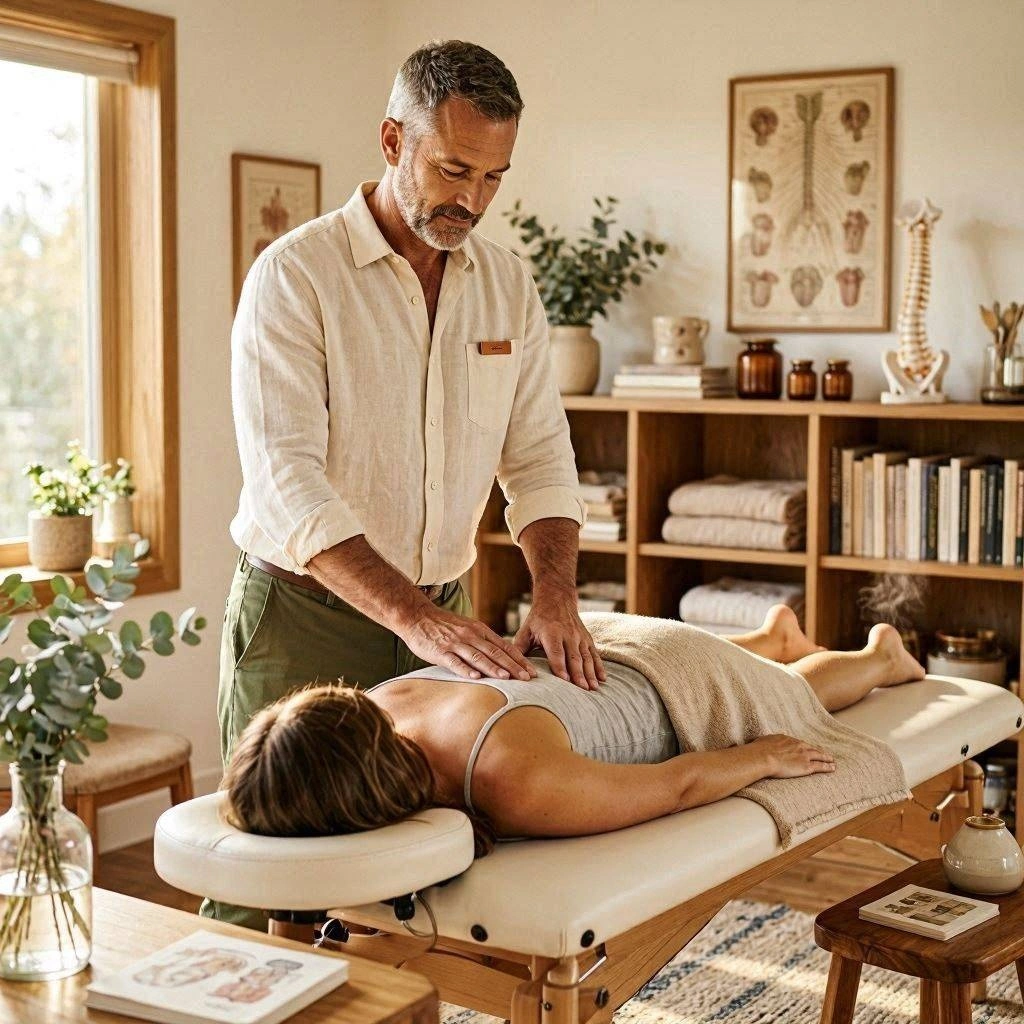
Integrative massage therapy works through a combination of manual techniques applied to muscles and other soft tissues.
During treatment, the therapist may change pressure, speed, direction, and technique depending on how the body responds.
Gentle rhythmic movements may encourage relaxation. Kneading may help address areas that feel tight. More focused pressure can be used around specific areas of muscular tension. Stretching and movement techniques may also be included when appropriate.
The therapist may divide the session into different stages. A treatment could begin with broad, gentle strokes, progress to targeted work, and finish with slower techniques designed to promote relaxation.
Communication is an important part of the process. Clients should feel comfortable explaining whether pressure feels too light, too strong, or appropriate.
Benefits of Integrative Massage Therapy
Integrative massage therapy may offer several potential benefits when appropriately tailored to the individual.
Promotes Relaxation
Relaxation is one of the most common reasons people seek massage therapy.
Slow movements, comfortable positioning, and a calm treatment environment may help the body transition away from the physical effects of everyday stress.
Integrative massage therapy can incorporate relaxation-focused techniques even when the overall session has a therapeutic goal.
Helps Reduce Muscle Tension
Daily activities can cause muscles to become tense or fatigued.
Sitting at a desk, standing for long periods, exercising, repetitive movements, and stressful situations may all contribute to muscular tension.
Massage may help reduce the sensation of tightness by working directly with affected soft tissues.
Supports Comfortable Movement
Muscle tension can sometimes make everyday movement feel restricted.
By addressing areas of muscular tightness and combining hands-on techniques with appropriate movement, integrative massage therapy may help people feel more comfortable when moving.
The results vary between individuals and depend on the cause of the restriction.
Supports Physical Recovery
Recovery from physical activity requires adequate sleep, nutrition, hydration, rest, and appropriate exercise management.
Massage can be one part of this broader recovery process.
Integrative treatment allows the therapist to focus on areas that receive greater physical demands while still considering overall relaxation and comfort.
May Support Stress Management
Stress can affect both mental and physical well-being.
People under stress may unconsciously tighten their shoulders, neck, jaw, or back muscles.
Massage may provide a relaxing experience that helps reduce the sensation of physical tension.
It should not be considered a replacement for professional mental health support when someone is experiencing significant psychological distress, but it can be one component of a broader wellness routine.
Techniques Used in Integrative Massage Therapy
The specific techniques used during an integrative massage session depend on the individual’s needs.
Swedish Massage
Swedish massage uses techniques such as long strokes, kneading, and rhythmic movements.
It is often used to promote relaxation and general muscular comfort.
A therapist may use Swedish techniques at the beginning or end of an integrative session to create a smooth transition between more focused techniques.
Deep Tissue Massage
Deep tissue massage uses slower, more focused pressure.
It may be appropriate for certain areas of persistent muscular tightness, although deeper pressure is not automatically more effective.
A qualified therapist should adjust pressure according to the client’s comfort and individual circumstances.
Trigger Point Massage
Trigger point techniques focus on specific areas that feel particularly tight or sensitive.
A therapist may apply controlled pressure to a targeted area and gradually release it.
Trigger point work can be combined with other techniques rather than being used as the entire treatment.
Myofascial Techniques
Myofascial techniques focus on soft tissues and the surrounding connective tissue.
The therapist may use sustained pressure, slow movements, or stretching techniques.
These methods can be incorporated when appropriate based on the client’s movement and comfort goals.
Sports Massage
Sports massage is often used for physically active individuals.
The therapist may focus on muscles that are heavily involved in a particular sport or exercise routine.
Integrating sports massage techniques with relaxation and mobility work can create a more individualized session.
Assisted Stretching
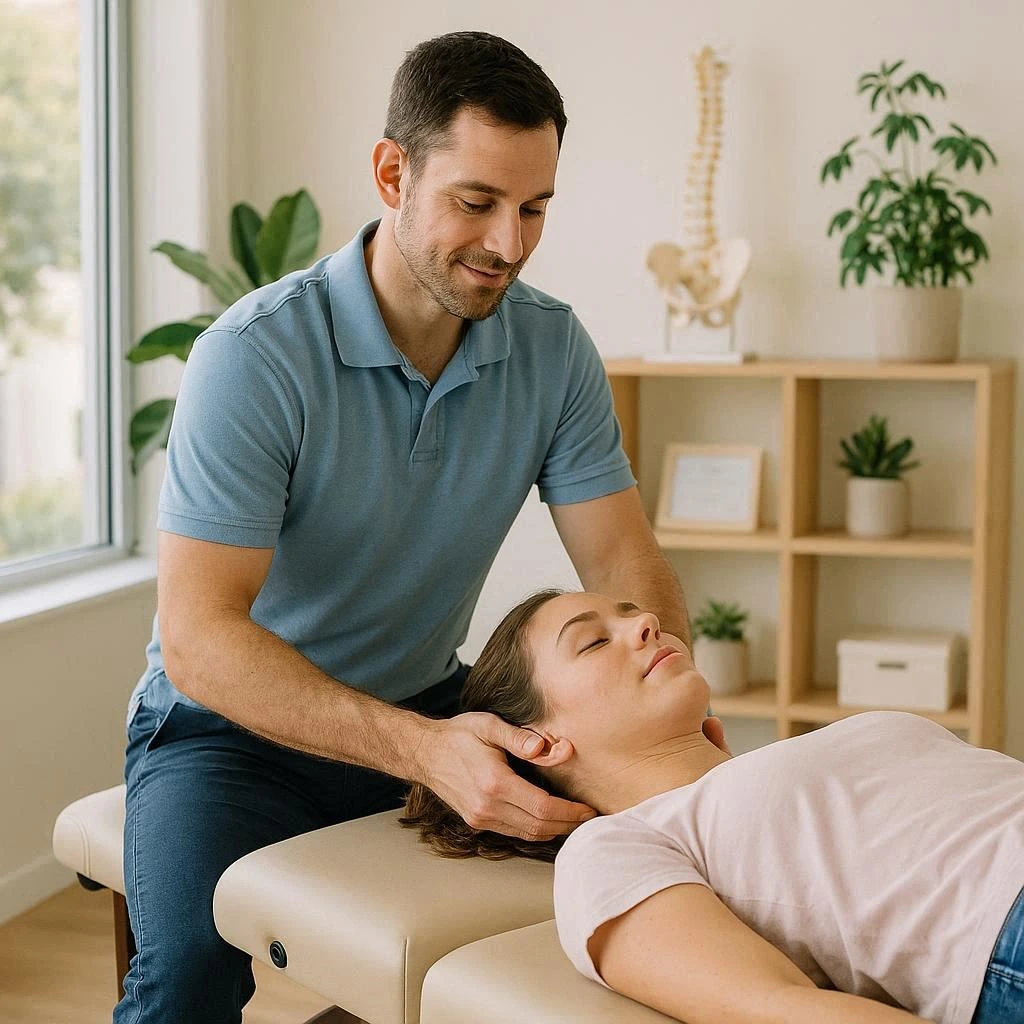
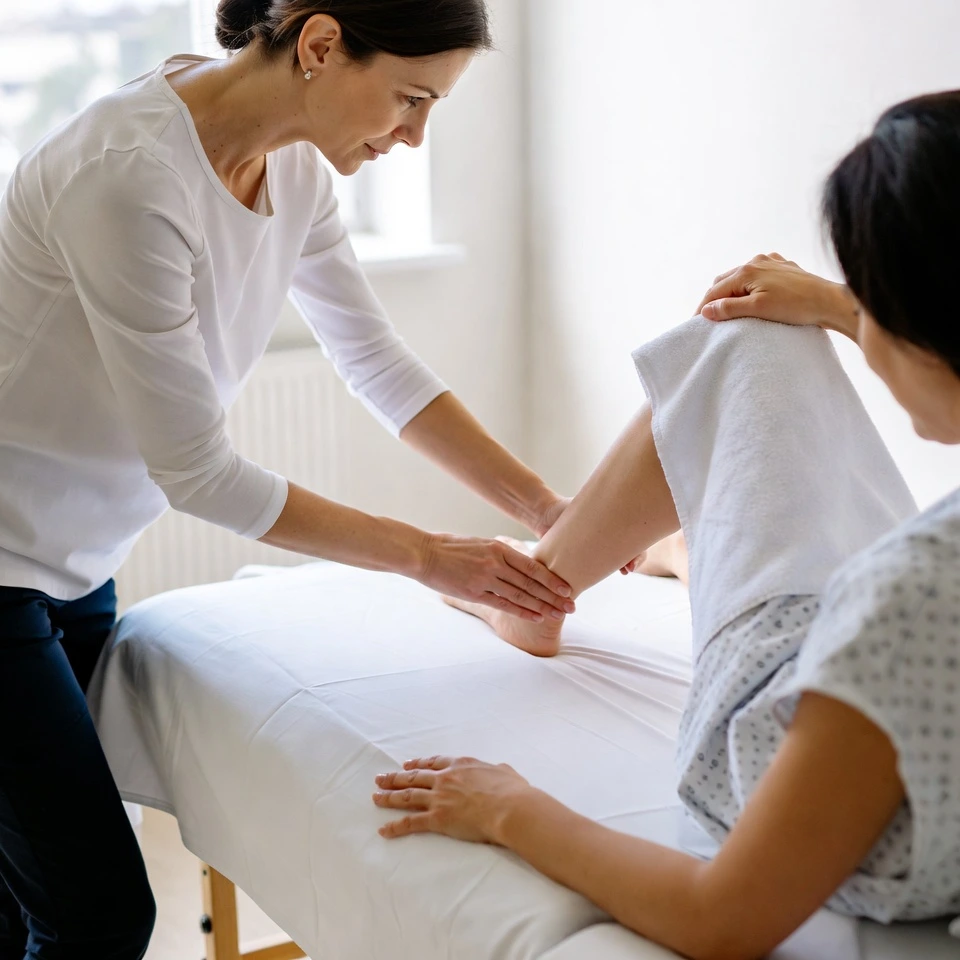
Gentle assisted stretching may be incorporated into some integrative massage sessions.
Stretching can complement hands-on treatment by encouraging comfortable movement through an appropriate range.
The therapist should avoid forcing a joint or muscle beyond a comfortable limit.
Integrative Massage Therapy for Neck and Shoulder Tension
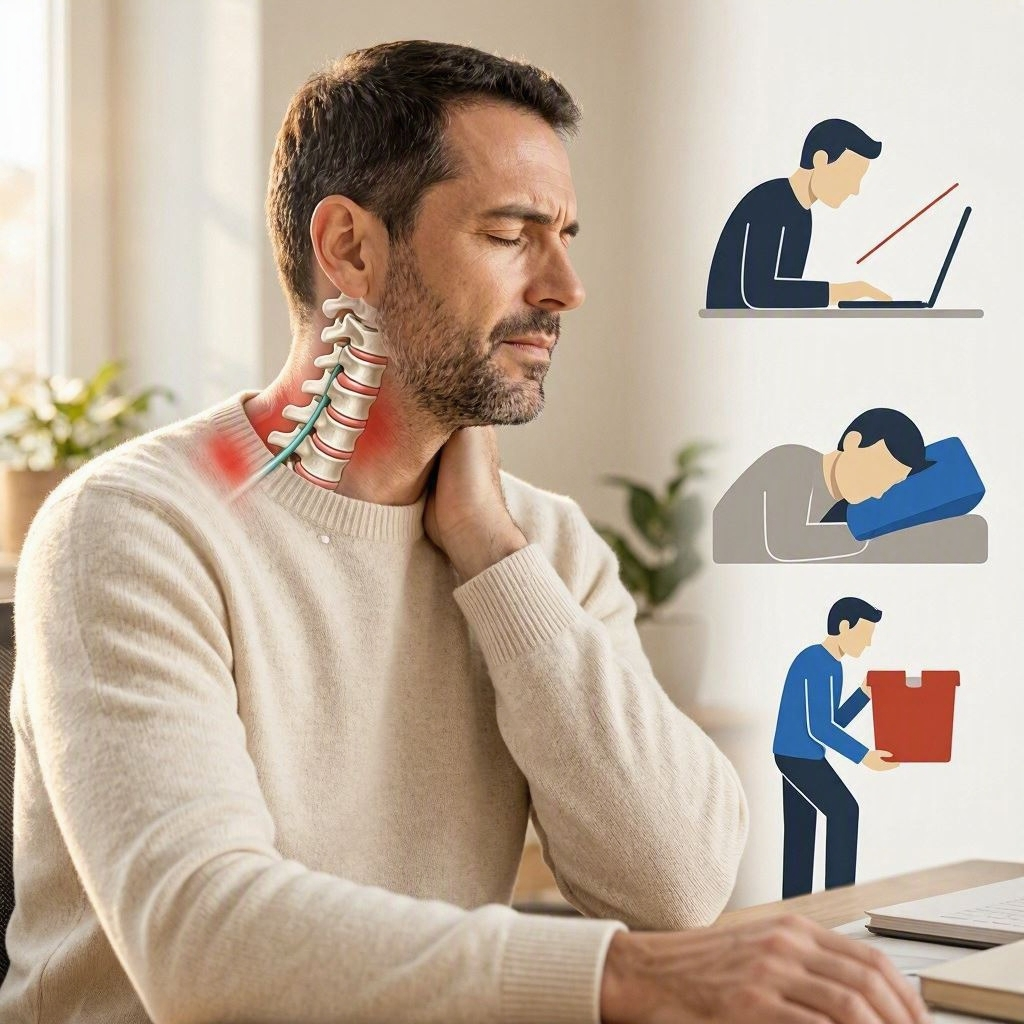
The neck and shoulders commonly experience tension because of desk work, smartphone use, repetitive activities, stress, and prolonged static positions.
An integrative massage session can address multiple areas rather than focusing exclusively on the painful or tense location.
For example, the therapist may work on the upper back, shoulders, chest, neck, and surrounding muscles.
Relaxation techniques can be combined with more targeted work to create a balanced session.
However, neck symptoms can have many causes. Severe or persistent symptoms, numbness, weakness, dizziness, symptoms following significant trauma, or unexplained changes should be assessed by an appropriate healthcare professional.
Integrative Massage Therapy for Back Tension
Back tension can develop for many different reasons.
Prolonged sitting, repetitive movements, lifting, exercise, poor movement habits, and general muscular fatigue may all contribute to discomfort.
Integrative massage therapy allows the therapist to consider the surrounding muscles rather than focusing on one location.
For example, treatment may include the lower back, hips, glutes, and upper legs when appropriate.
The purpose is not to diagnose the underlying cause but to provide appropriate soft-tissue treatment and relaxation.
If back pain is severe, persistent, or associated with neurological symptoms, professional assessment should be prioritized.
Integrative Massage Therapy for Athletes
Athletes often have specific physical demands.
Running, cycling, swimming, weight training, football, tennis, and other sports repeatedly load particular muscle groups.
Integrative massage therapy can be adjusted according to training volume and recovery needs.
A session may focus on areas that feel fatigued while avoiding unnecessary pressure on recently injured tissues.
Sports massage techniques can also be combined with general relaxation techniques.
Massage should be viewed as one part of athletic recovery rather than a replacement for proper training, nutrition, sleep, injury management, or rehabilitation.
Integrative Massage Therapy for Office Workers
Modern work often involves long periods of sitting and computer use.
Remaining in one position for extended periods may contribute to tension around the neck, shoulders, upper back, hips, and lower back.
An integrative massage session can address several of these areas based on the individual’s needs.
However, massage alone does not solve the underlying problem if a person continues to remain inactive for most of the day.
Regular movement breaks, workstation adjustments, exercise, and appropriate strengthening can complement massage therapy.
Integrative Massage Therapy and Posture
Posture is influenced by many factors, including strength, mobility, habits, environment, and individual anatomy.
Massage cannot permanently change posture by itself.
However, it may temporarily reduce muscle tension associated with prolonged positions.
For example, a person who spends several hours working at a computer may experience tightness around the chest and shoulders.
Massage can provide muscular relaxation, while long-term changes may require exercise, ergonomic adjustments, and movement retraining.
Integrative Massage Therapy for Stress and Relaxation
The connection between stress and physical tension is important.
When people experience stress, their muscles may remain partially contracted for extended periods.
This can contribute to feelings of stiffness and fatigue.
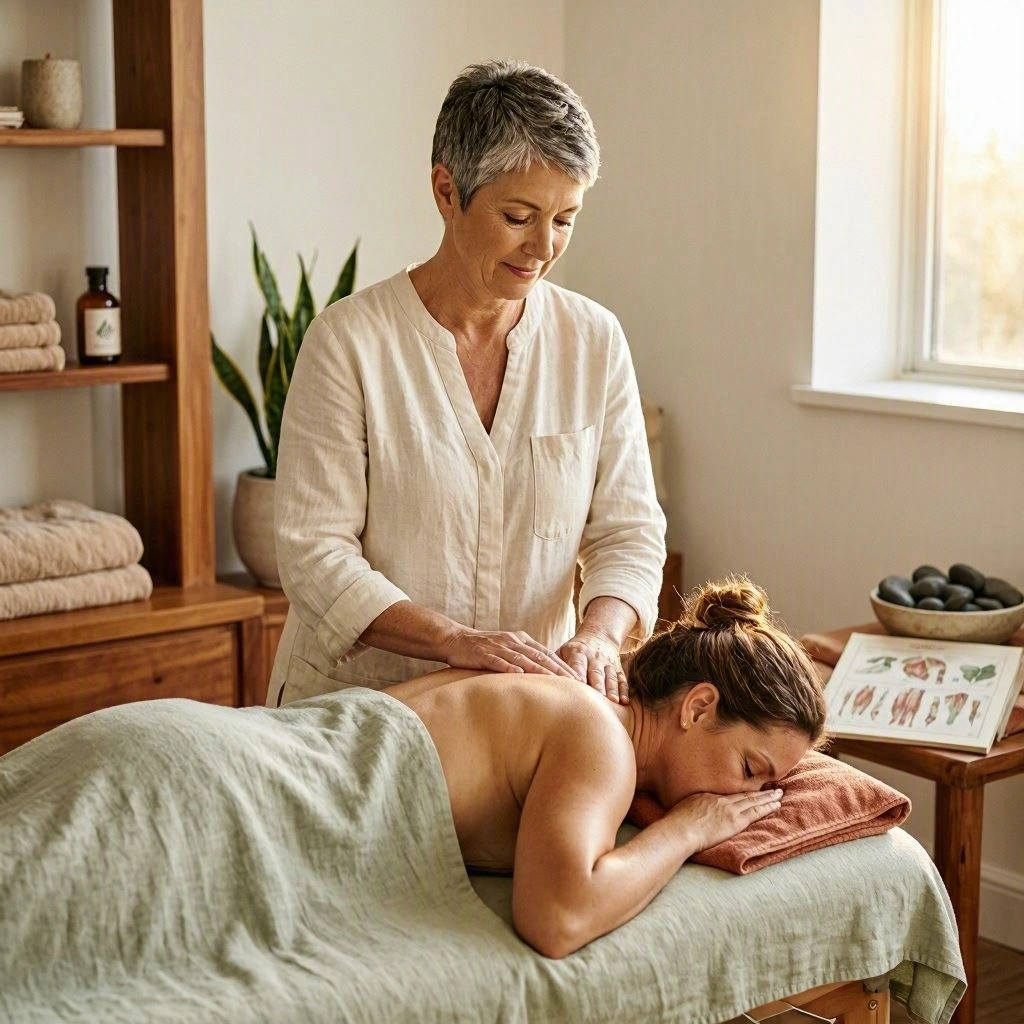
Integrative massage therapy can incorporate slower, relaxing techniques designed to create a calming experience.
The treatment environment may also encourage people to take time away from screens, work, and other daily demands.
For best results, massage can be combined with other stress-management habits such as regular physical activity, adequate sleep, breathing exercises, and healthy social routines.
What to Expect During an Integrative Massage Session
A session generally begins with a consultation.
The therapist may ask about your goals, lifestyle, physical activity, areas of tension, previous injuries, and preferred pressure.
This information helps determine which techniques may be appropriate.
The treatment itself can include several massage methods.
For example, a session may begin with gentle Swedish massage before moving toward focused work around the shoulders. The therapist may then use stretching or mobility techniques before finishing with slower relaxation-focused movements.
The exact structure depends on the client.
Communication should continue throughout the appointment. You should tell the therapist if you experience excessive pain, discomfort, or pressure.
How Long Does Integrative Massage Therapy Take?
Session lengths vary.
Some appointments may last around 30 minutes, while others can take 60, 75, or 90 minutes.
The appropriate duration depends on the treatment goals and the number of areas being addressed.
A longer session is not necessarily better for everyone.
A focused 30-minute treatment may be useful when a person wants attention on one specific area, while a longer session may allow the therapist to address multiple regions.
How Often Should You Receive Integrative Massage Therapy?
There is no universal schedule.
Some people receive massage occasionally when they feel increased muscular tension.
Others may prefer regular appointments as part of their wellness routine.
Active individuals may schedule massage around training and recovery periods.
The appropriate frequency depends on individual needs, treatment response, activity levels, and overall health.
It is also important to allow adequate recovery between intensive sessions.
Integrative Massage Therapy and Physical Therapy
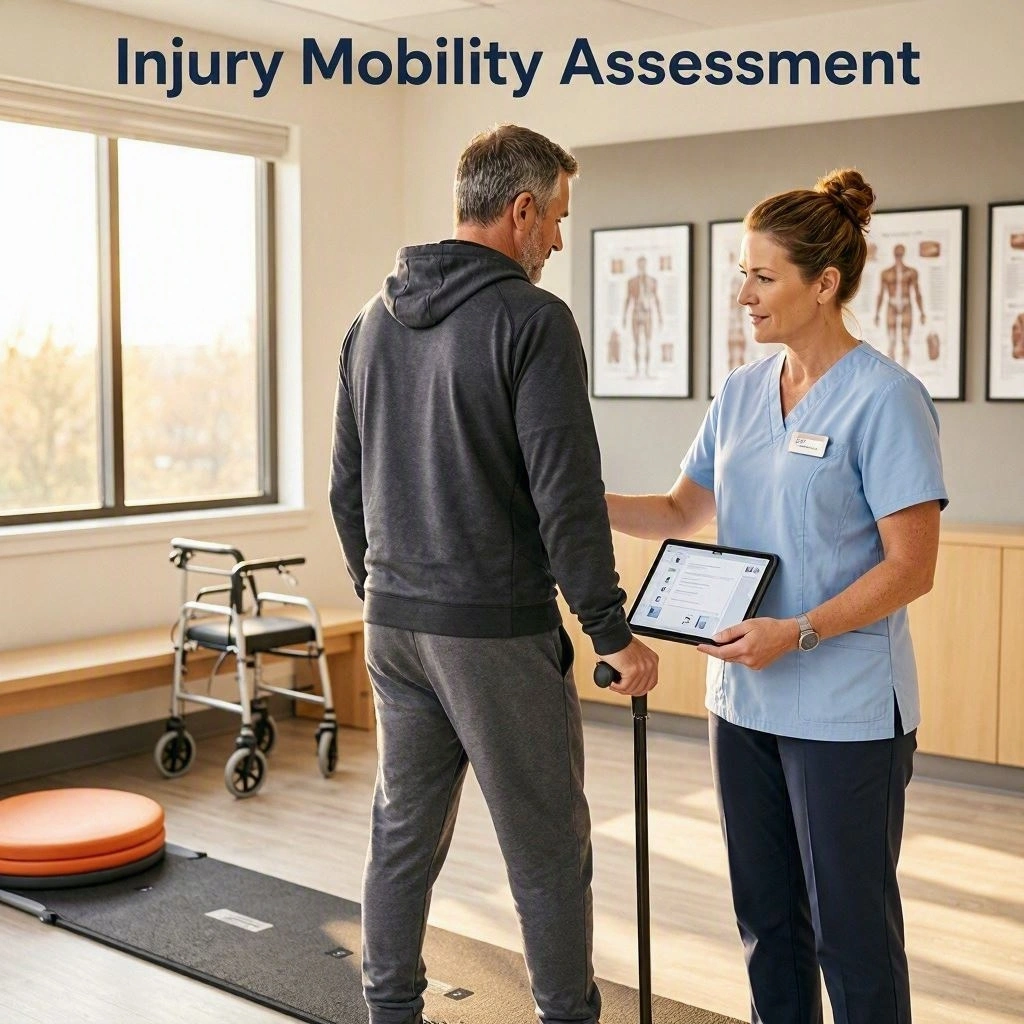
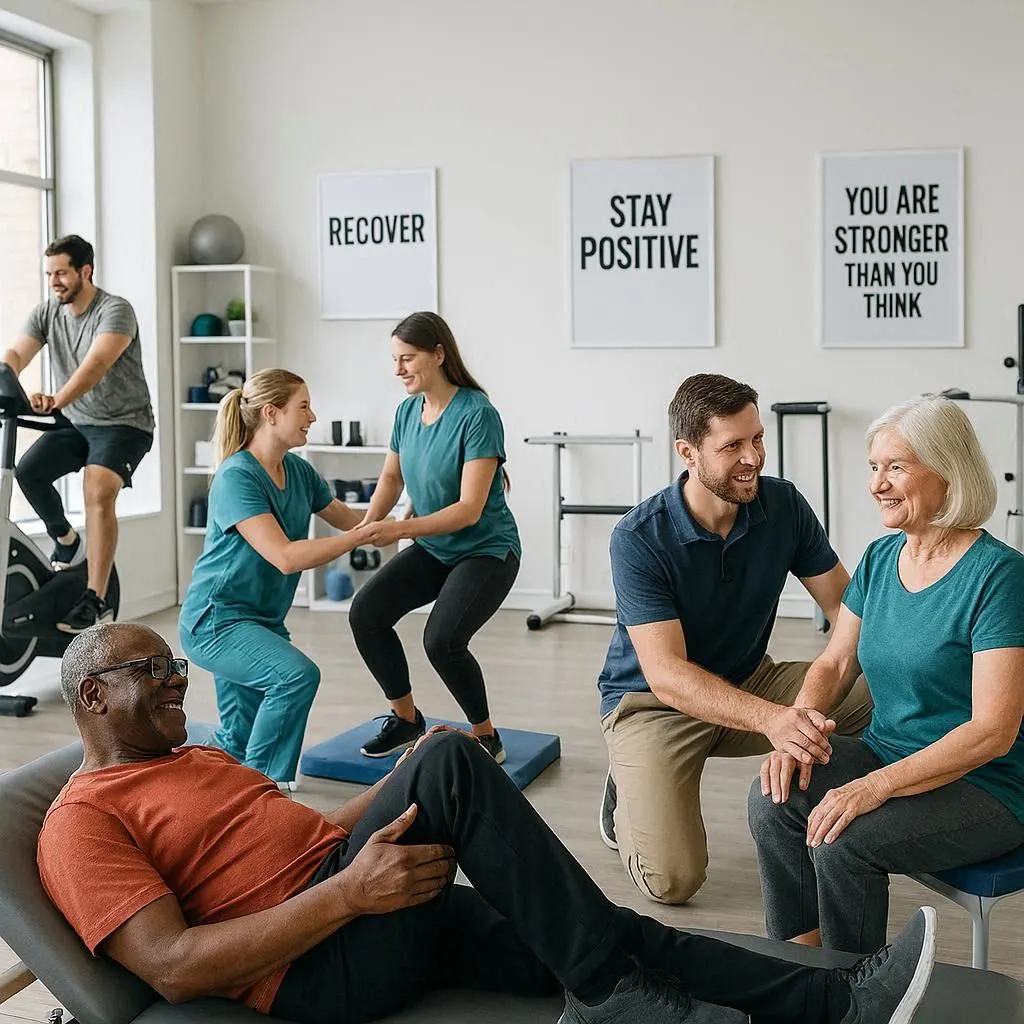
Massage therapy and physical therapy are different forms of care, but they may complement each other.
Massage primarily uses hands-on techniques to address soft-tissue tension, relaxation, and physical comfort.
Physical therapy commonly involves assessment, therapeutic exercise, strengthening, balance training, movement education, and functional rehabilitation.
Someone recovering from an injury may benefit from a rehabilitation program while using massage as a complementary approach when appropriate.
The combination should be determined according to the individual’s needs.
Choosing an Integrative Massage Therapist
Choosing the right therapist can make a significant difference in the treatment experience.
Look for a professional with appropriate training and a clear understanding of different massage techniques.
A good therapist should take time to understand your goals before beginning treatment.
They should also:
-
Ask about relevant health information.
-
Explain the treatment approach.
-
Respect personal boundaries.
-
Adjust pressure when necessary.
-
Communicate clearly.
-
Avoid unrealistic promises.
-
Recommend medical assessment when symptoms fall outside their scope.
You should feel comfortable asking questions before the session.
Is Integrative Massage Therapy Safe?
Massage is generally well tolerated by many healthy adults when performed appropriately.
However, massage is not suitable for every situation.
People with certain health conditions, recent injuries, infections, unexplained symptoms, or significant swelling may need professional advice before receiving treatment.
Massage should also be avoided or modified over areas with open wounds or certain acute conditions.
If you are unsure whether massage is appropriate, speak with an appropriate healthcare professional before treatment.
When Should You Seek Medical Advice?
Massage should not be used to delay medical assessment when concerning symptoms are present.
Seek appropriate healthcare advice for severe or unexplained pain, significant swelling, fever, symptoms after major trauma, progressive weakness, numbness, or other unusual symptoms.
A massage therapist should not attempt to diagnose conditions outside their professional scope.
If symptoms continue despite reasonable self-care or repeatedly return, identifying the underlying cause may be more important than simply treating muscular discomfort.
How to Prepare for an Integrative Massage Session
A few simple steps can make the appointment more comfortable.
Communicate Your Goals
Tell the therapist what you want from the session.
You may want relaxation, general muscle comfort, recovery support, or focused work on a particular area.
Explain Your Pressure Preference
Everyone has a different tolerance for pressure.
Tell the therapist whether you prefer light, moderate, or deeper pressure.
Mention Relevant Health Information
Inform the therapist about recent injuries, health conditions, medications, or other relevant factors.
Avoid Arriving Extremely Dehydrated
Maintaining normal hydration supports general physical well-being.
Allow Time to Relax
Arriving a few minutes early can help you transition into the session instead of beginning while feeling rushed.
After an Integrative Massage Session
People respond differently after massage.
Some feel relaxed and refreshed. Others may experience temporary mild soreness, particularly after more intensive techniques.
Gentle movement and normal hydration can be appropriate after a session.
If you experience unusual, severe, or persistent symptoms following massage, seek appropriate medical advice.
It can also be useful to notice how your body responds over the following hours and days.
This information may help guide future treatment sessions.
Integrative Massage Therapy as Part of a Wellness Routine
Massage can be most useful when viewed as one component of overall wellness.
Regular physical activity helps maintain strength and cardiovascular health.
Mobility exercises can support comfortable movement.
Adequate sleep supports recovery.
Healthy nutrition provides the body with necessary nutrients.
Stress-management strategies can support mental and physical well-being.
Integrative massage therapy can complement these habits by providing hands-on relaxation and soft-tissue work.
The goal should be to create sustainable habits rather than relying on massage as the only form of physical care.
Frequently Asked Questions
What is integrative massage therapy?
Integrative massage therapy is a personalized approach that combines different massage techniques according to an individual’s needs, comfort level, physical condition, and wellness goals.
What techniques are used in integrative massage therapy?
Depending on the client, a therapist may combine Swedish massage, deep tissue techniques, trigger point work, myofascial techniques, sports massage, and gentle stretching.
Is integrative massage therapy good for stress?
It may support relaxation and help reduce the sensation of physical tension associated with everyday stress. It works best as part of a broader stress-management routine.
Can integrative massage therapy help muscle tension?
Massage may help some people experience reduced muscle tension and improved physical comfort. The effect depends on the individual and the underlying cause of the tension.
Is integrative massage therapy painful?
Massage does not need to be painful to be effective. Some techniques can feel intense, but excessive discomfort should always be communicated to the therapist.
Can athletes use integrative massage therapy?
Yes. Athletes may use massage as one part of a recovery routine. Treatment can be adapted to training demands and specific muscle groups.
Can massage fix poor posture?
Massage may temporarily reduce muscle tension associated with prolonged postures, but it does not permanently correct posture by itself. Exercise, movement habits, and ergonomic changes may also be needed.
How often should I receive integrative massage therapy?
There is no single schedule. Frequency depends on your goals, physical activity, response to treatment, and overall health.
Can massage replace physical therapy?
No. Massage and physical therapy have different purposes. Massage may complement rehabilitation but should not replace necessary professional physical therapy.
Final Thoughts
Integrative massage therapy provides a flexible approach to massage by combining different techniques according to the individual. Instead of following one standardized routine, the therapist can adapt pressure, treatment areas, and techniques to match the client’s goals.
The approach may support relaxation, muscular comfort, mobility, stress management, and recovery from everyday physical demands. It can be particularly useful for people whose needs change from one session to another.
However, massage should not be considered a cure for every physical problem. Persistent, severe, or unexplained symptoms may require evaluation by an appropriate healthcare professional.
The most effective approach is often a comprehensive one. Regular movement, exercise, sufficient sleep, healthy nutrition, stress management, ergonomic habits, and appropriate healthcare can all contribute to long-term well-being.
When used appropriately and delivered by a qualified professional, integrative massage therapy can be a valuable complementary component of a healthy lifestyle.