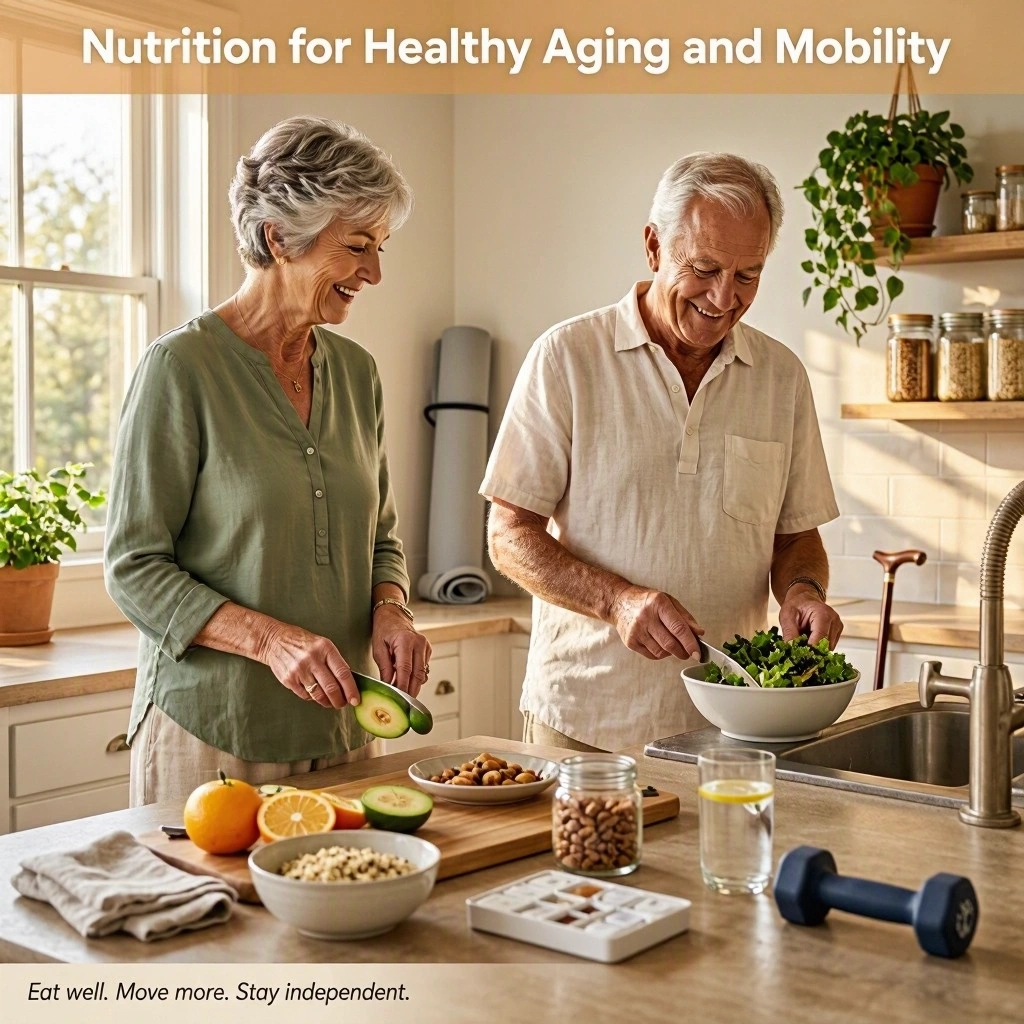
Nutrition for Healthy Aging and Mobility: A Complete Guide to Staying Strong and Active
Introduction
Healthy aging is about more than living longer. It is also about maintaining the strength, energy, balance, and independence needed to enjoy everyday life. Activities such as walking, climbing stairs, carrying groceries, gardening, and playing with grandchildren depend on several interconnected systems, including muscles, bones, joints, nerves, and cardiovascular health. Nutrition plays an important role in supporting these systems as the body changes with age. Nutrition for healthy aging and mobility focuses on providing the nutrients the body needs to preserve muscle mass, maintain bone strength, support joint function, and recover from physical activity. A balanced diet cannot prevent every age-related condition, but it can help reduce nutritional deficiencies, support physical function, and contribute to a better quality of life.
As people grow older, their nutritional needs may change. Some adults require fewer calories because their activity levels or muscle mass have decreased, while still needing sufficient protein, vitamins, minerals, and other essential nutrients. Appetite changes, dental problems, medication side effects, chronic conditions, and difficulties preparing meals can also make it harder to maintain a nutritious diet.
The good news is that practical dietary changes can make a meaningful difference. Eating enough protein, including calcium-rich foods, choosing fruits and vegetables, staying hydrated, and combining healthy eating with appropriate physical activity can help older adults support their mobility and independence.
This guide explores the relationship between nutrition and healthy aging, the most important nutrients for mobility, practical meal-planning strategies, and ways to address common nutritional challenges later in life.
What Is Healthy Aging, and Why Does Mobility Matter?
Healthy aging involves maintaining physical, mental, and social well-being while adapting to changes that occur throughout life. The World Health Organization emphasizes the importance of maintaining functional ability, which includes being able to meet basic needs, remain mobile, build relationships, and participate in meaningful activities.
Mobility is a central part of this process. When people can move safely and comfortably, they are often better able to manage daily tasks, maintain social connections, and participate in activities they enjoy.
However, aging can bring changes that affect movement. Muscle mass and strength may decline, bones can become less dense, and balance or reaction time may change. Chronic conditions, pain, and periods of inactivity can further affect physical function.
Nutrition is one modifiable factor that supports the body’s ability to adapt to these changes.
How Nutrition Influences Physical Function (Nutrition for Healthy Aging and Mobility)
The body needs energy and nutrients to maintain tissues, repair everyday damage, and respond to physical demands. When food intake is insufficient or the diet lacks important nutrients, the body may struggle to preserve muscle and bone health.
Poor nutrition can contribute to:
- Reduced muscle strength and endurance.
- Unintentional weight loss and loss of lean body mass.
- Increased vulnerability to nutritional deficiencies.
- Slower recovery after illness or injury.
- Reduced ability to perform everyday activities.
- Greater risk of frailty in vulnerable older adults.
These outcomes are not inevitable consequences of aging. Appropriate nutrition, regular movement, adequate sleep, and individualized healthcare can help support physical function.
The World Health Organization’s report on healthy diets and physical activity for healthy aging highlights the importance of lifestyle factors in maintaining functional ability and independence.
The Connection Between Nutrition and Muscle Strength
Muscles help the body stand, walk, climb stairs, maintain balance, and recover from physical challenges. Preserving muscle strength is therefore an important goal for healthy aging.
As people get older, they may gradually lose muscle mass and strength. This process is influenced by multiple factors, including physical activity, hormonal changes, illness, nutritional intake, and genetics.
A condition characterized by low muscle strength and reduced muscle quantity or quality is known as sarcopenia. It can affect mobility and make everyday tasks more difficult.
Nutrition alone cannot fully prevent or reverse sarcopenia, but adequate energy and protein intake can support muscle maintenance, particularly when combined with suitable resistance exercise.
Why Protein Is Essential for Older Adults (Nutrition for Healthy Aging and Mobility)
Protein supplies amino acids that the body uses to build and repair muscle and other tissues. It also supports immune function and recovery after physical activity.
Older adults may be at greater risk of consuming too little protein, especially if their appetite decreases, they skip meals, or they rely heavily on foods that provide energy but relatively little protein.
Useful protein sources include:
- Eggs.
- Fish and seafood.
- Chicken and other lean meats.
- Milk, yogurt, and cheese.
- Beans, lentils, and chickpeas.
- Tofu, tempeh, and other soy foods.
- Nuts and seeds.
Including a protein-rich food at each main meal can make it easier to meet daily requirements. For example, breakfast might include eggs or Greek yogurt, lunch might include lentil soup, and dinner might feature fish, tofu, or chicken.
Protein intake should be individualized. The amount a person needs depends on body weight, health status, activity level, nutritional status, and medical conditions. People with kidney disease or other conditions affecting protein metabolism should seek advice from a qualified healthcare professional before substantially increasing their intake.
The European Society for Clinical Nutrition and Metabolism (ESPEN) guideline on clinical nutrition and hydration in geriatrics discusses the importance of identifying malnutrition risk and providing individualized nutritional support for older adults.
Does Protein Timing Matter?
Total daily protein intake is important, but spreading protein across meals can be a practical strategy for people who struggle to eat enough at one sitting.
Instead of eating most of the day’s protein at dinner, older adults can include a moderate source of protein at breakfast, lunch, and dinner. A protein-containing snack may also help when appetite is limited.
For example:
- Breakfast: Greek yogurt, oats, and berries.
- Lunch: Chickpea salad with whole-grain bread.
- Snack: Milk, fortified soy beverage, or a small handful of nuts.
- Dinner: Baked salmon, tofu, or chicken with vegetables.
These are examples rather than a prescribed diet. Portions should reflect individual nutritional needs, preferences, and any medical restrictions.
Why Protein Works Best With Exercise
Muscles respond to physical activity by adapting to the demands placed on them. Resistance exercises, such as chair stands, supported squats, or exercises using resistance bands, can help maintain strength when appropriately selected and progressed.
Protein provides building materials for muscle repair, while exercise supplies the stimulus for adaptation. Combining the two is generally more useful for maintaining strength than relying on protein supplements without physical activity.
People with balance difficulties, significant pain, recent surgery, or complex medical conditions should ask a physiotherapist or healthcare professional for a safe exercise plan.
Essential Nutrients for Healthy Bones and Joint Function
Strong bones provide structural support and protect internal organs. They also work with muscles and joints to make movement possible.
Bone health becomes increasingly important with age because bone density can decline, increasing the risk of osteoporosis and fractures. A fracture can significantly affect mobility, particularly when it involves the hip or spine.
Although no single food guarantees strong bones, a balanced diet that provides adequate calcium, vitamin D, protein, and other essential nutrients can support skeletal health.
Calcium for Bone Strength
Calcium is a major mineral in bones and teeth. The body also uses it for muscle contraction, nerve signaling, and other important functions.
If calcium intake is consistently insufficient, the body may draw calcium from its stores in bone to maintain normal blood calcium levels.
Calcium-rich foods include:
- Milk, yogurt, and cheese.
- Calcium-fortified plant-based beverages.
- Calcium-set tofu.
- Some leafy green vegetables.
- Sardines or canned salmon with edible bones.
- Selected fortified foods.
Calcium needs vary by age, sex, and national guidelines. Older adults should aim to obtain sufficient calcium from food where possible and discuss supplements with a healthcare professional if dietary intake is inadequate.
Calcium supplements are not automatically necessary for everyone. Excessive supplementation may be inappropriate for some people, including those with certain kidney conditions or a history of kidney stones.
Vitamin D and Muscle Function (Nutrition for Healthy Aging and Mobility)
Vitamin D helps the body absorb calcium and supports normal bone and muscle function. Low vitamin D status can contribute to problems with bone health and may be associated with muscle weakness.
The body can produce vitamin D when skin is exposed to sunlight, but production varies according to season, location, skin pigmentation, age, clothing, and time spent outdoors. Dietary sources include oily fish, egg yolks, and foods fortified with vitamin D.
Some older adults may benefit from a vitamin D supplement, particularly when they have limited sun exposure or a confirmed deficiency. The appropriate amount depends on individual circumstances and local guidance.
Taking very high doses without medical advice is not recommended. More is not always better, and excessive vitamin D can cause harmful calcium levels.
Magnesium and Other Important Minerals
Magnesium participates in muscle and nerve function, energy production, and bone metabolism. Sources include nuts, seeds, legumes, whole grains, and green leafy vegetables.
Potassium, phosphorus, and other minerals also support normal body functions. A varied diet usually provides many of these nutrients, although some medical conditions and medications may change individual requirements.
For this reason, a balanced dietary pattern is generally preferable to taking multiple supplements without a clear reason.
Omega-3 Fatty Acids and Healthy Aging
Omega-3 fatty acids, including EPA and DHA, are found in oily fish such as salmon, sardines, and trout. Plant foods such as flaxseeds, chia seeds, and walnuts provide alpha-linolenic acid, another type of omega-3 fat.
Omega-3 fatty acids support several aspects of health, including cardiovascular function. Research into their effects on joint symptoms, muscle function, and age-related conditions continues, and results vary according to the condition and the intervention studied.
Including fish and other sources of healthy fats in a balanced diet can be beneficial, but omega-3 supplements should not be presented as a guaranteed treatment for arthritis or mobility problems.
Fruits, Vegetables, and Antioxidants
Fruits and vegetables provide vitamins, minerals, fiber, water, and a range of plant compounds. These nutrients support normal immune function, digestion, and overall health.
A varied intake also helps older adults obtain nutrients without relying on highly processed foods as the main source of calories.
Why Color and Variety Matter
Different fruits and vegetables provide different combinations of nutrients. Dark green vegetables supply folate and other micronutrients, while orange and red produce can provide carotenoids and vitamin C.
Useful choices include:
- Berries, oranges, and kiwi.
- Spinach, kale, and broccoli.
- Carrots, pumpkin, and sweet potatoes.
- Tomatoes and red peppers.
- Apples, pears, and other whole fruits.
Vitamin C is involved in collagen formation, which is important for connective tissues, skin, and the structures surrounding joints. It also helps the body absorb iron from plant-based foods.
Antioxidants are often promoted as a way to reverse aging, but this claim is misleading. Eating a variety of whole foods supports general health; it does not stop the biological aging process or guarantee protection against disease.
Fresh, frozen, and appropriately prepared canned produce can all contribute to a nutritious diet. Frozen vegetables are especially useful when shopping or meal preparation is difficult.
Fiber, Digestion, and Long-Term Health (Nutrition for Healthy Aging and Mobility)
Digestive changes, reduced activity, certain medications, and inadequate fluid intake can contribute to constipation in older adults. Dietary fiber supports bowel regularity and can also help maintain healthy cholesterol and blood glucose levels.
Fiber is found in:
- Whole-grain bread and oats.
- Beans, lentils, and peas.
- Fruits and vegetables.
- Nuts and seeds.
- Brown rice and other whole grains.
Increasing fiber gradually may reduce bloating and discomfort. Drinking sufficient fluid is also important, unless a clinician has recommended fluid restriction.
Some people with digestive conditions need to adjust their fiber intake. Anyone experiencing persistent constipation, abdominal pain, blood in the stool, or unexplained weight loss should seek medical assessment rather than relying solely on dietary changes.
Hydration and Mobility in Older Adults (Nutrition for Healthy Aging and Mobility)
Water is essential for temperature regulation, circulation, digestion, and normal cellular function. Dehydration can contribute to fatigue, dizziness, confusion, and reduced physical performance.
Older adults may be more vulnerable to inadequate fluid intake because the sensation of thirst can become less reliable. Mobility limitations, difficulty reaching drinks, swallowing problems, and medication effects can also interfere with hydration.
Practical Ways to Drink Enough Fluids
Helpful habits include:
- Drinking water regularly throughout the day.
- Keeping a drink within easy reach.
- Having water with meals and snacks.
- Including soups, fruit, and other water-containing foods.
- Drinking more when conditions are hot or activity increases, when medically appropriate.
Water is a good everyday choice. Milk, fortified plant-based drinks, and unsweetened beverages can also contribute to fluid intake.
Fluid requirements differ between individuals. People with heart failure, advanced kidney disease, or another condition requiring fluid restriction should follow their healthcare team’s instructions rather than applying a general hydration target.
Signs of dehydration can include dark urine, reduced urination, dizziness, and unusual tiredness. Severe confusion, fainting, or significant deterioration requires urgent medical evaluation.
The ESPEN practical guideline on nutrition and hydration in geriatrics emphasizes identifying dehydration risk and tailoring nutritional care to the needs of older adults.
Healthy Fats and Heart Health
Mobility depends partly on the cardiovascular system’s ability to deliver oxygen and nutrients to working muscles. A dietary pattern that supports cardiovascular health can therefore contribute to overall physical well-being.
Healthy fats provide energy and help the body absorb fat-soluble vitamins, including vitamins A, D, E, and K.
Sources of unsaturated fats include:
- Olive and canola oils.
- Avocados.
- Walnuts and other nuts.
- Seeds.
- Oily fish.
Replacing some sources of saturated fat with unsaturated fats may help improve blood cholesterol levels. This does not mean that every food containing saturated fat must be eliminated. Overall dietary patterns, portion sizes, and individual medical needs matter.
A Mediterranean-style eating pattern, which commonly includes vegetables, fruit, legumes, whole grains, nuts, olive oil, and fish, is one practical example of a balanced approach to long-term health.
People taking medications that interact with certain foods should follow their pharmacist’s or clinician’s advice. For example, vitamin K intake may need to remain consistent for people taking warfarin.
Maintaining a Healthy Weight Without Losing Muscle
Body weight can influence mobility, but weight alone does not tell the whole story. An older adult can have a weight within a typical range and still experience muscle loss or malnutrition.
Unintentional weight loss is particularly important because it may indicate inadequate intake, illness, swallowing difficulties, depression, or medication-related problems.
On the other hand, excess body weight can increase the mechanical demands placed on weight-bearing joints and may contribute to difficulty with some activities.
Why Restrictive Diets Can Be Risky (Nutrition for Healthy Aging and Mobility)
Strict calorie restriction may reduce both fat and muscle mass. For an older adult who is already frail or losing weight unintentionally, aggressive dieting can worsen weakness and impair recovery.
When weight management is appropriate for someone with obesity-related health problems, the plan should aim to protect muscle and preserve function. This may involve adequate protein, nutrient-dense foods, appropriate resistance exercise, and professional monitoring.
Older adults should avoid extreme diets, prolonged fasting, or unverified weight-loss products. A physician or registered dietitian can help determine whether weight loss is appropriate and how to pursue it safely.
Nutrition and Recovery After Injury or Illness
Injury, surgery, and acute illness can increase nutritional demands while reducing appetite and activity. A person recovering from a fall, fracture, or period of hospitalization may need additional support to maintain body weight and rebuild strength.
Adequate energy, protein, fluids, and micronutrients help provide the resources required for tissue maintenance and recovery. However, the exact requirements depend on the type of injury, the person’s health, and their treatment plan.
Supporting Rehabilitation With Food (Nutrition for Healthy Aging and Mobility)
Practical strategies include:
- Eating regular meals instead of skipping meals when appetite is inconsistent.
- Including protein-rich foods throughout the day.
- Choosing nutrient-dense snacks when full meals are difficult.
- Preparing easy-to-eat meals in advance.
- Asking for help with shopping or cooking when mobility is limited.
- Following any texture or swallowing recommendations from the healthcare team.
For example, a person with a small appetite may find yogurt, eggs, fortified porridge, smoothies, or a bean-based soup easier to manage than a large meal. These options should be adapted to individual dietary restrictions and swallowing safety.
If a person cannot meet their needs through ordinary food, a clinician or dietitian may recommend oral nutritional supplements. Such products can be useful in selected circumstances but should not automatically replace a varied diet.
The Role of Physiotherapy
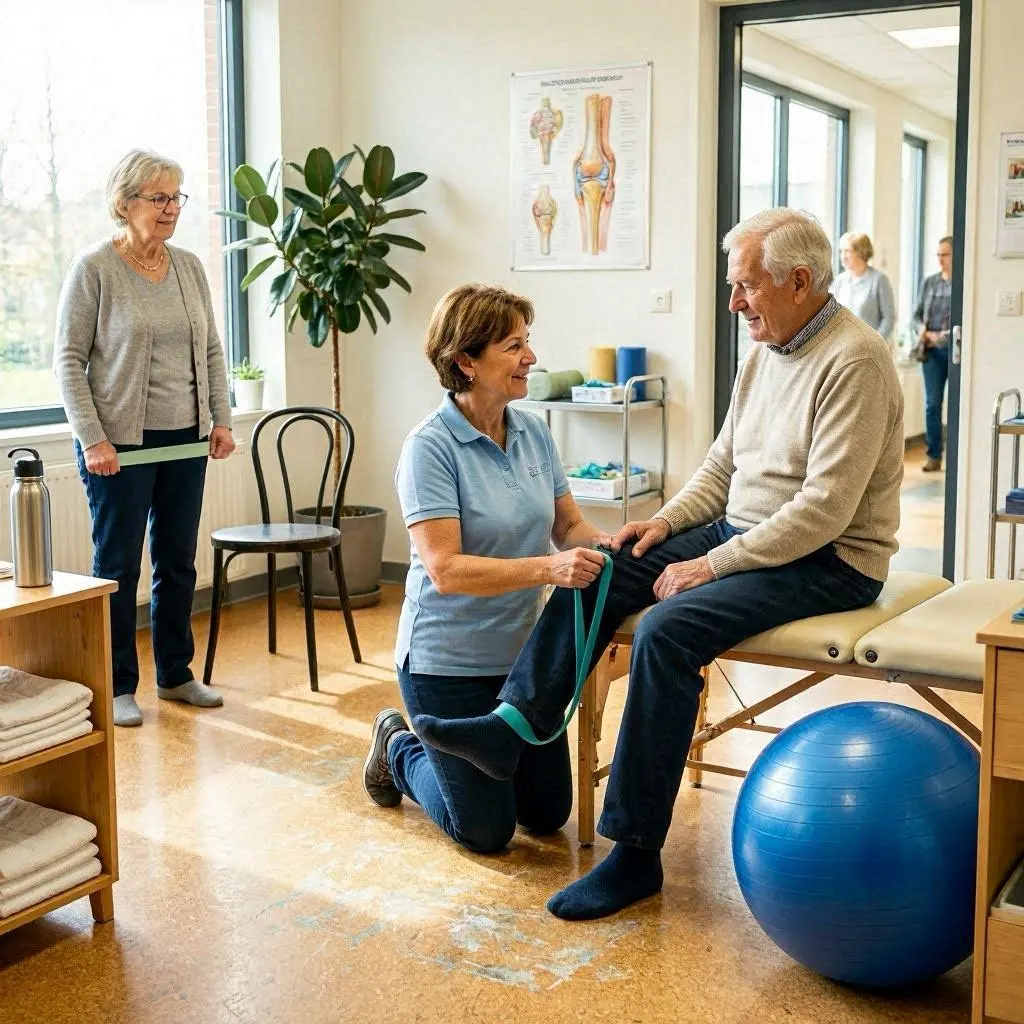
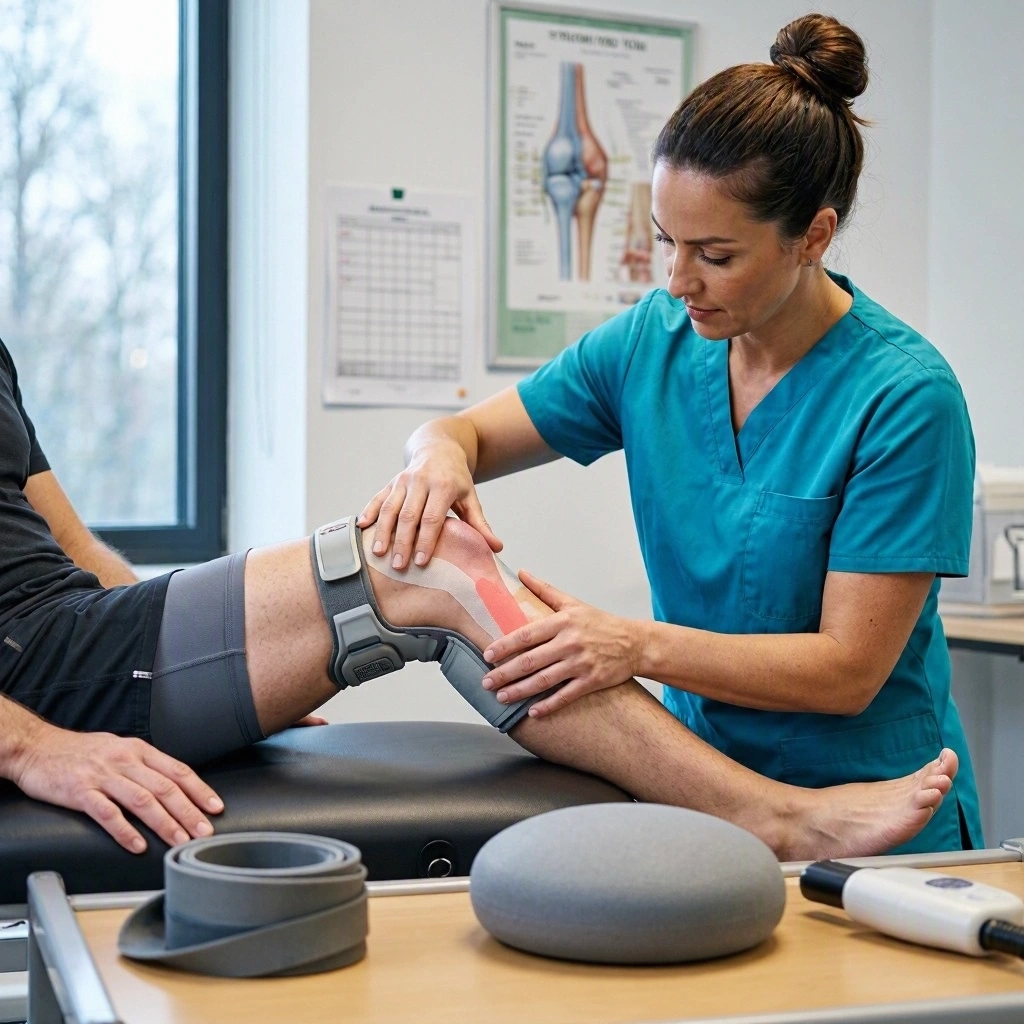
Nutrition and physiotherapy address different but complementary aspects of recovery. Nutrition supplies energy and nutrients, while physiotherapy can help restore movement, strength, balance, and confidence through an individualized rehabilitation program.
Depending on the person’s condition, a physiotherapist may recommend strengthening exercises, walking practice, balance training, mobility exercises, or strategies for performing daily activities safely.
Learn more about the role of physiotherapy in supporting movement and physical function.
A coordinated plan may be particularly helpful after surgery, a fall, prolonged inactivity, or an injury that affects walking. Nutrition cannot replace rehabilitation, and exercise cannot fully compensate for inadequate nutritional intake.
Common Nutritional Challenges as People Age
Eating well may become more difficult for practical or medical reasons. Identifying the barrier is often the first step toward finding a workable solution.
Reduced Appetite (Nutrition for Healthy Aging and Mobility)
Some older adults feel less hungry or become full more quickly. Smaller, more frequent meals may be easier to manage than three large meals.
Adding nutrient-dense foods, such as yogurt, eggs, nut butter, or olive oil where appropriate, can increase the nutritional value of meals without greatly increasing their volume.
Persistent appetite loss or unexplained weight changes should be discussed with a healthcare professional.
Dental Problems and Difficulty Chewing
Tooth pain, poorly fitting dentures, and dry mouth can make eating uncomfortable. Softer options such as scrambled eggs, oatmeal, tender fish, yogurt, stewed vegetables, and well-cooked legumes may help.
However, difficulty chewing is different from difficulty swallowing. Coughing during meals, repeated choking, or food feeling stuck may indicate a swallowing problem and warrants professional assessment.
Medication Side Effects
Some medications can affect appetite, taste, digestion, or fluid balance. Older adults should not stop prescribed medication on their own, but they can ask a pharmacist or physician whether a medication may be contributing to eating difficulties.
Living Alone or Having Limited Mobility
Shopping, carrying groceries, and preparing meals may become challenging when walking or standing is difficult.
Helpful options include grocery delivery, batch cooking, frozen vegetables, easy-to-open food packages, community meal services, or assistance from family and caregivers.
Social meals may also encourage better intake for people who find eating alone unappealing.
Financial Barriers
Nutritious meals do not need to rely on expensive specialty foods or supplements. Beans, lentils, oats, eggs, frozen produce, canned fish, and store-brand fortified foods can provide valuable nutrients at a relatively low cost.
Planning meals around affordable staples and reducing food waste can make a balanced diet easier to maintain.
How to Build a Balanced Meal Plan for Healthy Aging and Mobility
A useful meal plan provides sufficient energy and a range of nutrients while remaining realistic for the person’s preferences, culture, budget, and health needs.
There is no single diet that suits every older adult. The best approach is one that is nutritionally adequate, enjoyable, practical, and sustainable.
A Simple Balanced Plate
For many people, a useful starting point is to include:
- Vegetables and fruit: A variety of colors and types.
- Protein foods: Fish, eggs, poultry, tofu, beans, lentils, or dairy foods.
- Whole grains or other energy sources: Oats, whole-grain bread, brown rice, potatoes, or other suitable staples.
- Healthy fats: Nuts, seeds, olive oil, or avocado.
- Fluids: Water or another suitable beverage.
The proportions may need to change depending on appetite, body size, nutritional status, medical conditions, and whether the person needs to gain or lose weight.
Example of a One-Day Meal Plan
The following example illustrates how different food groups can be included throughout the day. It is not a personalized prescription.
Breakfast: Oatmeal prepared with milk or a fortified alternative, topped with berries and ground seeds. Add an egg or yogurt if more protein is needed.
Morning snack: A piece of fruit with yogurt, or another suitable snack.
Lunch: Lentil soup with whole-grain bread and a side of vegetables.
Afternoon snack: A small handful of unsalted nuts, cheese with crackers, or a fortified soy beverage.
Dinner: Baked salmon, tofu, or chicken served with potatoes or brown rice and cooked vegetables.
Evening option: Milk, yogurt, or another nourishing snack if the person needs additional energy or protein.
People with diabetes, kidney disease, food allergies, swallowing difficulties, or other dietary requirements may need specific modifications.
Make Meal Preparation Easier (Nutrition for Healthy Aging and Mobility)
Simple planning can help prevent missed meals and improve dietary variety.
Consider preparing soups, cooked grains, and protein-rich dishes in batches. Keep convenient foods available, choose frozen produce when fresh food is difficult to manage, and use smaller containers that are easy to open and carry.
If standing for long periods is tiring, prepare meals while seated when safe, use a stable work surface, and ask a healthcare professional about practical adaptations.
The National Institute on Aging’s healthy meal-planning guide provides additional suggestions for meeting nutritional needs later in life.
Supplements for Healthy Aging: What Should Older Adults Know?
Supplements can be useful when a deficiency is confirmed, dietary intake is inadequate, or a healthcare professional identifies a specific need. However, they are not a substitute for a balanced diet, appropriate exercise, or medical care.
Common supplements discussed in relation to healthy aging include vitamin D, calcium, vitamin B12, and protein supplements. Whether any of these are appropriate depends on the person’s diet, symptoms, laboratory findings, medications, and medical history.
Vitamin B12
Vitamin B12 is needed for normal nerve function and red blood cell formation. Some older adults have difficulty absorbing B12 from food, and people who follow vegan diets may have limited dietary sources unless they use fortified foods or supplements.
A deficiency can contribute to anemia and neurological symptoms, which may affect function. Symptoms such as persistent numbness, balance changes, or unusual fatigue should be medically assessed rather than treated with supplements without evaluation.
Calcium and Vitamin D Supplements
Supplements may be considered when food intake is insufficient or there is a clinically identified need. The appropriate dose should reflect dietary intake, medical conditions, and local guidance.
High-dose supplementation without supervision can be harmful. It is especially important to seek advice when taking several medications or when kidney function is impaired.
Protein Powders and Nutritional Drinks
Protein powders and ready-to-drink nutritional products may help selected people who struggle to meet their needs through meals. They are not essential for everyone, and some products contain added sugars, ingredients that may interact with medical restrictions, or nutrients that are unsuitable in certain conditions.
A registered dietitian can help determine whether a supplement is necessary and how to use it appropriately.
Physical Activity and Nutrition: A Combined Approach
Good nutrition supports mobility, but movement is also essential for maintaining physical function. Regular activity can help preserve muscle strength, improve endurance, support balance, and make everyday tasks easier.
For older adults, a well-rounded activity plan may include aerobic activity, strength training, and balance exercises, adjusted to individual ability.
The World Health Organization recommends that older adults remain physically active according to their abilities and health conditions. It also emphasizes balance-focused activity for older adults with poor mobility to help prevent falls. See the WHO’s physical activity guidance.
Start Gradually and Progress Safely (Nutrition for Healthy Aging and Mobility)
People who have been inactive should begin with manageable activities, such as short walks or simple seated movements, and increase gradually as tolerated.
Resistance exercise may include sit-to-stand practice, light resistance bands, or supervised strength training. Balance work should be selected carefully for anyone at risk of falling.
People with chest pain, unexplained shortness of breath, severe dizziness, new neurological symptoms, or significant pain should seek appropriate medical advice before continuing strenuous activity.
Consistency Matters More Than Perfection
Healthy aging does not require a perfect diet or an intense exercise routine. Small, repeatable habits are often easier to sustain.
Examples include adding a protein source to breakfast, eating vegetables with lunch and dinner, keeping water nearby, taking a short walk when safe, and following a simple strength program recommended by a professional.
Over time, these habits can help support a more active lifestyle.
When Should Older Adults Seek Professional Nutrition Advice?
Professional assessment is especially important when eating habits or physical function change unexpectedly.
Seek advice from a physician or registered dietitian if you notice:
- Unintentional weight loss.
- Persistent poor appetite.
- Increasing weakness or difficulty standing from a chair.
- Repeated falls or worsening balance.
- Difficulty chewing or swallowing.
- Signs of dehydration.
- Ongoing digestive symptoms.
- Concerns about possible nutrient deficiencies.
- Difficulty meeting nutritional needs because of a medical condition.
Sudden weakness, severe confusion, fainting, chest pain, or new neurological symptoms require urgent medical evaluation.
A healthcare professional can review medications, assess nutritional risk, investigate possible underlying conditions, and recommend dietary changes that are safe for the individual.
Conclusion (Nutrition for Healthy Aging and Mobility)
Nutrition for healthy aging and mobility is an important part of maintaining strength, independence, and quality of life as the body changes over time. A balanced diet that supplies adequate protein, calcium, vitamin D, fiber, healthy fats, and fluids can support muscle maintenance, bone health, digestion, and general well-being.
However, healthy aging is not achieved through food alone. Regular physical activity, appropriate strength and balance exercises, preventive healthcare, adequate sleep, and social support all contribute to physical function.
Older adults also have different nutritional needs depending on their health, activity level, appetite, medications, and medical conditions. For some, small changes to everyday meals may be sufficient. Others may benefit from a personalized plan developed with a registered dietitian, physician, or rehabilitation professional.
The most useful strategy is to focus on sustainable habits rather than quick fixes. Eating a variety of nutrient-rich foods, staying hydrated within individual medical limits, maintaining muscle through appropriate exercise, and addressing nutritional problems early can help support mobility and independence throughout the aging process.
Frequently Asked Questions (Nutrition for Healthy Aging and Mobility)
1. What is the best diet for healthy aging and mobility?
There is no single best diet for everyone. A balanced eating pattern that includes vegetables, fruit, whole grains, protein-rich foods, healthy fats, and sufficient fluids is a practical starting point. Individual needs should be considered, particularly when chronic medical conditions are present.
2. Why is protein important for older adults?
Protein provides amino acids needed to maintain and repair muscles and other tissues. Adequate intake can support strength and recovery, particularly when combined with appropriate resistance exercise.
3. Can nutrition help older adults maintain muscle strength?
Yes. Adequate energy and protein intake can support muscle maintenance. Strength training and other appropriate physical activities are also important because nutrition alone does not provide the full stimulus needed to preserve strength.
4. Which foods support bone health as people age?
Calcium-rich foods, vitamin D sources, adequate protein, and a varied diet help support bone health. Examples include dairy products, fortified plant-based beverages, calcium-set tofu, oily fish, and selected leafy green vegetables.
5. Does vitamin D improve mobility?
Vitamin D is important for normal bone and muscle function. Correcting a deficiency may be beneficial, but supplementation does not guarantee improved mobility in every person. A healthcare professional can advise whether testing or supplementation is appropriate.
6. How much protein should an older adult eat each day?
Protein needs vary according to body weight, health status, activity level, and nutritional condition. Some older adults may need more protein than the minimum recommended for younger adults, but people with kidney disease or other relevant conditions should obtain individualized advice.
7. Can dehydration affect balance and mobility?
Dehydration can contribute to dizziness, fatigue, and confusion, which may make movement less safe. Older adults should drink fluids regularly unless a healthcare professional has prescribed a fluid restriction.
8. Are protein supplements necessary for healthy aging?
Not necessarily. Many people can obtain enough protein from ordinary foods. Supplements may be useful when appetite is low, dietary intake is inadequate, or additional support is recommended by a healthcare professional.
9. Can older adults lose weight without losing muscle?
Weight management may be possible while protecting muscle, but it requires an individualized approach. Adequate protein, appropriate strength exercise, sufficient overall nutrition, and professional guidance can help reduce the risk of unwanted muscle loss.
10. What should older adults eat during injury rehabilitation?
A varied diet with sufficient energy, protein, fluids, and essential nutrients can support recovery. The specific plan depends on the injury, the person’s nutritional status, and any medical or swallowing restrictions.
11. Are fruits and vegetables important for joint health?
Fruits and vegetables provide vitamins, minerals, fiber, and plant compounds that support overall health. They are valuable components of a balanced diet, but no individual fruit or vegetable has been proven to cure joint disease.
12. How can older adults eat healthily if they have a small appetite?
Smaller, more frequent meals and nutrient-dense snacks may help. Foods such as eggs, yogurt, fortified porridge, beans, and suitable smoothies can provide nutrients in manageable portions. Persistent appetite loss or weight loss should be assessed by a healthcare professional.
13. What is the relationship between physiotherapy and nutrition?
Nutrition provides the energy and nutrients needed for normal tissue maintenance and recovery, while physiotherapy can help improve strength, balance, and functional movement. Together, they may support rehabilitation when included in an individualized care plan.
14. Is it too late to improve nutrition and mobility after age 65?
No. Healthy habits can be beneficial at different stages of life. Dietary improvements and appropriately adapted physical activity may help support strength and daily function, although results depend on individual health and circumstances.
15. When should an older adult see a dietitian?
A registered dietitian can help when there is unintentional weight loss, poor appetite, difficulty meeting protein needs, a chronic medical condition affecting food choices, or uncertainty about supplements. Early advice may help identify nutritional problems before they become more serious.
https://www.who.int/europe/publications/i/item/WHO-EURO-2023-8002-47770-70520