Massage Therapy for Chronic Pain: Benefits, Techniques, and What to Expect
Introduction
Living with chronic pain can affect almost every part of everyday life. Persistent discomfort may make it harder to exercise, work, sleep, relax, or participate in activities that were once enjoyable. While chronic pain can have many different causes, people often explore complementary approaches that may help them manage symptoms and improve their overall quality of life. Massage Therapy for Chronic Pain is one approach that some people use as part of a broader pain-management strategy. Massage involves hands-on techniques applied to muscles and other soft tissues. Depending on the person’s condition and treatment goals, a therapist may use gentle strokes, kneading, compression, or more focused techniques to promote relaxation and address areas of muscular tension.
Massage does not cure every cause of chronic pain, and it should not replace medical assessment or evidence-based treatment. However, for some individuals, it may provide temporary relief, improve comfort, encourage relaxation, and support participation in other healthy activities.
Understanding chronic pain, how massage may help, which techniques are commonly used, and when professional medical advice is necessary can help you make informed decisions about your treatment options.
What Is Chronic Pain?
Chronic pain is pain that persists or recurs over an extended period. Unlike acute pain, which commonly occurs following an injury or illness and may resolve as the underlying problem improves, chronic pain can continue even after the original cause has changed or healed.
Chronic pain can affect many parts of the body, including:
-
The lower back
-
Neck and shoulders
-
Hips
-
Knees
-
Legs
-
Arms
-
Feet
-
Multiple areas of the body
The experience of chronic pain can also vary considerably between individuals. Some people experience constant discomfort, while others have symptoms that come and go.
Chronic pain may involve physical, emotional, and behavioral factors. Stress, poor sleep, reduced physical activity, muscle tension, and fear of movement can sometimes interact with pain and affect how symptoms are experienced.
Because chronic pain is complex, treatment often works best when several appropriate strategies are combined.
What Is Massage Therapy for Chronic Pain?
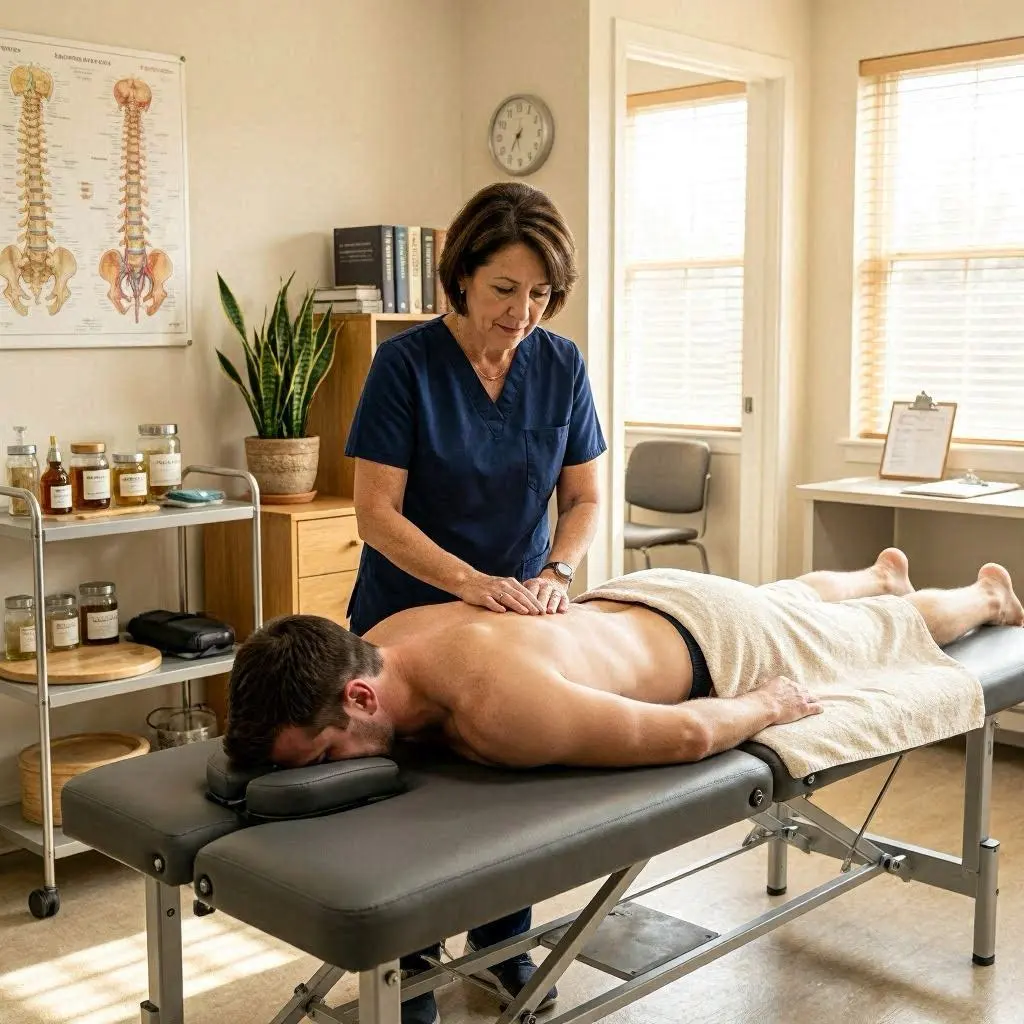
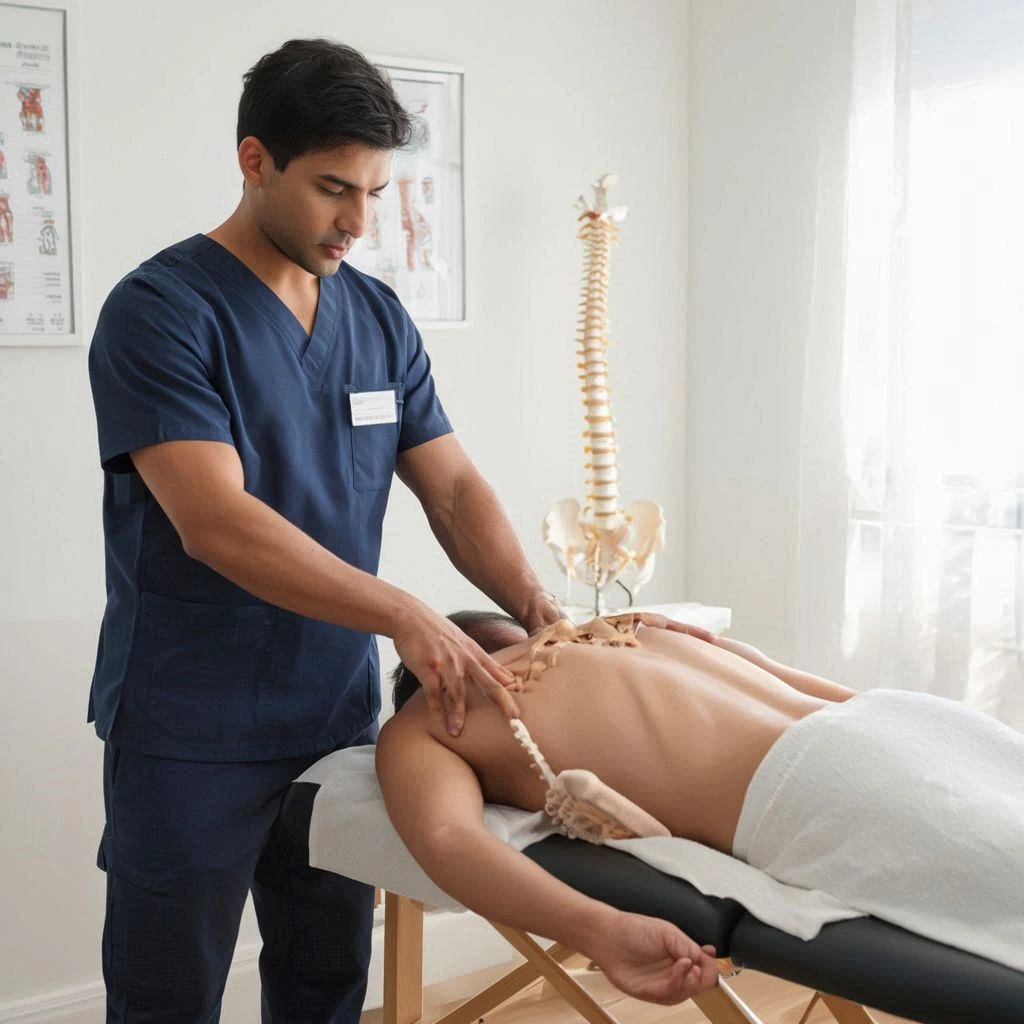
Massage Therapy for Chronic Pain involves using manual massage techniques to support comfort and relaxation in people experiencing persistent pain.
The therapist may focus on areas where muscular tension or soft-tissue discomfort is present. Treatment can be gentle or moderately focused depending on the person’s condition and tolerance.
A chronic pain massage session may include:
-
Long, smooth strokes
-
Gentle kneading
-
Controlled compression
-
Soft-tissue techniques
-
Relaxation techniques
-
Gentle movement when appropriate
The treatment should be individualized. Someone with long-standing neck tension may require a different approach from someone experiencing chronic lower-back discomfort.
Before treatment begins, the therapist should understand the person’s symptoms, relevant medical history, activity level, and treatment goals.
How Massage May Help With Chronic Pain
Massage may influence chronic pain through several pathways. However, the response differs from one person to another.
Muscle Relaxation
Chronic pain is sometimes accompanied by increased muscle tension. People may unconsciously tighten muscles around an uncomfortable area, especially when they are stressed or worried about movement.
Massage can provide a sensation of muscular relaxation and may help reduce the feeling of tightness.
Relaxation and Stress Management
Persistent pain can be stressful. At the same time, stress can influence muscle tension, sleep, mood, and the way pain is experienced.
A calming massage session may provide a temporary opportunity to relax and step away from daily demands.
Improved Comfort
Some individuals report feeling more comfortable after massage. The duration and degree of relief can vary significantly.
Massage should therefore be considered a supportive treatment rather than a guaranteed solution.
Increased Body Awareness
Massage may help people notice areas of tension and recognize patterns associated with posture, activity, or stress.
This awareness can encourage healthier movement and self-care habits.
Benefits of Massage Therapy for Chronic Pain
There are several potential benefits that make massage appealing as part of a comprehensive chronic pain management plan.
1. May Reduce the Feeling of Muscle Tension
Muscles surrounding painful areas may become tense or overworked. Massage can provide a soothing sensation and may help the individual feel less physically restricted.
2. May Support Relaxation
Chronic pain can make relaxation difficult. A quiet treatment environment combined with gentle manual techniques may help create a period of physical and mental rest.
3. May Improve Short-Term Comfort
Some people experience temporary improvement in pain or discomfort following massage.
The results depend on the cause of pain, treatment approach, individual response, and other factors.
4. May Support Comfortable Movement
If muscular tension contributes to difficulty moving, massage may temporarily make movement feel easier.
This can potentially make it more comfortable for some people to participate in appropriate exercise or mobility activities.
5. May Complement Other Treatments
Massage can be incorporated into a broader care plan that includes physical therapy, exercise, medication when prescribed, sleep management, stress reduction, and other appropriate treatments.
Common Types of Massage Used for Chronic Pain
Different massage styles may be considered depending on the individual’s symptoms and goals.
Swedish Massage
Swedish massage generally uses flowing strokes, kneading, and rhythmic movements. It is often associated with relaxation and general muscular comfort.
For people with chronic pain who are sensitive to pressure, a gentle approach may be more appropriate than aggressive techniques.
Therapeutic Massage
Therapeutic massage can involve more targeted work on areas of muscular tension.
The therapist may modify techniques according to the individual’s symptoms and functional needs.
Deep Tissue Massage
Deep tissue massage uses more focused pressure and may be used for certain muscular conditions.
However, deep pressure is not automatically better for chronic pain.
Some people with persistent pain may be particularly sensitive to strong pressure. Treatment should therefore be adjusted carefully.
Trigger Point Massage
Trigger point techniques focus on localized areas of muscular sensitivity.
These techniques may be incorporated when muscular tension appears to contribute to discomfort.
Myofascial Techniques
Some massage approaches focus on the fascia and surrounding soft tissues.
The therapist may use slow, controlled pressure and movement to address areas that feel restricted.
Massage Therapy for Chronic Neck Pain
Chronic neck pain is common among people who spend long periods sitting, working at computers, using mobile devices, or performing repetitive tasks.
Muscle tension around the neck and shoulders can contribute to discomfort.
Massage may focus on the:
-
Upper back
-
Shoulders
-
Neck muscles
-
Upper chest when appropriate
-
Surrounding soft tissues
A therapist should use appropriate pressure and positioning.
However, chronic neck pain can also involve joints, nerves, discs, or other structures. If pain is accompanied by significant weakness, numbness, severe headaches, dizziness, or other concerning symptoms, professional medical assessment is important.
Massage Therapy for Chronic Lower Back Pain
Lower-back pain is another common reason people consider massage.
Long periods of sitting, physical work, repetitive lifting, and reduced activity can all contribute to muscular discomfort.
Massage may provide temporary relief for some people with nonspecific lower-back pain.
However, chronic lower-back pain should not automatically be assumed to be caused by tight muscles.
A comprehensive approach may include exercise, physical therapy, ergonomic improvements, education, and other treatments depending on the underlying problem.
Massage can complement these strategies when appropriate.
Massage Therapy for Chronic Shoulder Pain
Shoulder discomfort may be associated with muscular tension, repetitive activity, posture, sports, or other conditions.
Massage can target surrounding muscles, including areas around the upper back and shoulder region.
However, persistent shoulder pain may also result from tendon, joint, nerve, or other problems.
If pain persists or significantly limits arm movement, professional assessment can help identify the underlying cause.
Massage Therapy for Chronic Leg and Hip Pain
Chronic discomfort in the hips or legs can affect walking, exercise, and daily activities.
Massage may be used to address muscular tension around the:
-
Glutes
-
Thighs
-
Hamstrings
-
Calves
-
Hip muscles
The treatment should be adapted to the person’s symptoms.
Pain accompanied by significant swelling, redness, sudden weakness, or other concerning symptoms should not be treated as simple muscular tension without appropriate evaluation.
What to Expect During a Chronic Pain Massage Session
Understanding the process can make your first appointment more comfortable.
Initial Consultation
Your therapist may ask about:
-
Where you experience pain
-
How long you have had symptoms
-
Activities that increase discomfort
-
Previous injuries
-
Current treatment
-
Pressure preferences
-
Relevant health conditions
Providing accurate information allows the therapist to adapt treatment appropriately.
Assessment
The therapist may observe posture or movement and gently assess areas of muscular tension.
Massage therapists should not claim to diagnose conditions outside their professional scope.
Treatment
The session may begin with gentle techniques before progressing to more focused work.
The therapist should regularly consider your comfort and response.
Communication
Communication is essential.
Tell the therapist if the pressure is uncomfortable or if a particular technique increases your symptoms.
There is no requirement for a massage to be painful.
After the Session
You may feel relaxed, tired, or temporarily tender following treatment.
The response varies between individuals.
Should Chronic Pain Massage Be Deep?
One of the most common misconceptions about massage is that deeper pressure produces better results.
This is not necessarily true.
Chronic pain can involve increased sensitivity, and aggressive pressure may sometimes make symptoms worse.
The appropriate pressure depends on:
-
Pain sensitivity
-
Underlying condition
-
Treatment goals
-
Recent activity
-
Individual preference
-
Therapist assessment
A gentle or moderate treatment can sometimes be more comfortable than a deep massage.
The therapist should adjust the session rather than following a fixed pressure level.
How Often Should You Get Massage Therapy for Chronic Pain?
There is no universal schedule.
Some people may benefit from occasional massage, while others may choose regular sessions as part of a long-term wellness or pain-management routine.
Frequency may depend on:
-
Severity of symptoms
-
Duration of pain
-
Response to treatment
-
Budget
-
Activity level
-
Other treatments
-
Personal preferences
Regular massage should not become the only strategy for managing chronic pain.
If symptoms continually return, identifying contributing factors may be more useful than simply increasing the frequency of massage.
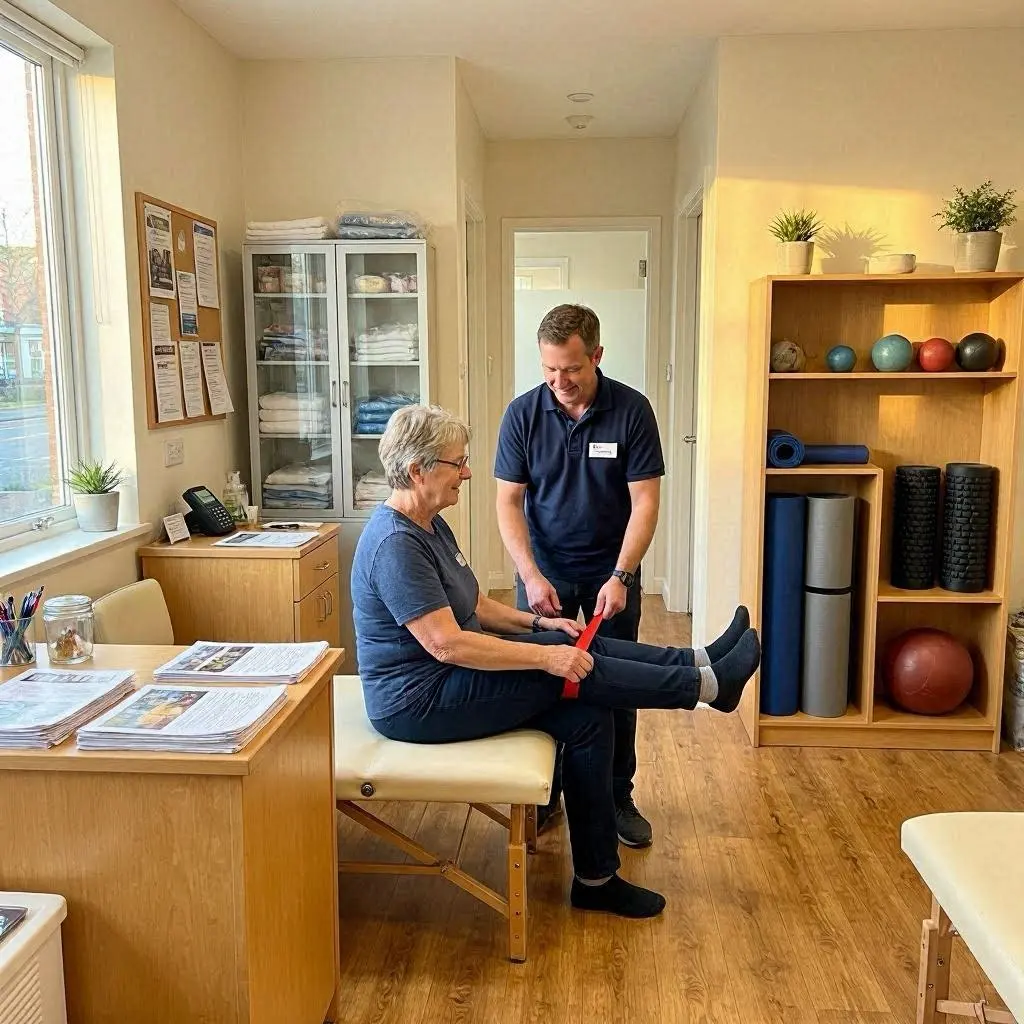
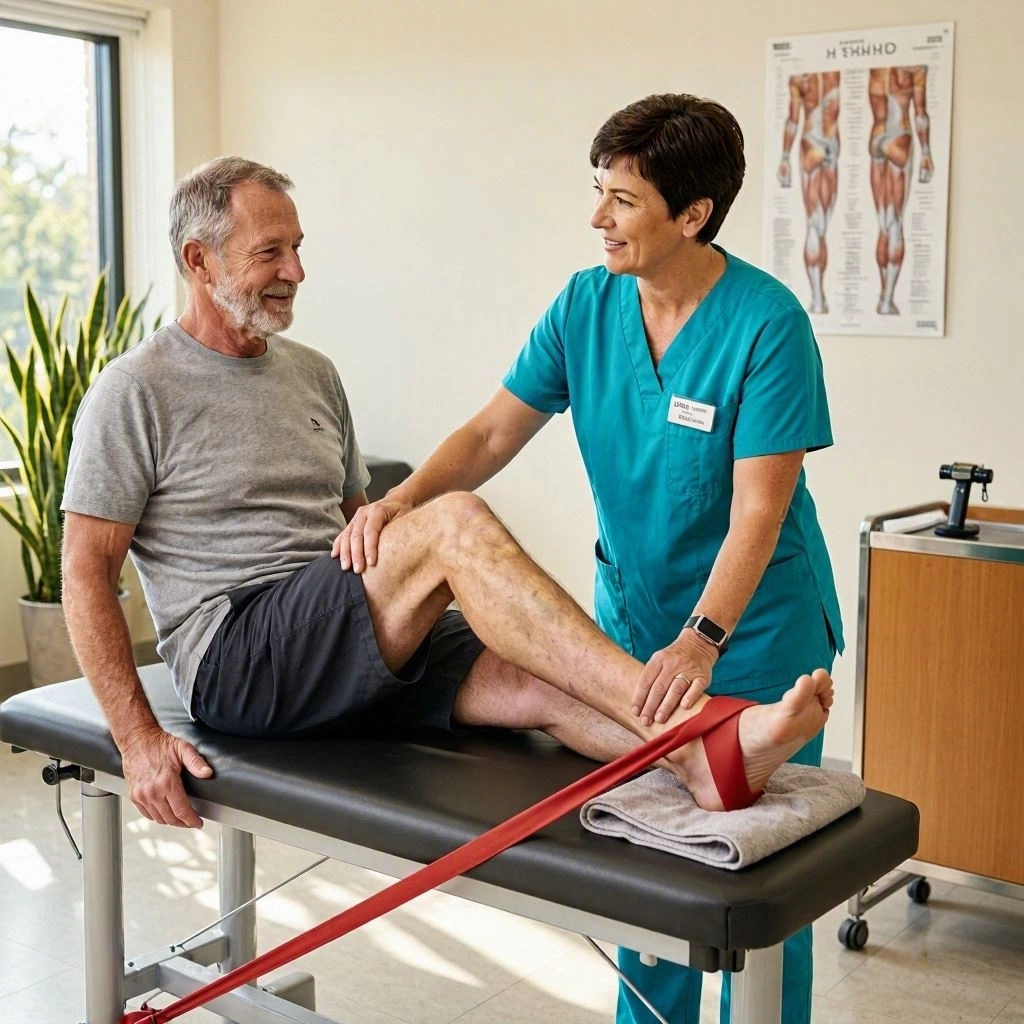
Combining Massage With Physical Therapy
Massage and physical therapy can complement one another.
Massage may focus on relaxation and soft-tissue comfort, while physical therapy can address movement, strength, balance, function, and rehabilitation.
For example, someone with chronic back pain might use massage to help manage muscular tension while following an exercise program designed by a physical therapist.
Combining approaches can provide a more comprehensive strategy than relying on one treatment alone.
Massage and Exercise for Chronic Pain
Exercise is often an important part of long-term pain management when appropriately prescribed.
People with chronic pain may sometimes avoid movement because they are afraid that activity will increase symptoms.
A gradual and appropriate exercise program can help improve physical capacity and confidence.
Massage may make movement feel more comfortable for some individuals, potentially making it easier to participate in appropriate activity.
However, massage should not be used as a substitute for exercise when exercise is medically appropriate.
Massage and Stress Management
Chronic pain and stress can influence each other.
Pain may increase stress, while stress can affect sleep, muscle tension, mood, and coping ability.
Massage provides a structured period of relaxation that may be useful within a broader stress-management routine.
Other helpful strategies can include:
-
Breathing exercises
-
Meditation
-
Gentle physical activity
-
Adequate sleep
-
Social connection
-
Time outdoors
-
Relaxation routines
-
Professional psychological support when appropriate
Managing chronic pain often requires attention to both physical and emotional well-being.
Massage Therapy and Sleep
Poor sleep is common among people with persistent pain.
Discomfort can make it difficult to fall asleep or remain asleep. Poor sleep can then make pain feel more difficult to manage.
A relaxing massage may help some people feel calmer before bedtime.
However, massage should not be considered a treatment for every sleep disorder.
If sleep problems are persistent, discussing them with a healthcare professional can help identify appropriate solutions.
Preparing for Massage Therapy for Chronic Pain
Good communication before treatment can improve your experience.
Describe Your Pain
Explain where the pain occurs and whether it is constant, intermittent, sharp, dull, burning, or aching.
Mention Activities That Affect Symptoms
Tell your therapist if sitting, walking, exercise, lifting, or other activities change your symptoms.
Explain Your Pressure Preference
Let your therapist know what level of pressure feels comfortable.
Discuss Previous Treatments
If you are receiving physical therapy or other care, mention it when relevant.
Do Not Hide Concerning Symptoms
Symptoms such as numbness, sudden weakness, significant swelling, or unexplained severe pain should be discussed with an appropriate healthcare professional.
Safety Considerations
Massage is generally tolerated by many healthy adults, but it is not appropriate for every situation.
Treatment may need to be postponed or modified in cases involving:
-
Acute injuries
-
Open wounds
-
Skin infections
-
Significant swelling
-
Recent surgery
-
Severe unexplained pain
-
Suspected blood clots
-
Certain medical conditions
People with complex medical histories should discuss massage with their healthcare provider when appropriate.
Massage should never delay evaluation of a potentially serious condition.
When Massage May Not Be Enough
Massage may provide temporary comfort without addressing the underlying cause of chronic pain.
You may need additional professional assessment if:
-
Pain continues to worsen
-
Symptoms significantly affect daily activities
-
You experience persistent numbness
-
You develop weakness
-
Pain follows a significant injury
-
You have unexplained swelling
-
Symptoms do not improve
-
You experience other concerning changes
A healthcare professional can determine whether further investigation or treatment is necessary.
Choosing the Right Massage Therapist
Finding an appropriately trained professional is important when dealing with chronic pain.
Check Professional Training
Look for relevant education, credentials, and professional experience.
Ask About Chronic Pain Experience
A therapist who regularly works with people experiencing persistent pain may understand the importance of adapting pressure and techniques.
Look for Good Communication
A professional therapist should listen carefully and respect your feedback.
Avoid Aggressive Claims
Be cautious of anyone who promises to permanently cure every form of chronic pain through massage alone.
Chronic pain can have complex causes, and no single treatment is universally effective.
Frequently Asked Questions
Can massage therapy help chronic pain?
Massage may provide temporary relief from discomfort and muscle tension for some people. It is best used as part of a broader pain-management strategy.
How does massage therapy work for chronic pain?
Massage uses manual techniques to work with muscles and soft tissues. It may promote relaxation, reduce the feeling of tension, and improve short-term comfort.
Is deep tissue massage good for chronic pain?
Deep tissue massage may be appropriate in some situations, but strong pressure is not automatically better. People with chronic pain may benefit from a gentler approach depending on their sensitivity and condition.
How often should I get massage for chronic pain?
There is no standard frequency. Treatment schedules should be based on individual symptoms, response, goals, and other aspects of the person’s care plan.
Can massage help chronic back pain?
Massage may provide short-term comfort for some people with chronic nonspecific back pain. Persistent or severe symptoms should receive appropriate professional assessment.
Can massage help chronic neck pain?
Massage may help with muscular neck and shoulder tension. However, persistent neck pain or symptoms involving weakness, numbness, or other neurological changes should be professionally evaluated.
Is massage a cure for chronic pain?
No. Massage should not be presented as a universal cure. Chronic pain can have many causes and often requires a comprehensive management approach.
Can I combine massage with physical therapy?
Yes. Massage and physical therapy can complement each other when appropriately planned. Physical therapy can address strength, mobility, function, and rehabilitation, while massage may support relaxation and muscular comfort.
Should massage hurt to be effective?
No. Massage does not need to be painful to be useful. Excessive pressure may increase discomfort, especially in people with heightened pain sensitivity.
Final Thoughts
Massage Therapy for Chronic Pain can be a valuable complementary option for people looking for additional ways to manage persistent discomfort. Through appropriate manual techniques, massage may promote muscle relaxation, reduce the feeling of tension, support short-term comfort, and provide a calming break from the challenges associated with chronic pain.
However, chronic pain is complex, and its causes can differ significantly from one person to another. Massage should therefore be considered one part of a broader approach rather than a replacement for medical care.
Combining massage with appropriate exercise, physical therapy, sleep management, stress reduction, healthy lifestyle habits, and professional medical treatment when necessary can provide a more comprehensive strategy.
The most appropriate massage technique and pressure level will also vary between individuals. A qualified therapist should adapt treatment to your symptoms, comfort level, health history, and goals.
If you live with chronic pain, the most effective approach is often one that focuses not only on temporary symptom relief but also on improving movement, physical capacity, confidence, and overall quality of life. Massage can support that process when it is used safely and appropriately as part of an individualized care plan.