
Migraine Relief: A Complete Guide to Managing Migraines and Improving Everyday Life
Migraines are far more than ordinary headaches. They are a complex neurological condition that can cause severe, throbbing pain along with nausea, sensitivity to light and sound, dizziness, and visual disturbances. For many people, migraines disrupt work, family life, exercise, and even simple daily tasks. Fortunately, effective migraine relief is possible through a combination of professional care, healthy lifestyle habits, trigger management, and personalized treatment strategies. While there is no universal cure for migraines, many individuals can reduce the frequency, intensity, and duration of migraine attacks by understanding their triggers and following a comprehensive care plan. Chiropractic care, exercise, posture improvement, stress reduction, proper sleep, hydration, and nutrition may all contribute to better migraine management for appropriate patients.
What Is a Migraine?
A migraine is a neurological disorder that causes recurring episodes of moderate to severe head pain. The pain often affects one side of the head but may involve both sides. Unlike a typical tension headache, migraines are frequently accompanied by additional symptoms that can interfere with normal daily activities.
Migraine attacks can last anywhere from a few hours to several days, and each person’s experience is unique.
Common Symptoms of a Migraine
Migraine symptoms vary from one individual to another.
Common symptoms include:
-
Throbbing head pain
-
Pain on one side of the head
-
Nausea
-
Vomiting
-
Sensitivity to light
-
Sensitivity to sound
-
Sensitivity to certain smells
-
Blurred vision
-
Dizziness
-
Fatigue
Some individuals also experience an aura, which may include flashing lights, blind spots, or temporary visual changes before the headache begins.
What Causes Migraines?
The exact cause of migraines is not fully understood, but researchers believe they involve changes in brain activity, nerve signaling, and blood vessels.
Several factors may trigger migraine attacks.
Stress
Emotional stress is one of the most common migraine triggers.
Poor Sleep
Both too little and too much sleep may increase migraine frequency.
Dehydration
Insufficient fluid intake can contribute to headaches and migraines.
Certain Foods (Migraine Relief)
Some people identify specific dietary triggers, such as processed foods, alcohol, aged cheeses, or foods containing additives.
Hormonal Changes
Hormonal fluctuations may contribute to migraines in some individuals.
Bright Lights
Intense light exposure may trigger migraine attacks.
Poor Posture
Muscle tension in the neck and upper back may contribute to headaches in certain people.
How Migraines Are Diagnosed
A healthcare provider will usually diagnose migraines based on medical history, symptoms, and a physical examination.
The evaluation may include:
-
Medical history review
-
Discussion of headache patterns
-
Neurological examination
-
Vision assessment
-
Review of medications
-
Physical examination
In some situations, imaging studies such as MRI or CT scans may be recommended to rule out other causes of headaches.
Chiropractic Care and Migraine Relief
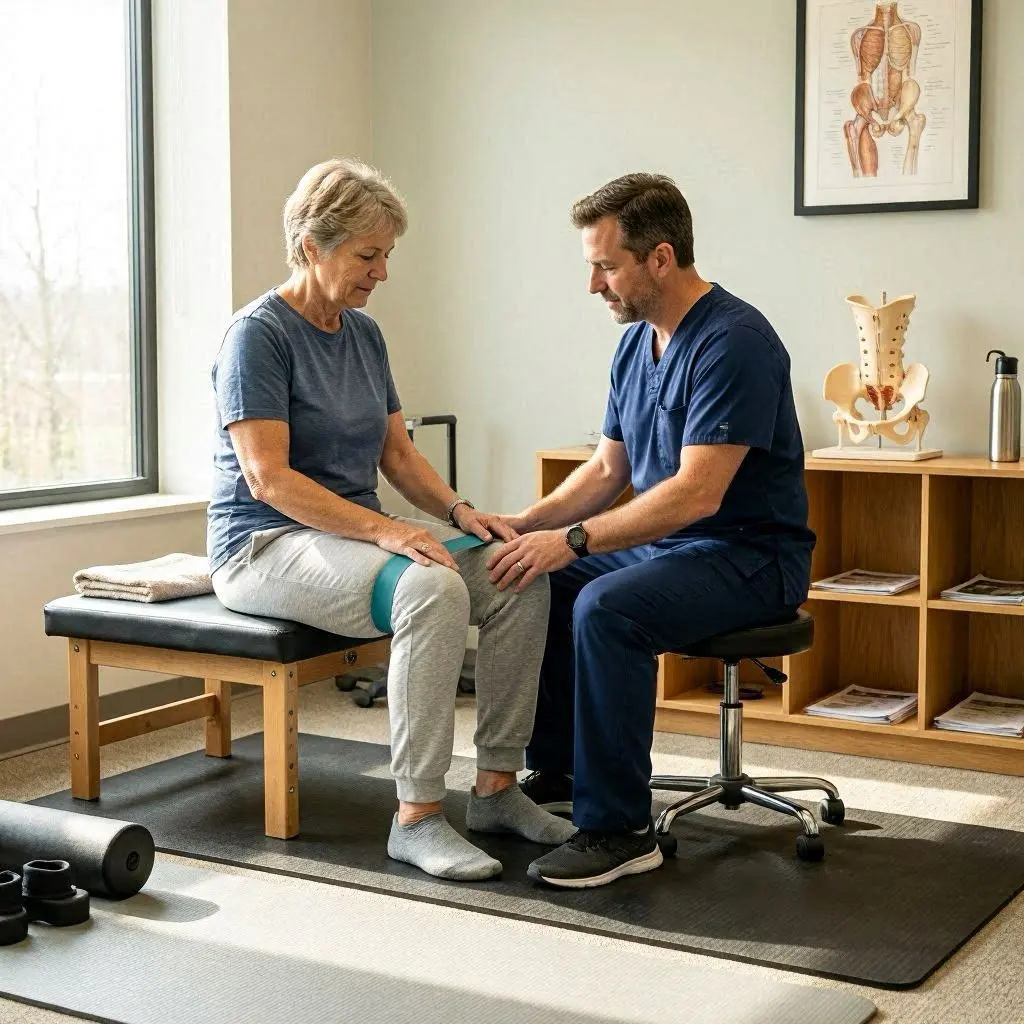
Some individuals with migraines also experience neck stiffness, reduced cervical mobility, or muscle tension. In carefully selected patients, chiropractic care may be included as part of a broader treatment plan.
Following a thorough assessment, treatment may include:
Chiropractic Adjustments
Improving movement in restricted cervical and upper thoracic joints may reduce mechanical stress contributing to neck-related headaches.
Soft Tissue Therapy (Migraine Relief)
Manual therapy helps relax tight muscles surrounding the neck and shoulders.
Posture Correction
Improving posture reduces unnecessary strain on the cervical spine during daily activities.
Ergonomic Advice
Adjusting workstations and computer positions may reduce neck tension associated with prolonged sitting.
Chiropractic care should always be individualized and coordinated with appropriate medical care, particularly for people with frequent or severe migraines.
Therapeutic Exercise
Exercise supports overall health and may help reduce migraine frequency for some individuals.
Helpful activities include:
Walking
Regular walking improves circulation and supports stress reduction.
Stretching (Migraine Relief)
Gentle stretching decreases muscle tightness in the neck and shoulders.
Strength Training
Improving muscle support for the neck and upper back encourages healthier posture.
Low-Impact Exercise
Swimming and cycling provide cardiovascular benefits while minimizing joint stress.
Exercise programs should begin gradually, as overly intense activity may trigger migraines in some individuals.
Lifestyle Habits That Support Migraine Relief
Healthy daily habits can make a significant difference.
Helpful recommendations include:
-
Stay hydrated.
-
Eat balanced meals regularly.
-
Sleep seven to nine hours each night.
-
Maintain a consistent sleep schedule.
-
Exercise regularly.
-
Manage stress effectively.
-
Limit excessive caffeine.
-
Avoid known personal migraine triggers.
-
Maintain healthy posture.
-
Take regular breaks from screens.
These habits support overall neurological and musculoskeletal health.
Managing Stress (Migraine Relief)
Stress is one of the most common migraine triggers.
Helpful stress-management strategies include:
-
Deep breathing exercises
-
Meditation
-
Mindfulness
-
Yoga
-
Walking outdoors
-
Relaxation exercises
-
Maintaining healthy work-life balance
Reducing stress often helps decrease migraine frequency.
Keeping a Migraine Diary (Migraine Relief)
Tracking migraine attacks helps identify personal triggers.
Record information such as:
-
Date and time
-
Foods eaten
-
Hours of sleep
-
Stress levels
-
Physical activity
-
Weather changes
-
Medication use
-
Duration of symptoms
Over time, patterns may become easier to recognize.
Preventing Future Migraines
Preventive care focuses on reducing migraine frequency rather than simply treating attacks after they begin.
Helpful prevention strategies include:
-
Maintain regular routines.
-
Stay hydrated.
-
Exercise consistently.
-
Improve posture.
-
Manage stress.
-
Sleep consistently.
-
Avoid skipping meals.
-
Follow professional healthcare recommendations.
Consistency is often one of the most important factors in migraine prevention.
When Should You Seek Professional Care?
You should seek professional evaluation if:
-
Migraines become more frequent.
-
Headaches interfere with daily life.
-
Over-the-counter medications are no longer effective.
-
Symptoms become more severe.
-
Headaches occur after an injury.
-
Neck pain accompanies headaches.
-
You experience new neurological symptoms.
Early evaluation helps identify the most appropriate treatment plan.
Warning Signs That Require Emergency Medical Attention (Migraine Relief)
Some headaches require immediate medical evaluation.
Seek emergency care if you experience:
-
A sudden, extremely severe headache (“thunderclap headache”)
-
Loss of consciousness
-
Difficulty speaking
-
Sudden weakness on one side of the body
-
Vision loss
-
Seizures
-
High fever with severe headache
-
Headache following significant head trauma
These symptoms may indicate a serious medical condition that requires urgent treatment.
Building a Long-Term Migraine Management Plan (Migraine Relief)
Managing migraines successfully often requires a long-term approach.
An effective plan may include:
-
Regular medical follow-up
-
Chiropractic care when appropriate
-
Exercise
-
Healthy nutrition
-
Stress reduction
-
Quality sleep
-
Trigger management
-
Hydration
-
Posture improvement
-
Consistent daily routines
Combining these strategies often produces better long-term results than relying on a single treatment.
Conclusion (Migraine Relief)
Migraines can significantly affect quality of life, but many people achieve meaningful relief through a personalized combination of medical care, chiropractic treatment when appropriate, healthy lifestyle habits, exercise, posture correction, and trigger management.Understanding your migraine patterns, seeking professional evaluation, and following a comprehensive treatment plan can help reduce the frequency and severity of attacks while improving daily function. With consistent care and healthy habits, many individuals are able to manage migraines successfully and enjoy a more active, comfortable, and productive life.