
How Can I Relieve Back Pain After Carrying Heavy Bags?
Back pain after carrying heavy bags is a common problem, especially when you carry groceries, shopping bags, luggage, work equipment, or a heavy backpack for an extended period. You may notice discomfort in your lower back, tightness around your shoulders, or stiffness when bending forward or standing up. In many cases, this pain develops because your muscles and joints have been exposed to more weight or strain than they can comfortably manage.
The good news is that many mild cases improve with simple steps, such as reducing the load, staying gently active, using heat, and improving the way you carry bags. However, the right approach depends on where the pain occurs, how severe it is, and whether you have other symptoms.
This guide explains how to relieve back pain after carrying heavy bags, what may be causing it, which movements can help, and when you should seek professional care.
Why Does Your Back Hurt After Carrying Heavy Bags?
Your back helps support your upper body, maintain balance, and transfer forces between your upper and lower body. When you carry a heavy load, your muscles must work harder to keep your spine stable.
If the weight is unevenly distributed, your body may lean to one side or change its natural posture. Over time, this can increase stress on certain muscles and joints.
Common reasons for back pain after carrying heavy bags include:
1. Muscle Strain
Muscle strain is one of the most common causes of back discomfort after lifting or carrying something heavy. Your back muscles may become overstretched or irritated when they suddenly handle more weight than usual.
You might experience:
Aching or soreness in your lower back.
Pain when bending, twisting, or standing up.
Muscle tightness after carrying bags.
Discomfort that becomes more noticeable with movement.
Mild muscle strains often improve gradually with appropriate self-care.
2. Carrying Weight on One Side
Carrying a heavy shopping bag in one hand can cause your body to lean in the opposite direction. Your muscles then work to prevent you from losing balance.
If you regularly carry bags on the same side, one side of your back may become more fatigued than the other.
This can lead to discomfort around your lower back, waist, shoulder, or upper back.
3. Poor Lifting Technique
Bending forward from your waist, twisting while lifting, or quickly picking up a heavy bag can increase the load on your back.
The problem may become worse when you lift a bag from the floor while keeping your legs straight or when you turn your body while holding the weight.
4. Carrying Bags for Too Long
Even a manageable load can become uncomfortable when you carry it for a long time.
Your muscles need opportunities to recover. Walking long distances with heavy bags, climbing stairs, or standing for extended periods can increase fatigue and make existing discomfort more noticeable.
5. Existing Back Problems
People who already experience lower back pain, reduced mobility, or previous back injuries may be more sensitive to additional loading.
Carrying heavy bags does not necessarily mean that you have damaged your spine. However, it can aggravate an existing problem and make symptoms temporarily worse.

How Can I Relieve Back Pain After Carrying Heavy Bags?
If your back hurts after carrying heavy bags, start by reducing the activity that triggered the discomfort. You do not necessarily need complete bed rest. Gentle movement is often more helpful than staying inactive for long periods.
The following steps may help reduce mild back pain.
1. Stop Carrying Heavy Loads Temporarily
Give your back a chance to recover. Avoid carrying heavy shopping bags, suitcases, or other loads that increase your symptoms.
If you need to move items, divide them into smaller loads or ask someone to help.
You should also avoid repeatedly testing your back by lifting the same heavy object to see whether the pain has disappeared.
2. Keep Moving Gently
When your back hurts, resting may seem like the easiest solution. However, staying in bed for long periods can increase stiffness and make it harder to return to normal activities.
Instead, try gentle activities such as:
Walking around your home.
Taking short, comfortable walks outside.
Changing your sitting position regularly.
Performing gentle movements within a comfortable range.
Avoid movements that cause sharp or increasing pain. Gradually return to your usual activities as your symptoms improve.
3. Apply Heat or Cold
Heat and cold can both help manage back discomfort, although they work differently.
Cold therapy may help soothe an area that feels irritated after a recent strain. Wrap an ice pack in a towel and apply it for around 10–15 minutes.
Heat therapy can help relax tight muscles and reduce stiffness. A warm compress or heating pad may be useful for approximately 15–20 minutes.
Never place ice or a heating device directly against your skin. Avoid excessive heat, and do not fall asleep while using a heating pad.
Choose the option that feels more comfortable for your symptoms.
4. Avoid Sudden Bending and Twisting
After carrying heavy bags, your back may be more sensitive to certain movements.
For a short period, avoid:
Bending forward quickly.
Twisting while lifting objects.
Reaching far away while holding weight.
Lifting heavy items from the floor.
Carrying a child or heavy object on one side if it increases pain.
When picking something up, move closer to the object, bend your hips and knees, and keep the load close to your body.
5. Maintain a Comfortable Sleeping Position
Your sleeping position may influence how comfortable your back feels overnight.
You can try sleeping on your side with a pillow between your knees. This may make it easier to maintain a comfortable position.
If you prefer sleeping on your back, placing a pillow under your knees may help reduce tension.
There is no single sleeping position that works for everyone. Choose the position that allows you to rest without increasing your symptoms.
Gentle Exercises That May Help Back Pain
Once the initial discomfort has settled and you can move more comfortably, gentle exercises may help restore mobility and build confidence in everyday movement.
You should not force a stretch or continue an exercise that increases your pain. If your symptoms are severe, travel down your leg, or are accompanied by numbness or weakness, seek medical advice before starting an exercise routine.
1. Walking
Start with a short, comfortable walk. If your symptoms remain stable, gradually increase the distance over time. You do not need to walk quickly or cover a long distance.
2. Pelvic Tilts
Lie on your back with your knees bent and feet flat.
Gently tighten your abdominal muscles.
Slowly tilt your pelvis so your lower back moves slightly toward the floor.
Hold briefly, then relax.
Repeat a few times if the movement feels comfortable.
Keep the movement small and controlled. Do not push through pain.
3. Knee-to-Chest Stretch
Lie on your back with both knees bent.
Slowly bring one knee toward your chest.
Hold behind your thigh or over your shin without pulling forcefully.
Stay in a comfortable position for a few seconds.
Lower your leg and repeat on the other side if comfortable.
Avoid this stretch if it causes pain to travel further down your leg or makes your symptoms worse.
4. Cat-Cow Movement
Start on your hands and knees.
Slowly round your back toward the ceiling.
Return to a neutral position.
Gently allow your back to move in the opposite direction without forcing it.
Repeat slowly while breathing normally.
The goal is comfortable movement, not achieving the largest possible stretch.
5. Abdominal Bracing
Lie on your back with your knees bent.
Breathe normally.
Gently tighten your abdominal muscles as if preparing for a light movement.
Keep your back and pelvis in a comfortable position.
Hold briefly, then relax.
Start with a few repetitions. A physiotherapist can help you progress this exercise safely.
How to Prevent Back Pain When Carrying Heavy Bags
Relieving current pain is important, but changing your carrying habits can reduce the likelihood of experiencing the same discomfort again.
1. Distribute Weight Between Both Hands
Avoid carrying all your shopping in one hand. Divide the weight between two bags and carry one in each hand, provided the combined load is comfortable.
If one bag is much heavier, redistribute the items before walking.
2. Use a Backpack When Appropriate
A backpack with two padded shoulder straps can distribute weight more evenly than a single-shoulder bag.
To use it comfortably:
Wear both shoulder straps.
Adjust the straps so the backpack sits close to your back.
Place heavier items near your body.
Avoid carrying unnecessary items.
Use a waist or chest strap when available and comfortable.
A backpack can still cause discomfort if it is excessively heavy.
3. Choose Bags With Comfortable Handles
Thin handles can place pressure on your fingers and hands, making heavy bags harder to carry comfortably.
Choose bags with wider, padded handles when possible. A wheeled shopping trolley or rolling suitcase can also reduce the need to carry weight over long distances.
4. Take Breaks During Long Walks
If you need to carry groceries or luggage over a longer distance, take short breaks.
Put the bags down safely, relax your shoulders, and walk without carrying anything for a moment. This can help reduce continuous muscle fatigue.
5. Lift Bags With a Safer Technique
When picking up a bag from the floor:
Stand close to the bag.
Place your feet comfortably apart.
Bend your hips and knees.
Keep the bag close to your body.
Lift smoothly using your legs and hips.
Avoid twisting while lifting.
Turn your feet to change direction instead of rotating your back.
If the bag is too heavy or awkward, divide the contents or ask for assistance. These lifting principles are also recommended in MedlinePlus guidance.
6. Improve Your Back and Core Strength Gradually
Regular physical activity can help improve strength, flexibility, and your ability to manage everyday tasks.
Walking, swimming, and suitable strengthening exercises may be useful options. However, the best routine depends on your current fitness level, symptoms, and medical history.
Avoid starting an intense workout immediately after a painful lifting episode.
When Should You See a Doctor or Physiotherapist?
Many episodes of mild back pain improve with appropriate self-care. However, some symptoms need professional assessment.
Seek emergency medical attention if back pain occurs with:
New difficulty controlling your bladder or bowels.
Numbness around your genitals, anus, or inner thighs.
New or worsening weakness in both legs.
Serious symptoms following a major accident.
These symptoms can indicate a serious problem involving the nerves or spine and should not be ignored.
You should also arrange a medical assessment if:
Your pain is severe or getting worse quickly.
You have a fever or feel generally unwell.
Pain travels down your leg, especially with tingling, numbness, or weakness.
You experience unexplained weight loss.
Pain repeatedly wakes you at night.
Your symptoms do not improve over the following weeks.
Back pain interferes with walking, working, sleeping, or normal daily activities.
A healthcare professional can assess your symptoms and determine whether further investigation or treatment is needed.
Can Physiotherapy Help Back Pain After Carrying Heavy Bags?
Yes. Physiotherapy may be helpful when back pain continues, keeps returning, or makes everyday activities difficult.
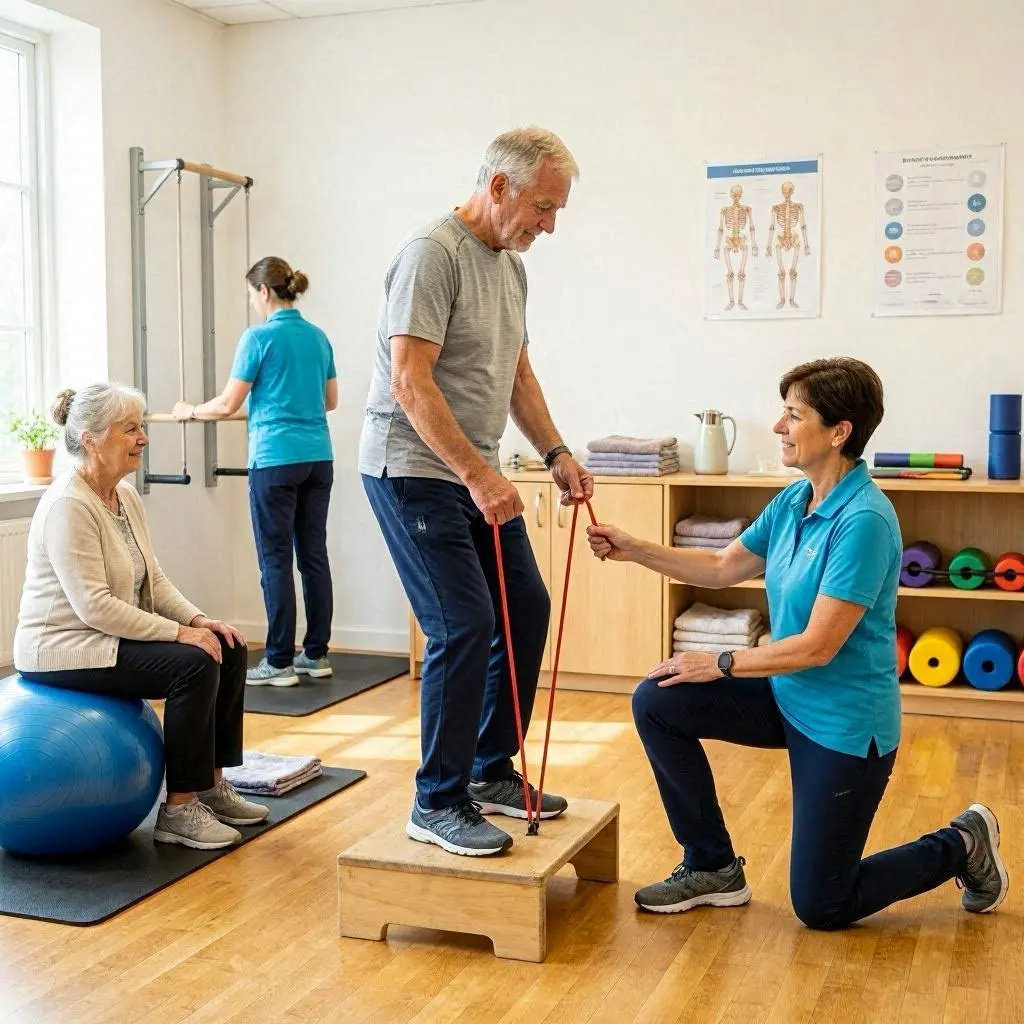
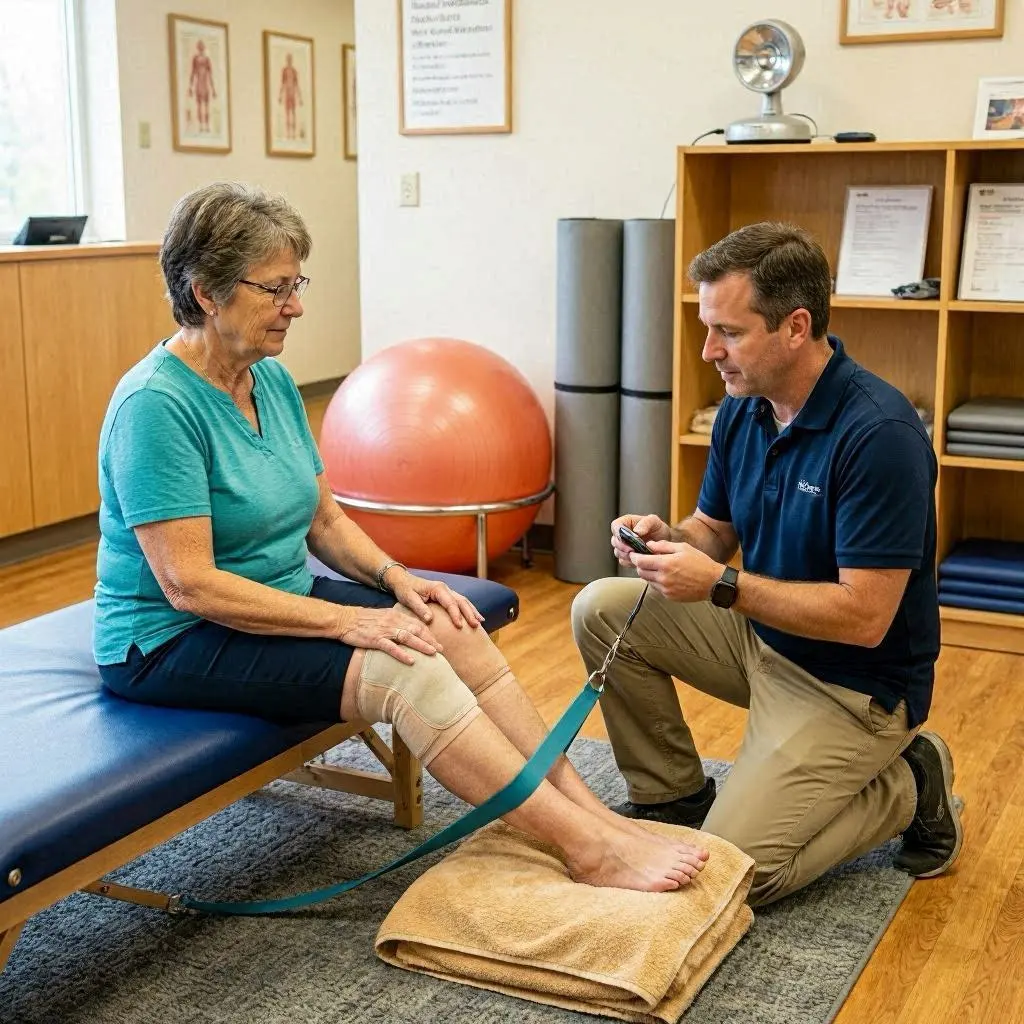
A physiotherapist can assess how you move, identify activities that aggravate your symptoms, and develop a treatment plan based on your needs.
Depending on the assessment, treatment may include:
Movement assessment: Checking your spinal mobility, flexibility, and movement patterns.
Individual exercise guidance: Selecting suitable exercises to improve strength and mobility.
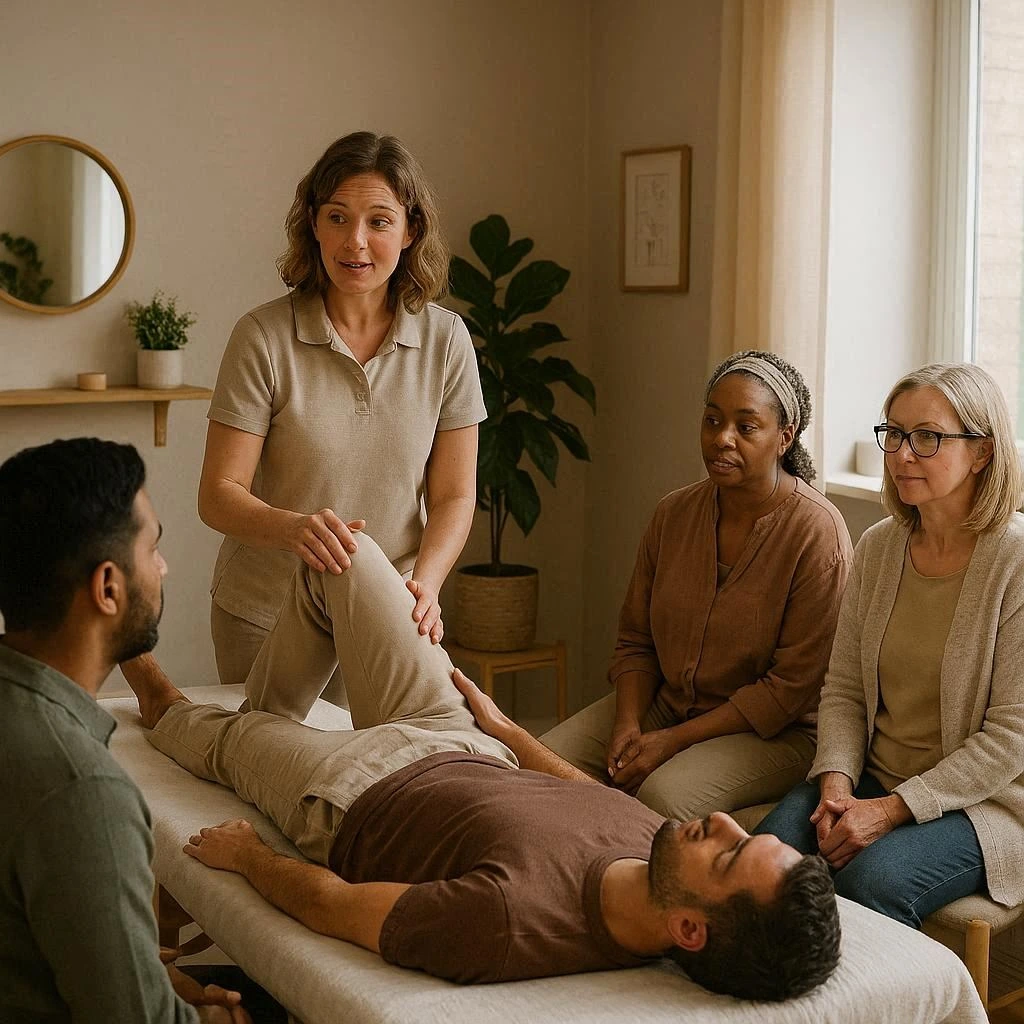
Manual therapy: Using appropriate hands-on techniques when indicated.
Posture and lifting education: Teaching you how to carry, lift, and move loads more comfortably.
Gradual return to activity: Helping you rebuild tolerance for walking, working, and carrying everyday items.
If back discomfort is affecting your daily routine, you can learn more about physiotherapy services and how an individualized rehabilitation approach may support recovery.
Treatment should be based on your symptoms and assessment rather than assuming that every episode of back pain has the same cause.
Common Mistakes That Can Make Back Pain Worse
Some habits may prolong discomfort or make it harder to return to normal activities.
Staying in Bed for Too Long
Short periods of rest may be helpful when pain first appears. However, prolonged bed rest is generally not recommended for uncomplicated back pain. Gentle activity, adjusted to your comfort, is usually a better approach.
NHS+1
Returning to Heavy Lifting Too Quickly
Feeling slightly better does not always mean your back is ready for the same load you carried before.
Start with lighter tasks and gradually increase the weight and duration as your symptoms allow.
Ignoring Pain That Travels Into the Leg
Back pain accompanied by leg pain, tingling, numbness, or weakness may require a closer assessment. Do not assume that every symptom is simply muscle soreness.
Stretching Too Aggressively
A stretch should not cause sharp pain or make symptoms spread. More stretching is not necessarily better. Use controlled movements and stop if discomfort increases.
Carrying the Same Heavy Bag Every Day
Repeatedly carrying an uneven load can continue to aggravate the same area. Change how you transport items and reduce unnecessary weight.

Frequently Asked Questions
1. How Long Does Back Pain After Carrying Heavy Bags Last?
Mild muscular discomfort may improve over several days, while some episodes take a few weeks to settle. Recovery depends on the cause, severity, and whether the activity that triggered the pain is reduced. Seek assessment if symptoms are worsening or not improving.
2. Should I Use Heat or Ice for Back Pain After Carrying Bags?
Both may provide relief. Cold can feel soothing after a recent painful episode, while heat may help with stiffness and muscle tightness. Wrap either option in a towel and avoid direct skin contact.
3. Is Walking Good for Back Pain After Lifting Heavy Bags?
Gentle walking can help you stay active and reduce stiffness. Begin with a short distance and increase gradually if it does not worsen your symptoms.
4. Can Carrying a Heavy Backpack Cause Lower Back Pain?
Yes. A backpack that is too heavy, poorly adjusted, or carried for a long time may increase muscular fatigue and discomfort. Use both shoulder straps, keep the load close to your body, and remove unnecessary items.
5. Should I Stretch Immediately After My Back Starts Hurting?
Not necessarily. If the pain is recent or severe, focus first on comfortable movement and avoiding activities that aggravate it. Introduce gentle stretches only when they feel appropriate and do not increase symptoms.
6. Can Back Pain After Carrying Bags Be a Sign of a Disc Problem?
It is possible, but back pain after carrying a heavy load does not automatically mean you have a herniated disc. Muscle strain and other causes can produce similar symptoms. A healthcare professional can assess symptoms such as pain traveling down the leg, numbness, or weakness.
7. When Should I Consider Physiotherapy?
Consider physiotherapy if pain keeps returning, limits daily activities, or does not improve as expected. A physiotherapist can help identify contributing movement patterns and guide a gradual return to normal activities.
Conclusion
Back pain after carrying heavy bags can develop when your muscles and joints are exposed to excessive weight, uneven loading, or repetitive strain. Fortunately, many mild episodes improve with practical changes.
Start by reducing heavy lifting, staying gently active, and using heat or cold for comfort. As your symptoms settle, suitable mobility and strengthening exercises may help you return to everyday activities.
For prevention, distribute weight between both hands, use a properly adjusted backpack, take breaks, and lift objects close to your body without twisting.
Most importantly, do not ignore severe pain, worsening symptoms, or warning signs such as bladder or bowel changes, numbness around the groin, or leg weakness. Getting the right assessment can help you understand the cause and choose an appropriate treatment plan.
NHS – Back Pain: Causes, Treatment and Self-Care
Summary Table
| Topic | Key recommendation |
|---|---|
| Immediate pain relief | Reduce heavy lifting and avoid aggravating movements |
| Staying active | Take short, comfortable walks |
| Heat and cold | Use whichever provides more relief |
| Gentle exercises | Try pelvic tilts and controlled mobility movements when comfortable |
| Carrying bags | Distribute weight evenly and avoid excessive loads |
| Lifting technique | Bend your hips and knees and keep the load close |
| Professional care | Seek assessment for persistent, worsening, or concerning symptoms |