Soft Tissue Therapy for Gluteal Pain: Causes, Treatment, and Recovery
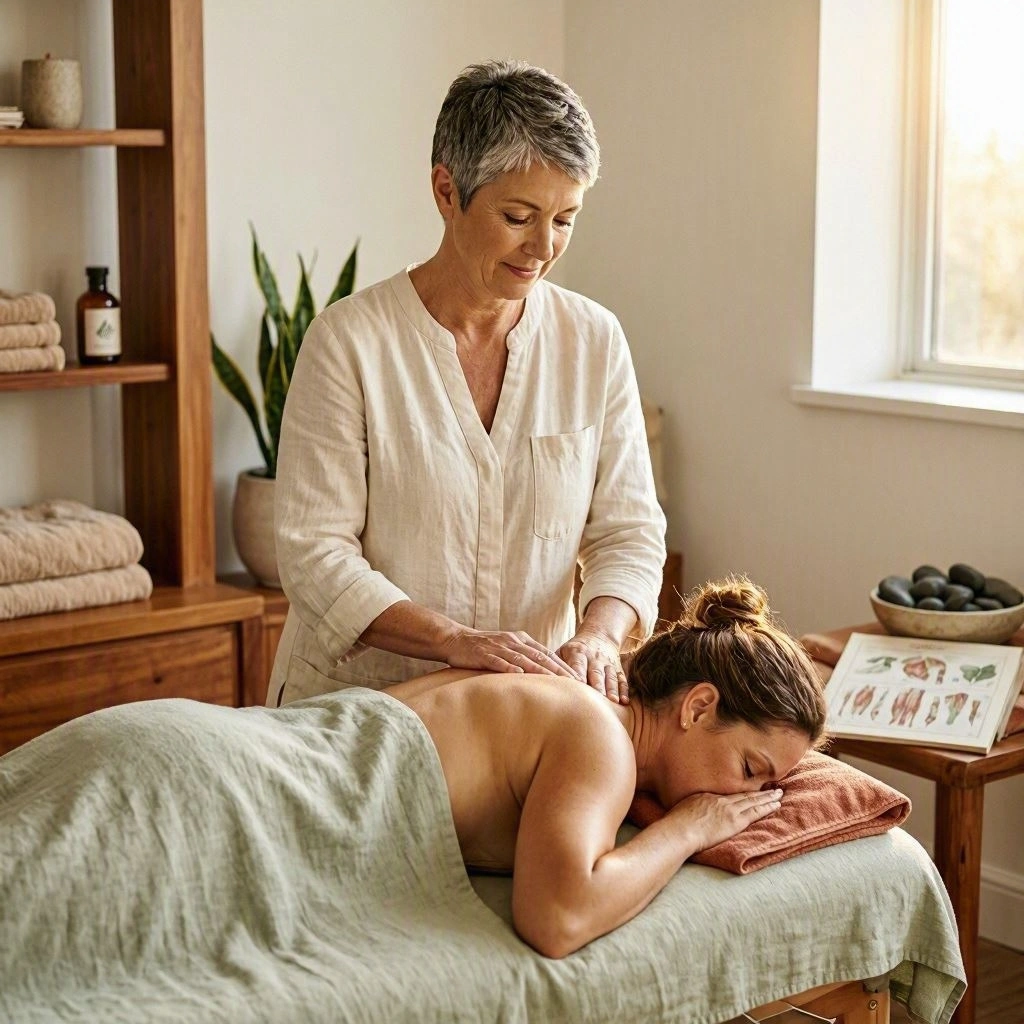
Gluteal pain can affect walking, sitting, exercising, climbing stairs, and performing everyday activities. The gluteal muscles, located in the buttocks, play an important role in hip movement, pelvic stability, and controlling the body’s position during physical activity. When these muscles or surrounding tissues become irritated, even simple movements can become uncomfortable. Soft Tissue Therapy for Gluteal Pain may help some people manage muscle-related discomfort by reducing muscle tension, improving comfort during movement, and supporting an individualized rehabilitation program. Depending on the cause of the pain, treatment may include massage, gentle soft tissue mobilization, movement education, and therapeutic exercise.
However, gluteal pain does not always originate in the muscles. Conditions affecting the hip joint, gluteal tendons, lower back, or sciatic nerve can produce similar symptoms. Identifying the likely source of the problem is therefore an essential first step.
At Ritz Clinic, understanding the causes of gluteal pain can help patients make informed decisions about treatment and recovery. This guide explains the anatomy of the gluteal region, common causes of pain, potential benefits of soft tissue therapy, complementary rehabilitation approaches, and symptoms that require medical attention.
What Is Soft Tissue Therapy for Gluteal Pain?
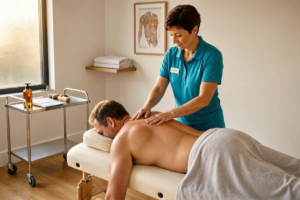
Soft tissue therapy is a broad term for hands-on techniques used to address muscles and other soft tissues, including tendons and fascia. Depending on the practitioner’s training and the patient’s condition, treatment may involve massage, gentle tissue mobilization, or other manual techniques.
The purpose of soft tissue therapy is generally to help manage symptoms and improve movement. It may be used alongside exercise, activity modification, and education rather than as a stand-alone treatment.
Soft Tissue Therapy for Gluteal Pain may be considered when muscle tenderness, increased sensitivity, or movement-related discomfort appears to contribute to symptoms. A qualified practitioner should first assess whether this approach is suitable.
For example, gentle massage may help someone with uncomplicated muscle soreness after exercise. However, aggressive pressure over an irritated gluteal tendon may increase symptoms, while pain caused by a fracture, infection, or significant nerve compression requires a different approach.
The most appropriate treatment depends on the cause of the pain, symptom severity, medical history, and individual goals.
Understanding the Gluteal Muscles and Surrounding Tissues
The gluteal region contains several muscles and connective tissues that work together to control hip movement and stabilize the pelvis.
Gluteus Maximus
The gluteus maximus is the largest of the gluteal muscles. It helps extend the hip, rotate the thigh outward, and generate force during activities such as climbing stairs, running, rising from a chair, and lifting from a squat.
Overloading this muscle through unfamiliar exercise, sprinting, or repeated climbing may cause muscle soreness or strain.
Gluteus Medius
The gluteus medius is located on the outer side of the hip. It plays an important role in controlling pelvic position when standing on one leg or walking.
Irritation of the gluteus medius tendon can contribute to pain around the outside of the hip. This condition is often associated with greater trochanteric pain syndrome, which may involve the gluteal tendons and nearby structures.
It is important to distinguish tendon-related pain from ordinary muscle tightness because the management approach can differ.
Gluteus Minimus
The gluteus minimus lies beneath the gluteus medius and helps control hip movement and pelvic stability. Its tendons may also be involved in lateral hip pain.
Pain in this area may be influenced by repetitive loading, reduced muscle capacity, or other factors affecting the hip.
Deep Hip Rotators
Smaller muscles located deep within the buttock help rotate and stabilize the hip. The piriformis is one example.
Discomfort in the deep gluteal region can sometimes occur alongside irritation of nearby nerves. However, buttock pain that resembles sciatica should not automatically be attributed to the piriformis muscle.
Gluteal Tendons and Fascia
Tendons connect muscles to bones, while fascia consists of connective tissue surrounding and separating structures.
The gluteal tendons transfer muscular force to the hip. If a tendon becomes irritated, pain may be more sensitive to compression, prolonged loading, or specific positions.
Soft tissue therapy should therefore be tailored to the structure most likely to be contributing to the symptoms.
Common Causes of Gluteal Pain
Gluteal pain can develop for several reasons. A careful assessment helps determine whether soft tissue therapy is appropriate.
1. Muscle Strain
A gluteal muscle strain occurs when muscle fibres are overloaded or damaged. It may develop during sprinting, jumping, lifting, sudden acceleration, or unfamiliar exercise.
Common symptoms include localized tenderness, pain during muscle contraction, and discomfort when stretching or loading the affected area.
Mild strains often improve with appropriate activity modification and progressive rehabilitation. More severe injuries may require medical assessment.
2. Muscle Overuse and Delayed-Onset Muscle Soreness
Increasing exercise intensity too quickly can cause muscle soreness in the buttocks. This is particularly common after unfamiliar strength training, hill walking, running, or repeated stair climbing.
Delayed-onset muscle soreness typically develops after exercise and may peak over the following one to three days.
Gentle movement and gradual return to activity may help. Massage may provide temporary comfort for some people, but it does not guarantee faster tissue healing.
Severe pain, substantial bruising, or marked weakness should not be dismissed as ordinary soreness.
3. Gluteal Tendinopathy
Gluteal tendinopathy involves changes and irritation in the tendons of the gluteus medius or gluteus minimus. It often causes pain around the outside of the hip, sometimes extending into the upper buttock.
Symptoms may worsen when lying on the affected side, climbing stairs, walking uphill, or standing on one leg.
Although soft tissue techniques may sometimes provide short-term symptom relief, tendon-related pain generally requires appropriate load management and progressive strengthening.
Deep pressure directly over a sensitive tendon may aggravate symptoms, so treatment should be selected carefully.
4. Greater Trochanteric Pain Syndrome (Soft Tissue Therapy for Gluteal Pain)
Greater trochanteric pain syndrome, or GTPS, describes pain around the outside of the hip. It is often associated with gluteal tendinopathy and may involve other nearby tissues.
People may experience tenderness over the outer hip, discomfort during prolonged walking, and pain when sleeping on the affected side.
GTPS is not simply a tight-muscle problem. Education, activity modification, and targeted exercise are important parts of management. Soft tissue therapy may be considered as an adjunct when appropriate, but it should not replace a structured rehabilitation plan.
5. Prolonged Sitting
Sitting for long periods can aggravate symptoms in some people, especially when they remain in one position for an extended time.
The reason may involve sensitivity in the gluteal muscles, compression of surrounding tissues, or a problem originating in the lower back or hip.
Regular movement breaks, comfortable positioning, and gradual increases in activity may help reduce discomfort.
If sitting causes burning pain, tingling, numbness, or symptoms traveling down the leg, a clinician should consider possible nerve involvement.
6. Sciatica and Nerve Irritation
Sciatica refers to symptoms associated with irritation or compression of the sciatic nerve or its nerve roots. Pain may begin in the lower back or buttock and travel down the back of the leg.
Other symptoms can include tingling, numbness, or weakness.
Massage may provide temporary relief for some people, but it does not resolve every cause of sciatica. Treatment should be guided by an assessment of the spine, neurological symptoms, and functional limitations.
7. Hip Joint Problems
Conditions affecting the hip joint may cause pain in the groin, outer hip, or buttock. Hip osteoarthritis and other joint conditions can limit movement and affect walking.
If gluteal pain is accompanied by reduced hip mobility, persistent stiffness, or difficulty bearing weight, a professional assessment may help identify the underlying problem.
8. Lower Back and Sacroiliac Region Problems
Pain originating in the lumbar spine or sacroiliac region can be felt in the buttocks. Symptoms may be influenced by bending, lifting, prolonged sitting, or particular movements.
Because the pain is referred from another area, treating the gluteal muscles alone may not address the main cause.
A comprehensive assessment should consider the lower back, hips, and neurological function where indicated.
Symptoms That May Benefit From Soft Tissue Therapy
Soft tissue therapy may be considered when the assessment suggests that muscle soreness or soft tissue sensitivity contributes to the symptoms.
Possible features include:
- Localized tenderness in the gluteal muscles.
- Muscle soreness following increased exercise.
- Discomfort during certain movements or positions.
- Muscle tightness that limits comfortable movement.
- Reduced tolerance for everyday activities following overuse.
- Muscle discomfort that improves with gentle movement.
These features do not establish a diagnosis by themselves. Pain patterns can overlap between muscle strains, tendinopathy, hip conditions, and nerve irritation.
The goal of assessment is to identify the most likely cause and determine whether hands-on treatment is safe and appropriate.
How Soft Tissue Therapy for Gluteal Pain Works
Soft tissue therapy may help manage discomfort through several possible mechanisms. Its effects vary between individuals, and the treatment should not be described as physically breaking down adhesions or permanently correcting tissue alignment without appropriate evidence.
1. Temporary Reduction in Muscle Discomfort (Soft Tissue Therapy for Gluteal Pain)
Massage and other manual techniques may temporarily reduce perceived muscle tension or tenderness in some people.
This can make certain movements feel more comfortable and may help patients participate in exercise or daily activities.
The response varies, and less pressure is not necessarily less effective. Aggressive treatment can increase soreness, particularly when tissue is already irritated.
2. Improving Comfort During Movement
When muscle discomfort limits movement, gentle manual therapy may help a person tolerate activities such as walking, sitting, or changing position.
Any improvement should be used to support a broader rehabilitation plan rather than relying on repeated passive treatment alone.
3. Supporting Relaxation
Some people find massage relaxing and report reduced stress or a temporary improvement in their perception of pain.
Pain is influenced by multiple factors, including physical, psychological, and environmental influences. Relaxation may support comfort, but it does not mean the underlying condition has necessarily resolved.
4. Helping Patients Participate in Rehabilitation
Soft tissue therapy may be used before or alongside exercise if it helps a patient move more comfortably.
For example, a person with uncomplicated muscle soreness may tolerate a strengthening session better after gentle manual treatment.
The therapist should monitor the response and adjust the plan if treatment causes increased pain, bruising, or worsening function.
Common Soft Tissue Therapy Techniques (Soft Tissue Therapy for Gluteal Pain)
The techniques used depend on the practitioner’s qualifications, the likely diagnosis, and the patient’s tolerance.
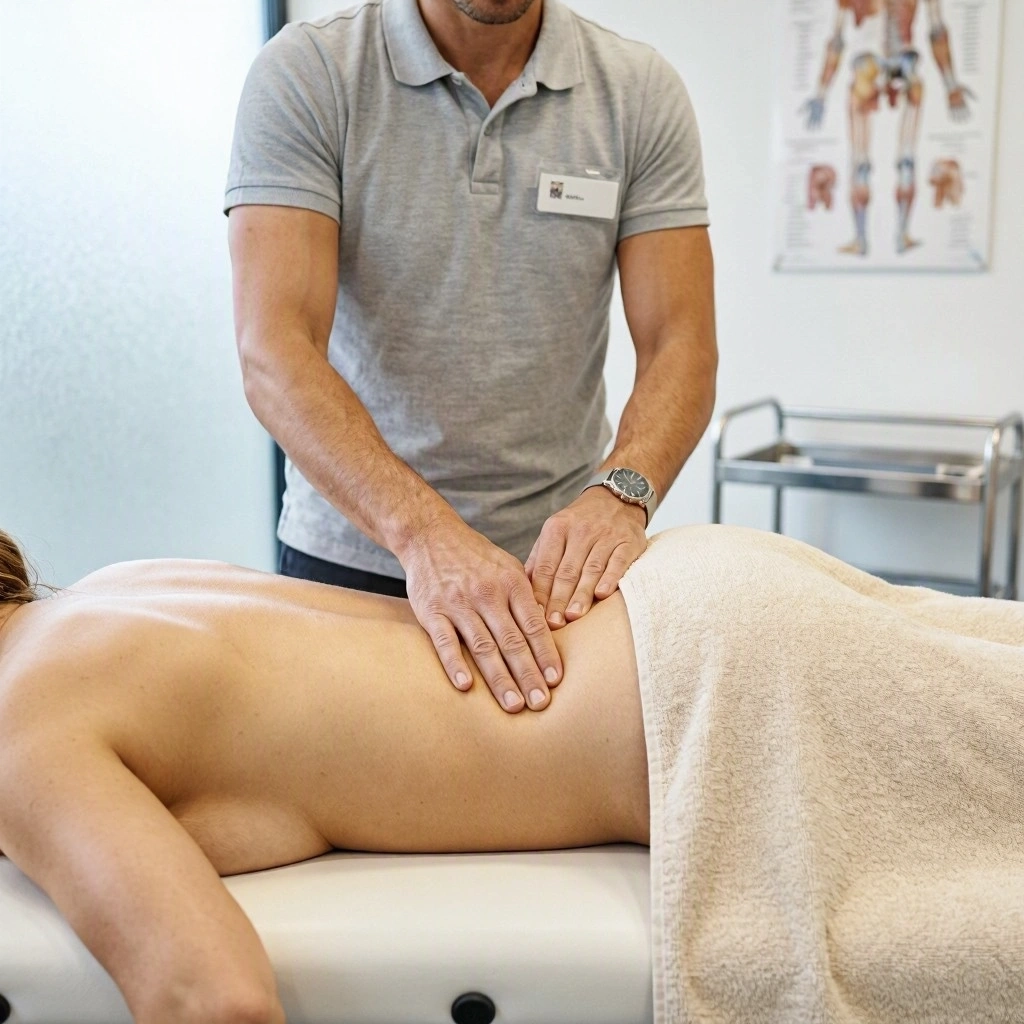
1. Therapeutic Massage
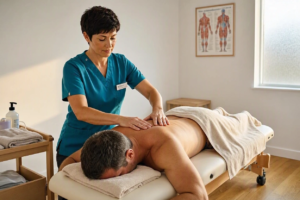
Therapeutic massage involves applying controlled pressure and movement to soft tissues.
For some cases of muscle-related gluteal pain, massage may provide temporary relief and help the patient feel more comfortable during movement.
Pressure should be adjusted to the person’s symptoms. Deep massage is not automatically more effective, and treatment should not cause severe pain.
2. Gentle Soft Tissue Mobilization
Soft tissue mobilization involves controlled manual contact and movement applied to selected tissues.
A practitioner may use these techniques around the gluteal muscles when appropriate. The goal is to influence symptoms and movement tolerance rather than guarantee structural changes.
3. Myofascial Techniques
Myofascial techniques involve sustained or gentle pressure and movement applied to tissues surrounding muscles.
Some patients report short-term improvements in comfort or mobility, although evidence varies by condition and technique.
These approaches should be adapted to the patient’s response and should not replace active rehabilitation when strengthening or load management is required.
4. Trigger Point Techniques
Trigger point approaches focus on sensitive areas within muscles that may reproduce familiar discomfort when pressed.
A practitioner may use gentle, targeted pressure when this is appropriate. However, a tender spot does not necessarily identify the primary cause of pain, and not all gluteal pain is caused by trigger points.
Excessive pressure can aggravate symptoms, particularly when pain is associated with a sensitive tendon or nearby nerve.
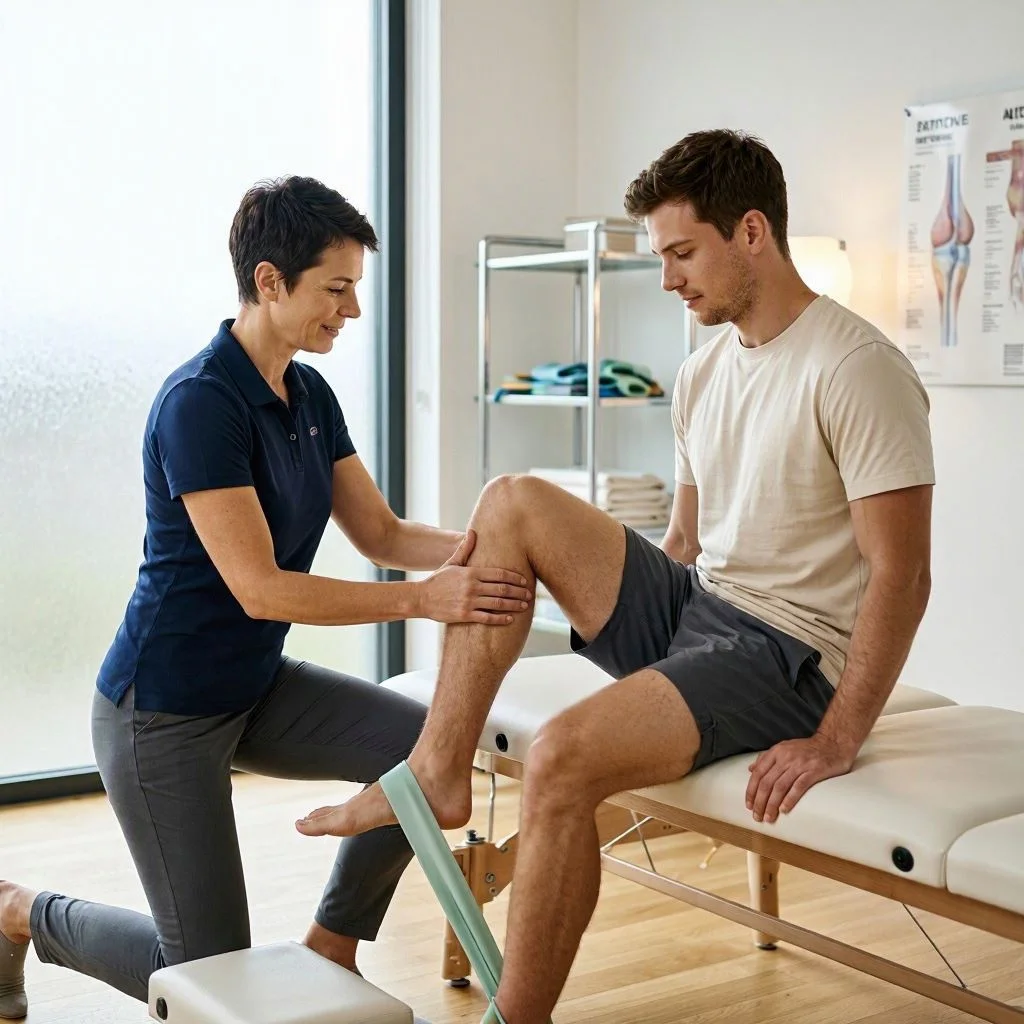
5. Combining Manual Therapy With Exercise
Soft tissue therapy is often most useful as part of a broader treatment plan.
Depending on the condition, this may include strength training, movement retraining, activity modification, and gradual return to work or sport.
For gluteal tendinopathy specifically, a 2025 systematic review found that exercise and education had supportive evidence for improving pain and function. This does not establish soft tissue therapy as an effective stand-alone treatment for tendon disease.
What Does the Evidence Say About Soft Tissue Therapy?
The evidence for soft tissue therapy depends on the diagnosis being treated.
For uncomplicated muscle soreness, massage may provide temporary symptom relief for some people. However, research on massage does not mean that the same benefits apply to every condition affecting the gluteal region.
Gluteal tendinopathy requires particular care because pain may be aggravated by compressive positions and excessive loading. Current clinical guidance emphasizes education, activity modification, and progressive exercise as key components of management.
A 2025 systematic review of gluteal tendinopathy treatments reported supportive evidence for exercise and education, while findings for other treatments varied. The review does not establish soft tissue therapy as a primary treatment for gluteal tendinopathy.
Therefore, Soft Tissue Therapy for Gluteal Pain should be selected according to the likely cause and used as an adjunct when appropriate. A clinician should explain what the treatment is intended to achieve, what its limitations are, and how progress will be assessed.
Exercises That May Support Gluteal Pain Recovery
Exercise selection should depend on the underlying diagnosis. The following examples may be appropriate for some people, but they are not suitable for every cause of gluteal pain.
Stop an exercise if it causes sharp or increasing pain, new numbness, weakness, or a significant worsening of symptoms.
1. Gentle Walking
Short, comfortable walks can help maintain general movement and reduce prolonged inactivity.
Begin with a manageable duration and adjust according to your response. If walking significantly increases pain around the outer hip, shorter distances or temporary activity modifications may be necessary.
2. Sit-to-Stand Practice
For some people recovering from uncomplicated muscle-related pain, controlled sit-to-stand movements can help maintain lower-limb function.
Start from a stable chair and move slowly. Use your hands for support if needed, and avoid forcing the movement through significant pain.
This exercise may not be appropriate during an acute severe injury or when weight-bearing is unsafe.
3. Gentle Gluteal Strengthening
Depending on the diagnosis, a physiotherapist may introduce exercises such as bridges, standing hip abduction, or other controlled strengthening movements.
The appropriate starting position and resistance vary. In people with gluteal tendinopathy, some positions that compress the outer hip may need to be modified.
Progressive strengthening should be based on symptom response and functional capacity.
4. Hip Movement Exercises
Gentle hip movement may help maintain mobility when stiffness is present.
Avoid repeatedly forcing deep stretches, particularly if the pain is located over the outer hip and may be related to gluteal tendinopathy. Stretching can increase compression of sensitive tendons in some positions.
A clinician can help identify movements that are suitable for your condition.
5. Gradual Return to Sport
People returning to running, cycling, or other sports may need to increase training volume and intensity gradually.
The program should consider pain during activity, symptoms later in the day, recovery between sessions, and the demands of the sport.
Manual therapy alone is unlikely to prepare a person for high-load sport without appropriate strength and functional training.
Home Care Tips for Gluteal Pain
Home management can support recovery when the symptoms are caused by an uncomplicated musculoskeletal condition.
Avoid Prolonged Positions That Aggravate Symptoms
If sitting for a long time increases discomfort, change positions regularly and take brief movement breaks.
If the outer hip is painful when lying on one side, avoid repeatedly compressing the painful area. A pillow between the knees may help some people sleep more comfortably.
Modify Activities Temporarily
Reduce activities that repeatedly aggravate the pain, such as steep hill walking, repeated stair climbing, or high-intensity training, when necessary.
Temporary modification does not mean avoiding all movement. Gradually returning to comfortable activity is often preferable to prolonged complete rest.
Use Heat or Cold if Comfortable
Some people find a wrapped heat pack or cold pack helpful for temporary symptom relief.
Avoid placing heat or ice directly on the skin, and do not use either method over areas with reduced sensation without professional advice.
Avoid Aggressive Self-Massage (Soft Tissue Therapy for Gluteal Pain)
Using a massage tool or applying strong pressure directly to a painful area may worsen symptoms, particularly if the problem involves a sensitive tendon or nerve.
Gentle pressure should not cause sharp pain, numbness, or spreading symptoms. If self-massage aggravates the problem, stop and seek advice.
Maintain General Health
Adequate sleep, balanced nutrition, and appropriate physical activity support general recovery and well-being.
These factors do not guarantee that gluteal pain will resolve, but they can help create a supportive environment for rehabilitation.
How Long Does Recovery From Gluteal Pain Take?
Recovery time depends on the cause, severity, duration, and the person’s overall health and activity demands.
Mild muscle soreness may improve within several days. A muscle strain may take weeks, depending on its severity. Gluteal tendinopathy can require several months of consistent load management and progressive strengthening.
The number of soft tissue therapy sessions cannot be predicted reliably without an assessment. Treatment frequency should be based on the person’s response and progress toward meaningful goals.
Progress can be measured by improvements such as:
- Walking more comfortably.
- Sitting for longer without increased symptoms.
- Sleeping better.
- Climbing stairs with less discomfort.
- Returning gradually to exercise or work.
- Improving hip strength and movement control.
If symptoms do not improve, continue to worsen, or repeatedly return, the diagnosis and treatment plan should be reviewed.
When Should You Seek Medical Attention?
Not all gluteal pain is suitable for massage or other soft tissue treatment.
Seek urgent medical assessment if you develop severe pain following a significant fall or injury, cannot bear weight, or experience a hot, swollen area with fever or feeling generally unwell.
Seek emergency care if gluteal or back pain is accompanied by new loss of bladder or bowel control, difficulty passing urine, numbness around the groin or saddle area, or severe or worsening weakness in the legs. These may indicate a serious neurological problem.
Arrange prompt clinical assessment if you have unexplained weight loss, persistent night pain, a history of cancer, progressive symptoms, or pain that does not improve as expected.
Pain that travels down the leg with numbness, tingling, or weakness may require assessment for nerve involvement. Do not assume that deep massage will resolve these symptoms.
Why Choose Soft Tissue Therapy at Ritz Clinic?
Gluteal pain can have several causes, so treatment should begin with an appropriate assessment rather than a one-size-fits-all massage routine.
At Ritz Clinic, patients can explore the available physiotherapy services to learn more about assessment and rehabilitation options. Depending on the clinical findings, care may include movement advice, suitable manual techniques, strengthening exercises, and a gradual return to daily activities.
Soft tissue therapy may be considered when it is appropriate for the person’s symptoms. If the pain appears to involve a tendon, hip joint, lower back, or nerve, the treatment plan should address those possibilities rather than focusing exclusively on the gluteal muscles.
A useful treatment plan should have clear goals, be reviewed regularly, and change when the patient’s response indicates that a different approach is needed.
Frequently Asked Questions About Soft Tissue Therapy for Gluteal Pain
1. Can soft tissue therapy help gluteal pain?
Soft tissue therapy may provide temporary relief for some people whose pain is related to muscle soreness or sensitivity. Its effectiveness depends on the underlying cause. It should not replace appropriate assessment or rehabilitation when symptoms are caused by a tendon, joint, or nerve condition.
2. Is massage good for tight gluteal muscles?
Gentle massage may help some people feel less tense or more comfortable during movement. However, deep pressure is not always better and may aggravate sensitive tissues. The appropriate technique depends on the symptoms and diagnosis.
3. How many sessions of soft tissue therapy will I need?
There is no standard number of sessions for gluteal pain. The required approach depends on the cause, symptom severity, and progress. Treatment should be reviewed regularly, and repeated sessions should not continue indefinitely without meaningful improvement.
4. Can soft tissue therapy help sciatica?
Massage may provide temporary comfort for some people with sciatica, but it does not treat every cause of nerve irritation or compression. Sciatica accompanied by weakness, numbness, or worsening symptoms requires appropriate clinical assessment.
5. Should I stretch my gluteal muscles when they hurt?
That depends on the cause of the pain. Gentle movement may help some muscle-related conditions, but repeated deep stretching can aggravate gluteal tendinopathy in certain positions. A clinician can recommend suitable movements based on your symptoms.
6. Is gluteal pain the same as hip pain?
No. Gluteal pain is felt in the buttock region, while hip-related pain may occur in the groin, outer hip, or buttock. Problems involving the hip joint, gluteal tendons, lower back, and nerves can produce overlapping symptoms.
7. Can I exercise after soft tissue therapy?
If the treatment is appropriate and symptoms remain comfortable, gentle exercise may be possible. The type and intensity should match your condition and rehabilitation plan. Avoid heavy or high-impact activity if the area becomes significantly more painful.
8. Is deep tissue massage recommended for gluteal tendinopathy?
Not necessarily. Direct, deep pressure over a sensitive gluteal tendon can aggravate symptoms. Management commonly emphasizes education, appropriate load modification, and progressive strengthening, with manual therapy considered only when suitable.
9. When should I stop soft tissue therapy?
Stop treatment if it causes sharp pain, spreading symptoms, new numbness, significant bruising, or worsening function. Seek medical advice if symptoms are severe, unexplained, or progressively worsening.
10. Can gluteal pain go away without treatment?
Some mild episodes of muscle soreness improve with time and appropriate activity modification. Other conditions, including persistent tendinopathy or nerve-related pain, may require structured rehabilitation or medical evaluation. The likely course depends on the underlying cause.
Conclusion (Soft Tissue Therapy for Gluteal Pain)
Soft Tissue Therapy for Gluteal Pain may help some people manage muscle-related discomfort and improve comfort during movement. Techniques such as therapeutic massage and gentle soft tissue mobilization can be considered when appropriate, but they are not suitable for every cause of buttock or hip pain.
Effective care starts with identifying the likely source of the symptoms. Muscle strains, gluteal tendinopathy, hip conditions, and nerve irritation can require different approaches. When indicated, soft tissue therapy should complement education, activity modification, and progressive exercise rather than replace them.
At Ritz Clinic, patients can explore physiotherapy services to learn more about assessment and rehabilitation options. If gluteal pain is persistent, severe, or accompanied by neurological symptoms or other warning signs, seek appropriate medical assessment.
Medical disclaimer: This article is intended for general educational purposes only and does not replace an individual assessment, diagnosis, or treatment plan from a qualified healthcare professional.
The Efficacy of Gluteal Tendinopathy Treatments: A Systematic Review — Clinical Rehabilitation, 2025 — reviews evidence for exercise, education, and other treatments for gluteal tendinopathy.