Why Does My Tailbone Hurt When Sitting on a Hard Surface?
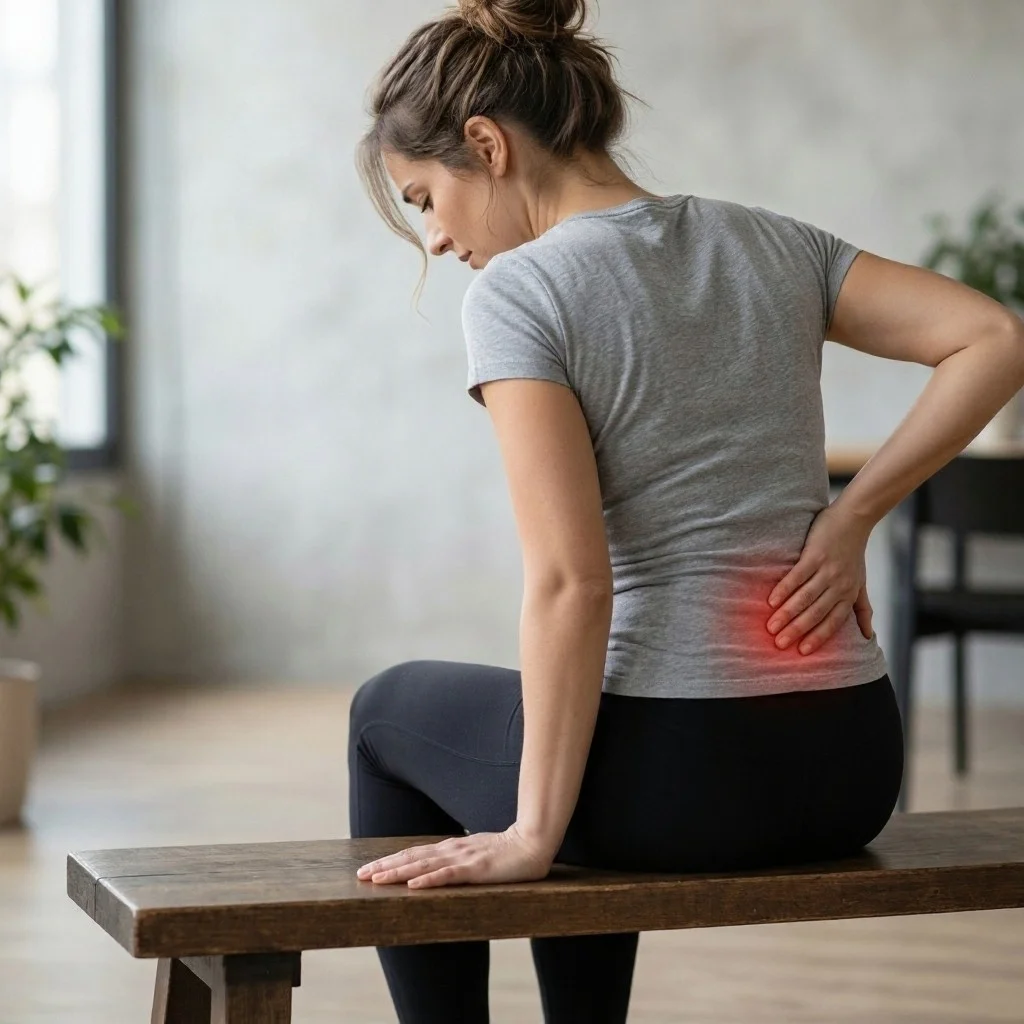
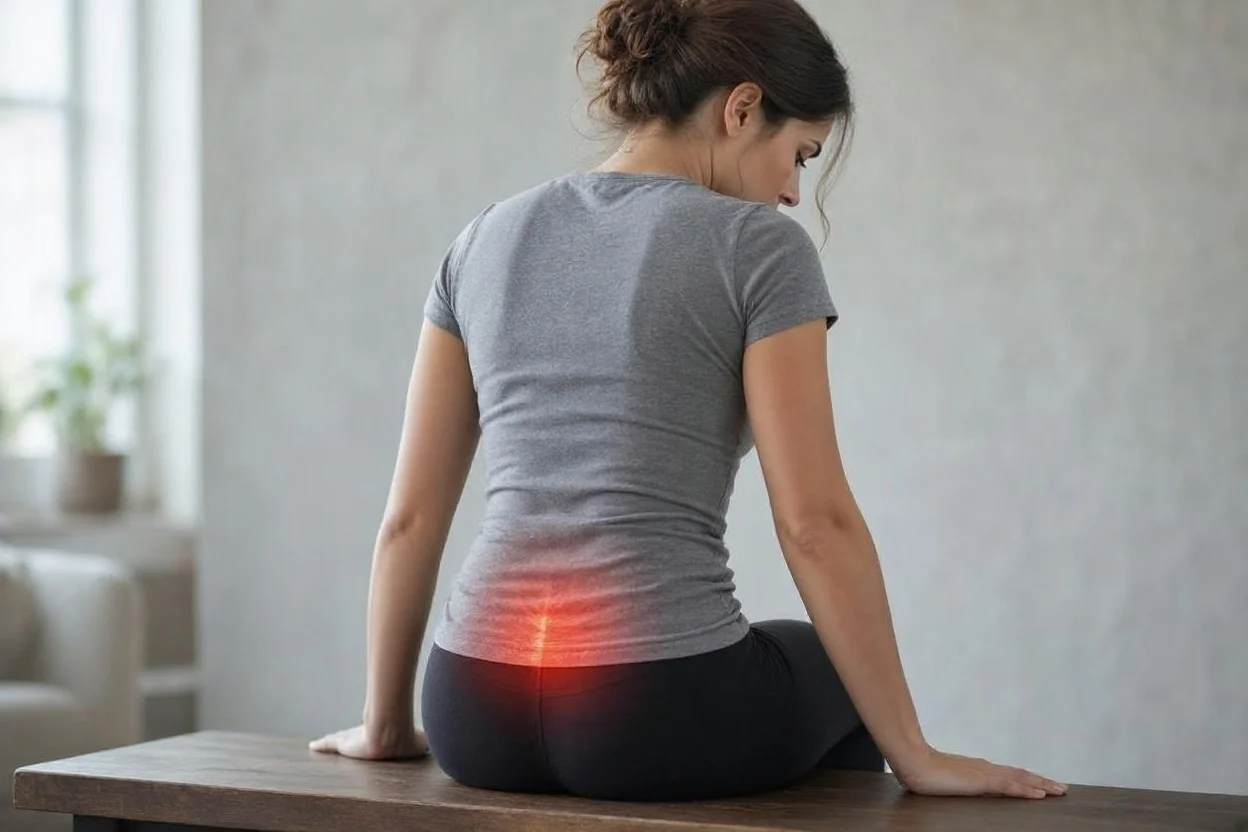
Have you ever sat on a hard chair, bench, or floor and noticed a sharp pain at the very bottom of your spine? If your tailbone hurts when sitting on a hard surface, you may be experiencing a condition called coccydynia, which refers to pain around the coccyx, commonly known as the tailbone.
This discomfort can make everyday activities surprisingly difficult. Sitting through a meeting, driving, working at a desk, or even getting up from a chair may become uncomfortable. In some cases, the pain starts after a fall or injury. In others, it develops gradually because of prolonged sitting, repeated pressure, or changes in posture.
Fortunately, many cases of tailbone pain improve with appropriate self-care and adjustments to daily habits. However, persistent or severe symptoms deserve medical attention because several conditions can cause pain in this area.
In this article, we explain why your tailbone hurts when sitting on a hard surface, which symptoms to look out for, how to relieve the discomfort, and when physiotherapy or medical assessment may help.
What Is the Tailbone and Why Does It Hurt?
The tailbone, or coccyx, is a small triangular bone located at the bottom of your spine, just below the sacrum. It usually consists of three to five small bones joined together.
Although the coccyx is relatively small, it plays a role in supporting your body when you sit. It also provides attachment points for several ligaments, tendons, and pelvic floor muscles.
When you sit, your body weight is distributed across your pelvis and surrounding tissues. However, certain sitting positions can increase pressure around the tailbone.
A hard chair or bench provides less cushioning than a supportive seat. As a result, the soft tissues around the coccyx may experience greater direct pressure. If the area is already irritated or injured, this pressure can trigger pain.
Tailbone pain is sometimes described as:
A dull ache at the bottom of the spine.
Sharp pain when sitting down.
Tenderness when pressure is applied near the tailbone.
Discomfort when moving from sitting to standing.
Pain that becomes worse after sitting for a long time.
The medical term for this condition is coccydynia.
7 Common Reasons Your Tailbone Hurts on a Hard Surface
Several factors can explain why your tailbone becomes painful when you sit on a hard surface. Identifying the possible cause can help you choose the right way to manage the discomfort.
1. Prolonged Sitting on Hard Surfaces
One of the most common reasons for tailbone discomfort is sitting for extended periods without enough support.
For example, spending hours on a wooden chair, classroom bench, office seat, or hard floor can place continuous pressure on the coccyx.
This may irritate the tissues surrounding the bone and make the area increasingly sensitive.
You may notice that:
Pain increases the longer you sit.
Standing up provides temporary relief.
The discomfort returns when you sit again.
You feel tenderness directly above the buttocks.
Even if you do not have an injury, repeated pressure can contribute to tailbone pain.
2. A Previous Fall or Tailbone Injury
Falling backward onto a hard surface is a common cause of tailbone injury.
A fall from a chair, slipping on a wet floor, or landing on your buttocks during sports can bruise the coccyx or stretch the surrounding ligaments.
Although an actual fracture is less common than a bruise or soft-tissue injury, both can cause significant discomfort.
Typical symptoms include:
Pain when sitting directly on the affected area.
Bruising or swelling near the tailbone.
Tenderness when touching the area.
Difficulty changing positions.
Pain when standing up after sitting.
If your symptoms started immediately after a fall, particularly if the pain is severe, consider getting a medical assessment.
3. Poor Sitting Posture
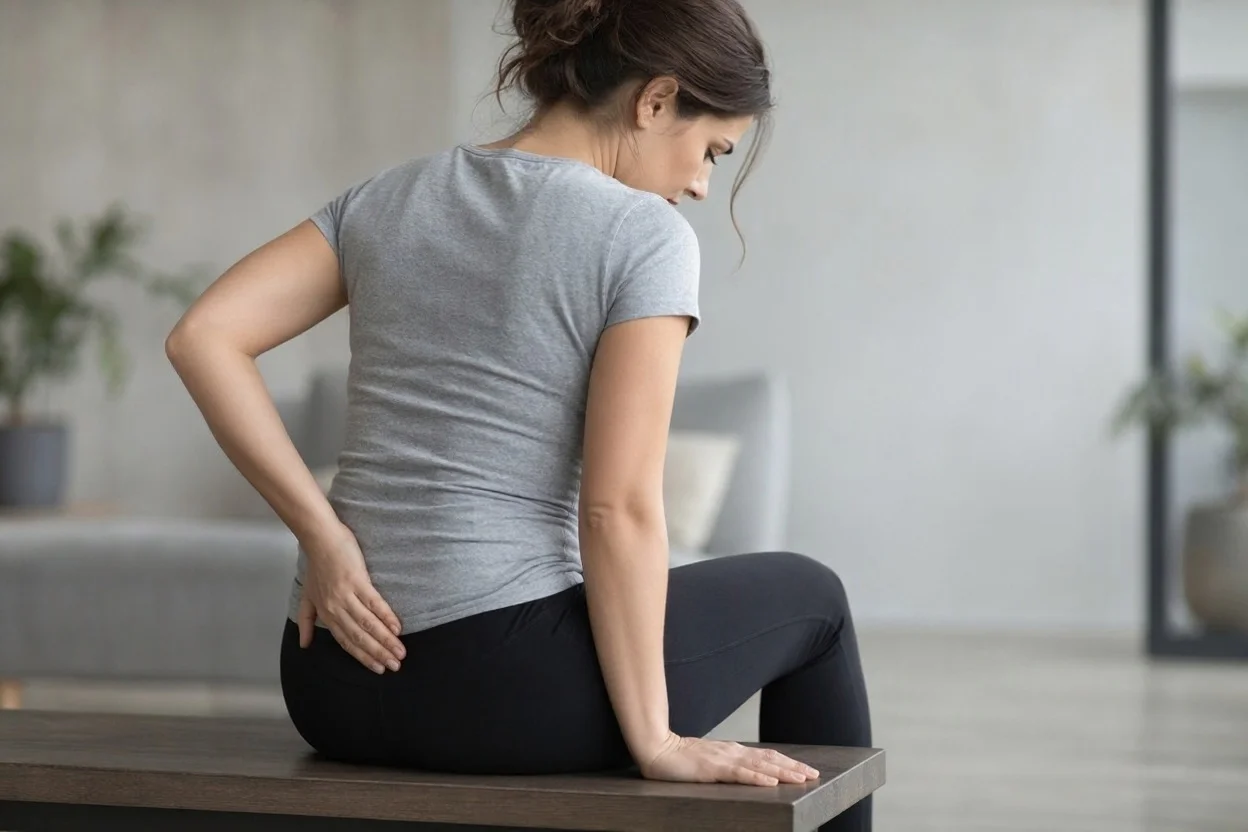
Your sitting posture can influence how much pressure reaches your tailbone.
Slouching, leaning backward, or sitting with your pelvis positioned awkwardly may change how your body weight is distributed.
For example, if you sit for hours with your lower back rounded and your pelvis tilted backward, you may place additional pressure on the coccyx.
Poor posture does not always cause tailbone pain by itself. However, it can contribute to discomfort, especially when combined with prolonged sitting.
4. Repetitive Pressure From Cycling or Other Activities
Activities that repeatedly place pressure around the pelvis can irritate the tailbone region.
Cycling, rowing, and certain exercises may involve prolonged contact with a seat or repeated movement around the pelvic area.
If your bike seat does not fit properly or your riding position is uncomfortable, you may experience increased pressure around the coccyx and surrounding tissues.
Taking breaks, adjusting your equipment, and changing your position may help reduce irritation.
5. Pregnancy and Childbirth
Tailbone pain can develop during pregnancy or after childbirth.
During pregnancy, changes in body weight, posture, and pelvic mechanics may increase pressure around the coccyx.
Childbirth can also place considerable stress on the ligaments and tissues surrounding the tailbone. Some people experience pain after delivery, particularly when sitting for long periods.
If you are pregnant or have recently given birth and experience persistent tailbone pain, discuss it with your healthcare professional before starting exercises or treatment.
6. Changes in Body Weight and Cushioning
The amount of natural cushioning around the buttocks can influence how pressure is distributed when sitting.
People with less soft-tissue padding may experience more direct pressure on the tailbone when sitting on a hard surface.
On the other hand, changes in body weight can affect posture and pelvic loading. These factors may contribute to discomfort, although body weight alone does not explain every case.
7. Other Medical Conditions
Not all pain around the tailbone comes directly from the coccyx.
Other possible causes include:
Pilonidal cyst: A cyst or infected area near the top of the buttock crease that may cause swelling, redness, tenderness, or drainage.
Infection: An infection in nearby skin or deeper tissues may cause pain, warmth, swelling, and sometimes fever.
Pelvic floor muscle problems: Tension or dysfunction in the muscles surrounding the pelvis may contribute to discomfort.
Joint conditions: Changes affecting the sacrococcygeal joint may cause localized pain.
Rare underlying conditions: In uncommon cases, a tumour or another serious condition may cause persistent pain around the coccyx.
If you notice a lump, discharge, fever, unexplained weight loss, or pain that does not improve, seek medical advice rather than assuming the problem is simply caused by sitting.
How Can You Relieve Tailbone Pain When Sitting?
If your tailbone hurts on a hard surface, the first step is to reduce direct pressure on the painful area. You can also make a few changes to your sitting habits and daily routine.
1. Use a Coccyx Cushion
A specially designed coccyx cushion is one of the most practical ways to reduce pressure when sitting.
Unlike a standard flat cushion, a coccyx cushion usually has a cut-out section at the back. This allows your tailbone to sit with less direct contact against the chair.
When choosing one:
Look for a cushion designed to relieve tailbone pressure.
Choose a supportive material that does not collapse completely.
Make sure the cushion fits your chair.
Check that your feet can still rest comfortably on the floor.
A wedge-shaped cushion may also help some people. The best option depends on your comfort and sitting position.
2. Avoid Sitting for Long Periods
Even with a comfortable cushion, remaining in one position for hours may aggravate tailbone pain.
Try to stand up regularly and walk for a few minutes. If you work at a desk, consider alternating between sitting and standing throughout the day.
You can also:
Take short movement breaks.
Change your sitting position regularly.
Avoid sitting on hard benches for extended periods.
Reduce activities that consistently trigger your symptoms.
The goal is not to avoid sitting completely. Instead, reduce continuous pressure and gradually improve your tolerance.
3. Adjust Your Sitting Position
Your posture can make a difference when managing tailbone discomfort.
Try the following:
Sit on a supportive chair with enough cushioning.
Keep your lower back comfortably supported.
Place both feet flat on the floor.
Keep your shoulders relaxed.
Lean slightly forward if this reduces pressure on your tailbone.
Avoid leaning backward directly onto the painful area.
You should not force yourself into a rigid posture. A comfortable, supported position that reduces pressure is more important than maintaining one supposedly perfect posture.
4. Apply Heat or Cold
Heat and cold may help reduce discomfort around the tailbone.
Cold therapy: An ice pack wrapped in a towel may help soothe pain, particularly after a recent injury. Apply it for around 15–20 minutes at a time.
Heat therapy: A warm compress may help relax surrounding muscles and ease stiffness.
Never place ice or a heating pad directly against your skin. Avoid excessive heat, and stop if either method increases discomfort.
5. Try Side-Lying When Resting
If sitting is uncomfortable, lying on your side can reduce direct pressure on the coccyx.
You may find it helpful to place a pillow between your knees to support your hips and pelvis.
If you prefer lying on your back, use a position that does not increase pressure or discomfort around the tailbone.
6. Prevent Constipation and Avoid Straining
Some people experience increased tailbone pain during bowel movements.
Straining can place additional pressure on the pelvic floor and surrounding tissues.
To make bowel movements more comfortable:
Drink enough water.
Include fibre-rich foods in your diet.
Avoid holding your breath and straining.
Ask a pharmacist or healthcare professional about suitable constipation treatments if needed.
If bowel movements are consistently painful, mention this during your medical assessment.
Gentle Exercises That May Help Tailbone Pain
Exercise selection depends on the cause of your symptoms. Gentle movement may help some people, particularly when muscle tension or reduced mobility contributes to discomfort.
However, exercise should not increase sharp pain or put direct pressure on an injured tailbone. If your pain started after a significant fall, is severe, or is accompanied by other concerning symptoms, seek medical advice before trying these movements.
1. Gentle Walking
Walking is a simple way to maintain general movement without placing continuous pressure on your coccyx.
Start with a short walk at a comfortable pace. If your pain does not increase, gradually extend the duration.
Avoid long walks if they make your symptoms worse.
2. Pelvic Tilts
Pelvic tilts gently move your pelvis and lower back while you are lying down.
How to perform the movement:
Lie on your back with your knees bent.
Place your feet flat on the floor.
Gently tighten your abdominal muscles.
Slowly tilt your pelvis so your lower back moves slightly toward the floor.
Relax and return to a comfortable starting position.
Repeat a few times without forcing the movement.
If lying on your back increases tailbone pressure, choose another comfortable position instead.
3. Cat-Cow Movement
This gentle mobility exercise moves your spine through a comfortable range.
Start on your hands and knees.
Slowly round your back toward the ceiling.
Return to a neutral position.
Gently move your back in the opposite direction.
Repeat slowly while breathing normally.
Keep the movement controlled. Stop if it causes pain around your tailbone.
4. Gentle Hip Mobility
Tightness around the hips and pelvis may contribute to discomfort for some people.
A physiotherapist may recommend gentle hip mobility exercises based on your assessment.
For example, you may perform small, controlled hip movements while standing or lying on your side. Avoid deep stretches that pull painfully around the pelvis.
5. Relaxed Diaphragmatic Breathing
The pelvic floor muscles work together with the diaphragm and abdominal muscles.
If these muscles are overly tense, learning to relax them may help some people with pelvic or tailbone discomfort.
Try this:
Lie in a comfortable position.
Place one hand on your abdomen.
Breathe in slowly and allow your abdomen to expand gently.
Breathe out without tightening your stomach or pelvic muscles.
Repeat for several relaxed breaths.
Do not force your pelvic floor to contract. People with pelvic floor tension may benefit more from relaxation techniques than strengthening exercises. A qualified physiotherapist can help determine which approach is appropriate.
When Should You See a Doctor for Tailbone Pain?
Mild tailbone pain may improve with pressure reduction and simple home care. However, certain symptoms require professional assessment.
Arrange a medical appointment if:
Your pain has not started improving after a few weeks.
Sitting, driving, or working has become difficult.
The discomfort keeps returning.
You have pain during bowel movements.
You notice a lump, swelling, redness, or discharge near the tailbone.
You have a fever or feel generally unwell.
The pain started after a significant fall or injury.
Seek urgent medical care if tailbone or lower back pain occurs with new bladder or bowel control problems, numbness around the genitals or anus, or significant or progressive leg weakness. These symptoms may indicate a serious nerve problem and should not be ignored.
A healthcare professional can assess your symptoms and decide whether you need further investigation. Depending on the findings, imaging such as an X-ray or MRI may sometimes be appropriate.
Can Physiotherapy Help With Tailbone Pain?
Physiotherapy may help when tailbone pain continues, repeatedly returns, or interferes with daily activities.
The first step is a detailed assessment. A physiotherapist may ask when the pain started, which positions make it worse, whether you have had a previous injury, and how the symptoms affect your daily routine.
Treatment depends on the underlying cause and may include:
Movement and Posture Assessment
Your physiotherapist may assess how you sit, stand, walk, and move your hips and lower back.
This can help identify positions or movement patterns that increase pressure around the coccyx.
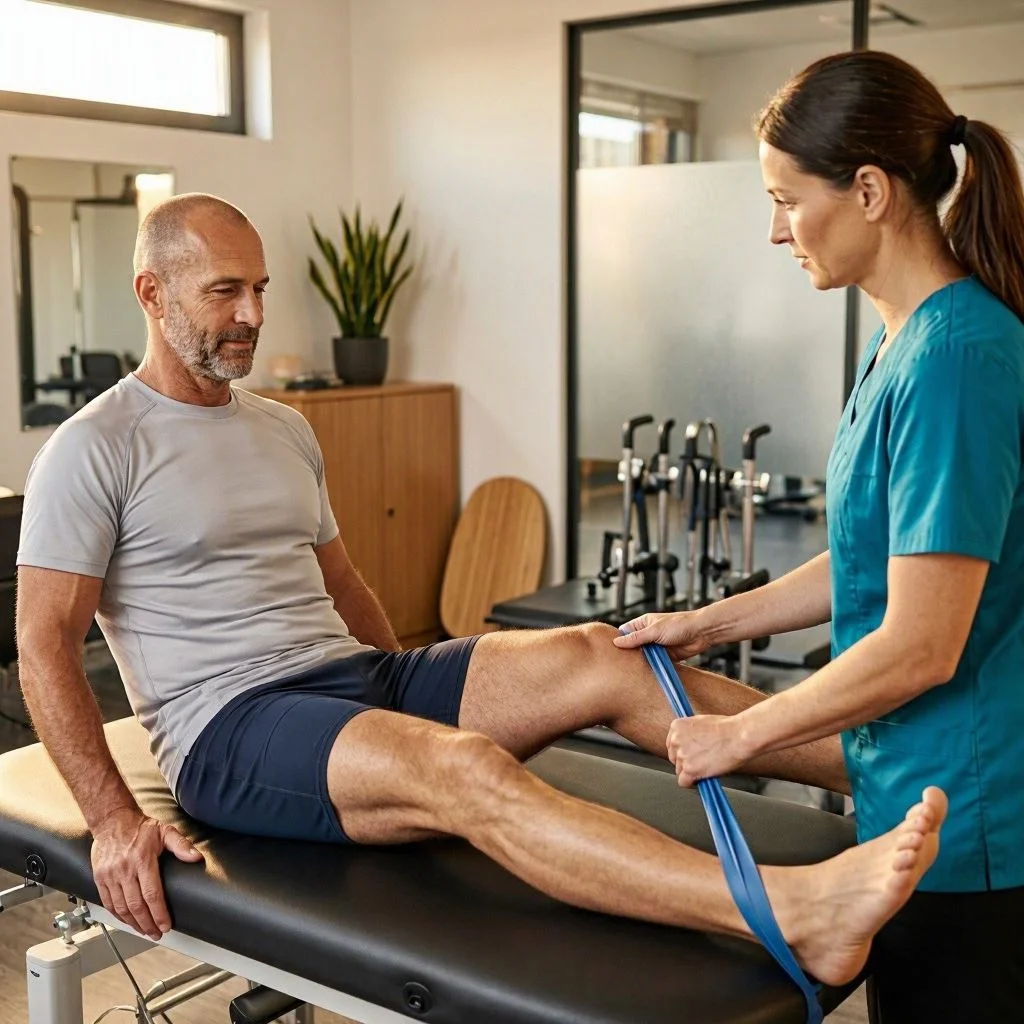
Individual Exercise Programs
A suitable exercise plan may focus on improving hip mobility, trunk control, and comfortable movement.
If pelvic floor muscle tension is contributing to your symptoms, treatment may also include relaxation and coordination techniques.
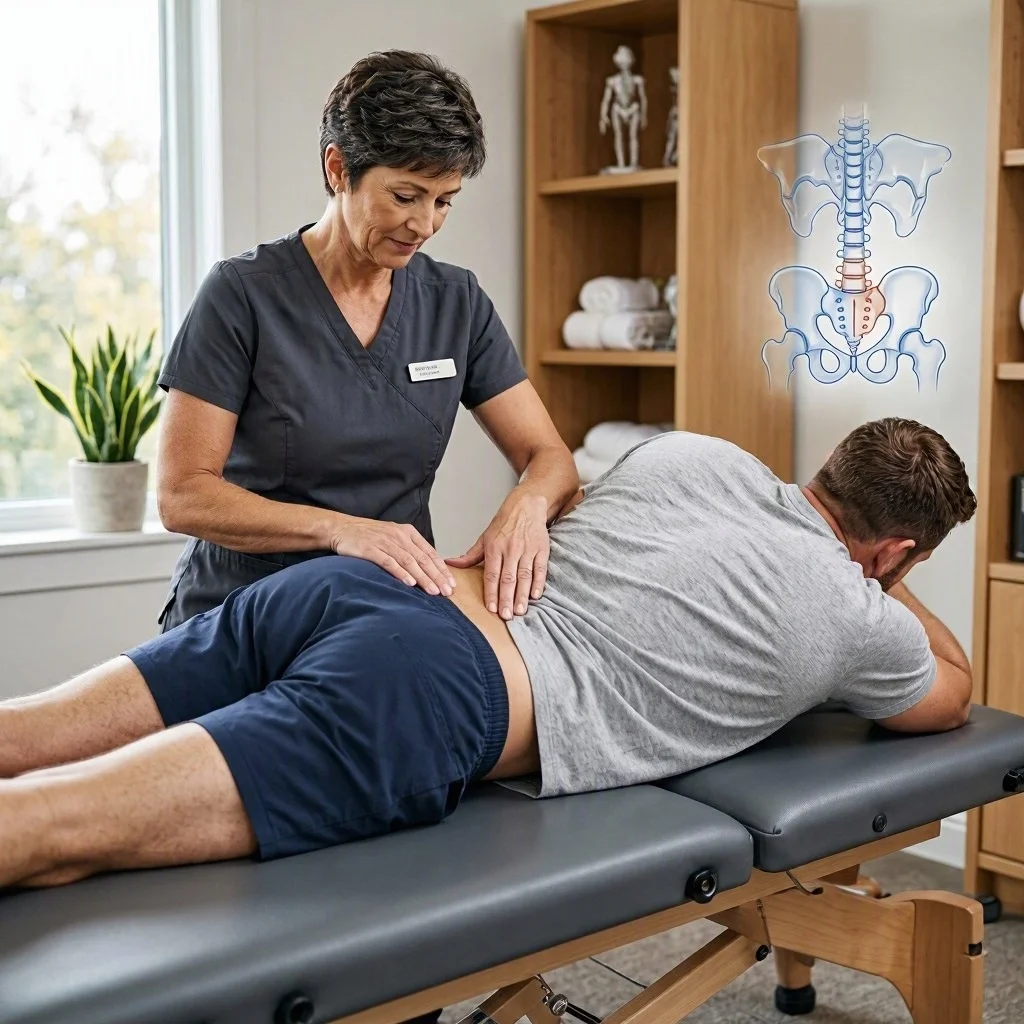
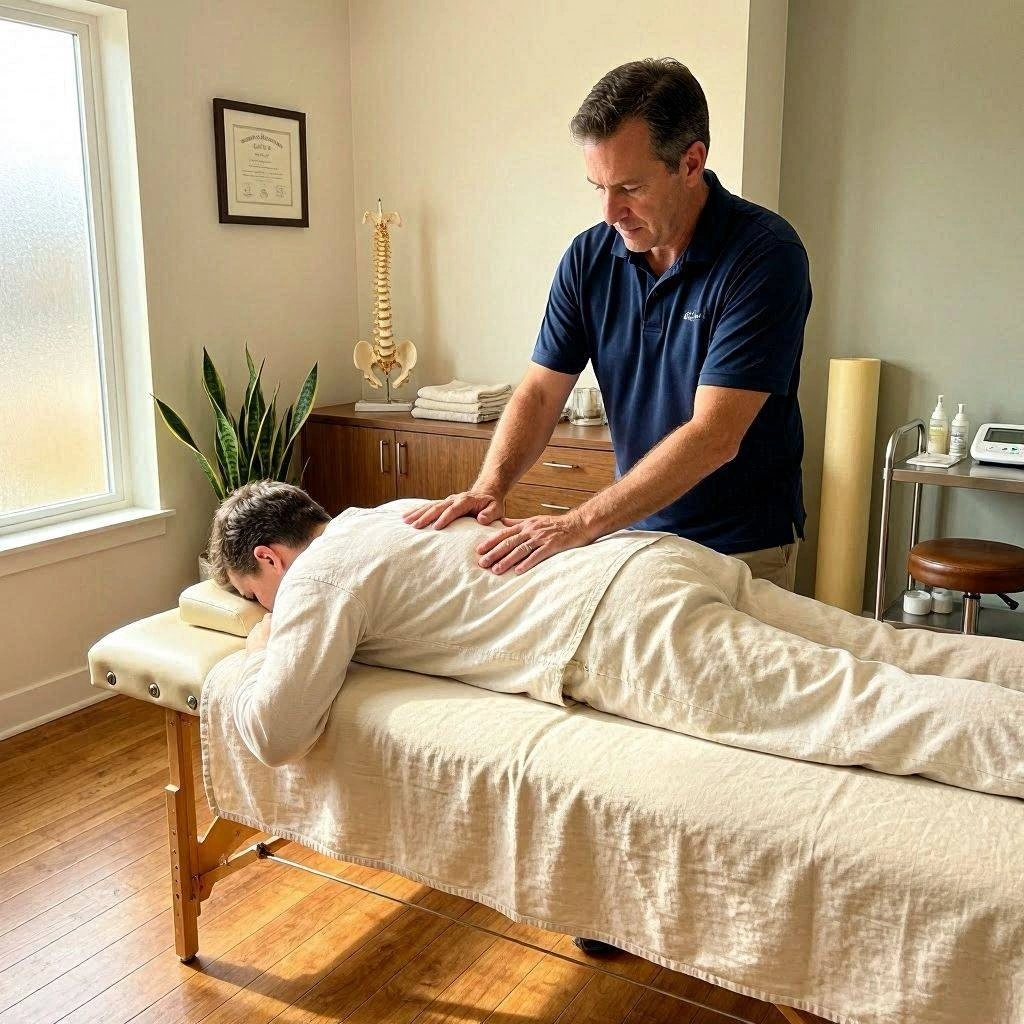
Manual Therapy
In selected cases, a trained clinician may use appropriate hands-on techniques to address surrounding muscle or joint restrictions.
Not everyone with tailbone pain needs manual therapy. The treatment should be based on an assessment and your comfort.
Advice for Daily Activities
A physiotherapist can help you adjust your workstation, choose suitable seating, plan movement breaks, and gradually return to activities such as cycling or exercise.
If your symptoms are affecting your ability to work or sit comfortably, you can explore physiotherapy services at Ritz Clinic to learn more about individualized assessment and rehabilitation.
The aim is to reduce aggravating pressure, improve function, and help you return to everyday activities safely. Physiotherapy is not a substitute for medical evaluation when warning signs are present.
How Can You Prevent Tailbone Pain From Sitting on Hard Surfaces?
You may not be able to prevent every cause of coccyx pain, particularly injuries. However, a few practical habits can reduce unnecessary pressure.
Choose supportive seating: Avoid spending long periods on hard, flat surfaces. Use a suitable cushion when needed.
Take regular breaks: Stand up, walk, and change position throughout the day.
Maintain comfortable posture: Support your lower back, keep your feet on the floor, and avoid sitting directly backward onto a painful tailbone.
Adjust your bicycle seat: If cycling triggers discomfort, check your saddle position and equipment fit.
Build activity gradually: Increase exercise duration and intensity over time rather than making sudden changes.
Address recurring symptoms early: If discomfort repeatedly returns, seek an assessment instead of relying only on cushions and temporary pain relief.
Frequently Asked Questions
1. Why Does My Tailbone Hurt Only When I Sit on a Hard Surface?
A hard surface provides less cushioning around your coccyx. This can increase direct pressure on the bone and surrounding tissues, especially if you already have irritation, inflammation, or a previous injury.
If the pain disappears when you stand or use a cushion, pressure-related irritation may be contributing to your symptoms. However, this pattern alone cannot confirm the cause.
2. Can Sitting Too Long Cause Tailbone Pain?
Yes. Prolonged sitting can place repeated pressure on the coccyx and surrounding tissues. This is particularly common when sitting on hard or poorly supportive chairs.
Taking regular breaks and using a suitable coccyx cushion may help reduce discomfort.
3. Is Tailbone Pain a Sign of a Fracture?
Not necessarily. Most tailbone injuries involve bruising or irritation of the surrounding ligaments rather than a fracture.
However, a significant fall or direct impact can sometimes cause a fracture. If you experience severe pain after an injury, arrange a medical assessment.
4. Should I Use a Donut Cushion for Tailbone Pain?
A cushion with a rear cut-out or a wedge-shaped coccyx cushion may reduce pressure on the painful area.
Traditional ring-shaped cushions do not work equally well for everyone. Choose a design that feels comfortable and allows you to sit with good support.
5. How Long Does Tailbone Pain Usually Last?
Recovery depends on the cause. Mild pressure-related discomfort may improve within days or weeks after changing your sitting habits.
A more significant injury can take considerably longer. For example, MedlinePlus notes that a bruised tailbone may take around four weeks to heal, while a fracture may take approximately eight to twelve weeks.
6. Can Tailbone Pain Be Related to Lower Back Problems?
Yes. The tailbone is located at the bottom of the spine, and discomfort in this region can sometimes occur alongside lower back or pelvic symptoms.
However, pain around the coccyx does not automatically mean you have a lower back condition. A proper assessment can help distinguish between possible causes.
7. Can Physiotherapy Fix Tailbone Pain?
Physiotherapy can help some people manage persistent tailbone pain through individualized exercises, movement advice, posture adjustments, and appropriate treatment techniques.
The results depend on the underlying cause and the treatment approach. Some conditions also require medical management.
Conclusion
If your tailbone hurts when sitting on a hard surface, increased pressure around the coccyx may be contributing to your discomfort. Prolonged sitting, poor posture, previous injuries, repetitive activities, and pregnancy or childbirth can all play a role.
Fortunately, many cases improve with practical changes. Using a suitable coccyx cushion, taking regular breaks, adjusting your sitting position, and avoiding activities that increase pressure may help you feel more comfortable.
Gentle movement and an appropriate physiotherapy program may also support recovery when symptoms persist.
However, do not ignore severe pain, symptoms following a significant injury, fever, swelling, or changes in bladder or bowel control. A professional assessment can help identify the cause and guide the most appropriate treatment.
Cleveland Clinic – Tailbone Pain (Coccydynia)
Summary Table
| Possible cause | Common signs | Helpful approach |
|---|---|---|
| Prolonged sitting | Pain increases over time | Take breaks and use a coccyx cushion |
| Tailbone injury | Pain after a fall or impact | Medical assessment and pressure reduction |
| Poor sitting posture | Discomfort during desk work | Adjust seating and support your lower back |
| Repetitive pressure | Pain after cycling or rowing | Modify activity and equipment |
| Pregnancy or childbirth | Pain around the pelvis and tailbone | Discuss symptoms with a healthcare professional |
| Pelvic floor tension | Pelvic discomfort and pain with sitting | Individualized pelvic floor assessment |
| Pilonidal cyst or infection | Lump, redness, swelling, or discharge | Medical evaluation |