How Can I Relieve Lower Back Pain When Bending Forward?
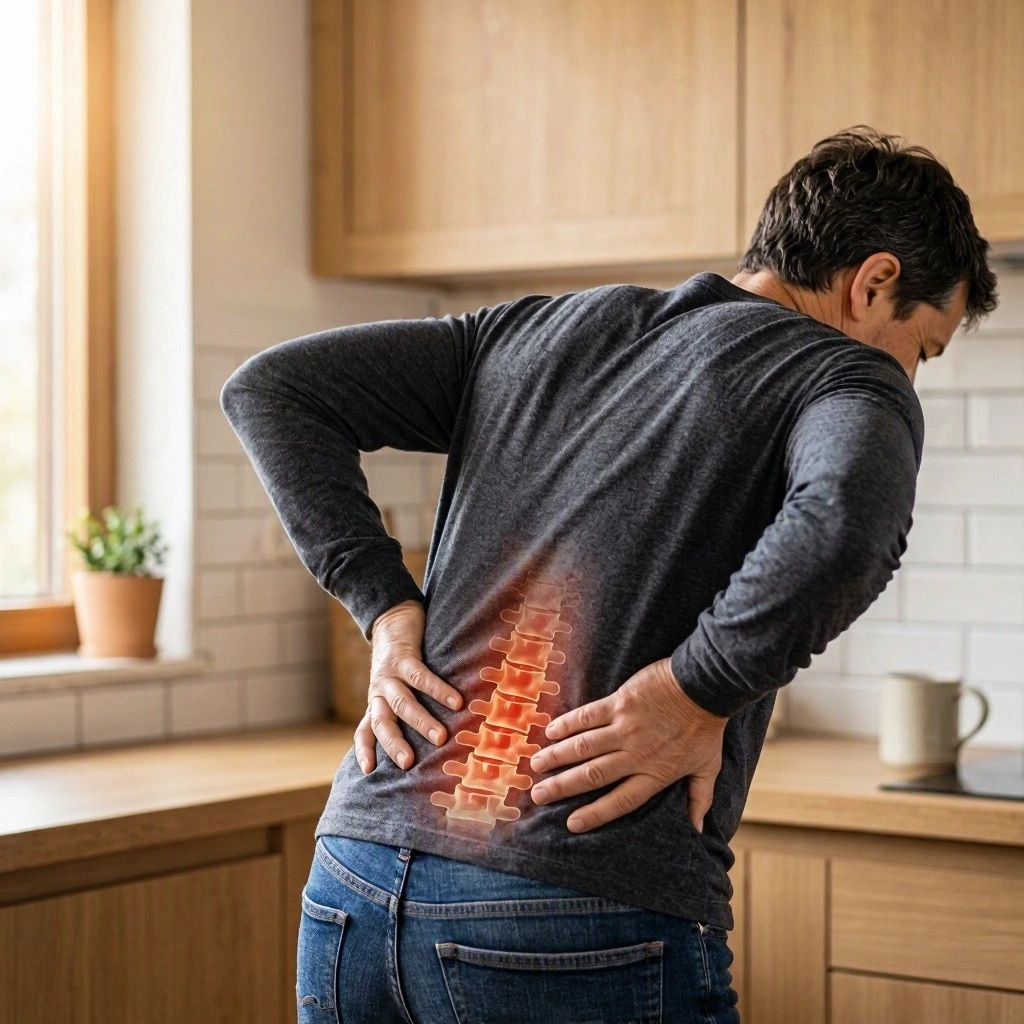
Lower back pain when bending forward can make everyday activities surprisingly difficult. You may notice discomfort when tying your shoes, picking something up from the floor, getting dressed, or leaning over a sink. Sometimes the pain feels like a dull ache or tightness. In other cases, it may be sharp enough to make you straighten your back immediately.
If you experience this problem, you may wonder whether you have pulled a muscle, injured a spinal disc, or developed a more serious back condition. The good news is that many episodes of lower back pain improve with appropriate self-care, gradual movement, and the right treatment.
However, the best way to relieve lower back pain when bending forward depends on what is causing it and which movements your symptoms tolerate. Stretching is not always the answer, and repeatedly pushing through painful movements can make some symptoms worse.
This guide explains the common causes of lower back pain during forward bending, practical treatments you can try at home, exercises that may help, and when to seek professional medical care.
Why Does My Lower Back Hurt When Bending Forward?
Bending forward involves coordinated movement of your hips, pelvis, spine, and surrounding muscles. If one of these structures is irritated or sensitive, leaning forward may trigger pain.
The following are some common explanations, although symptoms alone cannot establish a diagnosis.
1. Lower Back Muscle Strain
A muscle strain is one possible cause of pain when bending forward. It may occur after lifting a heavy object, exercising harder than usual, performing repetitive movements, or making an awkward movement.
When a muscle or its surrounding connective tissue becomes irritated, bending can place additional demand on the affected area.
Common symptoms include:
- Aching or tenderness in the lower back.
- Pain when bending, lifting, or changing positions.
- Muscle tightness or spasms.
- Discomfort when returning to an upright position.
A mild strain may improve gradually over days or weeks. Severe pain, pain following a significant injury, or symptoms that fail to improve deserve medical assessment.
2. Irritation of a Spinal Disc
Spinal discs sit between the bones of your spine and help distribute loads during movement. A disc can become irritated or herniated, sometimes affecting nearby nerves.
In some people, sitting, bending forward, or lifting aggravates disc-related symptoms. The pain may remain in the lower back or travel into the buttock and leg.
Possible symptoms include:
- Pain that increases during certain bending or lifting movements.
- Discomfort when sitting for extended periods.
- Pain that spreads down one leg.
- Tingling, numbness, or weakness when a nerve is affected.
Nevertheless, pain during forward bending does not automatically mean you have a herniated disc. Disc changes are also common in people without back pain. A healthcare professional can assess your symptoms and determine whether further investigation is necessary.
3. Tightness Around the Hips and Hamstrings
The hamstrings are the muscles along the back of your thighs. Your hips and hamstrings contribute to the movement required when you bend forward.
If your hip movement is restricted or your hamstrings feel tight, you may change the way you bend. This can alter how movement and load are distributed between your hips and lower back.
You might notice discomfort when reaching towards your toes, putting on socks, or bending to pick up an object.
However, tight muscles are not necessarily the cause of your pain. Aggressive stretching can aggravate some back conditions, so it is better to begin with comfortable movements and identify which areas actually need attention.
4. Joint-Related Back Pain
The small joints between the vertebrae help guide spinal movement. Changes associated with osteoarthritis or other joint conditions can contribute to lower back pain.
Symptoms vary depending on the affected structures. Some people experience pain during twisting or backward bending, while others notice discomfort after remaining in one position for too long.
Because joint-related pain can overlap with muscle and disc symptoms, a physical examination may be needed to determine the most appropriate treatment.
5. Sciatica and Nerve Irritation
Sciatica describes symptoms associated with irritation of the sciatic nerve or its nerve roots. It commonly causes pain that travels from the lower back or buttock into one leg.
Forward bending may aggravate symptoms in some people, particularly when a nerve is sensitive to movement or tension.
You may experience:
- Shooting or burning pain down the leg.
- Tingling or pins and needles.
- Numbness in part of the leg or foot.
- Muscle weakness in more serious cases.
If you develop new or worsening leg weakness, seek urgent medical assessment. New bladder or bowel dysfunction or numbness around the groin requires emergency care.
6. Prolonged Sitting and Repetitive Bending (lower back pain when bending forward)
Spending long periods sitting at a desk or driving can make movement feel uncomfortable, especially if you frequently remain in one position.
Repeated bending and lifting at work may also aggravate an already sensitive back, particularly when the load is heavy or the activity exceeds your current capacity.
This does not mean that bending is inherently dangerous or that your spine must remain perfectly straight. The spine is designed to move. During a painful episode, temporarily adjusting the intensity or frequency of aggravating activities may help while you gradually return to normal movement.

How Can I Relieve Lower Back Pain When Bending Forward at Home?
If your symptoms are mild and you do not have warning signs, several practical measures may help reduce discomfort and improve your ability to move.
1. Temporarily Modify Painful Movements
You do not need to stop all bending, but you may benefit from reducing movements that sharply increase your pain.
For example, if picking objects up from the floor is uncomfortable, place frequently used items at a more convenient height for a few days. When lifting something, keep it close to your body and avoid combining a heavy load with sudden twisting.
Try smaller, comfortable movements rather than forcing yourself to reach the floor or touch your toes.
As your symptoms improve, gradually return to your usual activities. Avoiding every type of bending for a prolonged period can make returning to normal tasks more difficult.
2. Stay Gently Active
Although resting may feel helpful at first, prolonged bed rest is generally not recommended for uncomplicated lower back pain.
Gentle activity can help maintain mobility and reduce the stiffness associated with inactivity.
Consider starting with:
- Short walks around your home.
- Brief walks outdoors on level ground.
- Regular movement breaks during desk work.
- Comfortable everyday activities that do not significantly aggravate your symptoms.
Start with a manageable amount and increase gradually. If walking or another activity causes pain to spread further down your leg or produces new weakness, stop and seek medical advice.
3. Use Heat to Relieve Muscle Stiffness
A warm pack may help some people feel more comfortable when their lower back feels stiff or tense.
Wrap a heat pack or hot-water bottle in a towel and apply it for approximately 15 to 20 minutes. Avoid direct skin contact, excessive heat, or falling asleep with a heating device.
Heat is intended to provide temporary symptom relief. It does not establish the cause of your back pain or replace treatment when medical assessment is needed.
4. Try Cold Therapy if It Feels Better
Cold therapy may be useful for some people, particularly following a recent strain or activity that has caused irritation.
Wrap a cold pack in a towel and apply it for a short period, checking your skin regularly. Never place ice directly on your skin.
There is no single option that works for everyone. You can choose heat or cold according to your comfort, provided there are no medical reasons to avoid them.
5. Review Your Sitting and Working Habits
If you spend much of the day at a desk, make it easier to change positions regularly.
Keep your feet supported, adjust your screen to a comfortable height, and use a chair that allows you to sit without unnecessary strain. Take movement breaks rather than maintaining one rigid posture throughout the day.
If your job involves repeated bending or lifting, consider whether you can reduce the load, use suitable equipment, or divide demanding tasks into smaller sections.
These adjustments may help you manage symptoms while maintaining your normal routine.
6. Consider Appropriate Pain Relief (lower back pain when bending forward)
Some people may benefit from an over-the-counter anti-inflammatory medicine, such as ibuprofen, but these medicines are not suitable for everyone.
Potential risks are particularly relevant for people with kidney disease, stomach ulcers, certain cardiovascular conditions, or those taking medicines that may interact with anti-inflammatory drugs.
Ask a pharmacist or doctor which option is appropriate for your circumstances. Follow the product instructions and use the lowest effective dose for the shortest appropriate period.
Pain medication may make daily activities more manageable, but persistent or severe pain still needs appropriate assessment.
Best Exercises for Lower Back Pain When Bending Forward
Exercise can help many people with lower back pain, but there is no universal routine that works for every cause of symptoms.
The aim is to restore comfortable movement gradually, not to force your spine into a particular position.
Important: If forward bending causes severe pain, symptoms travelling down your leg, or new numbness or weakness, do not start a new exercise programme without professional guidance. Stop any exercise that significantly worsens your symptoms.
Exercise 1: Gentle Walking
Walking is a simple way to maintain activity without repeatedly bending your lower back.
How to do it:
- Choose a flat, comfortable walking surface.
- Begin with five to ten minutes, or less if necessary.
- Walk at a relaxed pace without forcing your posture.
- Take a break if your symptoms increase significantly.
- Gradually increase your walking time as your tolerance improves.
Short walks spread throughout the day may be easier to manage than one long session.
Exercise 2: Pelvic Tilts
Pelvic tilts allow you to practise gentle movement of the pelvis and lower back in a supported position.
How to do it:
- Lie on your back with your knees bent and feet flat on the floor.
- Gently tighten your abdominal muscles.
- Tilt your pelvis so your lower back moves slightly towards the floor.
- Hold for a moment while breathing normally.
- Relax and return to your starting position.
Try five to ten repetitions if comfortable. Keep the movement small and controlled.
If lying on your back or moving your pelvis aggravates your symptoms, stop and seek advice about a suitable alternative.
Exercise 3: Abdominal Bracing
Gentle abdominal bracing helps you practise controlling your trunk without performing repeated sit-ups or deep forward bends.
How to do it:
- Lie on your back with your knees bent.
- Breathe normally and relax your shoulders.
- Gently tighten your abdominal muscles as though preparing for a light movement.
- Continue breathing without holding your breath.
- Hold for three to five seconds, then relax.
Repeat five to ten times if comfortable. The contraction should be gentle rather than a forceful attempt to flatten your back.
Exercise 4: Supported Hip Hinge (lower back pain when bending forward)
A hip hinge allows you to practise bending through your hips while controlling the movement of your trunk.
However, this exercise may not be appropriate during an acute flare-up if bending itself causes significant pain.
How to do it:
- Stand with your feet approximately hip-width apart.
- Keep your knees slightly bent.
- Place your hands on your hips.
- Move your hips backwards a small distance while allowing your trunk to lean forward comfortably.
- Return to standing by moving your hips forward.
Begin with a small range and perform only a few repetitions if the movement is comfortable. Do not add weights initially.
The purpose is to practise controlled movement, not to keep your back completely straight or force a deep bend.
Exercise 5: Gentle Abdominal and Hip Strengthening
When your symptoms have settled enough to tolerate strengthening, a physiotherapist may recommend exercises such as modified bridges or other trunk and hip movements.
These exercises can help improve strength and tolerance for everyday tasks, including lifting and bending.
Begin with a low level of effort and increase gradually. The best choice depends on your current symptoms, physical ability, and response to movement.
Should You Stretch Your Lower Back? (lower back pain when bending forward)
Not necessarily. Some people benefit from gentle stretching, while others feel worse when they repeatedly bend forward.
For example, if forward bending aggravates your symptoms, repeated toe touches or deep knee-to-chest stretches may not be a suitable starting point.
Other people find gentle forward bending comfortable and may benefit from exercises selected for that movement pattern.
The important distinction is that the best exercise is the one suited to your condition and current tolerance, not simply the exercise that stretches the painful area the most.
If you are unsure which direction of movement is appropriate, a physiotherapist can assess your symptoms and help develop a personalised programme.
Which Movements Should You Avoid When Your Back Hurts?
You do not need to permanently avoid bending, lifting, or exercise because you have lower back pain. However, certain activities may need temporary modification while symptoms are severe.
Consider reducing or modifying the following:
- Deep forward bends: Avoid repeatedly forcing your hands towards the floor if this increases your pain.
- Heavy lifting: Reduce the load until you can lift comfortably and safely.
- Repeated bending under fatigue: Break demanding tasks into shorter sessions.
- Sudden twisting while carrying a heavy object: Move your feet to turn rather than forcing a rapid twist under load.
- Aggressive stretching: Stop if a stretch produces sharp pain, spreading leg symptoms, or increasing numbness.
- Prolonged bed rest: Maintain gentle movement when it is safe to do so.
These are temporary adjustments, not permanent restrictions. As your symptoms improve, gradually rebuild your confidence and ability to perform normal activities.
Can Physiotherapy Help Lower Back Pain When Bending Forward?
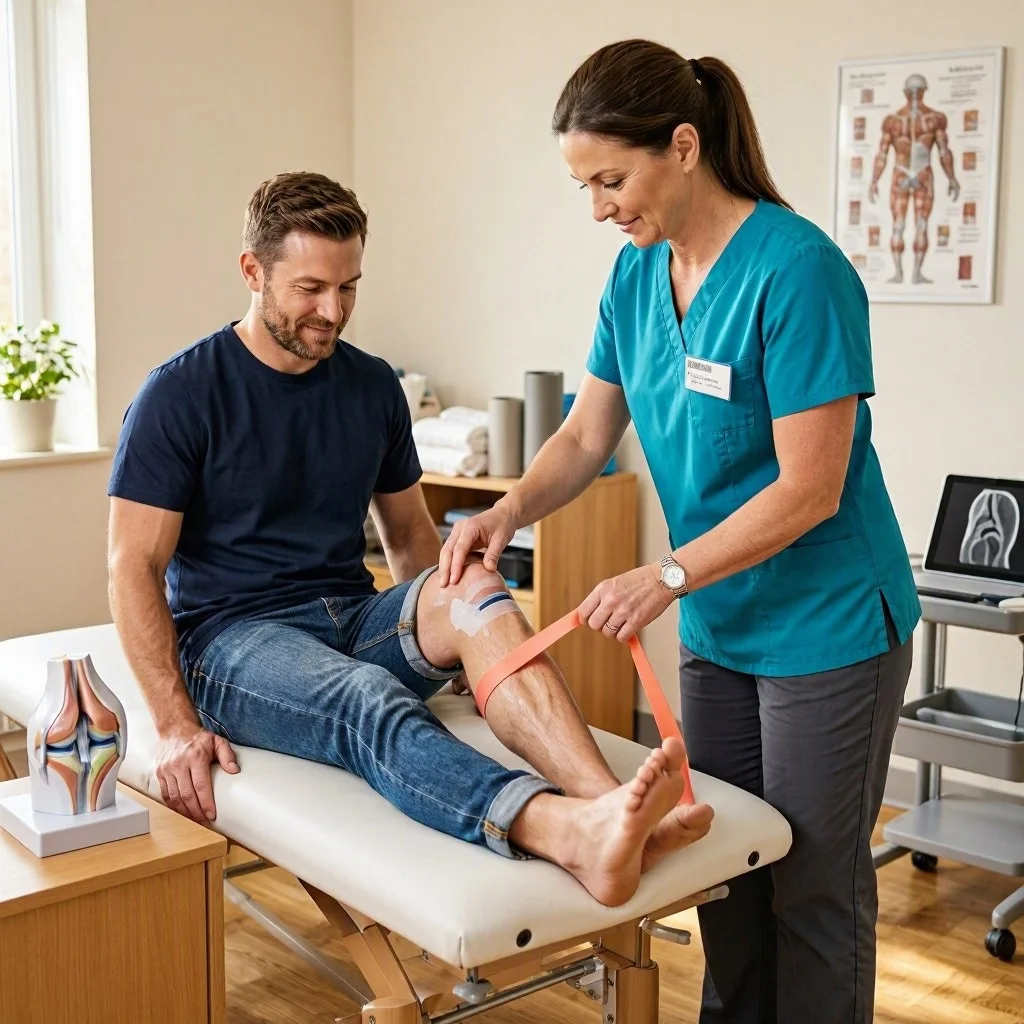
Yes. Physiotherapy can be useful when lower back pain makes it difficult to bend, lift, exercise, or perform everyday activities.
Because several conditions can produce similar symptoms, an individual assessment can help determine which movements are contributing to your discomfort and what type of treatment may be appropriate.
A Personalised Physical Assessment
A physiotherapist may ask when the pain started, whether it followed an injury, which movements aggravate it, and whether the symptoms travel into your buttocks or legs.
The assessment may include your spinal and hip mobility, strength, walking pattern, and ability to perform everyday movements.
The purpose is to identify relevant limitations, understand your symptoms, and determine whether you need additional medical evaluation.
Individualised Exercise Therapy (lower back pain when bending forward)
Your treatment programme may include mobility exercises, trunk and hip strengthening, movement-control training, and a gradual return to bending or lifting.
For example, if you have difficulty picking objects up from the floor, your physiotherapist may help you practise the task in stages, starting with a comfortable range and gradually increasing the demand.
The goal is to improve function rather than relying on temporary pain relief alone.
Manual Therapy When Appropriate
Some people may benefit from hands-on treatments, including soft-tissue techniques or joint mobilisation.
These approaches may be considered alongside exercise and education when appropriate. Manual therapy is not essential for every patient and should not replace a broader rehabilitation plan.
Guidance for Work and Everyday Activities (lower back pain when bending forward)
A physiotherapist can help you modify activities temporarily, choose appropriate exercises, and gradually resume tasks that have become difficult.
If your symptoms keep returning or bending forward continues to limit your daily life, learn more about physiotherapy services at Ritz Clinic to explore how an individual assessment and treatment plan may help support your recovery.
Treatment should be guided by your symptoms, medical history, preferences, and functional goals.

When Should You See a Doctor for Lower Back Pain?
Many episodes of lower back pain improve over several weeks, but certain symptoms require medical attention.
Arrange a medical appointment if:
- Your pain does not improve after a few weeks of appropriate self-care.
- The pain repeatedly returns or interferes with your work, sleep, or daily activities.
- You experience persistent pain, tingling, or numbness in your leg.
- Your symptoms are worse at night or you have unexplained weight loss.
- You have a history of cancer or another condition that may increase the risk of a serious underlying cause.
- Your back pain is accompanied by fever or feeling generally unwell.
Seek urgent medical assessment for severe pain that begins suddenly or worsens rapidly, particularly if you feel unwell.
Go to an emergency department immediately if you develop new difficulty controlling or emptying your bladder or bowels, numbness around your genitals or anus, or significant or worsening weakness or numbness in both legs. These can be signs of a serious spinal condition.
Back pain following a significant accident or trauma also requires prompt medical evaluation.
Do not delay urgent care while trying stretches, heat therapy, or other home treatments.
How Long Does Lower Back Pain When Bending Forward Take to Improve?
The recovery time depends on the underlying cause, severity, general health, and how the symptoms respond to treatment.
A mild muscle strain may improve over days or weeks. Other conditions may take longer and require a more structured rehabilitation programme.
During recovery, focus on gradual improvement rather than expecting all discomfort to disappear immediately.
You may find that you can walk comfortably before you can bend deeply, or that light household tasks become easier before heavier lifting feels manageable.
These differences are not necessarily a sign that treatment is failing. Recovery often happens in stages, and occasional fluctuations in pain can occur.
If your symptoms are not improving, continue to limit your normal activities, or become more severe, arrange an assessment rather than repeatedly trying new exercises without guidance.
Frequently Asked Questions
What is the fastest way to relieve lower back pain when bending forward?
There is no single treatment that works immediately for everyone. Temporarily modifying painful movements, taking short walks, and applying comfortable heat or cold may help. If the pain is severe, recurrent, or associated with leg symptoms, seek professional advice.
Should I stop bending forward if my lower back hurts?
You may need to reduce deep or repetitive bending temporarily if it significantly aggravates your symptoms. However, permanent avoidance is generally unnecessary. Gradually returning to comfortable bending as your symptoms improve can help restore everyday function.
Is lower back pain when bending forward a sign of a herniated disc?
Not necessarily. Muscle strains, joint irritation, and other conditions can also cause pain during forward bending. A herniated disc becomes more relevant when symptoms and examination findings suggest disc or nerve involvement, but bending-related pain alone cannot confirm the diagnosis.
Can stretching make lower back pain worse?
Yes. Some stretches can aggravate symptoms, particularly when they repeatedly move the spine in a direction that your back currently tolerates poorly. Choose gentle movements that feel comfortable and stop if pain significantly increases or spreads into your leg.
Is walking good for lower back pain?
Walking can help many people maintain movement and gradually improve activity tolerance. Start with short, comfortable walks and increase your distance slowly. If walking produces significant worsening, new weakness, or other concerning symptoms, seek medical advice.
Should I use heat or ice for lower back pain?
Either may provide temporary relief. Heat may feel helpful for stiffness, while cold may feel more comfortable following a recent strain. Use a protective towel and avoid extreme temperatures or direct skin contact.
When should I see a physiotherapist for back pain?
Consider physiotherapy if your pain repeatedly returns, bending and lifting remain difficult, or you need guidance on exercises and returning to normal activities. Seek medical assessment first when symptoms suggest a serious condition or when urgent warning signs are present.
Do I need an MRI for lower back pain when bending forward?
Most people with uncomplicated lower back pain do not need immediate imaging. An MRI may be considered when examination findings, persistent symptoms, or suspected serious conditions make the results likely to change treatment. A healthcare professional can help determine whether imaging is appropriate.
Conclusion
Lower back pain when bending forward can result from muscle strain, disc irritation, joint conditions, or other causes. Although the discomfort can make everyday tasks difficult, many people improve with appropriate self-care, gradual movement, and a treatment plan suited to their symptoms.
Start by modifying movements that sharply increase your pain, staying gently active, and trying comfortable exercises rather than forcing deep stretches. If the pain persists or repeatedly interferes with daily life, a healthcare professional or physiotherapist can help identify the next steps.
Most importantly, do not ignore warning signs such as new bladder or bowel problems, numbness around the groin, or significant leg weakness. These symptoms require emergency medical attention.
With appropriate guidance and gradual rehabilitation, many people can improve their movement, return to normal activities, and manage lower back pain more confidently.
Medical disclaimer: This article is intended for educational purposes only. It does not replace individual medical advice, diagnosis, or treatment.
Summary Table
| Topic | Key takeaway |
|---|---|
| Common causes | Muscle strain, disc irritation, joint conditions, and nerve irritation |
| First steps | Modify painful movements, stay gently active, and try comfortable heat or cold |
| Exercise | Start gradually and choose movements that suit your symptoms |
| Physiotherapy | Individual assessment, exercise therapy, and guidance for daily activities |
| When to seek care | Persistent or worsening pain, leg symptoms, or other concerning signs |
| Emergency symptoms | New bladder or bowel dysfunction, groin numbness, or significant leg weakness require emergency assessment |
Medical References
NHS — Back pain
Cleveland Clinic — Lower Back Pain
- NICE — Low back pain and sciatica: recommendations